
Reviewed · MAASAI MARA SAFARIS
3 nights exclusive Masai Mara safari
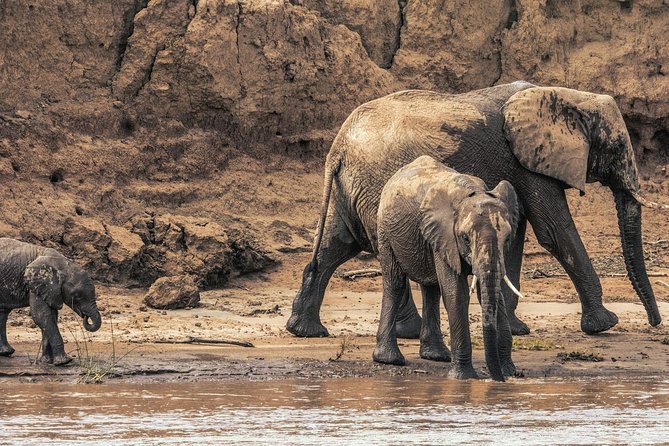
A Maasai Mara safari becomes a different trip when it is timed for the Mara River crossing. This one aims to be there when wildebeest, zebras, and other herds move back across the river, which means your days can feel like a live, changing wildlife documentary. I really like the small-group setup (max 15) and the private transportation that keeps things flexible and focused. I also like the mix of game viewing plus Maa community learning, including rites of passage and conservation challenges.
One possible drawback to plan for: a balloon safari is not included, so if you want that classic aerial moment, you’ll need to budget extra and book it separately.
Key highlights to know before you go
- Timing around the Mara River crossing for the best shot at dramatic river action
- Photo-friendly crossing points during long game drive days
- Wildlife corridors and community center visits in the same itinerary
- Maa cultural breaks focused on rites of passage and everyday life
- Well-run, professional support with a team that keeps the schedule moving
Why the Mara River crossing timing matters for your whole trip
The Maasai Mara is not just about seeing animals. It is about seeing behavior in context, and timing does a lot of the work for you. When the crossing window lines up, you get a different rhythm to the day, with more urgency, more movement, and more chances to witness hunting, fleeing, and regrouping.
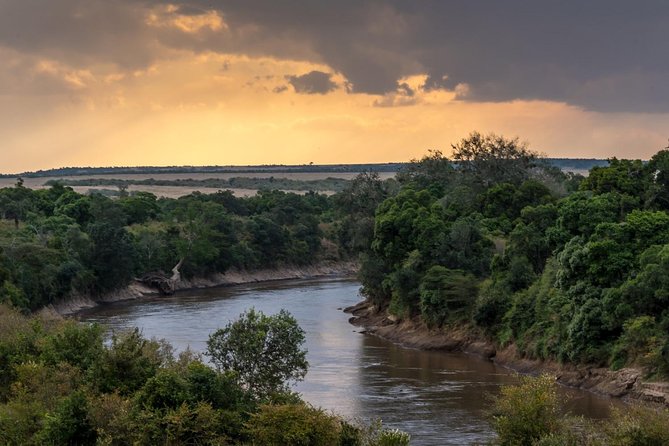
This safari is built around that idea. It is designed to run during the period when wildebeest, zebras, and other ungulates cross the Mara River back toward Kenya. That focus matters because the Mara River crossings are a magnet for predators, and they also bring in the smaller dramas that photographers love, like constant tail flicks, dust clouds, and sudden stops.
The tour also doesn’t treat culture as a side quest. You get breaks that connect wildlife to local life, especially through Maa community experiences and learning about conservation pressures in the Mara ecosystem. That makes your sightings feel less random.
If your goal is wildlife theater at ground level, this is the right kind of itinerary. If you want a slow, lounging style safari, you might find the schedule a bit active.
More Safaris in Nairobi
- Safari Tour; Nairobi National Park
★ 4.5 · 594 reviews - Half-Day Nairobi National Park Safari from Nairobi with Free Pickup
★ 4.5 · 264 reviews - 5 Days Masai Mara, Lake Nakuru & Naivasha Budget Joining Safari
★ 5.0 · 229 reviews
Day 1 in Nairobi: Rift Valley first, safari later
You start from Trav-Interactive at Cianda House in Nairobi. Pickup is offered, and the schedule is built around early mornings, with opening hours listed from 6:00 AM to 6:30 AM. That early start is practical in Kenya wildlife travel, because wildlife is most active around dawn and late day, and roads can also shift with traffic.
Before the main Mara days, you get a sneak peak of the Great Rift Valley from a bird eye view. Then the drive continues through southern Kenya countryside, a region known for history and diverse cultures. The point of this day is not to cram. It is to get your bearings, build anticipation, and help you understand how the region connects together before you hit the reserve.
By the time you’re settled into the safari rhythm, you will already feel the change in air and terrain. That transition is part of the value of a multi-day safari like this.
Day 2 in the reserve: crossing points and the big wildlife beats
Your second day is a full game viewing day in Maasai Mara National Reserve. You will target notorious crossing points for photo sessions and great sightings. This is where the itinerary gets serious, because crossing points draw in both herbivores and predators.
Expect a long stretch of wildlife time, about 8 hours on the reserve. That time window gives you the chance to track movement instead of just doing one quick drive and calling it a day. It is also long enough that you can wait for the group to shift, then reposition.
You’ll be in private transportation, and Land Cruisers are part of the experience. In the style of this operator, the driving is set up for close viewing when conditions allow, with experienced, friendly guides and drivers who push for good sightlines. That matters because a safe vehicle position and calm driving can be the difference between a missed moment and a photo you’ll keep forever.
A smart thing to do on this day: plan for patience. Crossings can build slowly and then suddenly explode into action. If you keep your camera ready and your eyes moving, you catch more than you would on a rushed loop.
Day 3 in the reserve: corridors plus Maa community centers
Day 3 is another full game viewing day in the reserve, again about 8 hours. This time the emphasis shifts to wildlife corridors, plus cultural stops through community centers. You are still in wildlife mode, but you also get a deeper human layer to the Mara story.
Wildlife corridors matter because they explain what you are seeing. Animals do not just appear at random. They move based on water, cover, grazing, and routes shaped by the land. When you understand the corridor idea, you start noticing patterns instead of only reacting to surprises.
Then you add community center visits, designed to give real experience with cultural activities and learning. The tour also mentions breaks to experience rites of passage and other ways of life among the Maa community. It also frames this as hands-on learning about local challenges to conservation in the Mara ecosystem.
This is the part of the trip that can change your mindset. Wildlife is spectacular, yes. But conservation challenges make it personal. When you learn how local communities think about land use and wildlife pressure, you stop treating the Mara like a theme park. You start treating it like a living system with tradeoffs.
If you come for photography, this day gives you variety too. Wildlife light can be harsh, but community moments often give you different textures: faces, crafts, and the day-to-day rhythms that don’t require perfect weather timing.
More Maasai Mara safaris:
- 3 Days Masai Mara Group Joining
★ 5.0 · 486 reviews - 3 Days Gamedrive Safari In Masai Mara From Nairobi
★ 5.0 · 207 reviews - From Nairobi: 3 – Days Maasai Mara Group Safari by 4WD
★ 4.6 · 205 reviews - 3 Days Maasai Mara Guided Safari from Nairobi
★ 4.5 · 195 reviews
Day 4 back to Nairobi after breakfast
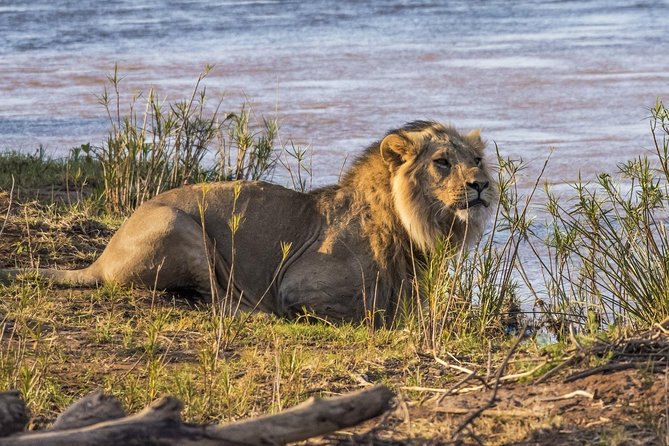
On the final day, you head back to Nairobi after breakfast. This is a shorter day, about 5 hours, and it keeps the trip from dragging longer than it needs to.
The practical value of having the return on Day 4 is simple: you still get a full Mara rhythm, but you do not feel stuck on the last morning with endless road time. You also leave room for the fact that Mara weather can change. Good safari days do not always happen on command, so having a manageable exit matters.
When you arrive back, you are typically ready to switch gears fast, shower, eat, and plan the rest of your Kenya days. Nairobi is easy to transition in and out of.
The lodge and meals: comfort, timing, and practical value
Meals are included, and that affects the value more than many people realize. This safari includes 2 breakfasts, 3 lunches, and 3 dinners. When meals are handled for you, you spend more energy on sightings and less on searching for food at the wrong time, especially when you are moving between reserve and community stops.
One detail from past experiences with this operator is that accommodation can include Spa Mara Lodge. If that is part of your package, you can expect a comfortable base where you can recharge after long game drive days. The key thing I’d look for is not luxury bragging rights, it is solid sleep and consistent meals, because early starts will test you.
Private transportation also helps you avoid the common safari annoyance of waiting for other groups. With a small group limit of up to 15 travelers, you should feel the trip stays human-sized.
Price and what you’re really paying for at $1,850 per person
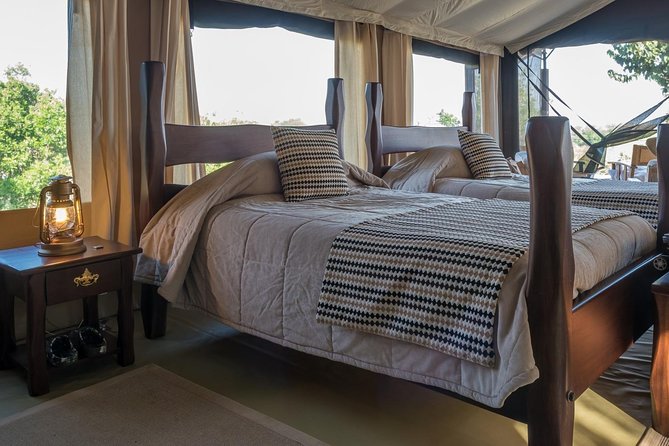
At $1,850 per person for 3 nights, this is not a budget safari. It is priced like a focused, higher-touch experience, and the value comes from the combination of items that are usually annoying to coordinate yourself.
Here is what you are paying for:
- Private transportation, so you are not stuck with a long pickup chain
- Long reserve days designed around wildlife movement
- Meals included across the days that matter
- Entry ticket coverage indicated as free in the itinerary timing
- Small-group cap at 15 travelers, which can improve the feel and pacing
The big missing piece is a balloon safari, which is not included. If balloon rides are on your must-do list, you need to treat that as an added line item, not a surprise.
Also note what is not included: personal expenses, and all fees and taxes are listed as not included. That means you should confirm what totals are expected in your final quote. Safari pricing can get confusing when taxes and fees vary, so ask for a clean breakdown before you pay.
In short: this feels like money spent where it counts, on driving time, park time, and being set up for the crossing window. If you are looking for a bare-bones, self-drive adventure, this will likely feel too organized. If you want a guided safari where you can focus on wildlife, this price can feel fair.
Photography, big cat chances, and how to get the most from the drives
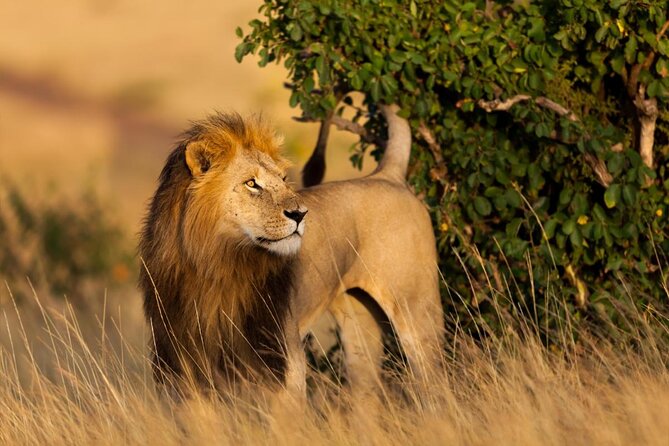
If you care about photos, you’ll enjoy the itinerary focus on crossing points and corridors. Crossing points are high-action zones, so you get lots of movement and quick scene changes. Wildlife corridors help you anticipate where animals might appear instead of only reacting.
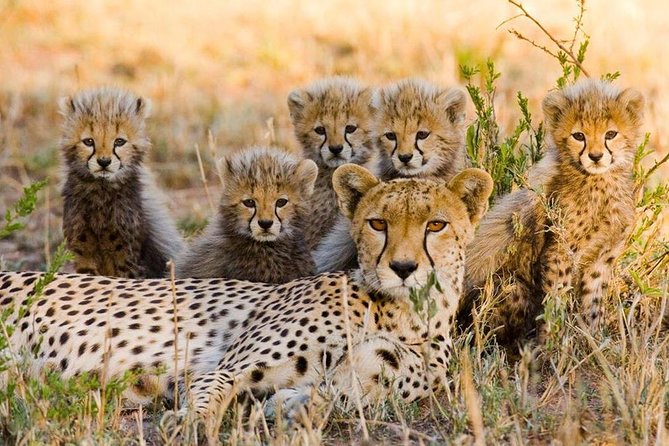
From experiences on similar trips with this operator, the Land Cruisers and drivers are often strong on close viewing. That can mean the difference between seeing an animal far away and capturing it with context. Still, wildlife is wildlife. You cannot force a kill, a leap, or a crossing. You can only show up prepared when conditions line up.
A simple strategy:
- Bring a lens range that covers both close action and wider scenes
- Keep your camera ready during the crossing windows, not only at the start of a drive
- Be flexible if the driver changes plans based on where animals are moving
One more practical note. Sometimes game drive days can come with slow patches, like vehicle positioning or crowding at hotspots. The best thing you can do is keep your expectations realistic and treat the day as a pursuit, not a timed show.
Culture and conservation: what the Maa community stops add
The tour intentionally weaves in Maa community experiences. You get community centers and cultural activities, plus breaks tied to rites of passage and ways of life among the Maa people. The itinerary also points to learning about local challenges to conservation in the Mara ecosystem.
Why does that matter? Because it makes your safari more than a list of sightings. Conservation conversations help you understand why animals, grazing, tourism, and land use decisions collide in real life. It also gives you context for why certain areas might feel more protected or more pressured.
I also like the balance of this approach. You are not forced into a long lecture format. You are given breaks during a wildlife-heavy trip, so learning does not replace your main goal. It supports it.
If you value authentic human context, you will likely find this part of the itinerary as meaningful as the sightings.
Who this safari fits best
This is a strong choice if you are any of the following:
- A wildlife lover who wants meaningful Mara time, not a quick hit
- A photographer who cares about crossing points and varied driving routes
- A student or ecologist type who wants conservation-related context
- Someone who also enjoys learning about Maasai and Maa community life
It can work for couples and friends because the group cap keeps it from feeling crowded. It can also work for families, but the tour notes you should have moderate physical fitness. That likely means you’ll be walking a bit during community visits and spending long hours in a vehicle.
If you have mobility limits, confirm what walking looks like at the community center stops. The information provided only says moderate physical fitness, not exact distances.
Practical tips before you go
- Start early mentally. You have early-day timing built in, and long reserve days mean mornings matter.
- Dress in layers. Mara can swing from cooler mornings to warmer afternoons.
- Plan for dust. Vehicle roads can be dusty, especially when animals are active and vehicles reposition.
- Bring cash for personal expenses. Lunch and dinner are included, but shopping or small extras are still your call.
- Skip balloon expectations unless you book it. The itinerary does not include balloon safari.
Weather matters too. The experience is described as requiring good weather. If weather cancels things, you are offered a different date or a full refund, so it helps to travel with some flexibility.
One more consideration: service animals are allowed, which is helpful if you travel with one. The tour is also near public transportation, so you are not completely cut off from the city plan.
Should you book this exclusive 3-night Maasai Mara safari?
If you want a focused safari timed for the Mara River crossing, and you like your trip with both wildlife action and cultural learning, I think this is a smart booking. The private transportation, long game drive days, and small-group cap are the kind of details that quietly improve the experience.
Book it if:
- You care about the Great Migration crossing window
- You want cultural stops with the Maa community, not just a park-only day
- You prefer an organized schedule that keeps meals and transport handled
Skip it or rethink it if:
- You see balloon safari as non-negotiable and don’t want extra costs
- You dislike early starts or long days in a vehicle
- You want a super flexible itinerary where you make on-the-fly choices
For most wildlife lovers, especially photographers and students, this is one of those itineraries where the planning actually lines up with what you hope to see.
FAQ
What does the safari include in the price?
The tour price includes private transportation, 2 breakfasts, 3 lunches, and 3 dinners. Admission tickets are listed as free in the itinerary. Personal expenses and all fees and taxes are not included.
How many nights is this Maasai Mara safari?
It is listed as a 3-night safari, with an overall duration of about 4 days.
Where does the safari start in Nairobi?
The meeting point is Trav-Interactive at Cianda House, Nairobi, Kenya.
Is pickup offered?
Yes, pickup is offered.
What activities are included in the Maasai Mara days?
You get game viewing in Maasai Mara National Reserve, including visits to crossing points and wildlife corridors. The schedule also includes community center visits and cultural experiences with the Maa community.
Is a balloon safari included?
No. Balloon safari is not included.
How big is the group?
The tour has a maximum of 15 travelers.
What fitness level do I need?
The tour recommends travelers should have a moderate physical fitness level.
What happens if weather is bad?
The experience requires good weather. If it is canceled due to poor weather, you’ll be offered a different date or a full refund. You can cancel for a full refund up to 24 hours in advance.
Recently reviewed from Nairobi
- Amboseli Day Trip from Nairobi★ 4.5 · 3 reviews
- Ngare Ndare Day Trip★ 5.0 · 3 reviews
- Nairobi city tour★ 4.5 · 3 reviews
- Day Trip To Crescent Island And Hells Gate National Park★ 5.0 · 3 reviews
- Crescent Island Day Tour From Nairobi★ 5.0 · 3 reviews
- 1-Day Amboseli Safari★ 5.0 · 3 reviews
- 4 days group joining budget safari to Maasai Mara only★ 5.0 · 3 reviews
- 13-Day Uganda Mgahinga Gorilla Trek, Maasai Amboseli Park★ 5.0 · 3 reviews
Maasai Mara Safaris, compared.
5 Days Masai Mara, Lake Nakuru & Naivasha Budget Joining Safari
Read our review →
3 Days Gamedrive Safari In Masai Mara From Nairobi
Read our review →
3 days group joining safari to Maasai Mara with a Land Cruiser Jeep
Read our review →Browse the lists this tour appears in