
Reviewed · LAKE NAKURU SAFARIS
6 Days of Kenyan Wonders: Amboseli, Lake Nakuru, and Masai Mara
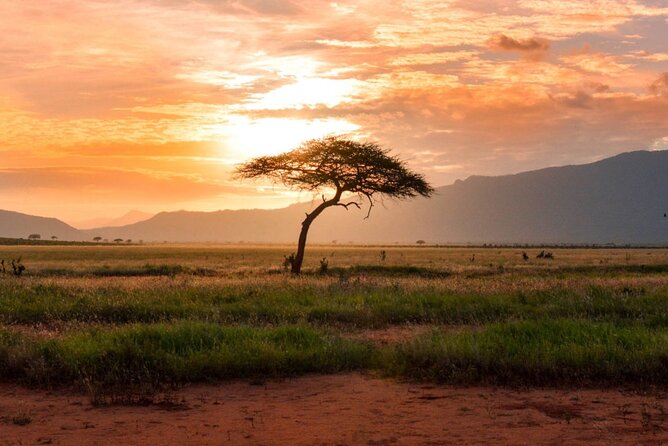
This safari is interesting because it stacks three very different wildlife settings into one 6-day run, and Kilimanjaro shows up where you least expect it, above Amboseli. You get big-elephant moments, flamingo drama, and then the classic hunt-and-be-hunted energy of the Masai Mara.
I really like two parts. First, the Kilimanjaro-backed elephant herds at Amboseli are the kind of contrast that makes your photos look unreal. Second, the Masai Mara focus on predators gives you multiple chances to spot lions, leopards, cheetahs, and hyenas, plus Big Five odds.
One thing to consider: you’re in the car a lot. Transfers can be about 4-5 hours, 6-7 hours, and 5-6 hours, so you need to be okay with long road days as part of the deal.
Quick hits before you go
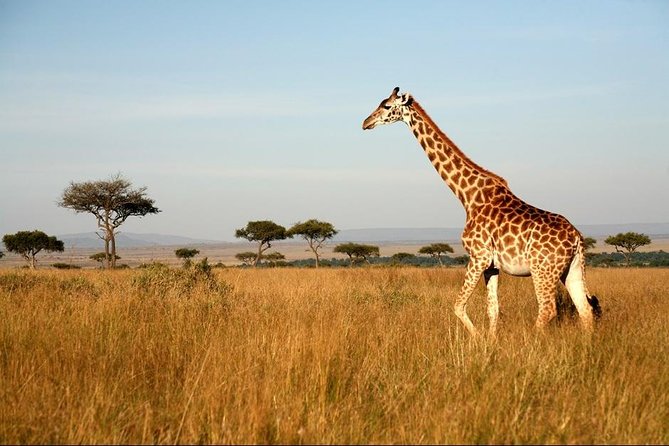
- Kilimanjaro over Amboseli elephants: elephants, giraffes, zebras, and bird life, with the mountain silhouette as your daily landmark
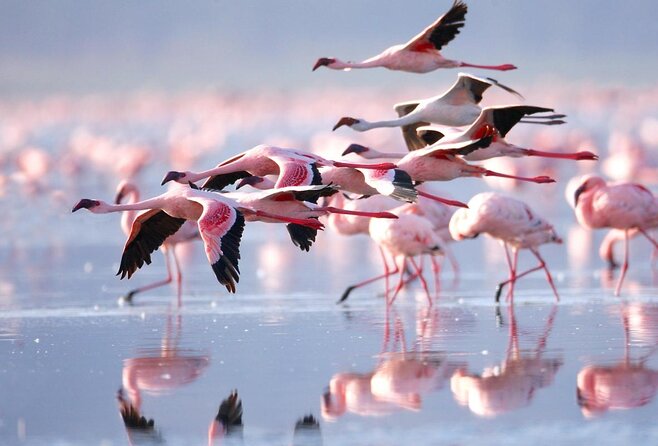
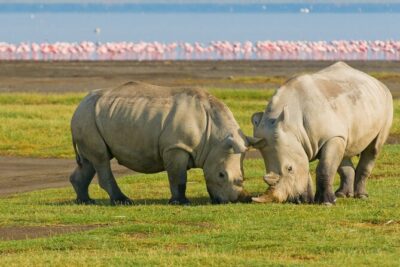
- Lake Nakuru flamingo viewing, plus rhino chances: think large flocks of flamingos, and look out for both black and white rhinos
- Masai Mara predator-heavy game drives: multiple full days in the reserve with a strong focus on lions, leopards, cheetahs, and hyenas
- Great Migration window (seasonal): roughly July through October can mean Mara River crossings with millions of wildebeest and zebras
- Masai village cultural visit: manyattas, beadwork, and a hands-on chance to ask questions about daily life
- Private safari experience: your own group, with an English-speaking guide/driver and pickup offered
Why this 6-day Kenya safari works so well in one trip
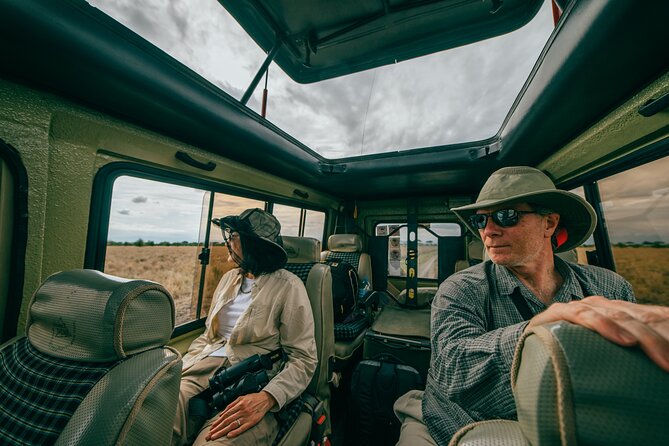
If you want Kenya in one shot, this itinerary has a smart rhythm. Amboseli delivers the elephant-and-mountain postcard view. Lake Nakuru adds a totally different kind of wildlife highlight, the flamingos. Then Masai Mara is where you spend time living inside the predator-prey cycle.
What makes it feel efficient is how the days are built around the best times for wildlife. You’ll start early for game drives when animals are active and sightings are more likely. Then you shift to late afternoons or second drives when the light and animals both “wake up” again.
You’re also not just doing safaris in a cage of silence. The trip finishes with a Masai village visit, where you can meet people and learn about customs and crafts like beadwork. It turns the trip from scenery viewing into understanding how local communities live alongside wildlife.
More around Lake Nakuru:
- 5 Days Masai Mara, Lake Nakuru & Naivasha Budget Joining Safari
★ 5.0 · 229 reviews - 4 Days Safari Lake Nakuru NP Naivasha and Masai Mara
★ 5.0 · 132 reviews - 5 Days Lake Naivasha, Lake Nakuru, & Masai Mara
★ 5.0 · 101 reviews
Day 1: Nairobi arrival, then a straight run to Amboseli
You land at Jomo Kenyatta International Airport (NBO), then a guide meets you and you head south to Amboseli. The drive is about 4-5 hours, and it’s the kind of transfer that sets expectations fast. Kenya’s outside Nairobi is full of big sky, small towns, and gradual change in terrain.
Once you check into your lodge or camp, you’ll do an afternoon game drive. This is where the day gets real. You’re scanning for elephants, plus giraffes and zebras, along with plenty of bird species. The highlight is that Mount Kilimanjaro dominates the horizon, and in many Amboseli seasons it creates a dramatic backlight for your sightings.
Practical tip: you’ll want a good camera strap and something for early light changes. Even if the day starts warm, safaris can get cooler once the sun drops.
Day 2 in Amboseli: early predator odds and a Kilimanjaro sundowner
Day 2 is your full Amboseli day, and that matters. You’re not doing a rushed “first look” here. You get a morning game drive early, then lunch back at camp, then another drive later.
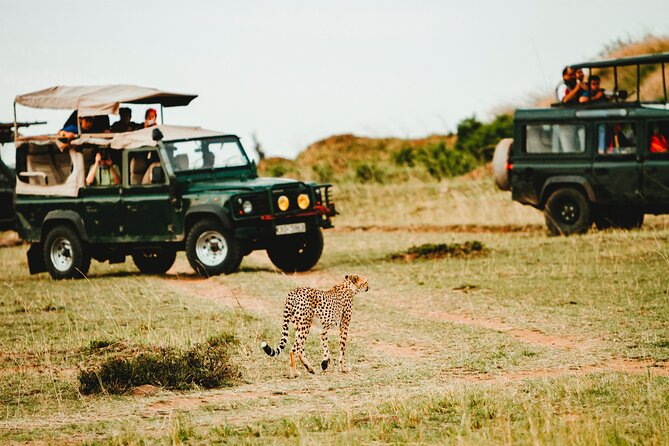
The early start is for a reason. Predators tend to move more when temperatures and activity levels line up, so your chances for sightings increase. In this park, your game-viewing mix usually includes bigger animals like lions, cheetahs, and hyenas, plus lots of smaller action and birds.
Amboseli’s terrain is part of the story. You’re looking at swamps, dusty plains, and acacia woodlands. That variety matters because different habitats attract different animals. So even when you’re focusing on the “big cats,” you still get lots of elephant and bird moments.
The day ends with a sundowner. It’s not just a drink stop. It’s a practical pause where you can watch the light change over Kilimanjaro and process what you’ve seen. Then it’s back for dinner and rest, because tomorrow is a long transfer.
Day 3: Lake Nakuru arrives after the long road
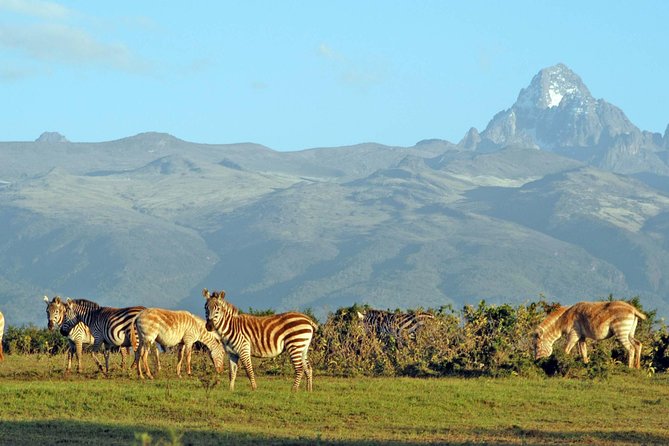
After breakfast, you leave Amboseli and drive to Lake Nakuru National Park. This transfer is about 6-7 hours, so plan for a more seated, no-rushing day. The payoff is that the scenery and wildlife shift again.
When you arrive, you check in, then go out on a late afternoon game drive. Lake Nakuru’s main claim to fame is right there: thousands of flamingos that paint the lake pink. If you’ve ever wanted to see that effect, this is the day for it.
And it’s not only birds. The park viewing options in this itinerary include rhinos (with both black and white rhinos mentioned), lions, leopards, and Rothschild giraffes. That’s a great mix because it means you’re not pinning the whole day on flamingos only.
One useful way to think about Lake Nakuru: it’s a change in “style” from Amboseli. You’re moving from elephant plains and mountain views to alkaline-lake bird action and a different predator landscape. It keeps your safari from feeling repetitive.
More Amboseli safaris:
- Nairobi: Day Tour to Amboseli National Park & Maasai Village
★ 4.5 · 310 reviews - Day Tour to Amboseli National Park
★ 5.0 · 222 reviews - Amboseli Day Tour from Nairobi
★ 5.0 · 84 reviews - Day Trip: Amboseli National Park & Maasai Village – Nairobi
★ 4.4 · 69 reviews
Day 4: early Nakuru viewing, then the Masai Mara handoff
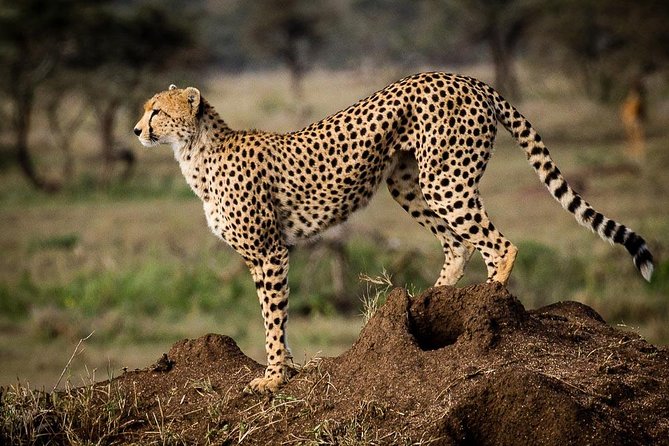
Day 4 starts with another early morning game drive in the Lake Nakuru area. Then it’s time to head to the star setting: Masai Mara National Reserve. The drive is about 5-6 hours, and yes, it’s another long one.
Once you arrive and settle into your lodge or camp, you go on an afternoon game drive. The Mara’s feel is different from Nakuru. The plains open up, and your sightings often look more “movie-like,” especially when herds gather across wide ground.
This is also where you start building your predator story. In this itinerary, your Mara viewing list includes lions, elephants, giraffes, zebras, and wildebeest (seasonal). Mara sightings often come in bursts, so having a drive both on arrival afternoon and later full days increases your odds.
Day 5: the Mara full day, predator focus, and Great Migration timing
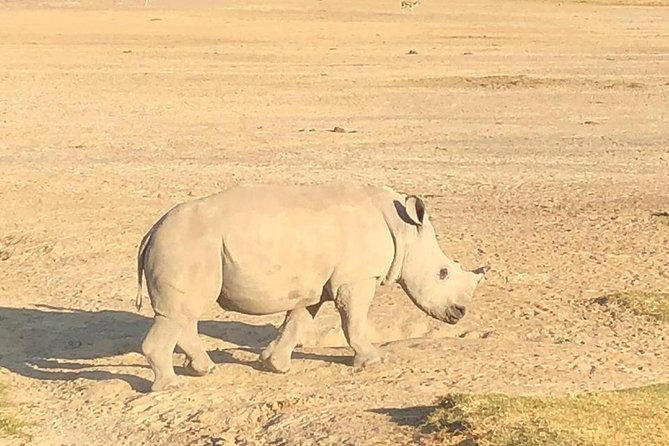
Day 5 is built for maximum chances in the Mara. You can do morning and afternoon game drives with a lunch break, or you can choose a full-day approach with a packed lunch. Either way, you’re planning for hours of rolling wildlife search.
This is the day you think about predator concentration. Lions, leopards, cheetahs, and hyenas are explicitly part of the expectation. Even when you don’t get a full chase-and-pounce moment, predator country still gives you tons of tension in the landscape, and you’ll often see animals behaving like they’re watching each other.
This day also has the seasonal jackpot built in. During the Great Migration, roughly July to October, you can see millions of wildebeest and zebras crossing the Mara River. Outside that window, you’re still in prime big-cat country, but the river-crossing spectacle may not match the same scale.
My practical advice: if you’re going outside July to October, don’t treat the Great Migration as guaranteed. Think of it as a bonus that depends on season, not the foundation of the trip. The Mara predator opportunities remain the core.
Day 6: your final Mara morning, then Masai village culture
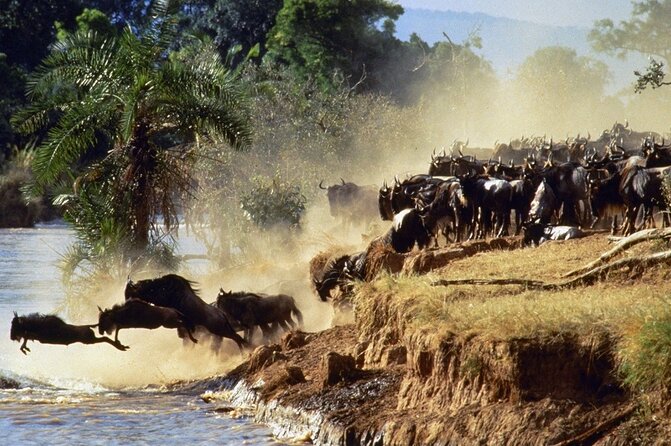
Your last day starts with an early breakfast and a final morning in Masai Mara. This is the time to squeeze in the “one more look” moments. Often that’s when you’ll finally catch the animal you’ve been hoping for, or you’ll see the herd you missed the first time.
Then comes the cultural piece: a visit to a traditional Masai village. You’ll learn about customs and daily life, see manyattas (traditional homes), and get time to interact with villagers. Crafts are part of the encounter too, including beadwork and other handmade work.
It’s worth approaching this with curiosity. Ask questions about what a visitor should notice, and how people think about living near wildlife. It’s one of the best ways to turn the safari from a photo trip into a relationship with the place.
After the village visit, you drive back to Nairobi. The drive is about 5-6 hours, with lunch en route at Narok town. Then you’re transferred to NBO for your departure flight.
Price and what you actually get for about $2,000 per person
At $2,000 per person for about 6 days, you’re paying for a lot more than “tickets and a car.” You’re buying the full setup: an English-speaking guide/driver, park time across three major wildlife areas, private-group handling, and a meal plan that covers most days.
The schedule lists park admission as free for the days in the itinerary, and it includes meals in a clear way:
- Breakfast (5)
- Lunch (6)
- Dinner (5)
Also, alcohol is not included, and tips and gratuities are not included. That matters for budgeting. You’ll want to keep a bit of cash set aside for drinks and for rewarding great service at the end.
A fair value check: this package is strongest for people who want low-hassle logistics. With pickup offered and a mobile ticket included, you spend less time sorting details and more time on game drives. It’s also a private tour, so your timing can be adjusted around your group.
One consideration for value: the information provided doesn’t spell out lodge or camp tiers. So before you book, confirm what category of accommodation you’re getting. On safari, lodging quality affects comfort, sleep, and how much you enjoy downtime.
The guide factor: Moses, Jackson, and Peter show up in the praise
In the notes from past trips, a theme pops up. People consistently mention strong planning and reliable guiding. Moses is named for itinerary planning and making sure details were handled. Jackson appears as a driver and guide who helped make the experience feel smooth and well-organized. Peter is also mentioned as a friendly, professional guide.
Those names matter because safari is part vehicle, part patience, part wildlife science. A good guide helps you read animal behavior and spend time where odds are better. A good driver helps you stay comfortable on long roads and keeps the vehicle positioned for good viewing.
This is also why the private format is worth it. You’re not competing with strangers for the same attention span from the guide.
Who this safari fits best, and who should tweak it
This tour is a strong fit if you want Kenya’s classic highlights in one go: elephants at Amboseli, flamingos at Lake Nakuru, and predator country at Masai Mara, plus the Masai village visit.
It’s also a good match for solo travelers, since the tour is private and for your group only. It works well for couples and small groups too, because the pacing is built around multiple game drives per park.
For families, the key rule is simple: children must be accompanied by an adult. Beyond that, the bigger real-life question is energy level. You’ll do early mornings and long car days, so think about whether your kids can handle a schedule that starts early and ends late.
If you hate long drives, or you prefer a slower pace with more time to settle in one area, then you might consider a different route or add extra nights. In this itinerary, the movement between parks is part of the design.
Should you book this 6-day Kenya wonder safari?
I’d book it if your goal is variety with momentum. The combination of Amboseli + Lake Nakuru + Masai Mara is a very Kenya lineup, and the Masai village visit gives you something to talk about beyond animals.
I’d hesitate if you need a very relaxed pace, or if you’re going to be disappointed by the reality that wildlife spotting depends on timing, season, and luck. The Great Migration is specifically seasonal, roughly July to October, so plan around that.
If you do book, do two things that keep your trip from turning into guesswork:
- Confirm the accommodation tier you’re getting in each park (lodge versus camp, and comfort level).
- Ask whether your guide will help you plan your game drive priorities based on your interests, like lions versus elephants versus rhinos.
FAQ
Is pickup offered for this safari?
Yes. Pickup is offered, and you’re also transferred to Jomo Kenyatta International Airport at the end of the trip.
How long is the safari?
The duration is listed as 6 days (approx.).
Which places does the safari include?
The tour visits Amboseli National Park, Lake Nakuru National Park, and Masai Mara National Reserve, plus a visit to a traditional Masai village.
Is this a private tour?
Yes. It is private, and only your group participates.
Are park admission tickets included?
The itinerary lists Admission Ticket Free for the safari days included in the schedule.
What meals are included, and are drinks included?
Breakfast is included 5 times, lunch is included 6 times, and dinner is included 5 times. Alcoholic drinks are not included.
Do I get an English-speaking guide?
Yes. The tour includes a guide/driver who is described as knowledgeable and English speaking.
Do I get a mobile ticket?
Yes. Mobile ticket is listed as a feature.
When can I see the Great Migration?
The Great Migration is described as roughly July to October.
Can children join the tour?
Most travelers can participate, and children must be accompanied by an adult.
More Maasai Mara Safaris
- 3 Days Masai Mara Group Joining
★ 5.0 · 486 reviews - 3 Days Gamedrive Safari In Masai Mara From Nairobi
★ 5.0 · 207 reviews - From Nairobi: 3 – Days Maasai Mara Group Safari by 4WD
★ 4.6 · 205 reviews - 3 Days Maasai Mara Guided Safari from Nairobi
★ 4.5 · 195 reviews
Recently reviewed from Nairobi
- Amboseli Day Trip from Nairobi★ 4.5 · 3 reviews
- Nairobi city tour★ 4.5 · 3 reviews
- Ngare Ndare Day Trip★ 5.0 · 3 reviews
- Day Trip To Crescent Island And Hells Gate National Park★ 5.0 · 3 reviews
- Crescent Island Day Tour From Nairobi★ 5.0 · 3 reviews
- 1-Day Amboseli Safari★ 5.0 · 3 reviews
- 13-Day Uganda Mgahinga Gorilla Trek, Maasai Amboseli Park★ 5.0 · 3 reviews
- 4 days group joining budget safari to Maasai Mara only★ 5.0 · 3 reviews
Lake Nakuru Safaris, compared.
5 Days Masai Mara, Lake Nakuru & Naivasha Budget Joining Safari
Read our review →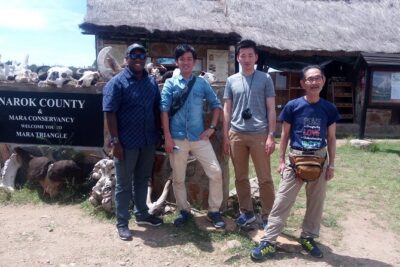
4 Days Safari Lake Nakuru NP Naivasha and Masai Mara
Read our review →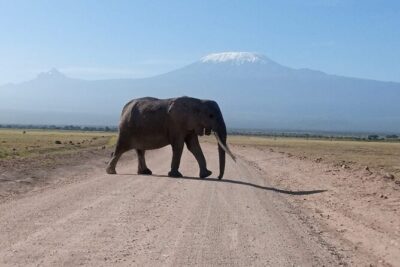
5 Days Lake Naivasha, Lake Nakuru, & Masai Mara
Read our review →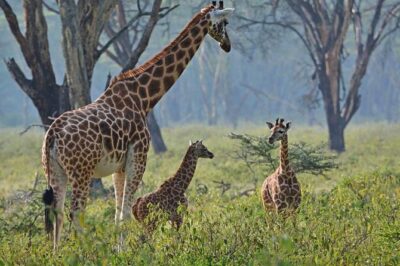
Full Day Lake Nakuru Park and optional boat ride on Lake Naivasha
Read our review →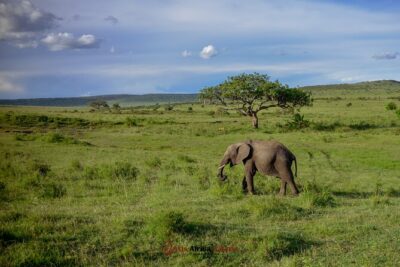
4 Days Safari Adventure Masai Mara and Nakuru Park Group
Read our review →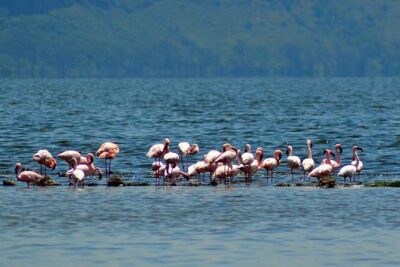
Day Tour To Lake Nakuru Park With Optional Boat Ride on Lake Naivasha
Read our review →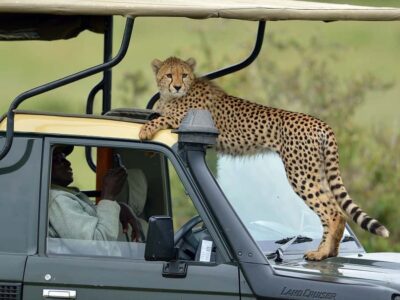
Lake Nakuru, Naivasha & Masai Mara 4 Days Private Jeep Safari
Read our review →Browse the lists this tour appears in