
A safari that mixes Samburu’s dry-country wildlife with the big-name drama of Maasai Mara feels like the best of both worlds. You’ll cross Kenya’s changing zones, from high ground near Mount Kenya down to river country and then into Rift Valley stops where rhinos and flamingos are on the agenda. It’s the kind of trip where timing matters, and a good guide can turn a normal day into a memorable one.
I love the way this route is built around real animal viewing moments, not just check-the-box drives. Two highlights for me are the Samburu focus on the Somali ostrich (often a “rare photo” target) and the Maasai Mara schedule that includes early starts when cats are active. One possible drawback: you’re driving a lot between parks, and the program asks for moderate physical fitness because of long days and early mornings.
Key Highlights You’ll Care About
- Samburu’s Somali ostrich chance, plus the reserve’s dry-country species mix
- Early game-drive planning in Aberdare and Maasai Mara when predators are more active
- Lake Nakuru rhino and flamingo time, including a stop at Thompson’s Water Falls en route
- Aberdare’s Treetop Lodge water point viewing, where animals come to drink
- Maasai Mara stretched across three days, giving you multiple shots at lions, leopards, zebras, and more
- Private group experience, so your safari pace and spotting goals can match your group
Nairobi to Samburu Ashnil Camp: why the Somali ostrich hunt is worth it
Day 1 starts with a drive north out of Nairobi, moving through farmland that makes the trip feel grounded and real. You pass working areas growing mangoes, pineapples, avocados, coffee, roses, wheat, and tea. It’s a good reminder that Kenya’s wildlife areas are surrounded by lived-in landscapes, not just isolated parks.
Then the scenery shifts fast. You cross the line of the Equator and climb toward Mount Kenya, reaching around 3,000 meters before descending into Samburu at roughly 800 meters. That altitude change isn’t just geography trivia. It often helps explain why Samburu feels different on the ground: it’s drier, it’s spikier, and the animals you see there can look almost custom-built for the terrain.
By lunchtime, you’ll reach Samburu Ashnil Camp, and the day turns from transit to safari mode. At 15:30, you head out again, aiming to spot elephants and waterbucks, then return around 18:30 to catch the sunset near Brown Hill. That sunset piece matters because it gives your brain a rest between drives and helps you settle into the pace of reserve life.
About the Somali ostrich: Samburu is where you’d go when you want an ostrich species that’s more specific than the generic “ostrich on the savanna” photo. If you’re chasing that elegant, elegant look, start with patience and good timing, not just luck. Ostriches can be close, but they also move out of the frame fast if you rush.
What I like here: you’re not only chasing mammals. The trip keeps you looking at birds and the smaller “signature species” moments too. If you’re the type who brings a camera for more than the big-lion photo, Day 1 sets the tone.
More Safaris in Nairobi
- Safari Tour; Nairobi National Park
★ 4.5 · 594 reviews - Half-Day Nairobi National Park Safari from Nairobi with Free Pickup
★ 4.5 · 264 reviews - 5 Days Masai Mara, Lake Nakuru & Naivasha Budget Joining Safari
★ 5.0 · 229 reviews
Samburu National Reserve: sunset drives and Ewaso Nyiro elephant drama
Your Samburu game drive window on Day 1 is built around a very practical idea: animals often feel most visible as the light warms and the heat drops. You leave at 15:30, then you’re back by 18:30, so you’re not stuck out there forever in flat light.
The focus is on classic Samburu targets like elephants and waterbucks, but Samburu’s real draw is how it can feel like a special “dry-country” ecosystem. That’s also where you can get stunning sightings, including river action. One of the strongest moments people talk about from this exact style of itinerary is watching elephants cross the river Ewaso Nyiro, the only brown river flowing to the north of Kenya. That’s not something you can schedule, but you can be positioned to catch it when it happens.
You’ll also get plenty of variety in what you’re watching. Elephants aren’t the only show. In Samburu-style country, you’ll often see animals moving between patches of cover, and you’ll notice how the terrain shapes behavior. You might come for the ostrich photo and end up grateful you also watched the elephants because those scenes carry the emotion of a real animal story, not just a checklist.
One smart tip, straight from how guides help on safaris like this: when you hear the guide encourage you to take your photos calmly and safely, listen. It’s not just about getting close. It’s about not spooking anything and not forcing a dangerous situation. In one memorable experience, a guide named George helped the group feel confident about photographing animals at closer range, and it made a big difference in the quality of the shots.
Aberdare National Park: the treetop lodge water point game
Day 2 swaps dry-country for forest edges and thick green cover. You start with an early game drive aimed at predators and big cats in active hours, with hopes like lion, cheetah, and leopard. Then you move toward Aberdare proper and stop for lunch at Outspan Hotel.
After lunch, the big change is how you “watch” wildlife. You go to Treetop Lodge, where the natural forest provides cover, and the lodge sits in a way that helps you see animals coming to a water point. Trees mentioned include ebony, mahogany, bamboo, ficus, and olive, which gives you a hint of how layered and shaded the environment can be.
Once you’re at the lodge, you’re not only looking out from a vehicle. You’re waiting at a water point where animals come to drink. That changes the vibe of the safari. It’s more about patience and observation than constant driving.
The kinds of scenes that can play out here are intense. You might see the kind of competition and urgency that happens at water when food and space are tight. One example from this itinerary style is elephants and buffaloes interacting while spotted hyenas try to approach calves. Whether you see that specific moment or not, the point is the same: at watering places, behavior can look dramatic, because every animal is committing to a risk.
You might also spot species linked with this habitat, including forest syke monkeys and black and white colobus monkeys. The program also highlights rarer targets like black rhinos and bongo, plus other animals like Defassa waterbucks and leopards.
A drawback to consider: forest country can mean less open sight lines than savanna parks. The wildlife is there, but it can take longer for good sightings. The tradeoff is that the lodge-based viewing can be just as thrilling as the vehicle drives, especially when light and animal movement line up.
Lake Nakuru: Thompson’s Water Falls plus rhino and flamingo time
Day 3 is a classic Rift Valley travel day with a wildlife pay-off built in. After breakfast, you head to Lake Nakuru with a stop at Thompson’s Water Falls. That’s a nice break in the driving, and the route passes a lot of farms growing maize, potatoes, and vegetables, so you’re not stuck in only park scenery.
Along the road, you might notice training by Kenyan world marathon champions. If you’ve ever wondered how athletes use familiar routes to grind through tough training, seeing that in motion can be a surprisingly inspiring travel moment.
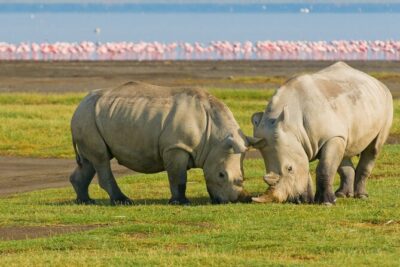
At lunch, you reach Lake Nakuru Lodge, then you go out for an afternoon safari. The focus here is targeted: chances to see white and black rhinoceros, plus endangered giraffes, gazelles, and flamingos. Lake Nakuru is also where you’ll learn to appreciate that flamingos are not just one-color pink decoration. They’re a seasonal and environmental indicator, and when the lake and light cooperate, their movement near the shoreline can be seriously photogenic.
Sunset by the lake closes the day nicely. You return for dinner and overnight, which is smart because it keeps the day from turning into a late-night slog. A sunset safari is one of those simple things you remember later, because your body feels like the day ended on time.
The main consideration: you’re doing rhino viewing in a park where sightings can vary. Your driver can put you in the right zones, but wildlife timing still rules. The upside is that Lake Nakuru also offers other species and flamingos, so even if rhino sightings aren’t perfect, you can still come away with strong visuals.
More around Lake Nakuru:
- 4 Days Safari Lake Nakuru NP Naivasha and Masai Mara
★ 5.0 · 132 reviews - 5 Days Lake Naivasha, Lake Nakuru, & Masai Mara
★ 5.0 · 101 reviews - Full Day Lake Nakuru Park and optional boat ride on Lake Naivasha
★ 4.5 · 95 reviews - 4-Day Group 4×4 Safari to Masai Mara & Lake Nakuru with Pick-Up
★ 5.0 · 87 reviews
Maasai Mara National Reserve: three days of sunrise and predator odds
Maasai Mara starts on Day 4. You get an early game drive when lions and leopards are active, which is exactly the idea you want. Predators do better when the animals they hunt are also moving, and mornings often give you that overlap.
You’ll also enjoy a sunrise moment described with pinkish flamingos in the alkaline lake area. Then, around 8:00, you return for breakfast. After that, you drive toward Maasai Mara with picnic lunch, and you check in to Sekenani Camp at 6:00 (the itinerary lists the check-in timing early, so plan for a start that feels early even by safari standards).
Once you’re in, the first game drive is aimed at big signature animals like elephants, common zebras, lions, and topi. The Mara is famous for a reason, but what surprises first-timers is how quickly the savanna can feel alive. Even when you’re not seeing a big cat on the move, you’re often watching feeding herds, crossing behavior, and constant scanning from prey species. That’s where your eyes learn.
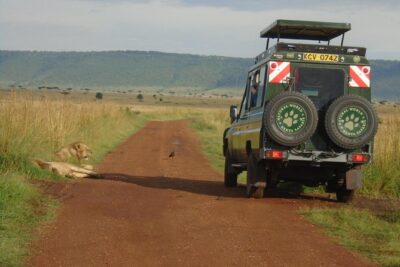
On Day 5, it’s a full-day game drive with picnic lunch, returning around 18:00. This is where you build time for “second chances.” Lions and leopards don’t follow a schedule, and Mara rewards repeat scanning. You’re looking for lions, cheetahs, zebras, leopards, crocodiles, and giraffes. That mix matters because it keeps the day interesting even when the predators are quiet.
On Day 6, you do one more early game drive for lions and cheetahs, plus a sunrise scene with animals on the horizon. After breakfast, you leave for Nairobi at 10:00, with lunch on route, arriving back to your residence or Jomo Kenyatta International Airport.
The value of three Mara days is simple: more hours in the right place. If you’re traveling as a family, this kind of pacing also helps. You’re not constantly tearing up the itinerary. You get enough “in reserve” time to build momentum, and you get daily rhythm.
Price and logistics: what $4,000 per person really buys
At $4,000 per person for about 6 days, you’re paying for a multi-park route that includes pickups, park entry (listed as admission ticket free on each day), and a private setup where only your group participates. This kind of itinerary is expensive compared with self-drive options, but it can be strong value when you compare it to the total cost of transport, time, and entry fees across multiple reserves.
Private touring also changes the feel of the trip. You’re not negotiating your pace with strangers. You can ask your guide about what you care about most, and you can shift your focus if the day is producing something unexpected.
Also note: the tour includes a mobile ticket and offers pickup, so you’re not starting from a chaotic “figure it out at the airport” moment.
One practical consideration: with multiple reserves, you’ll spend many hours traveling by road. That’s why the trip calls for moderate physical fitness. It doesn’t mean you need to be a marathoner, but you should be comfortable with long days and early mornings.
The guide factor: why Simon and George made a difference
In safaris, the guide is not just “someone who drives.” It’s someone who manages your time, your safety, and your odds of seeing what you want.
Two guide names stood out in people’s experiences from this style of itinerary: Simon and George. Simon is credited with helping people catch a highlight like elephants crossing the Ewaso Nyiro. George is credited with coaching the group on how to handle close animal moments calmly, which helped them get very strong photos without rushing or panicking.
That tells you something useful for your own expectations: the best results often come from teamwork. When your guide explains what they see and why they’re stopping, you’ll get better sightings because you’re paying attention at the right moment.
Who this safari is for, and how to get the most out of it
This tour is a good fit if you want a classic Kenya mix: rare-species hunting in Samburu, lodge-based viewing in Aberdare, Rift Valley rhino and flamingo time, and three full days of Mara predator country.
It’s especially suitable if you:
- Like early starts and you’re happy to trade sleeping in for better animal odds
- Want a private group experience so your guide can shape the day around your interests
- Are interested in more than just lions and elephants, including ostrich targets and forest species
How to make it smoother:
- Keep your camera ready before the vehicle stops, not during the scramble
- Accept that wildlife viewing is timing based, so you’ll enjoy the ride more if you stay flexible
- If you’re sensitive to long drives, plan on resting whenever the itinerary allows, especially between park stops
Should you book this Samburu, Aberdare, Nakuru, and Maasai Mara safari?
If you want a 6-day safari that hits multiple iconic parks without feeling like you’re only passing through, this route is a strong choice. The combination of Samburu’s specialized dry-country wildlife, Aberdare’s Treetop Lodge watering-hole viewing, Lake Nakuru’s rhino and flamingo focus, and a three-day Maasai Mara block gives you multiple chances for the sightings that define a safari.
Book it if you value a private pace and you’re okay with early mornings and long driving days. Skip it only if you want a very relaxed trip with minimal transit, because this itinerary is built around maximizing time where animals are most active.
If that sounds like your style, you’ll likely love how the days connect: each park changes the cast of characters, and each morning keeps the pressure off and the excitement on.
FAQ
Which locations will we visit on this 6-day safari?
You’ll visit Samburu National Reserve, Aberdare National Park, Lake Nakuru National Park, and Maasai Mara National Reserve.
Is pickup included?
Pickup is offered as part of the experience.
Are park admission tickets included?
The itinerary lists admission tickets as free on the days included.
Will we have game drives, and do they happen early?
Yes. The itinerary includes early game drives in Aberdare and Maasai Mara, and also an early game drive in Maasai Mara on the final day.
How long is the safari in Maasai Mara?
You have three days in Maasai Mara, including a first game drive on Day 4, a full day game drive on Day 5, and an early game drive on Day 6.
What is the Samburu wildlife highlight mentioned in the tour?
The experience focuses on capturing a rare photo of the Somali ostrich in Samburu.
What kind of physical fitness level is required?
Travelers should have a moderate physical fitness level.
Is this tour private?
Yes. It is described as a private tour/activity, and only your group will participate.
What is the cancellation policy for a full refund?
There is free cancellation. You can cancel up to 24 hours in advance for a full refund.
More Maasai Mara Safaris
- 3 Days Masai Mara Group Joining
★ 5.0 · 486 reviews - 3 Days Gamedrive Safari In Masai Mara From Nairobi
★ 5.0 · 207 reviews - From Nairobi: 3 – Days Maasai Mara Group Safari by 4WD
★ 4.6 · 205 reviews - 3 Days Maasai Mara Guided Safari from Nairobi
★ 4.5 · 195 reviews
Recently reviewed from Nairobi
- Amboseli Day Trip from Nairobi★ 4.5 · 3 reviews
- Nairobi city tour★ 4.5 · 3 reviews
- Ngare Ndare Day Trip★ 5.0 · 3 reviews
- Day Trip To Crescent Island And Hells Gate National Park★ 5.0 · 3 reviews
- Crescent Island Day Tour From Nairobi★ 5.0 · 3 reviews
- 1-Day Amboseli Safari★ 5.0 · 3 reviews
- 13-Day Uganda Mgahinga Gorilla Trek, Maasai Amboseli Park★ 5.0 · 3 reviews
- 4 days group joining budget safari to Maasai Mara only★ 5.0 · 3 reviews
Lake Nakuru Safaris, compared.
5 Days Masai Mara, Lake Nakuru & Naivasha Budget Joining Safari
Read our review →
4 Days Safari Lake Nakuru NP Naivasha and Masai Mara
Read our review →
5 Days Lake Naivasha, Lake Nakuru, & Masai Mara
Read our review →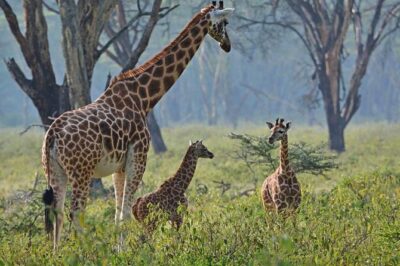
Full Day Lake Nakuru Park and optional boat ride on Lake Naivasha
Read our review →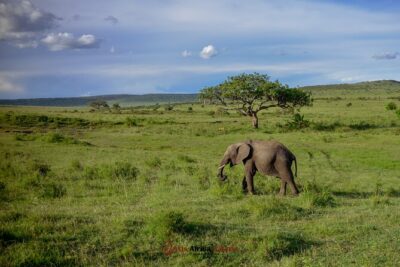
4 Days Safari Adventure Masai Mara and Nakuru Park Group
Read our review →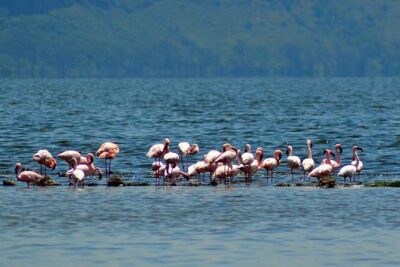
Day Tour To Lake Nakuru Park With Optional Boat Ride on Lake Naivasha
Read our review →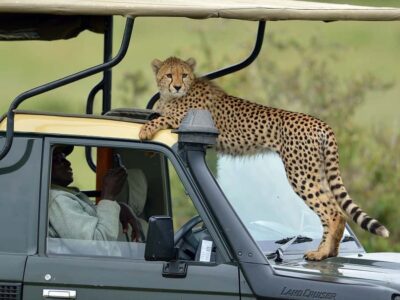
Lake Nakuru, Naivasha & Masai Mara 4 Days Private Jeep Safari
Read our review →Browse the lists this tour appears in