
Reviewed · WILDLIFE WATCHING IN NAIROBI
9 Days Kenya and Tanzania Wildlife Experience
A Kenya-and-Tanzania safari that strings together Masai Mara, Serengeti, and Ngorongoro is interesting because it gives you multiple ecosystems and multiple chances to see the animals you came for, not just one park and done. What I like is the heavy focus on game drives at prime times and the practical support of a professional local safari guide, including named staff like Alba, Lawrence, and cook Joseph on past departures.
One consideration: this is a fast-moving circuit with long travel days, so you need to be okay with early mornings, long seated hours, and the occasional logistics shuffle near the end.
Key Points Worth Noting
- Two countries, four major safari areas: Masai Mara, Serengeti, Ngorongoro Conservation Area, and Lake Manyara
- Twice in Masai Mara with an early drive on Day 3 plus another longer drive later in the day
- Serengeti Seronera Valley timing with the advantage of permanent water for year-round viewing
- Ngorongoro Crater as a dedicated half-day viewing window from the rim
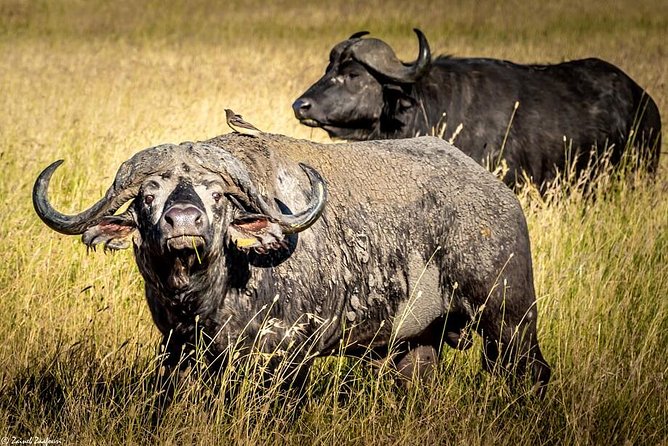
- Big-five goals plus migration season hopes, with game drives planned on both sides of the border
- Real-world meal planning: dinners missing on Day 1 and Day 8, so you can budget for those two nights
Why This Kenya-and-Tanzania Safari Route Makes Sense
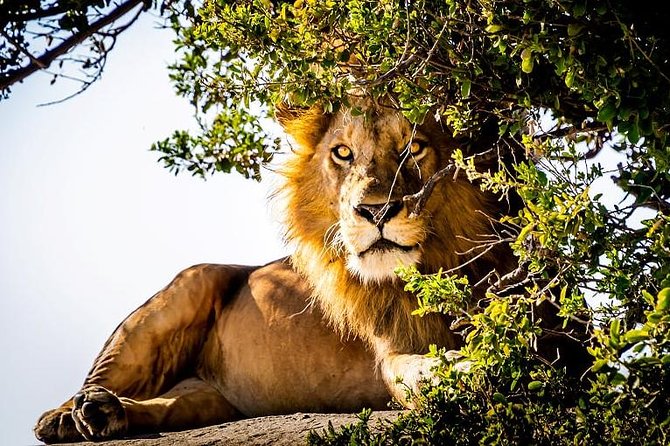
If you want a safari that feels like a true circuit, not a single-park loop, this itinerary fits the bill. You start in Nairobi, drop into Kenya for Masai Mara, cross into Tanzania for Serengeti, then hit the Ngorongoro Conservation Area and Lake Manyara. That mix matters because animals move, weather changes, and the scenery does too.
You’ll also appreciate the structure. Instead of one quick drive, you get multiple game-drive blocks in Masai Mara and Serengeti, then a concentrated crater moment at Ngorongoro. It’s the kind of plan that gives your guide room to adjust based on where wildlife activity is happening.
Finally, you’re not stuck figuring things out on your own. The tour is built around professional local guiding, and past guests have specifically mentioned guides such as Alba and Lawrence, plus cook Joseph. When your driver understands where animals tend to show up and how to read behavior, the time in the vehicle feels less like waiting and more like hunting for the right moment.
Nairobi Start: Airport Meet, Hotel Night, and a Clean First Day
Day 1 is simple and useful: airport meet-and-greet and a transfer to your Nairobi hotel for an overnight stay on bed and breakfast. You also get some guidance right away, which helps you sort essentials like what time to be ready and how to handle a quick arrival day.
Practical heads-up: dinner on Day 1 is not included. Plan to eat earlier or budget for a nearby meal so you’re not stuck searching after a travel day. If you’re bringing safari gear, this is also the night to set it up properly so you do not play catch-up in the dark the next morning.
More Wildlife Watching in Nairobi
- Nairobi Park Wildlife Safari
★ 5.0 · 31 reviews - Half day wildlife tour to Nairobi National Park Game Drive with Pickup/Drop off
★ 5.0 · 26 reviews - 6 Days Kenya Adventure Wildlife Safari
★ 5.0 · 26 reviews
Masai Mara: Rift Valley Views Plus Two Strong Days of Game Driving
Masai Mara is where this safari starts to feel real. On Day 2, you get a morning briefing and then head out toward the reserve. There’s a stop at a Great Rift Valley viewpoint before lunch at Mara Simba Lodge or similar. In the afternoon, you’ll do an included game drive, then return for dinner and an overnight at Mara Leisure.
What I like about this approach is the flow. You’re not thrown straight into the reserve without context. That viewpoint stop gives you quick perspective on the geography you’re about to drive through. Then you settle into Mara and get an afternoon drive, which is often when you can still catch predators moving between sightings.
What to watch for on Day 2
You are in for a long day. Day 2 is about 8 hours total, and once you factor in lunch and driving time, you’ll likely spend most of the day on the move. If you tend to get stiff or car-sick, drink water early and plan for comfort in your seat setup.
Masai Mara Day 3: The 6:30 AM Advantage and a Second Afternoon Push
Day 3 is where the safari timing gets serious. You start with an early morning game drive at 0630. Then you return for a late breakfast, relax, and head back out again for an afternoon game drive until late in the evening.
The value here is simple: wildlife changes hour by hour. Early light can bring more active movement, and late-day timing can shift sightings toward feeding and repositioning. Two separate drives across two different parts of the day also means you’re not gambling all your luck on one stretch of time.
Accommodation stays the same on this night, at Mara Leisure, so you’re not constantly changing rooms and packing bags. That reduces stress and gives you time to dry off gear, recharge your phone, and get ready for the next long travel day.
More safaris that cross into Tanzania:
- Ultimate 12 Days Private Safari Tour in Kenya and Tanzania
★ 5.0 · 60 reviews - 12 Days Best Of Kenya and Tanzania Safari – Luxury
★ 5.0 · 36 reviews - 12 Days Kenya and Tanzania Budget Private Safari from Nairobi
★ 5.0 · 28 reviews - 12 Days Kenya Tanzania Safari
★ 5.0 · 17 reviews
Crossing into Serengeti: Border Formalities and the Big-Scale Plains Feeling
After breakfast on Day 4, you depart for Serengeti via the Sirare/Isebania border, including normal border crossing formalities. You then arrive in time for your Serengeti stay at Serengeti Heritage Tented Camp or similar, with an en-route game drive along the way.
This day is important because it shifts your safari from Kenya into Tanzania and from Masai Mara’s shape into Serengeti’s vast plains. Even if you’re eager to reach the main game areas, the en-route driving can pay off. You’re still in the ecosystem, still scanning for animals, and your guide can keep the momentum going while paperwork happens.
One drawback to plan for: travel days eat daylight. Day 4 is about 10 hours, and with border procedures, you’ll spend more time in transit than on animal-filled hours. It’s still worth it, but keep expectations grounded.
Serengeti Day 5: Seronera Valley Water, Cheetah Timing, and Bird Life
Day 5 is designed around a high-value wildlife area and then a second game-drive phase later. After breakfast, you’ll do a mid-morning game drive and viewing in the Seronera valley. The key advantage stated for this area is that permanent water supports game viewing year-round.
The itinerary also calls out a useful pattern for dry seasons: when prey concentrates, cheetahs can be forced to come in from the plains and you can see them in higher numbers around the area where food activity is strongest. That is exactly the kind of “timing logic” that makes a safari feel more like a plan than a roll of the dice.
After lunch at the lodge or campsite, you head south for late afternoon drives. The plan highlights larger mammals like giraffe, rhino, elephant, and hippo, plus nearly 500 species of bird. The examples listed include vultures, storks, and ostrich, and the area also supports reptiles such as crocodiles.
A practical note
This is a full day, about 10 hours. Wildlife viewing can mean long pauses while you wait for movement. If you hate sitting still, bring something simple: water, a snack, and a way to keep your photos from eating all your battery.
Ngorongoro Crater: The Rim Game Drive and Optional Culture Detours
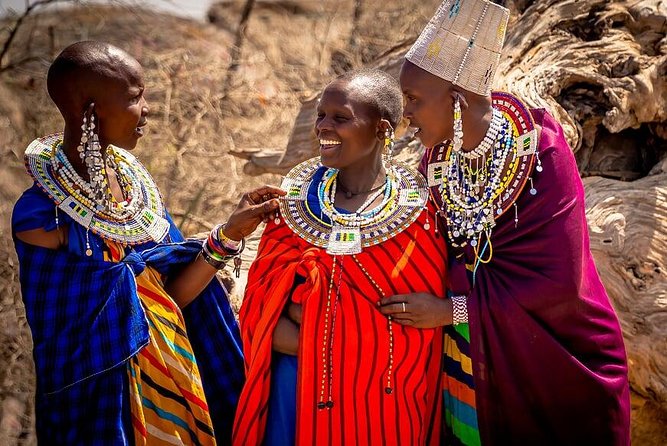
Ngorongoro Conservation Area is the “why” of many Tanzania safaris, and this plan gives it a dedicated chunk of time. Day 6 is a drive after breakfast with a packed lunch, heading toward Ngorongoro. You have an option to pass by Olduvai Gorge, a historical site, and you can also pass by a Maasai boma if you’re interested in traditional culture.
That optional stop matters because it gives you a choice. If you want a pure wildlife focus, you can keep it minimal. If you’d rather understand the human side of the region and how communities live alongside wildlife, you can add that extra context.
You’ll dine and overnight at Ngorongoro Rhino Lodge or similar.
Ngorongoro Day 7: Half-Day Crater Viewing, Then Lake Manyara
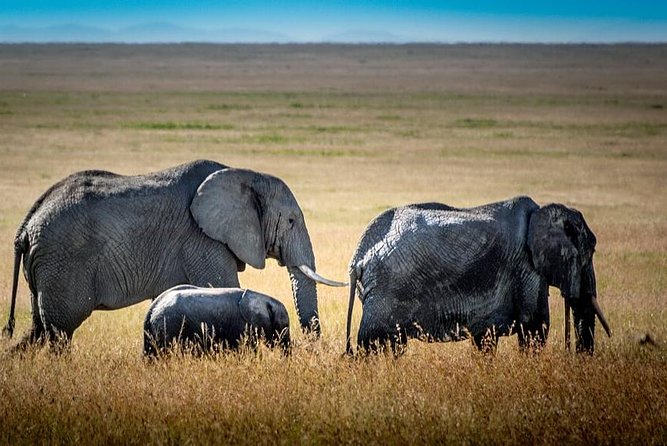
Day 7 is built around descent and viewing. You descend to the rim of the crater for a half-day game viewing session. From the rim, your guide can scan across the crater floor, where animals often gather and where the terrain acts like a natural bowl.
After your game viewing, you leave the crater and drive to Lake Manyara National Park. Lake Manyara is described as a place of varied ecosystems under the cliffs of the Manyara Escarpment, with strong bird life and sweeping views. You also have dinner and overnight at Octagon Safari Lodge or similar.
Even though this is a “shorter” game-view window compared to a full-day drive, Ngorongoro is a concentrated experience. You’re trading hours for intensity.
Lake Manyara Day 8 Morning: Early Drives and the Arusha-to-Nairobi Finish
Lake Manyara is done right on Day 8 with an early morning game drive starting at 0630, then returning to your lodge by about 0830. You return for breakfast and then transfer to Arusha for shopping.
Lunch is in Arusha, and then you connect via an afternoon public shuttle bus to Nairobi, traveling through the Namanga border. You arrive late evening and stay at Hotel Fairview or equivalent. Dinner on Day 8 is not included.
Why this part is worth planning for
This is the one place where the logistics feel less “pure safari bubble.” You switch into a public shuttle bus segment, and you’ll be tired after two earlier safari days. Bring your patience and keep expectations flexible. The upside is that you get a chance to shop in Arusha, and you avoid cramming another long safari day into your last daylight hours.
What Makes This Safari Feel Like a Real Wildlife Trip
Big Five goals, not just photo stops
The safari is positioned around the big five and multiple predator and herbivore viewing opportunities. That means you’re not only chasing spectacle; you’re spending enough time in each region to raise your odds. In a circuit like this, you also benefit from different terrain. Predators and prey do not behave the same way on plains versus crater floors versus park edges.
Migration hopes built into the timing logic
The plan explicitly mentions witnessing wildebeest migration in Serengeti and Masai Mara. Migration is seasonal, so your travel month will matter. If you’re booking with migration as a top priority, treat the calendar as part of the itinerary. The tour gives you the right geography, but nature decides the timing.
The human factor: guides and behind-the-scenes care
A safari is still a people experience. When guests named Alba and Lawrence as key guides, plus cook Joseph as part of the team, that points to something real: smooth game drives and good meals make the long days easier. Even when the wildlife is quiet, a guide who keeps your day moving and reads animal behavior can turn a slow period into useful time.
Price and Logistics: Is $8,200 Good Value for 9 Days?
At $8,200 per person, this is not a budget safari. But if you break it down, you’re paying for a lot more than a single lodge and a couple drives.
Here’s what you are getting based on the tour details:
- All fees and taxes are included
- Pickup is offered, and airport transfers are built into the start and finish
- Mobile ticket is included
- Multiple accommodations across Kenya and Tanzania are scheduled through the itinerary’s lodge and camp options
- Meals are largely covered, with breakfast on 8 days, lunch on 7 days, and dinner on 6 days
- You get a professional local safari guide throughout
The two meals not included are dinner on Day 1 and dinner on Day 8. That means you should budget for about two dinners and plan your evenings near Nairobi and Arusha accordingly.
The real value question
For me, the value is tied to time in the vehicle and time in the parks. This itinerary avoids the worst kind of safari scam, where you spend hours commuting with no meaningful viewing blocks. You get two Masai Mara days with early and late driving, plus Serengeti-focused days with Seronera Valley attention, plus a crater viewing block at Ngorongoro. If that style matches how you want to see wildlife, the price starts to make more sense.
Who This Safari Fits Best
This Kenya-and-Tanzania circuit suits you if:
- You want major parks in both countries and not just one
- You like structure and timing, especially early game drives
- You want a higher chance at big-cat and mixed wildlife sightings through repeated drives
- You prefer a private tour setup so the schedule serves your group
It may not fit you as well if:
- You hate long travel days and long stretches of sitting in a safari vehicle
- You want free evenings every day, since Day 8 ends with travel to Nairobi and Day 1 and Day 8 dinners are not included
Should You Book This Kenya and Tanzania Wildlife Experience?
I’d say book it if you want a classic two-country safari arc with real viewing time, guided support, and a schedule that respects the rhythms of wildlife. The combination of Masai Mara and Serengeti, plus Ngorongoro Crater as a dedicated rim viewing moment, gives you multiple chances to see the animals rather than one big hope.
Before you sign, do one quick self-check: are you okay with early mornings and a couple long driving days? If yes, this tour is a strong way to turn nine days into a serious wildlife-focused trip. If no, you might prefer a slower itinerary with fewer park changes.
FAQ
Which national parks are included on this safari?
You visit Masai Mara National Reserve in Kenya, Serengeti National Park in Tanzania, Ngorongoro Conservation Area (with Ngorongoro Crater viewing), and Lake Manyara National Park.
How long is the trip?
The tour duration is approximately 9 days.
What is the price per person?
The price is $8,200.00 per person.
Is airport pickup or transfer included?
Yes. You get meet and greet at the airport on arrival with a transfer to your Nairobi hotel, and on the final day you are transferred to Jomo Kenyatta International Airport.
Is this a private tour?
Yes. It is listed as a private tour/activity, with only your group participating.
What meals are included?
Breakfast is included for 8 days, lunch for 7 days, and dinner for 6 days. Dinner is not included on Day 1 and Day 8.
Are Olduvai Gorge or a Maasai boma stop options?
Yes. On the way to Ngorongoro Conservation Area, you have the option to pass by Olduvai Gorge and also pass by a Maasai boma if you are interested in culture.
What is the cancellation policy?
This experience is non-refundable and cannot be changed for any reason. If you cancel or ask for an amendment, the amount you paid will not be refunded.
Recently reviewed from Nairobi
- Amboseli Day Trip from Nairobi★ 4.5 · 3 reviews
- Nairobi city tour★ 4.5 · 3 reviews
- Ngare Ndare Day Trip★ 5.0 · 3 reviews
- Day Trip To Crescent Island And Hells Gate National Park★ 5.0 · 3 reviews
- Crescent Island Day Tour From Nairobi★ 5.0 · 3 reviews
- 1-Day Amboseli Safari★ 5.0 · 3 reviews
- 13-Day Uganda Mgahinga Gorilla Trek, Maasai Amboseli Park★ 5.0 · 3 reviews
- 4 days group joining budget safari to Maasai Mara only★ 5.0 · 3 reviews
Wildlife Watching in Nairobi, compared.
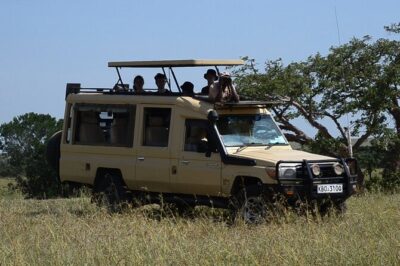
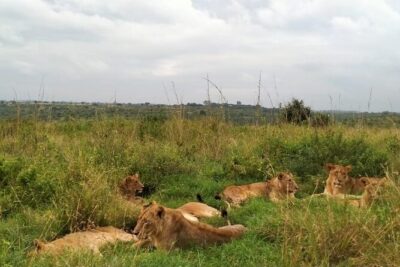
Half day wildlife tour to Nairobi National Park Game Drive with Pickup/Drop off
Read our review →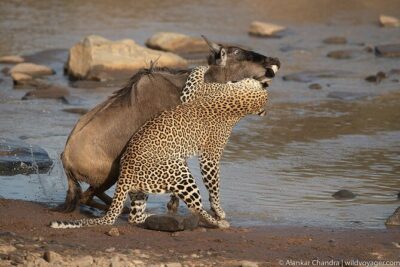
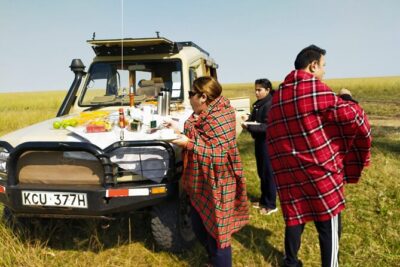
3 Days Best of MasaiMara Wildlife Private Safari, Mid-Range offer
Read our review →
6 Days Kenya Masai Mara,Lake Nakuru & Amboseli Wildlife Safari
Read our review →
David Sheldrick Wildlife Trust & Giraffe Center with Lunch
Read our review →
13-Day Private Wildlife Safari Tour of Kenya and Tanzania
Read our review →
Browse the lists this tour appears in