
A photography-first Maasai Mara safari is interesting because you are not just rushing from animal to animal. You’re given time to watch behavior, work the light, and note species as you go, which is what turns a good wildlife trip into a usable photo set.
I like the way this plan builds in two prime shooting windows, an evening drive and an early morning drive. I also like that it’s private, so you are not competing for camera angles or cutting your questions short when something interesting happens.
One drawback to consider: the name says 10 Days, but the trip plan you’re given runs on two days in Maasai Mara. Before you commit, confirm the full length you’re actually booking and how the extra days, if any, fit in.
Key highlights at a glance
- Evening and dawn drives for changing light and active wildlife
- Great Rift Valley escarpment stop on the way out of Nairobi
- Mara River migration focus with wildebeest movement toward Serengeti
- Nature walk with security for more intimate, slower viewing
- Private group format so your pace stays in your hands
- Meals and admission included to reduce day-to-day hassle
Maasai Mara, the real reason photographers keep coming back
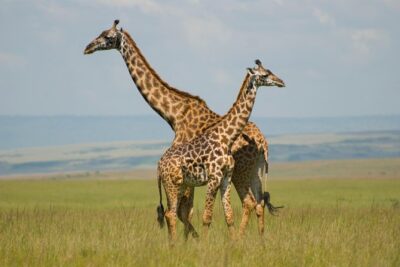
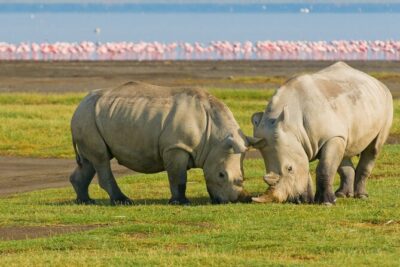
Maasai Mara is one of those places where your camera feels like it’s finally pointing at the subject everyone dreams about. Lions, cheetahs, leopards, elephants, giraffes, zebras, and wildebeest all show up in the wider ecosystem, not in a neat, scheduled way. That unpredictability is actually the whole point for photography and field notes.
What makes the area especially valuable is its geographic hook: Maasai Mara borders Serengeti National Park in Tanzania. That matters because wildlife movement is not random. It’s connected to food and seasonal patterns, and in the right month you get the famous wildebeest migration crossing the Mara River area. You might come for the Big Five, but you’ll often end up obsessed with the movement itself.
More Safaris in Nairobi
- Safari Tour; Nairobi National Park
★ 4.5 · 594 reviews - Half-Day Nairobi National Park Safari from Nairobi with Free Pickup
★ 4.5 · 264 reviews - 5 Days Masai Mara, Lake Nakuru & Naivasha Budget Joining Safari
★ 5.0 · 229 reviews
Nairobi pickup and the Rift Valley escarpment stop
You start in Nairobi, with pickup available from your airport or hotel. The day’s flow includes a stop at the Great Rift Valley for a view of the escarpment and some history from your guide. Even if you’re mostly thinking about long-lens wildlife shots, I think this stop is worth treating like a warm-up session. It’s a chance to get your bearings, check your gear, and set expectations for the scenery and scale you’re driving toward.
Practically, this kind of transfer also helps your photography day. You’re not wasting time figuring out logistics while you’re in the mood to shoot. You can focus on arriving at the reserve ready to work.
One small note: the information provided lists a 7:00 pm start time at the Nairobi meeting point (40-17 Moi Ave). Since the plan also describes daytime driving out and a lunch stop in Narok town, I’d treat that as a call-to-confirm item. Ask the operator whether pickup time is earlier in practice, because your best light does not care about paperwork.
Day 1: arriving, lunch in Narok, and the first evening game drive
Your first day is built around getting you into Maasai Mara and then letting the light do its thing. The drive includes a lunch stop at a transit hotel in Narok town, with time for shopping if you need anything practical before entering the reserve.
When you reach Maasai Mara, you go straight into an evening game drive. This is smart for photographers because dusk light compresses everything into warmer tones. It also changes animal behavior. You’re often better off at this time of day than at midday, when heat can push animals to rest and shade.
Then you check in at the camp for refreshment before dinner and an overnight stay. That overnight part is important because it protects your early start the next morning. In wildlife photography, sleep can be as important as your lens.
Admission ticket time is handled in a straightforward way here. The admission for the reserve is listed as free, which reduces the chance of a last-minute headache when you want to be focused on animals, not paperwork.
Day 2: dawn breakfast, packed lunch, and the morning wildlife mission
Day 2 starts with breakfast early, then you carry a packed lunch and head out for a morning game drive. Morning is when I expect the best “action per minute,” even if your definition of action is subtle. Think of it as: animals moving, feeding, interacting, and making themselves visible.
The plan also leans hard into Big Five opportunities in large numbers. No operator can promise sightings on a specific schedule, but this route and timing are designed to maximize your chances. If you’re coming for lions, leopards, elephants, buffalo-like presence, and rhino odds, this is the day to treat like your main shoot.
A key feature of the morning drive is the focus around the Mara River and the wildebeest migration movement. The information you have says the migration happens in July, which is your main seasonal target for that dramatic river-and-herd viewing. Even if you’re not traveling in July, the Mara River area is still a strong place to watch for wildlife patterns, because water concentrates life.
After the drive, the plan includes a nature walk in the reserve, with security guaranteed. This is a genuinely different experience from a vehicle drive. You see tracks, smaller behavior, and you learn the texture of the ecosystem. For photography, it also means you need to be ready to shoot slower, tighter, and more carefully, since you’re closer to ground-level subjects.
More Maasai Mara safaris:
- 3 Days Masai Mara Group Joining
★ 5.0 · 486 reviews - 3 Days Gamedrive Safari In Masai Mara From Nairobi
★ 5.0 · 207 reviews - From Nairobi: 3 – Days Maasai Mara Group Safari by 4WD
★ 4.6 · 205 reviews - 3 Days Maasai Mara Guided Safari from Nairobi
★ 4.5 · 195 reviews
The Mara River migration: what you can plan around (and what you can’t)
Let’s talk straight about migration expectations. You have one clear seasonal window listed: wildebeest migration happens in July. If you’re aiming for that headline moment, plan your trip accordingly.
At the same time, migration is a moving story, not a stationary exhibit. Weather, water level, and animal movement can shift what you see from day to day. That’s why your best strategy is to treat every Mara River stop as a chance to catch something in progress, rather than as a guaranteed perfect crossing scene at exactly the time on your phone.
In July, you’re more likely to experience the movement between Maasai Mara and Serengeti. Your plan specifically describes wildebeest moving from Maasai Mara toward Serengeti National Park in Tanzania. That direction is the main story you should look for, especially if you want wide shots of herds and tighter shots of dust trails, faces, and the rhythm of the crossing.
Nature walk time: how to make it useful for photos and notes
The nature walk is one of those add-ons that can either feel like a break from the safari or become a highlight. Here, it’s positioned after the game viewing, so you get the big spectacle first and then the slower learning pace.
You have security guaranteed, which helps you relax and pay attention. For your part, I suggest you dress for feet-first photography and not just zoom-lens wildlife. Bring comfortable walking shoes you trust, and if you’re carrying a camera, plan for dust. The savannah environment means you can go from clean lens to dust speck fast.
This walk is also valuable for field work. Even if your primary goal is photos, you’ll come away with better context for what you see during the next drive or later in the trip. You spot habitat clues, understand where animals can move, and start predicting what species might show up near certain cover types.
Price and value: is $4,600 per person fair here?
This safari is listed at $4,600 per person. For a short plan running about two days, that’s not a bargain price. But it also isn’t a mystery price either.
Based on what’s included, you are paying for a focused setup: pickup from airport or hotel, private group format, admission listed as free, and meals covered (breakfast, lunch twice, dinner twice). You’re also paying for time in prime wildlife conditions, not just a quick drive-by.
Where the value really shows is if you match the safari style. This one is mostly aimed at photographers and researchers. That means you’re not just getting transported, you’re getting time and guidance to capture behavior and gather species information.
If you want a one-size-fits-all tour with lots of optional add-ons, this might feel strict. But if you want wildlife time, lighting time, and less hassle, the price starts to make sense.
What’s included, what to budget, and what to pack
Here’s the clear picture of food and extras from the info you have:
- Included meals: breakfast, lunch (2), dinner (2)
- Not included: alcoholic beverages and snacks
That last part matters more than it sounds. If you’re out shooting for hours, hunger hits faster. Since snacks are listed as not included, consider bringing a few small items you like. Also, if you drink alcohol, plan to buy it separately.
As for what to pack, keep it practical for a photo safari:
- Camera with a lens you can zoom with quickly, plus at least one spare battery
- Binoculars if you use them, they help you find subjects before you frame
- Sun protection and layers, mornings can feel cooler than you expect
- If you wear long lenses, pack a way to keep dust off them during transfers
Best time for Maasai Mara photography, and why July gets special attention
Your plan highlights wildebeest migration as a major draw, and it pins the peak season to July. For photographers, July can be rewarding because it aligns your trip with the most dramatic herd movement tied to the Mara River.
If you’re traveling in other months, you can still get exceptional wildlife viewing. The Mara ecosystem is active year-round with predators, elephants, grazers, and birds. But the specific “migration moment” is seasonal, so you should adjust your expectations and aim to capture movement in different forms, not just one signature crossing event.
Getting the most out of a private, photography-first safari
A private safari can be more than comfort. It can be creative freedom. With only your group, your guide can respond to your shooting style and your pace. That matters because wildlife photography often requires waiting, repositioning, and adjusting your plan on the fly when something interesting appears.
The best habit I’d suggest is to treat the guide as a working partner in the field. Ask for help with where to stand, when to switch lens, and how to anticipate animal movement. The guide’s job is not just finding wildlife, it’s keeping you in good viewing conditions and out of trouble when visibility changes.
Also, give yourself permission to shoot wide, not only tight. The savannah feeling matters. Shots that show space around animals can be just as powerful as close-ups.
Should you book this Maasai Mara photography safari?
Book it if you want a wildlife time-focused Maasai Mara experience with private guiding, meals handled, and a plan that respects photography and research needs. The combination of an evening game drive, a dawn drive, Mara River emphasis, and a nature walk is a smart mix for building both images and context.
I’d hesitate only if you specifically need the full “10 days” of shooting in Maasai Mara, because the detailed plan you have here is clearly laid out as two days. If you want an exact multi-day schedule, confirm the full length and what additional days include.
If your priority is real time in the Mara for camera work, and you’re traveling around the season when migration matters to your project, this is the kind of trip that can turn into a portfolio set, not just a memory.
FAQ
Where does this safari start in Nairobi?
It starts at 40-17 Moi Ave, Nairobi, Kenya. The activity ends back at the same meeting point.
What are the pickup options?
Pickup is offered from the airport or from your hotel, with a company representative briefing you after pickup.
How long is the experience?
The trip duration is listed as 2 days (approx.).
Is the reserve admission included?
Yes. Admission ticket is listed as free.
What meals are included?
Breakfast is included, along with lunch twice and dinner twice.
Are snacks and alcoholic beverages included?
No. Alcoholic beverages and snacks are not included.
Is free cancellation available?
Yes, you can cancel up to 24 hours in advance for a full refund, and weather issues can also trigger a different date or a full refund.
Recently reviewed from Nairobi
- Amboseli Day Trip from Nairobi★ 4.5 · 3 reviews
- Nairobi city tour★ 4.5 · 3 reviews
- Ngare Ndare Day Trip★ 5.0 · 3 reviews
- Day Trip To Crescent Island And Hells Gate National Park★ 5.0 · 3 reviews
- Crescent Island Day Tour From Nairobi★ 5.0 · 3 reviews
- 1-Day Amboseli Safari★ 5.0 · 3 reviews
- 13-Day Uganda Mgahinga Gorilla Trek, Maasai Amboseli Park★ 5.0 · 3 reviews
- 4 days group joining budget safari to Maasai Mara only★ 5.0 · 3 reviews
Maasai Mara Safaris, compared.
5 Days Masai Mara, Lake Nakuru & Naivasha Budget Joining Safari
Read our review →
3 Days Gamedrive Safari In Masai Mara From Nairobi
Read our review →
3 days group joining safari to Maasai Mara with a Land Cruiser Jeep
Read our review →Browse the lists this tour appears in