
Reviewed · MAASAI MARA SAFARIS
3 Day 2 Nights Maasai Mara Safari
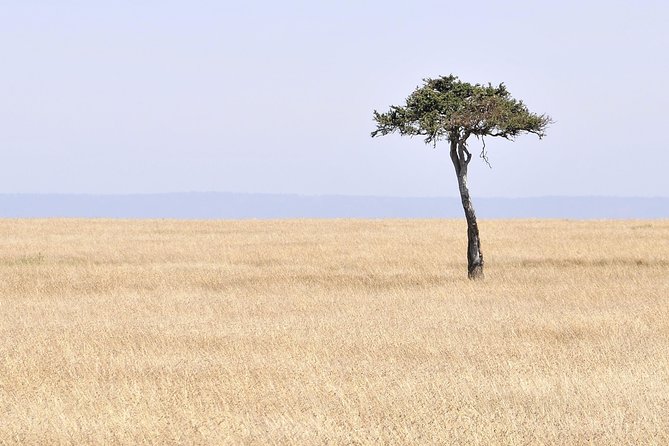
Masai Mara is the kind of place where the scenery and wildlife both hit fast, set in the Great Rift Valley’s open grassland and famous for predator action. I like the way the reserve is organized for game viewing, with wildlife often concentrated toward the western escarpment and a good shot at the Big Five on the same days.
Two things I really like here: you get a classic mix of an afternoon sunset drive to kick things off, then an early morning full day when animals tend to be more active. That combination gives you more chances to spot lions, cheetahs, elephants, buffalo, and the rest without feeling rushed.
One possible drawback to plan around is logistics outside the reserve. Nairobi traffic and rough patches on roads can be bumpy, and you will be in a vehicle for long stretches, even though the guides and drivers help make it smoother.
Key things that make this safari work
- Unlimited game drives means you are not stuck with a single fixed number of outings
- Two prime wildlife windows: an afternoon drive plus an early morning start
- Packed lunch and full-day park time keep you in the action instead of driving back early
- Mara River visit adds variety beyond grassland sightings
- Small group size (maximum 7) keeps the experience feeling personal
- Guides with real Kenya context help you understand what you’re seeing in the moment
Why Maasai Mara Hits So Hard in the First 15 Minutes
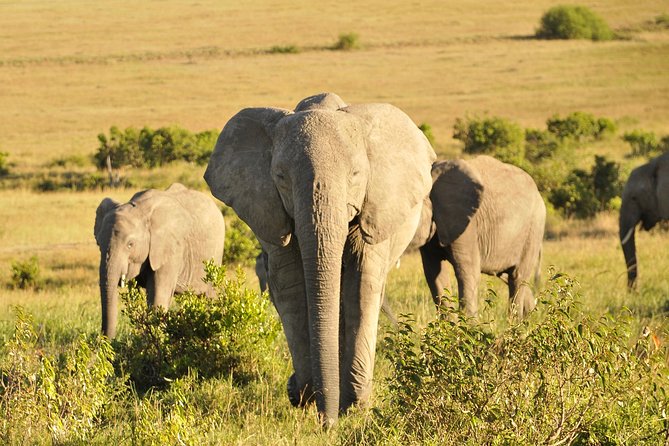
Maasai Mara is often called Kenya’s most famous wildlife reserve for a reason. You’re looking at open grassland in the Great Rift Valley, and the wildlife tends to cluster along areas like the western escarpment, where sightings can be especially strong.
If you travel during migration season, the reserve becomes even more electric. Between July and November, the wildebeest migration involves over 1.5 million animals, and that huge movement tends to draw in predators and other animals.
Even if you are not there for the migration, the numbers still tell the story. The reserve has recorded about 95 species of mammals, amphibians, and reptiles, plus over 400 bird species. In practice, that means you’re not just hunting for big animals, you’re also picking up interesting smaller life while you wait for the drama to unfold.
More Safaris in Nairobi
- Safari Tour; Nairobi National Park
★ 4.5 · 594 reviews - Half-Day Nairobi National Park Safari from Nairobi with Free Pickup
★ 4.5 · 264 reviews - 5 Days Masai Mara, Lake Nakuru & Naivasha Budget Joining Safari
★ 5.0 · 229 reviews
Price, what $390 covers, and what you should budget for
At $390 per person for about 3 days and 2 nights, this safari can feel like good value if you want guided time in the reserve without having to juggle planning. You get an air-conditioned vehicle, a tour guide, and a meal plan with lunch, dinner, and breakfast built into the schedule.
That said, you need to budget carefully for park costs. The package notes Maasai Mara entry fees as not included, so you should plan on paying those at the gate. In your exact confirmation, double-check what the admission line really means, because the provided info also says admission ticket free, which is a common source of confusion when providers mix wording.
Alcohol is not included, and the same goes for the Maasai village portion. You can still experience the village stop if it is on your route, but treat it as an extra you may pay separately.
Getting from Nairobi to the reserve without losing your day
You start in Nairobi, with pickup at a central place and a departure around 7:00 am. The drive goes through the Great Rift Valley and passes Narok on the way to Maasai Mara, so expect a long day of road time even on Day 1.
The practical tip here is mental, not medical. Nairobi traffic can be slow, and parts of the road can feel rough, so bring patience and plan to use the ride time as part of the safari rhythm. In real life, the difference between a good day and a frustrating one often comes down to how calmly your driver handles the route.
Once you arrive, check-in at your lodge or camp, then you head straight back out. That flow matters because it gets you into the reserve while you still have energy and light for wildlife.
Day 1 in Maasai Mara: Afternoon game drive and that classic sunset payoff
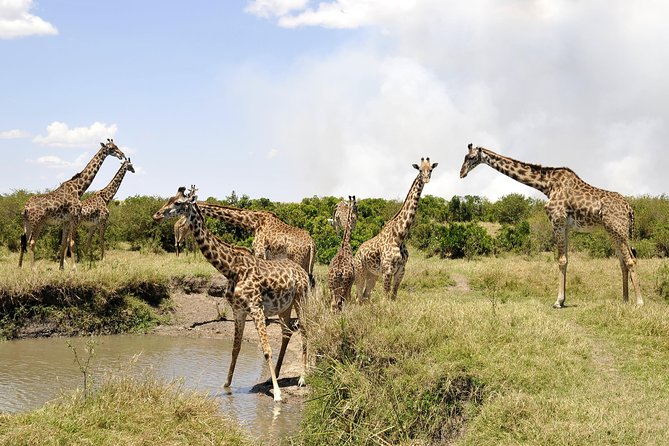
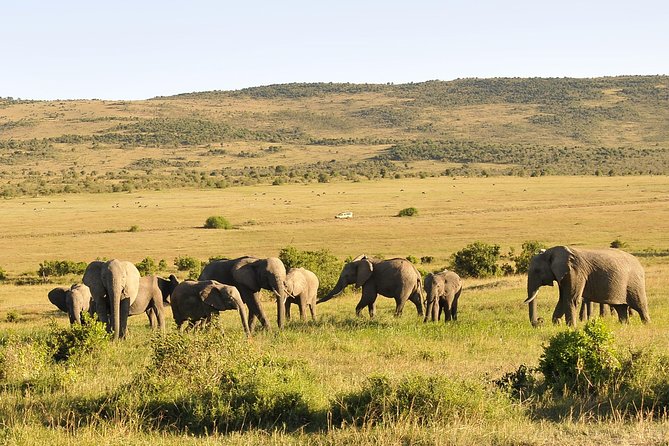
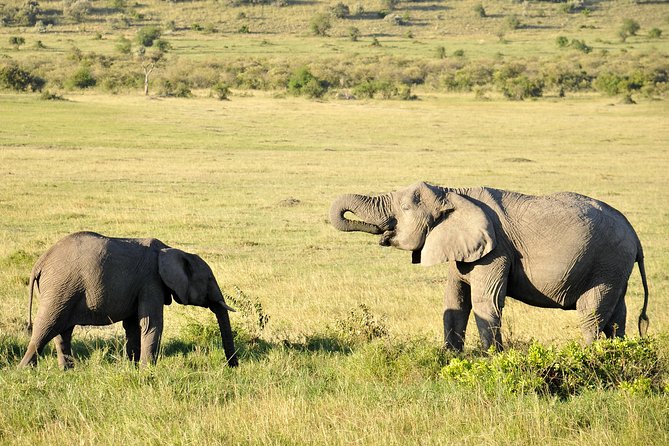
Your first wildlife time is an afternoon game drive focused on big sightings. Lions, cheetahs, elephants, buffalo, and other members of the Big Five are explicitly part of the search, along with plenty of other animals that show up when you stay alert and drive slowly.
This is the part of the safari that teaches you how to watch. When you get your first look at the landscape, you start noticing where animals graze, where tracks funnel through grass, and how quickly a single sighting can change the whole mood of the vehicle.
You also get the best reason to do an afternoon drive in Maasai Mara: the opportunity for a wilderness sunset. Even if you are not chasing a specific animal at that moment, the light at dusk makes the whole reserve feel cinematic, and it often lines up with renewed animal movement near water sources.
By the time you head back to your lodge or camp, you’ll have dinner and a full overnight. It’s a solid setup because it keeps Day 2 from feeling like you are starting from zero.
More Maasai Mara safaris:
- 3 Days Masai Mara Group Joining
★ 5.0 · 486 reviews - 3 Days Gamedrive Safari In Masai Mara From Nairobi
★ 5.0 · 207 reviews - From Nairobi: 3 – Days Maasai Mara Group Safari by 4WD
★ 4.6 · 205 reviews - 3 Days Maasai Mara Guided Safari from Nairobi
★ 4.5 · 195 reviews
Day 2’s full-day rhythm: early morning, packed lunch, Mara River time
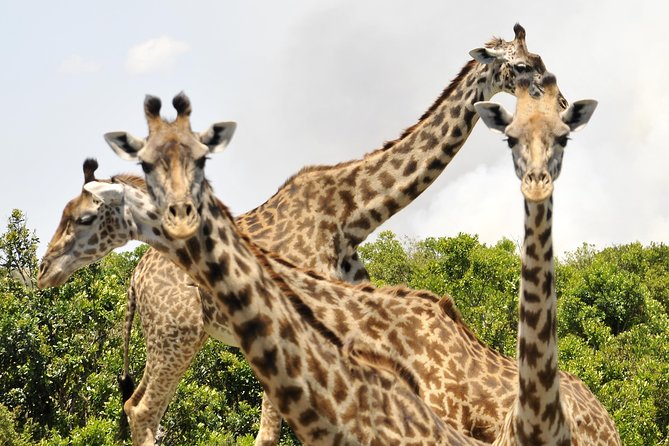
Day 2 is where you maximize your chances. You go out on an early morning game drive, then you spend the day in the reserve with a packed lunch.
Early morning is valuable because predators often use cooler hours to hunt, and many animals move differently compared to midday heat. You can also enjoy fewer crowds on the road and more time to let your eyes and brain adjust to spotting wildlife at distance.
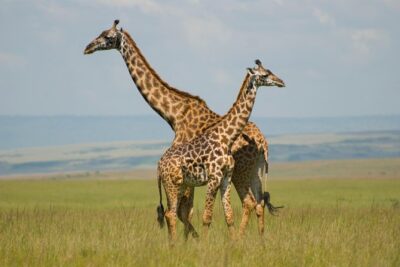
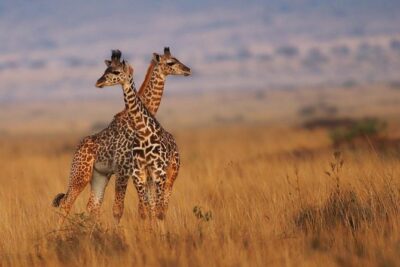
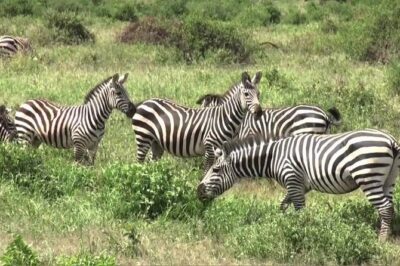
The plan is built around predators and their opponents. You’ll look for well-known predators, then track animals like zebra and wildebeest, plus giraffe, hippo, and crocodiles. A visit to the Mara River adds a different viewing style, since water edges often concentrate activity.
This matters for your expectations. If you only picture big cats, you might feel like the day is either a win or a loss. But the schedule encourages you to enjoy the whole ecosystem, including strong “in-between” sightings like hippos near water and crocodiles along the river areas.
The day ends back at camp or lodge for another overnight. That means you get two real nights to recover, not a “whistle through the bush and run to the next place” kind of trip.
Day 3: Maasai village visit and return to Nairobi with lunch en route
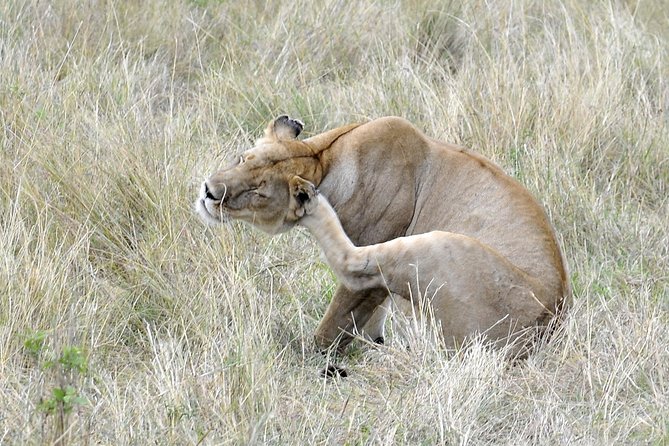
On the final day, you start with a short tour in a Maasai village before heading back toward Nairobi. Then you stop for lunch on the way and finish back at the starting point.
This is one of those stops where you should set expectations. The village visit is listed as not included, so you may need to pay separately if it’s part of your route. Also, because it is described as short, treat it as a cultural add-on rather than a long deep immersion.
What I like about keeping it short is that it does not steal time from game viewing, and by then you’ve already had your main wildlife blocks. After two days in the park, you’ll come into Day 3 with a better understanding of the land you’re seeing, which makes the cultural component feel more grounded.
The guide and vehicle factor: why the team matters in a small-group safari
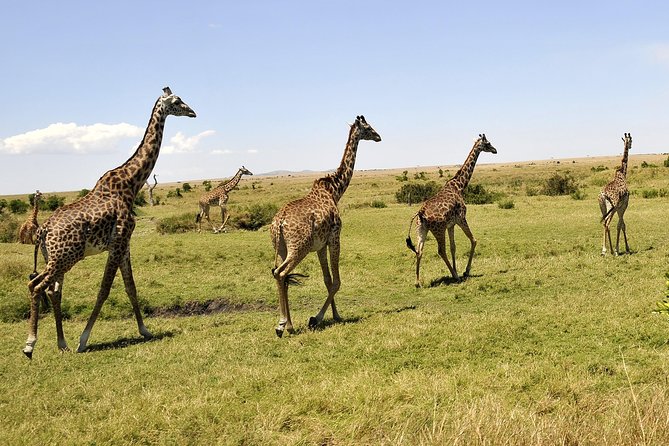
This safari runs with a maximum of 7 travelers, and that’s a big deal in the Mara. Smaller groups usually mean less chaos spotting animals, fewer people fighting for window positions, and a smoother rhythm when the driver decides where to go next.
The other make-or-break piece is the tour guide. Past trips have been led by guides such as Olé (Gitau) and Joseph, and the broader team has been praised for going above and beyond. In plain terms, a strong guide helps you not just see wildlife, but also understand what you are looking at, where animals are moving, and why a certain area is worth checking again.
You also get an air-conditioned vehicle, which helps on a multi-hour drive day. Use it for comfort, but don’t treat it as a reason to stop paying attention. The best safari moments often come when someone spots something, and everyone needs to be ready fast.
If you get into the habit of listening closely when the guide points things out, your spotting accuracy improves quickly. You will start distinguishing movement in grass from a random breeze, and you’ll catch that “almost there” moment when an animal becomes visible.
What to expect from the wildlife experience, season and reality check
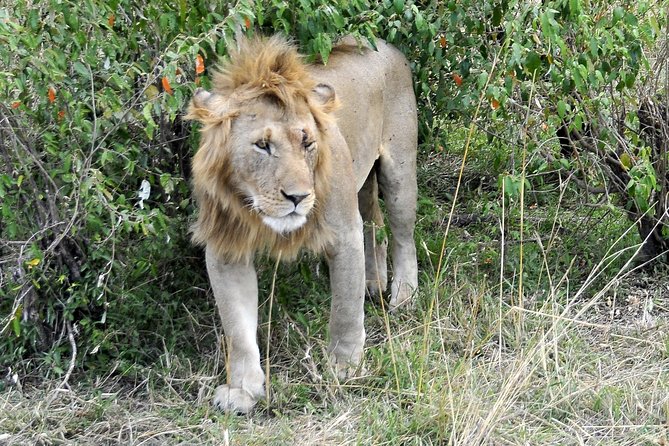
Let’s talk honesty. Maasai Mara can deliver Big Five sightings, but not every single drive will be a parade of lions in view. The value of this itinerary is that it gives you multiple shots at wildlife with both morning and afternoon timing.
The reserve’s ecology helps your odds. It’s primarily open grassland, and wildlife concentration tends to be higher in certain areas like the western escarpment. That means your driver and guide can focus your time rather than endlessly searching blind across the whole region.
If you’re traveling during July to November, set your brain to migration mode. The wildebeest migration draws predators and creates more action overall, and that can make your viewing feel more constant. If you’re traveling outside peak migration, you’ll still see plenty of animals, but the pacing can feel more about steady sightings rather than one huge event dominating every hour.
Meals and comfort: two dinners, breakfast, and the packed-lunch strategy
Food is often where safari packages either shine or fall short, and this one keeps it straightforward. You get lunch three times, dinners two times, and breakfast two times. Day 2 uses a packed lunch, which is exactly what you want for a full day of game drives.
What I like about this setup is that it protects your schedule. You’re not hunting for snacks or losing time to restaurant stops. Instead, you stay in the reserve rhythm, then return to camp or lodge for dinner and overnight.
Because your lodge or camp type isn’t specified here, focus on what you control: wear comfortable layers for early mornings, bring a small day bag, and keep essentials easy to access. The schedule is built around being out in the field, so comfort beats fashion.
Who this safari suits best, and who might want a different style
This tour is a strong fit if you want a guided Maasai Mara visit with minimal planning and clear wildlife time blocks. If you like structure, meal planning, and small-group attention, you’ll appreciate the maximum 7 travelers limit and the included guide.
It also works well for people who care about learning while they watch. The team’s reputation for service and guidance suggests you’ll get explanations and practical context, not just transportation.
If you are the kind of traveler who wants total freedom to roam or design every hour yourself, you might find a fixed schedule less satisfying. This trip is built around set viewing periods, like the afternoon drive and the full day with Mara River time.
Should you book this 3-day Maasai Mara safari?
I’d book it if your priority is guided wildlife time with a sensible, beginner-friendly pace. For $390, you’re getting guided drives, air-conditioned transport, and meal coverage across two full days of reserve time, plus a cultural stop on Day 3.
The biggest “yes, but” is budgeting for entry fees and village costs. Also remember you are dealing with long drives from Nairobi, so plan for comfort and patience.
If you want a straightforward Maasai Mara experience that balances classic game viewing with a small-group feel, this is the kind of trip that can deliver lifetime memories without making you juggle a dozen moving parts.
FAQ
How long is the safari?
It runs for 3 days (about 2 nights), starting in Nairobi and ending back at the meeting point.
What time does the safari start in Nairobi?
The start time is listed as 7:00 am.
What meals are included?
Lunch is included 3 times, dinner is included 2 times, and breakfast is included 2 times. Day 2 uses a packed lunch.
Are Maasai Mara entry fees included?
No. Maasai Mara entry fees are listed as not included, so you should plan to pay them separately.
Is the Maasai village visit included?
No. The Maasai village is listed as not included, even though a short visit is part of the route.
What is the group size?
The tour has a maximum of 7 travelers.
What is the cancellation policy?
Free cancellation is available up to 24 hours in advance for a full refund, with timing based on the experience’s local time. If canceled due to poor weather, you are offered a different date or a full refund.
Recently reviewed from Nairobi
- Amboseli Day Trip from Nairobi★ 4.5 · 3 reviews
- Nairobi city tour★ 4.5 · 3 reviews
- Ngare Ndare Day Trip★ 5.0 · 3 reviews
- Day Trip To Crescent Island And Hells Gate National Park★ 5.0 · 3 reviews
- Crescent Island Day Tour From Nairobi★ 5.0 · 3 reviews
- 1-Day Amboseli Safari★ 5.0 · 3 reviews
- 13-Day Uganda Mgahinga Gorilla Trek, Maasai Amboseli Park★ 5.0 · 3 reviews
- 4 days group joining budget safari to Maasai Mara only★ 5.0 · 3 reviews
Maasai Mara Safaris, compared.
5 Days Masai Mara, Lake Nakuru & Naivasha Budget Joining Safari
Read our review →
3 Days Gamedrive Safari In Masai Mara From Nairobi
Read our review →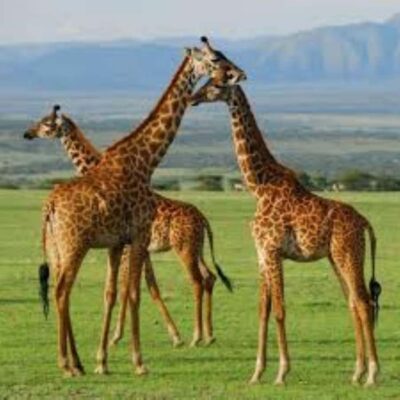
3 days group joining safari to Maasai Mara with a Land Cruiser Jeep
Read our review →Browse the lists this tour appears in