
Reviewed · MAASAI MARA SAFARIS
3-day Masai Mara Safari Tour to see the big five and wildebeest migration
Maasai Mara is one of those places where the wildlife doesn’t wait for your schedule, and a short 3-day trip still gives you real odds at the Big Five and the wildebeest migration season. What makes this tour especially interesting is the mix of small-group safari time and overnight stays in a tented camp within the park, so you start and end your days where the animals are.
I like that you get hotel pickup and drop-off in Nairobi, then spend most of the trip focused on game drives instead of long, wasted transfers. I also like the group size cap of only 7 travelers, which usually keeps things calmer when you’re looking for the next animal sighting. One possible drawback: on a 3-day safari, you should expect the Big Five to be a goal, not a guarantee, especially for harder-to-find animals like rhinos.
Key Highlights You’ll Feel Immediately
- Group capped at 7 travelers, so you’re not stuck on a jam-packed vehicle with limited viewing angles
- Two nights in an en-suite budget camp inside the Maasai Mara area, with animals audible right from camp
- Early start routines for the best chance at predators, including a morning drive meant for spotting cats at hunt
- Full day Mara River game viewing, where the plains and river edges concentrate wildlife activity
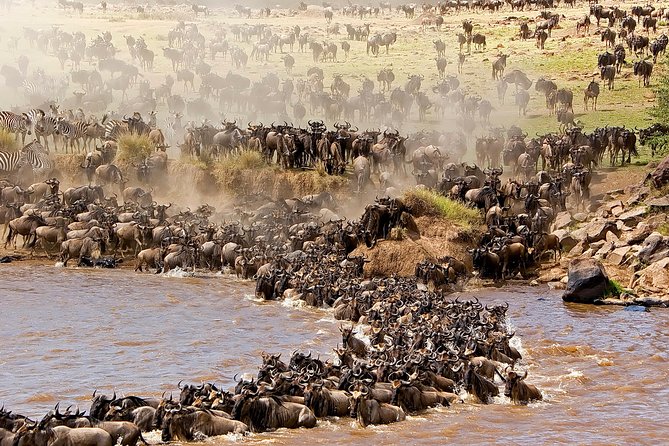
- Wildebeest migration focus (July to October), timed to the seasonal action rather than generic safari days
- Meals included (3 lunches, 2 breakfasts, 2 dinners), which makes the $700 price easier to judge
Why Maasai Mara’s Big Five and Migration Combo Works So Well
If you’ve only got a few days in Kenya, you’re smart to target Maasai Mara. The park is built for sightings: broad open plains for spotting herds from a distance, plus water and river areas where animals funnel naturally.
The tour’s big appeal is that it doesn’t treat the migration like a bonus add-on. Instead, it runs during the wildebeest migration season of July through October, when people travel specifically for that dramatic movement and river crossings. Even if the exact moment of action depends on weather and timing, you’re in the right place and you’re driving at the right times of day.
This is also a comfort-first style of safari. You’re not doing a nonstop “drive all day” ordeal. Instead, you get game drives, camp time, and proper meals, which matters because your eyes need time to adjust to the light, shadows, and animal behavior out on the plains.
More Safaris in Nairobi
- Safari Tour; Nairobi National Park
★ 4.5 · 594 reviews - Half-Day Nairobi National Park Safari from Nairobi with Free Pickup
★ 4.5 · 264 reviews - 5 Days Masai Mara, Lake Nakuru & Naivasha Budget Joining Safari
★ 5.0 · 229 reviews
$700 Value: What You Get, and Why It’s Not Just a Low Price
At $700 per person for 3 days, this is positioned as budget-friendly, but the inclusions make it feel more practical than “cheap.”
Here’s what that price covers based on what’s included:
- 2 nights accommodation in a budget tented camp with en-suite facilities
- Transport plus park fees and taxes
- Hotel pickup and drop-off in Nairobi
- Professional driver-guide and game viewing activities
- Meals: 3 lunches, 2 dinners, 2 breakfasts
What you’re not getting is also clear: drinks, gratuity, laundry, and personal expenses. I like tours that spell this out, because it prevents surprise costs later. If you’re the type to buy bottled water, soft drinks, or extra snacks during drives, plan that extra budget.
Also, this isn’t an all-day hike safari where you’re paying extra for flights you don’t need. You’re paying for guided wildlife time, access, and the simple fact that you’re staying near where the animals are active.
Getting There From Nairobi Without Losing a Day
This tour starts with pickup from your hotel in Nairobi, with a stated start time of 8:30am. The day-one drive leaves the capital and follows the Great Rift Valley area down toward Narok for lunch before continuing into Maasai Mara for camp check-in.
Why this matters: the sooner you’re inside the safari zone, the sooner you can start training your eyes for animals. In a short trip, that first afternoon game drive and the evening camp atmosphere can be the difference between “we saw some animals” and “we felt like this is a real safari.”
You’ll travel in a private vehicle for your group, and the best part is that the group is capped at 7 travelers. Smaller vehicles tend to make it easier for the guide to stop where the sightings are, and easier for you to swivel and see without constantly squeezing around other people.
One more practical detail: you’ll receive a mobile ticket, which is convenient once you’re in Kenya and don’t want extra paperwork stress.
Day 1: Rift Valley Drive, Narok Lunch, Camp Check-In, First Game Drive
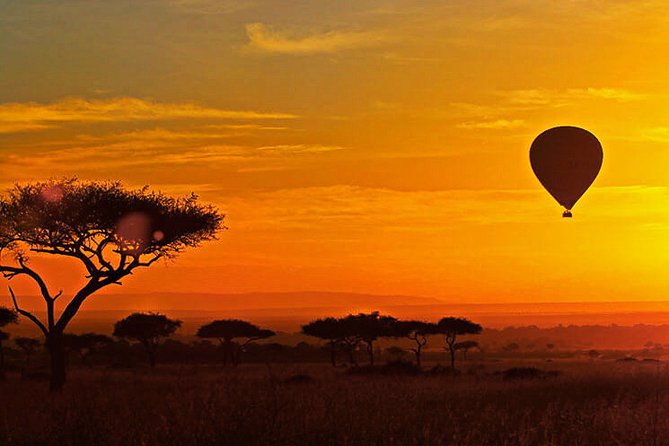
Your day begins with pickup in Nairobi around the morning start time, then a drive that heads along the scenic Rift Valley route down toward Narok. The lunch stop is part of the flow, not a random interruption. After lunch, you continue into the Maasai Mara area and handle camp check-in.
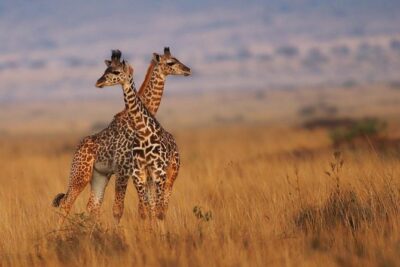
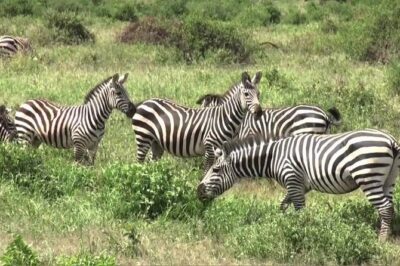
Then comes the moment most people remember most clearly: the first game drive. This is your introduction to how Maasai Mara behaves in real life. Wildlife is not evenly distributed. Some stretches feel almost empty, then suddenly you’ll be watching elephants, zebras, and giraffes in the same sweep of grassland.
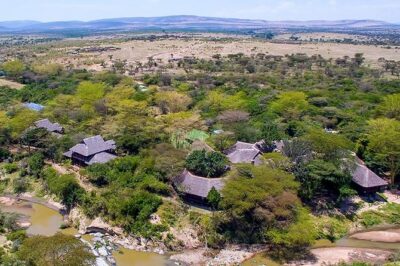
After that first drive, you return for dinner and relax at Lenchada Tourist Camp or a similar camp. This camp style is basic in the best way. You’re not paying for luxury. You’re paying for location. One of the most “real safari” parts of staying in a tented camp is hearing the bush at night. The tour is designed so you fall asleep to that sound, instead of going back to a hotel far away.
Potential drawback on day one: because the day is partly a drive day, you might not see your most iconic action immediately. I’d treat day one as orientation plus “warm-up sightings,” then expect the strongest animal time on the next day.
More Maasai Mara safaris:
- 3 Days Masai Mara Group Joining
★ 5.0 · 486 reviews - 3 Days Gamedrive Safari In Masai Mara From Nairobi
★ 5.0 · 207 reviews - From Nairobi: 3 – Days Maasai Mara Group Safari by 4WD
★ 4.6 · 205 reviews - 3 Days Maasai Mara Guided Safari from Nairobi
★ 4.5 · 195 reviews
Day 2 Mara River: Your Best Shot at Predators and the Big Five Mix
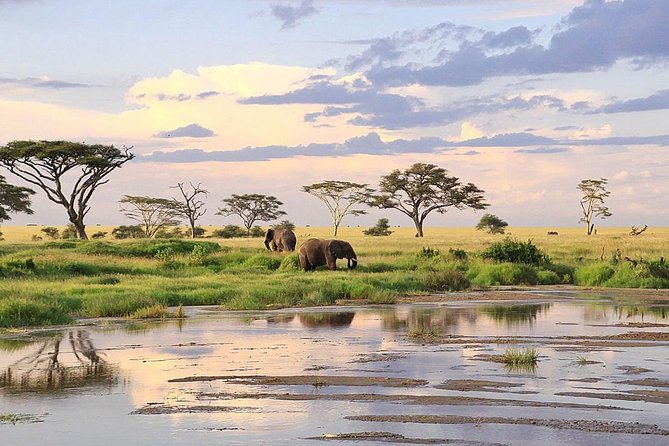
Day two is the heart of the safari. You start with an early breakfast and then head out for a full day of game drives in the Maasai Mara, including the Mara River area.
This is where you shift from “seeing animals” to “watching wildlife behavior.” On the Mara plains and river edges, animals cluster for reasons you can spot if you pay attention. Water draws herbivores. Predators patrol where prey is most predictable. Even when you don’t see the Big Five instantly, you often get a better story: who is moving, who is grazing, who is hiding, and what’s keeping predators patient.
Based on the animals listed for this region, you might spot:
- giraffes
- elephants
- zebras
- buffalos
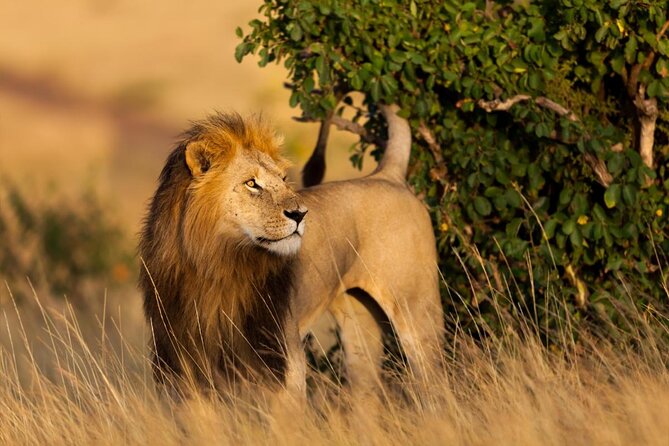
- lions
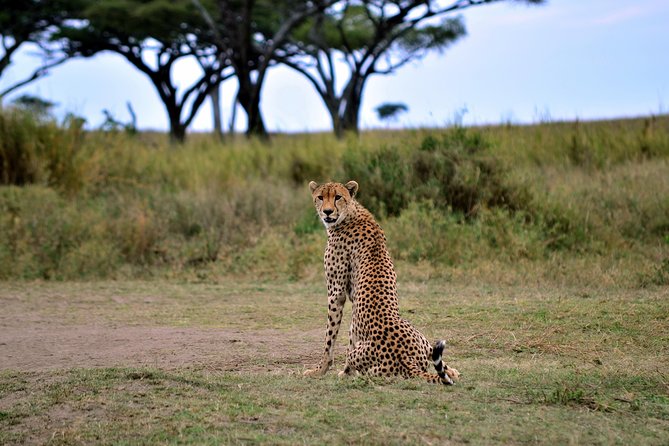
- cheetahs
- leopards (possible in the broader area, though not promised)
- wildebeests and other grazers
- hippos near water
- plus hyenas and other smaller predators and scavengers
The guide’s role matters here. A good driver-guide helps you read the scene quickly, so you’re not just driving around guessing. In past trips with this operator, guides named Daniel, Steve, and Albert have been praised for being responsive, friendly, and helpful, which is exactly what you want when you’re scanning for motion in a wide landscape.
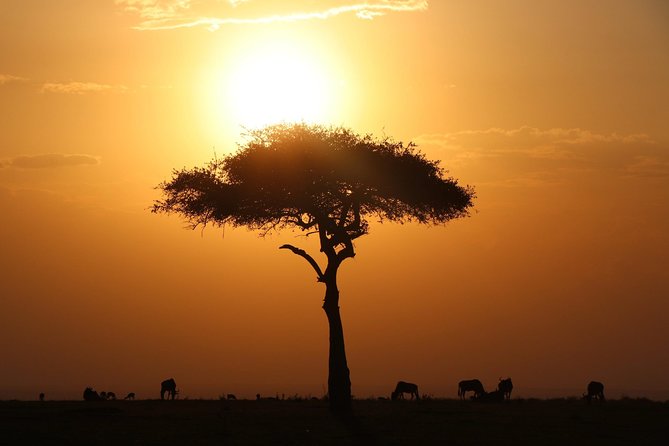
Also, the tour mentions orange-tinged sunsets that are worth capturing on camera. If you like photos, day two is where you’ll get your “wow” light. If you don’t, it still means the timing lines up with the way animals slow down and become easier to observe at dusk.
If you’re chasing predators, keep your expectations realistic: sightings can happen, or they can stay just out of frame. I’d aim to stay patient and trust the guide to reposition when there’s action.
Day 3: Early Morning Cats, Then Back to Nairobi
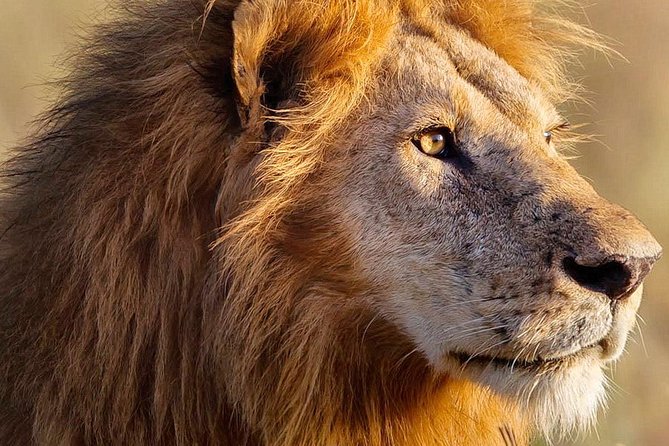
Day three starts with a very early morning game drive. The timing is chosen because early hunts can put cats in view. After breakfast, you check out and then drive back to Nairobi, which is described as a 5 to 6 hour return, arriving around 4pm.
This end-of-trip structure is practical for two reasons:
- You get one last “best-light” window for predators before you leave the park.
- You still return to Nairobi the same day, which helps you connect with onward plans without needing another hotel night.
When you’re on safari, you learn fast that mornings often feel more productive. Animals move differently at dawn. Predators are alert. Grazers are active. If you want the most intense odds for seeing lion behavior, cheetahs, or other cats at work, that final morning drive is the right place for it.
One thing to consider: this is a long drive day, so don’t plan anything hectic right after drop-off. If you’re flying later, give yourself breathing room for traffic and logistics.
Sleeping in a Tented Camp Inside the Park: Comfort With Real Atmosphere
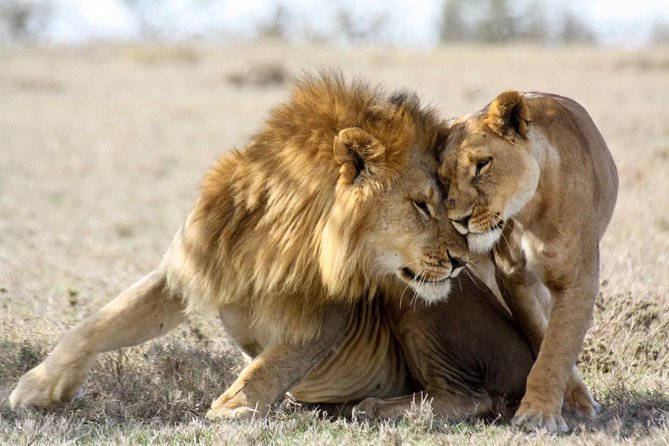
The tour includes 2 nights in a tented camp with en-suite facilities. That blend is important. It keeps you comfortable enough to wake up early for game drives, but still gives you the classic safari feel.
What I like about this kind of camp set-up is how it changes your mental pace. You’re not rushing from a bed in Nairobi to a vehicle at sunrise. You’re already in the safari environment. You can literally listen to the bush. Even if you don’t hear much at first, you start noticing rhythm: insects, occasional animal sounds, and that quiet between calls.
It’s also why “sleeping inside the park” is more than a marketing phrase. It reduces back-and-forth driving time, which makes the trip feel fuller. And since the tour includes meals, you’re not wandering off or hunting for food logistics after a long drive.
If you’re sensitive to nighttime sounds, I’d still mention this: you’re in wildlife country. That’s the point. Bringing earplugs can help, but the tour itself is built for that authentic camping feel.
The Wildebeest Migration Window (July to October), and What You Can Expect
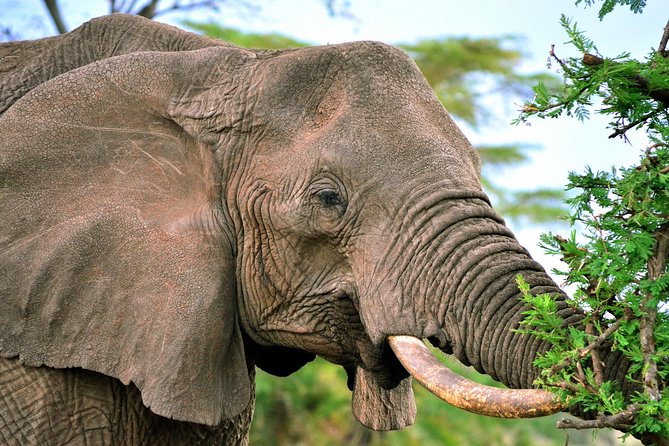
This tour calls out the wildebeest migration season from July through October. That’s the correct window for many migration movements, though exact timing and river activity can vary year to year.
Here’s the practical way to think about it:
- You’re booking for seasonal odds.
- You’re not booking a guaranteed moment of river crossing.
- You can still have an incredible migration-focused safari even without seeing the most famous scene.
Even when the crossing drama is out of reach, migration season still brings energy to the plains. Wildebeest and predators interact more often. If you get lucky with timing, you might see herd movement at distances that make the scale feel unreal.
Also remember the tour has a full day game drive on day two, plus an early morning drive on day three. Those timing choices help, because wildlife doesn’t “only perform” in one hour block. You’re covering more of the day than the typical half-day safari approach.
If your heart is set on the biggest migration moments, try to stay emotionally flexible. Your success depends on the living animals and the river conditions, not the calendar on paper.
Wildlife Viewing Tips That Actually Help on This Route
When you’re in Maasai Mara, your best tool is attention. The guide handles route decisions, but you can improve your odds with a few habits.
- Dress for mornings
Early drives mean cooler air, and you’ll be sitting for long stretches. I’d plan layers you can remove later.
- Bring something to keep your eyes sharp
Binoculars are helpful, but even without them, be ready for quick scanning. If you spot dust, movement, or a change in grass behavior, pause your searching and let your eyes catch up.
- Expect the day to shift
A “Big Five day” can start slowly, then speed up when the guide finds activity. Don’t lock your brain on one target.
- Keep a photo routine
The sunset light mentioned for this region is real value time for photos. Aim to grab wide shots and detail shots, then put the camera down and watch. You’ll remember more than you think.
- Follow your guide’s stopping logic
When the vehicle stops, it’s usually because the guide sees something you might miss at first. Trust that and give it a full minute before you decide it’s not working.
And if you get a driver-guide like Steve, Daniel, or Albert as has been praised before with this operator, lean into their explanations. The best guides make the wildlife feel understandable fast.
Who This 3-Day Safari Is Best For (and Who Might Want More Days)
This tour is a good match if you want:
- a budget-friendly entry to Maasai Mara
- small-group attention
- a short timeframe from Nairobi
- a migration-season chance between July and October
- tented-camp comfort with en-suite facilities
- meals handled for you
It’s also a strong pick for families and first-time safari goers. There’s evidence of past bookings including families with young children. That doesn’t mean it’s a theme park, but it does suggest the pace and structure are manageable.
Who might consider a longer trip: if you’re extremely focused on seeing every member of the Big Five, including harder sightings, you may find a 3-day schedule a little tight. The tour can deliver an impressive wildlife mix, and some people come away without rhino sightings, so keep that in mind.
Should You Book This Maasai Mara Big Five Safari?
I’d book it if you match the mindset of: I want real safari time, I’m okay with some randomness, and I’m aiming for the best odds in the migration season. The value is strong for a 3-day format because you get transport, park access, guided game drives, and 2 nights inside the safari zone with meals.
I would not book it if your whole trip depends on a specific “guaranteed” migration crossing or a rhino sighting. Wildlife is wildlife, and the tour’s structure is built for chances, not promises.
One last check before you commit: ask yourself whether you’ll enjoy early mornings and a couple of long drives. If yes, this is exactly the kind of safari that makes Maasai Mara feel personal and close, not just like a box you tick.
FAQ
What does the tour cost and how long is it?
The price is $700.00 per person and the duration is approximately 3 days.
Is Nairobi hotel pickup included?
Yes. The tour includes hotel pick-up and drop-off in Nairobi.
How many people are in the group?
The tour has a maximum group size of 7 travelers.
Where do we sleep during the safari?
You get 2 nights of accommodation in an en-suite budget camp in or near the Maasai Mara area, with the camp listed as Lenchada Tourist Camp or similar.
Are meals included?
Yes. The tour includes 3 lunches, 2 dinners, and 2 breakfasts.
What animals are you likely to see?
You are likely to see a mix that includes giraffes, elephants, zebras, lions, wildebeest, buffaloes, hippos, and other wildlife found in the Maasai Mara.
Is the wildebeest migration included?
The tour is designed for the wildebeest migration season, listed as July through October.
What information do I need to provide when booking?
You may need to provide passport name, number, expiry date, and country for all participants, and you should advise dietary requirements if needed. Vegetarian options are available if you request them in advance.
Recently reviewed from Nairobi
- Amboseli Day Trip from Nairobi★ 4.5 · 3 reviews
- Nairobi city tour★ 4.5 · 3 reviews
- Ngare Ndare Day Trip★ 5.0 · 3 reviews
- 1-Day Amboseli Safari★ 5.0 · 3 reviews
- Day Trip To Crescent Island And Hells Gate National Park★ 5.0 · 3 reviews
- Crescent Island Day Tour From Nairobi★ 5.0 · 3 reviews
- 13-Day Uganda Mgahinga Gorilla Trek, Maasai Amboseli Park★ 5.0 · 3 reviews
- 4 days group joining budget safari to Maasai Mara only★ 5.0 · 3 reviews
Maasai Mara Safaris, compared.
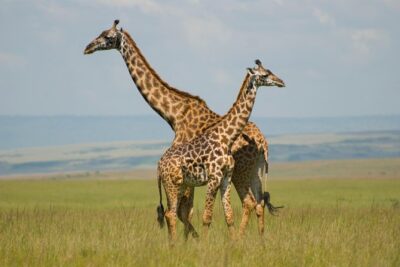
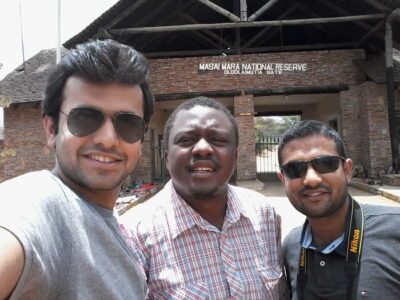
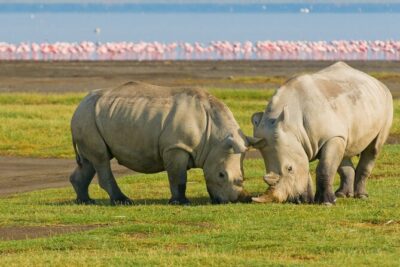
5 Days Masai Mara, Lake Nakuru & Naivasha Budget Joining Safari
Read our review →
3 Days Gamedrive Safari In Masai Mara From Nairobi
Read our review →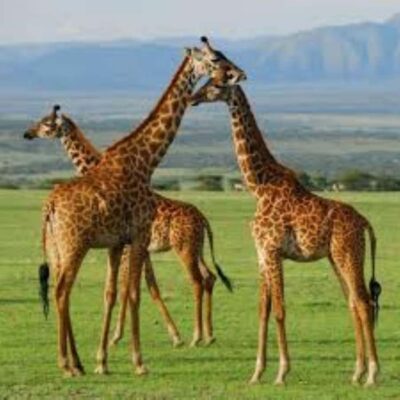
3 days group joining safari to Maasai Mara with a Land Cruiser Jeep
Read our review →Browse the lists this tour appears in