
A six day safari that strings together Amboseli, Lake Nakuru, and Maasai Mara is interesting because you get three different types of wildlife theater in one trip, elephants first, flamingos and rhinos in the middle, then the Big Five plus migration drama at the end. The route also makes timing matter, so you’re not just seeing animals, you’re catching them at active parts of the day.
What I like most is how the plan leans into the best light, with sunrise and sunset game drives in places where it really shows. I also like the human side of the trip, the guides and communication come through clearly in the feedback, including a standout experience where Caroline handled details well and stayed in touch.
One consideration before you book: there is at least one serious negative review about the company closing and money being tied up. That does not mean every booking is affected, but it is the kind of issue worth protecting yourself against by paying with a method that gives you leverage, like a credit card, and keeping written proof of everything.
Key things that make this safari worth your attention
- Elephants with Kilimanjaro as your constant backdrop in Amboseli
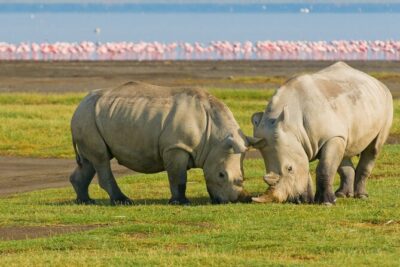
- Lake Nakuru bird time for flamingos, plus a chance at rhinos and big cats
- Maasai Mara Big Five tracking with Great Migration energy in the background
- Short and focused Mara day 6, finishing strong without dragging the schedule
- Park fees, water, and most meals covered, so your daily budgeting stays simple
A 6 day route that hits three of Kenya’s best wildlife settings
This itinerary is built like a three act story. You start where elephants dominate the scenery in Amboseli, shift to a lake system that draws birds and sometimes big mammals to the edges in Lake Nakuru, then end in Maasai Mara, where the chances of seeing predators and the scale of the migration can feel almost unreal.
The timing is also practical. You get early drives and late light in key locations, which matters because many animals are most active when temperatures are cooler. If you care about photos, this is where the trip earns its keep, not by promising every sight, but by putting you where action tends to happen.
More Safaris in Nairobi
- Safari Tour; Nairobi National Park
★ 4.5 · 594 reviews - Half-Day Nairobi National Park Safari from Nairobi with Free Pickup
★ 4.5 · 264 reviews - 5 Days Masai Mara, Lake Nakuru & Naivasha Budget Joining Safari
★ 5.0 · 229 reviews
Amboseli National Park: Kilimanjaro, elephants, and the value of sunrise and sunset
Days 1 and 2 are dedicated to Amboseli National Park, and that is a smart move. People rush Amboseli because they think it is only about the view of Mount Kilimanjaro. Yes, the mountain is huge and dramatic, but the real payoff is how elephants use the park’s open plains, swamps, and woodland edges.
Day 1 in Amboseli, the first golden hour hit
You start with game driving that’s long enough to orient you and get your first sightings. The park gives you a mix of terrain types, savannahs, swamps, and woodlands, and those different habitats bring different animal behavior. Elephants are a highlight, including large herds and their distinctive tusks.
You’ll also see the more classic savannah cast when your luck and timing line up, lions, cheetahs, giraffes, and buffalo. There are also plenty of birds, with over 400 bird species cited for Amboseli, which means even on days when big cats are quiet, the scenery still feels alive.
Day 2 in Amboseli, full day for repeat chances
Day 2 is a longer day on purpose: a sunrise game drive with Kilimanjaro lit up, then more driving through the park’s varied habitats. The sunrise piece matters because it changes the mood fast, from cool gray to that warm, orange glow that makes dust, fur, and ground textures pop.
You also get a midday break at a scenic spot, plus another round of driving in the afternoon when visibility and animal movement can turn lively again. Even if you do not get a specific animal you hoped for, the routine does something important: it gives you repeated opportunities. Safari is a waiting game, and this schedule helps you play it well.
More around Lake Nakuru:
- 4 Days Safari Lake Nakuru NP Naivasha and Masai Mara
★ 5.0 · 132 reviews - 5 Days Lake Naivasha, Lake Nakuru, & Masai Mara
★ 5.0 · 101 reviews - Full Day Lake Nakuru Park and optional boat ride on Lake Naivasha
★ 4.5 · 95 reviews - 4-Day Group 4×4 Safari to Masai Mara & Lake Nakuru with Pick-Up
★ 5.0 · 87 reviews
What to watch out for in Amboseli
The only real drawback is that Amboseli sightings depend on day to day wildlife movement. The plan gives you time and light, but it cannot control animal behavior. If you are the type who wants certainty, you might feel frustrated. If you are happy to work with nature’s tempo, Amboseli is a great opener.
Lake Nakuru National Park: flamingos, rhinos, and cooler-weather action
Day 3 swaps the mountain backdrop for a lakeside focus at Lake Nakuru National Park. This stop is about the contrast. Instead of dust and open plains, you get reflective water, birds in mass, and big mammals that can appear when conditions line up.
What your day looks like
You’ll enjoy a scenic game drive around the lake as the day shifts toward evening. Flamingos and other bird species create the main show, and the lake’s setting gives you natural color and composition for photos. It’s one of those days where the wildlife can be both close and dramatic, depending on where the birds are feeding.
On the big animal side, there are chances at rhinos, lions, and leopards. The cooler time of day is noted as a reason animals may become more active, and that aligns with how most safari planning works.
The practical benefit of ending at sunset
The day’s final moments are set up for a sunset view. That matters because it helps you close the loop emotionally. You get birds and mammals, then you finish with a calm, wide sky moment that makes the long travel days feel worth it.
One consideration
If flamingos are your top priority, you will likely love the day. If you are focused only on predators, you might have to accept some unpredictability. Lake Nakuru can deliver big animals, but its signature is birds, and your expectations should match that.
Maasai Mara National Reserve: Big Five odds and Great Migration energy
Days 4 and 5 are the core of the safari in Maasai Mara, and this is where the trip leans hard into classic Kenya safari goals: the Big Five (lion, leopard, elephant, buffalo, rhino) and the drama of the Great Migration of wildebeest and zebra.
Day 4 in the Mara, first deep look at the action
You’ll spend a full 10 hour day in the Mara with game drives through savannah and more diverse habitat like riverine forest areas (even if your exact route changes day to day). This matters because predators often position themselves where prey funnels, and habitat variety can create those natural choke points.
The migration theme is not just a marketing line here. With millions of wildebeest and zebras moving across the plains in search of fresh grazing, you get a sense of scale that is hard to describe until you see it. Even when you are not watching the migration directly, the ecosystem changes, and animal behavior shifts around it.
Day 5 in the Mara, second chance to track what you missed
Day 5 is also a 10 hour day, which is key. In the Mara, your best sightings often come when you return to the right areas across multiple drives. This day’s mix includes chances for cheetahs in sprint mode, giraffes and zebra in steady view, and continuing Big Five tracking.
There is also a cultural layer included: a Maasai village visit and traditional dances. That part can be hit or miss depending on how you like your cultural programming, but the value is that it gives context for the people who live alongside the wildlife economy here.
What makes Mara different from the first two parks
Amboseli and Lake Nakuru feel like distinct scenes. Mara feels like a huge stage where many scenes overlap. You’re hunting for predators while also watching the food chain keep moving, and that changes how every drive feels.
Day 6 in the Mara: using the last hours for your best odds
Day 6 is shorter, around 4 hours in Maasai Mara, which is a smart way to finish. You get one more chance at sunrise or early action depending on how the day is timed, but you are not trapped in a full long day when your energy is lower.
This last stretch is still framed around the same big themes: Great Migration movement, Big Five tracking, and classic Mara sightings like cheetahs and giraffes. The main advantage is freshness. Many safari days feel like a marathon of waiting and watching. A shorter finale lets you stay alert.
If you do not catch a specific animal on days 4 and 5, this day can be a redemption run, but it also keeps your trip from dragging into fatigue. Either way, it is a clean ending.
Midrange comfort, meals, and what your $3,553 really covers
At $3,553 per person, you are paying for more than transport between parks. You are paying for time, access, and the stuff that usually eats up a safari budget: lodging, park entry, and guided driving.
Here is what is explicitly included:
- Accommodation
- Park fees
- Drinking water
- Taxes and VAT
- Lunch for 6 days
- Dinner for 5 days
- Breakfast for 6 days
Tips are not included, so you should plan for that. The bigger point is meal coverage. When breakfast, lunch, and most dinners are handled, you avoid the budget whiplash of constantly finding food in remote areas.
Also, you’re starting and ending at Jomo Kenyatta International Airport in Nairobi, with a start time of 6:00 am. Pickup is offered, and tickets are described as mobile ticket. All of that is meant to reduce stress on day one.
One caution on pricing value: this is a midrange safari, not a barebones camping setup, and not a luxury lodge experience based on what’s provided here. If you need extra creature comforts, you might want to confirm the exact accommodation level.
What good guiding looks like, and why it matters on safari
Safari days can turn into disappointment if your guide cannot read animal behavior or explain what you’re seeing. The positive feedback you want to listen for is not just that the sightings happened, it is the way the guide made each drive feel useful.
In this case, the reviews highlight a few guiding strengths:
- Guides described as passionate, informative, and engaging
- Guides described as friendly and knowledgeable, with patience for tracking
- Clear communication from a coordinator named Caroline, including follow through during the journey
That combo is what you want. A good guide helps you spot patterns, not just isolated animals. They also help you understand the why behind what you see, like why certain times of day align with more movement.
If you want to judge the guiding quality before you go, ask how they plan routes for each day and what animals they prioritize based on season. You are not trying to control the wild, you are trying to get smart coverage.
The one red flag to take seriously before you hand over money
I have to mention it because it came up clearly in the feedback: one negative review says that Kensai Safaris, described there as Kansai, had closed and taken funds, though the reviewer said the bank refunded them because they paid by credit card.
That is not something to ignore. The practical lesson is simple:
- Pay with a method that offers protection when things go sideways
- Keep every email confirmation and payment receipt
- Do not rely on verbal promises only
Most safaris go smoothly. But the best time to think about risk is before you pay.
Who this safari suits best (and who might want a different fit)
This safari is a good fit if:
- You want a classic big park combo without trying to piece together logistics yourself
- You like wildlife variety, elephants first, then birds and rhinos, then Big Five and migration in the Mara
- You care about timing, because the schedule builds in sunrise and sunset style driving
It might not be perfect if:
- You need guaranteed sightings on specific dates
- You dislike any chance of schedule uncertainty in wildlife viewing, since safari depends on animal movement
If your dream is to see as much Kenya wildlife as possible in one trip, this format makes sense.
Should you book this 6-day Amboseli, Lake Nakuru and Mara safari?
I would book it if you want a classic wildlife route, you are okay with the reality that animals cannot be guaranteed, and you confirm the accommodation standards you expect for a midrange safari.
I would pause and do extra checking if you feel uneasy about the company risk mentioned in one review. If you do book, protect yourself with payment methods that let you dispute charges, and keep documentation tidy from the first email to the last receipt.
If you get a smooth run, the core promise is strong: Amboseli elephants against Kilimanjaro, Lake Nakuru bird energy, then Maasai Mara Big Five tracking with the Great Migration atmosphere humming in the background.
FAQ
Where does the safari start and end?
It starts at Jomo Kenyatta International Airport (Nairobi, Kenya) and ends back at the same meeting point.
What time does the tour start?
The start time is listed as 6:00 am.
Is pickup offered, and are tickets mobile?
Pickup is offered, and tickets are described as mobile ticket.
What’s included in the price?
The package includes accommodation, park fees, drinking water, taxes and VAT, lunch (6), dinner (5), and breakfast (6).
Are tips included?
No. Tips are not included.
How long is the safari?
The duration is 6 days (approximately).
Can I cancel for a full refund?
You can cancel up to 3 days in advance of the experience start time for a full refund, based on local time.
Is this a private tour?
Yes, it is listed as a private tour/activity, meaning only your group participates.
More Amboseli Safaris
- Nairobi: Day Tour to Amboseli National Park & Maasai Village
★ 4.5 · 310 reviews - Day Tour to Amboseli National Park
★ 5.0 · 222 reviews - Amboseli Day Tour from Nairobi
★ 5.0 · 84 reviews - Day Trip: Amboseli National Park & Maasai Village – Nairobi
★ 4.4 · 69 reviews
Recently reviewed from Nairobi
- Amboseli Day Trip from Nairobi★ 4.5 · 3 reviews
- Nairobi city tour★ 4.5 · 3 reviews
- Ngare Ndare Day Trip★ 5.0 · 3 reviews
- Day Trip To Crescent Island And Hells Gate National Park★ 5.0 · 3 reviews
- Crescent Island Day Tour From Nairobi★ 5.0 · 3 reviews
- 1-Day Amboseli Safari★ 5.0 · 3 reviews
- 13-Day Uganda Mgahinga Gorilla Trek, Maasai Amboseli Park★ 5.0 · 3 reviews
- 4 days group joining budget safari to Maasai Mara only★ 5.0 · 3 reviews
Lake Nakuru Safaris, compared.
5 Days Masai Mara, Lake Nakuru & Naivasha Budget Joining Safari
Read our review →
4 Days Safari Lake Nakuru NP Naivasha and Masai Mara
Read our review →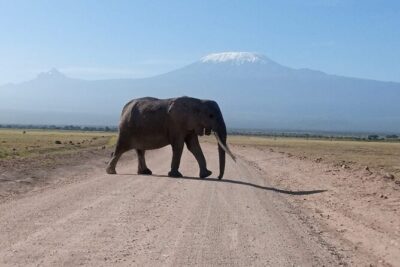
5 Days Lake Naivasha, Lake Nakuru, & Masai Mara
Read our review →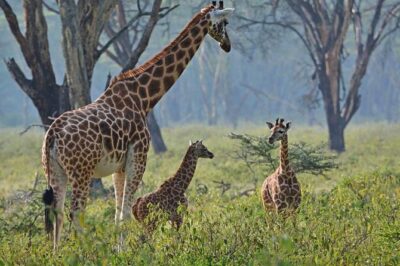
Full Day Lake Nakuru Park and optional boat ride on Lake Naivasha
Read our review →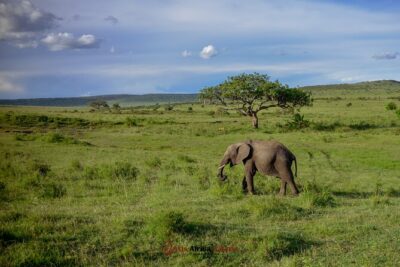
4 Days Safari Adventure Masai Mara and Nakuru Park Group
Read our review →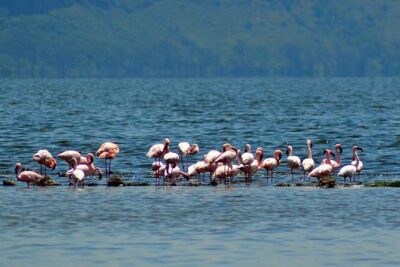
Day Tour To Lake Nakuru Park With Optional Boat Ride on Lake Naivasha
Read our review →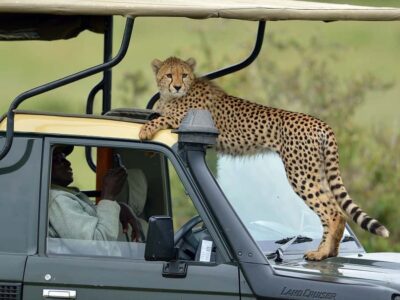
Lake Nakuru, Naivasha & Masai Mara 4 Days Private Jeep Safari
Read our review →Browse the lists this tour appears in