
Reviewed · TSAVO SAFARIS
2-Days Wildlife Safari to Tsavo East & Tsavo West Park
Tsavo East and Tsavo West in just two days is a smart way to see Kenya’s big-game country without spending a week on the road. You get early starts, long wildlife drives, and those dramatic volcanic views that make the Tsavo region feel instantly different from the rest of Kenya.
I like that this trip gives you two chances to find animals, not just one long drive. You work Tsavo East through entry points like Aruba Dam and Kendari Swamp, then you shift to Tsavo West for more serious game viewing, including a shot toward the rhino area.
One drawback to consider: the experience can be very guide-dependent, and details like what meals are truly included can matter. I’d also plan for the fact that park entry fees are not included, so your final cost will be higher than the tour price alone.
Key things to know before you go
- Two parks, one fast route: Tsavo East and Tsavo West in 2 days, with multiple drives so you are not just rushing between viewpoints.
- Dam and swamp entry on day 1: You start tracking animals right after entering through Aruba Dam and Kendari Swamp.
- Rhino Sanctuary direction in Tsavo West: You head toward the rhino area if luck is with you, plus big cat and elephant country.
- Mzima Springs walk on day 2: A guided walking session where you may spot hippos and crocodiles, plus fish in the river source.
- Safari van with a pop-up roof: Better sightlines for giraffes and wildlife near the vehicle, especially during morning drives.
- Guide skill shows up in the results: The best days come from a guide who explains what you are seeing, not just driving.
First-light pickups and the safari van setup from Mombasa
This safari is designed for early starts. Pickups run from 05:00 hrs, with options including Mombasa, Mombasa County, and Diani Beach. That timing matters, because wildlife activity often picks up early, and you want to be in the parks when animals are moving.
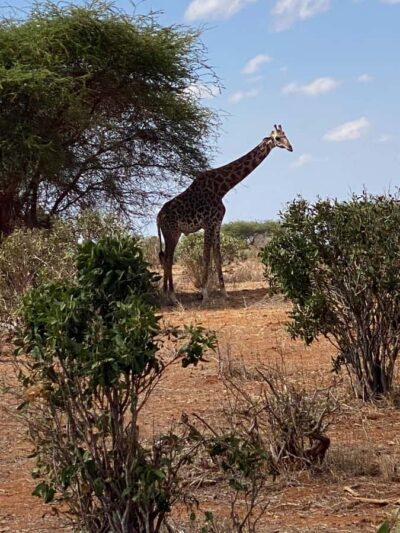
You travel in a customized safari van with a pop-up roof. In plain terms, it helps you spot animals sooner and see above the brush when you are scanning for movement. It also makes photo-taking easier when a giraffe steps close to the road or when you find a pride resting in the distance.
The driver and guide combo is central to how the day feels. When you have an engaged guide, the safari turns into a living lesson, not just a ride. Some groups reported excellent, friendly, professional guiding, including guides named Benjamin and Samuel, and that showed up in how much wildlife they found and how clearly they explained what was happening.
More in Tsavo:
- 3 days Tsavo East and Amboseli safari from Diani/Mombasa
★ 4.9 · 19 reviews - 3 days Tsavo East and Saltlick safari from Diani/Mombasa
★ 4.9 · 8 reviews - 2 days Tsavo East and saltlick safari from Diani/Mombasa
★ 5.0 · 4 reviews
Tsavo East entry: Aruba Dam and Kendari Swamp for fast action
Day 1 starts with the long drive from the coast toward Tsavo East National Park, along the main road through semi-arid country. You will reach the park and begin searching for wildlife soon after entry.
Two specific entry areas make this interesting: Aruba Dam and Kendari Swamp. These kinds of spots often concentrate animals because water and vegetation pull wildlife into predictable areas. Even if you do not see everything at once, you are working the day from a position that is more likely to produce animals earlier, when everyone’s eyes are fresh and the light is good for photos.
Once you are in, your day is built around game-viewing drives. That matters because sightings are often about patience and repositioning, not just luck. You also take a lunch stop at a restaurant during the travel day. Having that meal break helps you avoid the stress of trying to make do with snacks at the wrong time.
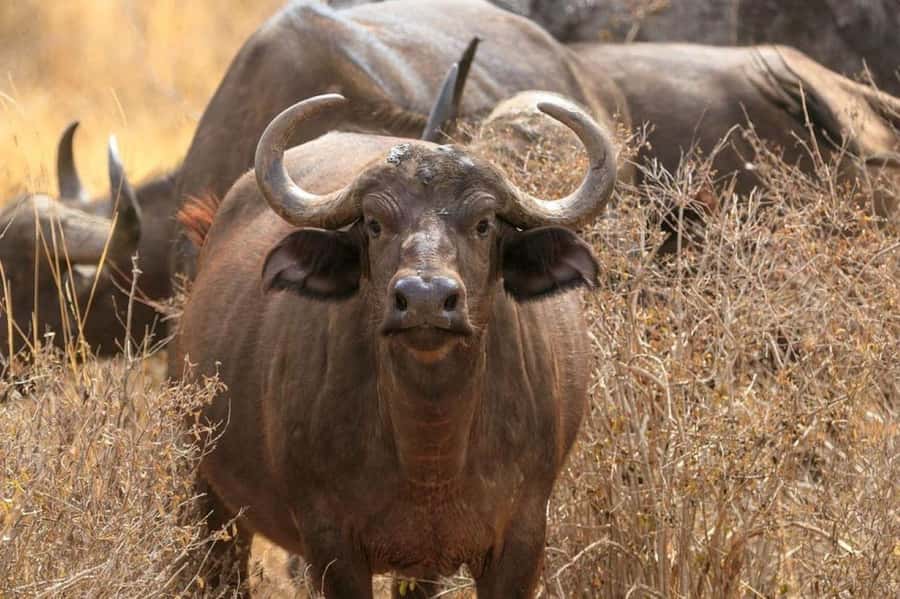
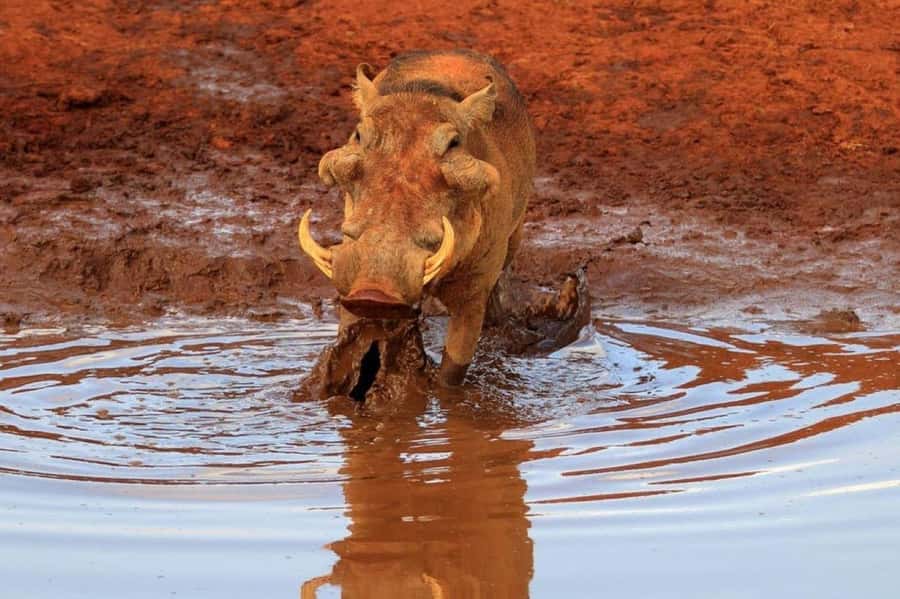
What you might see in Tsavo East includes the usual big-game suspects. The program mentions animals like elephants, buffaloes, lions, cheetah, warthog, giraffes, and more. In practice, you should expect a mix of large mammals and smaller wildlife activity, but remember: nature sets the schedule. Your job is to watch carefully and take the offers when they appear.
Tsavo West arrival and the rhino angle at the right time
After lunch and more driving, you continue to Tsavo West National Park. The style here shifts into deeper game viewing as you arrive and move toward the rhino sanctuary area.
That rhino direction is the key reason this itinerary feels different from a basic one-park safari. Even if you do not see the black rhino, heading toward the right zones increases the chance that you are not wasting hours in less productive areas. And if you do see one, you will remember it for life, even if it is brief.
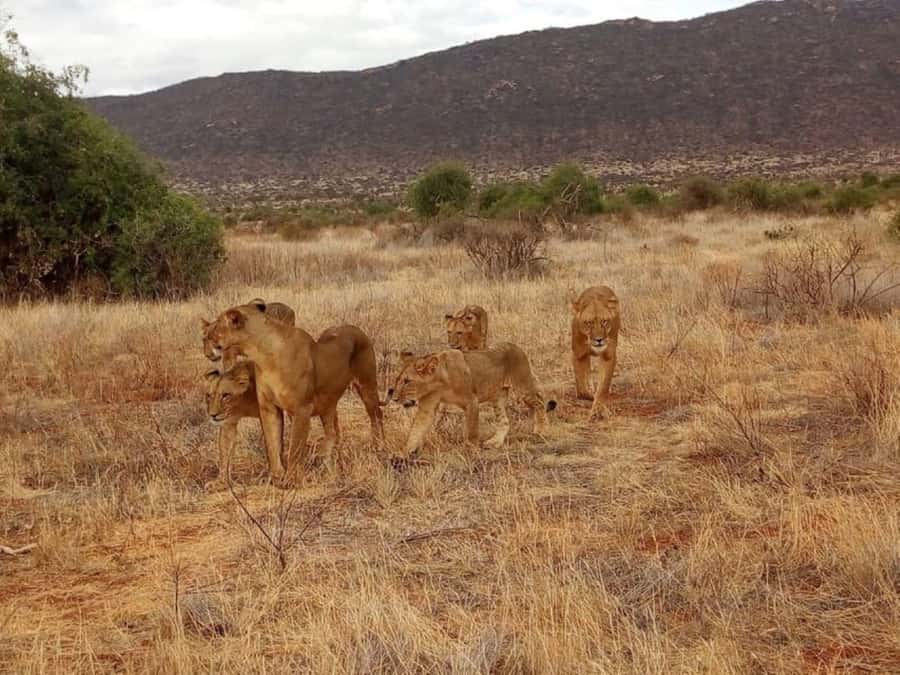
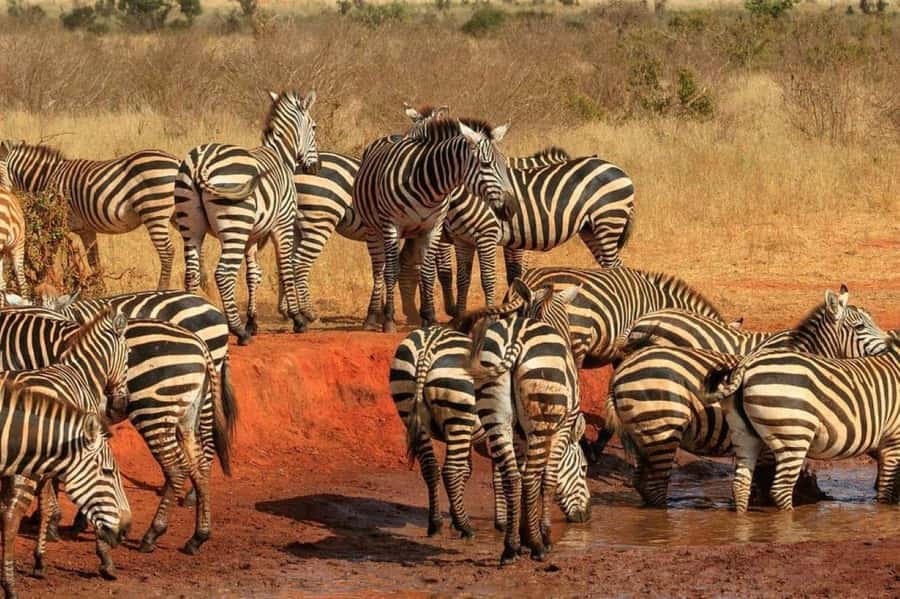
In Tsavo West, the program expects sightings like leopards, lions, zebra, hyena, buffalo, elephants, and hunting dogs. Real talk: leopards and cheetahs can be harder to catch in daylight, so you should treat those as possibilities, not guarantees. But Tsavo East and West both have reputations for strong wildlife populations, and with two drives plus the ability to reposition, you are not just hoping.
You also get dinner and overnight at a lodge or camp. This is when the safari rhythm changes from hunt-and-scan to wind-down. One of the nice parts of staying inside the safari loop is that your next morning drive starts faster and you are not burning time on extra travel.
A note on accommodations, from best case to reality check
Accommodation quality can vary, and the program says you will stay at a lodge/camp chosen for the itinerary. Some groups reported stays at places like Boma Simba Lodge, describing the location as close to the park and the food as very good. Others were disappointed when the room and cleanliness did not match the photos they expected.
My practical advice: if the lodge is a deciding factor for you, ask what lodge category you are booked into and confirm the type of room before you commit. If you are the type who cares deeply about bathroom size or hygiene standards, build that into your decision.
More Wildlife Watching in Tsavo East:
- African Wildlife & Nature – 5 Kenya national parks – 6 day Jeep Safari
★ 5.0 · 60 reviews
The overnight part that often makes or breaks the morning
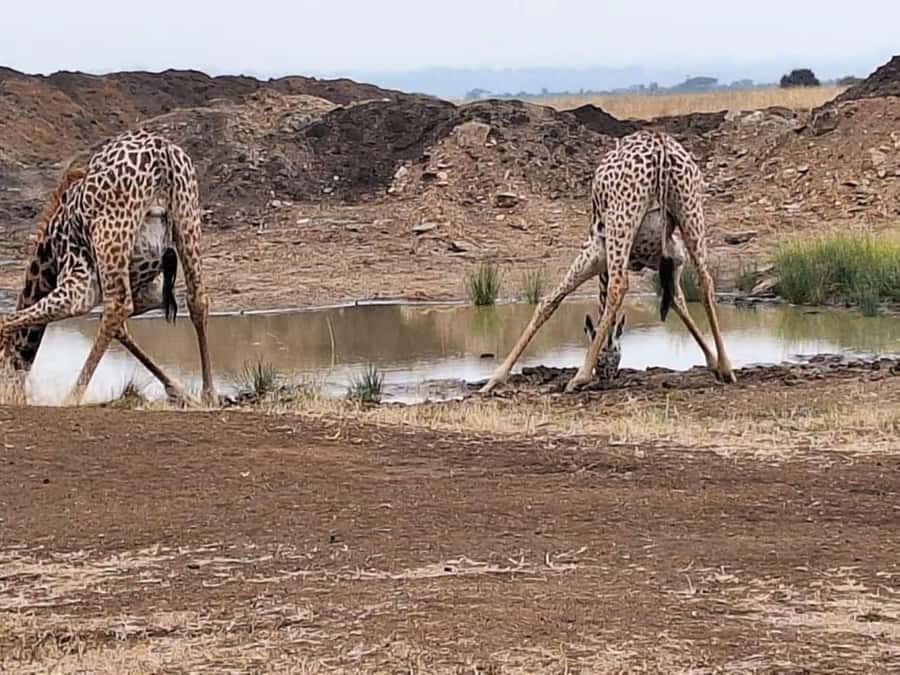
If you want the sunrise feeling, you are in the right place. Day 2 includes early time in the park, with a sunrise window of about 1 hour.
Why does that matter? Because animals often respond to first light, and the best photos are frequently about the mix of dawn color and calm behavior. Sunrise also changes the mood for people in the vehicle. It shifts the safari from daytime scanning to a more focused, quiet kind of watching.
It helps that you are starting from your lodge/camp, not from far outside the area. Less driving before the drive means more time with wildlife.
In the best guiding scenarios, you will also get explanations at this stage, not just at midday. That is when you can learn what you are seeing, like how to interpret signs on the ground or how to understand behaviors.
Mzima Springs walking safari: short, guided, and close to the Tsavo River
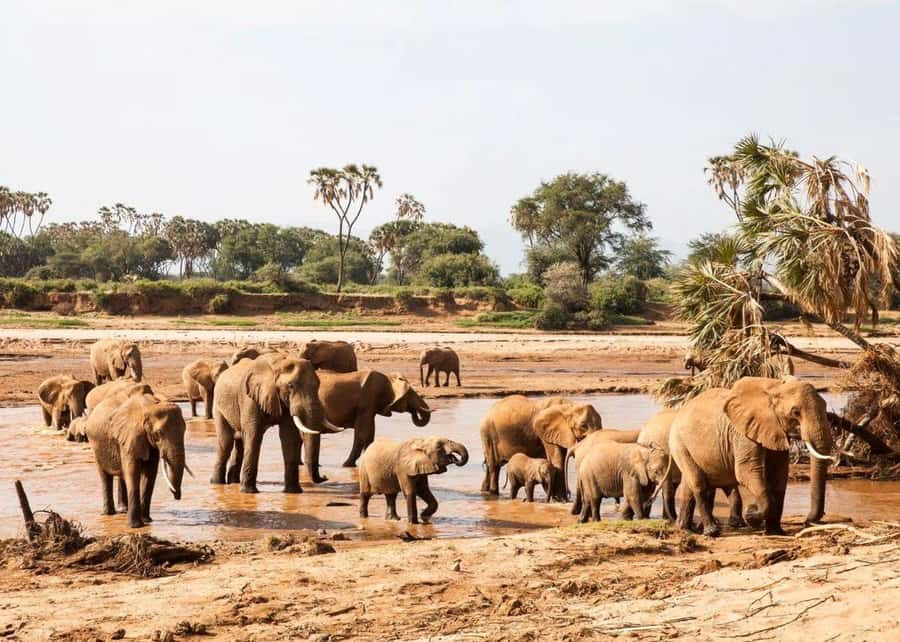
Day 2 includes an important stop outside the vehicle action: Mzima Springs. This is the source of the Tsavo River, and you get a guided walking safari session there for about 1 hour.
This part is worth planning for, even if you usually prefer vehicle drives. Walking gives you a different scale of wildlife and scenery. You may see fish, and it is possible to spot hippos and crocodiles as well. Your view is shaped by where the guide takes you and how the water level and animals are behaving that day.
Since this is a walking element, come prepared to move comfortably. Wear shoes you trust for uneven ground and bring sunscreen and water. The good news is that you are not walking for hours, so it is manageable even if you do not consider yourself a hiking person.
After Mzima Springs, there is a lunch stop at a restaurant outside the park on your cost, before you head back toward Mombasa. The program notes you arrive late in the afternoon and get dropped off at your pickup locations.
What you can realistically expect to see, and how to maximize your odds
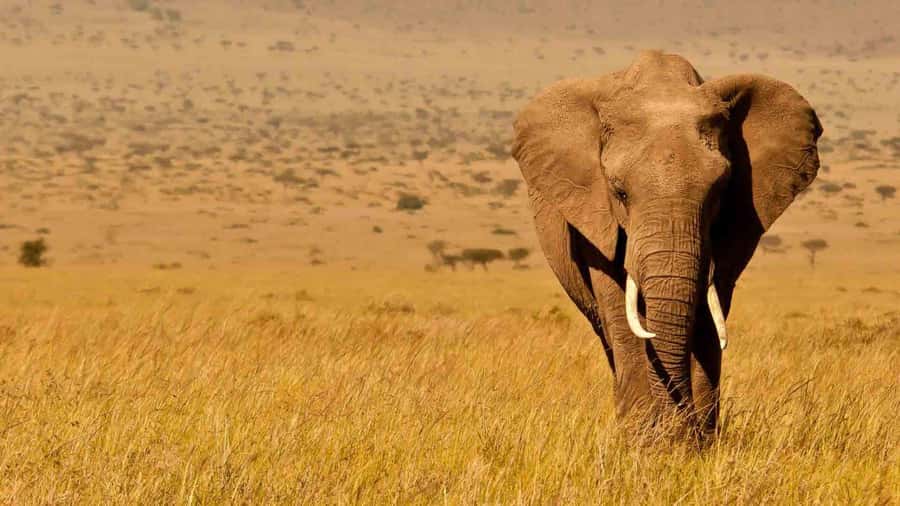
This is a classic two-day safari structure: enter and drive, search in a second zone, then go for an early morning plus a special stop. That combination helps, because it increases your number of encounters even if each individual drive is hit-or-miss.
The program lists a broad range of animals you could see, including lions, elephants, giraffes, zebra, and buffalo, with additional possibilities such as cheetah, hyena, warthog, and hunting dogs. The real value is not memorizing the list. It is learning to watch for the kinds of signs guides look for, like where animals drink, where predators are likely to rest, and how activity changes with light.
Two simple habits make a difference:
- Keep your eyes moving, not fixed on one spot. Many sightings happen when you notice motion around the edge of the view.
- Ask the guide what you are looking at when you see tracks, scat, or birds acting oddly. A sharp guide can turn those clues into better sightings.
Also, the van setup with a pop-up roof helps you scan over grass and shrubs. Use it, even if you think you can already see everything from the seat.
Price and value: what $438 includes, and what you still need to budget
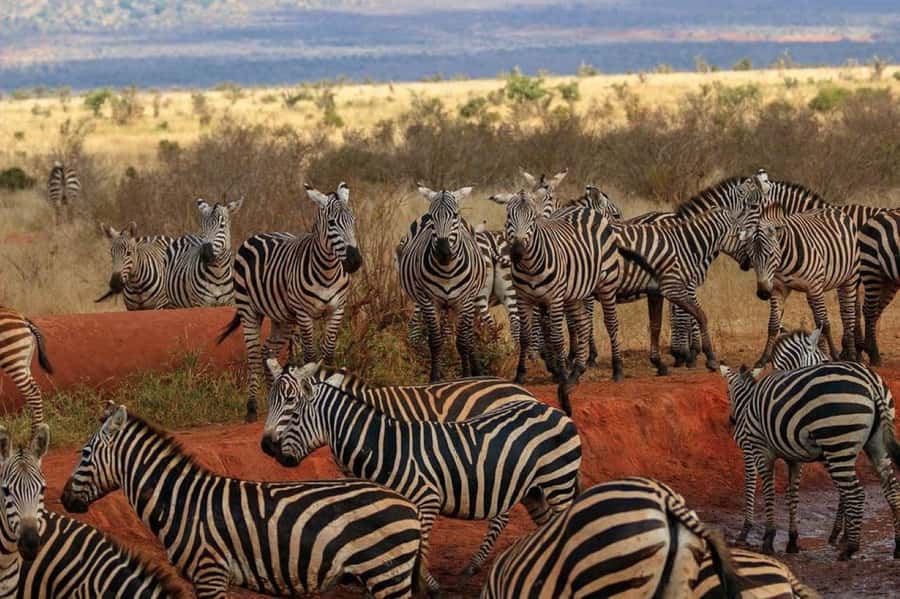
The price is $438 per person for a 2-day safari. For that kind of itinerary, value comes from bundling the heavy parts: transport, guidance, time in multiple protected areas, meals as specified, bottled water, and overnight accommodation.
Included items:
- Hotel pickup and drop-off
- Tour guide
- Customized safari van with pop-up roof
- Meals as specified
- Accommodation as per itinerary
- Bottled water
Excluded items:
- Park entry fees
- Soft drinks and alcohol
Two important money notes. First, your final bill will be higher once park entry fees are added. Second, the meal inclusions are listed as meals as specified, which means you should expect that not every single lunch may be included. Day 2 is explicitly described as having lunch at your cost outside the park, so plan cash or card for that.
Is it good value? If you want a structured safari with minimal hassle from the coast, yes. You are paying for logistics and for time in the parks, not just for “transport plus luck.” If you are already comfortable arranging your own park entry and private transport, the value becomes more mixed. But most people appreciate not having to coordinate the driving, scheduling, and the game-drive flow themselves.
Group experience quality: why your guide choice matters
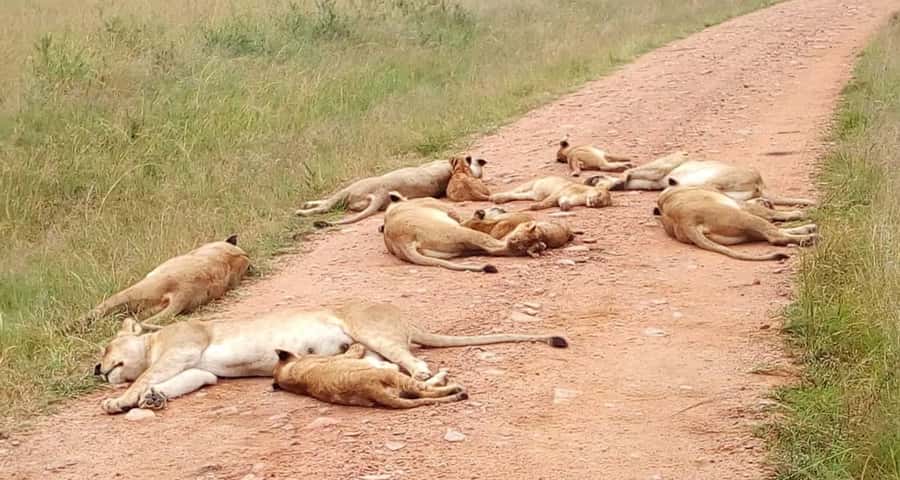
Wildlife safaris can go two ways: active, informative spotting, or passive, repetitive driving. The experiences tied to this safari show that the guide’s energy and attention directly affect how much you learn and how connected you feel to the hunt.
When guides are strong, you get:
- Better scanning and faster repositioning
- Clear animal context, like what to look for and basic identification
- A smoother, calmer vibe during long drives and early mornings
When guiding is weak, the experience can feel like you are just being taken around. Your best defense is to be proactive. Ask quick questions during the ride, like what animals the guide expects to be most active, or what to watch for in a particular area. Even if you cannot force more sightings, you can usually turn the ride into a more meaningful one.
Names like Benjamin and Samuel came up in positive experiences, which is a good sign that capable guides can be part of this program. Just remember: your day depends on the team assigned.
Logistics that affect comfort: timing, meals, and what to pack
This trip runs hard because you are covering two parks and special stops. Pickup is early, and you finish late, with long drives between key points.
Packing tips based on what is built into the days:
- Sunglasses and sunscreen for the morning light and long time outdoors
- A hat for the same reason
- A light layer for early hours
- Snacks just in case, especially if you are picky about meals beyond what is clearly specified
- Camera gear, and consider a small binoculars option if you use them
Food-wise, you get meals as specified, and there is a lunch stop during the travel day on day 1. Day 2 includes lunch at your cost outside the park. Bring water bottle habits in mind too, since bottled water is included, but you will still want to stay hydrated on warm days.
Comfort note: safari days involve sitting and scanning. If you have a sensitive back, bring a small seat cushion. It sounds unglamorous, but it pays off.
Who this safari is best for
This 2-day Tsavo East and West safari is ideal if:
- You want two parks without committing to a longer Kenya safari trip
- You like early morning wildlife time and want the best chance for sightings
- You are interested in a special stop like Mzima Springs plus a walking session
- You prefer organized transport over self-driving
It may be less ideal if:
- You care a lot about a specific lodge standard and cannot tolerate variation
- You require very detailed, guaranteed animal sightings (no safari can)
- You want a slow paced itinerary with minimal travel
If you go in with the right mindset, it fits perfectly into a coast-to-safari itinerary from Mombasa and Diani.
Should you book this 2-day Tsavo East and Tsavo West safari?
I’d book it if you want a value-focused safari that gives you multiple wildlife drives across two parks, a lodge overnight, and an extra nature moment at Mzima Springs. The pop-up roof van, early starts, and the sunrise timing are the kind of practical touches that help you actually see animals, not just hear stories.
Before you confirm, do three quick checks so you avoid stress: verify what meals are included (especially lunches), confirm park entry fees budget, and ask about the lodge type you are getting for your dates. If you do those things, you give yourself the best shot at a memorable Tsavo safari, with guided spotting that can turn a long drive into real wildlife time.
FAQ
What time is pickup for this safari?
You are picked up at 05:00 hrs.
Where are the pickup and drop-off locations?
Pickup and drop-off options are Mombasa, Mombasa County, and Diani Beach.
What vehicle is used for the safari?
You travel in a customized safari van with a pop-up roof.
Is the tour guide included, and what language do they speak?
Yes, a tour guide is included, and the tour guide language is English.
Are park entry fees included in the price?
No. Park entry fees are not included.
Are meals included, and is lunch included on day 2?
Meals are included as specified in the program, but lunch on day 2 is at your cost at a stop outside the park.
Can I cancel for a refund?
Yes. You can cancel up to 24 hours in advance for a full refund.
More Safaris in Tsavo East
- Tsavo East and Tsavo West Sanctuary Safari
★ 5.0 · 3 reviews - Safari Tour; Nairobi National Park
★ 4.5 · 594 reviews - From Nairobi: 3 Days, 2 Nights Maasai Mara Group Safari
★ 4.5 · 394 reviews - Half-Day Nairobi National Park Safari from Nairobi with Free Pickup
★ 4.5 · 264 reviews
Recently reviewed from Tsavo East
- Tsavo East and Tsavo West Sanctuary Safari★ 5.0 · 3 reviews
- 2 days Tsavo East and saltlick safari from Diani/Mombasa★ 5.0 · 4 reviews
- 3 days Tsavo East and Saltlick safari from Diani/Mombasa★ 4.9 · 8 reviews
- 3 days Tsavo East and Amboseli safari from Diani/Mombasa★ 4.9 · 19 reviews
Tsavo Safaris, compared.
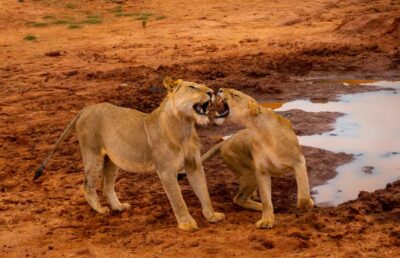
From Mombasa/Mtwapa/Diani/Tiwi: Tsavo East Full-Day Safari
Read our review →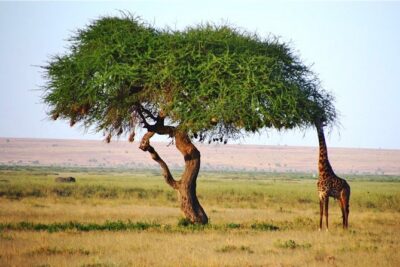
Day Trip – Tsavo East National Park ( Man Eater Lions of Tsavo & Other Big Five)
Read our review →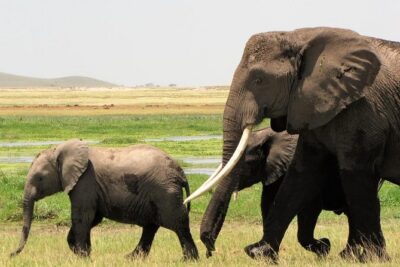
2 Days Tsavo East National Park Tour From Mombasa/Diani (1 Night)
Read our review →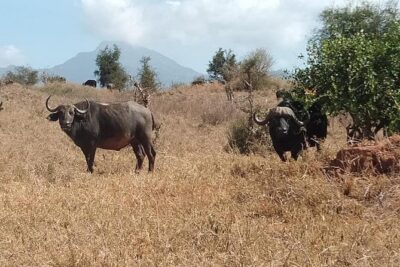
3 days safari Tsavo East and Taita hills (Saltlick lodge)
Read our review →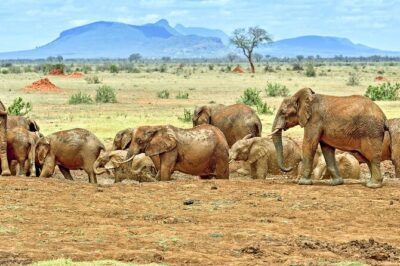
Full Day Private Tour of Tsavo East National Park from Mombasa
Read our review →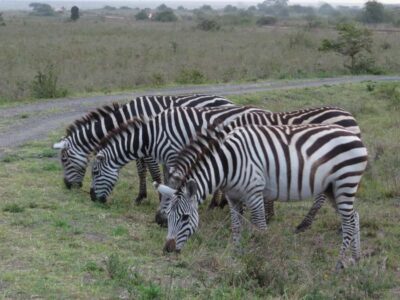
Overnight Tsavo East Safari From Mombasa/Diani (Private)
Read our review →Browse the lists this tour appears in