
Reviewed · MAASAI MARA SAFARIS
Adventure-fueled 3 Days Maasai Mara Safari
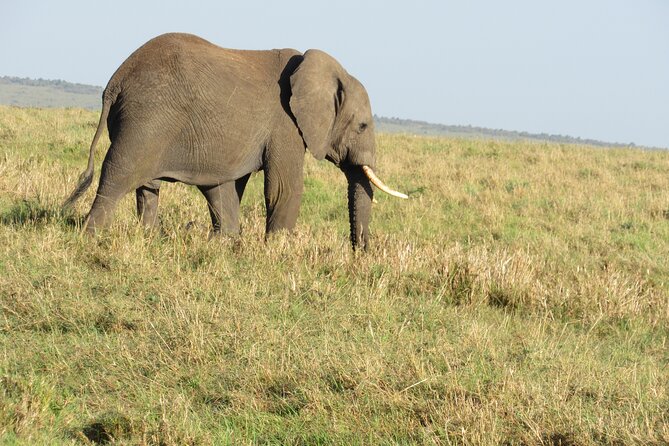
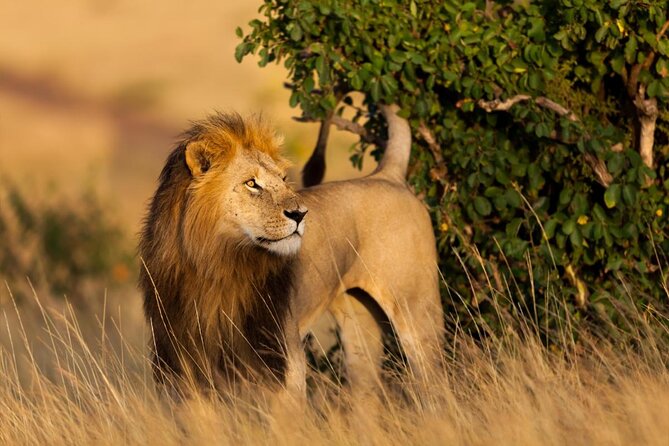
This safari is interesting because the Masai Mara runs like a real animal habitat, not a theme park. You leave Nairobi early, drive through big-country scenery, then spend focused time on the savannah with lions, cheetahs, elephants, buffalo, and all the rest moving freely across open plains. The Mara River area and the constant bird activity also mean there is action even when the big cats are quiet.
I love how the timing gives you real game-viewing blocks. Day 1 is long, around 15 hours, so you get an afternoon in the park rather than just a quick taster. I also like that the drive style is built around finding animals, with a chance to see close-up behaviors, like cheetahs sheltering from the heat near safari vehicles.
One consideration: the experience is intense and packed. You are out early, you spend most of the day in the vehicle, and the camp stay is brief, so it’s more about safari time than a slow, high-comfort resort vibe.
Key highlights you’ll care about
- Small group size (max 7), which usually means more flexibility during spotting
- Admission ticket included for the park, so you do not need to sort extra entry fees
- Enchoro Wildlife Camp for two overnights, with breakfast and dinner included
- Mara River-focused game viewing on both Day 1 and Day 2
- Optional balloon ride on Day 2 if you want a birds-eye view
- Maasai Market plus Carnivore Restaurant lunch to add culture and a proper Nairobi meal
First drive out of Nairobi, then straight into the Mara River action
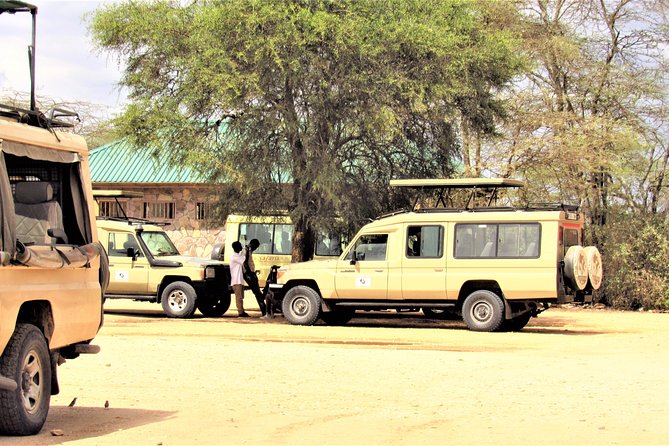
Your day starts early, with pickup in Nairobi around 7:00 am. The first leg heads toward the Rift Valley viewpoint for a quick stop. It’s short, but it helps you get your bearings fast, especially if this is your first safari. Then the drive continues into Masai Mara, where the pace shifts from city roads into wide-open savannah.
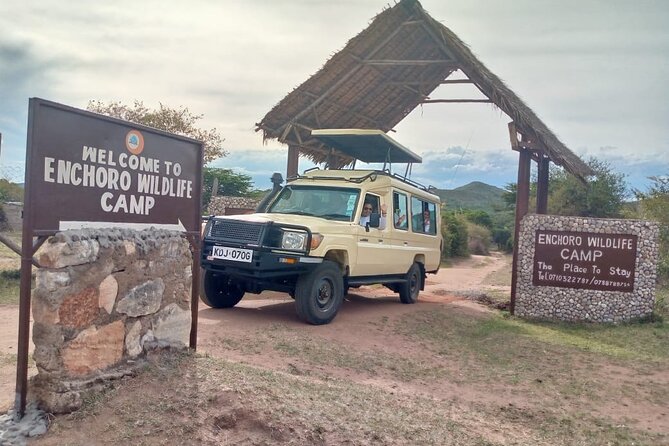
The first major safari moment lands at lunch time at Enchoro Wildlife Camp. That matters more than it sounds. You’re not arriving at camp at 6 pm with nothing planned, you’re arriving in time to refuel and then immediately go back out for afternoon viewing. After lunch, you get an afternoon game drive inside the reserve, when wildlife often moves more than you’d expect in the hotter parts of the day.
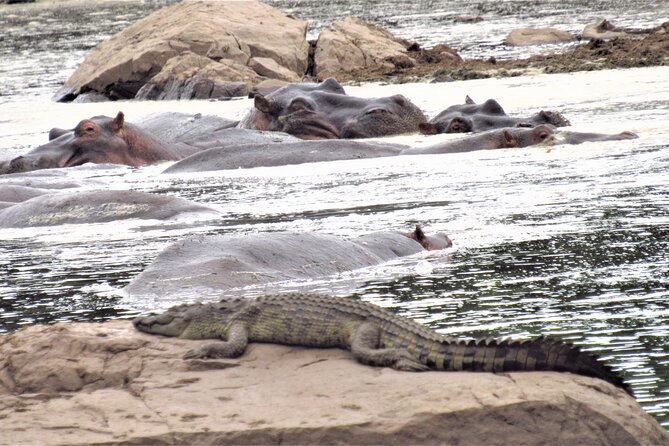
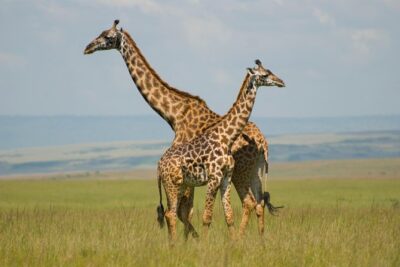
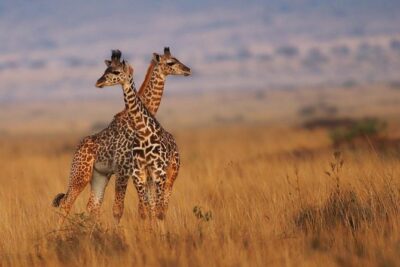
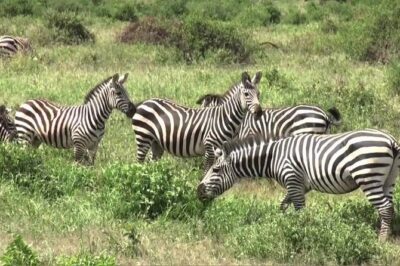
In this part of the Mara, the wildlife mix is the main event. You can expect the usual heavy hitters like lions, elephants, and giraffes, plus buffalo and zebra in the mix. The day’s overview also points to frequent birdlife, including birds of prey circling for opportunities. Even if big cats are resting, raptors keep the sky busy, and you’ll often spot movement before you see the animal itself.
More Safaris in Nairobi
- Safari Tour; Nairobi National Park
★ 4.5 · 594 reviews - Half-Day Nairobi National Park Safari from Nairobi with Free Pickup
★ 4.5 · 264 reviews - 5 Days Masai Mara, Lake Nakuru & Naivasha Budget Joining Safari
★ 5.0 · 229 reviews
Why this schedule works
You are stacking your safari hours where they matter. An afternoon drive after arriving on Day 1 gives you a better chance to catch animals settling in or feeding. It’s also a nice rhythm for first-timers, because you get time to adjust to the environment before you do a full day out.
Day 2 full-day game drive, plus picnic lunch inside the park
Breakfast at camp sets you up for a full day on the move. Day 2 is built for sustained wildlife time, not just a few short stops. You’ll do game viewing for most of the day, then enjoy lunch in a picnic-style setup inside the park. That detail sounds small, but it changes the day. You lose less time returning to camp, and you keep your momentum where animals are.
The safari window here is also important for what you might see. The Mara holds wildlife all-year-round, so even outside the peak months you still have chances at great sightings. The guide approach in this experience focuses on active searching and respectful viewing, and that’s how you end up with moments that feel personal, not just checklist-style.
One behavior detail that stands out in how people talk about this safari: cheetahs can be surprisingly bold. You might see them seeking shade from the sun around safari vehicles, and in some cases, cheetahs get close enough to climb up for a better view of potential prey. If you’ve never seen that kind of close animal tolerance in the wild, it’s a real eye-opener.
Lunch time inside the park is about energy management
Picnic lunch inside the reserve helps you stay alert. You’re not spending your best daylight watching traffic. It also means you’re more likely to stay out longer when the action picks up, like when you spot a hunt, a cluster of grazers, or predators shifting position.
You return to camp in the evening for dinner and your second overnight.
More Maasai Mara safaris:
- 3 Days Masai Mara Group Joining
★ 5.0 · 486 reviews - 3 Days Gamedrive Safari In Masai Mara From Nairobi
★ 5.0 · 207 reviews - From Nairobi: 3 – Days Maasai Mara Group Safari by 4WD
★ 4.6 · 205 reviews - 3 Days Maasai Mara Guided Safari from Nairobi
★ 4.5 · 195 reviews
Enchoro Wildlife Camp: what two nights is really for
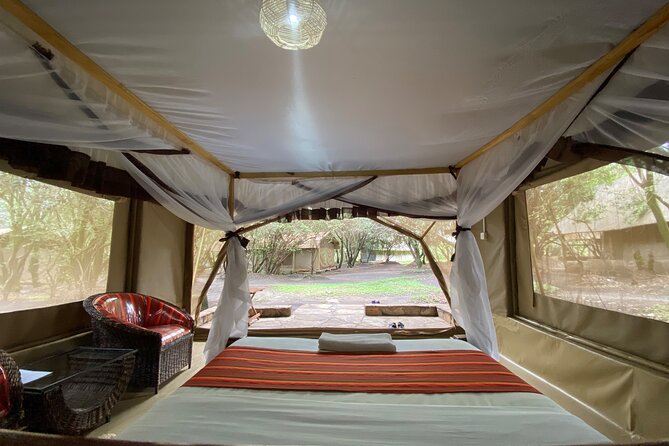
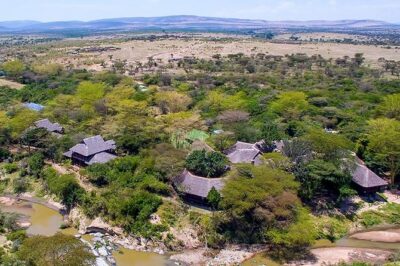
Your stay is two overnights at Enchoro Wildlife Camp. You’ll have dinner on both nights, plus breakfast on both mornings. For many travelers, the camp is not about fancy amenities. It’s about practicality and convenience, meaning you can sleep, recharge, and head out again early without spending extra time commuting.
That’s why the camp works well for a 3-day itinerary. One reviewer described it as fine for just two nights. I take that as a signal: if you’re looking for a spa-style holiday, this safari is probably not the right match. If you want the camp to be a base that doesn’t eat up your time, it fits.
Even with a simple camp setup, sleep quality matters on safari. You’ll likely be tired in a good way from the long drives and early mornings. The camp gives you what you need so you can wake up ready to search for animals again.
July to October Great Migration season, and what to expect
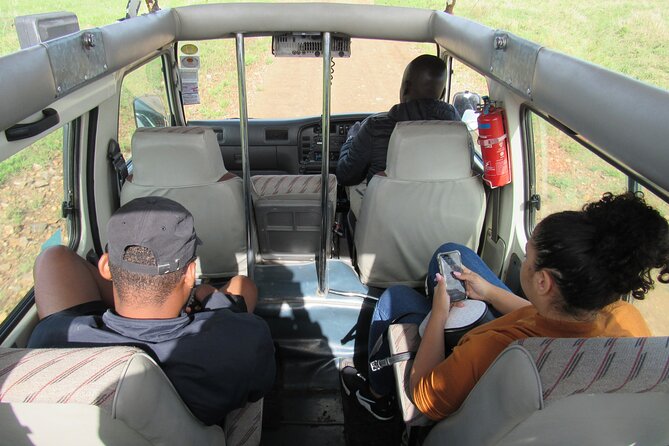
If you can travel between July and October, you’re visiting the Mara at one of its most dramatic times. This is when the reserve becomes a pit stop for huge numbers of wildebeest moving in response to rains. The information here includes a specific detail that helps you picture the scale: the migration cycle is described as about a 2,900-kilometer circular journey.
In plain terms, that means the ecosystem starts to feel crowded and loud. You’ll still have sightings of lions, cheetahs, and elephants any time of year, but migration season intensifies the “food chain in motion” feeling. Wildebeest draw predators, predators draw attention, and then you get that classic savannah rhythm of scanning, waiting, and suddenly watching a hunt unfold.
The realistic approach
I wouldn’t promise you a perfect migration sighting. Safari is safari. But the season matters, and this timing has a reason. It’s when the Mara is most likely to feel like the entire reserve is working in one direction.
Optional hot-air balloon on Day 2, if you want a different angle
On Day 2, there is an option to add a balloon ride at extra cost. This isn’t included in the base experience, but it’s available through the day’s schedule.
A balloon changes your brain in a good way. Instead of scanning for movement at ground level, you get a wide view of where herds cluster and where the landscape funnels animals. If you like photography, it can also give you images you just cannot get from a vehicle.
If you do balloon day, keep in mind you still have a full day game drive built into the itinerary. So it’s a choice between adding another wow factor and keeping the day simpler.
Day 3: Maasai Market, then Nairobi’s Carnivore Restaurant lunch
After breakfast, you leave the Mara and head back to Nairobi. The ride is around 8 hours, and it’s the kind of day where you’ll want comfortable clothes, water, and patience for road time.
On arrival, you get a complimentary lunch at Carnivore Restaurant, which is a well-known Nairobi spot for a lively meal. Then the day ends with a drop-off at your city hotel or at JKIA Airport, depending on your flight timings.
Before that final meal, there’s also a stop at the Maasai Market. This is where the trip balances wildlife with culture. You can expect to browse items that are tied to local craftsmanship and community trade. It’s a chance to slow down after the fast pace of safari searching.
How to make the market stop feel respectful
Markets move quickly. Set a simple goal, like buying one small item or just learning about what you see. That way you avoid getting rushed into spending, and you get the most value out of your time.
Price and value: what you’re paying for at $1,176.48 per person
At $1,176.48 per person, this is not a cheap weekend. But value on safari is not only about the vehicle and the camp. It’s about the included stuff that would cost you separately.
Here’s what the price clearly covers in the provided details:
- Pickup offered in Nairobi
- Park admission included
- Two dinners and two breakfasts, plus three lunches
- Two overnights at Enchoro Wildlife Camp
- Game viewing across multiple blocks, including Mara River time both days
- A cap on group size, maximum 7 travelers, which can improve the experience
Add it up, and you’re mostly paying for transport, time in the reserve, and getting your meals handled. If you were to plan a similar itinerary on your own, you’d typically face separate costs for park access, camp nights, and guided transport through the reserve.
Another value point: most people book around 42 days in advance. That usually helps with availability, especially in a place as in-demand as Masai Mara.
The real value question to ask yourself
Do you want a 3-day format that prioritizes animal time over extra comfort? If yes, the price makes more sense. If you want a slow, luxury-style trip with long breaks away from the vehicle, you may feel the cost without matching the pace.
Guides you might meet, and why they matter more than you think
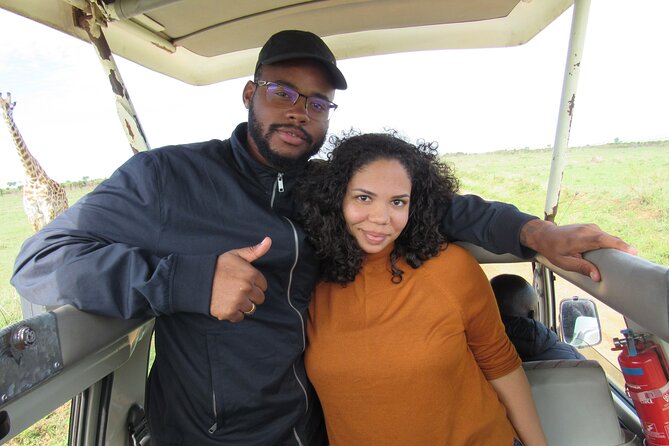
This safari places a big emphasis on your guide and driver. In the experience details, many travelers highlighted specific guides by name, including Jared, George, Kennedy, Joseph, James, and Mr Shuma.
A good guide does two key things for you:
- Helps you find animals while keeping viewing respectful
- Explains what you’re seeing in a way that makes the wildlife feel understandable, not random
You’ll feel this most during those long viewing hours. When the day is hot and the animals are spread out, a skilled driver can turn scanning into sightings, and that’s the difference between a good day and a memorable one.
What to pack, so you enjoy every long drive
The itinerary is built around early starts, long days, and time outside. So pack like you’re doing outdoor work, not like you’re going to a museum.
Bring:
- Sunglasses and sun protection
- A hat and light layer for early mornings
- Comfortable shoes for quick camp and market stops
- A camera or binoculars, if you have them
- Refillable water bottles
Also, be ready for heat and changing light. Safari days can go from bright glare to softer evenings fast, and being comfortable helps you stay focused on spotting animals.
Who should book this 3-day Masai Mara safari, and who should pass
This tour fits best if you want:
- A straightforward 3-day itinerary with a lot of time in the reserve
- A small-group feel, with up to 7 travelers
- Wildlife-focused travel that includes guided viewing, not just transport
- The option to add a balloon ride if you want extra perspective
It may not be for you if you:
- Expect a slow, resort-style schedule
- Want lots of downtime away from the vehicle
- Need a high-end camp experience as a top priority
Should you book this 3-day Maasai Mara safari?
My take: this is a solid choice if your goal is simple, see wildlife, see it often, and do it efficiently from Nairobi. The included meals, the admission ticket, and the time structure make it feel like a complete safari package, not a chopped-up day tour.
If you’re the type who loves scanning for motion, learning animal behavior as you go, and collecting real sightings over perfect amenities, you’ll probably feel happy with the trade-offs. If you want luxury first, safari second, then you should compare other options.
If you do book, aim for July to October when possible. That’s when the reserve tends to feel most electric thanks to wildebeest movement, and your chances of seeing that big-season energy are strongest.
FAQ
How long is the safari?
It runs for about 3 days, with Day 1 around 15 hours and Day 3 around 8 hours.
What time does the safari start in Nairobi?
The experience starts at 7:00 am.
What is included in the price?
Meals included are 2 dinners, 2 breakfasts, and 3 lunches. Admission tickets are included, and pickup is offered.
Is a balloon ride included?
No. A balloon ride can be arranged on Day 2 for an extra cost.
Where does the tour start and end?
It starts at YWCA Kenya – National Headquarter on Nyerere Rd in Nairobi. It ends back at the meeting point, with drop-off at your city hotel or JKIA Airport depending on flight timing on the final day.
Can I cancel for a full refund?
Yes, you can cancel up to 24 hours in advance for a full refund. If you cancel less than 24 hours before the experience starts, the paid amount is not refunded.
Recently reviewed from Nairobi
- Amboseli Day Trip from Nairobi★ 4.5 · 3 reviews
- Nairobi city tour★ 4.5 · 3 reviews
- Ngare Ndare Day Trip★ 5.0 · 3 reviews
- 1-Day Amboseli Safari★ 5.0 · 3 reviews
- Day Trip To Crescent Island And Hells Gate National Park★ 5.0 · 3 reviews
- Crescent Island Day Tour From Nairobi★ 5.0 · 3 reviews
- 13-Day Uganda Mgahinga Gorilla Trek, Maasai Amboseli Park★ 5.0 · 3 reviews
- 4 days group joining budget safari to Maasai Mara only★ 5.0 · 3 reviews
Maasai Mara Safaris, compared.
5 Days Masai Mara, Lake Nakuru & Naivasha Budget Joining Safari
Read our review →
3 Days Gamedrive Safari In Masai Mara From Nairobi
Read our review →
3 days group joining safari to Maasai Mara with a Land Cruiser Jeep
Read our review →Browse the lists this tour appears in