
Reviewed · ELEPHANT ORPHANAGE
Giraffe Center and David Sheldrick Elephant Orphanage Tour
This tour is interesting because it packs two of Nairobi’s most meaningful conservation stops into one smooth day, with a kid-friendly rhythm and close viewing that you just do not get from safari drives. I love the door-to-door pickup that lets you skip Nairobi’s taxi shuffle and just focus on the animals and stories.
My second big love is the small group size capped at 15, which keeps the day from feeling like a conveyor belt. When you have a guide like Stephen, Kelvin, or Wellington Mkenya, you actually get time to ask questions and get helpful context, not just watch through a crowd.
The one thing I’d flag is the extra cost. You’ll pay an additional $45 per person for Nairobi National Park, and it’s mandatory to access the elephant orphanage. So the real all-in price is higher than the base $95.
Key highlights to know before you go
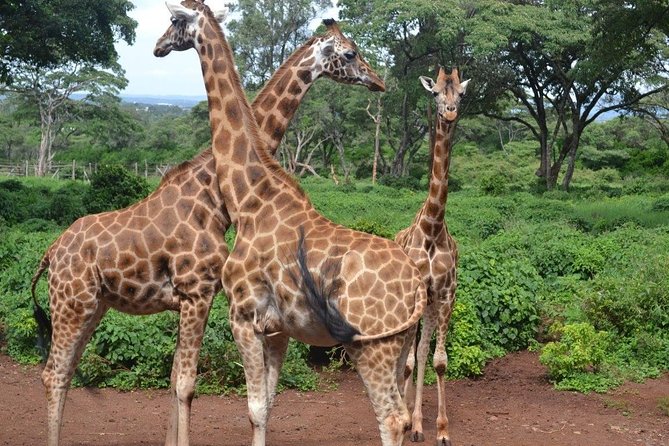
- Giraffe Centre feeding from close range with a semi-wild herd and conservation education tied to Daisy Rothschild’s rescue story
- A guided viewing window at Sheldrick Wildlife Trust where the youngest elephants greet keepers with milk bottles in an open area
- Elephant rescue background you can actually understand, including what got each calf into trouble (as your guide explains)
- Kazuri bead and pottery process tour that turns shopping into something you can explain after
- Hotel pickup and drop-off that makes logistics easy even if this is your first day in Nairobi
A Nairobi morning that actually runs on rails: pickup, group size, and pacing
The day starts early, with pickup from your Nairobi hotel around 8:00am, and the itinerary is built for a calm flow. You get hotel pickup and drop-off, plus a professional guide, so you are not coordinating transport between three different places while also trying to beat the clock.
Your group is kept small (up to 15), and the overall tour has a bigger ceiling (up to 100), which matters for comfort. In a small group, you get clearer listening time, more space to move around at each stop, and easier pacing when you want photos or a slower look.
On the timing side, you should expect the schedule to be a bit flexible in real life. The elephant orphanage viewing is described as running 11:00am to 12:00pm, and everything else gets slotted around that. In practice, I’d plan for it to run longer than the listed 5 hours, especially with traffic and time spent browsing souvenirs.
One more practical note: this is a morning-focused tour, and you’ll still have parts where you stand and walk a little. If you hate heat and concrete, go in ready with water, sunscreen, and shoes you can do a short walk in.
More at the Giraffe Centre:
- Nairobi: National Park & Optional Elephants & Giraffe Center
★ 4.8 · 874 reviews - Elephant Orphanage and Giraffe Center Tour with Options
★ 4.5 · 457 reviews - Nairobi National Park, Elephant Orphanage and Giraffe Centre
★ 4.6 · 365 reviews
Giraffe Centre: Daisy Rothschild, close feeding, and the Gogo River trail walk
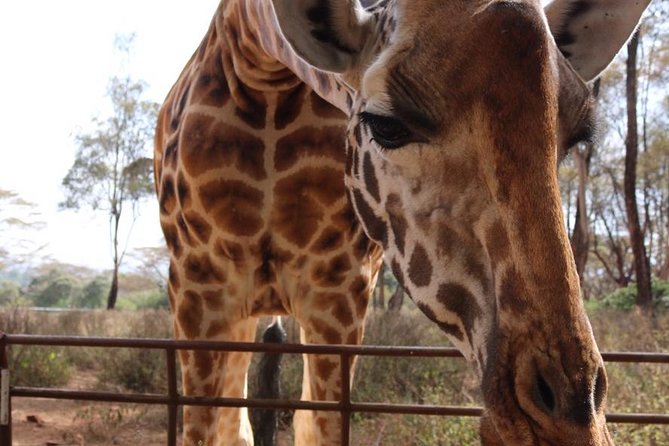
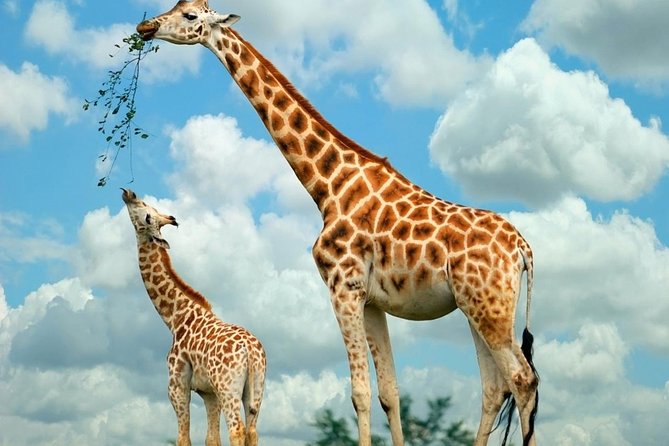
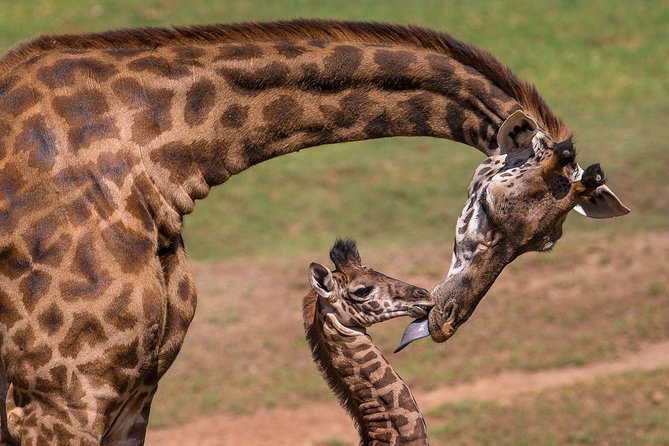
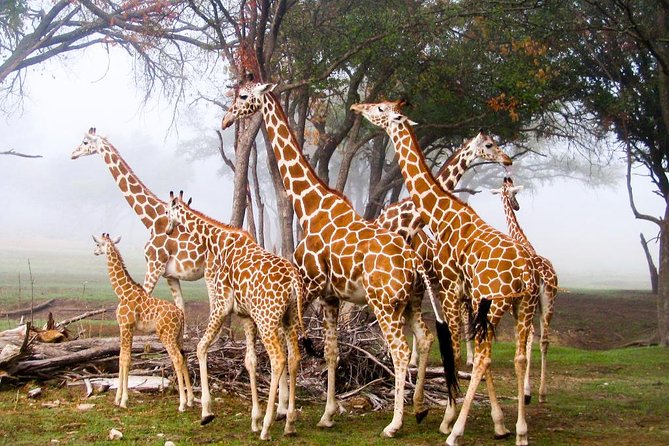
Stop 1 is the Giraffe Centre, a major hub connected to the African Fund for Endangered Wildlife, made famous by Daisy Rothschild, a rescued giraffe calf. You’ll hear how Daisy and her family are part of a living herd that spends time in a semi-wild setting at Giraffe Manor, with conservation education built into the experience.
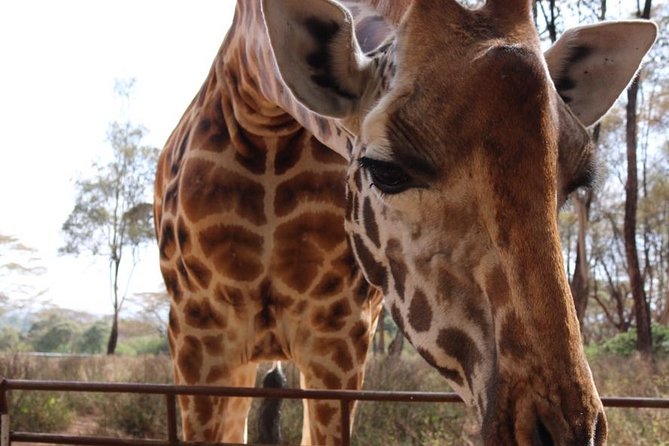
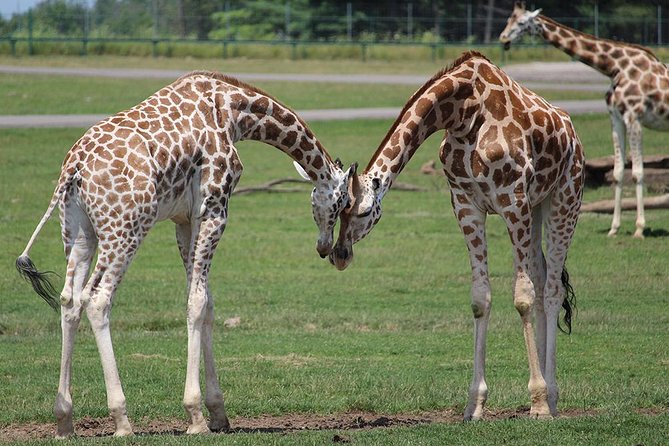
Here’s what you’ll feel right away: the setting is structured for humans to get close without stressing the animals. The giraffes come up toward a protecting wall when it is time to feed, and the whole thing is designed so you can watch behavior rather than just grab a photo and leave.
The visit also includes a nature trail option that is worth your attention. The route is described as going up until the Gogo River, and this part changes the mood of the visit. Instead of staying only in the feeding zone, you get a quieter walking experience that helps you see the space as more than just a photo stop.
If you’re traveling with kids, this is one of the easier places to keep everyone interested. Giraffes are calm, tall, and surprisingly interactive from the viewing side. If you are going with parents, it also helps that your guide can explain why these Rothschild’s giraffes are special and how rescue and care fit into the larger conservation picture.
Possible drawback: if you are short on time or you dislike walking outdoors, the trail portion can feel like an extra layer. You can still see plenty from the main area, but if you skip the trail, you lose one of the more “you’re actually here” parts of the day.
David Sheldrick Wildlife Trust: the milk-bottle hour and why the rope fence matters
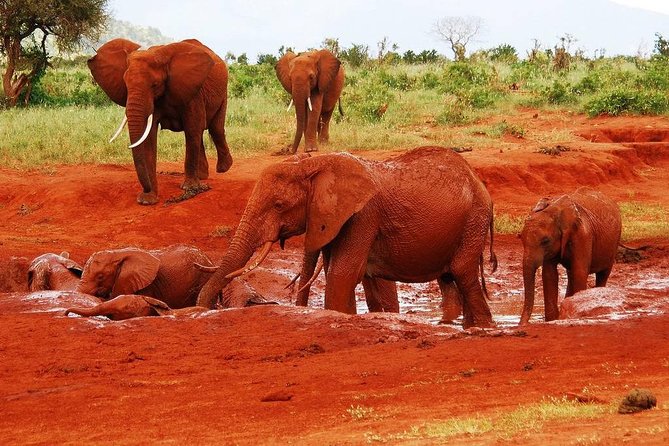
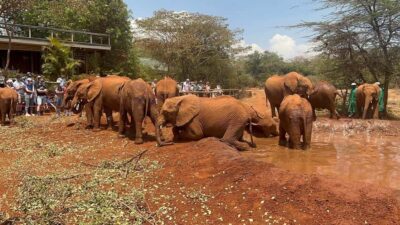
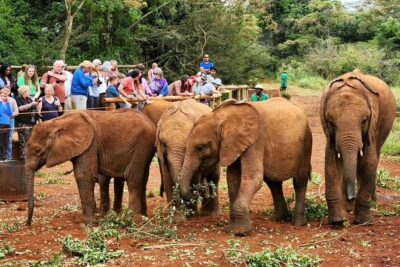
Stop 2 is David Sheldrick Wildlife Trust, the elephant orphanage that people travel across continents to see. The key detail is the viewing window: the tour includes a walkthrough during 11:00am to 12:00pm in an open area with a rope fence.
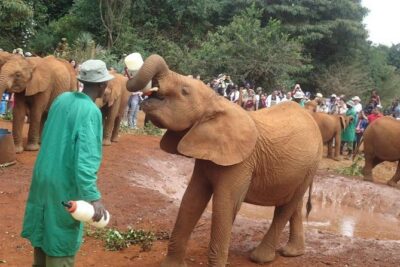
What you’ll watch is simple and emotional, in the best way. The youngest elephants come trotting out to greet keepers who stand ready with giant bottles of milk. During the feeding period, you may notice how each calf approaches and takes its turn, and then there’s usually time for water play right after.
The best part is that your guide does not leave it as a spectacle. You’ll learn how old the calves were when they arrived, where they were rescued from, and what led to them needing care. That context changes the experience from cute to meaningful, and it helps you understand that this is not a zoo performance. It is a rehabilitation and care setting, and your visit fits into that routine.
Photography: go prepared. It will feel busy at moments, especially during feeding and the quick switch to water play. You will be better off taking a few steady shots rather than sprinting for the “perfect angle.” In a rope-fenced area, moving too much can make it harder for the people behind you to see.
Possible drawback: you have to plan for the location’s access rule. The tour notes an additional $45 per person Nairobi National Park fee, and it’s mandatory to access the elephant orphanage. So bring budget thinking, not just hope.
Kazuri Beads factory: turning a souvenir stop into a real skill-and-process lesson
Stop 3 is Kazuri, a bead-making and pottery factory known for some of the most recognizable bead designs in East Africa. The tour describes it as a place where you’ll see stages of production, from start to finish, which is a welcome change from the typical “watch for five minutes and shop” model.
Even if you just think of this as souvenir time, I like that Kazuri is framed as a process. When you see how the clay becomes shapes, how work gets done, and how beads come to life through multiple stages, you end up with souvenirs you can connect to something real.
This stop also has a practical advantage: the itinerary states Kazuri admission is free, and there’s flexibility if you want lunch. If you need to eat, your guide can take you to nearby restaurants, but food is at your own cost.
Shopping tip: set a small goal before you walk in. Decide if you want one item that matters, like earrings or a bracelet, rather than trying to solve your entire gift list in one hour. It makes the time less stressful, and you’ll end up with fewer impulse buys that you later forget to wear.
More at the elephant orphanage:
- From Nairobi: Elephant Orphanage and Giraffe Center Day Trip
★ 4.5 · 235 reviews - Elephant Orphanage & Giraffe Centre Tour
★ 4.5 · 225 reviews - Half day tour to Elephant orphanage & Giraffe Centre Nairobi
★ 5.0 · 130 reviews - Nairobi: National Park, Elephant Orphanage & Giraffe Center
★ 4.5 · 113 reviews
The real cost of the trip: $95 base plus the $45 park fee
On paper, the price is $95 per person, and that is a fair day-tour rate for Nairobi when you factor in hotel pickup, a guide, and included entry costs. The tricky part is that the tour also notes a mandatory $45 per person Nairobi National Park fee for elephant orphanage access.
So your actual all-in number is likely $140 per person before any food, drinks, or optional add-ons. Is it still good value? In my view, yes, if you care about the animal-care side and not only the gift-shop side.
You are paying for three things:
- Convenience (door-to-door pickup and drop-off)
- Guided interpretation at conservation sites (not just entry tickets)
- Time-saving access since entry fees for the main stops are part of the plan
Where it can be less ideal is if you only want one stop, like elephants or giraffes, and you would otherwise drive yourself with less spending. If that is your style, you might compare alternatives. But if you want a packed morning that is managed, timed, and guided, this format makes sense.
What to bring and how to make it a smooth day (without rushing the animals)
This is a half-day style day, around 5 hours approximately, but you’ll still cover multiple locations. I suggest dressing like you’re doing active walking in warm weather: light layers, breathable clothes, and closed-toe shoes you trust.
A few practical adds that matter here:
- Bring sun protection for the outdoor trail and open viewing area
- Keep a small towel or wipes handy, since elephant settings can get dusty
- Wear a camera strap or keep your phone secure, because you’ll be moving around during feeding times
- Budget a bit for lunch if you need it at Kazuri, since meals are not included
Also, think about what you want from the day. If your goal is close viewing and you want to absorb stories, lean into the conservation context and give yourself time at each stop. If your goal is purely photos, you’ll still get great shots, but you might feel more rushed. Your guide helps either way, but your attitude changes how the day feels.
Guide quality is a standout pattern from the experience itself. People have described guides like Stephen, Kelvin, and Wellington Mkenya as friendly and engaging, and that matters because both elephant and giraffe visits are more rewarding when someone explains what you are seeing and why it matters.
Who should book this tour, and who might skip it
This tour fits best if you want:
- A managed day plan with pickup and drop-off
- Close animal encounters like Rothschild’s giraffes and young elephants
- Conservation education that gives context, not just entertainment
- A bonus stop where your shopping has meaning, like Kazuri beads and pottery
It may not be the best choice if:
- You are trying to keep costs extremely low, since the park fee adds to the base price
- You strongly dislike any outdoor walking, since there is a trail option at the Giraffe Centre
- You prefer a full-day safari drive instead of a structured series of visits
Children are welcome, with the rule that children must be accompanied by an adult, and the format is generally manageable for most people.
Should you book the Giraffe Centre, Sheldrick, and Kazuri day?
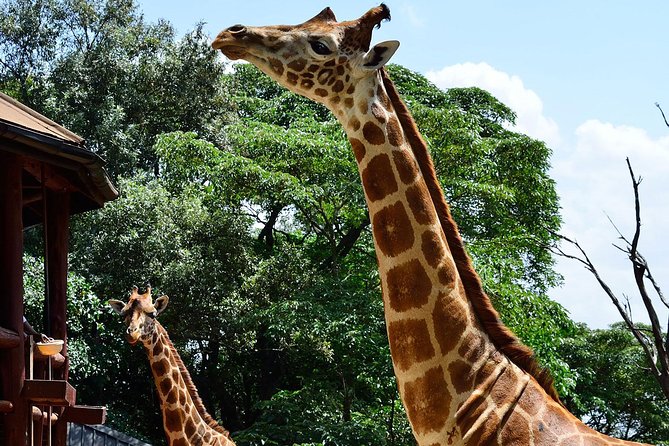
If you want Nairobi’s conservation highlights in one logical route, I think this is a strong booking. The small group setup, the door-to-door pickup, and the guided viewing at both the giraffe center and the elephant orphanage are exactly the kind of practical planning that saves your energy for the moments that count.
Book it if you’re excited to learn why rescued animals need care, if you like hands-on-feeling encounters like giraffes feeding, and if you can accept that the elephant visit comes with that mandatory Nairobi National Park fee.
Skip it or consider alternatives if budget is tight or if you only care about one stop. In that case, paying for three stops may feel like overkill.
If you do book, go in with comfortable shoes, sunscreen, and an open mind. The day is structured, but the animals make it feel real. And you’ll leave with more than photos, you’ll have stories you can tell.
FAQ
What time does the tour start?
Pickup begins at 8:00am.
Is hotel pickup and drop-off included?
Yes. Hotel pickup and drop-off are included.
How long is the tour?
The duration is listed as about 5 hours.
What is the price per person?
The price is $95.00 per person.
Are entrance fees included?
The plan includes admission tickets for the Giraffe Centre and David Sheldrick Wildlife Trust. The Kazuri stop lists admission as free.
What extra fee do I need to pay for the elephant orphanage?
You must pay an additional $45 per person for Nairobi National Park, which is mandatory to access the elephant orphanage.
Is food included?
No. Food and drinks are not included.
Can children join?
Yes, but children must be accompanied by an adult.
How soon will I receive confirmation?
You should receive confirmation within 48 hours, subject to availability.
What is the cancellation policy?
You can cancel for free up to 24 hours in advance for a full refund. If you cancel less than 24 hours before, the amount paid is not refunded.
Recently reviewed from Nairobi
- Amboseli Day Trip from Nairobi★ 4.5 · 3 reviews
- Ngare Ndare Day Trip★ 5.0 · 3 reviews
- Nairobi city tour★ 4.5 · 3 reviews
- Day Trip To Crescent Island And Hells Gate National Park★ 5.0 · 3 reviews
- Crescent Island Day Tour From Nairobi★ 5.0 · 3 reviews
- 1-Day Amboseli Safari★ 5.0 · 3 reviews
- 13-Day Uganda Mgahinga Gorilla Trek, Maasai Amboseli Park★ 5.0 · 3 reviews
- 4 days group joining budget safari to Maasai Mara only★ 5.0 · 3 reviews
Elephant Orphanage, compared.
Elephant Orphanage and Giraffe Center Tour with Options
Read our review →
Nairobi National Park, Elephant Orphanage and Giraffe Centre
Read our review →
Half day tour to Elephant orphanage & Giraffe Centre Nairobi
Read our review →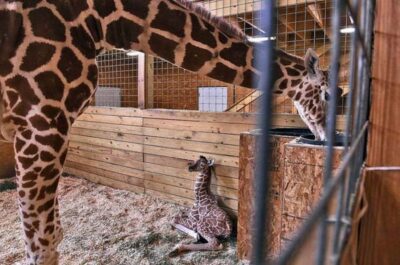
National Park, Elephant Orphanage & Giraffe Center
Read our review →
Giraffe Centre, Elephant Orphanage, and Bomas of Kenya Day Tour from Nairobi
Read our review →
Giraffe Center, Elephant Orphanage, Beads Center & Bomas of Kenya Tour Nairobi
Read our review →Browse the lists this tour appears in