
Reviewed · MAASAI MARA SAFARIS
Great Wildebeest Migration Safari in Masai Mara
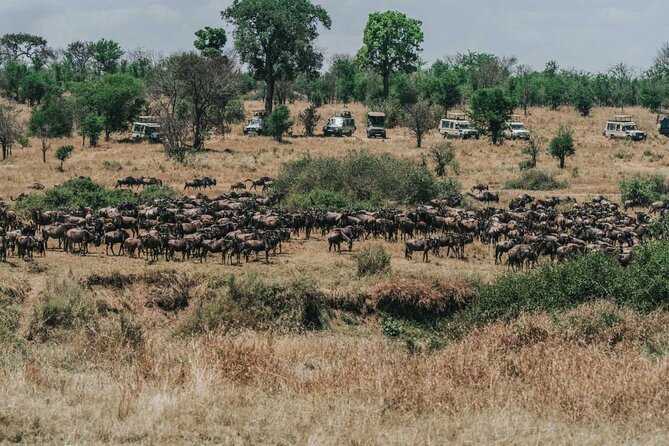
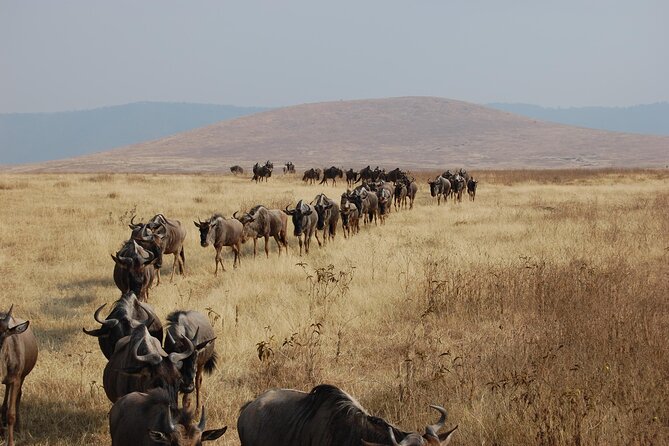
This safari hits one of the planet’s most dramatic natural events: the annual wildebeest migration as herds move into the Masai Mara. I like that it’s built around peak migration timing (July to September), and I like the heavy focus on game drives where you can watch big cats hunting and even see hungry crocodiles on the Mara River. One thing to plan for, though, is that park entry and conservation fees are not included, so your trip total will be higher than the headline price.
I also appreciate the setup here. This is owner-managed and hands-on, with custom-built 4×4 safari vehicles and quick support, including a 24-hour backup service if anything goes sideways. Reviews highlight guides such as Erick and the wider Divulge Adventures team for solid wildlife explanations, which really helps you enjoy the action instead of just hoping to spot something.
Key points to know before you go
- July to September focus on the annual movement into Masai Mara
- Mara River moments that include a walk by the river side, not just distant views
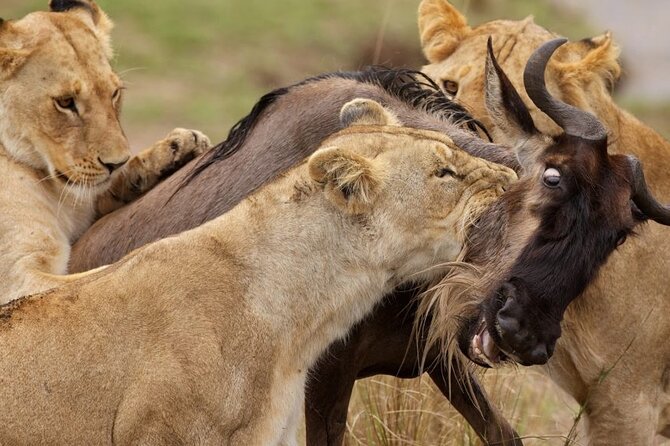
- Long, proper game drives across the plains, with chances to see hunting behavior
- Picnic bush meals including a sunrise-style picnic breakfast on a full day out
- Optional hot air balloon available very early one morning
- Culture time in a Maasai village before the drive back to Nairobi
The migration window that makes this worth planning
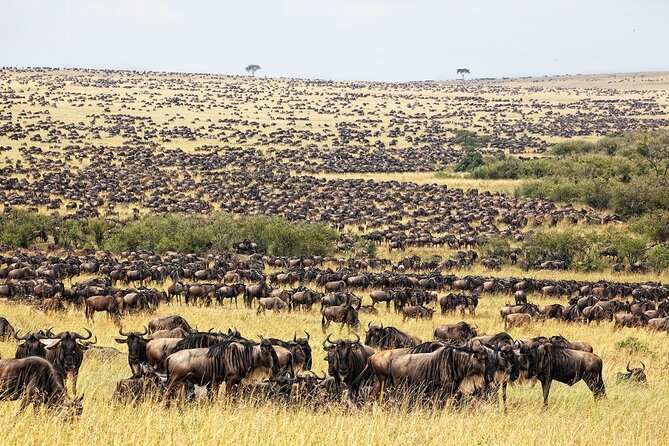
If you’re chasing the classic wildebeest crossing drama, timing matters more than anything. This safari is designed around the migration season when herds move from Serengeti National Park in Tanzania into the Masai Mara National Reserve in Kenya. That crossing only happens once a year, and the tour explicitly targets the July to September window.
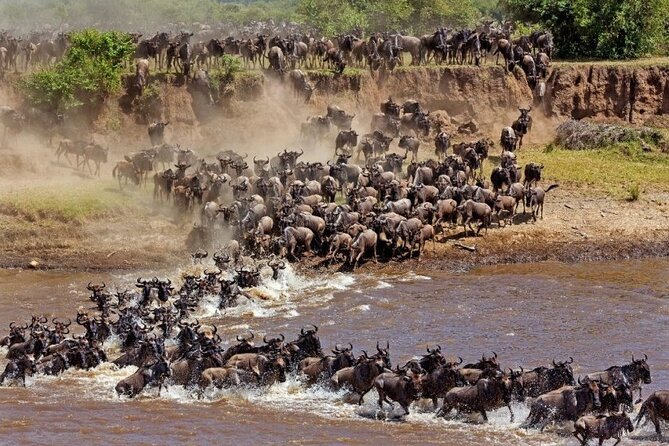
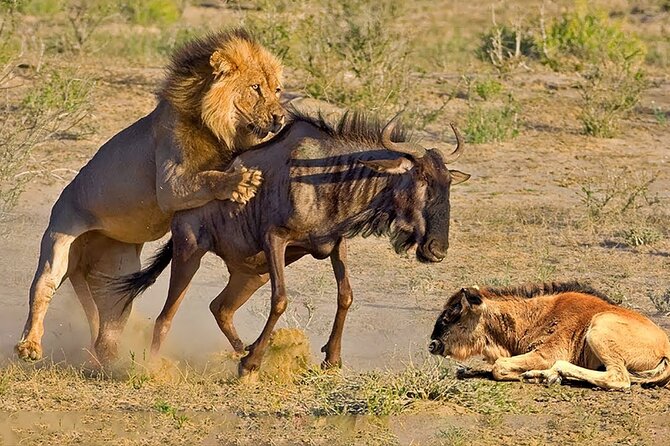
What you’re really buying is a chance to witness nature doing its high-stakes thing: millions of wildebeests moving across the Mara River, with the “who will eat whom” energy that makes people talk about this place. The tour also frames Masai Mara as a strong bet for spotting big cats in action, not just seeing them perched somewhere pretty.
The catch is simple: the migration is not a theme park show. You’re going in with the best odds for that season, but wildlife is still wildlife, so keep your expectations flexible and your camera ready.
More Safaris in Mombasa
- 3 days safari Tsavo East and Taita hills (Saltlick lodge)
★ 5.0 · 45 reviews - 2-Day Safari in Taita Hills from Mombasa
★ 5.0 · 45 reviews - Mombasa: Tsavo East Ngutuni Sanctuary Overnight Safari
★ 4.6 · 40 reviews
Day 1: Rift Valley views and your first Masai Mara evening drive
Your first day is about getting oriented fast and then getting onto the game-viewing rhythm. You start with Rift Valley scenery and a visit to a small Catholic church noted in the route, then you head into the Masai Mara area.
Later, you check in to your camp or lodge for lunch, followed by an afternoon siesta. Then the real fun begins with an evening game drive in Masai Mara National Reserve. Evenings can be prime time for activity, and this gives you an early taste of the big numbers the tour promises, especially wildebeests.
If you’re the type who hates wasting daylight, day 1 works because you’re not stuck in a hotel all afternoon. You get meals, then you get out there.
Day 2: Full-day plains game drive and a real chance at predator drama
Day 2 is a full day out in the wild on the Masai Mara plains, running about 10 hours. You depart after an early breakfast with a packed lunch for the day, which means you’re not breaking the rhythm every couple of hours.
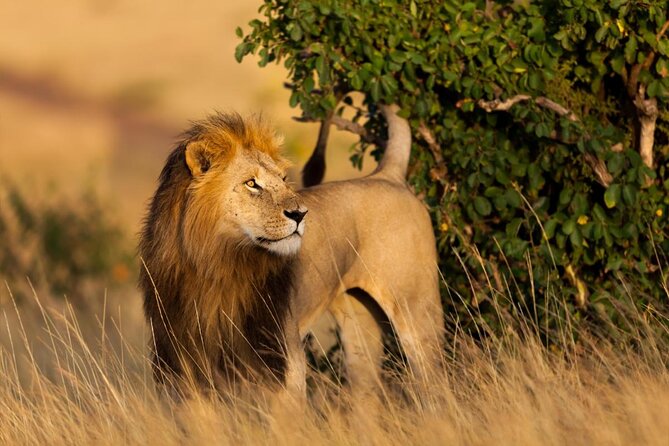
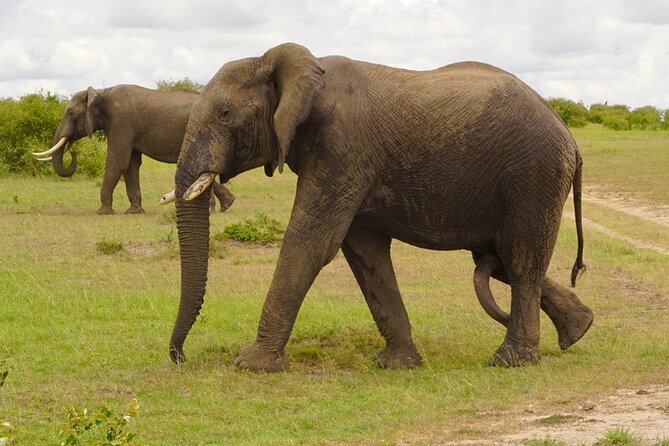
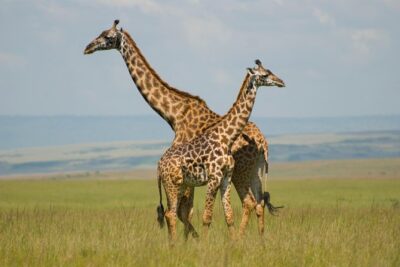
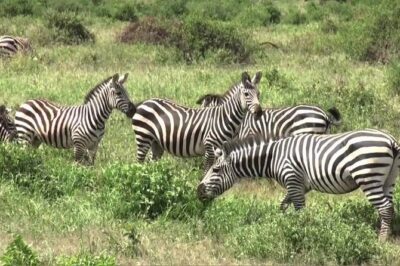
This is the day built for wildlife variety and the possibility of predator behavior. The tour’s focus is on spotting lions, leopards, cheetahs, and even serval cats, plus the mix of grazing and roaming animals that keep the whole ecosystem running: elephants, buffaloes, wildebeests, zebras, elands, topi, giraffes, impalas, and others.
A key detail here is the way the day is presented. You’re not just waiting to see animals. You’re going out for long enough that you may witness real hunting sequences, including moments where cats bring down a kill, if the odds line up.
That’s also where having a capable guide matters. The tour description encourages you to ask questions, and the reviews you shared point to guides like Erick as strong at explaining what you’re seeing. When you understand what you’re looking at, the same sighting can feel twice as exciting.
Day 3: Sunrise picnic, Mara River focus, and optional balloon skies
Day 3 is built in two layers: another full day in the bush, and then the signature Mara River angle, plus an optional balloon option very early.
First comes the very early start. You take away breakfast, then you’re set up with packed breakfast and lunch. The plan includes a picnic bush breakfast aimed at sunrise conditions, followed by a full-day game drive.
This is one of the best “why this feels special” parts of the trip. Most safari days are long, but only a few offer you a structured sunrise-style meal. It turns the morning from just getting going into something you can actually experience. If weather cooperates, you also get that crisp sense of being in the reserve before the day heats up.
You spend the day exploring the plains again, with a clear promise to keep scanning for hunting behavior. The tour specifically calls out the Mara River as a highlight, and this is where the pacing shifts.
You’ll eventually reach the river area, described as the river of death, and you’ll do a walk by the river side. That walking component matters because it’s more than watching from inside a vehicle. It’s still a safari, so you’ll be guided and kept in the safe, appropriate way to do this, but the perspective changes.
Then, very early in the morning, there’s also an optional hot air balloon safari over Masai Mara. Since it’s described as optional, you can decide based on your comfort, interest, and schedule that morning.
More Maasai Mara safaris:
- 3 Days Masai Mara Flight Safari
★ 5.0 · 7 reviews - 3 Days Masai Mara Group Joining
★ 5.0 · 486 reviews - From Nairobi: 3 Days, 2 Nights Maasai Mara Group Safari
★ 4.5 · 394 reviews - 5 Days Masai Mara, Lake Nakuru & Naivasha Budget Joining Safari
★ 5.0 · 229 reviews
Day 4: Masai village culture plus the drive back to Nairobi
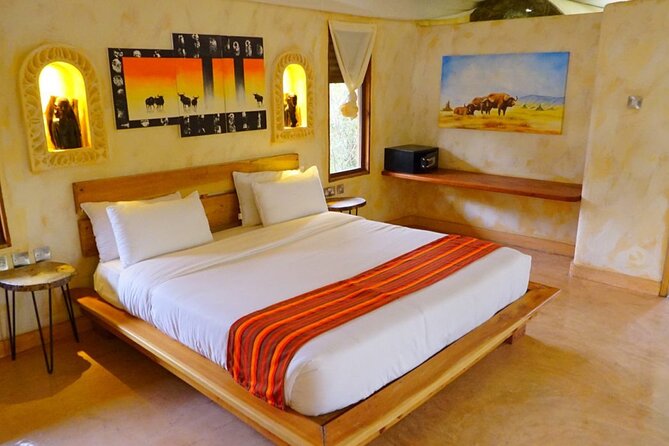
Day 4 keeps things lighter after the long days in the bush. After breakfast, you relax around the lodge and check out around midmorning. Then you head to a Masai village experience included in the route.
This is where you get hands-on cultural time rather than a quick photo stop. The tour description mentions dancing with Maasai warriors, learning about culture and daily life themes such as making fire naturally, visiting manyatta houses, and understanding how the community manages coexistence with wildlife.
After that, you say goodbye to Masai Mara and depart for Nairobi, about 5 hours driving. You arrive in the evening and get dropped at a Nairobi hotel or the airport.
This final day is a good design choice. It prevents the safari from ending in a grueling rush. You get a meaningful culture segment and then an orderly transfer back to the city.
The vehicles, comfort, and why “private” changes the trip
The safari is private, which is a big deal for your experience. Private means you’re not stuck in a random schedule shared with strangers. It also means the driver can respond more flexibly to what the vehicle spots and how quickly you want to move.
The tour also emphasizes custom safari-built 4×4 vehicles. That matters in places like Masai Mara, where you want a ride that’s stable and made for game viewing conditions, not a standard car doing safari duty.
Two other support details are worth noticing. The tour says there is a 24-hour backup service if any issues come up, and it promises fast, responsive handling. Those are not sightseeing extras, but in the bush they can turn a small problem into a non-event.
Included WiFi on board is listed too. In real safari conditions, you might not rely on it, but it’s still a helpful perk if you need to message someone or map your way back at the end.
Meals and included gear, the real value stuff
This trip includes a practical set of safari basics, which can reduce friction on the ground.
You get:
- Binoculars
- WiFi on board
- 3 breakfasts
- 4 lunches
- 3 dinners
- Private transportation
Meal timing and style also fits the safari rhythm. Long game drives tend to work best with take-away food. That’s exactly how the tour describes it on the full day out, including picnic bush meals on day 3.
The binoculars are a straightforward win. In the Mara, spotting takes work. Having your own binoculars, even basic ones, helps you actually enjoy sightings rather than just staring at shapes and hoping you can identify them.
Price and what you should budget on top
The listed price is $1,430.00 per person, for an approximately 4-day experience.
Here’s the part that affects value most: park entry and conservation fees are not included. The tour states $80 per person per day for park entry and conservation fee. So you should add that to your budget before you fall in love with the headline number.
When you look at value, this safari offers a mix that tends to be worth it for migration travel:
- Private transport
- Custom 4×4 vehicles
- Guide-led wildlife focus
- Included meals across multiple days
- Binoculars included
- A clear schedule built for maximizing daytime wildlife time
If you’re comfortable paying extra for flexibility and comfort, the overall package can feel like money well spent. If you’re trying to keep your trip total tight, factor in those daily park fees early and you’ll avoid unpleasant math later.
Who this safari suits best
This tour is a strong fit if you:
- Want to plan around the wildebeest migration window from July to September
- Like your days structured, with long game drives instead of short, scattered sightseeing blocks
- Prefer private guiding so your driver can adapt to what the animals are doing
- Enjoy both wildlife and a real culture stop at a Masai village
It’s also a good match if you learn better by asking questions during the drive. The tour description nudges that habit, and the reviews you provided emphasize guide strengths, including wildlife explanations from Erick.
If you hate early mornings, be aware day 3 includes a very early start and sunrise-focused picnic breakfast. You’ll still be rewarded, but plan your energy accordingly.
Should you book this Masai Mara migration safari?
I’d book this if your main goal is to maximize your odds of seeing the wildebeest migration into Masai Mara and to spend enough time in the reserve to catch predator action. The structure makes sense: you get into the Mara right away, you get full days on the plains, and you get the Mara River focus plus a walk by the river side.
I would hesitate only if you dislike added costs. The park entry and conservation fee is $80 per person per day and it can noticeably raise your final total. If you can budget for that, this is the kind of safari that turns a big natural event into multiple days of real, lived-in wildlife time.
FAQ
How long is the Masai Mara Great Wildebeest Migration Safari?
The tour duration is listed as 4 days (approx.).
How much does the safari cost?
The price is $1,430.00 per person.
Is park entry included in the price?
No. Park entry and conservation fees are listed as USD 80 per person per day.
Do you get pickup and private transportation?
Pickup is offered, and private transportation is included. It is also a private tour, meaning only your group participates.
What meals are included?
The tour includes 3 breakfasts, 4 lunches, and 3 dinners.
What wildlife highlight is this safari focused on?
The main focus is the annual wildebeest migration crossing into Masai Mara from Serengeti, including the chance to see big cats hunting and crocodiles on the Mara River.
Is a hot air balloon safari included?
A hot air balloon safari is optional and available very early in the morning on day 3.
Is there a free cancellation option?
Yes, free cancellation is offered. You can cancel up to 24 hours in advance of the experience start time for a full refund.
Recently reviewed from Mombasa
- Overnight Safari Tour to Saltlick Lodge from Mombasa★ 5.0 · 3 reviews
- 2-Day Ultimate game viewing at Tsavo East National Park★ 5.0 · 3 reviews
- Private Mombasa City Tour Watamu Diani and Malindi★ 4.0 · 4 reviews
- Tsavo East National Park: 2-Day Tour from Mombasa★ 3.9 · 5 reviews
- Half day Mombasa City Tour★ 3.0 · 11 reviews
- Wasini Island: Dolphin Spotting & Snorkel at Kisite Mpunguti★ 4.0 · 42 reviews
- Walking Tour Through Old Town Mombasa and Fort Jesus★ 5.0 · 393 reviews
- Watamu Marine Park & Sudi Island Mangrove Forest Canoe Ride.With sea food lunch★ 4.5 · 31 reviews
Maasai Mara Safaris, compared.
5 Days Masai Mara, Lake Nakuru & Naivasha Budget Joining Safari
Read our review →
3 Days Gamedrive Safari In Masai Mara From Nairobi
Read our review →
3 days group joining safari to Maasai Mara with a Land Cruiser Jeep
Read our review →Browse the lists this tour appears in