
Reviewed · MOMBASA & FORT JESUS
Mombasa:Street food Experience
This experience is interesting because you’re not just eating in Mombasa, you’re walking through Old Town while learning how the Coast’s Swahili kitchen works. It’s built around short street hops, culture talk, and you tasting your way through real everyday food.
I especially like the way the menu moves in a logical flow, from skewers to drinks to savory snacks. I also like that you get more than a taste, you learn how items are prepared, so you can recreate the basics back home.
One drawback to plan for: this is street-side eating, and you’re expected to show up with an empty stomach. If you’re squeamish about casual food setups or you don’t enjoy trying many small bites, this might feel like too much.
Key things that make this Mombasa street food experience worth it
- Old Town walking pace: short distances, so you stay comfortable for the full 150 minutes
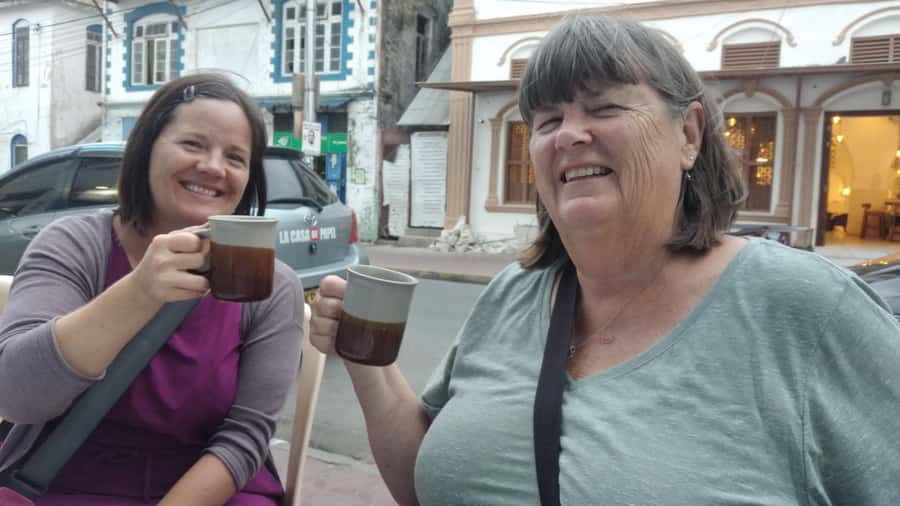
- Swahili sweet coffee (kahawa) and fresh sugarcane juice (juice ya miwa) early on, before you get too full
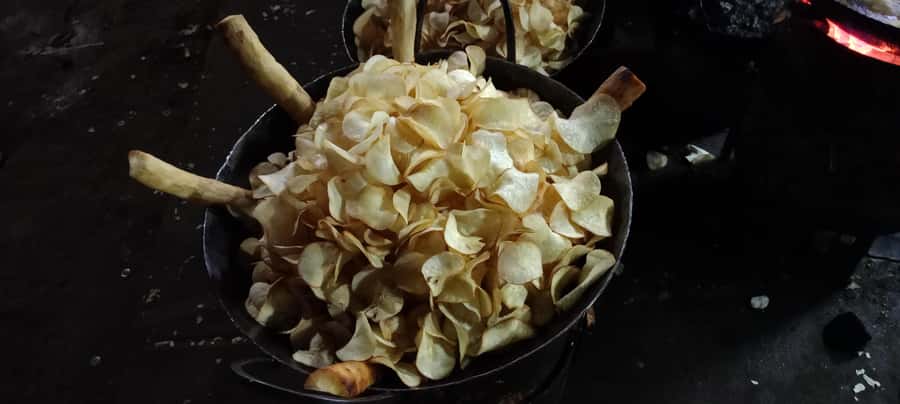
- Street snacks you can name and order later, including viazi karai/bhajia and kachiri-style cassava chips
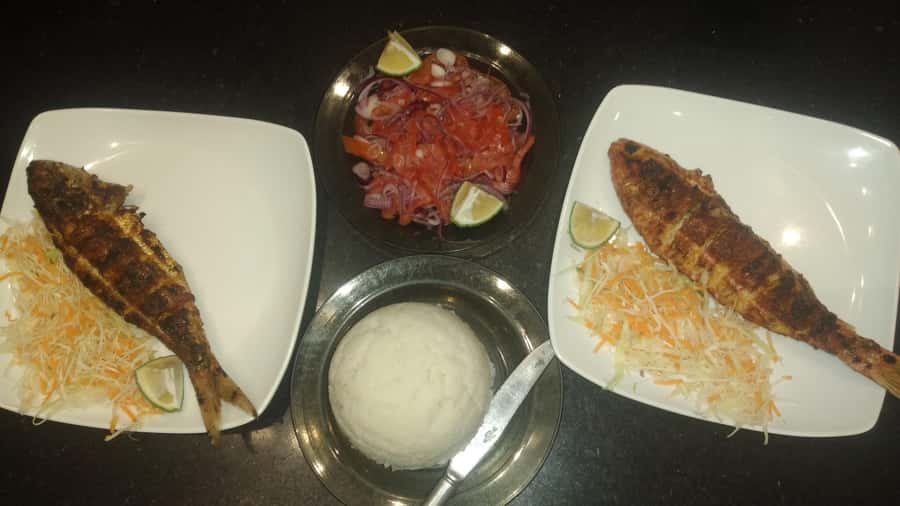
- Coastal seafood tasting like octopus, prawns, and fish, depending on what’s being served that day
- Diet options are real: vegetarian, vegan, and pescatarian samples are available if you ask ahead
Old Town Mombasa on foot, with food stops that tell you why
The best street food tours teach you how people actually live, not just what’s on a menu. Here, you start at Treasury Square Roundabout, then you get a short safety briefing and set off on foot through Old Town. The route is described as a short walk between areas, so you can focus on tasting and watching rather than trying to survive long distances.
You’ll notice the tour is paced like a friendly neighborhood food crawl. You’re not stuck on a bus. You’re right there where cooking happens, where people order quickly, and where conversations are part of the day. That matters because Swahili food is often as much about the spices and technique as it is about the ingredients.
More around Mombasa old town:
- Walking Tour Through Old Town Mombasa and Fort Jesus
★ 5.0 · 393 reviews - Mombasa: Kisite Park Private Cruise with Breakfast and Lunch
★ 4.7 · 181 reviews - Mombasa City Tour
★ 5.0 · 170 reviews
Your 150 minutes of eating: how the stops build to a full meal
This is a 2.5 hour experience, and the structure is designed to keep you fed without sending you home sick. The food is served in stages, with drinks and bites that make sense one after another. You begin with coffee and lighter tastes, then move into skewers, fried snacks, and finally heavier savory items like chips and seafood.
The key is that you will likely taste more than one version of the same idea, such as different salty snacks or multiple seafood types. That’s part of the value. You’re not just ticking boxes. You’re learning the Coast’s flavor logic.
And yes, there’s a clear practical note before you go: don’t eat a lot beforehand. Plan for this to be your meal.
Coffee, sweet drinks, and the first Swahili flavors (kahawa and chai)
One of the best parts of this tour is how it starts with kahawa, a Swahili sweet coffee. The idea is smart. Sweet coffee is a gentle way to wake up your palate before you hit skewers and fried snacks. You get a flavor baseline, then everything else feels clearer in comparison.
You’ll also get chai, Swahili tea. Tea here isn’t just a beverage, it’s part of the rhythm of local food culture. During these drink stops, the guide’s job is to connect what you’re tasting to how the Coast cooks and shares food.
If you’re the type who likes to understand what you’re drinking, this is a good opener. You can pick up how sweetness and spice balance works, especially once you pair it with salty bites later.
Mshikaki skewers, the Coast’s quick comfort food
Next comes one of the headline foods: mshikaki, skewers (beef or chicken). Skewers are street food at its simplest. They’re fast to cook, easy to share, and easy to scale for different crowds. That’s why they’re so common across East Africa coastal areas.
On this tour, mshikaki isn’t served as a random snack. It’s part of the story of how people feed themselves quickly while staying social. You’ll also hear about preparation along the way, which is useful if you want to recreate the technique at home.
If you’re curious about ordering in the future, this is the easiest item to remember and ask for again.
More Mombasa trips to compare
- Carnivore Restaurant Nairobi Dinning experience-transport
★ 4.5 · 50 reviews - Nairobi: The Safari Cats Show Tickets & Buffet Dinner
★ 4.4 · 29 reviews - Carnivore Dinner Experience
★ 4.0 · 27 reviews - Nairobi Nightlife and Safari Park Hotel Dinner Experience
★ 4.5 · 26 reviews
Juice ya miwa and kahawa tea, sweet and cooling in the heat
Then there’s juice ya miwa, fresh sugarcane juice. If you’re visiting in warm weather, you’ll understand why this works. It’s cooling, it’s refreshing, and it keeps you from feeling dried out after spicy or salty bites.
The tour pairs juice with other flavors intentionally. You’re getting sweet, then you move into savory. That contrast is one reason the tasting feels satisfying instead of monotonous. You’re giving your taste buds a “reset” between heavier foods.
Viazi karai and bhajia, crispy potato street snacks
After the skewers and drinks, you’ll hit the kind of street snack that keeps people returning. Viazi karai (also described as bhajia in your menu list) is potato-based and fried, so expect crunch and salt. These snacks are the kind you can find all over, but the Coast’s version tends to carry a distinct spice profile in the batter and seasoning.
This stop is great if you like texture. Crispy foods are also a useful palate marker. Once you’ve tasted something crunchy like this, you can better notice when the next items are more chewy, more oily, or more spice-forward.
Kachiri chips: cassava crunch you can keep thinking about
You’ll also sample kachiri, described here as cassava chips or crisps. Cassava has a different character than potato. It can be denser, and the flavor can feel more grounded once fried.
This matters because it adds variety to your tasting. If the tour only gave you potato snacks, it would start feeling repetitive. Instead, cassava brings a different bite and a different “earthy” base to compare.
Seafood stop: octopus, prawns, and fish on the Coast
For seafood lovers, the tour offers a clear Coastal highlight: octopus, prawns, and fish. The exact mix depends on what’s available and being served, but the goal is consistent. You’re tasting how coastal street cooks handle proteins and seasoning.
Seafood is also where you’ll likely notice the benefit of the guide’s explanation. You’re not just eating something you’ve never tried. You’re learning what makes it work, such as handling and how spices pair with sea flavors.
A quick practical note: if you have any food allergies, tell the guide in advance so they can choose the best samples for you. The tour specifically says they can adjust based on allergies, and they also offer vegetarian, vegan, and pescatarian options when requested.
The market moment: seeing the food world behind the plates
In the middle of the experience you’ll get a food market visit. This is one of those stops that makes street food tours more than a tasting session. It connects the dots between what’s on skewers and what’s in supply, where ingredients come from, and how daily buying works.
You don’t need to be a market expert. The value is that you’ll come away with real context. You’ll understand why certain snacks are common, why certain ingredients get repeated, and how the Coast’s food rhythm shapes what you see on the street.
Even if you only walk and look, you’ll start recognizing the ingredients you ate earlier. That makes the whole tour feel more “earned.”
Meeting your guide, and how personality affects the vibe
The tour is guided in English and Swahili, and the experience is clearly driven by the host. From what I’ve learned about guides like Joan and Nicole, the best sessions feel relaxed and conversation-friendly, with helpful cultural context alongside the food.
That said, one thing you should consider is that guide tone matters. If you prefer very formal, ultra-structured hosting, you might want to set a comfortable communication style early in the tour. Ask questions promptly, and if something doesn’t feel right, speak up kindly.
Good guides will meet you where you are. The tour’s success often comes down to that human connection.
Price in perspective: $37 for a lot of food time in Old Town
At $37 per person for 150 minutes, the value comes from two things: the food is included, and the guide gives you context so you’re not just consuming.
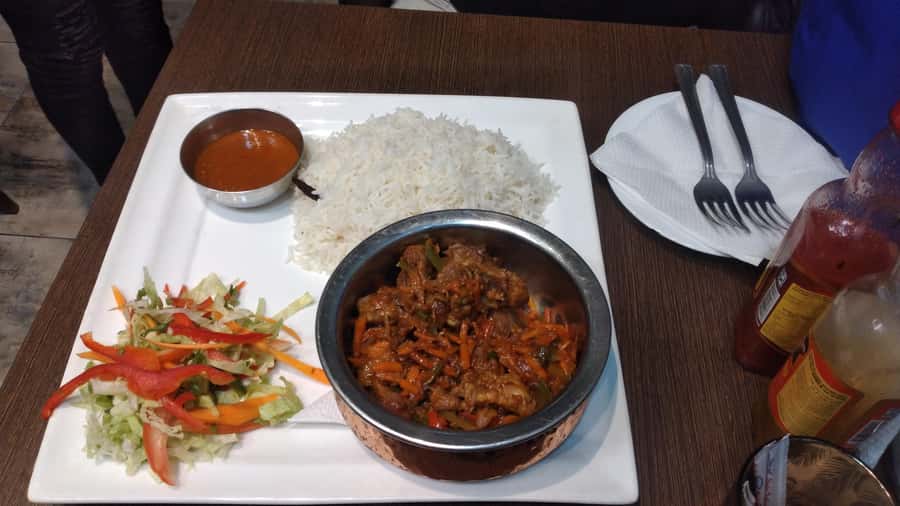
Street food can be inexpensive on paper, but the real cost is your time plus the “how do I choose safely and correctly” part. This tour handles the choosing for you, covers multiple items and drinks, and adds cultural and preparation stories while you walk.
You should also factor in that you’re moving through Old Town on foot. That means you’re paying for a planned route and guided pacing, not just for snacks. If you want to experience the Coast’s flavor set without guessing where to start, this price starts to look very fair.
Who this tour suits best, and who should rethink it
You’ll likely love this if you:
- want a practical food introduction to Swahili street cuisine in Old Town
- enjoy trying multiple small dishes rather than one big meal
- like learning while walking, with a guide translating food culture into clear explanations
You might rethink it if:
- you strongly dislike street-side settings or fried foods
- you have complex allergies and didn’t plan to tell the guide ahead of time
- you want a quiet, sit-down meal format instead of a tasting crawl
Before you go: simple tips that help you get more out of it
A few things will make your experience better right away:
- Arrive hungry. The tour explicitly suggests you come with an empty stomach and good vibes, and to not eat a lot beforehand.
- If you have allergies, message the guide in advance so they can pick the best samples.
- Wear comfortable shoes for Old Town walking. The route is a short walk, but you’ll still be on your feet for the full 150 minutes.
The more open you are to trying small bites, the more the “every bite has a story” idea will land for you.
Should you book this Mombasa Street Food experience?
I’d book it if you want an easy, guided way to taste the Coast’s daily flavors in Old Town. You get enough food and variety to feel like a real meal, plus you learn how the dishes work. The fact that vegetarian, vegan, and pescatarian options are available makes it feel more flexible than a lot of street-only tours.
I’d think twice if you’re not into street food or you prefer a traditional restaurant format. And if your comfort level depends heavily on guide style, try to start the tour communicating what you want, so the experience fits you.
If you like food you can actually repeat later, this is the kind of tour that gives you names, flavors, and technique, not just memories.
FAQ
Where does the tour start?
The tour starts at Treasury Square Roundabout in Mombasa.
How long is the street food experience?
It lasts 150 minutes, about 2.5 hours.
How much does it cost?
The price is $37 per person.
Is drop-off included?
No. Drop-off is not included.
What’s included in the price?
All food and drinks are included. You just need to come with an empty stomach and good vibes.
What kinds of foods will I sample?
You may sample mshikaki (beef or chicken skewers), juice ya miwa (fresh sugarcane juice), kahawa (Swahili sweet coffee), chai (Swahili tea), viazi karai/bhajia (potatoes), seafood (octopus, prawns, fish), and kachiri (cassava chips or crisps).
Do you offer vegetarian, vegan, or pescatarian options?
Yes. Vegetarian, vegan, and pescatarian options are available, and the guide can adjust samples.
Can the tour accommodate allergies?
Yes. You should let the guide know about any allergies in advance so they can work out the best samples.
What languages are the guides?
The live tour guide speaks English and Swahili.
Can I cancel and get a full refund?
Yes. Free cancellation is available up to 24 hours in advance for a full refund.
Recently reviewed from Mombasa
- Overnight Safari Tour to Saltlick Lodge from Mombasa★ 5.0 · 3 reviews
- 2-Day Ultimate game viewing at Tsavo East National Park★ 5.0 · 3 reviews
- Private Mombasa City Tour Watamu Diani and Malindi★ 4.0 · 4 reviews
- Tsavo East National Park: 2-Day Tour from Mombasa★ 3.9 · 5 reviews
- Half day Mombasa City Tour★ 3.0 · 11 reviews
- Wasini Island: Dolphin Spotting & Snorkel at Kisite Mpunguti★ 4.0 · 42 reviews
- Walking Tour Through Old Town Mombasa and Fort Jesus★ 5.0 · 393 reviews
- Watamu Marine Park & Sudi Island Mangrove Forest Canoe Ride.With sea food lunch★ 4.5 · 31 reviews
Mombasa & Fort Jesus, compared.
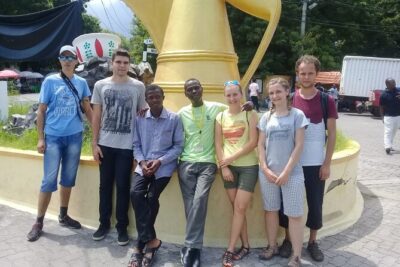
Walking Tour Through Old Town Mombasa and Fort Jesus
Read our review →
Kisite Park Private Cruise with Breakfast and Lunch
Read our review →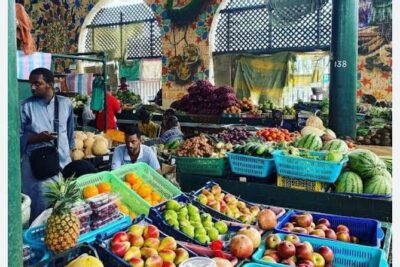
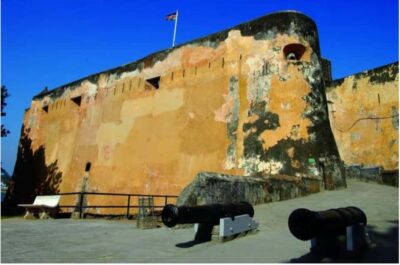
Tusks, Fort Jesus, Old Town, Beach and City Tour
Read our review →
From Mombasa/Mtwapa/Diani/Tiwi: Tsavo East Full-Day Safari
Read our review →
2 Days Tsavo East National Park Tour From Mombasa/Diani (1 Night)
Read our review →

Browse the lists this tour appears in