
Reviewed · KENYA & TANZANIA SAFARIS
13 Days Best of Kenya and Tanzania BudgetSafari
This is an interesting safari because you stitch together two safari heavyweights, Kenya and Tanzania, in one smooth (if busy) circuit. You get Big 5 time across Masai Mara, Serengeti, and Ngorongoro, plus a Mount Kilimanjaro backdrop from Amboseli when weather cooperates. The one drawback to plan for is the pace: this is a lot of park time packed into a budget-friendly setup, so expect long drive days and simple sleeping arrangements.
Two things I especially like are the practical game-drive structure, and the fact that you still get upgraded-feeling moments where it counts, like camp tents with showers and flush toilets with mosquito nets in Masai Mara. I also like that the team can flex, with guides such as Zack and Sammy called out for staying on top of sightings even when conditions turn rainy.
If you want maximum comfort every night, or you hate the idea of camping nights and early starts, you may feel you paid for the wildlife rather than for luxury. But if your goal is classic safari country and you want good value, this route can deliver a lot of animal time.
Key highlights you should care about
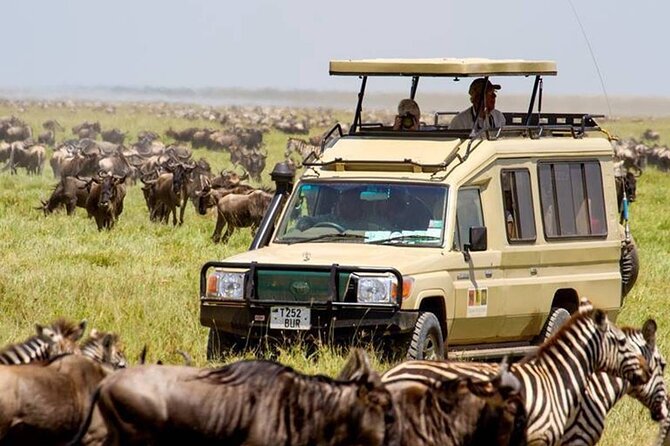
- Masai Mara game drives plus a Mara Savannah Masai Market start for an early dose of local culture.
- A true crater day at Ngorongoro, including a 2000 ft descent and crater picnic lunch by 4×4.
- Olduvai Gorge en route to Serengeti, a stop that adds context beyond just spotting animals.
- Smaller group size (max 7) which usually means more personal attention during drives.
- Budget-friendly sleeping with real practicality, including mosquito-net tents and flush-toilet camp nights in parts of the trip.
- Serengeti is marked free for admission in the schedule, which helps keep the overall cost down.
The Kenya to Tanzania route that makes time feel efficient
This safari is built around a simple idea: hit the parks that people travel across continents to visit, then connect them with drive days that also give you scenic breaks. You start in Nairobi and end back near the same meeting point, which makes it easier to plan flights without a complicated new-city finale.
The value comes from the “cluster” logic. Kenya gives you Masai Mara, Lake Nakuru, and Amboseli. Tanzania gives you Serengeti, Ngorongoro, Tarangire, and then an Arusha-area wildlife day. That means fewer travel surprises than doing one-off parks far apart.
The trade-off is driving hours. Days can run long, and you’ll spend most of each day in motion and out in the vehicle. That’s not a dealbreaker, but it shapes what you should pack and how you mentally prepare.
More safaris that cross into Tanzania:
- Ultimate 12 Days Private Safari Tour in Kenya and Tanzania
★ 5.0 · 60 reviews - 12 Days Best Of Kenya and Tanzania Safari – Luxury
★ 5.0 · 36 reviews - 12 Days Kenya and Tanzania Budget Private Safari from Nairobi
★ 5.0 · 28 reviews
Nairobi pickup, 7:30 start, and what a small group changes
You start in Nairobi at 7:30 am, with pickup offered from your hotel. It’s a private-transport, guided-drive style safari, and it runs with a maximum of 7 travelers, so you’re not stuck in a huge herd of safari vehicles.
That small group size matters. When you’re in a group that’s too large, sightings can feel rushed. With fewer people, your guide can typically adjust stops and keep the day flowing, especially during peak animal hours.
A practical detail: you’ll need passport information at booking (name, number, expiry, country). And since the tour uses mobile ticketing, have your confirmation accessible offline too, just in case.
Masai Mara and the Mara Savannah Masai Market, where your safari starts strong
Your first day blends safari and culture. You leave Nairobi for the Masai Mara Game Reserve, stopping at the Mara Savannah Masai Market along the way. You also pass viewpoints of the Great Rift Valley and go through Narok town for lunch, which helps break up the long day before your first game drive.
Once you arrive, you head into the bush for wildlife and bird-spotting with your driver/guide. This is the kind of start that sets expectations fast. Masai Mara is famous for action, but what you feel first is the birdlife and the constant movement of animals at different distances.
You sleep in camp tents with showers and flush toilets and mosquito nets in the fabric of the night setup. That’s a big comfort note for a budget safari. In the mornings and evenings, you’ll want a jacket, even in warmer months, because night air can cool down fast once you’re away from the city.
Day 2 inside Masai Mara National Reserve
Day two is another full day of game viewing in Masai Mara National Reserve. The reserve is known for good road and track networks, which means you spend more time in real viewing positions rather than just driving at the margins.
One of the standout moments is the picnic lunch at the hippo pool. You’re looking out for hippos and crocodiles from your lunch stop area, so it’s not just “drive and hope.” It’s a planned, safari-style hangout point with wildlife in your face.
Potential drawback: if you’re prone to motion sickness, keep that in mind. You’ll be on roads and tracks for long hours, and even a short ride can feel like a lot when you’re scanning non-stop.
More days out of Nairobi:
- Nairobi National Park Half-Day Tour; Free Wi-Fi connection
★ 5.0 · 878 reviews - Nairobi: National Park & Optional Elephants & Giraffe Center
★ 4.8 · 874 reviews - NAI NAMI: Nairobi Storytelling Tour with Street Children
★ 5.0 · 792 reviews - Nairobi National Park Half-Day Game Drive
★ 4.5 · 738 reviews
Lake Nakuru to Amboseli: flamingos, rhinos, and the Kilimanjaro view gamble
After Masai Mara, you head toward Lake Nakuru. The schedule includes an early pre-breakfast game drive, then breakfast and the drive out of the Mara region. On the road, you’ll get scenic views like Mount Longonot and Lake Naivasha from afar, which is a nice reminder you’re not just traveling through, you’re traveling through iconic country.
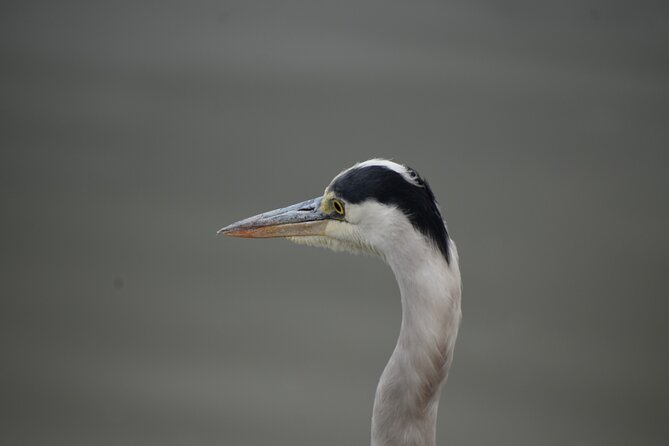
At Lake Nakuru, the focus is Big 5-adjacent wildlife viewing and birdlife. Then the route continues into Amboseli National Park.
Amboseli Day 4 and Day 5
Amboseli is where elephants and swampy bathing grounds come to the front. You’ll do day game drives that focus on plains game, antelopes, birds, and the constant elephant presence around water areas.
There’s also a conservation angle built into the park visit: a sanctuary for the conservation of white rhino is part of what the day is designed around. You might not always see every species every day, but the park has the systems in place for those possibilities.
Then there’s the Mount Kilimanjaro moment. The plan notes that you can see Kilimanjaro’s peak if weather conditions permit. Translation: don’t plan your whole trip around a single clear view, but do take photos when you get the chance, because visibility can shift quickly.
The Namanga border day and Arusha Village Experience timing reality
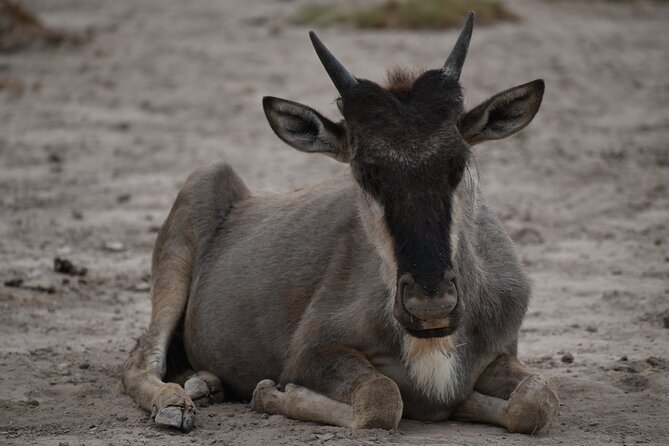
On day six, you do a final early game viewing push, then head toward the Namanga border point. The schedule mentions getting visas there and boarding a shuttle bus to Arusha. This part of the day is where you should be mentally flexible, because border processing depends on factors you can’t control.
You then drop off at an Arusha tourist inn booked on bed and breakfast. That’s a useful reset after camping-style nights. Even if the safari has been “budget,” this stop helps you regroup.
From there, the trip shifts into Tanzania’s park rhythm.
Lake Manyara afternoon game drive
Lake Manyara is an afternoon game drive. That time-of-day choice matters. You often see different animal behavior in afternoon light, and it can feel less exhausting than a full day with two long drives. You still get dinner and an overnight at a campsite.
Serengeti and Olduvai Gorge: classic plains, big cat energy
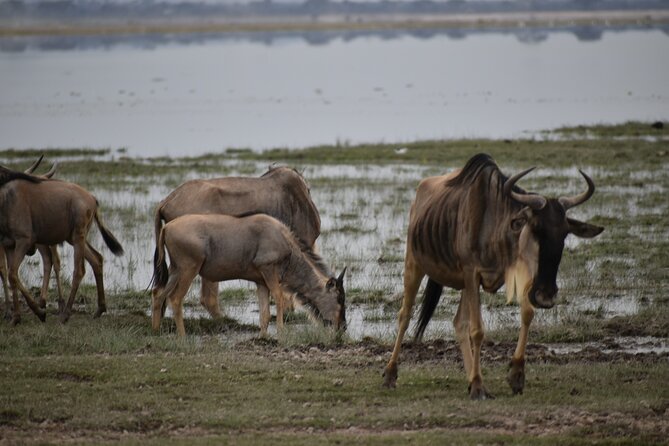
You move to Serengeti on day eight, with a stop at Olduvai Gorge along the way. Olduvai Gorge is described as the site connected to major fossil discoveries by the Leakey family, with human and animal ancestors dating back almost two million years. Even if you only spend a short time there, it adds a layer of meaning to the fact that you’re walking through a landscape that has supported life for ages.
Then it’s into Serengeti National Park with meals and overnight at a campsite.
Day 9: two game drives to catch what you missed
Day nine is a full day in the Serengeti plains with morning and afternoon game drives. The logic is smart: you’re not locked into one long search. If the first drive is quiet for a particular species, the second can make up for it.
You also get the kind of wildlife pacing safari lovers talk about, lions resting in view corridors and cheetahs using open spaces. You’re scanning nonstop, but the reward is that the plains can deliver surprises even if you already saw great animals earlier.
Practical consideration: Serengeti days can be long. Pack layers, protect your skin, and keep your water situation simple and consistent.
Ngorongoro crater day: the 2000 ft descent that changes your viewpoint
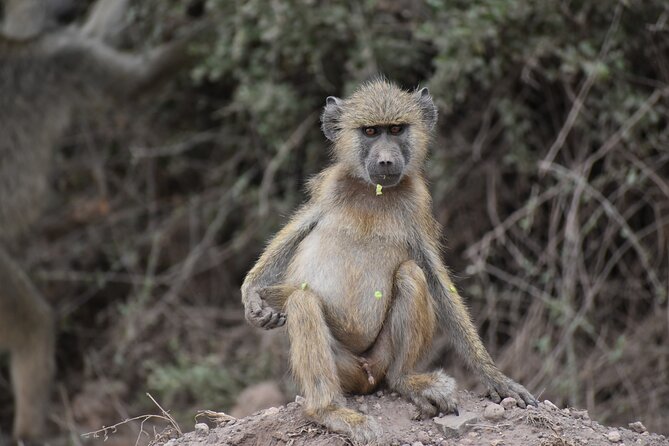
Ngorongoro Crater is the day you remember. You go down about 2000 ft by 4-wheel drive vehicle. That descent is the whole experience, because it changes how animals move and how you see them.
You also get a crater picnic lunch at the crater, which is a nice way to slow down without losing your viewing time. After lunch, you ascend back to the campsite.
This day is shorter than others at 6 hours, but it can feel intense because everything is concentrated. The guide is working the slopes and vantage points, so your photo time and scanning time are packed into a tight window.
Tarangire and the Arusha area finale: elephants, baobabs, and tree-climbing lions
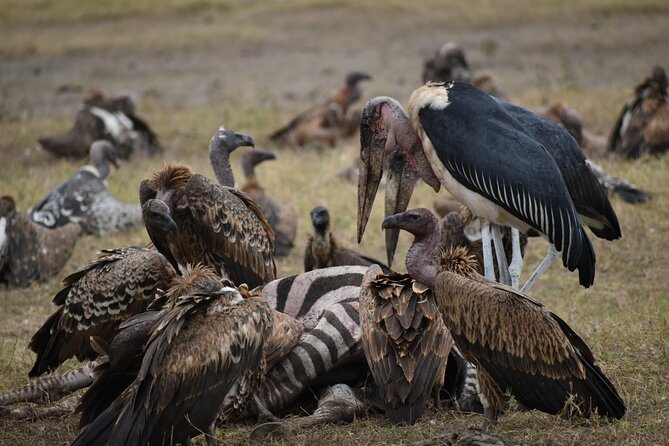
After Serengeti, you head to Tarangire National Park. The plan gives you time for a park drive, then dinner and overnight at a campsite.
Tarangire is known in this route for the mix of elephant-heavy scenes, birdlife, and scenery around the Tarangire River. You’re also set up for another Arusha Village Experience day afterward.
Day 12: Arusha Village Experience final game viewing
Day twelve is a final game viewing segment in the Arusha Village Experience. It’s described as famous for huge numbers of elephants, baobab trees, and tree-climbing lions. If you like unusual animal behavior, this is the day that can feel different from the standard open-plains routine.
The plan also emphasizes birdwatching. It notes more than 550 species, with dozen-like bird sightings even in the dry season. Yellow-collared Lovebirds are mentioned as a common sighting, and swamps are described as a focus for breeding birds. If you’re a bird person, this is where your patience pays off.
Then you drive back to Arusha for an overnight at a hotel.
Price, value, and what not to forget before you go
The price is listed at $3,895 per person for about 13 days. For a Kenya plus Tanzania Big 5 safari, that’s the kind of number that’s hard to ignore, especially because you get guided game drives and private transportation across multiple parks.
Where the value comes from:
- You cover major wildlife areas with guided drives rather than self-driving.
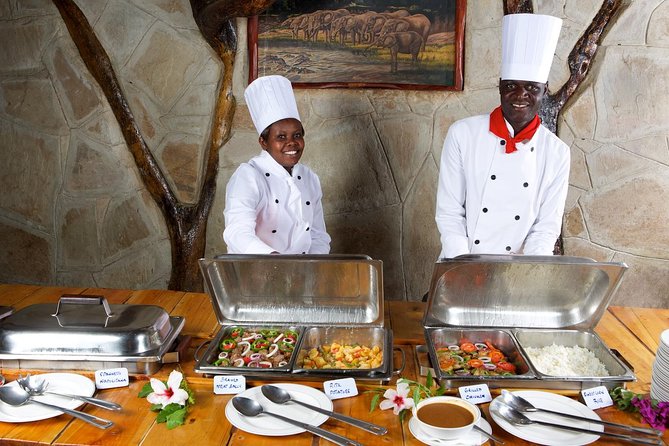
- You get included meals: lunches and dinners plus breakfast (11).
- The schedule shows admission ticket inclusion for multiple park days and marks Serengeti admission as free in the plan, which helps explain how the trip stays in a more budget-friendly band.
What can add cost on top:
- Alcohol is not included.
- Masai Village visit (USD 10 per person) is not included.
- Visas are not included.
- Tips and gratuities to the safari crew are not included.
My advice: budget for those “small” extras early. In safari country, daily add-ons can feel minor at checkout, but they can swing your trip total if you ignore them.
Comfort level: budget camps, mosquito nets, and rain flexibility
This trip is not pretending to be luxury. You’ll camp in tents at least in parts of the route, and you’ll also use a budget hotel for one night around Lake Nakuru. Still, some camp nights are described with real comfort touches, like flush toilets and showers with mosquito nets in Masai Mara.
Another comfort clue: the tour runs in all weather conditions, and you’re told to dress appropriately. That means you should plan for rain gear and warm layers, even if your calendar says dry season. Rain can also affect game drive timing, and flexibility can matter more than perfect schedules.
A reasonable expectation: if a safari truck needs repairs or weather slows roads, you may lose time. For your own peace of mind, build in a calm mindset. This is wildlife logistics, not a theme park ride.
Who should book this safari, and who should think twice
This safari fits best if you:
- Want a Big 5 route across both Kenya and Tanzania without doing separate trips.
- Like the idea of guided game drives and small-group attention (max 7).
- Are comfortable with moderate physical activity and long drive days.
- Want good value and can handle budget camping nights.
It may not be the best fit if you:
- Need a consistently high comfort level every night.
- Hate the idea of a border day where paperwork can take longer than expected.
- Want a slower pace with more downtime.
Solo travelers can work well on small group safaris, as long as you’re organized about meeting points and expectations.
Should you book this 13-day Kenya and Tanzania Budget Safari?
If your goal is wildlife time across Masai Mara, Serengeti, and Ngorongoro, and you want to keep the overall cost under control, I think this is a smart booking. You’re paying for the route and the game-drive structure, and the itinerary does a good job of stacking the biggest wildlife days with practical breaks.
Before you commit, make sure you’re comfortable with camping nights and the drive-heavy days. Also, read your personal budget checklist: visas, tips, Masai Village optional cost, and any alcohol. If you handle those up front, you’ll reduce stress and enjoy what you came for.
If that sounds like you, this Kenya plus Tanzania loop can be exactly the kind of classic safari trip that turns into a lifetime memory.
FAQ
What time does the safari start in Nairobi?
The tour starts at 7:30 am in Nairobi.
Is pickup from my Nairobi hotel included?
Yes, pickup is offered.
How many days is this safari?
It runs for about 13 days.
What is the maximum group size?
The tour has a maximum of 7 travelers.
Are meals included, or do I need to budget for food daily?
Meals are included in the plan: lunch and dinners are included, and breakfast is included for 11 days.
Is a Masai Village visit included?
No. The Masai Village visit is listed as USD 10 per person and is not included.
Are visas included?
No. Visas are not included.
What about park entry fees and admission tickets?
Admission is marked as included for several park days in the schedule, while Serengeti admission is marked as free in the plan.
What happens if I need to cancel?
Free cancellation is available. You can cancel up to 24 hours in advance for a full refund.
Is alcohol included?
No. Alcoholic drinks are available to purchase, but they are not included.
Recently reviewed from Nairobi
- Amboseli Day Trip from Nairobi★ 4.5 · 3 reviews
- Ngare Ndare Day Trip★ 5.0 · 3 reviews
- Nairobi city tour★ 4.5 · 3 reviews
- Day Trip To Crescent Island And Hells Gate National Park★ 5.0 · 3 reviews
- Crescent Island Day Tour From Nairobi★ 5.0 · 3 reviews
- 1-Day Amboseli Safari★ 5.0 · 3 reviews
- 13-Day Uganda Mgahinga Gorilla Trek, Maasai Amboseli Park★ 5.0 · 3 reviews
- 4 days group joining budget safari to Maasai Mara only★ 5.0 · 3 reviews
Kenya & Tanzania Safaris, compared.
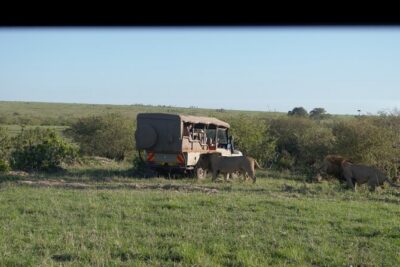
Ultimate 12 Days Private Safari Tour in Kenya and Tanzania
Read our review →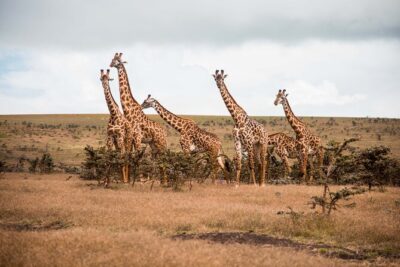
12 Days Best Of Kenya and Tanzania Safari – Luxury
Read our review →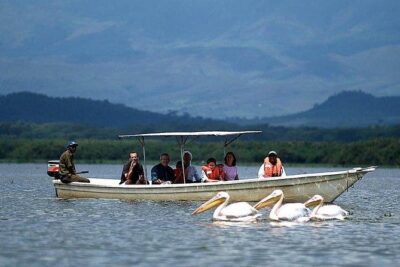
12 Days Kenya and Tanzania Budget Private Safari from Nairobi
Read our review →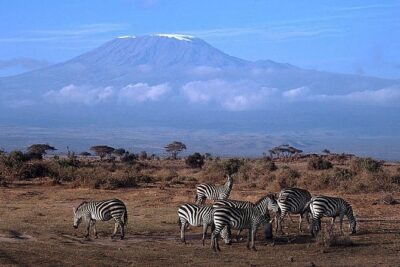
15 Days Classic Kenya & Tanzania + Zanzibar Beach Holiday
Read our review →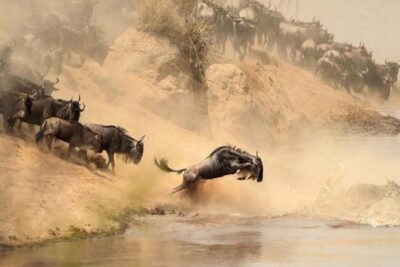
12 days Kenya and Tanzania safari private lodge from Nairobi
Read our review →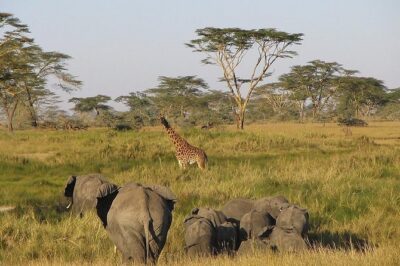
8 Days Best of Kenya and Tanzania Safari from Nairobi
Read our review →
14-Day Serengeti Maasai Mara Amboseli Tarangire Zanzibar
Read our review →
12 Days Kenya & Tanzania Safari Private Lodge Safari from Nairobi
Read our review →Browse the lists this tour appears in