

Reviewed · MOUNT KENYA
4 Days Mount Kenya Trekking
Climbing to Point Lenana (16,059 ft / 4,895 m) on Mount Kenya is the kind of trip that mixes big mountain effort with real payoff, sunrise views and all. I like that this one uses the Sirimon route, which works through clear terrain stages rather than feeling like a random slog, and I like that it’s set up so you can focus on walking instead of logistics. One drawback to plan for, though: the climb is genuinely demanding, and the camp nights can be brutally cold.
This is a small-group trek with a guide, plus three nights of mountain camp accommodation, meals, and hotel transfers. If you’re fit and ready for early starts, you’ll likely find it a strong, well-paced way to see how Mt. Kenya changes with altitude, from forest to moorland to the cold high zone.
Key highlights at a glance
- Small group size (max 3 travelers), which usually means less waiting and more attention from your team
- Sirimon Gate to Old Moses Camp (3300 m) sets you up with a smart first acclimatization day
- Shipton Camp at 4200 m keeps the altitude progression steady, with panoramic views at Mackinders Valley
- A 3am summit push gets you to Point Lenana around sunrise time, then you go back down fast
- 3 nights mountain camping with meals included, so you’re not figuring out food after long days
Why Point Lenana is worth the early starts
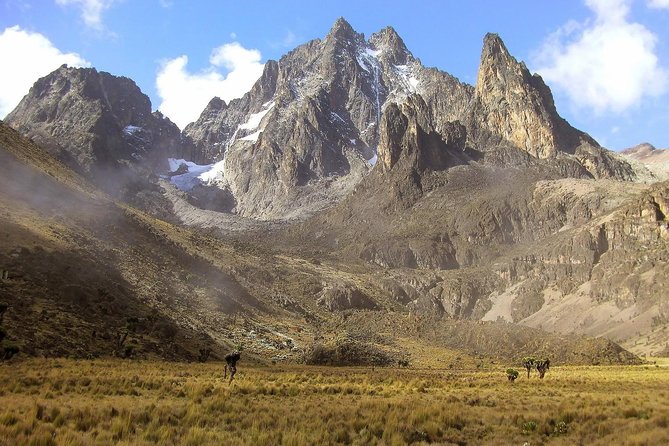
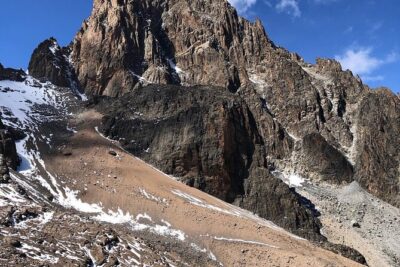
Mount Kenya’s three summit peaks are famous for good reason, but Point Lenana is often the headline for walkers who want a true high-altitude day without technical climbing. The goal here is clear, Point Lenana at 16,059 feet (4,895 meters). That number is not just trivia. It’s why your breathing changes, why your legs feel different, and why sunrise up top feels like a reward you can physically earn.
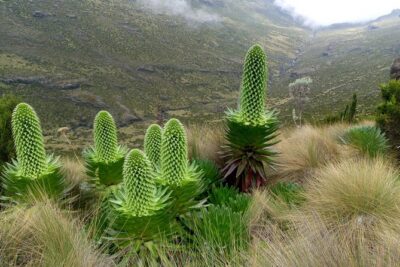
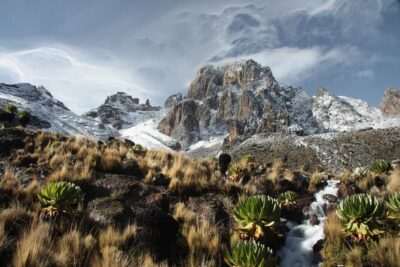
The route matters, too. You’re going up the Sirimon side, which is staged through montane forest and then opens into heath and moorland. In plain terms: the terrain changes, and those changes give your body a rhythm. You’re not just staring at the same path for four days. You’re moving through different altitude zones, seeing how the vegetation and the light shift as you climb.
The trip also gets you moving with a guide for safety and pacing. That’s especially helpful because high zones on Mt. Kenya come with cold air, fast weather shifts, and slippery sections when conditions are damp. If you’ve never done a high-altitude trek before, having experienced local support can turn the whole thing from stressful into manageable.
More on Mount Kenya:
- Climbing Mount Kenya 5 Days Via Chogoria Route
★ 5.0 · 44 reviews - Conquer Mt Kenya in 4 Days Sirimon to Chogoria Route Adventure
★ 5.0 · 16 reviews - 4-Day Mount Kenya Trekking with Pick Up
★ 5.0 · 14 reviews
Sirimon Route: the walk changes, the scenery follows
This trek follows the Sirimon route through multiple ecological zones. On Day 1 you start at Sirimon Gate (2,440 m) and work uphill through forest. After a few hours, you transition into heath land. That matters because forest can be damp and shaded, while heath land is more exposed to wind and cold. Your gear choices and clothing layers make more sense when you know the route is going to push you into open high ground.
By Day 2 you move into moorland. This is a big reason people enjoy Mt. Kenya treks, you often get that classic “above the clouds” feeling even before the summit. The itinerary also includes river crossings, Ontulili River and later the Liki North crossing, so you’ll want footwear that can handle wet rock and mud.
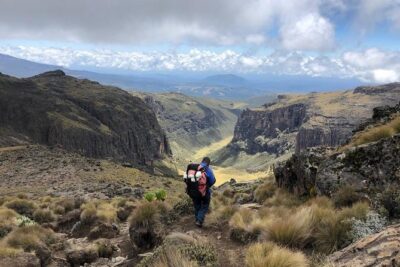
Then Day 4 reverses the story. After your last breakfast stop, you walk down through rainforest for about two hours to connect with your transport back to Nairobi. So the trek isn’t only about reaching the top. It’s also about experiencing what altitude does to the environment, and then sliding back down through a whole different feel of air and shade.
How the 4 days actually build your altitude comfort
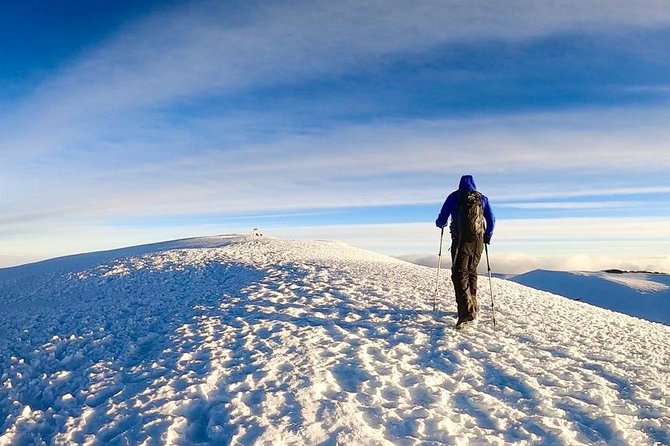
The schedule is designed around a common trek pattern, go up, sleep, adjust, go up again, then come down. You’re not doing a single long, punishing ascent with no recovery. Instead, you’re climbing in steps, which gives you time to adapt.
- Day 1 gets you from the forest zone up to Old Moses Camp (3,300 m). You’re not at summit altitude yet, so it’s a realistic first push.
- Day 2 goes higher to Shipton Camp (4,200 m), with a day that includes a meaningful panoramic payoff area at Mackinders Valley.
- Day 3 is the big one. You leave at 3am and reach Point Lenana around 6am. Then you descend back down, first to Shipton Camp for breakfast, then to Old Moses Camp for your final night.
- Day 4 is the wind-down day, a controlled descent through rainforest.
If you’re physically fit, this feels tough but fair. If you’re only “sort of fit,” the early start on Day 3 can be the moment that makes you question everything. You still might make it, but your pace and your breathing will matter. The guide is there to keep you moving safely, including through steep, stony ground.
Day 1: Nairobi to Sirimon Gate, forest climbing, and Old Moses Camp (3300 m)
The day starts early. You meet at 7:00 am, and on Day 1 you leave Nairobi at 7:30 am. The drive takes about four hours to Nanyuki town for lunch. That lunch stop is practical, because trekking days do not forgive an empty tank.
After lunch you continue to Sirimon Gate, around one hour, arriving at 2,440 m. From the gate you start climbing along a track that winds uphill through forest. Roughly three hours into the ascent, the forest shifts and becomes heath land. That gradual change is a big help mentally, you’re not thrown into cold exposure immediately.
About 3.5 hours from the gate, the itinerary reaches Old Moses Camp at 3,300 m, where you’ll have dinner and sleep. This first camp night is your acclimatization moment, even if you don’t call it that. Your body is learning how cold air feels at altitude, and your legs are learning how step rhythm works when you’re going uphill most of the day.
A quick practical note: at this altitude, the air can feel dry and cold even if you don’t see dramatic weather changes. Keep water in your plan, and remember that taking breaks is not quitting. It’s how you make the later summit morning possible.
More Hiking in Mombasa:
- Shimba Hills Day Safari & Sheldrick Falls Hike Private Tour
★ 4.5 · 21 reviews - Shimba Hills: Game Drive, Waterfall Hike, and Lunch
★ 4.8 · 9 reviews - Private Hiking Day Trip to Mt. Longonot from Nairobi
★ 5.0 · 58 reviews - NAIROBI:Ngong Hills Day Hike,Group Tour
★ 4.9 · 26 reviews
Day 2: Ontulili River, moorland walking, Mackinders Valley views, Shipton Camp (4200 m)
After breakfast, you head uphill again. There’s a key navigation moment: after about one hour from Old Moses Camp, the track forks left at the junction. Shortly after, you cross Ontulili River. After that, you go right and contour through moorland.
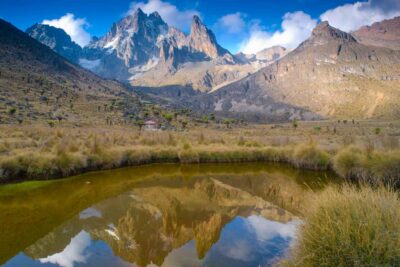
This day is a mix of effort and “slow down, take it in” moments. The itinerary continues uphill and includes crossing Liki North before reaching Mackinders Valley, where you get panoramic views up the valley toward the main peaks. That view is a mental deposit for what comes next. It’s not the summit, but it reminds you what you’re working toward.
Later you arrive for dinner and overnight at Shipton Camp (4,200 m). This is a step up from Old Moses. If you’re sensitive to altitude, you might feel it most at night. The campsite setting also tends to make cold creep in faster, so plan layers with the camp temperature in mind, not just daytime conditions.
This is also the day where good support makes a difference. Having a guide and a cook and porters working as a coordinated team means you can focus on walking instead of worrying about where your next meal comes from or how to carry everything. In the experience notes, people highlight how pleasant and knowledgeable the team members were, including cooks and able porters.
Day 3: the 3am climb to Point Lenana, sunrise, then down to Old Moses
Day 3 starts at 3am, and you’ll feel that in your body even before the climb. You head uphill over steep stony ground that cuts through a cliff clearing that is visible in the lower section. It’s still a walking trek, not technical mountaineering, but the surface can be rough enough that you’ll want trekking poles or at least a steady stride.
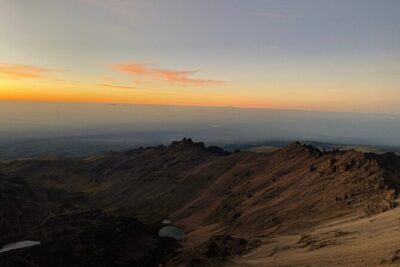
You reach Point Lenana around 6am, roughly a three-hour ascent from your departure time. After sunrise, the important part is what happens next: you descend to Shipton Camp for breakfast, about two hours. Then you continue descending for around four hours down to Old Moses Camp for dinner and overnight.
That descent pattern is a huge value. A lot of people picture summit day as a single moment, but Mt. Kenya summit days are about the whole arc, get up early, hit the summit, then come down efficiently while your legs still have some strength. By the time you settle back at Old Moses Camp, you’ve finished the hardest altitude day of the itinerary.
If you get a summit day with clear visibility, you’ll likely remember the light the most. High points have a way of stripping the noise out of the landscape, and you see why the climb is worth it.
Day 4: rainforest descent and return toward Nairobi
You wake up at Old Moses Camp after your final night. After breakfast, you walk down through rainforest for about two hours, connecting with your transport vehicle back to Nairobi.
This day is shorter by design, and you’ll appreciate it if your legs feel it. The rainforest descent also gives you a noticeable shift in air temperature and humidity compared to the high zones. It’s a smooth landing back into “normal” walking, even though your calves may still complain.
Your trekking trip ends when you link back to the vehicle. From there it’s back toward Nairobi, where the hard part is done and the trip transitions into simple recovery.
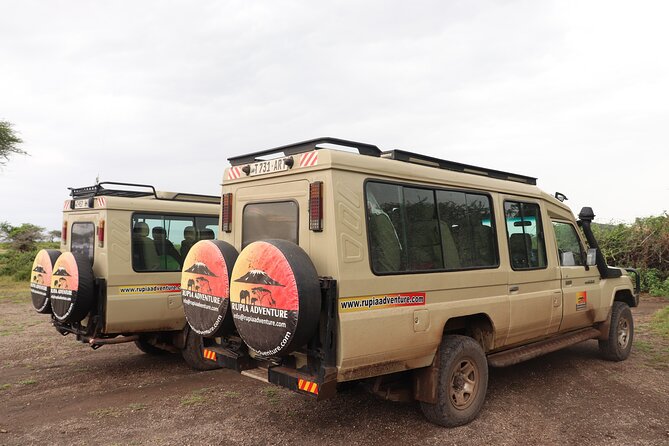
Small group trekking with Rupia Adventure: safety and support you can feel
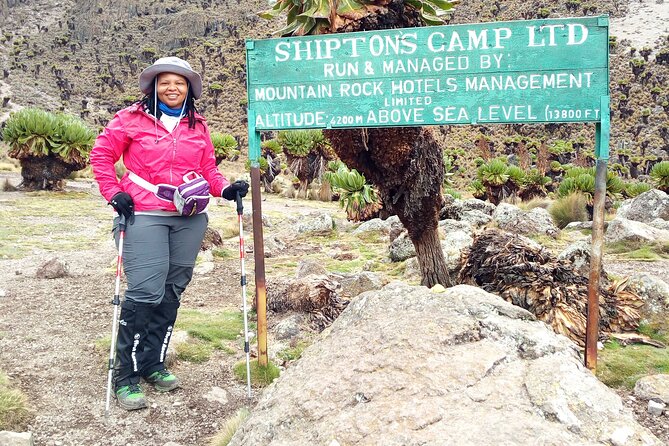
This trek runs with a maximum of 3 travelers, which keeps the experience from feeling crowded or slow. With fewer people, your guide can actually manage pacing and spacing on narrow sections or steeper ground. You also get quicker answers to questions, and it’s easier to adjust your pace if someone needs a slower rhythm.
The guide component is a big deal on Mt. Kenya. The itinerary assumes you’ll move safely through multiple zones, including river crossings and early-dark starts. Having a guide helps you stay on track and manage energy through the steep parts.
One name that comes up in experience notes is Michael, described as strong and willing to share information about Mt. Kenya and even local names. That kind of guidance can make the hike feel less like a checklist. It becomes a conversation with the mountain and the region, not just a timed ascent.
Also, the team side matters. Notes highlight that the cook and porters were pleasant and knowledgeable and that everything felt well taken care of. That translates on the ground into practical comfort, clean meals at the right times, and less gear chaos when you’re tired.
Is $800 a fair price for a 4-day Lenana trek?
At $800 per person, you’re paying for more than a guide and a route. This price is positioned to cover the full trekking package: hotel transfers, pickup offered, mountain camp accommodation for three nights, meals during the trek, and the trek support team.
For many walkers, the value is in what you don’t have to organize yourself. High-altitude treks are where small logistical gaps become big stress, especially when you’re dealing with cold camps and early summit hours. Here, the structure is already set, and you’re paying for that.
It also helps that it’s not a huge group. With a max of three travelers, the support ratio feels more personal. That kind of attention can be worth it if you’re the type who wants to ask questions without feeling rushed.
If you compare cost to a DIY attempt, the difference is usually clear. DIY requires you to line up transport, guides, porters, meals, and camp logistics. That’s time and risk, and both are hard to price fairly. With this kind of packaged trek, you’re buying the certainty that the plan runs, and you can focus on the walking.
What to pack and how to handle cold camp nights
The itinerary tells you the elevations and the timing, which is enough to infer the main challenge: cold, especially at camp and at sunrise. Experience notes call out that nights at the camps stay very cold, and that you should bring equipment suited to that.
So think in layers. Bring something warm enough for low temperatures at altitude, plus a windproof layer. You’ll be moving and then sitting still at the wrong time of day, and the cold can sneak in. Your Day 3 summit push at 3am also means you may start in near-dark temperatures.
Footwear is also key. You’ll be walking on stony ground and wet crossings. Choose shoes or boots that already feel broken in. If you plan to use trekking poles, practice with them on uneven ground at home first, so they feel natural.
Finally, don’t under-plan your water and snacks. Even with meals included, you’ll want small additions for energy during the long walking stretches, especially on Day 2 and Day 3.
The main tradeoffs to know before you book
This is a “challenging but accessible” trek for people who are physically fit. That phrase matters. You’re not doing a gentle nature walk. The climb to Point Lenana and the early 3am departure means you should train for steady uphill walking, plus a tolerance for cold and rough footing.
The second tradeoff is time and energy. Four days sounds short until you’re at 4,200 m sleeping and then waking up again at high elevation. It’s doable, but it’s not passive. You’ll work.
On the upside, the itinerary is paced with intentional sleep points and a summit-day plan that includes breakfast after reaching Shipton Camp. That structure supports success.
Weather also plays a role. The experience requires good weather, and if conditions are poor, you’ll be offered a different date or a full refund. So you’re not signing up for a guaranteed clear-sky summit no matter what. You are signing up for a trip that follows the mountain’s rules.
Should you book this Mt Kenya trek?
Book it if you want a guided, well-organized route up to Point Lenana, and you’re comfortable with a real hiking challenge plus cold camp nights. The Sirimon route staging through forest, heath land, and moorland is a smart way to experience Mt. Kenya’s altitude changes without needing technical skills.
I would not book it if you’re looking for an easy hike, a warm-weather getaway, or a trip with lots of downtime. Day 3 starts at 3am, and the trek has steep, stony sections and multiple altitude sleep points.
If you match the fitness level and you pack for the cold, this is a strong value way to see one of Africa’s big mountains up close, with support that keeps the logistics out of your head and on your guide’s map.
FAQ
What is the highest point you reach on this trek?
You trek to Point Lenana, which is listed at 16,059 feet (4,895 meters).
How long is the Mount Kenya trek?
The trek is 4 days (approximately).
What route is used to reach Point Lenana?
The itinerary follows the Sirimon route.
What is included in the price?
The package includes hotel transfers, three nights’ mountain camp accommodation, meals, and guide support. Pickup is also offered, and you receive a mobile ticket.
How many people are in the group?
The maximum group size is 3 travelers.
What is the cancellation policy?
You can cancel for a full refund up to 24 hours before the experience’s start time. If you cancel less than 24 hours in advance, the amount paid is not refunded.
Recently reviewed from Mombasa
- Overnight Safari Tour to Saltlick Lodge from Mombasa★ 5.0 · 3 reviews
- 2-Day Ultimate game viewing at Tsavo East National Park★ 5.0 · 3 reviews
- Private Mombasa City Tour Watamu Diani and Malindi★ 4.0 · 4 reviews
- Tsavo East National Park: 2-Day Tour from Mombasa★ 3.9 · 5 reviews
- Half day Mombasa City Tour★ 3.0 · 11 reviews
- Wasini Island: Dolphin Spotting & Snorkel at Kisite Mpunguti★ 4.0 · 42 reviews
- Walking Tour Through Old Town Mombasa and Fort Jesus★ 5.0 · 393 reviews
- Watamu Marine Park & Sudi Island Mangrove Forest Canoe Ride.With sea food lunch★ 4.5 · 31 reviews
Mount Kenya, compared.
Conquer Mt Kenya in 4 Days Sirimon to Chogoria Route Adventure
Read our review →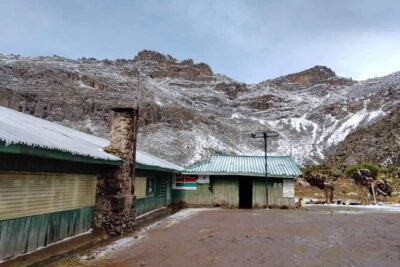
5 Days Mount Kenya Climbing Via Chogoria Sirimone Route
Read our review →
Browse the lists this tour appears in