
Reviewed · MOUNT KENYA
Mount Kenya Trek
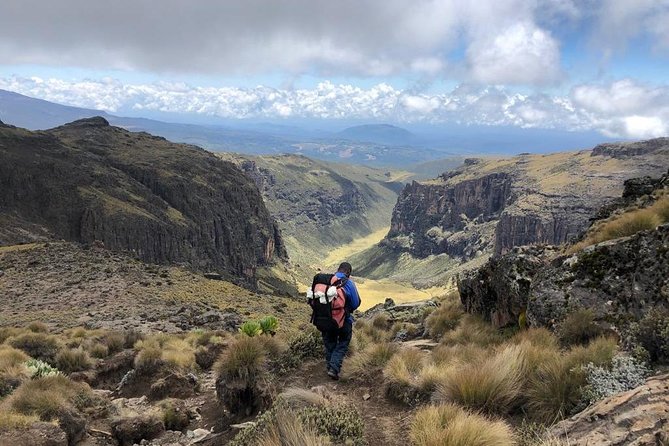
Mount Kenya is one of those hikes that feels both wild and well guided, with forests giving way to heath land and then big summit views. The route is paced for altitude, so you are not just grinding uphill, you are also learning how your body handles height. Mount Kenya plus camps like Shipton Camp makes it a classic, value-driven trek.
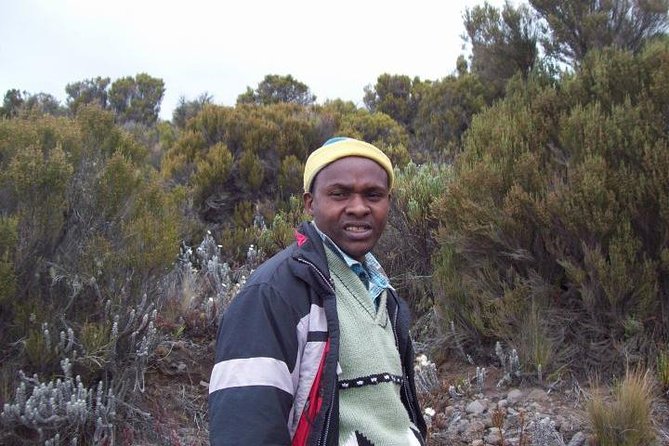
I especially liked the human side of this trip. You get great guides (Michael and Petersen are named often, and chef Steven shows up in the food story), and the team keeps things steady and friendly. I also love that meals can include vegan options, so you are not stuck guessing what works for you on the trail.
The main drawback is physical effort, especially the early morning push. Day 4 starts with a 3am climb up steep, stony ground toward Lenana, and you will want to be ready for cold air, uneven footing, and a fast start. Moderate fitness is the baseline, not a slogan.
Key highlights you will actually feel on the trek
- Guides who manage the pace, keep you safe, and explain what you are looking at
- Smart acclimatization, including a walk to Kami Hut and the Hauseberg Lakes
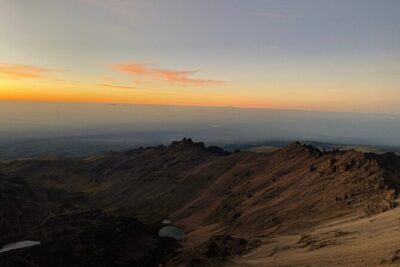
- Sunrise timing at Lenana after a 3am start, with a clear plan for the day
- Included admission tickets and organized camp nights at set elevations
- Food support from the kitchen team, with examples of vegan meals on past trips
- Small group size, capped at 12 travelers for a more manageable rhythm
From Nairobi to Sirimon Gate: the part where the mountain starts working on you
Your day starts with an 8:00 am departure from Nairobi, with the drive to Nanyuki taking about four hours. You stop in Nanyuki for lunch, then continue toward the trailhead. From there it is about an hour to Sirimon Gate, starting at 2,440 m.
This is a good setup for two reasons. First, you get a real head start before the mountain changes its mind with weather. Second, that first day gives you time to ease in rather than starting the hike like a race. You begin by following a track that winds uphill through forest, then slowly transitions to heath land after about three hours.
Eventually the trail veers right to Judmier Camp at 3,300 m for dinner and overnight. Day 1 is a mix of steady climbing and forest walking, and it is long enough to get your rhythm but not so aggressive that you are cooked before acclimatization even begins. If you get easily frustrated by slow-moving uphill tracks, keep your expectations realistic: this is about building legs, not breaking records.
Two practical notes: you will want shoes with real grip because the ground can change through the day, and you should plan on feeling the altitude as the afternoon progresses, even before Day 2 gets serious.
More Hiking in Nairobi
- Private Hiking Day Trip to Mt. Longonot from Nairobi
★ 5.0 · 58 reviews - Private Half Day Hike to Ngong Hills from Nairobi
★ 5.0 · 20 reviews - Mt Longonot National park Day Hike
★ 4.9 · 18 reviews
Day 2’s climb to Shipton Camp: Moorland, river crossings, and big valley views
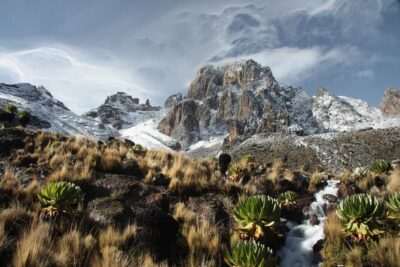
After breakfast, you go uphill again. The route forks left at a junction, then about an hour later you cross the Ontulili River. You then go right and contour through moorland, crossing Liki North along the way.
This section is where I think the trip earns its reputation as more than just a workout. You are moving from sheltered forest into open terrain, and that shift usually means more wind, more exposure, and more wide-open views. The hiking continues up until Mackinders Valley, a key viewpoint toward the main peaks.
Dinner and overnight are at Shipton Camp, 4,200 m. That is a big altitude jump from the day’s earlier points, and you will feel it when you stop for the evening. This camp night is useful because it keeps you high enough to acclimatize, without jumping straight from the gate to the highest elevations.
What you should watch for on Day 2 is your effort level. If you charge uphill, altitude will punish you. If you go steady, drink when you can, and keep breathing controlled, you will arrive in a much better mood at Shipton Camp.
Also, bring layers you can add quickly. Open moorland walking often means sudden temperature drops once the sun shifts.
Acclimatization day to Kami Hut and the Hauseberg Lakes: smart hiking, not wasted hiking
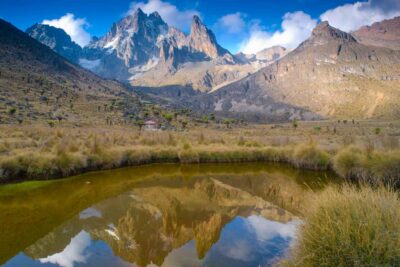
Day 3 is built for acclimatization, and you should treat it like part of the goal, not a rest day you try to shorten. You walk toward Kami Hut, then down to the Hauseberg Lakes, including Hauseberg Tarn and Nanyuki Tarn.
This is a classic altitude strategy. You gain and lose elevation in a way that helps your body adapt. You also get scenery, so it does not feel like a chore. Then you walk back to Shipton for dinner and overnight.
What you will like about this day is the balance. You are not stuck sitting in camp all day, and you are not constantly summiting either. Instead, you are practicing the rhythm you will need later: climb without sprinting, take breaks when your body asks, and keep your focus on steady movement.
A small tip: use this day to test your footing. If you still feel a hotspot in your boot or a blister starting, fix it now, not on the summit morning.
If you are sensitive to altitude, you will likely appreciate that the trip is not trying to rush you through the hard biology. That is what makes the later sunrise push feel like it was planned for you, not forced on you.
The 3am Lenana push: sunrise timing, steep ground, and the payoff
Day 4 is the iconic mountain day. You leave at 3:00 am to start a steep climb up a stony quarry that cuts through a cliff area with visible sections toward the lower Hall Tarns. The plan gets you to Lenana at about 6:30 am, arriving in time for sunrise.
The ascent is about three hours, and it is the part of the trek where you will most feel uneven footing under load. This is not a smooth trail stroll. You need careful steps, trekking poles if you use them, and a pace that stays calm even when you are cold and tired.
After sunrise, you descend to Mintos Hut for breakfast. Then you continue down several hours to Mount Meru Bandas at 2,950 m for dinner and overnight.
This day has two different moods. The climb is intense and quiet in that pre-dawn way where everyone is focused on the next step. Then the morning light shifts everything, and you switch from surviving the trail to enjoying what you earned.
For practical planning, recognize this is the hardest day, by far. If your goal is Lenana, your best strategy is to protect your energy earlier. Do not overdo it on Day 2, and do not treat Day 3 as optional.
Also, pack warm layers. Even if the day looks sunny, the summit push begins in darkness, and cold hits hard at these elevations.
More on Mount Kenya:
- Climbing Mount Kenya 5 Days Via Chogoria Route
★ 5.0 · 44 reviews - Conquer Mt Kenya in 4 Days Sirimon to Chogoria Route Adventure
★ 5.0 · 16 reviews - 4-Day Mount Kenya Trekking with Pick Up
★ 5.0 · 14 reviews - Mt Kenya: Full-day hiking tour from Nairobi
★ 4.2 · 10 reviews
Day 5 back toward Chogoria: a long descent and the comfort of the transfer
On Day 5, you descend for about 2 hours over roughly 15 km to a forest clearance. From there, you catch a 4×4 transfer vehicle to Chogoria Village. At Chogoria, you connect with your transfer vehicle back to Nairobi.
You are going from high, alpine terrain to forest and then to town logistics. The descent is long, so your knees and feet will do the work here. This is not the day to expect your legs to feel fresh. Think of it as controlled recovery through movement.
The schedule includes breakfast and lunch on the final day. After lunch, the main focus becomes getting you back comfortably rather than squeezing in more hiking.
I like that the trip ends with a clear cut from trail to vehicle, because it reduces the stress of last-minute transport surprises. You know where you are heading, and you know when the switch from hiking to driving happens.
Price and what $840 buys you in real trekking value
At $840 per person, you are paying for more than “a guide and a trail.” This cost reflects organized camp nights, structured daily routes, and included admission tickets. Those park fees matter, because they are a direct cost that you would otherwise have to handle yourself or through a separate booking.
You are also paying for planning that protects the trek’s success. The itinerary includes acclimatization and a summit day that is timed for sunrise. That kind of scheduling usually costs effort behind the scenes, and it shows when the day feels manageable rather than chaotic.
A couple added value points: pickup is offered, and you receive a mobile ticket. The group size is capped at 12 travelers, which usually means less crowding in critical moments like narrow trail sections and camp areas.
Is it the cheapest way to hike Mount Kenya? Probably not. But it is solid value if you want an organized route, reliable support, and a team that handles the details so you can focus on moving and enjoying the mountain.
Guides, camp life, and the small details that change everything
One of the strongest parts of this trek is the people. The guides are described as dedicated, knowledgeable, hospitable, and genuinely friendly, and specific guide names come up repeatedly, including Michael, Peterson, and Julius Kinuthia. When you have this kind of team, you feel it in two ways: safety and pace.
Safety is not just about avoiding accidents. It is also about managing effort, keeping track of where everyone is, and making sure you have the right plan for each altitude change. Pace matters too, because Mount Kenya punishes ego. A good guide makes you go slower when you think you should go faster.
Chef support also matters, and this team has been praised for vegan meals as well as solid cooking overall. On a tough trek, food is not a side quest. It is fuel for your decision-making, your sleep, and your recovery.
I also appreciate that communication has been described as efficient, and that COVID protocols were observed without stopping the trek from being enjoyable. Even if you do not care about protocols as a topic, it signals that the operator runs with a plan and takes logistics seriously.
What to pack for Mt Kenya: the “boring” items that save your trek
You can dream about views, but your comfort will come down to basics. Based on feedback like the need for waterproof shoes and notes about partly swampy areas, treat mud and wet ground as a real possibility, not a rare event.
Bring:
- Waterproof or highly water-resistant hiking shoes, with good traction
- Warm layers for the 3am start on Day 4
- A rain layer, even if the forecast looks fine
- Socks you can change if you get wet
- A daypack for water and layers during the steep sections
Because the hike includes open moorland and early mornings, you will likely want a hat or hood, and gloves if you run cold. The plan is active every day, so make sure your clothing can handle repeated use.
If you have trekking poles, they can help on uneven stony ground, especially on the early steep ascent and the later descent.
Who this trek is best for, and who should think twice
This tour is aimed at people with moderate physical fitness. If you can handle long days of uphill walking, uneven footing, and high-altitude fatigue, you are in the right zone.
It is also a good choice if you like structured days with clear goals: a forest-to-heath transition early on, a viewpoints day, an acclimatization loop to lakes, then a scheduled sunrise push to Lenana.
If you hate early starts, this may test your patience. Day 4 begins at 3am, and the climb is steep and stony. If you do not handle darkness well or you struggle with steep technical ground, consider whether another Mt Kenya route with a later summit attempt would suit you better.
Should you book the Mount Kenya Trek?
If your idea of a great trip is a serious mountain experience run by a team that keeps things friendly and organized, I think this trek is worth strong consideration. The big positives are the guides, including names like Michael, Peterson, and Julius Kinuthia, and the fact that the route includes real acclimatization and a sunrise-focused summit plan. Add to that reliable camp support and the comfort of included admission tickets, and you have a package that feels built for success.
I would book if you:
- want sunrise at Lenana as a clear goal
- can handle steep uphill days and long descents
- appreciate a small group set-up (up to 12 people)
- want food support, including the possibility of vegan meals
I might think twice if you:
- are not comfortable with an early 3am start and stony steep climbing
- expect a mostly easy walk with minimal effort
FAQ
How long is the Mount Kenya Trek?
The trek is 5 days (approx.).
What time does the trip start on the first day?
You leave Nairobi at 8:00 AM on Day 1.
Is pickup offered, and how do I get back to Nairobi?
Pickup is offered, and on the final day you descend to forest clearance, take a 4×4 transfer to Chogoria Village, then connect with your transfer back to Nairobi.
Are admission tickets included?
Yes. Admission ticket(s) are included for the trek days listed.
What fitness level do I need?
The tour requires moderate physical fitness.
How big is the group?
The trek has a maximum of 12 travelers.
What is the cancellation policy for a full refund?
You can cancel for a full refund if you cancel at least 24 hours before the experience’s start time. If you cancel less than 24 hours in advance, the paid amount is not refunded.
Recently reviewed from Nairobi
- Amboseli Day Trip from Nairobi★ 4.5 · 3 reviews
- Ngare Ndare Day Trip★ 5.0 · 3 reviews
- Nairobi city tour★ 4.5 · 3 reviews
- Day Trip To Crescent Island And Hells Gate National Park★ 5.0 · 3 reviews
- Crescent Island Day Tour From Nairobi★ 5.0 · 3 reviews
- 1-Day Amboseli Safari★ 5.0 · 3 reviews
- 13-Day Uganda Mgahinga Gorilla Trek, Maasai Amboseli Park★ 5.0 · 3 reviews
- 4 days group joining budget safari to Maasai Mara only★ 5.0 · 3 reviews
Mount Kenya, compared.
Conquer Mt Kenya in 4 Days Sirimon to Chogoria Route Adventure
Read our review →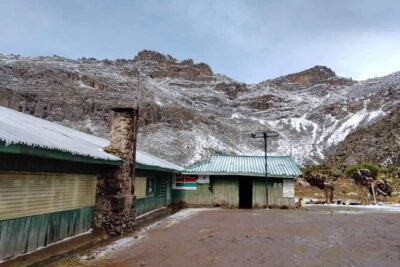
5 Days Mount Kenya Climbing Via Chogoria Sirimone Route
Read our review →

Browse the lists this tour appears in