Reviewed · NAIROBI TOURS
Cook and enjoy African meals with Moreen
Kenyan food hits different when you start with the market and end at a real home table. This experience led by Moreen Imari gives you that full-circle feeling, from choosing ingredients to cooking, then eating together in a homely setting. What I like most is the lively, welcoming vibe and the chance to learn how familiar dishes get built, step by step.
One thing to consider: this is not designed for limited mobility. The experience notes it is not suitable for wheelchair users or people with mobility impairments, and there are age cutoffs as well, so plan accordingly if you need an easier, lower-step setup.
Key highlights from this Moreen cooking day
- Start at a Nairobi meeting point, then head to the local market to pick what you’ll cook
- Shop for your ingredients yourself, with guidance while you learn what matters and why
- Cook at Moreen’s home with a hands-on lesson plus some history about the food
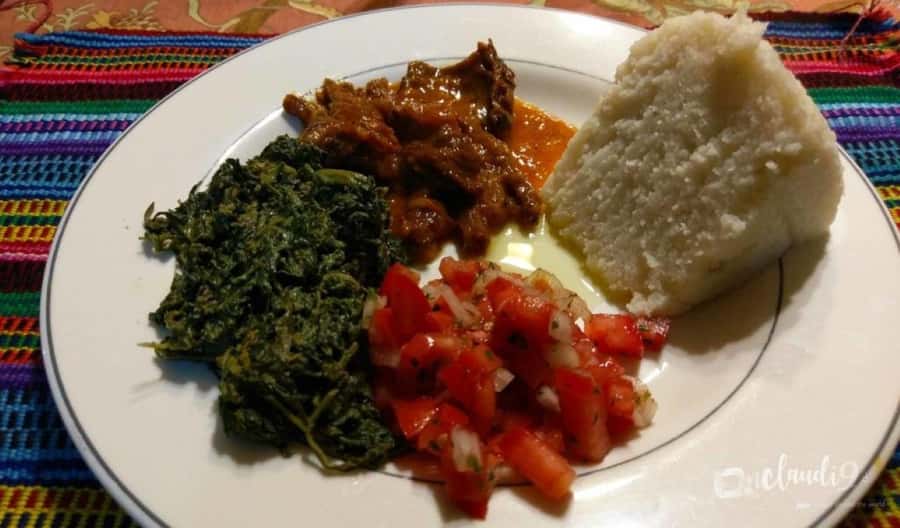
- Try classic Kenyan dishes like ugali, pilau, sukuma wiki, and chapati
- Eat together as a family-style meal, not a quick service in a restaurant
- Get included refreshment with soda, fruits, and water during the session
Why this Moreen-led market and cooking day feels personal

A lot of cooking classes stop at the counter. This one starts where the food is actually chosen, at a local market near Nairobi. That simple change matters, because you begin learning with your hands, not just your ears.
I also love how Moreen’s home environment changes the energy. It feels like you’re being hosted, not processed, and the whole family presence makes the day feel relaxed and human. You also get a clear sense that the lessons are practical, not performative.
If you prefer a quiet, sit-and-watch experience, expect to be more involved. You may help with prep and cooking, and the market stop means you’ll be walking and looking closely at ingredients.
More days out of Nairobi:
- Nairobi National Park Half-Day Tour; Free Wi-Fi connection
★ 5.0 · 878 reviews - Nairobi: National Park & Optional Elephants & Giraffe Center
★ 4.8 · 874 reviews - NAI NAMI: Nairobi Storytelling Tour with Street Children
★ 5.0 · 792 reviews
From central Nairobi to Kayole market: picking your ingredients that become your meal
The day typically begins at a central Nairobi meeting point with Moreen, then you go by car to a local market area in Nairobi’s Kayole district. That car ride is where you get oriented, but the real show starts once you arrive and start choosing ingredients for the meal you’ll cook.
At the market, you select fresh produce based on what you want to prepare later. This is one of the best ways to understand Kenyan cooking, because many dishes depend on the quality and freshness of specific items, like greens and staples. You also get a real sense of everyday food shopping, which beats trying to “guess” flavors later in a kitchen.
Practical note: the market experience is hands-on, so wear comfortable shoes and expect uneven ground. You’ll also want to be ready with cash or whatever your guide uses if anything extra comes up, even though the activity itself includes the cooking lesson and meal.
Market-to-home travel: what to expect between stops

After the shopping, you drive from the market to Moreen’s house to begin cooking. The travel segment matters because it turns the day from a walking tour into a full home cooking block.
Transportation is not listed as included, so you should plan how you’ll reach the meet-up location. Once the day begins, the itinerary includes car travel between the stops, but you should still treat getting to the meeting point as your responsibility.
This also helps you budget. You’ll spend the day on the full experience itself, but you’ll still need to think about your local transport to get there in the first place.
Cooking in a real home: hands-on lessons and the history behind ingredients
The cooking portion happens at Moreen’s home, and the vibe is important. Instead of a studio kitchen where everything feels distant, you cook in a homey space where people live with the food every day. That makes learning easier because you can ask practical questions without feeling like you’re on display.
Moreen guides you through preparation and cooking, and she shares history about the food while you work. That mix of story and technique helps you remember what you’re doing. You’re not just following steps, you’re learning what each ingredient contributes.
You can also expect interaction during prep. The experience is set up so you can help with cooking whenever you want, which is a big part of why this feels memorable. If you’re the type who learns better by doing, this will suit you.
A different day out of Nairobi:
- Nairobi National Park Half-Day Game Drive
★ 4.5 · 738 reviews - Nairobi: Historic and Modern Highlights Walking Tour
★ 4.8 · 703 reviews - Safari Tour; Nairobi National Park
★ 4.5 · 594 reviews - 3 Days Masai Mara Group Joining
★ 5.0 · 486 reviews
The menu you can expect: ugali, pilau, sukuma wiki, chapati
The exact menu can vary based on what you select, but the day commonly includes a mix of classic Kenyan dishes. Based on the dishes prepared in this experience, you can expect a combination like:
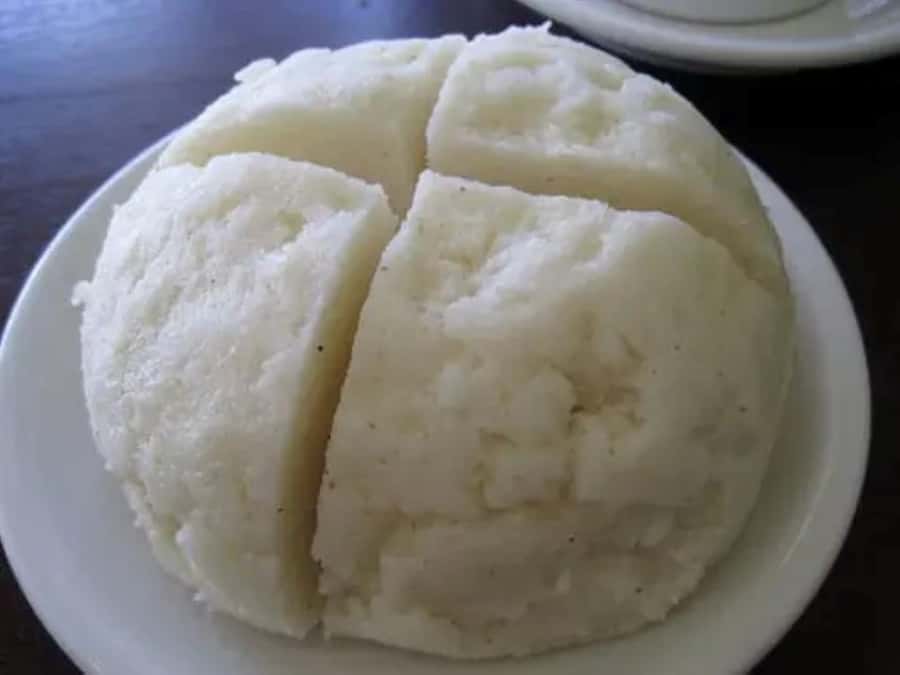
- Ugali: a staple that anchors the meal
- Pilau: a flavorful rice dish with its own rhythm and spice profile
- Sukuma wiki: leafy greens cooked with seasoning
- Chapati: a flatbread that rounds things out
Why this lineup works: it gives you variety in textures and flavors, not just one-heavy dish. Ugali brings the sturdy base, sukuma wiki adds green depth, pilau offers aromatic rice comfort, and chapati gives you something to scoop and pair.
Also, the host is happy to accommodate special requests for the meal. That does not mean every dietary need is guaranteed, but it does mean you should communicate clearly about what you want adjusted. If you’re sensitive to spice or have a preference in how food is handled, ask early.
Eating at the table like you belong: family-style dining that changes the tone
This isn’t a quick plate-and-run situation. After cooking, you share the meal together at the dining table in the home. That family-style setting is a big reason the experience earns top marks, because it turns food into conversation.
I like meals like this because they naturally slow you down. You’ll taste what you made with context, and you’ll understand how the dishes work together. It’s also easier to ask follow-up questions once you’re actually sitting to eat.
If you want to go beyond “I ate Kenyan food,” this is the difference. You’ll know what you put in the pot and why, which makes the flavors stick long after the last bite.
What’s included for $59 per person, and how it stacks up
At $59 per person, the value comes from three places: local market time, a full cooking lesson, and the meal itself. Many food experiences in Nairobi can end up feeling like you paid mostly for a “tour” without much teaching. Here, you’re doing the shopping, you’re cooking, and you’re eating what you cooked.
You also get more than just the main meal. The included items list includes soda, fruits, and water, plus the cooking lesson and local host services. That means you should not need to budget separately for basic refreshments during the session.
One more value point: the price includes the instruction itself, not just access to a kitchen. You’re paying for guidance, explanations, and the practical help that turns a cooking attempt into a real lesson.
The main cost to watch is transportation to the meet-up point, since transportation is not listed as included. If you already have local transport sorted, this tends to feel like a fair price for a full day of food learning.
Included vs not included: small details that affect your day
Here’s what’s clearly included: local host services, soda, fruits, water, and cooking lessons. That’s a solid bundle for a day that runs from market to home table.
What is not included is transportation. In real life, that usually means your ride to the meeting point is on you. Once the day starts, you still follow the day’s movement between stops by car as part of the experience flow.
There are also a few house rules listed as important. Weapons or sharp objects are not allowed, smoking indoors is not allowed, and explosive substances are not allowed. Even if you don’t plan to bring any of that, it’s still a good sign the host sets clear boundaries, which helps you feel comfortable.
Languages and communication: English and Swahili guidance
The experience lists languages as English and Swahili. That’s helpful because it means you can ask questions and get explanations in a language you can follow.
If you’re shy about asking questions, you don’t need to be. A market-to-home cooking day naturally gives you lots of small moments to ask what something is, how it’s used, and how you should taste for seasoning. The best part is when you can connect the instruction to what you’re holding, chopping, or stirring.
Who this works best for, and who should skip it
This is a strong fit for you if you want authentic Kenyan home cooking and you like learning through doing. If you enjoy markets, you’ll probably like this extra layer of choosing ingredients yourself. If you want a “food story” day with real conversation, you’ll also likely enjoy how the meal lands at the dining table, not on a takeaway tray.
It is not suitable for people with mobility impairments, and it is not suitable for wheelchair users. There are also age limitations, with the listing stating it is not suitable for people over 70 and not suitable for people over 95.
If you fall into any of those categories, it may be safer to choose a different format, like a simpler meal demo with minimal walking and a fully seated setup. Cooking is active here, and the market stop adds movement.
Practical tips so your day runs smoothly
A market plus home cooking day can go two ways: calm and enjoyable, or stressful because you forgot basics. Here are the practical things that matter:
- Wear comfortable shoes you can walk in for the market portion
- Come hungry enough to enjoy cooking and eating, but not so hungry that you get impatient
- Ask early what you can request since the host accommodates special requests for the meal
- Bring curiosity, you’ll get more out of it when you ask what ingredients mean for the final dish
- Plan your transport to the meet-up point since transportation is not listed as included
Also, consider timing in your day. A full day cooking experience means you may want to keep dinner plans flexible on both ends of the activity. This one gives you soda, fruits, water, and a full meal after cooking, so you may not need a big meal later that evening.
Before you go: quick checklist for Kenyan home cooking day
If you want a smooth, low-friction day, think “comfort and communication.” You do not need special cooking gear. You do need to show up ready to participate.
Here’s a simple checklist:
- Comfortable clothes you can move in
- Comfortable shoes for market walking
- A willingness to get a little involved with prep
- A clear idea of what meal you want to cook, since you choose ingredients based on your meal
If you have spice tolerance questions or prefer less heat, bring that up when you’re discussing the meal. The experience notes special requests can be accommodated, so it’s worth speaking up instead of waiting.
Should you book Cook and enjoy African meals with Moreen?
If you want Kenyan food that starts at the market, ends at a family-style table, and includes hands-on cooking guidance, I think you should book this. Moreen Imari and the home setting are central to what makes the day feel warm, not transactional. The menu includes favorites like ugali, pilau, sukuma wiki, and chapati, and the day includes refreshments like soda, fruits, and water.
Skip it if mobility is an issue, if you need wheelchair access, or if you’re outside the age ranges noted in the information. Also, if you cannot arrange a ride to the central Nairobi meeting point, you’ll want to factor in that extra transportation cost.
If you’re looking for an experience where you learn something you can actually repeat, not just something you photograph, this one is a strong bet. It’s a real day of food learning with a real household behind it.
Recently reviewed from Nairobi
- Amboseli Day Trip from Nairobi★ 4.5 · 3 reviews
- Nairobi city tour★ 4.5 · 3 reviews
- Ngare Ndare Day Trip★ 5.0 · 3 reviews
- Day Trip To Crescent Island And Hells Gate National Park★ 5.0 · 3 reviews
- Crescent Island Day Tour From Nairobi★ 5.0 · 3 reviews
- 1-Day Amboseli Safari★ 5.0 · 3 reviews
- 13-Day Uganda Mgahinga Gorilla Trek, Maasai Amboseli Park★ 5.0 · 3 reviews
- 4 days group joining budget safari to Maasai Mara only★ 5.0 · 3 reviews
Nairobi Tours, compared.

Nairobi National Park Half-Day Tour; Free Wi-Fi connection
Read our review →
National Park & Optional Elephants & Giraffe Center
Read our review →




Elephant Orphanage and Giraffe Center Tour with Options
Read our review →