
Reviewed · SHOW
Diani: Giriama Cultural Dance Show and Local Village Tour
This Diani experience stands out because it mixes a real village walk with a traditional healer visit and a Giriama dance arena moment, so you see daily life, not just a show. You start in a local market, shift to a community school under a giant baobab tree, then end with 12 dancers performing story-based dances you can join in.
Two things I really like are how hands-on it feels (you may taste, watch cooking like coconut water and ugali prep, and chat with people in their own rhythm) and how much care the guide adds to make it understandable. A key consideration: the $35 price is only for the activities, while the hotel pickup vehicle and the village drive are an extra cost that varies by where you’re staying.
Key highlights that make this tour worth your time
- Market start at Ibiza Market, a quick hit of local trading and everyday Coastal life
- Community school visit under a baobab tree, with a chance to share school supplies
- Madafu (coconut water) and palm wine tasting, plus possible cashew or ugali prep if timing allows
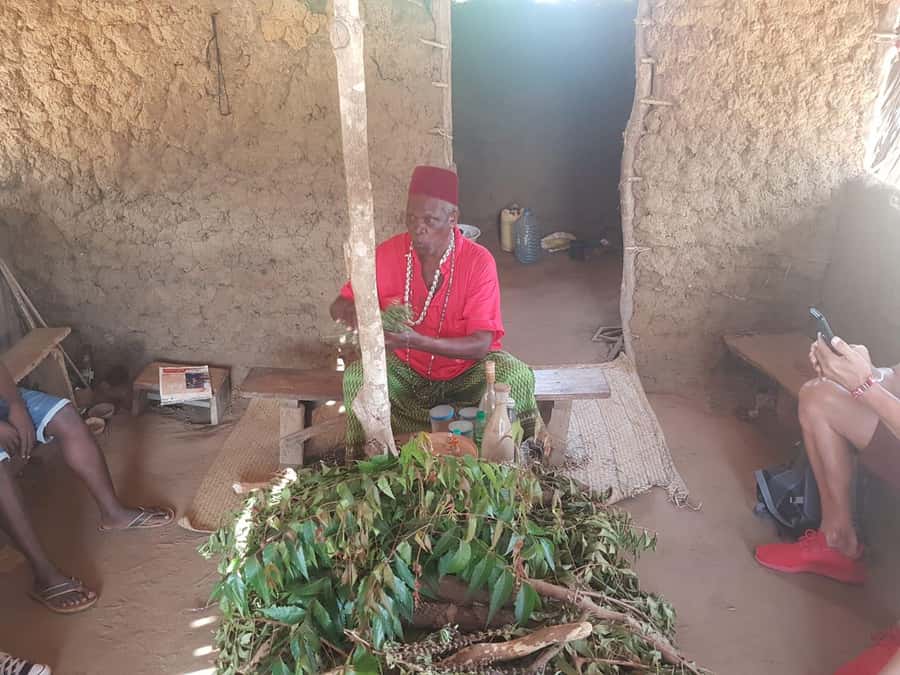
- Traditional healer (Mganga) visit, focused on indigenous herbs and how knowledge is kept
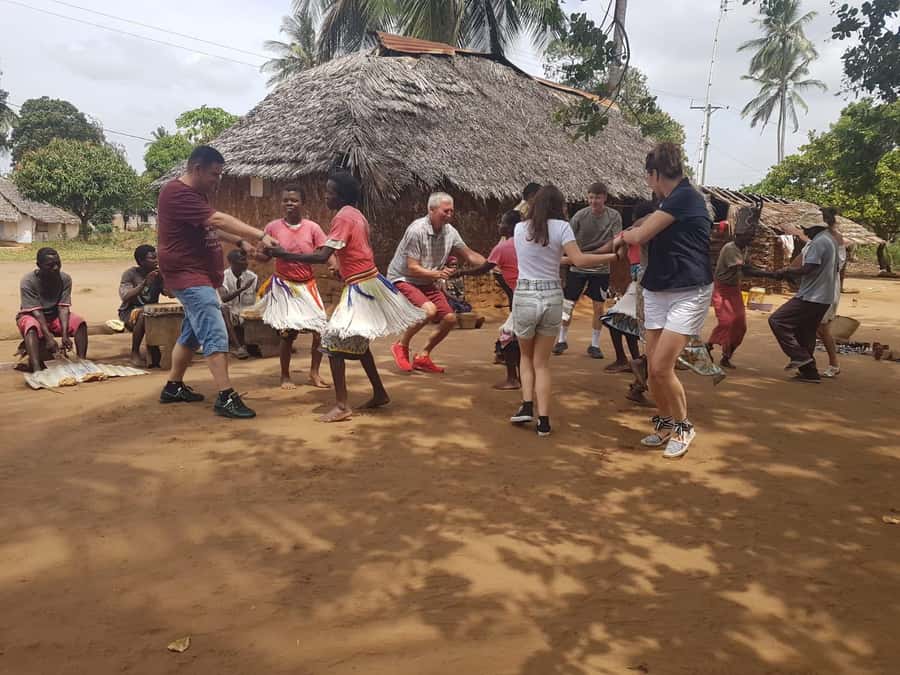
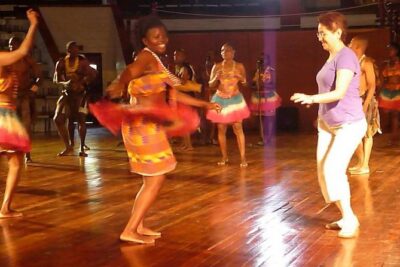
- Dance arena with 12 dancers, with dances that reflect weddings, celebrations, and farewells
- Professional photos using your own camera or phone, so you control the device and sharing
Why the Giriama village experience feels grounded, not staged
If you’re tired of tours that feel like a checklist, this one has a different energy. It’s built around an un-rushed flow through village life, with real conversation and real movement. You’re not just watching from the edge. You’re invited into the rhythm, whether that’s learning greetings, joining simple activities, or stepping into dance space when it’s time.
The best part is that it’s not only culture on a stage. You also get village context. The traditional healer visit and the walk through the narrow village lanes help you understand why the dances and daily routines make sense together. I also appreciate the small signals of effort, like traditional attire included and a guide who keeps things clear in English or German, including turning stories into something you can follow and remember.
More Diani Beach trips to compare
- Diani Beach: Glass-bottom Boat Ride with Underwater Show
★ 4.0 · 4 reviews - Nairobi: The Safari Cats Show Tickets & Buffet Dinner
★ 4.4 · 29 reviews - Kenya: Maasai Village Visit with Traditional Dance Show
★ 4.6 · 24 reviews
Ibiza Market first: your quick orientation to Coast trading life
You begin at Ibiza Market, an open-air hub where people trade the basics that keep everyday life moving. This is a smart first stop because it gives you a frame for what comes next. Instead of dropping you straight into a dance arena, you see food, clothing, and local commerce first, then shift into village routines.
Expect sights and sounds that feel lived-in. It’s not about museum-style explanations. It’s more like, get your bearings fast, then start asking questions. You’ll usually catch that the market isn’t separate from culture. It’s where people exchange news, supplies, and small comforts. If you’re the type who likes to observe how locals handle normal day needs, you’ll feel at home here.
Community school visit: what kids enjoy, and how to show up well
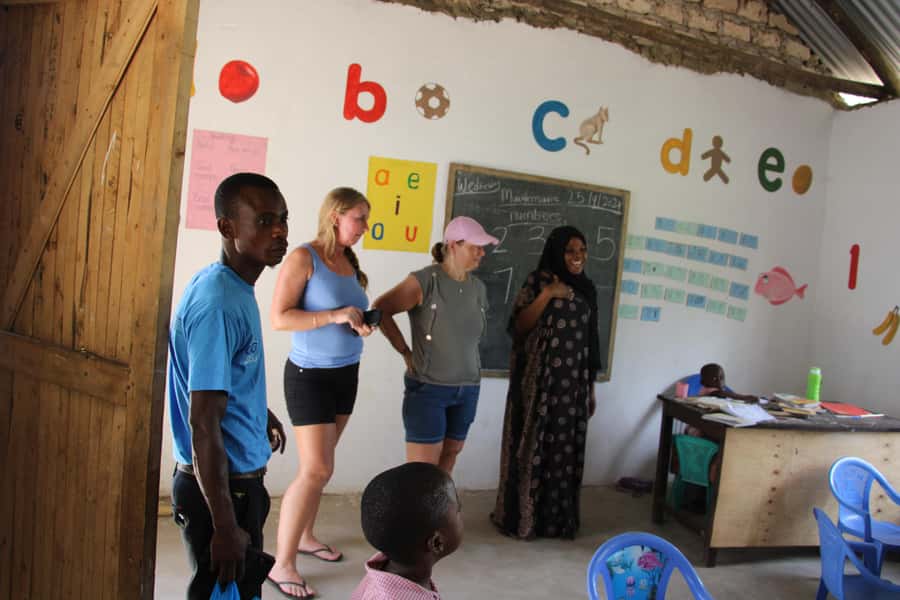
Next comes the community school, shaded by a giant baobab tree. This part matters because it shifts the day from entertainment into human connection. You’ll interact with students if the timing lines up, and you’ll get a clearer picture of community priorities.
If you want your visit to land well, bring small items that fit what a school can actually use. The tour encourages small school supplies or simple gifts, and the best examples I saw repeated include toys, balls, sweets, pencils, crayons, stickers, and basic clothing items. Even small things can create big smiles, and it helps the kids feel seen as more than a photo opportunity.
One practical consideration: the village may ask for extra support for the school or for community needs. That’s not necessarily uncomfortable, but it does mean you should travel with some extra cash for this kind of moment.
Madafu, ugali, and palm wine: the homestead stop that turns culture into taste
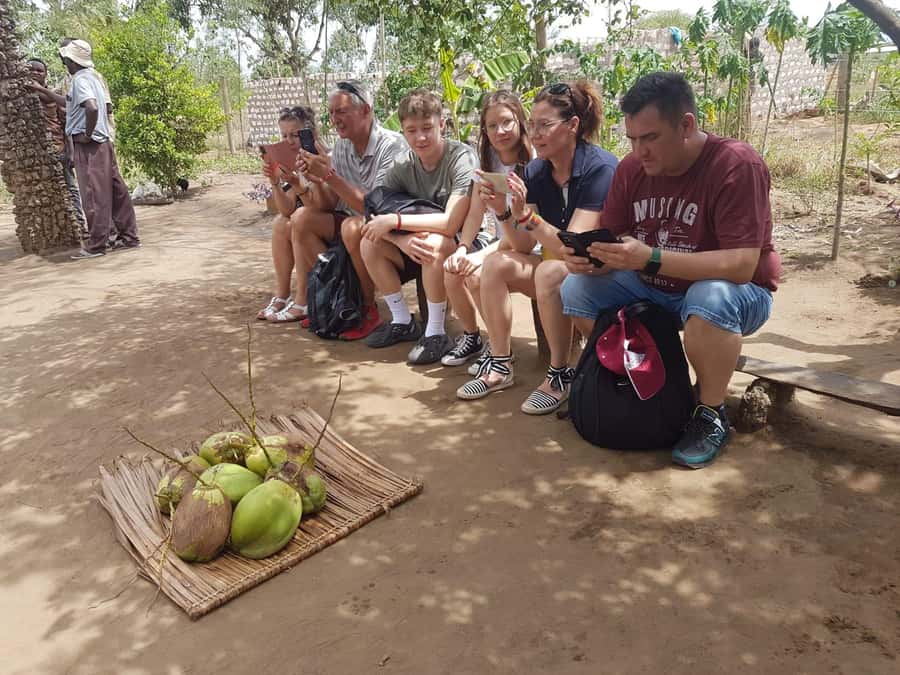
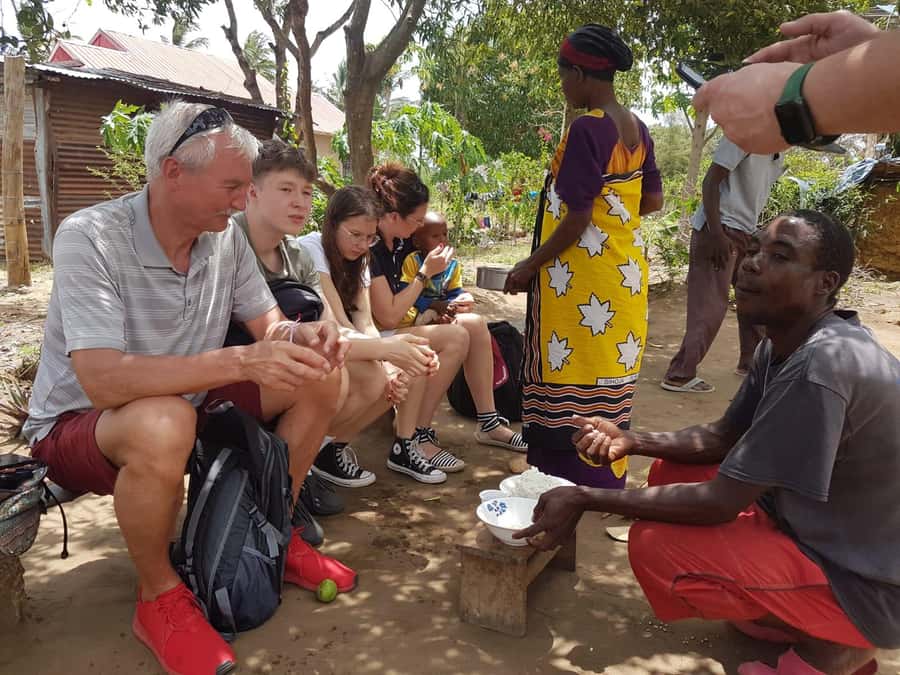
The homestead segment is where the tour turns from observing into doing. You start with madafu, coconut water, and you’ll learn why locals value it. This stop also includes watching harvesting know-how, like climbing or harvesting demonstrations tied to coconut routines. If time allows, you might join in preparing cashew nuts or ugali, the coastal staple dish.
Even if you don’t cook for long, the point is understanding the steps. You see that food is part of knowledge, not just a meal. You also get the cooling break of fresh coconut water before the walking portion and dance arena.
Palm wine tasting is included too, which is a highlight for people who enjoy trying local drinks with context. Just remember the tour is clear that alcohol and drugs are not allowed, so treat palm wine tasting as part of the cultural program rather than a party. If you’re unsure about trying any alcohol, ask before tasting.
Food and drinks are not included overall, so plan on having your own water and snacks only if you know the tour allows it. What you eat during the experience depends on timing and what the hosts offer, so don’t assume a full lunch is part of your paid value.
More days at Diani Beach:
- PILLI PIPA DHOW, the genuine product, snorkeling tour to Kisite Marine Park
★ 4.5 · 217 reviews - Full-Day Special Wasini Island Tour with Snorkeling and Lunch
★ 4.5 · 184 reviews - Full Day Dolphin Watching with Snorkeling in Wasini
★ 5.0 · 88 reviews - Diani Beach: Glass Boat Cruise to Robinson Island
★ 4.6 · 69 reviews
Visiting the Mganga: herbs, tradition, and respectful questions
The traditional healer stop, the Mganga visit, is not a quick gimmick. It’s a chance to see how indigenous herbal remedies are prepared and how that knowledge is passed down through generations. Even if you don’t understand every local term, you can understand the structure: what’s used, how it’s prepared, and why it matters.
This is also where your attitude matters most. I suggest you go in with curiosity, not skepticism. Ask simple questions about what they treat and how the remedies are made. If you’re respectful, you’ll usually get more than a one-minute answer.
One thing I like about this stop is that it expands your idea of culture. In many places, “tradition” is treated like dance only. Here, it’s also medicine and everyday problem-solving.
Dance arena with 12 dancers: join in, don’t just watch
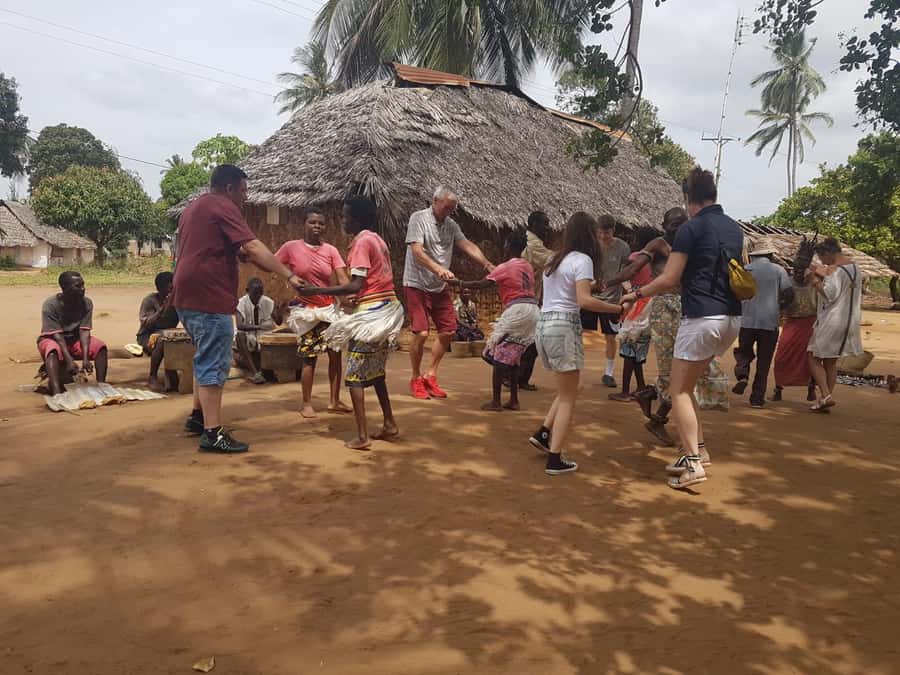
The final stretch is the dance arena, reached by walking through narrow village lanes. You’ll arrive ready for movement, because it’s easy to feel how close the village space is before you even start watching. Then the Giriama dancers take over.
The highlight here is 12 dancers performing in harmony, and each dance has a story. Think weddings, celebrations, and farewells. The energy is communal, not “perform for tourists.” You’ll be invited to join, which is where people often feel a little shy and then realize it’s more about sharing than showing off.
Traditional attire is included, so you may also get to wear local clothing as part of the experience. It’s a fun way to feel less like an outsider and more like a participant.
One practical reality: not every part of every tour will feel equally strong for everyone. In this case, the dance segment is the main attraction, and a couple of feedback points suggest it may not fully satisfy everyone’s expectations. That said, most people come out loving the overall combination, especially because the village context earlier in the day gives the dances meaning.
Price and logistics: getting value from the $35 fee
The headline price is $35 per person for a 3-hour experience, which is fair for what you’re getting: a multi-stop village route, healer visit, palm wine tasting, and dance arena time. What you need to plan for is the transport cost from your hotel, because the village drive is not included in the base price.
Here’s the practical breakdown you should keep in mind:
- You may be asked to use a sedan for $40 or a tuktuk for $25 (extra cost)
- The transfer cost varies by hotel location
- You’ll need a vehicle to pick you up, drive you through the village, and return you
This matters for budgeting. If you’re staying close to Diani’s core areas, the extra may be minimal. If you’re farther out, it can add up. I’d treat it like part of the real cost, not a surprise add-on.
Also, note that “free walking tour” is included on Tuesdays and Thursdays. If your day matches, ask the provider about how it’s arranged. It can be a nice bonus, especially if you want an extra low-effort cultural add-on without another full booking.
Photos, souvenirs, and respect: how to make it go smoothly
You’ll get professional photos using your own equipment. That’s a smart setup for travelers who want control over their phone or camera but still want better results than a random selfie. Before you go, charge fully, clear space, and bring a protective cover if you’re using a device you care about.
Souvenirs can also come into play. Market stops and village interaction often lead to purchases, and the tour experience is designed around supporting the community. I recommend carrying some spare cash for reasonable buying and for any school support requests that may come up.
Gifts help too, and they’re usually the fastest way to break the ice with children. Pack them simply and safely, and avoid large items that are hard to distribute. Think small, clean, and easy to share.
Last, keep the vibe respectful. Dress comfortably, speak politely, and let the guide set the pace. The day works best when you treat it like visiting a community, not collecting photos.
Who should book this Diani tour, and who might want to skip
This tour fits best if you want a short, human-scale experience with village context. It’s especially good for:
- First-time visitors who want more than beach views
- Travelers who like interactive culture, not just watching
- People who enjoy learning practical details, like how madafu is valued and how ugali preparation happens
- Anyone who loves storytelling in dance form and wants to join rather than observe from afar
You might consider another option if:
- You want a long sit-down, restaurant-style meal. Food and drinks are not included.
- You need step-free routes and smooth surfaces. The tour involves walking through village lanes, and the info includes both wheelchair-related notes and a statement that it’s not suitable for wheelchair users. In short, confirm with the provider before booking.
Should you book? My take on the value for $35
Book it if you want an authentic Giriama cultural day in Diani that mixes market life, school connection, a Mganga healer visit, and a dance arena with 12 dancers. The price is reasonable for the number of stops and the fact that you’re treated as a participant, not a spectator. The palm wine tasting and madafu plus the cooking moments give it a sensory layer most village tours miss.
Don’t book it expecting a luxury, fully planned day with all meals included, or assuming transport is included in the $35. The vehicle cost varies, and you should bring comfortable walking shoes and small gifts if you want the children to feel your presence.
If you want culture with context, in a short time window, this one is a strong choice.
FAQ
How long is the Giriama Cultural Dance Show and Local Village Tour?
The experience lasts 3 hours.
What does the tour price include?
It includes a village tour with a traditional healer visit, palm wine tasting, traditional dances by villagers, traditional attire, and professional photos taken using your equipment. There is also a free walking tour offered by the provider on Tuesdays and Thursdays if you communicate with them.
Is hotel pickup and drop-off included?
You’ll be asked to wait in the hotel lobby 10 minutes before your scheduled pickup time, but the vehicle transfer cost is not included in the base price. The provider can organize a sedan for $40 or a tuktuk for $25 at extra cost, and the amount varies based on your hotel location.
Do I need to bring anything with me?
Bring comfortable shoes. You are also encouraged to carry small school supplies or simple gifts for children during the village and school visit.
Is food and drinks included?
No. Food and drinks are not included.
Can I bring alcohol or drugs?
No. Alcohol and drugs are not allowed.
Is the tour suitable for wheelchair users?
The information includes both wheelchair-related notes and a statement that it is not suitable for wheelchair users. Because the route involves walking through the village, you should confirm with the provider before booking.
Recently reviewed from Diani Beach
- Wasini island: Marine Park, Dolphin Watch & Village Tour★ 2.5 · 6 reviews
- Wasini Day Tour★ 4.5 · 45 reviews
- Tsavo East 1 Day Safari, Beach To Beach In 4wd Jeep★ 5.0 · 14 reviews
- Diani Beach: Glass-bottom Boat Ride with Underwater Show★ 4.0 · 4 reviews
- PILLI PIPA DHOW, the genuine product, snorkeling tour to Kisite Marine Park★ 4.5 · 217 reviews
- Full Day Dolphin Watching with Snorkeling in Wasini★ 5.0 · 88 reviews
- Mombasa City Tour – Fort Jesus, Old Town, Spice Town & Craft★ 5.0 · 3 reviews
- Kisite Mpunguti Day Trip. A day of Oceanic Wonders★ 5.0 · 37 reviews
Show, compared.

Maasai Village Visit with Traditional Dance Show
Read our review →



Nairobi Bomas Cultural Dance Show & Dinner Carnivore Restaurant
Read our review →Browse the lists this tour appears in