
Reviewed · MAASAI VILLAGE VISITS
Kenya: Maasai Village Visit with Traditional Dance Show
The interesting thing about a Maasai village visit is how quickly you go from a city pickup to real, everyday rhythms of village life, including a performance that ties culture to community. It is a short day trip that focuses on seeing, learning, and watching, not just taking photos.
I really like the house tour angle, because it helps you understand how people live day to day rather than treating the village like a stage set. I also like that the experience includes traditional dance time built into the schedule, so you get culture through movement, sound, and storytelling.
One consideration before you book: the day can run early and the road ride is by local roads, so comfort depends on the vehicle and traffic. Also, you may see some shopping and people may ask for additional support, so go in with a clear budget and mindset.
Key things that make this Maasai village day trip worth your time
- Guided explanations from named hosts and guides (some of the strongest feedback includes Brian, Alfred, and coordinator Suffik)
- House tour plus dance show rather than only a performance, so you get context
- Village contribution is part of the concept, helping support community development
- Hotel transfers from Nairobi make the logistics easy
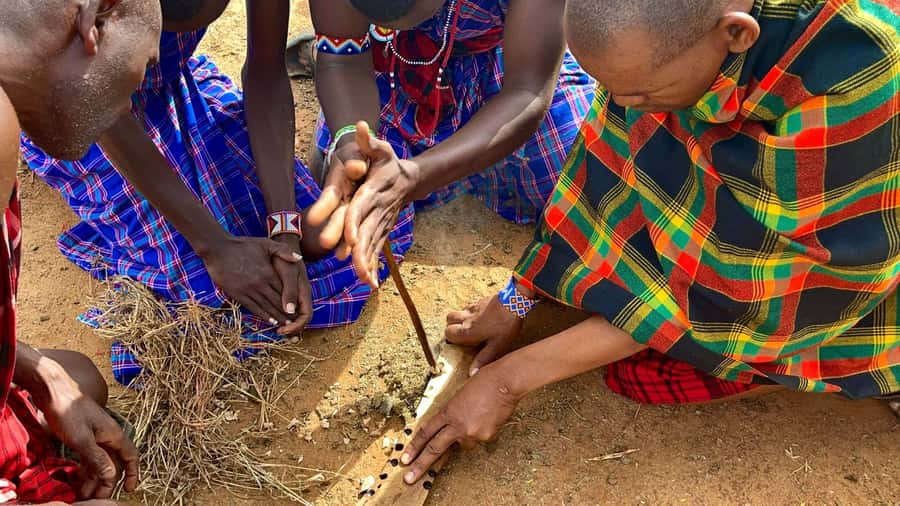
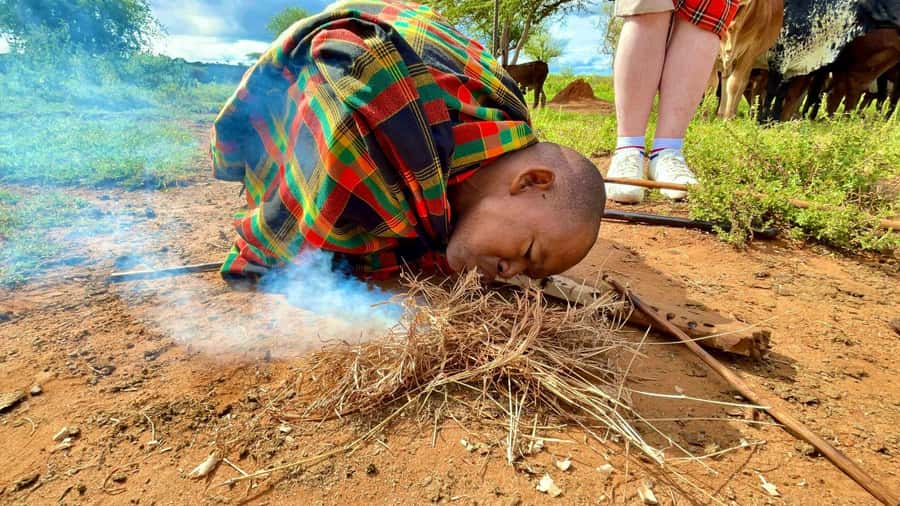
- Hands-on moments can happen like learning cultural practices such as spear throwing and fire making, depending on the day
Maasai Village, House Tour, and Dance: What You Are Actually Experiencing
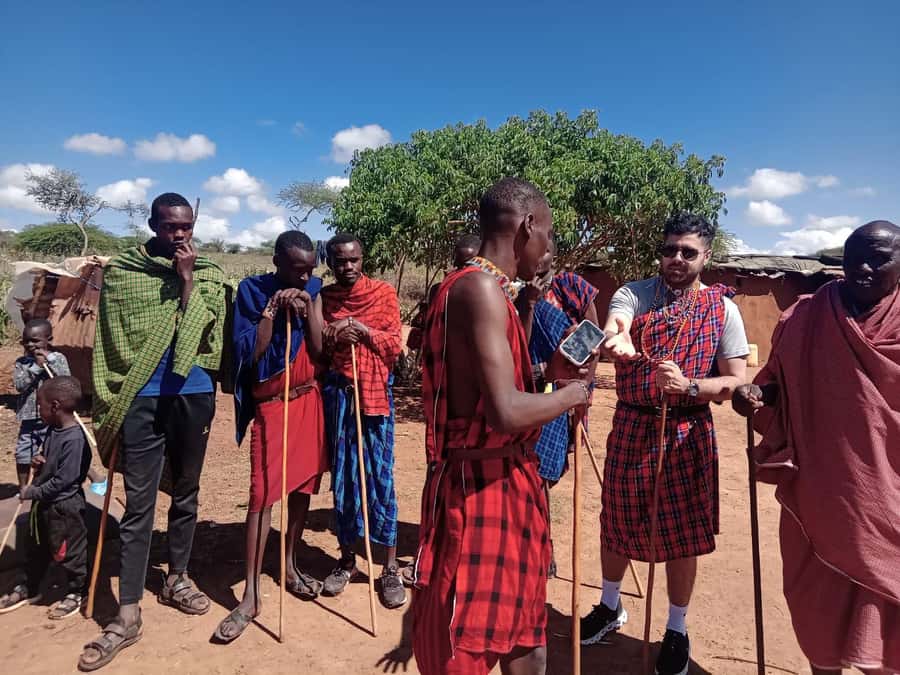
This is a culture-focused day trip built around three core parts: a guided village visit, a peek inside Maasai houses, and time for traditional dancing. The vibe is practical and direct. You are not only watching a show, you are meeting people, asking questions, and seeing how daily life is organized.
The house tour matters because it turns stereotypes into something more grounded. Instead of only hearing descriptions, you can look at how structures are arranged and how routines shape everyday space. In places like this, that is often the difference between a quick photo stop and a real understanding.
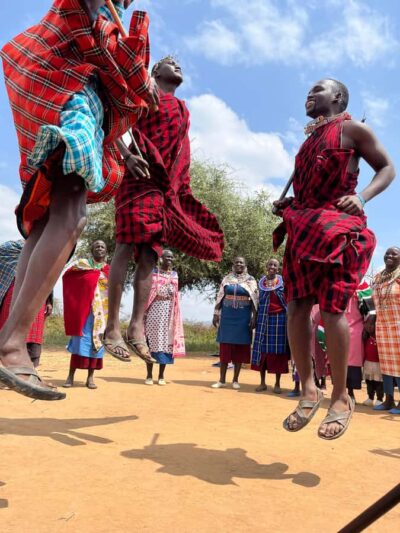
Then comes the dance show, usually a highlight because it is active, loud, and communal. You get to see how performance fits with social life, and you can often capture the energy in photos and video without it feeling overly staged. If you care about culture as lived experience, this format works.
More community-hosted Maasai visits:
- Nairobi: Day Trip to Maasai Mara Reserve & Maasai village
★ 4.6 · 49 reviews - Day Tour to Masai Village From Nairobi
★ 4.5 · 5 reviews - Amboseli Wildlife Day Tour And Masai Village Visit
★ 4.3 · 5 reviews
Getting There From Nairobi: Pickup Zones and the Real Ride Time
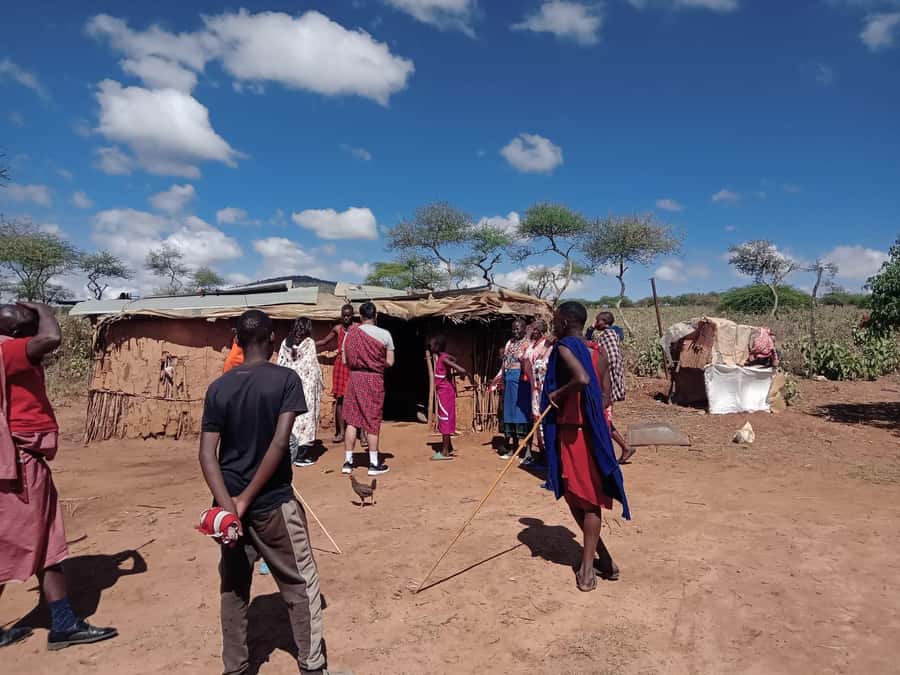
The tour is designed around pickup from Nairobi, with options across areas like Loresho, Kileleshwa, Kilimani, Kitisuru, Karen, and Westlands. If you are outside those named neighborhoods, you still can usually arrange pickup within Nairobi as long as you provide your address or a nearby landmark.
Expect an early start. In at least one common pattern shared in real bookings, pickup can be around 6:00 AM with about two hours of driving on local roads. The schedule also references sunrise, so plan for a morning that starts before you feel fully human.
Car comfort can vary. One downside that showed up is a car that felt old and not very clean, with air conditioning that was not effective and some drivers preferring windows open. You can fix a lot of this by setting your expectations and bringing basics like water and sun protection, since you will be outside for parts of the day.
The Village Visit: Photo Stops, Walking, and Learning Pace
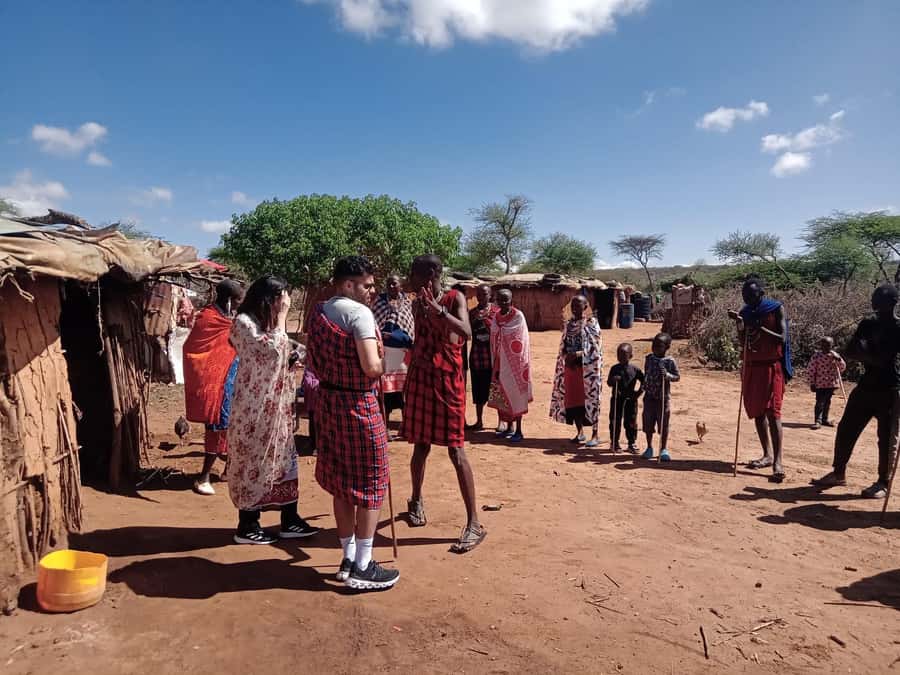
Once you arrive, you are typically welcomed and guided through the village experience with time for a photo stop, walking, and a guided tour. The pacing is usually structured, with time built in to meet people, hear about traditions and customs, and watch activities tied to village life.
The best version of this day is when your guide helps you connect what you see with the bigger story. The Maasai oral history included here traces origins north of Lake Turkana in the lower Nile Valley, with migration south beginning in the 15th century and arriving across central Tanzania and northern Kenya during the 17th and 18th centuries. If your host can explain that without rushing, it makes the day feel coherent.
One small detail you should be ready for: some villages may be smaller on the day, which can change how long you spend in certain spots. For example, some bookings describe arriving at a compact setup with a short on-site stay, yet still packing in jumping, singing together, and demonstrations like making fire and learning spear throwing. If you want lots of wandering time, ask how the village size and visit length can vary.
House Tour: Seeing Daily Life Up Close Without Overdoing It
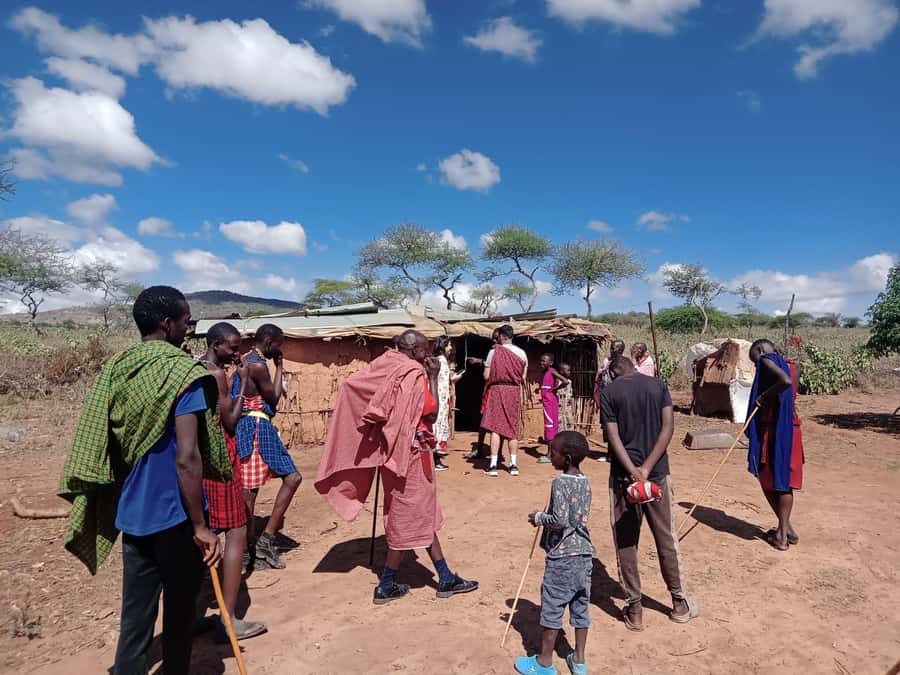
A house tour is part of the included experience, so you should come prepared to look, listen, and ask questions. The goal is simple: see inside, understand daily routines, and learn what the spaces mean in cultural terms.
This is also where you should manage expectations. You will not be touring a museum with exhibits labeled like a classroom. Instead, it is more like being guided through normal life, with conversation and observation doing most of the heavy lifting.
I like this part because it is harder to fake. If someone is genuinely explaining how life works, you can usually tell. If they are only selling a quick photo moment, the tour feels flatter. So if you care about authenticity, this is the part worth focusing on.
More Kenya trips to compare
- Diani: Giriama Cultural Dance Show and Local Village Tour
★ 4.6 · 32 reviews - Nairobi: The Safari Cats Show Tickets & Buffet Dinner
★ 4.4 · 29 reviews - Safari Cat Dancers Show And Dinner
★ 4.5 · 19 reviews - Fort Jesus Sound and Light show Mombasa
★ 4.0 · 17 reviews
Traditional Dance Show: The Part You Can Feel in Your Body
The schedule includes time for a traditional dance show, usually a set block of around two hours. Dancing is not just entertainment here. It is a way to share identity, energy, and community bonds.
What to watch for: how groups move together, how rhythm and voice work as a team, and how the event creates a shared moment between performers and visitors. You may also get chances to participate in small ways like group engagement, depending on what the village is comfortable with that day.
From a value standpoint, the dance block is what makes this feel like more than a walk and a photo stop. It gives you a memorable sensory anchor for the whole experience. Even if you are not an expert in Maasai culture, you can still appreciate the effort behind it.
Village Contribution and Pricing: How to Think About the $50 Budget
The posted price is often around $50 per person, and pricing can vary between about $30 and $60 depending on how the operator structures the day. The big idea is that there is a village fee or contribution that supports community development.
Here is the practical catch: the information you are given can be structured two different ways. One part of the info says the tour price varies and is inclusive of a village contribution fee and return transfers. Another part says an entry fee of $30 helps in community development and is not included. Because of that mismatch, I strongly recommend you confirm what is actually included in your final checkout total.
If you want a clean budget, plan for:
- The tour cost for pickup and the guided experience
- An additional village entry fee around $30 that supports the community, if it is not included in your package
- Water is included, but meals and drinks are not
Treat the village contribution as part of the cultural transaction. It is not just a gate fee. It is the mechanism that helps the host community benefit from your visit.
What Is Included vs. Not Included, So You Are Not Surprised
Included in the experience:
- Return road transfers to and from your pickup point in Nairobi
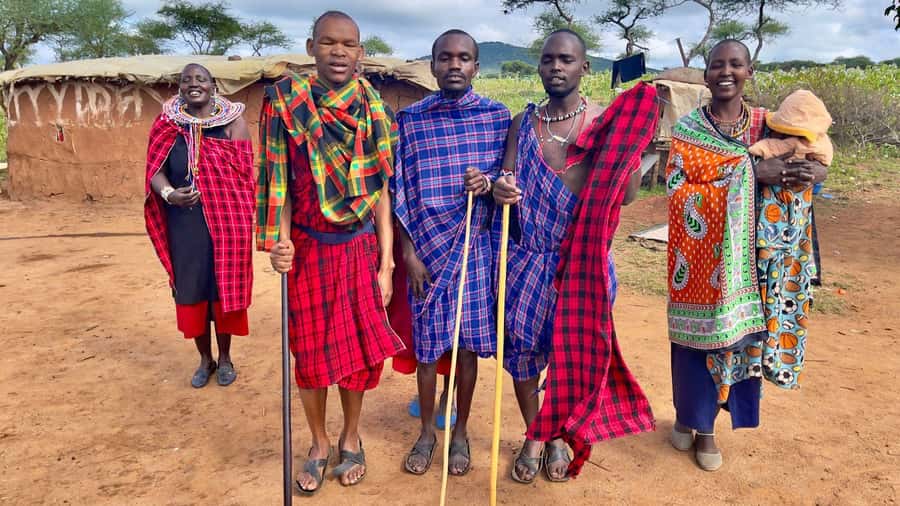
- Traditional Maasai dances
- House tour
- Drinking water
Not included:
- Meals and drinks
- Personal expenses
- An entry fee around $30 that helps community development, if it is not bundled into your package price
This matters because it changes your day planning. You will likely want cash or card ready for snacks or drinks during breaks. And if you are counting on lunch, build in time for it, since the schedule is not built around a provided meal.
What to Bring and What to Avoid for a Comfortable Visit
Bring comfortable shoes. You will walk, and you might do it on uneven ground. Add a sun hat, sunscreen, and camera, because the day is timed around early light and outdoor time.
Also pack water even though drinking water is included, just to stay ahead of thirst. Hand sanitizer or tissues are useful because village environments can be dusty, and you will want quick cleanup.
What is not allowed:
- Smoking
- Alcohol and drugs
- Touching plants
If you want a smoother experience, follow those rules closely. It keeps the visit respectful and avoids awkward moments.
How to Read the Guide Experience: Names, Energy, and Question Time
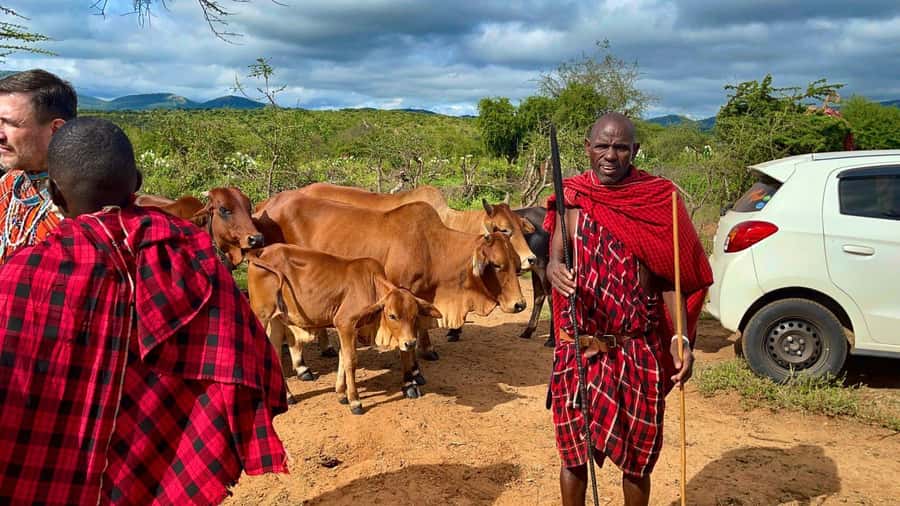
The best part of any cultural visit is the people running it, and the strongest feedback here consistently highlights guides who could answer questions and explain culture clearly. Names that came up include Brian and Alfred, with coordination credited to Suffik in at least one case.
What you should look for when you meet your guide:
- Do they explain what you are seeing in plain language?
- Do they answer questions without rushing?
- Do they help you behave appropriately in the village space?
One downside that also showed up is when a guide was distracted, like leaving frequently for calls or leaning on a phone during what should be focused conversation time. That kind of distraction can break the learning flow. You can’t control everything, but you can reduce frustration by preparing a shortlist of questions and staying engaged with the Maasai hosts directly.
Who This Maasai Village Day Trip Suits Best
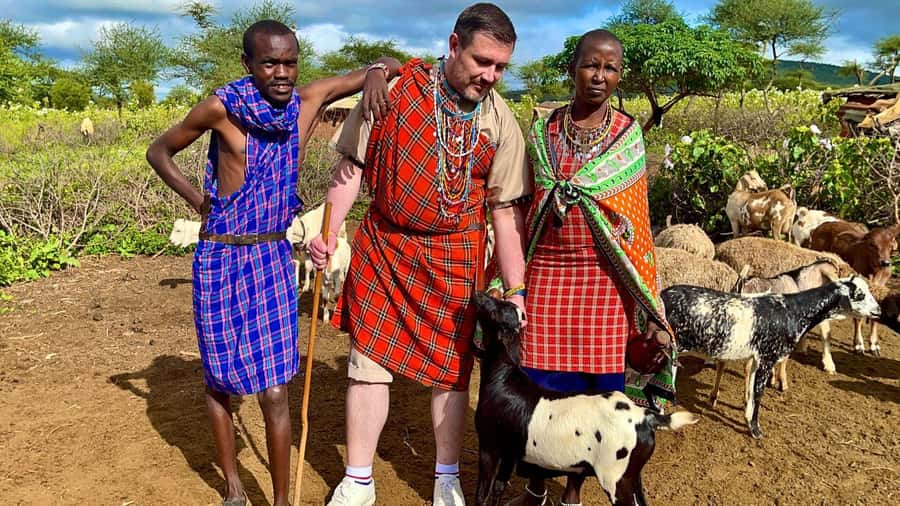
This works best if you want a structured day that blends village life with a performance, without needing to manage complicated logistics yourself. The return transfers from Nairobi make it practical, especially if you do not want to hire and arrange everything independently.
It is not suitable for children under 5 years. It is also listed as not suitable for pregnant women, people with mobility impairments, and wheelchair users. Even though wheelchair accessibility is mentioned elsewhere, the overall suitability note is restrictive, so treat this as a caution and confirm directly with the provider if you have any mobility concerns.
Should You Book This Maasai Village Visit? My Practical Take
If you want a day trip that is built around learning and direct cultural contact, this is a good value for the price range. The combination of house tour plus a traditional dance show gives you more than one way to understand the Maasai way of life, and the Nairobi transfers remove the biggest headache.
Before you book, do two things. First, confirm exactly what your total cost covers, especially whether the $30 village entry fee is already included. Second, set expectations about the ride comfort on local roads and bring sun and water essentials so the morning feels manageable.
If you like performance and conversation, and you want a straightforward safari add-on that is more about people than scenery, go for it.
FAQ
How long is the Maasai village visit experience?
The experience lasts 7 hours.
Where is the pickup available?
Pickup is included from any location within Nairobi, and it also lists pickup options in areas such as Loresho, Kileleshwa, Kilimani, Kitisuru, Karen, and Westlands. You should provide your address or the nearest landmark for an accurate pickup spot.
How much does it cost?
The price is $50 per person, and pricing can vary between about $30 and $60 per person depending on how the village contribution fee is handled.
Is the $30 entry fee included?
An entry fee of $30 is listed as helping community development and is not included in the base inclusions. However, the overall pricing can sometimes be structured to include a village contribution fee, so confirm what your final total covers.
What is included in the tour?
Return road transfers, traditional Maasai dances, a house tour, and drinking water are included.
What should I bring?
Bring comfortable shoes, a sun hat, a camera, sunscreen, water, and hand sanitizer or tissues.
What is the cancellation policy?
Free cancellation is available up to 24 hours in advance for a full refund.
Is this tour suitable for wheelchair users or people with mobility impairments?
The information includes both wheelchair accessibility and also a note that it is not suitable for wheelchair users and people with mobility impairments. If you have mobility needs, confirm with the provider before booking.
Recently reviewed from Kenya
- Watamu: Sunset Mangrove Canoe Tour with Coconut Drink★ 3.6 · 8 reviews
- Watamu: Learn Kenyan Cusine with Jonathan★ 4.1 · 8 reviews
- From Mombasa/Mtwapa/Diani/Tiwi: Tsavo East Full-Day Safari★ 4.3 · 130 reviews
- Swahili Carved Doors Tour by Woman Woodcarver: Lamu Island★ 5.0 · 4 reviews
- Private Tour to Amboseli National Park★ 3.3 · 3 reviews
- Shimba hills tropical rain forest day trip★ 4.6 · 3 reviews
- Overnight safari to Tsavo East from Mombasa / Diani Beach★ 5.0 · 3 reviews
- Private Safari Day-Tour in Amboseli National Park★ 4.1 · 7 reviews
Maasai Village Visits, compared.
Day Tour to Amboseli National Park & Maasai Village
Read our review →


Day Trip: Amboseli National Park & Maasai Village – Nairobi
Read our review →
Day Trip to Maasai Mara Reserve & Maasai village
Read our review →
3days/2nights group joining Masai Mara with Masai Village Visit
Read our review →
Browse the lists this tour appears in