
Reviewed · ELEPHANT ORPHANAGE
From Nairobi: David Sheldrick Elephant Orphanage Tour
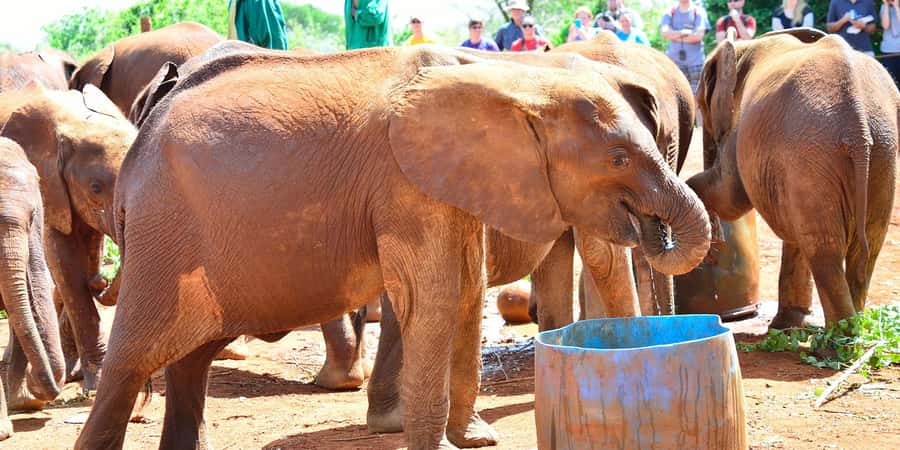
One of the most moving things you can do from Nairobi is watch baby elephants during their daily care routine at the David Sheldrick Wildlife Trust. Seeing young elephants being fed and guided by keepers turns “wildlife conservation” from a poster into something you can actually witness.
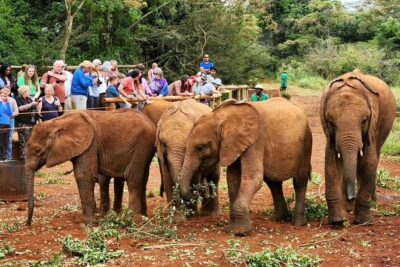
I especially like the close-up feeding moments, where you get front-row views of milk bottles, trunks, and play time in the fenced viewing area. I also like the small-group setup and live English guide, which helps you keep your bearings and understand why each orphan was rescued.
One drawback to plan around: this trip can feel pricier than it first looks because the Nairobi National Park fee and a conservation donation are often handled as extra payments. If your schedule is tight, also keep an eye on any extra stops along the drive, since timing matters for the feeding window.
Key points to know before you go
- You’re aiming for the daily feeding window, so late arrivals can shrink your time at the viewing area.
- Expect an up-close center walk with a rope fence and an open viewing space.
- You’ll learn the specific rescue stories behind each orphan’s arrival, including poaching and wells.
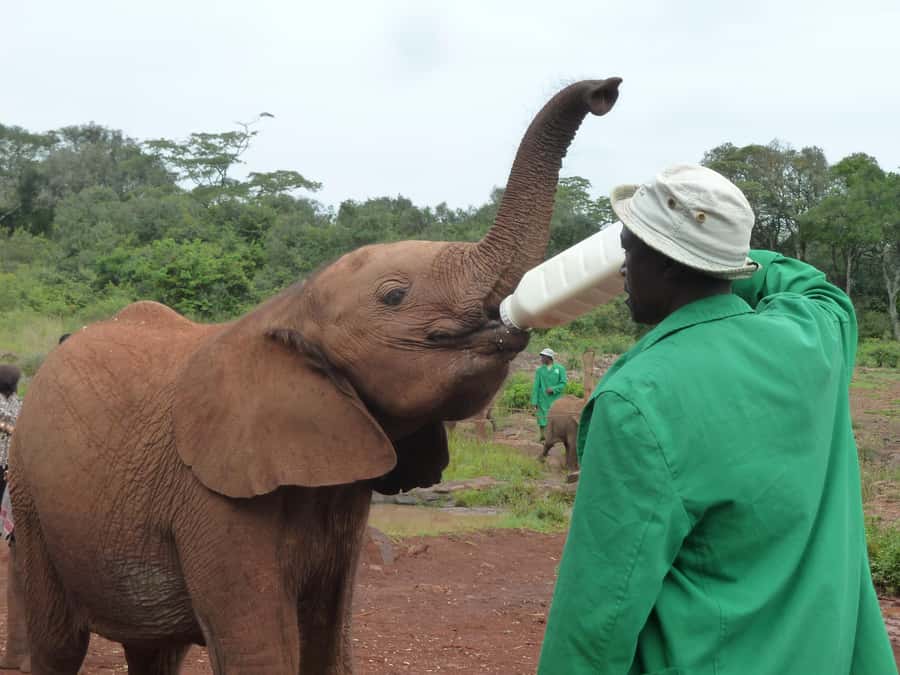
- Milk bottle feeding is the main show, first for the youngest, then for 2- to 3-year-olds.
- Bring cash for the conservation donation, which may not be included in the tour price.
- Transport is convenient, with Nairobi hotel pickup and drop-off and a small group capped at 8.
Why David Sheldrick’s orphanage routine is a must-do from Nairobi
David Sheldrick Wildlife Trust is one of those places where the day’s schedule matters. The whole point is rehabilitation and care, and the feeding routine is when you get the clearest window into that work. From Nairobi, this tour is built around arriving in time to see baby elephants being cared for by trained keepers.
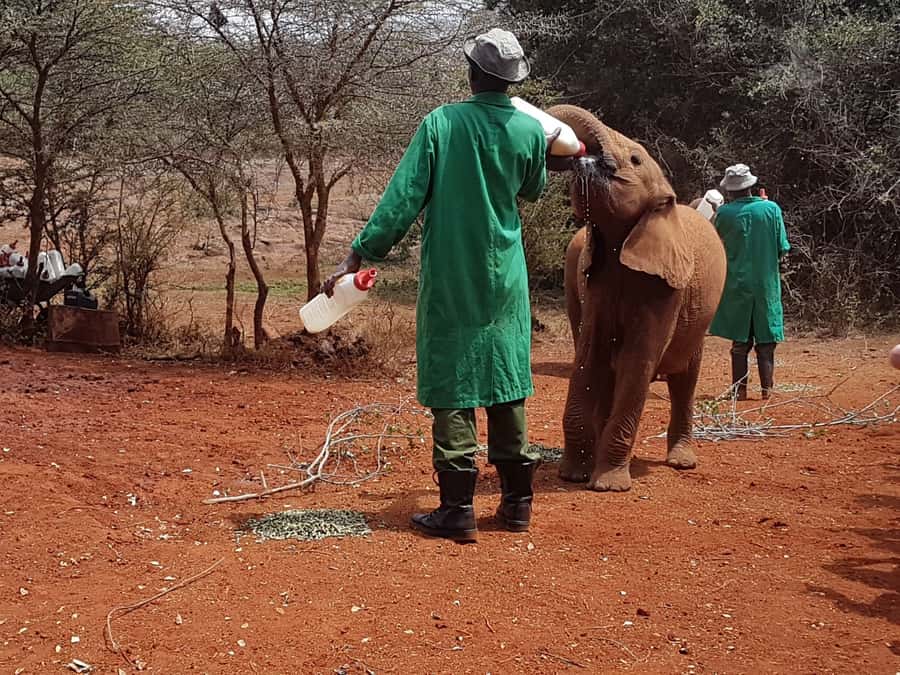
What you’re watching is not a circus show. It’s more like structured childcare for animals that were rescued and are learning how to be elephants again. The keepers explain what makes each young elephant different, including how old they were when they arrived and what led to them becoming orphaned.
You will also notice how much the program focuses on human safety and animal wellbeing at the same time. The viewing area is fenced, and keepers control the moment-to-moment flow. That matters for everyone, including you, because it keeps the experience respectful and controlled rather than chaotic.
More at the elephant orphanage:
- Elephant Orphanage and Giraffe Center Tour with Options
★ 4.5 · 457 reviews - Nairobi National Park, Elephant Orphanage and Giraffe Centre
★ 4.6 · 365 reviews - From Nairobi: Elephant Orphanage and Giraffe Center Day Trip
★ 4.5 · 235 reviews
Pickup, drive time, and timing in Nairobi traffic
The tour pickup is within Nairobi, starting from your hotel or home at 9:30AM. Then you’re on the road for the drive to the trust grounds, and the day runs on a tight schedule. Even if you’re excited, you want to keep your head in the game during the drive, because the most important part is the viewing window.
In practice, a strong guide and a patient driver make a huge difference. For example, I’ve seen guides like Stephen described as polite, careful, and helpful with timing, including handling the park entry process smoothly. That kind of competence matters because it can mean the difference between catching the main feeding activity and arriving after the best moments.
Also, plan to keep your expectations realistic. Nairobi traffic can slow things down, and the feeding routine is time-based. If you’re the type who hates rushing, you’ll still enjoy this, but you’ll want to arrive early and move quickly once you’re there.
The little center walk: rope fence views and milk bottle action
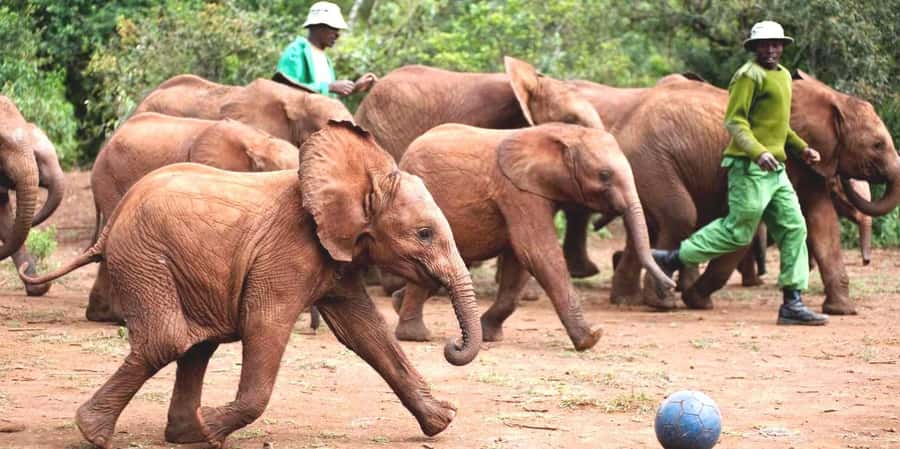
Once you arrive, you’ll do a guided walk through the small center in an open viewing area, with a rope fence around it. The viewing window is set for about 11:00AM to 12:00PM, and you’ll get there right around the action.
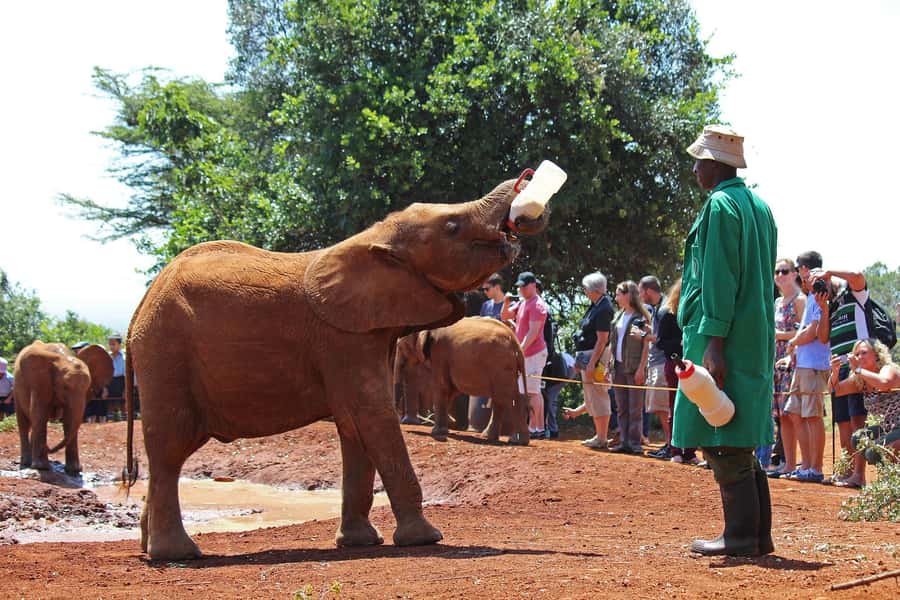
The youngest elephants usually trot out of the bush to greet their keepers. The keepers stand ready with giant bottles of milk, and the youngest are fed while you watch close-up. It’s comical in the best way, with trunks reaching up, then that little slurp-and-gargle feeding rhythm.
The youngest feeding phase lasts about 10 to 15 minutes, followed by a short shift to water play. That’s when you see them being nudged and encouraged, sometimes with playful interactions and quick hugs from the keepers. You’ll likely get time to take photos during the routine, but the elephants are the bosses here. If they wander, you’ll follow the viewing flow.
Then the youngest elephants are led back into the bush, and attention shifts to the next age group, often 2- to 3-year-olds. Some can feed themselves, while others still get assisted feeding. Watching them hold giant bottles in their trunks and close their eyes with contentment is one of those moments that lands hard, because it looks so much like a child’s comfort time.
What the keepers tell you, and why it matters
The guides focus on more than cuteness. You’ll learn how old each orphan was when it arrived and where they were rescued from, if that information is known. You’ll also hear what caused each elephant’s troubles, and the details are sobering.
The most common reasons you’ll hear include mother poached, elephants falling into wells, and human-wildlife conflict. Those themes connect directly to the wider conservation story, which is why the program keeps emphasizing rehabilitation rather than just rescue.
I like that the talk is tied to real individuals. When you hear that a specific baby elephant came in under certain conditions, it makes the conservation message feel grounded. You’re not just collecting generic facts, you’re watching how the program responds to the threats that created the need in the first place.
You’ll also see how the keepers work as a team with consistent methods. The young elephants are guided through a routine that supports health, bonding, and learning. That is the heart of rehabilitation: structured care that leads toward future independence.
And yes, you may see close contact moments. In some situations, people get the chance to pet the elephants when they are near the viewing area. The keepers manage that carefully, so you get the feeling you’re witnessing training and bonding, not unstructured interaction.
More days out of Nairobi:
- Nairobi National Park Half-Day Tour; Free Wi-Fi connection
★ 5.0 · 878 reviews - Nairobi: National Park & Optional Elephants & Giraffe Center
★ 4.8 · 874 reviews - NAI NAMI: Nairobi Storytelling Tour with Street Children
★ 5.0 · 792 reviews - Nairobi National Park Half-Day Game Drive
★ 4.5 · 738 reviews
Price and fees: what the real cost looks like from Nairobi
The tour price is $69 per person, and it covers pickup and drop-off in Nairobi, plus elephant orphanage entry ticket and entry fees. That’s a useful baseline, because it means you do not have to juggle the main gate paperwork yourself.
But here’s the part you must budget for: there is an extra $85 per person Nairobi National Park fee, and it’s described as mandatory to access the orphanage. On top of that, at the orphanage there can be a required conservation donation of $45 USD cash per person. That cash detail matters, because it’s easy to show up assuming everything is already paid for.
So, if you do the math, you could be looking at roughly:
- $69 for the tour itself
- $85 for the park access fee
- $45 for the conservation donation
That total lands near $199 per person, before lunch or any add-ons. Is it worth it? For many people, yes, because you’re paying for guided interpretation, transport, and a short window of time inside a program that is actively caring for orphans day-to-day.
If you’re the kind of traveler who likes strict budgeting, it helps to go in with that full picture. If you’re trying to minimize time and stress, having the driver and guide handle the logistics can be worth the difference.
Shopping stops and the risk of losing your feeding time
One practical issue I want you to watch for is time spent on the drive. Some days may include additional stops along the way, such as art and craft areas, and those can eat into your buffer. If the feeding window is strict, extra stops can push you close to the schedule.
A good way to handle this is simple: when you meet your driver, be clear about what you want. If you’d rather go directly, say that early and politely. In cases where people asked for a direct run, the driver complied once the route preference was stated, but you should not assume it will always work without you speaking up.
If you do end up with extra stops, try to keep the visit as your priority. The orphanage viewing is only about an hour, and that hour moves fast.
Group size, guide language, and accessibility
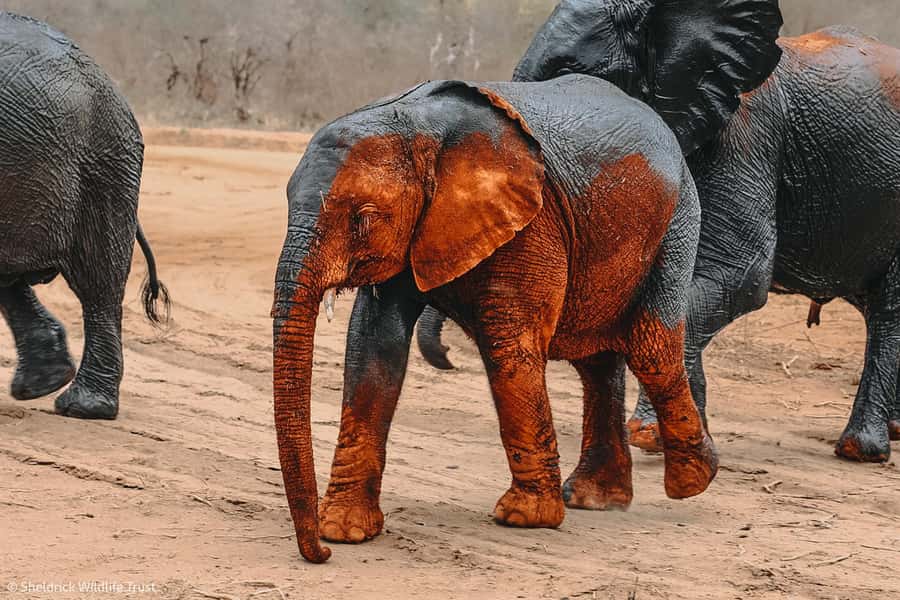
This is a small group, capped at 8 participants. That usually means you’ll have an easier time following the guide, hearing explanations, and getting into position for the milk feeding without elbow-to-elbow crowding.
The tour includes a live English-speaking guide, which really helps with the rescue stories and conservation details. It also makes the day less stressful, especially with park entry and payment steps, since a competent guide can keep the flow moving.
The tour is also listed as wheelchair accessible, which is a big practical point. The fenced viewing setup is designed to keep the routine controlled, so you can still experience the main feeding moments without needing to chase the elephants around.
Lunch, optional add-ons, and how to keep the day comfortable
Lunch isn’t included, but you can buy it on the day. If you have dietary needs, it’s smart to think ahead so you’re not stuck making a last-minute choice when you’re tired from the drive.
There is also an optional Giraffe Center visit listed for an extra $25 per person. If you want to stack Nairobi wildlife experiences into one trip, it can make sense. If you prefer a calmer schedule, you can skip it and focus only on the orphanage, which is the main event here.
Because this is a short experience at the trust, I’d treat the rest of the time as logistics and recovery. Plan for travel time, water, and a bit of buffer for Nairobi traffic.
Should you book this David Sheldrick elephant orphanage tour?
Book it if you want a guided, no-fuss way to see baby elephants during the daily feeding routine from Nairobi. I think it’s a particularly good fit if you care about the conservation angle and want context for what you’re seeing, not just photos of cute animals.
I would hesitate if your budget is tight or if you hate surprise costs. Between the tour price, the mandatory park fee, and the cash conservation donation, the real cost is higher than the initial headline. Also, if you dislike any detours, confirm your preferences early about stops on the drive so you don’t risk arriving late to the feeding window.
Do this with the right mindset: you’re there to watch care in action. If you show up on time and pay attention to the keepers’ explanations, you’ll leave with more than memories. You’ll understand how rescue becomes rehabilitation, one careful routine at a time.
FAQ
What time is pickup in Nairobi?
Pickup starts from your hotel or home within Nairobi at 9:30AM.
How long is the elephant orphanage visit?
The elephant orphanage visit is described as about 1 hour, from around 11:00AM to 12:00PM.
Is the Nairobi National Park fee included?
No. You pay an additional $85 per person for Nairobi National Park access, which is mandatory to reach the orphanage.
Are the elephant orphanage entry fees included?
Yes. The tour includes the elephant orphanage entry ticket and the orphanage entry fees.
Is there a live guide, and what language is it in?
Yes. There is a live tour guide in English.
Is the tour wheelchair accessible, and what about cancellation?
The tour is listed as wheelchair accessible. Cancellation is free up to 24 hours in advance for a full refund.
Recently reviewed from Nairobi
- Amboseli Day Trip from Nairobi★ 4.5 · 3 reviews
- Nairobi city tour★ 4.5 · 3 reviews
- Ngare Ndare Day Trip★ 5.0 · 3 reviews
- Day Trip To Crescent Island And Hells Gate National Park★ 5.0 · 3 reviews
- Crescent Island Day Tour From Nairobi★ 5.0 · 3 reviews
- 1-Day Amboseli Safari★ 5.0 · 3 reviews
- 13-Day Uganda Mgahinga Gorilla Trek, Maasai Amboseli Park★ 5.0 · 3 reviews
- 4 days group joining budget safari to Maasai Mara only★ 5.0 · 3 reviews
Elephant Orphanage, compared.
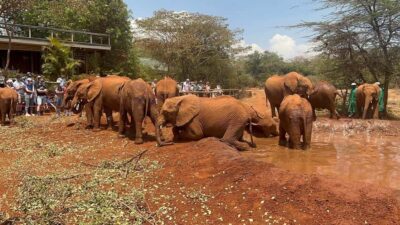
Elephant Orphanage and Giraffe Center Tour with Options
Read our review →
Nairobi National Park, Elephant Orphanage and Giraffe Centre
Read our review →
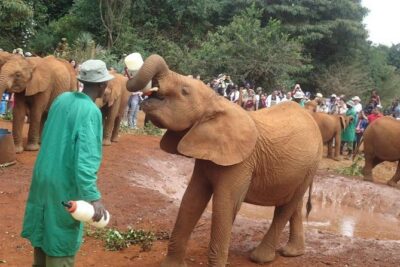
Half day tour to Elephant orphanage & Giraffe Centre Nairobi
Read our review →
National Park, Elephant Orphanage & Giraffe Center
Read our review →
Giraffe Centre, Elephant Orphanage, and Bomas of Kenya Day Tour from Nairobi
Read our review →
Giraffe Center, Elephant Orphanage, Beads Center & Bomas of Kenya Tour Nairobi
Read our review →Browse the lists this tour appears in