
Reviewed · TEA FARM TOURS
Kaimbethu tea farm tour and lunch package
What makes the Kaimbethu Tea Farm tour special is how easy it is to swap Nairobi traffic for tea fields, forest shade, and big views in a half-day. You get a focused tea education plus scenery that feels like it should take you farther than it does. It is also a small-group experience capped at 7 people, so the guide can actually answer questions.
I like two things most. First, the teaching is personal, with the farm story explained by people like Fiona and Nancy, and the tea-making process shown step-by-step in plain language. Second, the day ends with real food, including a solid farm lunch and even homemade ice cream for dessert, not just a token snack.
One drawback to plan for: there is an additional $50 entrance fee listed as not included, so double-check the total cost when you book. If you are trying to budget tightly, this is the one number that can surprise you.
Key points to know before you go
- Small-group focus (max 7) keeps the walking tour calmer and more question-friendly.
- Tea history plus how tea is made means you are not just looking at plants, you are learning the process.
- Forest wildlife time includes a chance to spot colobus monkeys and assorted birdlife.
- Big views en route can include the Ngong Hills, with Kilimanjaro on clear days.
- Lunch is a meal, not a snack, and you may see homemade options like ice cream and special dietary choices.
- Pickup and drop-off from many Nairobi areas makes this a true day trip.
Tea near Nairobi, but with real nature time
This is a day trip that feels practical right away. You are based in Central Kenya, just outside Nairobi, and the schedule is built for a smooth start, a guided visit, and a return without needing to change your whole travel plan.
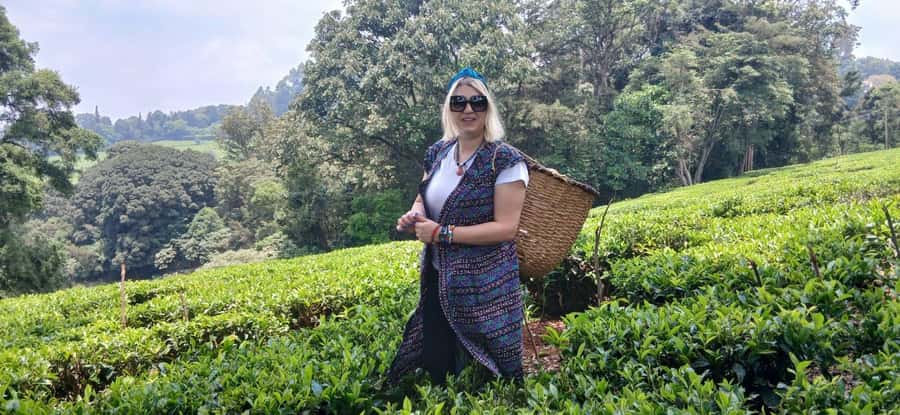
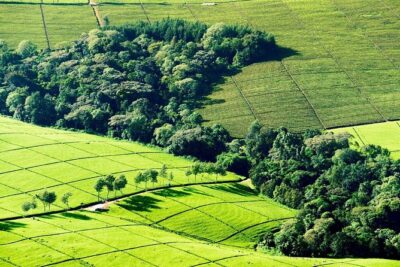
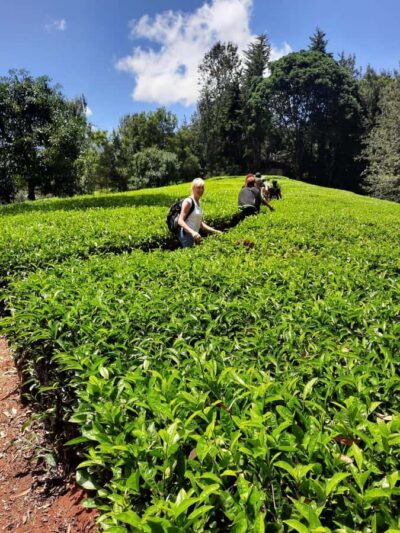
What you are really buying is time in three different “rooms” of the farm: the tea fields, an indigenous forest area, and the views that open up toward the Ngong Hills. That mix matters because tea tours can sometimes feel one-note, here you get both agriculture and wildlife-style walking.
You also get a small-group format, limited to 7 participants. In practice, that means less waiting around and more time with the guide when questions pop up.
More tea farms near Nairobi:
- Nairobi to Kiambethu Tea Farm Tour
★ 5.0 · 51 reviews - Private Day Trip to Kiambethu Tea Farm in Limuru from Nairobi
★ 5.0 · 31 reviews - Day Tour To Kiambethu Tea Farm in Limuru
★ 5.0 · 22 reviews
The value check: price vs the extra entrance fee
The package price is listed as $50 per person, and the tour description also lists a $50 entrance fee payable on site (by credit card or cash). Those two numbers are close enough that it is worth confirming what you will pay in total when you book, so you do not get stuck doing math mid-trip.
What is clearly part of the day is a bunch of high-value items: lunch, breakfast, coffee and/or tea, and hotel pickup and drop-off. You also get a driver/guide plus a professional guide, and the tour lists all fees and taxes as included on the main package.
The practical takeaway: treat this as a full day with transport and meals built in, but keep an eye on that separate entrance fee line item. Also remember that buying tea products is not included, so if you want souvenirs, budget for that separately.
Getting picked up in Nairobi: many options, fewer headaches
The pickup system is one of the things that makes this work as a true escape from the city. You can be collected from a long list of areas around Nairobi, including places like Langata, Karen, Hurlingham Shopping Centre, Kilimani, Westlands, and even the airport area options.
In multiple cases, the ride is described as punctual and handled in modern vehicles. The guide or driver meets you at your hotel, and if pickup is optional for your stop, you wait at the hotel lobby and they arrive at least 10 minutes before the listed pickup time.
This matters because Nairobi traffic can be unpredictable. A timed pickup gives you less stress and more confidence that the farm visit stays on schedule.
Arriving at Kiambethu: welcome tea and a family-style story
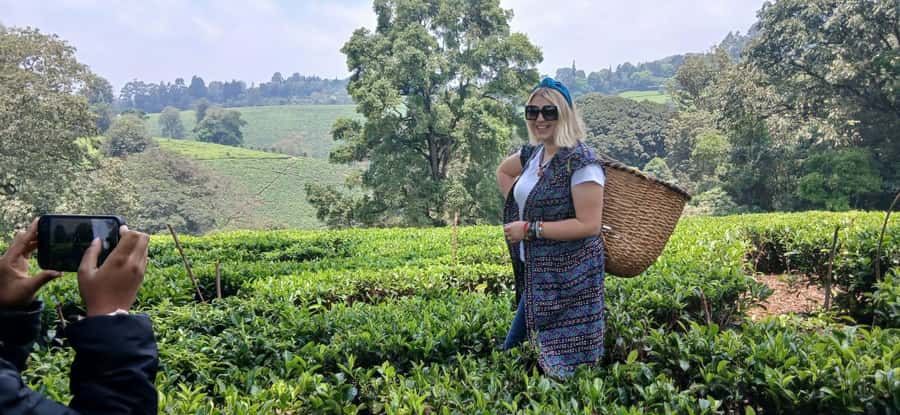
Once you reach the farm, the day starts with orientation and the tea story. You listen to engaging commentary about the history of Kiambethu and how tea came to Kenya more than a century ago, including the connection to India that helped shape Kenya’s tea industry.
Expect this part to be both educational and friendly. Some of the best feedback highlights the warmth of the hosting, including the tea farm being run by ladies of British-origin with an active personal connection to the family and the farm’s present-day approach.
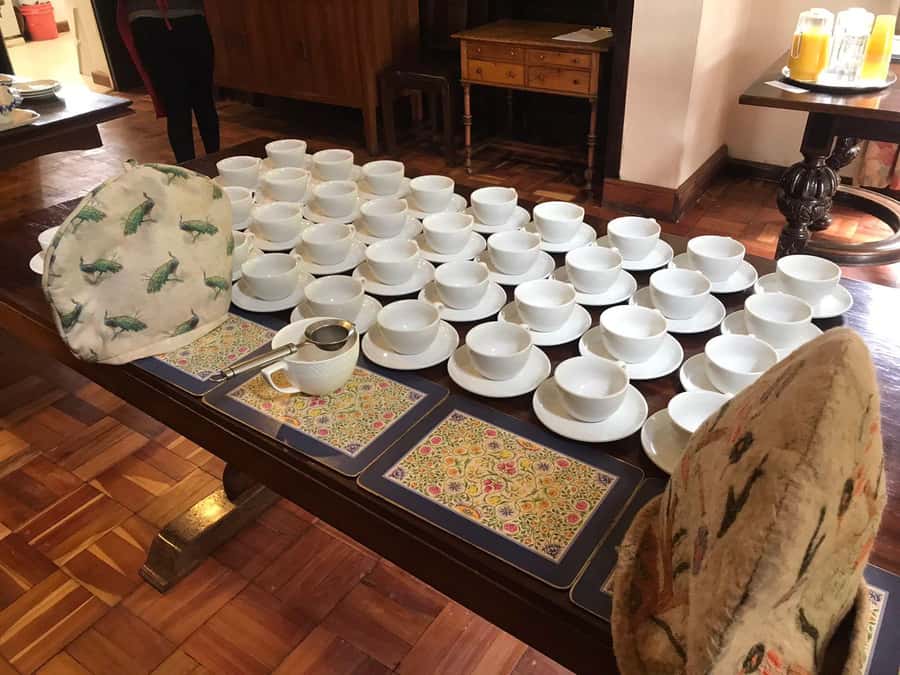
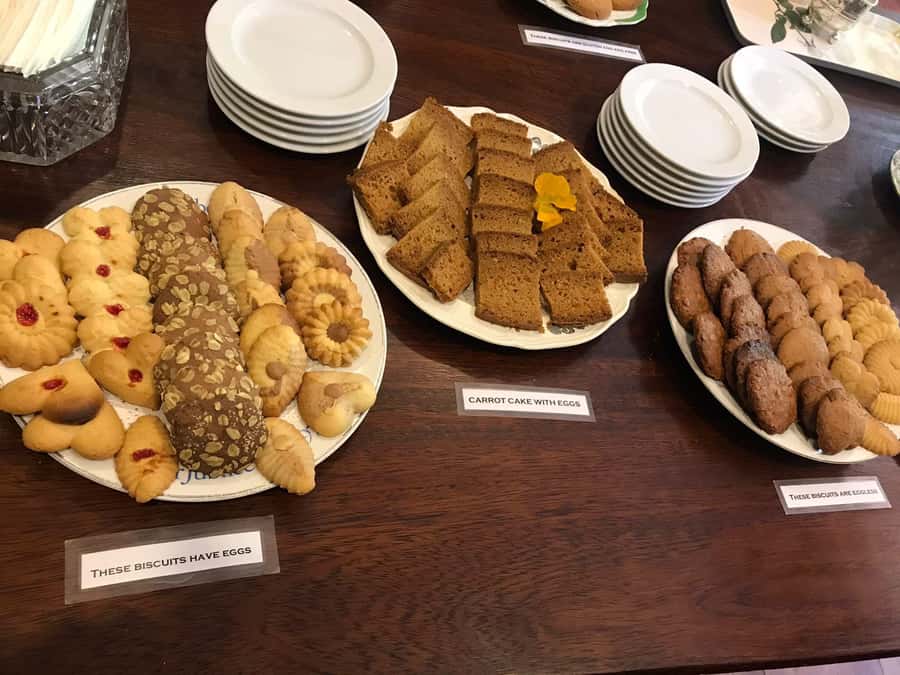
You will also likely get an early cup of tea with biscuits. Past visitors described in-house options and even dietary-friendly choices like gluten-free, egg-free, and nut-free biscuits.
The practical value here is that this first briefing turns later walking into real understanding. When you see the tea bushes, you will know what you are looking at and why the process matters.
More Nairobi trips to compare
- Nairobi City Walking Tour with Traditional Kenyan Lunch
★ 5.0 · 106 reviews - The Carnivore Restaurant Experience in Nairobi: Lunch or Dinner
★ 4.5 · 21 reviews - Nairobi: Tea Farm Day Trip with Lunch at kiambethu
★ 4.0 · 21 reviews - Nairobi City Orientation Guided Tour with Lunch at Carnivore
★ 4.6 · 20 reviews
The plantation walk: tea picking and how processing really works
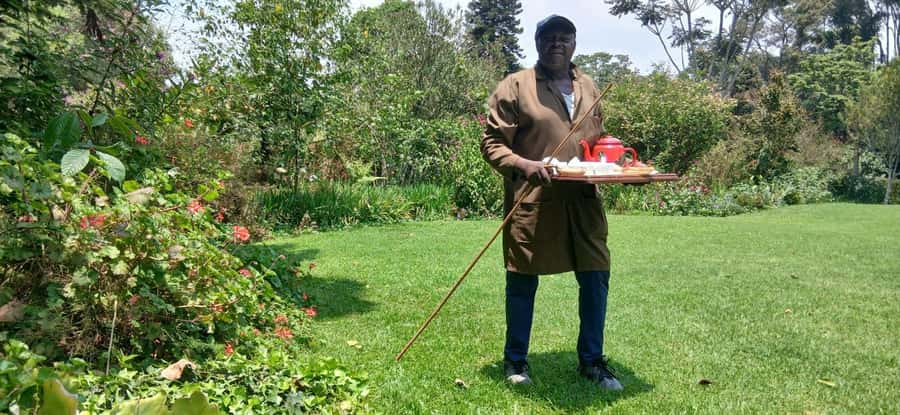
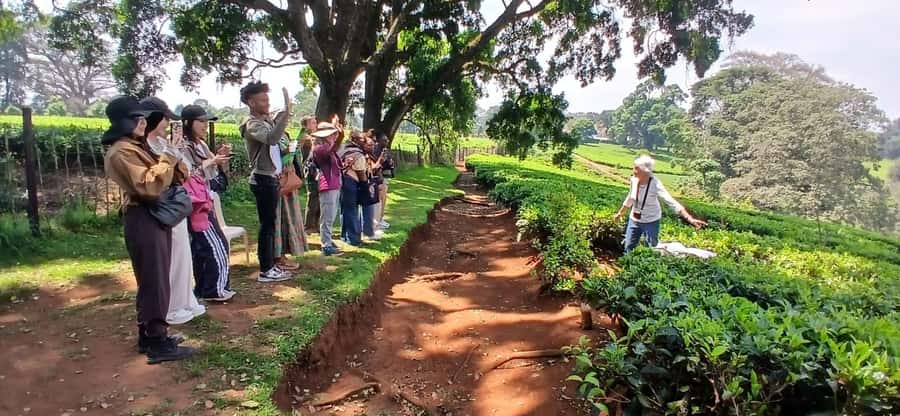
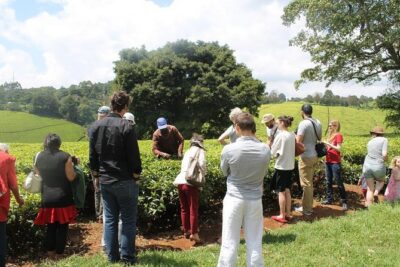
After the welcome, you move into the guided tour of the farm. This is where the tour earns its keep. You are not just roaming in green scenery, you are learning how tea becomes tea.
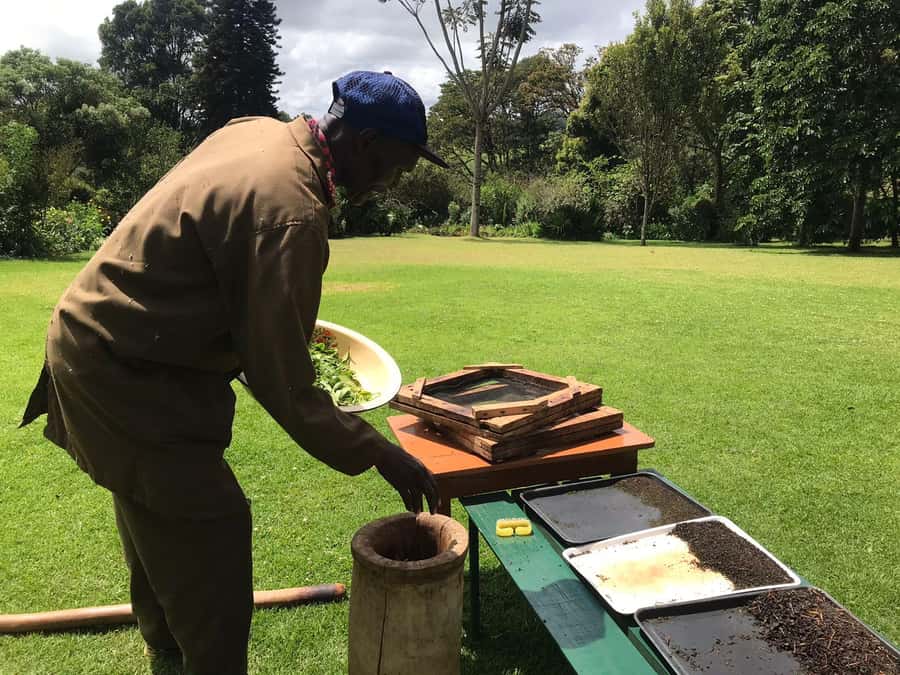
Guided stops explain both the picking of small tea leaves and the refining process. You also get commentary that connects traditional methods with contemporary production, so the story feels like it spans past and present rather than being a single snapshot.
I find this type of farm education works best when you ask practical questions. If you want to understand the difference between various tea styles, ask what farmers watch for in the leaf and how processing changes the result.
Also, the tour includes a tea ceremony element and a workshop block in the overall timing. Even if the ceremony is short, it helps you wrap the day with a hands-on feel for what you are tasting later.
Indigenous forest walking: colobus monkeys and birdlife
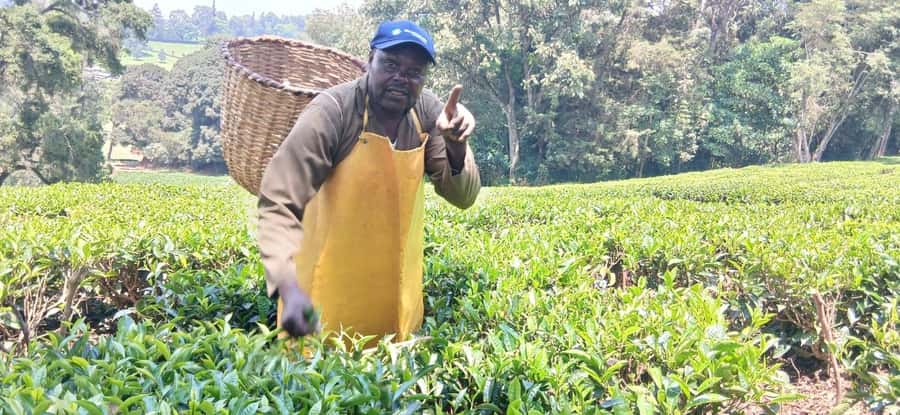
One of the highlights is the walk through the indigenous forest area. This is where the farm tour stops being only agriculture and becomes a wildlife and nature experience.
You have a chance to spot playful colobus monkeys and to see diverse bird species. Past descriptions also mention looking at different tree species during the forest part of the visit.
What to do with this information: dress for easy walking and be ready to pause. The best wildlife moments often come when you are not rushing.
If you are someone who likes photos but also likes paying attention, this part is worth slowing down. A quick glance and a later read of photos rarely beats the real moment.
Ngong Hills views, and the Kilimanjaro question
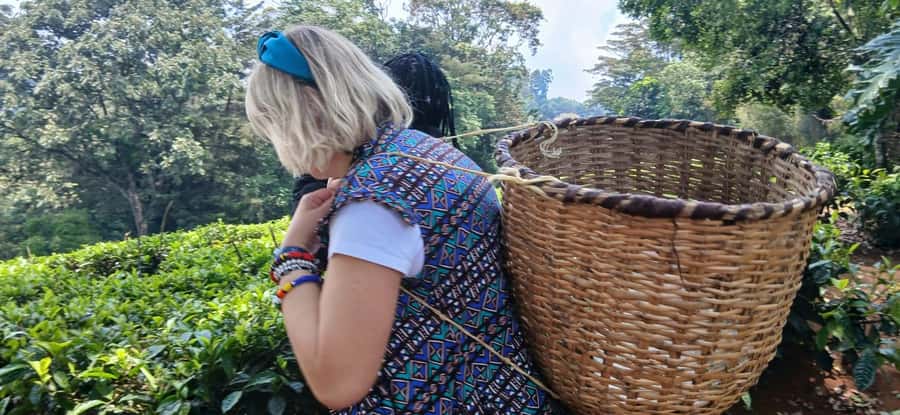
Along the route, you get panoramic views toward the Ngong Hills. The tour information also notes that on clear days you may see Mount Kilimanjaro.
That last part is weather-dependent, so do not count on a perfect view every day. Still, it is a nice bonus that makes the drive feel scenic rather than purely functional.
If views matter to you, plan to keep your camera accessible during the return trip too. The road and timing can give you a different light, and the extra minutes for photo stops often help.
Lunch that feels like part of the day, not a stopover
The lunch experience is one of the most praised parts of the tour. You get a meal at the farm that is described as fresh and high quality, not a rushed buffet with leftovers.
There are also hints that the food handles dietary needs. One visitor highlighted an open buffet with vegetarian and meat options like chicken and beef, plus gluten-free dishes. Another mentioned handmade touches like homemade ice cream for dessert, which is exactly the kind of detail that makes a farm lunch memorable.
Plan for a proper break after the walking. The farm day is not long, about 6 hours overall, but it still includes guided movement through plantations and forest areas. A real meal helps your energy for the final tea tasting portion.
Tea tasting and the end-of-day wrap-up
The day finishes with tea tasting, where you sample freshly brewed teas. This is the moment when the morning’s process lessons click.
Because you learn how leaves are picked and how tea gets refined, tasting becomes more specific. You are more likely to notice differences in strength, aroma, and character rather than just thinking it tastes like tea.
This ending also supports the cultural angle. Tea is not only a product here, it is a craft and an industry, and the tasting lets you experience that rather than just hearing about it.
The guides and drivers make it feel easy
A lot of the positive feedback focuses on the people running the day. Guides such as Nancy are described as comprehensive and helpful. Fiona comes up as a key source for the farm story and tea understanding.
Your driver can also shape the mood. Daniel is mentioned as friendly and easy company, and one review notes help with m-pesa, the local mobile payment platform. That kind of small practical help matters in Kenya when you are trying to stay on schedule and keep things simple.
If you want the day to feel relaxed, treat your guide and driver like partners, not background staff. Ask what to look for on the road, and ask what part of tea making is most important to the farm’s style.
Who this tour suits best, and who might want something else
This works best if you want a short Nairobi escape that mixes learning and nature. Tea lovers will appreciate the guided talk on history, picking, and processing, and people who like wildlife and birds will enjoy the forest segment and colobus monkeys.
It can also suit first-time visitors because the day is structured and supported by pickup, transport, and a schedule that fits a half-day window.
I would skip it if your idea of Kenya is a long safari or a full-day wilderness track. This is a tea farm experience, not a big game viewing day.
Also, even though the tour lists wheelchair accessibility, your comfort level will still depend on the walking parts. If you use a wheelchair, ask ahead about how much walking is expected in the plantation and forest sections.
Price, timing, and languages: practical details that help
The tour runs about 6 hours, and it is planned as a small-group day with a maximum of 7 people. English is available, and so are Esperanto and French, which is a real plus if you want guidance in something other than English.
Pickup and drop-off are offered for many Nairobi locations, so you are not forced into a separate taxi plan. Once you are collected, the driver handles the drive, and the guide handles the farm explanations and walking route.
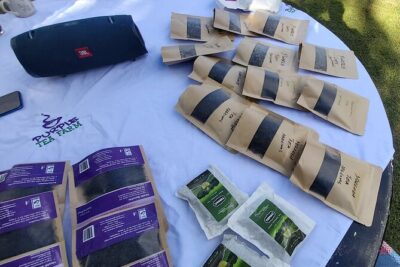
One more practical point: tea products are available for purchase, but they are not included. If you want to bring tea home, you will likely have time at the end of the farm experience to shop.
Should you book the Kaimbethu Tea Farm tour?
I would book this if you want an actually educational tea day trip that still feels like nature. The combination of guided tea history, a plantation walk, indigenous forest wildlife time, and a properly praised farm lunch with dessert is hard to beat for a half-day.
I would hesitate only if you dislike paying extra on top of the headline price, since there is a listed $50 entrance fee that you may need to settle separately. If you confirm the total cost before you go, that concern disappears fast.
If you are in Nairobi with a limited schedule, this is one of those day trips that gives you a different Kenya story than the usual city sights. It is close enough to fit, and it feels personal enough to remember.
FAQ
How long is the Kiambethu Tea Farm tour?
The duration is listed as 6 hours.
What is the group size for this tour?
It is a small group limited to 7 participants.
What is included in the package?
The package includes lunch, breakfast, coffee and/or tea, a driver/guide, a professional guide, and hotel pickup and drop-off. It also lists all fees and taxes as included.
Is the $50 entrance fee included in the price?
No. The entrance fee is listed as not included, and it is payable by credit card or cash.
What languages are the tour guides available in?
The tour guide languages listed are English, Esperanto, and French.
Where can you be picked up in Nairobi?
Pickup is offered at multiple Nairobi locations, including options such as Langata, Karen, Hurlingham Shopping Centre, Kilimani, Limuru Road, Westlands, and several hotel and airport area stops.
Is the tour wheelchair accessible, and is cancellation possible?
The tour is listed as wheelchair accessible. It also offers free cancellation up to 24 hours in advance for a full refund.
Recently reviewed from Nairobi
- Amboseli Day Trip from Nairobi★ 4.5 · 3 reviews
- Nairobi city tour★ 4.5 · 3 reviews
- Ngare Ndare Day Trip★ 5.0 · 3 reviews
- Day Trip To Crescent Island And Hells Gate National Park★ 5.0 · 3 reviews
- Crescent Island Day Tour From Nairobi★ 5.0 · 3 reviews
- 1-Day Amboseli Safari★ 5.0 · 3 reviews
- 13-Day Uganda Mgahinga Gorilla Trek, Maasai Amboseli Park★ 5.0 · 3 reviews
- 4 days group joining budget safari to Maasai Mara only★ 5.0 · 3 reviews
Tea Farm Tours, compared.
Private Day Trip to Kiambethu Tea Farm in Limuru from Nairobi
Read our review →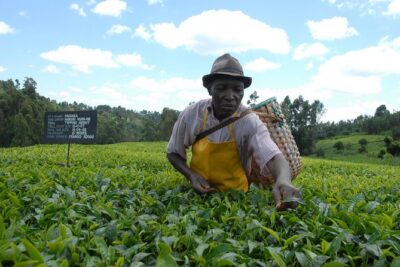

Purple Tea Farm Tour from Nairobi City – Specialty Tea Tasting
Read our review →
Tea Farm Experience at Riara Tea Farm And Factory Tour
Read our review →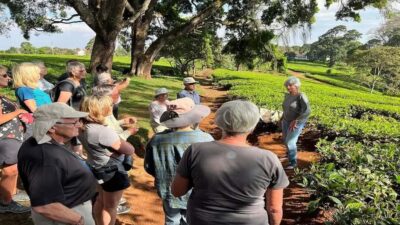
Browse the lists this tour appears in