
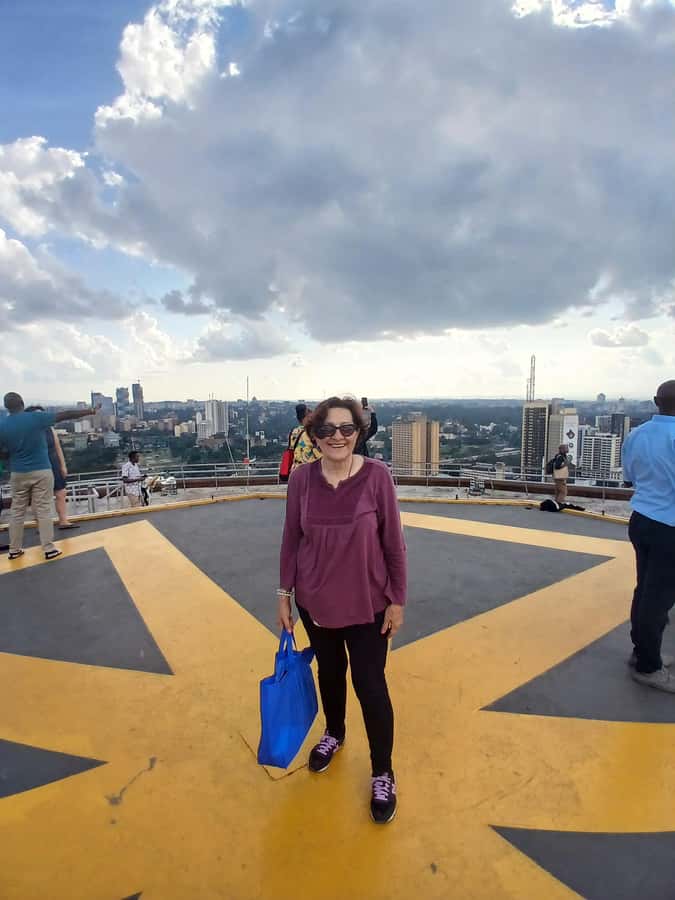
Reviewed · CITY TOURS
Nairobi City;Culture and Historical guided tour
Nairobi’s political and cultural center comes together in one focused walk, with historic monuments and local stories threaded through the route. You’ll cover major landmarks like the Dedan Kimathi statue, Jamia Mosque, KICC, and Kenya’s Parliament area, all while you get a clearer sense of how the city ticks day to day.
I like that it’s led by a live guide, so you can ask questions as you go, in English or Spanish. I also like the mix of big sights with small human details, including time at the Maasai Markets and learning a few Swahili words along the way.
One thing to consider is that this is a walking tour and it is not suitable for wheelchair users, pregnant women, or people with altitude sickness. Also, if you struggle to hear someone from a distance, position yourself near the guide early, so you do not miss the story parts.
Key highlights at a glance
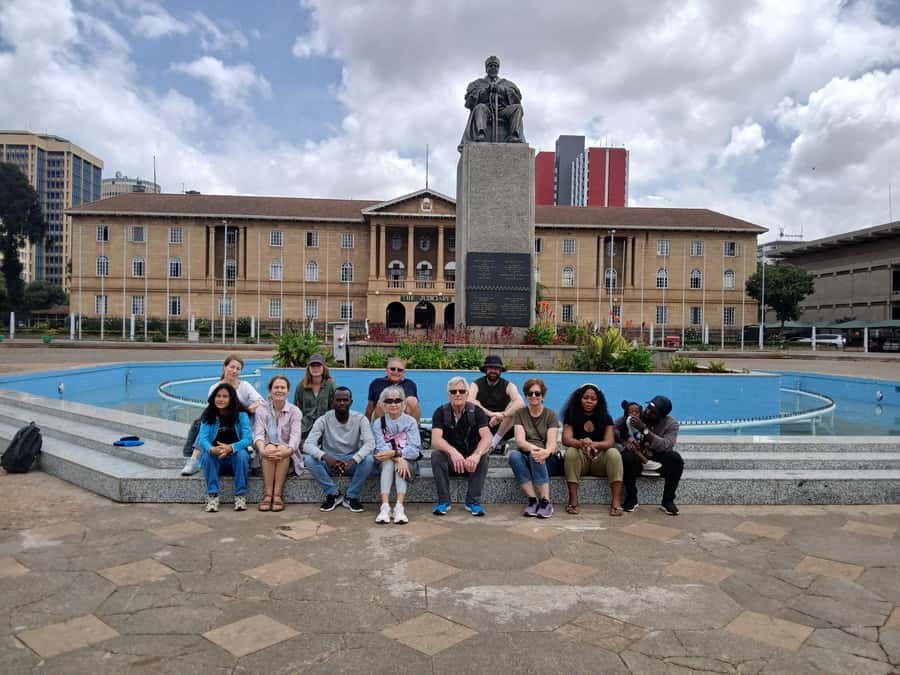
- Local guide, real talk about tribes, history, and everyday city life
- Jamia Mosque and McMillan Memorial Library for instantly recognizable landmarks
- KICC, Supreme Court, and Parliament area photo moments tied to Nairobi’s governance
- August 7th Memorial Park and major memorials that put events into context
- Maasai Markets stop for souvenirs and attire, with a “know your budget” mindset
- Swahili mini-lessons so you can say a few basics beyond seeing buildings
Getting oriented by City Walk Nairobi’s meeting point
This tour starts in central Nairobi, and it helps to be at the meeting spot on time. Your guide will be standing outside the City Walk shoe shop, and pickup is optional depending on what you select. If you choose pickup, look for the registration number of the car provided when you book, then you’ll avoid that annoying hunt-and-wait feeling.
Because the day focuses on a tight set of landmarks, arriving with a clear head matters. I’d treat this as a “get your bearings fast” tour, not a slow wander. After you meet up, you’ll get a short safety briefing before you start moving.
More City Tours in Nairobi
- Nairobi Historical Walking City Tour
★ 5.0 · 258 reviews - Nairobi City Walking Tour with Traditional Kenyan Lunch
★ 5.0 · 106 reviews - Nairobi: Private 4-Hour City Tour
★ 4.5 · 68 reviews
The short safety briefing that sets the tone
Before you start sightseeing, the tour includes a safety briefing (about 15 minutes). This is not there to slow you down. It’s there so you know how the walk will work, what behavior keeps things smooth, and what the guide expects from the group.
You’ll also want to note the rules that apply during the tour: jewelry is not allowed, and alcohol and drugs are not allowed. For a walking city route, that usually means the experience is designed to stay respectful and focused, with fewer distractions.
McMillan Memorial Library: a calm start with real atmosphere
The first main stop is the McMillan Memorial Library. You’ll spend about 10 minutes visiting, which is just enough time to clock what the building offers and listen for the context the guide shares. This is the kind of stop that works well early in the tour, because it gives you a baseline for Nairobi’s public life and education culture.
Even with limited time, libraries have a way of grounding a city. Instead of just chasing architecture, you start learning how people gather, read, and organize ideas. That makes the later political and memorial stops land with more meaning.
Jamia Mosque, Nairobi’s major mosque, and learning the city’s rhythm
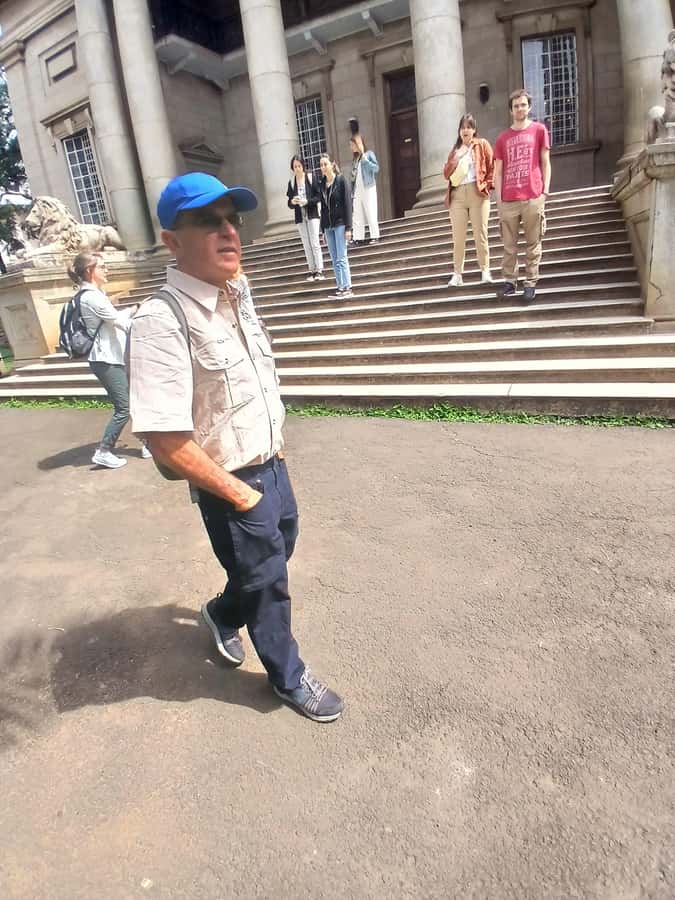
Next up is the Jamia Mosque. You’ll do sightseeing there, and you can expect the guide to connect it to local life and wider history. Since this is described as Nairobi’s biggest mosque, it’s a landmark you can’t really miss, and it’s a good place to understand how faith shapes public spaces.
One practical tip: think of mosque visits as both visual and behavioral. Dress and conduct matter, and the rules from the tour help keep everything simple. If you want great photos, be mindful of when people are moving through areas and do not block pathways.
More Historical Tours in Nairobi:
- Nairobi: Historic and Modern Highlights Walking Tour
★ 4.8 · 703 reviews - Full Day Nairobi Cultural and Historical Tour
★ 5.0 · 153 reviews - Nairobi Cultural and Historical City Tour with a Local
★ 5.0 · 67 reviews - Nairobi souvenir Shopping and Historical Half day Tour
★ 5.0 · 61 reviews
KICC and the Supreme Court: where power meets skyline photos
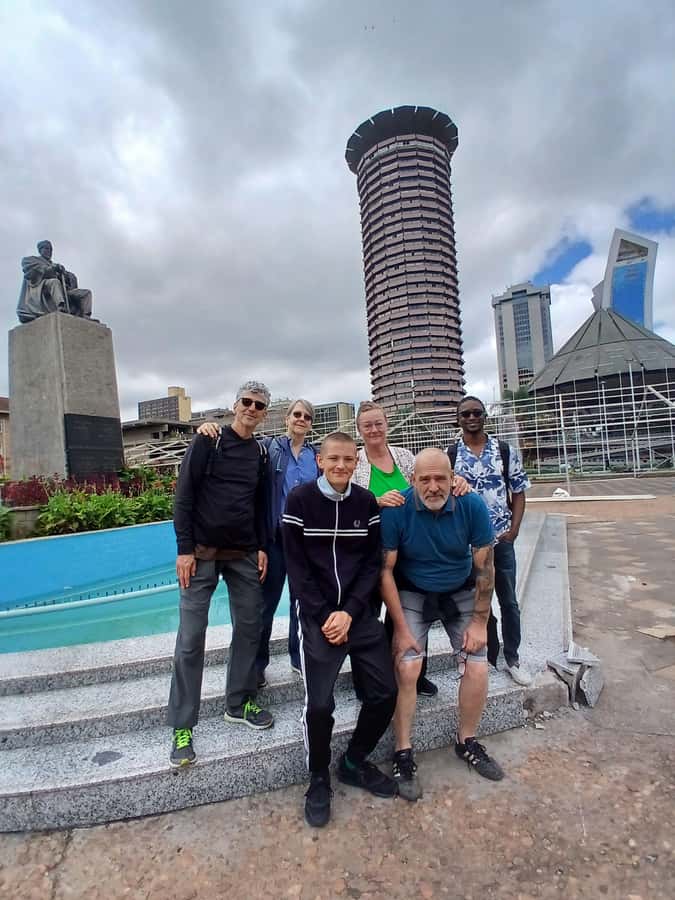
After the mosque, you’ll head to the Kenyatta International Conference Centre, usually called KICC. There’s a photo stop plus sightseeing here, about 20 minutes. This is a high-impact section of the walk because it’s tied to the official face of Nairobi.
Why this stop is worth the time: seeing a building from the outside is one thing, but having a guide explain what it represents makes it more than a photo moment. You’ll also pass by the Supreme Court area, so the story of governance continues as you move.
If you like taking city skyline photos, this is where you’ll want to get your angles right. Plan to pause, breathe, and let the guide point out what to notice. With a guided route, the best shots often come when the guide tells you what matters.
August 7th Memorial Park: monuments that tell you what matters

Then you’ll visit the August 7th Memorial Park. Expect visit and sightseeing, with the guide tying the memorial to Nairobi’s story. Memorial parks are one of those travel moments that can feel like “just another statue” if you rush. But with a guide sharing the background, the details start to make sense.
I like including memorials on a city walk because they break the pattern. You get a pause from buildings and commerce and you learn how the city remembers. It also helps you understand why certain areas feel more formal or more emotionally charged.
Public smoking zone and Galton Fenzi Memorial: the odd stops that feel real
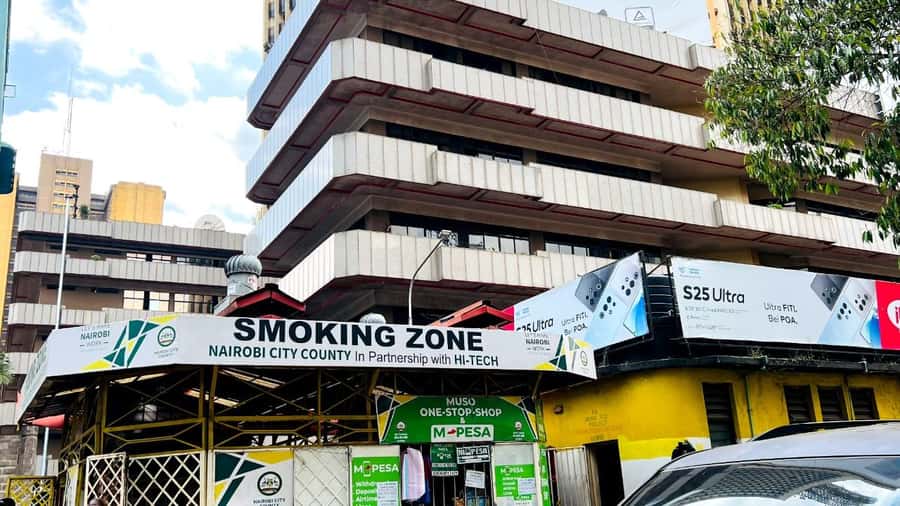
Part of what makes this tour interesting is that it doesn’t only chase big-ticket attractions. Along the route, you’ll pass by a public smoking zone, and you’ll also visit the Galton Fenzi Memorial.
That might sound like filler until you realize what it does. These stops add texture. They show regulations and public behavior, and they add another thread of history through memorials that many people overlook when they only follow the standard checklist.
A guide who can explain why these places exist turns them from “random stops” into “why this city feels like this city.”
The Cathedral Basilica of the Holy Family: break time with serious presence
Next comes the Cathedral Basilica of the Holy Family, Nairobi. You’ll get a break time along with visiting and sightseeing, which is helpful in a 150-minute walk that packs in several major areas.
This is the kind of place where the space itself helps you slow down. Even if you are not focused on church architecture, you’ll likely appreciate the atmosphere and the way the building anchors the surrounding streets.
If you’re taking photos, be respectful of what is happening on site. Use the break time wisely. Hydrate, regroup, and decide what you want to ask the guide next, because the remaining landmarks shift back into governance and civic buildings.
Maasai Markets: souvenirs, attire, and how to shop without getting pushed
A stop at the Maasai Markets is part of the route, and it’s aimed at shopping for souvenirs and attire. This can be fun, especially if you like textiles, crafts, and the kind of shopping where you can ask questions and learn what an item is used for.
Here’s the practical advice I’d give you: set a budget before you step into the market space. One of the risks on market stops is that the energy can turn sales-focused, and some visits can feel like they pressure you to buy. If you want a calmer experience, decide in advance what you will buy, what you will not buy, and what price you consider fair.
Also, if shopping is not your priority, you can still treat it as cultural observation time. You’ll likely learn more from the guide’s explanations than from chasing deals.
Passing Kenya’s presidential area and seeing the government footprint
As the walk continues, you’ll pass by the office of the president and the deputy president. This kind of pass-by matters because it shows the scale of Nairobi’s civic footprint. It’s not just a few monuments placed for photos. It’s a working system, and the layout tells you how official areas sit alongside daily street life.
If you like understanding how cities function, this section helps. It connects the earlier memorial context to modern governance, so the city’s story becomes continuous instead of a set of disconnected highlights.
Parliament of Kenya, National Assembly, and the Senate: the last big lesson
You’ll end the civic block at the Parliament of Kenya area, with sightseeing and walking passes by the National Assembly and the Senate. This is the tour’s final “power center” moment, and it’s a strong wrap-up because it turns your earlier glimpses into a coherent picture.
I’d pay attention to what the guide says about why these buildings matter, because that’s where the tour earns its keep. Seeing parliamentary buildings from the outside is fine. Having the local narrative around them makes you understand how authority is staged in everyday public space.
When the tour finishes, the guide assists with how to get modes of transport of your choice. That matters. In central areas, knowing how you’ll move next saves time and keeps you from feeling stuck.
Price and value: $25 for 150 minutes of guided structure
For $25 per person, you’re buying three main things: a live guide, a guided route through key sites, and help making sense of what you see. You also get photography and video recordings included, plus time to ask questions.
What is not included matters for your budgeting. Entry charges are not included, and foods and drinks are not included. That means you may want to carry a little cash or card for any site fees you encounter and plan to eat separately.
Is it good value? Usually yes, if you want a structured introduction to Nairobi’s central landmarks in a short window. If you already know the city well or you prefer slow, self-guided walking with no explanations, the value may feel smaller. But if you want context fast, $25 for 150 minutes with a guide and a tight route is a solid deal.
Who this tour suits best
This works best if you want a guided cultural and historical city walk without spending your day figuring out logistics. It also fits you if you enjoy asking questions and want explanations tied to tribes, history, and what you’re seeing on the ground.
It may not fit if you need step-free routes, because it is not suitable for wheelchair users. It also is not suitable for hearing-impaired people, so plan accordingly if you rely on hearing support.
Tips to make the walk easier and more enjoyable
A few small choices can make a big difference in a city walk this compact.
- Leave expensive jewelry at home. Jewelry is not allowed on the tour.
- Bring water for after the break. Foods and drinks are not included.
- Wear comfortable shoes. You’ll be moving between several stops in about 150 minutes.
- Have a plan for your phone. Photography and video recording are included, so capture the moments you care about.
- If you want the Swahili words, listen early. The guide shares simple words during the walk, and repeating them later helps you remember.
If you end up with a guide like William, who was described as attentive, friendly, and full of city knowledge, you’ll likely feel the tour runs smoothly and questions get answered. If you get someone in the Brian style, known for a relaxed pace and clear speaking, you’ll probably enjoy the experience more if you like a calm, unhurried flow.
Should you book this Nairobi City Culture and Historical guided walk?
Book it if you have limited time and you want Nairobi’s culture and power landmarks in one organized walk. I’d especially recommend it if you like guided context, photo stops at places like KICC, and a practical end-of-tour handoff for transport.
Skip it or adjust your expectations if you hate market shopping pressure or you want a totally off-the-beaten-path route, because the Maasai Markets stop and the guided structure are part of the package. Also, if you need accessibility accommodations or you rely heavily on hearing, this tour is not listed as suitable.
FAQ
How long is the Nairobi City Culture and Historical guided tour?
The tour duration is 150 minutes.
How much does the tour cost?
The price is $25 per person.
What languages is the live guide available in?
The live tour guide is available in English and Spanish.
Where do I meet the guide?
The guide stands outside the City Walk shoe shop.
Is pickup available?
Pickup is optional. If you select it, you should look for the registration number of the car provided.
Are entry charges included?
No. Entry charges are not included.
Are foods and drinks included?
No. Foods and drinks are not included.
Is the tour suitable for wheelchair users or pregnant women?
No. It is not suitable for wheelchair users or pregnant women.
Is jewelry allowed during the tour?
No. Jewelry is not allowed.
Recently reviewed from Nairobi
- Amboseli Day Trip from Nairobi★ 4.5 · 3 reviews
- Ngare Ndare Day Trip★ 5.0 · 3 reviews
- Nairobi city tour★ 4.5 · 3 reviews
- Day Trip To Crescent Island And Hells Gate National Park★ 5.0 · 3 reviews
- Crescent Island Day Tour From Nairobi★ 5.0 · 3 reviews
- 1-Day Amboseli Safari★ 5.0 · 3 reviews
- 4 days group joining budget safari to Maasai Mara only★ 5.0 · 3 reviews
- 13-Day Uganda Mgahinga Gorilla Trek, Maasai Amboseli Park★ 5.0 · 3 reviews
City Tours, compared.

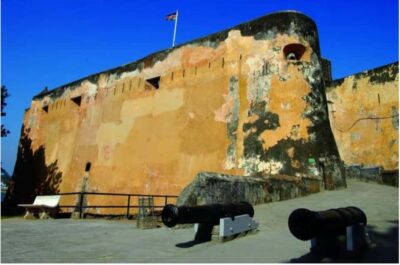
Tusks, Fort Jesus, Old Town, Beach and City Tour
Read our review →
Nairobi City Walking Tour with Traditional Kenyan Lunch
Read our review →
Nairobi Cultural and Historical City Tour with a Local
Read our review →


Browse the lists this tour appears in