
Reviewed · PRIVATE DRIVERS
Nairobi: Coffee Factory and Farm Tour with Transfer
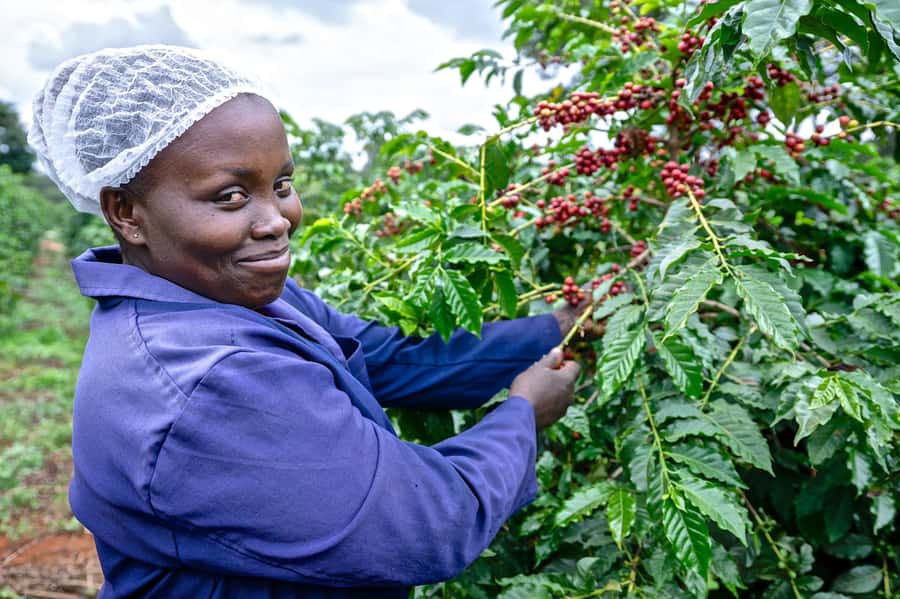
A coffee farm tour near Nairobi is interesting because it lets you see the work behind the drink, not just the final product. I like how the Fairview experience pairs a real plantation walk with coffee processing and tasting so you understand each step from farm to cup. I also like that you can meet the people doing the work, with guides like Elvis, James, and Ray earning standout praise for their energy and clear explanations.
One thing to factor in before you go: entry fees are not included, listed at 30$, so your all-in cost will be a bit higher than the $24 tour price.
Key things that make this coffee tour worth your time
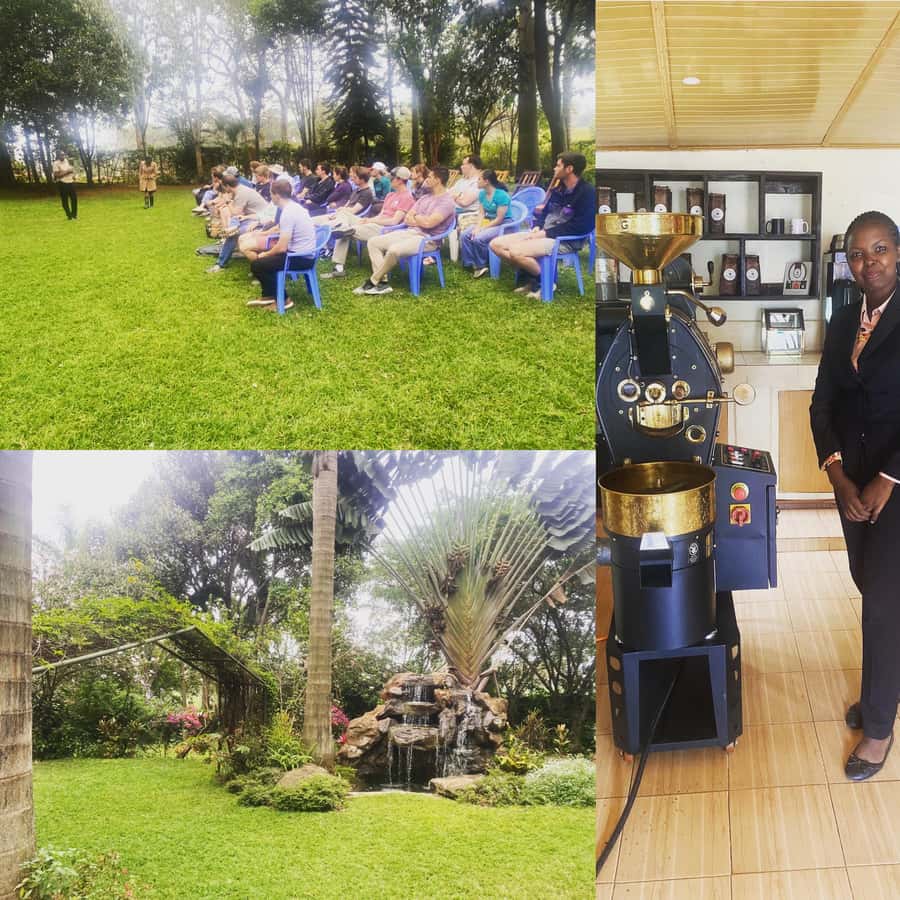
- Fairview estate setting in Limuru, Kiambu County: nearly 100 acres of coffee, irrigated by the Riara River.
- A structured walk through coffee production: from how coffee is grown to processing and tasting.
- Tasting Fairview brands: you should expect at least a couple renowned brands during the session.
- Guides who bring the farm to life: names like Elvis, James, and Ray show up again and again in praise.
- A peaceful break from Nairobi: the whole day feels calmer once you reach the estate grounds.
From Nairobi to Limuru: what the drive sets up
This tour is built for people who want something hands-on without turning the day into a logistical headache. You start with pickup from a Nairobi hotel, then you head to Limuru in Kiambu County for the farm portion. The total time is about 4 hours, and that gives you enough structure to actually learn, not just rush through.
I appreciate that the pickup zone is defined, with options like Kilimani, Westlands, Parklands, Lavington, Karen, Gigiri, Syokimau, Embakasi, and a couple other Nairobi-area stops. If you’re staying in one of those neighborhoods, your day should feel straightforward. If you are outside that list, you might want to confirm that your hotel is covered before you commit.
The van ride matters because it sets expectations. Once you leave the city rhythm, you get that immediate shift in pace that makes the farm walk feel more meaningful. Even the included mineral water is a small but useful touch when you’re heading out into warm weather.
More days out of Nairobi:
- Nairobi National Park Half-Day Tour; Free Wi-Fi connection
★ 5.0 · 878 reviews - Nairobi: National Park & Optional Elephants & Giraffe Center
★ 4.8 · 874 reviews - NAI NAMI: Nairobi Storytelling Tour with Street Children
★ 5.0 · 792 reviews
Fairview Coffee Estate: why this farm setup helps you understand coffee
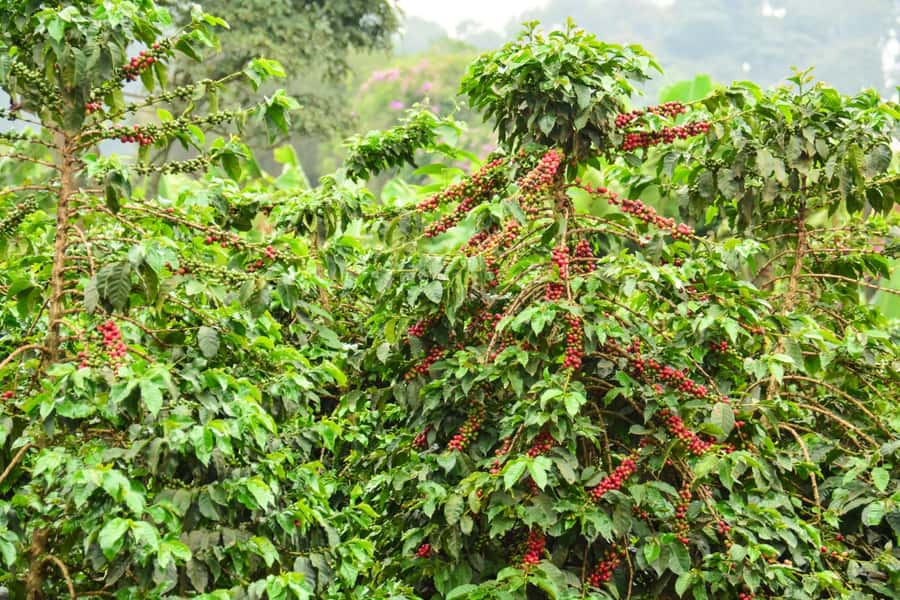
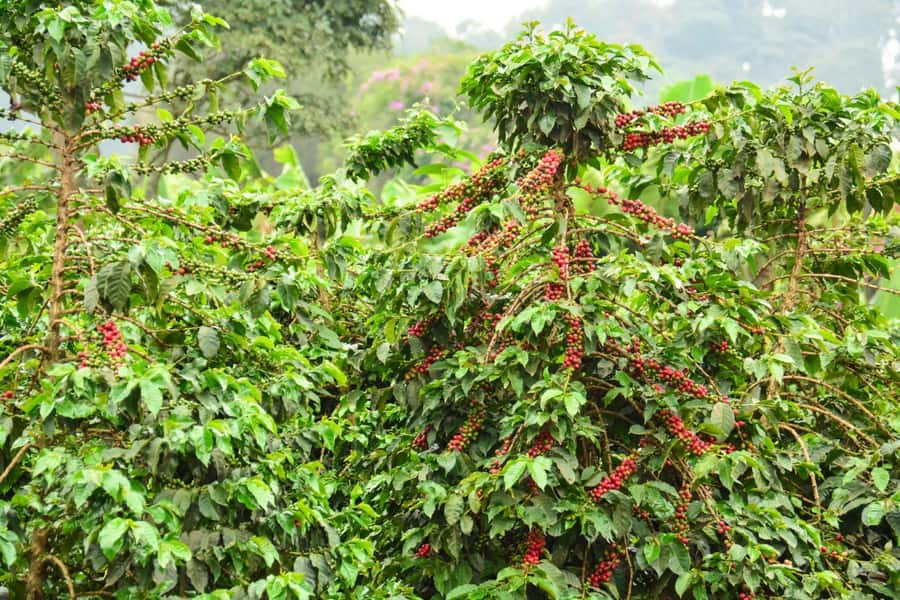
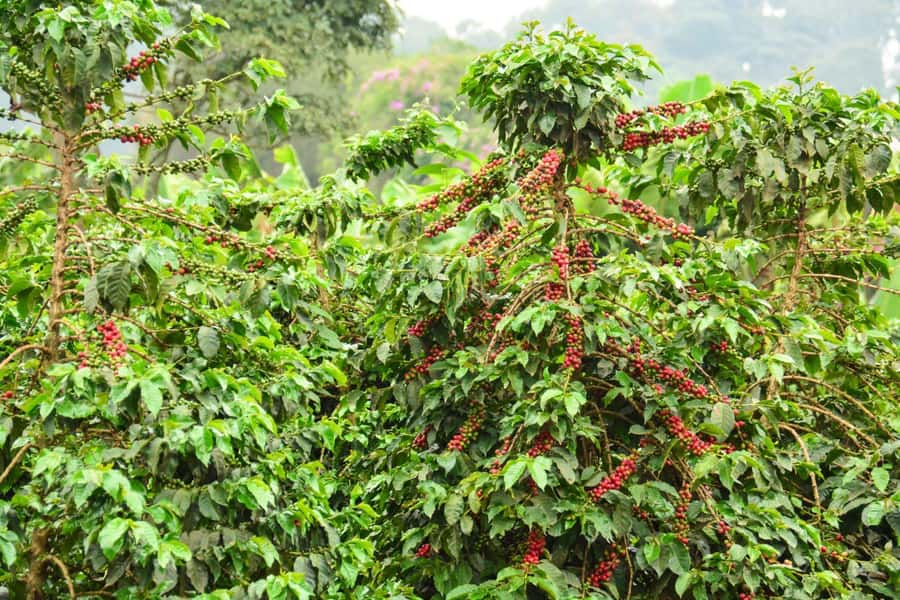
Fairview’s estate is in Limuru, Kiambu County, and that location tells a big part of the story. The farm sits on rich, fertile soils and has nearly 100 acres under coffee, which helps explain why their process is so methodical. You also get the practical context of irrigation, because the farm is fed by streams from the Kenyan highlands through the Riara River.
Why should you care about those farm details? Because coffee quality is not magic. It’s water, soil, timing, and careful processing, and Fairview’s setup gives you a clear, real-world example of how those factors play together. When your guide talks about production steps, you’ll have a better mental picture of why they do things the way they do.
Also, the farm’s history matters. It was started in the 1900s, and that long timeline shows up in the way they run daily tours designed for education and domestic coffee culture. You are not just visiting for views. You’re getting a practical explanation of what happens to coffee after it’s grown.
The 2-hour coffee tour: what you’ll actually do on the grounds
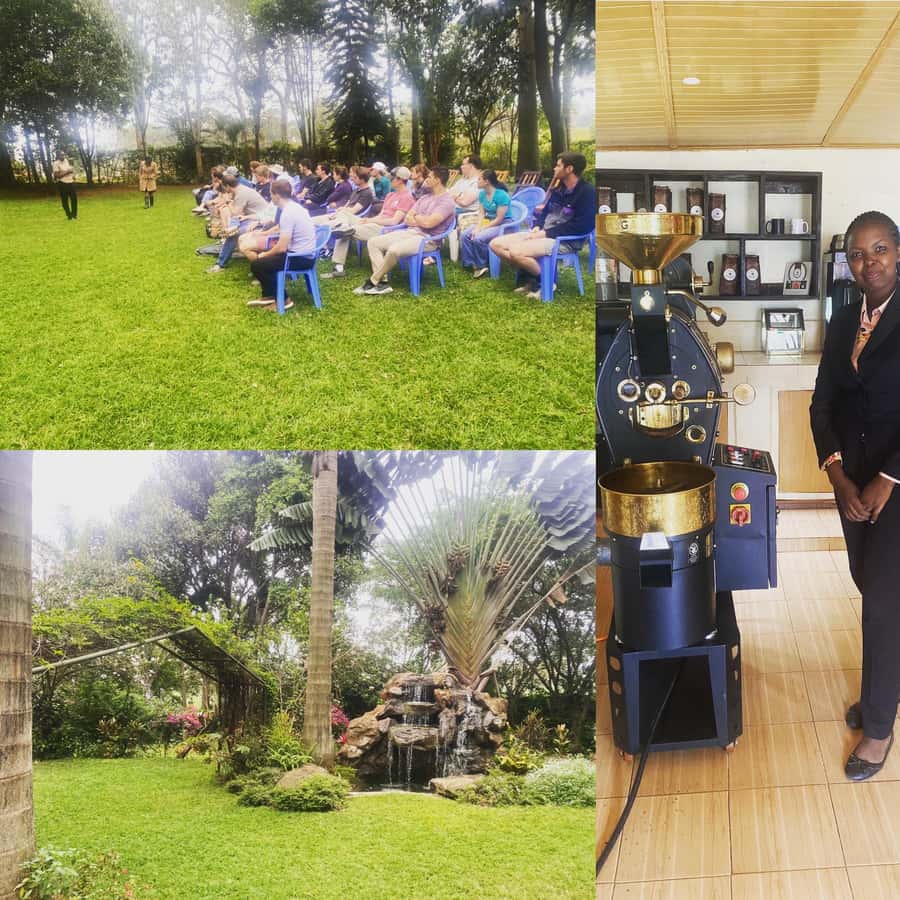
The main experience on the estate is a 2-hour coffee tour, which is a sweet spot for most visitors. It’s long enough to connect farming with processing, but short enough that you won’t feel like your whole day is gone. The focus is on understanding the production process, from how coffee is grown to how it becomes ready for brewing.
What that looks like in real life is a guided walk with stops along the way. Expect explanations of coffee plants and how coffee develops on the farm, plus how cherries and beans move through processing stages. Many people love this part because the guide tends to explain step by step, so you can follow the logic without needing a coffee degree.
You may also get some hands-on moments, depending on what’s happening that day. One praised experience describes being able to pick coffee cherries and test the quality of the picks themselves. Even if you do not do that exact activity every time, the overall tone is interactive and hands-on in a normal, not showy way.
Practical reality: this is still a farm. The tour includes walking around the property, and you’ll want proper footwear. In the same way I tell friends to dress for a hike, you should treat this as a short walk in working conditions, not a museum stroll.
Coffee processing and roasting lessons you can use at home
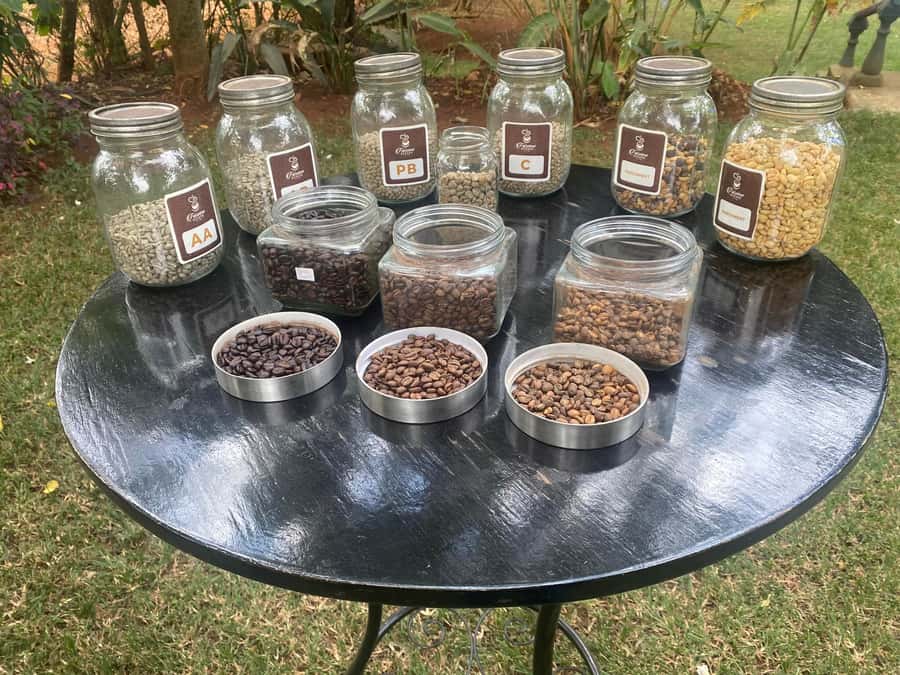
A big reason this tour gets strong scores is that it doesn’t keep things vague. The best explanations connect the dots: what happens on the farm, what happens after harvesting, and how processing affects flavor. You’ll typically cover the arc from cherry to the roasted and brewed cup.
A few guides earn specific praise for making that content feel clear and fun. People highlight things like guides being warm, funny, and genuinely excited about the land. When you hear names like Elvis or James described as knowledgeable and enthusiastic, it makes sense. Good coffee education is not a lecture. It’s a guided chain of cause and effect.
Even if you only take away a few points, you’ll be able to shop and brew more intelligently. You’ll start noticing that coffee differences are not random. They’re tied to how beans are processed and what gets emphasized during roasting. That is the type of knowledge that makes a tasting session more meaningful, because you know what to listen for.
One note: the tour includes complete coffee processing and tasting, which is helpful because you don’t just see one stage. You get the full story of how raw material turns into something you can drink.
More Nairobi trips to compare
- Safe and Private Airport transfer in Nairobi
★ 5.0 · 76 reviews - Car and driver hire in Nairobi Private Driver with Comfortable car rental Kenya
★ 5.0 · 44 reviews - Safe and Executive Airport transfer in Nairobi
★ 5.0 · 18 reviews - Mwashi Airport Transfer & Taxi
★ 4.0 · 14 reviews
Coffee tasting at Fairview: how to get the most from the session
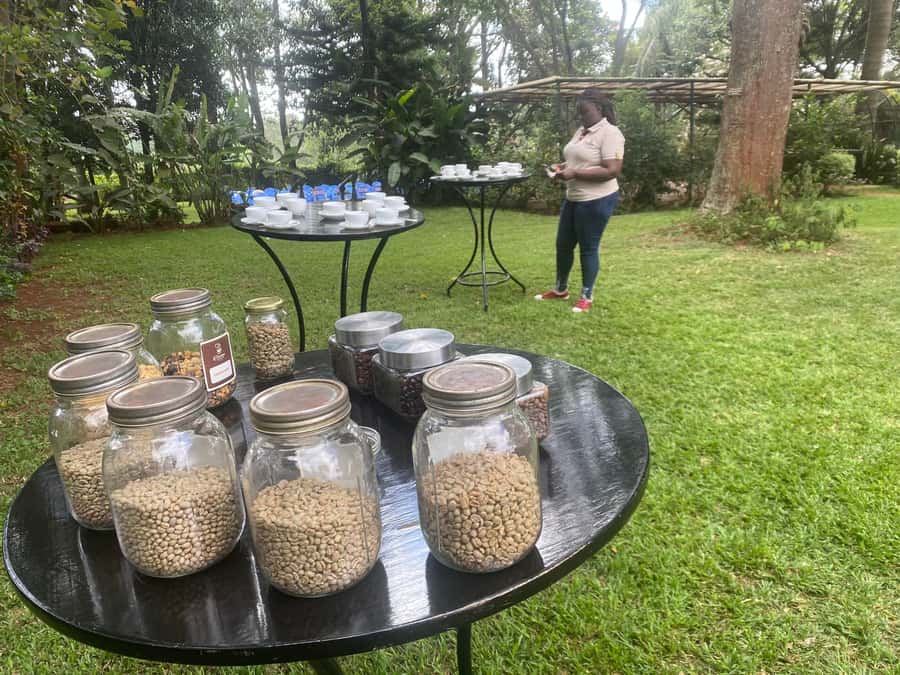
The tasting is the part people remember, and for good reason. This tour includes coffee tasting of at least a couple of Fairview’s renowned brands. That variety is key because it helps you understand that coffee styles can change a lot even when the beans come from the same general region.
Here’s how I suggest you handle the tasting so it sticks. Take small notes, even if it’s just a quick mental check: which one feels brighter, which one feels heavier, and which one seems smoother. Then connect those impressions back to what you learned about processing and roasting.
Several reviews call out the tasting as well run and enjoyable, with fresh brewed coffee and strong aroma. Fresh brewed matters, because it reduces the chance you’re judging coffee that’s been sitting too long. It also makes the aromas more noticeable, which helps most people who are not trained.
If you’re a true coffee lover, this is also where you can spot your preferences fast. Do you like something fruitier and lively, or more chocolatey and full-bodied? The tasting gives you a chance to calibrate without needing to order ten bags back home first.
Buying coffee at the end: great value, but plan your budget

You’ll have the option to buy coffee at the end, including ground or beans. That can be a highlight if you enjoy bringing home a tangible souvenir that is actually useful. It also helps support the people behind the operation, since you’re purchasing directly from the farm experience.
At the same time, this is a “nice to have” add-on, not a required spend. Before you get there, decide what you want from your purchase. Are you buying for daily drinking, for experimenting, or for gifts? If you’re traveling and space is tight, you might prefer smaller quantities, especially if you’re also budgeting for the 30$ entry fees.
One more practical point: if you’re picky about roast profiles or brewing method, ask questions while you’re there. The guides are often praised for being generous and passionate, and you’ll get better buying advice if you know how you plan to brew.
What to bring and how to dress for a working coffee estate
This tour comes with a simple packing list, and it matters. Bring warm clothing, hiking shoes, and clothes that can get dirty. The farm setting can mean uneven ground, dust, or just the general reality of being outside and near plants.
Even in daylight, weather can swing when you’re in Central Kenya. Warm layers help you stay comfortable during the walk, and they keep you from turning the tour into an uncomfortable endurance test.
Hiking shoes are more important than you might think. A coffee estate is not carpeted. A stable grip helps you relax and focus on your guide’s explanations, instead of watching your footing.
Price and value: why $24 can be a fair deal, with one catch
The tour price is $24 per person, and for a farm experience with education, tasting, and hotel transfer, that can be reasonable value. You get pickup and drop off at a Nairobi city hotel, a 2-hour coffee tour, mineral water in the vehicle, and coffee processing and tasting included.
But you should not ignore the cost gap between the headline price and your full day. The tour lists entry fees of 30$ as not included, plus food, snacks, and drinks are also not included. So the real budget is really the tour price, plus those extra items.
Still, even with that catch, this can be a good deal if you want the combined learning and tasting package. A tasting-only stop in a major city might not include processing education or farm walk time. Here, you’re paying for the full chain: agricultural growing context, processing steps, and the final brewed samples.
If you buy coffee afterward, that adds cost, but it’s optional. The value question depends on whether the learning and tasting feel worth it for you personally.
Who this tour is best for in Nairobi
This tour fits best if you want more than a photo stop. I think it’s ideal for people who love coffee, but also for curious non-coffee people who want to understand what’s behind the drink. The guides’ reputation for making explanations clear is a big part of why it works.
It also suits travelers who want a peaceful break from the city. Nairobi can be energetic, and this kind of farm day gives your brain a reset, without needing to plan a multi-day trip.
You might like it less if you want a long, slow outing. The farm tour is 2 hours, then you’re back into the overall 4-hour schedule. It’s a focused half-day, not an all-day, stay-at-the-farm experience.
It’s also wheelchair accessible according to the activity info. If you’re bringing someone with mobility needs, you’ll want to consider the outside walking involved. The tour is described as wheelchair accessible, but the details of which paths are used are not listed here, so bring that up directly if it matters for your situation.
Should you book? My practical take
I’d book this tour if you want an honest, step-by-step coffee education near Nairobi, with real Fairview brand tastings and hotel transfer included. The high praise for guides like Elvis, James, and Ray makes me feel confident you’ll get more than generic facts. And the chance to see coffee as a living farm process is the point, not just the final cup.
I would plan your budget carefully. The headline price is $24, but entry fees are 30$ and food is not included. If you arrive with the right clothing and shoes, and you treat it as a working farm walk, you’ll likely have a smooth day.
If you have a tight schedule in Nairobi and want a meaningful half-day activity, this fits well.
FAQ
How long is the tour?
The experience lasts about 4 hours total, including the farm tour portion.
Is pickup and drop-off included?
Yes. Pickup and drop-off are included from a Nairobi city hotel, with pickup and drop-off options listed around neighborhoods like Kilimani, Westlands, Parklands, Karen, Gigiri, Lavington, Syokimau, and Embakasi.
What exactly is included in the coffee experience?
You get a comprehensive 2-hour coffee tour, complete coffee processing and tasting, mineral water in the vehicle, and the option to buy ground or beans coffee.
Is food included?
No. Food, snacks, and drinks are not included.
Are entry fees included in the price?
Entry fees are not included. The entry fee listed is 30$.
What times does the tour run?
There are daily tours, with two departures at 10:00 in the morning and two in the afternoon. Exact afternoon times are not specified in the details provided.
Is the tour guide language English?
Yes, the live tour guide is listed as English.
Is it wheelchair accessible?
Yes, the tour is described as wheelchair accessible.
What should I bring for the farm visit?
Bring warm clothing, hiking shoes, and clothes that can get dirty.
What is the cancellation policy?
Free cancellation is available up to 24 hours in advance for a full refund.
Recently reviewed from Nairobi
- Amboseli Day Trip from Nairobi★ 4.5 · 3 reviews
- Nairobi city tour★ 4.5 · 3 reviews
- Ngare Ndare Day Trip★ 5.0 · 3 reviews
- Crescent Island Day Tour From Nairobi★ 5.0 · 3 reviews
- 1-Day Amboseli Safari★ 5.0 · 3 reviews
- Day Trip To Crescent Island And Hells Gate National Park★ 5.0 · 3 reviews
- 13-Day Uganda Mgahinga Gorilla Trek, Maasai Amboseli Park★ 5.0 · 3 reviews
- 4 days group joining budget safari to Maasai Mara only★ 5.0 · 3 reviews