
Reviewed · BOMAS OF KENYA
Nairobi: Guided Afternoon Tour to Bomas of Kenya.
If you want a fast, high-impact taste of Kenyan culture without the stress of planning, a guided afternoon at the Bomas of Kenya is a smart choice. You get a focused program of song, dance, and performance in one place, and the set-up makes it easy to follow along even if you know nothing ahead of time. I particularly like how the shows move from one style to the next.
Two things I really like: the chance to see traditional dance and music styles tied to different communities, and the way the grounds are organized into enclosed homestead clusters that help you understand daily life patterns. One thing to keep in mind is that what you pay for may not be only the tour price, since admission and show-related fees at the venue can be separate.
Key things to know before you go
- Hotel pickup is included, with set pickup points in Nairobi and a driver who will wait a limited time after your scheduled pickup.
- You’re timed around the performance slots, with shows running in the afternoon windows that vary by weekday versus weekend.
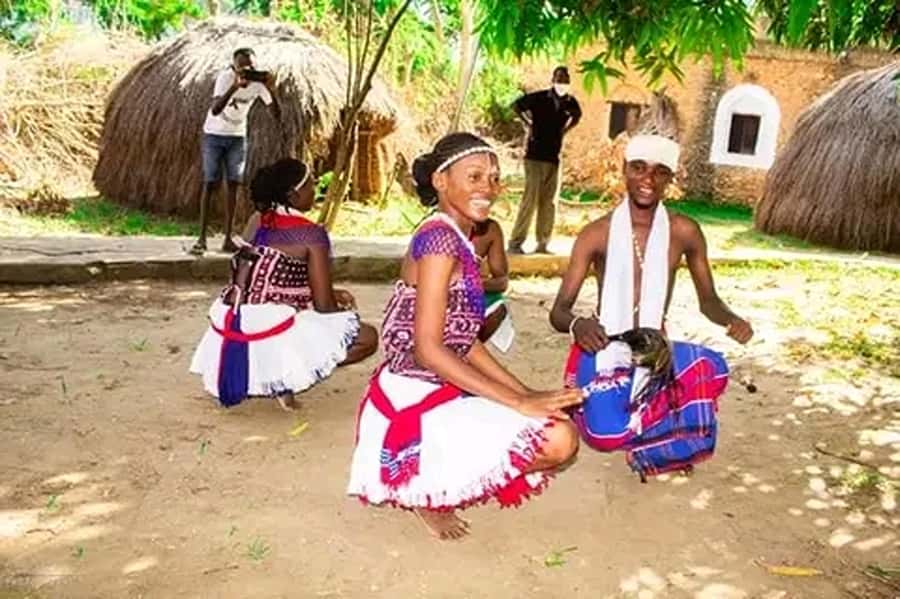
- Mud-house clusters represent regions and communities, so the site feels like more than a stage show.
- Expect more than just dancing, including music forms like taarab and drumming, plus acrobatic acts.
- Guide quality matters, and good guiding can make the cultural explanations land fast, like what I heard from guide Musa during a confirmed booking.
- Budget for possible extra fees at the venue, since at least one confirmed booking reported paying more for a dancing show than expected.
Getting to Langata and settling into the Bomas flow
This is an afternoon tour that starts with pickup from central Nairobi options like Westlands, Kencom House, and Yaya Centre. It’s a practical setup if you want to avoid the hassle of figuring out transport to Langata on your own. The drive is short, since the Bomas of Kenya is about 10 kilometers from the city center.
The tour time is about 3 hours, so you’ll want to treat it like a cultural sprint. That means you won’t get hours and hours to roam, and you’ll get the most out of it if you’re ready to watch and then ask questions. The guide helps stitch it together so you understand what you’re seeing, not just what you’re watching.
More at Bomas of Kenya:
- Giraffe Centre, Elephant Orphanage, and Bomas of Kenya Day Tour from Nairobi
★ 4.5 · 96 reviews - Half-Day Cultural Tour to Bomas of Kenya in Nairobi
★ 4.5 · 23 reviews - Half-day tour Bomas of Kenya with Pick-up
★ 5.0 · 19 reviews
The airport-style security check you should plan for
Before you even reach the performance areas, you go through airport-style security. This isn’t optional, and it can add time, especially if you arrive late or the line is busy. The good news is that everyone goes through the same process, so the flow is predictable once you’re inside.
Bring the basics you’ll need for that check: passport or an ID card, and keep your bag simple. Oversize luggage and large bags are not allowed, so if you’ve got bulky carry-ons, plan to leave them elsewhere. Also, the tour runs rain or shine, so comfortable clothes and shoes matter more than you might think.
First look at the venue: enclosed homesteads and how the site is organized
One reason the Bomas of Kenya works so well in a short tour is that it’s laid out around the idea of bomas, a Swahili term for enclosed homesteads. Instead of a single museum room, you get clusters that represent different Kenyan communities.
You’ll usually get a guided tour component right after arrival. This is where the venue’s design helps you make sense of what comes next. You can look at living-style displays and crafts, then watch performances that connect to the same cultural roots. If you’re the kind of traveler who likes to see how art relates to everyday life, this structure helps.
I also recommend you take a quick photo stop when you can. A few well-timed shots at the start make it easier to remember the layouts while you’re watching music and dance a bit later.
Mud-house clusters: what you’re really looking at
The mud houses and homestead clusters are more than scenic decorations. They’re a way to show how different regions built, lived, and organized space. Even if you only catch a glimpse of each display during a guided visit, the clusters help explain why performances feel specific and not generic.
In the broader Kenya context, this matters because the country is made up of many communities with different traditions. The Bomas program is built to reflect that diversity, so you’re not stuck with one single dance style or one single music tradition for the entire session.
More days out of Nairobi:
- Nairobi National Park Half-Day Tour; Free Wi-Fi connection
★ 5.0 · 878 reviews - Nairobi: National Park & Optional Elephants & Giraffe Center
★ 4.8 · 874 reviews - NAI NAMI: Nairobi Storytelling Tour with Street Children
★ 5.0 · 792 reviews - Nairobi National Park Half-Day Game Drive
★ 4.5 · 738 reviews
Traditional song and dance performances that you can actually follow

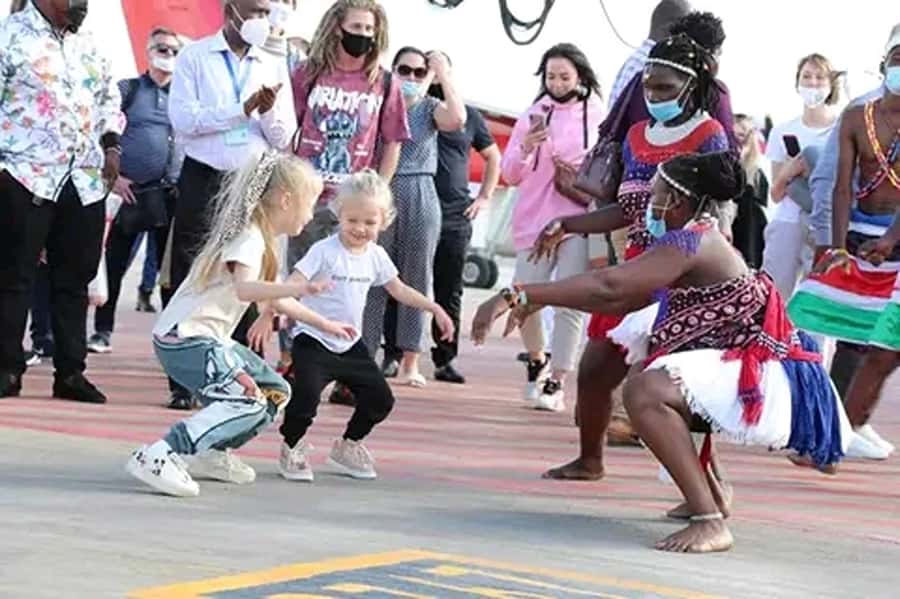
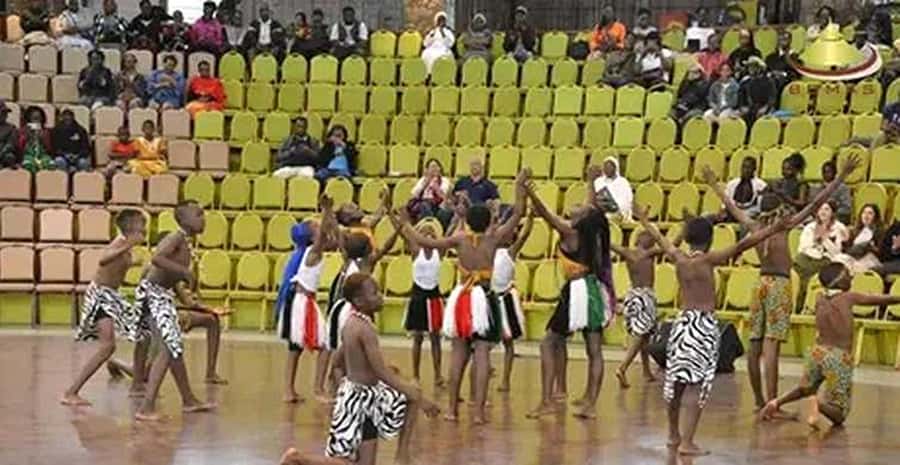
This is the heart of the tour. The performances are scheduled in an afternoon window, and the venue usually runs a full show block rather than a few scattered acts. On weekdays, performances start around 2:30 pm to 4:00 pm, and on weekends and public holidays they run about 3:30 pm to 5:15 pm.
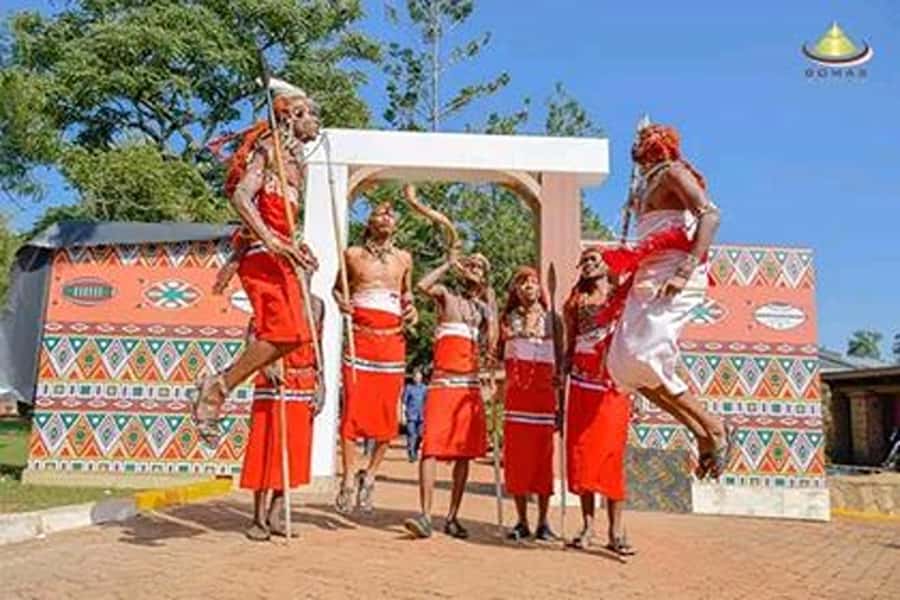
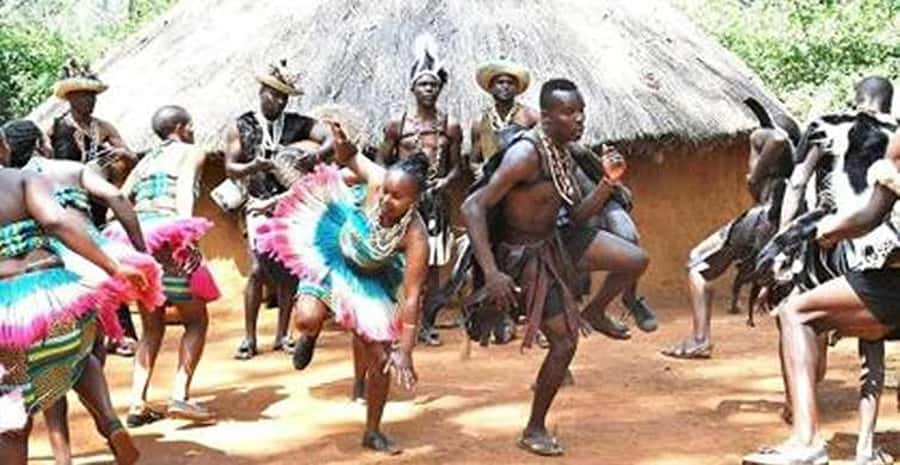
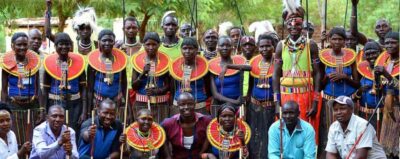
You’ll see traditional performances that represent multiple communities. The venue setup highlights styles such as Arab-influenced Swahili taarab music, the Kalenjin warrior dance, and Embu drumming, among others. The mix is part of the point: Kenya’s cultural identity isn’t one sound or one dance, it’s many.
A practical tip: don’t just watch the biggest moments. Listen for the transitions. When you hear a musical style shift, pay attention to what changes in movement too. That’s where the guide can help you interpret the meaning of what’s happening.
Acrobatics and the energy shift that keeps the hour moving
If you’re worried about being stuck in a slow, museum-style presentation, plan to be pleasantly surprised by the acrobatic performances. These acts add a burst of athletic energy that keeps the show from feeling repetitive.
The best part about including acrobatics in a culture-focused program is that it appeals to everyone, even if you don’t speak the language or don’t know the background. You can still enjoy the skill and timing, and then the guide can bring you back to the cultural context.
Market time and crafts: where the culture becomes something you can take home
Along the way, there’s time that can include an arts and crafts market visit and a look around areas linked with the experience. This is a good chance to slow down for a minute, ask questions about materials, and buy small items if you want a souvenir with a story.
Just don’t over-plan your spending. With a short tour window, you might not have time to compare prices across many stalls. If shopping matters to you, set a clear budget before you go in, then decide on a few items that feel meaningful rather than buying everything that catches your eye.
Price and what you should budget for, not just the tour cost
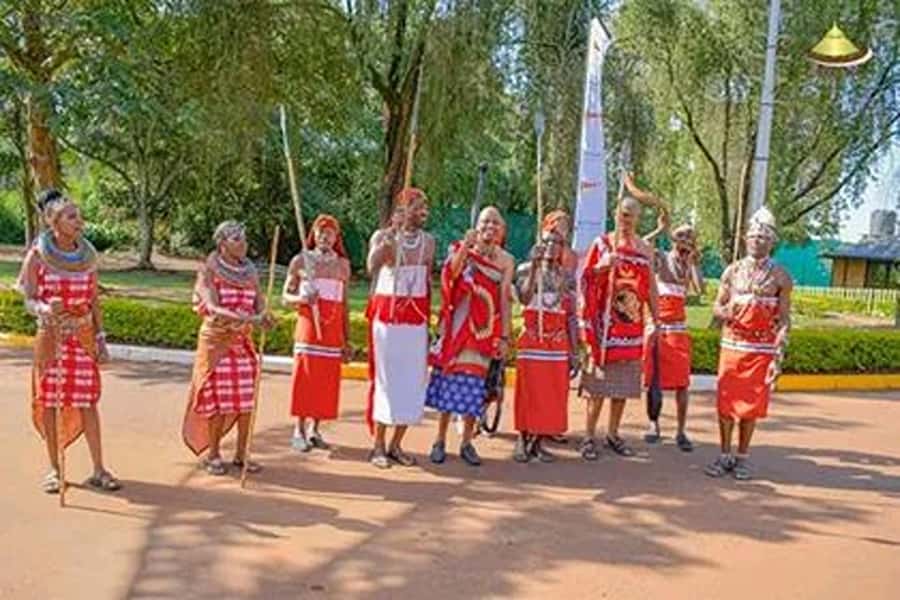
The tour price is $44 per person, which is a solid deal for a guided afternoon with hotel pickup and drop-off, professional English-speaking guidance, and covering government fees and taxes. In other words, you’re paying for convenience and an organized cultural program.
But the key point for your budget is this: entry or admission to the Bomas of Kenya is not included in the tour price. In one confirmed booking, the Bomas ticket was listed as 2000 KES on the visit date. Separately, there was also confusion in at least one case about paying extra for the dancing show. That means you should be ready for potential additional payments once you’re at the venue.
My advice: assume your total cost will be tour price plus whatever admission and show fees are requested on the day. Bring enough cash and keep a close eye on what you’re being asked to pay before you hand over money.
Guide quality: why it can make or break a cultural show
One reason this tour can feel like more than a ticket to a performance is the guide. In a confirmed booking, the guide Musa was described as really nice, and the participant said they enjoyed the show. That kind of guide energy matters because cultural performances often include gestures, rhythms, and context that aren’t obvious at first glance.
In another confirmed booking, the driver Baron was helpful, but he wasn’t a tour guide. That’s still useful for getting from place to place and dealing with logistics, but it’s a reminder that you should rely on your guide for explanation during the cultural parts of the program.
So if you care about understanding what you’re seeing, go into the show ready to listen and ask. The guide is the difference between watching dancing and learning how it connects.
When this tour fits best, and when it might not
This experience is a good match if you:
- want a 3-hour afternoon that is structured and easy
- like performance-based culture, not just exhibits
- want a guided introduction to multiple Kenyan traditions in one visit
The tour may not fit if you:
- have altitude sickness concerns, since the operator lists it as not suitable
- have mobility impairments, because the operator notes it’s not suitable for people with mobility impairments
There’s also a detail that can confuse people: the activity is marked wheelchair accessible, but it’s still listed as not suitable for some mobility impairments. If that applies to you, confirm the specifics with the provider before booking so you know what the ground conditions and walking will be like.
Simple do’s and don’ts that keep your afternoon smooth
Do bring:
- your passport or ID
- comfortable shoes (you’ll be on your feet for parts of the program)
- a camera and a charged smartphone
- cash (especially for any admission or extra show fees)
- comfortable clothes
Don’t bring:
- oversize luggage or large bags
- anything that could be seen as unsafe, like explosives
- intoxication
- nudity
Also, keep an eye on timing when pickup happens. The guide will be in the lobby area holding a sign with your last name, and the driver waits no longer than 25 minutes after the scheduled pickup time.
Should you book the Nairobi afternoon tour to Bomas of Kenya?
I’d book it if you want a time-efficient way to experience Kenyan culture in Nairobi, with a guide and a real performance schedule. The best reasons to go are the structured mix of traditional dance, song, drumming, and acrobatics, plus the layout of homestead clusters that helps you connect performance to place.
I would hesitate if you hate surprises around venue payments, because admission and possible show-related fees are not included. If you go anyway, just plan for additional costs, bring cash, and ask what’s included before you pay.
If you’re staying in Nairobi for just a few days and you want something authentic that doesn’t require deep planning, this is one of the easiest afternoons you can build.
FAQ
How long is the Nairobi guided afternoon tour to Bomas of Kenya?
The tour is about 3 hours.
Where is pickup in Nairobi, and is it included?
Pickup is included from hotel or resort locations within Nairobi, with three pickup options listed: Westlands, Kencom House, and Yaya Centre.
Is entry or admission to Bomas of Kenya included in the tour price?
No. Entry or admission to Bomas of Kenya is not included.
What time do the performances run?
During weekdays, the most exciting traditional dances and acrobatic shows run from about 2:30 pm to 4:00 pm. During weekends and public holidays, they run from about 3:30 pm to 5:15 pm.
What is included in the tour?
The tour includes a visit to Bomas of Kenya, a professional English-speaking guide, hotel pickup and drop-off in Nairobi, and all government fees and taxes. Guide and driver allowances are also included.
Are food and drinks included?
No. Food and drinks are not included, and lunch is not included in the package.
What do I need to bring?
Bring your passport or ID card, comfortable shoes and clothes, a camera, and a charged smartphone. Cash and a credit card are also listed. Children also need passport or ID card.
Is the tour wheelchair accessible?
It is marked wheelchair accessible, but the activity is also listed as not suitable for people with mobility impairments. If this applies to you, it’s worth checking details with the provider before booking.
Can I cancel and get a full refund?
Yes. You can cancel up to 24 hours in advance for a full refund.
Recently reviewed from Nairobi
- Amboseli Day Trip from Nairobi★ 4.5 · 3 reviews
- Ngare Ndare Day Trip★ 5.0 · 3 reviews
- Nairobi city tour★ 4.5 · 3 reviews
- Day Trip To Crescent Island And Hells Gate National Park★ 5.0 · 3 reviews
- Crescent Island Day Tour From Nairobi★ 5.0 · 3 reviews
- 1-Day Amboseli Safari★ 5.0 · 3 reviews
- 13-Day Uganda Mgahinga Gorilla Trek, Maasai Amboseli Park★ 5.0 · 3 reviews
- 4 days group joining budget safari to Maasai Mara only★ 5.0 · 3 reviews
Bomas of Kenya, compared.

Giraffe Centre, Elephant Orphanage, and Bomas of Kenya Day Tour from Nairobi
Read our review →
Giraffe Center, Elephant Orphanage, Beads Center & Bomas of Kenya Tour Nairobi
Read our review →
Half-Day Cultural Tour to Bomas of Kenya in Nairobi
Read our review →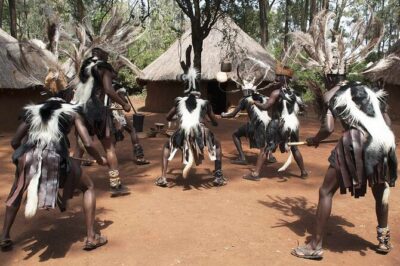
Nairobi city sights, Giraffe Encounters and Bomas Kenya Tour
Read our review →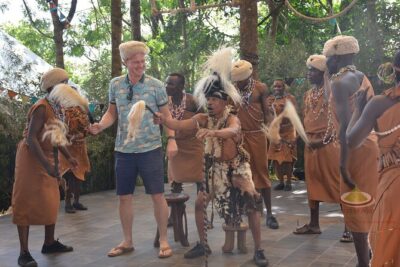
Nairobi National Park, Elephants, Giraffes & Bomas Day Trip
Read our review →
Browse the lists this tour appears in