
Reviewed · MOUNT KENYA
4 Days Mount Kenya
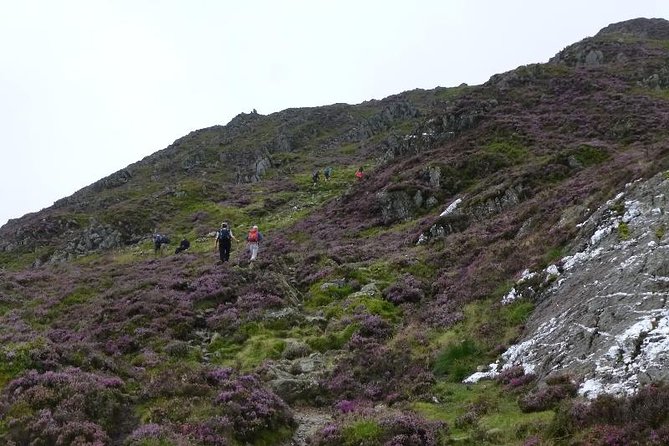
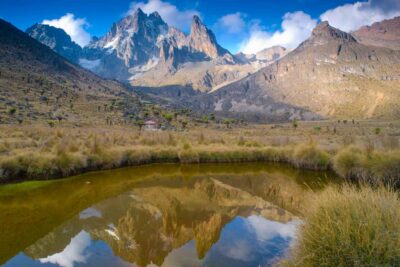
Mount Kenya is one of those places where the effort feels worth it fast, because you start getting dramatic scenery before you even hit the high trail. I love the Chogoria route for the show it puts on with bamboo forest hiking and big waterfall-country energy, and I love the Lenana sunrise timing that turns a tough start into a very real payoff. The main drawback to plan for is time and effort, these are long walking days and you’ll need to come ready with your own mountain gear.
What makes this trip especially workable is that you’re not managing the big moving parts alone. You’re in a private group with private transportation, guided planning, and camp nights built around arriving before dark. If you’re hoping for a laid-back stroll, this probably won’t feel like that, but if you want a serious Mount Kenya experience with good organization, it hits the mark.
Key highlights worth planning around
- Chogoria ascent by 4×4 to save your legs early, then a bamboo forest start to get into the rhythm
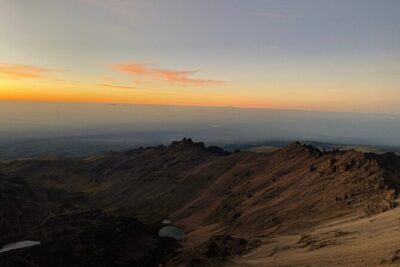
- Lenana Point sunrise on Day 3, starting at 3am for the best light and a strong finish
- Water stops and a picnic lunch flow, so you’re not guessing when to refuel
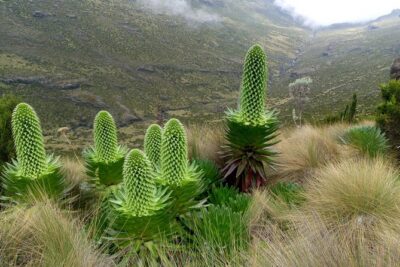
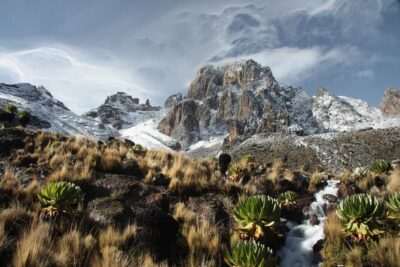
- Sirimon descent through Mackinder’s valley, with plenty of flora and fauna you can watch as you go
- Camp names that anchor the route, from Mt Kenya Bandas to Minto’s camp and Old Moses
- Guide Duncan and the Equatorial Star crew, praised for professional, flexible support and good food
Why the Chogoria and Sirimon pairing is such a strong plan
Mount Kenya is huge, so your route choice really matters. This itinerary uses Chogoria for the climb and Sirimon for the descent, which means you see different parts of the mountain rather than repeating the same trail over and over. You also get a bigger mix of what makes Mount Kenya memorable, rivers and springs early on, then the high-country feel as you push upward.
From the start, the Chogoria side leans into dramatic visuals. The drive puts you close to the kind of scenery people talk about when they mention Nithi Falls and the loud, splashing water vibe. Then the trek shifts into calmer motion through bamboo forest. It’s a nice contrast: you’re not just climbing in a straight line, you’re passing through distinct zones.
The best part, though, is how the plan rewards you at altitude without requiring crazy luck. You’re set up for sunrise at Lenana Point with a 3am start. Even if sunrise isn’t guaranteed for every traveler every day, the timing is a smart way to chase good light and a memorable moment.
More on Mount Kenya:
- Climbing Mount Kenya 5 Days Via Chogoria Route
★ 5.0 · 44 reviews - Conquer Mt Kenya in 4 Days Sirimon to Chogoria Route Adventure
★ 5.0 · 16 reviews - 4-Day Mount Kenya Trekking with Pick Up
★ 5.0 · 14 reviews
From Nairobi to the bamboo forest: Day 1 pacing and what you gain
Day 1 starts with the practical stuff: you leave Nairobi and head to Chogoria town for lunch. This matters more than it sounds. It gives you a real base meal before the hike, so you’re not rushing your energy on an empty stomach while the day is already turning into moving-day logistics.
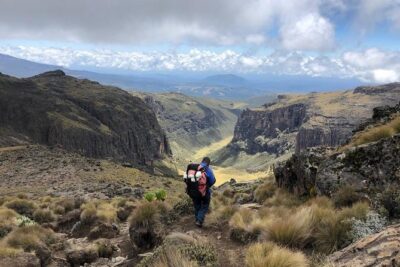
After lunch, you switch to a 4×4. That vehicle takes you up where you begin hiking via the bamboo forest. The point of the 4×4 is simple and valuable: it cuts a chunk of lower-ground walking. Your legs still work, but you’re spending your effort where it counts, on the trail section that helps you ease into altitude and get that mountain rhythm.
You then walk for about 3 hours to the Mt Kenya Bandas area for dinner and an overnight stay. This is a good first-day structure because it’s long enough to feel like a real trek, but not so long that you’re completely spent. By the time you’re at Bandas, you can focus on resting well, eating well, and sleeping with the next day’s early push in mind.
Potential drawback to consider: Day 1 is about setup and getting altitude time, so don’t treat it like a sightseeing stroll. If you show up underprepared, you’ll feel it by the end of the afternoon hike.
Waterfalls and camps: Day 2’s Mugi hills and Minto’s camp routine
Day 2 starts early after breakfast because you’re aiming to reach Minto’s camp before it gets dark. That early-day rhythm is a big deal on Mount Kenya. Darkness changes everything about trekking, from navigation comfort to how you manage your energy. Arriving with daylight makes the walking easier, even if the trail itself still feels demanding.
The route today is built around a sequence of standout scenery areas and viewpoints. You’re looking at the Giant billiards table, the Mugi hills, and the Gorges Valley, plus views of the peaks ahead and the plains below. Even if you’re not the kind of person who stops constantly for photos, this is the type of day where you’ll naturally pause more often than you expect.
You also get a picnic lunch and regular stopovers to drink and refill water bottles. That’s not just convenience. It’s how you prevent a small problem from turning into a bigger one on a long day. On routes like this, hydration and steady feeding matter for keeping your pace consistent.
The walk time listed is about 9 hours, and the day ends with dinner and an overnight stay at Minto’s campsite. This is a solid camp landing because it sets you up for the real highlight of the trip. You want the night before a peak attempt to be as calm and well-fueled as possible.
One planning consideration: since the day is long and it begins early, you’ll feel the value of good sleep the night before. If you’re a light sleeper, bring what you need to rest well at camp.
3am Lenana sunrise and the long Sirimon descent: Day 3 is the big day
Day 3 is the day you remember. It starts at 3am so you can catch sunrise at Point Lenana. Starting that early is not for the faint of heart, but the timing is exactly what makes this kind of trek worthwhile. The effort shifts from slow grind to a specific goal: you’re walking with a clock tied to light.
Once you’ve had the sunrise moment at the peak point, the day turns into a long descent. You descend to Shimpton’s camp for breakfast, then continue further to Old Moses where you spend the night.
What makes this descent interesting is the route type and what you can pay attention to while walking. You’re going down via the Sirimon route, described as gradual and exciting, with opportunities to enjoy flora and fauna through Mackinder’s valley. That phrasing matters because it signals a change in how you experience the mountain. Instead of focusing only on getting up, you can focus on observing and maintaining your rhythm as you come down.
You’ll spend about 11 to 12 hours walking total. That is a long day by any standard, especially after a peak sunrise morning. I like this itinerary because it doesn’t hide that reality. It sets expectations clearly, and it gives you a structured meal stop at Shimpton’s camp for breakfast.
The main drawback here is obvious: you’ll want to pace carefully. If you go out too fast right after sunrise, fatigue can hit later in the descent when your legs are already working hard.
More Nairobi trips to compare
- 4 Days Safari Lake Nakuru NP Naivasha and Masai Mara
★ 5.0 · 132 reviews - 4 Days Safari Adventure Masai Mara and Nakuru Park Group
★ 5.0 · 87 reviews - 4-Day Group 4×4 Safari to Masai Mara & Lake Nakuru with Pick-Up
★ 5.0 · 87 reviews - Nairobi: 4-Day Maasai Mara & Lake Nakuru Camping Safari
★ 4.5 · 77 reviews
A gentle landing at Sirimon gate: Day 4 without the peak-pressure
After the long day before, Day 4 is built as a more relaxed ending. You begin with breakfast, then do a gentle descent to the Sirimon gate. The hike takes around 2 to 3 hours at most, and then you meet an awaiting vehicle to take you back to Nairobi.
This is the kind of finale that helps you enjoy your accomplishment without the mental stress of a summit day. You get closure at the gate, you get a clear handoff back to transport, and you’re not stuck wondering how the logistics will work out.
Also, because you’re not doing another huge push, you can focus on what matters most at the end of a trek: hydration, loosening up, and staying alert during the drive.
Price and value: what $990 really buys you on this trek
For $990 for the 4-day experience, you’re not paying just for a walking route. You’re paying for the big cost drivers that make trekking in this area workable and safer.
Here’s what’s included:
- All fees and taxes
- Private transportation
- Meals: lunch 4 times, breakfast 4 times, and dinner 4 times
- Entrance-type items labeled as admission tickets included
What’s not included:
- Mountain gear
- Soft drinks and alcohol
- Hotel accommodation
So where does the value show up? First, private transportation cuts friction. Second, meals are included, which matters on multi-day treks where skipping food can quickly wreck your energy. Third, the included admissions and fees mean you’re not doing the paperwork side of the trip while trying to focus on walking.
To make sure you feel the value rather than just pay the price, plan for the items that are not included. Mountain gear is a line item for a reason. If you need boots, warm layers, or rain protection, build that into your budget and timeline. Even with great guidance, the mountain still demands basic readiness.
What the route logistics feel like in real life
A good trek itinerary should reduce decision-making. This one does that in a few subtle ways.
You have a clear start time of 7:30am, and you have daily structure that ties together walking, meals, and camp check-ins. The trip is also explicitly private, so you’re not stuck waiting on other groups or dealing with mismatched pace.
Another practical detail: it uses a mobile ticket. That’s small, but it reduces hassle once you’re on the ground.
The overall pacing looks like this:
- Day 1 is about a first push and first camp landing after about a 3-hour walk.
- Day 2 is a long scenery day, around 9 hours, with a steady fuel rhythm.
- Day 3 is the heavy hitter, around 11 to 12 hours, with 3am sunrise at Lenana.
- Day 4 is a shorter descent and a vehicle return, 2 to 3 hours walking.
If you like a plan that tells you what to expect, this fits.
Guides matter: Duncan, Equatorial Star, and why the organization shows up
This trek is guided, and you can feel the difference when a guide team is professional and flexible. The standout name you’ll hear here is Duncan, along with the Equatorial Star crew. People describe top quality guiding, friendly teamwork, and food that holds up well on a trek.
That guidance style matters most on Day 3. When you start at 3am for sunrise, your body is already tired before the hard part begins. A guide who plans well helps you manage pace, rests, and water use.
I also like that the planning includes water and fuel handling. You’re told that you’ll have stopovers to refill water bottles, and the team helps you keep food and hydration going. That’s not glamour, but it’s what lets you enjoy the experience instead of just surviving it.
If you’re someone who gets anxious when plans change, the fact that the team is described as flexible and professional is a real plus. Trekking is weather dependent and mountain dependent, so a steady team is your insurance policy.
Fitness level: who should choose this and who should not rush it
The trip calls for a moderate physical fitness level, and the walking totals back that up. Day 3 alone can run 11 to 12 hours, and even Day 2 is about 9 hours.
This is a good fit if:
- You can comfortably hike for most of the day.
- You’re okay with very early starts.
- You want a real peak moment at Lenana rather than a short taste of Mount Kenya.
This is not a great fit if:
- You need a short itinerary with minimal walking.
- You’re new to multi-day hikes and want a gentler progression.
If you’re on the fence, look at your ability to handle early mornings and long walking days, not just the summit headline.
Weather reality, and how to plan for what you cannot control
Mount Kenya weather can shift. The trip notes that it requires good weather, which usually means you should treat your dates as an opportunity, not an iron promise.
If weather forces changes, you can get offered a different date or a full refund. That’s the right kind of policy for a trek like this. Mountain conditions can’t be bullied, so it’s better when the operator builds a safety net.
Practical advice for you: plan the trip so you’re not locked into the exact day with no flexibility. If you can shift your schedule, you’ll have a better chance of landing on good conditions.
Should you book this 4 Days Mount Kenya trek?
Book it if you want a well structured Mount Kenya route with a real peak objective, Chogoria up and Sirimon down, and you’re serious enough to handle long walking days. The best reasons to choose it are the Lenana sunrise timing and the way the days are paced around meals, water refills, and camp landings before dark.
Skip it if you’re not ready for long days or if you expect hotel comfort. Hotel accommodation is not included, and mountain gear is not included either, so you’ll need to be ready to pack and prepare.
If you’re ready to hike, you’ll likely appreciate the private, organized feel and the guide team support centered around Duncan and the Equatorial Star crew.
FAQ
What time does the experience start?
The start time is 7:30am.
Is pickup available?
Pickup is offered.
What routes are used for the trek?
You start on the Chogoria route and descend via the Sirimon route.
Where do overnight stays happen during the trek?
Overnights are at Mt Kenya Bandas (Day 1), Minto’s campsite (Day 2), and then at Old Moses (after breakfast at Shimpton’s camp on Day 3).
Is mountain gear included in the price?
No, mountain gear is not included.
Is hotel accommodation included?
No, hotel accommodation is not included.
How many hours do you walk on the busiest day?
Day 3 involves about 11 to 12 hours of walking.
Recently reviewed from Nairobi
- Amboseli Day Trip from Nairobi★ 4.5 · 3 reviews
- Nairobi city tour★ 4.5 · 3 reviews
- Ngare Ndare Day Trip★ 5.0 · 3 reviews
- 1-Day Amboseli Safari★ 5.0 · 3 reviews
- Day Trip To Crescent Island And Hells Gate National Park★ 5.0 · 3 reviews
- Crescent Island Day Tour From Nairobi★ 5.0 · 3 reviews
- 13-Day Uganda Mgahinga Gorilla Trek, Maasai Amboseli Park★ 5.0 · 3 reviews
- 4 days group joining budget safari to Maasai Mara only★ 5.0 · 3 reviews
Mount Kenya, compared.
Conquer Mt Kenya in 4 Days Sirimon to Chogoria Route Adventure
Read our review →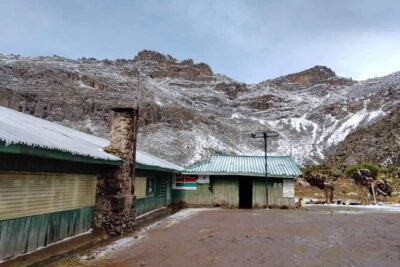
5 Days Mount Kenya Climbing Via Chogoria Sirimone Route
Read our review →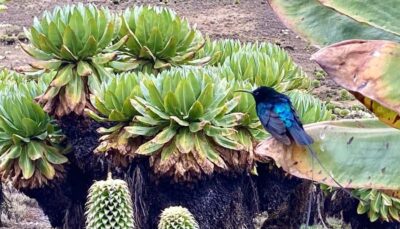

Browse the lists this tour appears in