
Mount Kenya feels big in every direction, but this trip is especially interesting because it pairs the Sirimon route with a Chogoria descent, so you see the mountain change as you climb and then come down. You also target Point Lenana for a pre-dawn sunrise, if the sky is clear.
I love how the climb is built around altitude hut stops like Old Moses and Shipton, which makes the days feel structured instead of just endless uphill. I also like the human side of the operation, the way the team steps in when altitude sickness shows up and still keeps your plans moving, including Nairobi transfers when life gets complicated.
One drawback to plan for is that this is not a casual stroll, you need strong fitness, and the early summit-day start makes the schedule feel intense even if you are in decent shape.
Key things that make this Mount Kenya climb worth your attention
- Sirimon up, Chogoria down: the ascent runs through a drier side of the mountain, then the descent brings you into lush bamboo and highland forest.
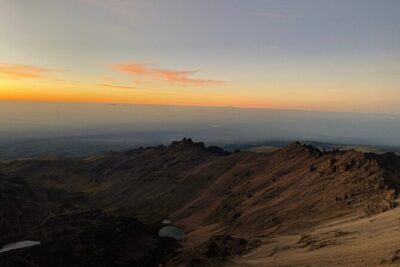
- Point Lenana at 4,985m: a very early push for sunrise views toward Kilimanjaro, Elgon, and out to the Indian Ocean on clear mornings.
- Valley-to-hut pacing: Mackinder Valley on the way to Shipton Hut, then a strategic descent through Mintos and Road-head.
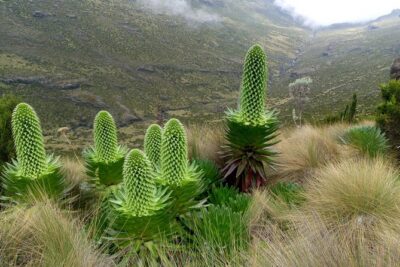
- Real wildlife and nature chances: hyrax, birds, and possibly monkeys are plausible at the altitudes and habitats along the route.
- Included meals and water: breakfast, lunch, and dinner are part of the package, plus bottled water, so you are not hunting for food at altitude.
- A calm, safety-minded guide team: altitude issues get handled, and the Nairobi side of logistics can be organized quickly.
Why Sirimon to Chogoria on Mount Kenya feels like two different mountains
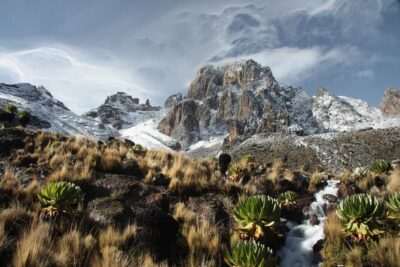
This is a classic Mount Kenya route pairing, and the reason it works is simple: you go up one side and come down the other. The Sirimon ascent crosses terrain that feels drier and more open as you gain height, with rocky sections and giant tree areas along the climb. Then, on the Chogoria side, the environment flips. You move into zones that are more lush, including bamboo and highland forests, with big views over gorges, waterfalls, and tarns.
That eco-zone shift is not just scenery trivia. It changes how the trek feels day to day. Morning light can hit one kind of forest while the afternoon gives you different textures underfoot. Your body also notices the shift. Cooler, wetter pockets can sap energy, while drier sections can make hydration more important. Either way, you get the payoff of seeing the mountain evolve, not just the same trail over and over.
It also helps that the trek is set up for altitude travel with planned overnights at huts. You are not racing straight to the top in one long day. You still work hard, but the structure makes it easier to manage your pace, eat, and settle in.
More on Mount Kenya:
- Climbing Mount Kenya 5 Days Via Chogoria Route
★ 5.0 · 44 reviews - Conquer Mt Kenya in 4 Days Sirimon to Chogoria Route Adventure
★ 5.0 · 16 reviews - 4-Day Mount Kenya Trekking with Pick Up
★ 5.0 · 14 reviews
Day 1: Nanyuki start, Mau Mau Caves, and an acclimatization reality check
You begin in Nairobi with a pickup from your hotel or the airport. You then drive to Nanyuki and arrive in time for lunch. After that, you get the useful part of Day 1, acclimatizing at lower altitude and getting your body used to the rhythm of the region.
The afternoon walk includes a visit to the Mau Mau Caves, where freedom fighters used to hide during the Second World War. Even if you are focused on climbing, this is a meaningful way to anchor the trip in the local story. It also helps break up what could otherwise be a boring travel day.
Practical notes for Day 1:
You do not start hiking in the dark today. That matters because you can use the afternoon to stretch, do a slow walk, and start learning how you personally respond to altitude and walking.
Dinner and your overnight stay are in a Nanyuki hotel. That is a big comfort point. You sleep warm, you shower if you can, and you wake up without lugging everything up a mountain that same night.
Day 2: Sirimon Park Gate to Old Moses Hut, your first real altitude test
Day 2 is when the trek becomes a trek.
After an early breakfast, you drive to the Sirimon Park Gate. Then you start hiking for about five hours up to Old Moses hut, sitting at 3,330 meters. This first leg matters because it sets your pacing for the rest of the climb. If you rush early, the mountain charges interest later.
Old Moses Hut is your camp for lunch, dinner, and the night. Expect the day to feel like effort first, views second. On Mount Kenya, you often do the work before the best picture shows up.
What I like about this setup:
You have a defined goal at the end of the hiking day, rather than vague, open-ended goals. That makes it easier to plan how long you will stop, how much water you will drink, and when you will eat.
One more thing to keep in mind:
Hiking gear is not included. That means Day 2 is also when your footwear and layering need to work. If your boots are not broken in, your feet will complain early, and there is no friendly downhill to bail you out.
Day 3: Mackinder Valley to Shipton Hut, where the air gets thin and the views get serious
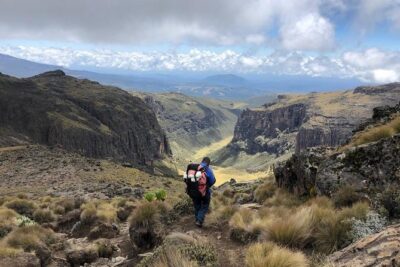
You start Day 3 with breakfast, then hike from Old Moses through Mackinder Valley to Shipton hut at 4,200 meters.
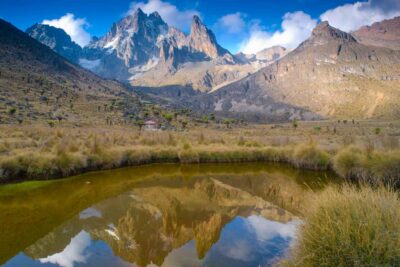
This is a day of scenery and breathing. Mackinder Valley is part of what makes Mount Kenya feel special, with a mix of terrain and views that look different depending on the time of day and the weather. You will explore the scenic beauty around the valley, then stop for lunch and dinner.
Shipton Hut becomes your overnight point. This is another altitude checkpoint, not just a bed. You can use it to rest strategically. I like that the itinerary gives you that built-in rhythm, hike, eat, settle, sleep.
Wildlife and nature chances are also realistic here. Past hikers have reported seeing hyrax and different bird species along the way, with monkeys possible too. Wildlife is never guaranteed, but the habitats you pass through make it plausible.
The main drawback to plan for on Day 3 is fatigue. By now, even if you feel okay, your legs are learning the rhythm of higher altitude. You might start moving a bit slower. That is normal. Your job is to keep moving steadily, not fast.
More Nairobi trips to compare
- 5 Days Masai Mara, Lake Nakuru & Naivasha Budget Joining Safari
★ 5.0 · 229 reviews - 5 Days Lake Naivasha, Lake Nakuru, & Masai Mara
★ 5.0 · 101 reviews - 5-Day Masai Mara Lake Nakuru and Naivasha Small-group Safari Tour
★ 5.0 · 55 reviews - 5 Days Magical Kenya Safari Private Tour
★ 5.0 · 44 reviews
Day 4: The 02:30 push to Point Lenana, sunrise stakes and a careful descent
This is the day people remember.
You wake around 02:30, then hike up to Point Lenana at 4,985 meters. If the day is clear, you get a breathtaking African sunrise and the kind of wide view that makes the early start feel worth it. You can see Mount Kilimanjaro to the south, Mount Elgon to the west, and out toward the Indian Ocean to the east, assuming visibility cooperates.
Then you descend to Mintos at about 4,250 meters for breakfast. That breakfast at altitude is more valuable than it sounds. You are coming down after a big effort, but your body still needs real fuel. After that, you continue to Road-head for lunch, then hike on to Chogoria hut for dinner and overnight.
Why this day is both exciting and intense:
You are combining a summit push with a long descent. It is not a short loop. Your knees will get involved, and your brain will stay busy with pacing. Sunrise is the reward, but good walking technique is the real ticket to feeling okay at the end.
Also, altitude sickness can happen. One of the best signs of a solid operator is how they respond. The team here has been praised for taking good care of someone who experienced altitude sickness during the climb and for focusing on safety. That matters because on summit day, you want support that stays calm and practical.
Two more practical points:
If the sky is clouded, sunrise views might be limited, since this depends on weather. And since hiking gear is not included, you should be ready for cold early temperatures around 02:30. Warm layers and a plan for wind matter on ridgelines.
Day 5: Chogoria Gate to Nairobi, plus the final 32km ride choice
After breakfast, you hike to Chogoria Gate and continue to Chogoria Town for lunch. Then you transfer back to Nairobi, arriving late afternoon. That means the end of your trip still feels like a full day, even after the hardest part is done.
There is one detail you should understand before you get to the finish:
The last 32km stretch from Chogoria camp to the park gate can be walked. From the park gate, a van takes you the rest of the way. The cost for that shared ride is not included in the package, but it can be arranged by your guide and split among clients.
If you feel strong at this point, walking that stretch is possible. If your legs are done, plan on the shared ride and budget for it. Either way, you are aiming to end the day in Nairobi safely, not just quickly.
Transfers, group size, and how the logistics affect your comfort
This is built around pickup and driving legs on both ends, and that is a good thing. You start with pickup from Nairobi at the airport or hotel, then you end with drop-off at your airport or hotel in Nairobi.
The itinerary also mentions a maximum group size of up to 50 travelers. That number suggests you are not guaranteed a private hike, but it does not mean you will be packed like a bus. The more important thing is that you are guided, and the route timing is managed.
The package includes a mobile ticket, which is convenient. It also includes bottled water and your meals. Those details reduce the kind of last-minute stress that can ruin an otherwise great climbing day.
There is one logistics-related caution:
Admission tickets are marked differently across the days, with some climbing days shown as included and other days showing free. If you are the type who likes everything confirmed, ask your operator to spell out what is included for park access and hut-related entry. You do not want surprises when you reach gates.
Price and what $950 buys you in real trekking terms
At $950 per person for a 5-day Mount Kenya climbing experience, the price is not just paying for a hike. It pays for guided route management, park access as noted in the itinerary, and a feeding plan across multiple altitude days.
Included items you should count as real value:
- Bottled water
- Breakfast, lunch, and dinner across the trek days
- All fees and taxes
Not included:
- Alcoholic drinks
- Beverages beyond the bottled water plan
- Hiking gear
That difference is important. If you show up without proper footwear, warm layers, and a rain-ready setup, the trek will cost you more than $950 in comfort and energy. If you already own solid gear, this package looks much better.
Is this a budget deal or a premium one?
It is best viewed as mid-range with comfort built into the food and logistics. You are paying for a complete guided plan rather than only a leader and directions. If you want to minimize decision-making on altitude days, this style of package is worth it.
Who this trek fits best, and who should think twice
This trek is designed for people with strong physical fitness. The itinerary includes early starts, high altitude sections, and long walking days with significant elevation.
You will likely enjoy it if you:
- Like structured pacing and planned hut nights
- Want a high-altitude summit experience without doing it alone
- Enjoy nature walking through different ecological zones
- Can handle early morning starts, especially the 02:30 summit day
You should think twice or ask extra questions if you:
- Are new to hiking at altitude
- Get nausea or headaches easily in cold or thin air
- Expect a relaxed pace
The mountain will not care what your plan is. It cares about your pace and your ability to adapt. The good news is a safety-minded team can make that adaptation easier, and the itinerary is set up to give you support through the climb stages.
Smart tips for enjoying Mount Kenya with less misery
Hiking gear is not included, so use that as your checklist trigger. At a minimum, plan for:
- Footwear that works on rocky ground
- Warm layers for early mornings
- Something for wind and changing temperatures at altitude
- A water plan that matches the bottled water supply
Also, be ready for the emotional rhythm of high altitude. Summit day is not just physical. It is mental. When you wake at 02:30, you are half asleep and cold. The best trick is to treat it like a job: move steadily, eat when you can, and let the views arrive when they arrive.
Hydration matters even on cooler mornings. If you tend to forget water when you are busy, build it into your routine. Eat snacks, drink water, then keep walking.
Finally, take the acclimatization seriously on Day 1 and Day 2. Your body learns altitude by repetition, not by bravery. A calm pace early is a gift to your summit day self.
Should you book this 5-day Mount Kenya climb with Bencia Africa Adventure & Safaris?
If you want a guided Mount Kenya experience that connects the Sirimon to Chogoria route story, targets Point Lenana sunrise, and handles daily logistics like meals and transfers, this is a strong option. The trek is active, the altitude is real, and the payoff is huge.
I would book it if:
- You are physically prepared for a multi-day high-altitude hike
- You want a structured route with hut stops
- You prefer to show up, follow the plan, and focus on walking and enjoying the mountain
I would ask questions before booking if:
- You are missing key gear and need to know what you must purchase
- You want clarity on what is included for hut lodging and park access on each day, since the itinerary marks admission differently
FAQ
What route does this Mount Kenya climb follow?
You climb Mount Kenya via the Sirimon route and then descend via the Chogoria route.
How high do you go on this trek?
The highest point listed is Point Lenana at 4,985 meters.
Is pickup and transportation included?
Yes. The trip includes pickup from your hotel or the airport in Nairobi, and it includes your transfer back to Nairobi at the end of the trek.
Are meals included?
Yes. The package includes 3 breakfasts, 4 lunches, and 4 dinners, plus bottled water.
What is not included in the price?
You are not getting hiking gear, and alcoholic drinks and other beverages are not included.
How early do you start on summit day?
You wake up around 02:30 for the hike to Point Lenana.
What happens if weather is bad?
This experience requires good weather. If it is canceled due to poor weather, you will be offered a different date or a full refund.
Can I cancel for a refund?
Yes, you can cancel for free up to 24 hours in advance of the experience start time for a full refund.
Recently reviewed from Nairobi
- Amboseli Day Trip from Nairobi★ 4.5 · 3 reviews
- Nairobi city tour★ 4.5 · 3 reviews
- Ngare Ndare Day Trip★ 5.0 · 3 reviews
- 1-Day Amboseli Safari★ 5.0 · 3 reviews
- Day Trip To Crescent Island And Hells Gate National Park★ 5.0 · 3 reviews
- Crescent Island Day Tour From Nairobi★ 5.0 · 3 reviews
- 13-Day Uganda Mgahinga Gorilla Trek, Maasai Amboseli Park★ 5.0 · 3 reviews
- 4 days group joining budget safari to Maasai Mara only★ 5.0 · 3 reviews
Mount Kenya, compared.
Conquer Mt Kenya in 4 Days Sirimon to Chogoria Route Adventure
Read our review →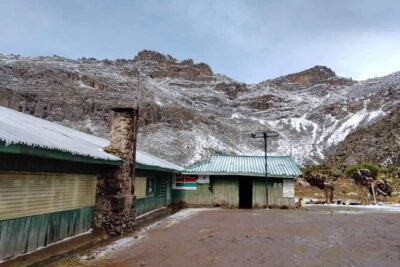
5 Days Mount Kenya Climbing Via Chogoria Sirimone Route
Read our review →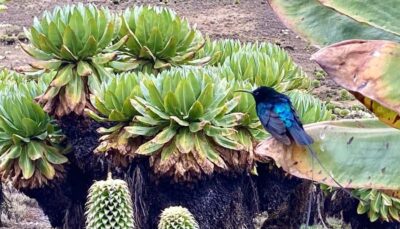
Browse the lists this tour appears in