
Reviewed · COFFEE FARM TOURS
Day Tour to Fairview Coffee Farm
A coffee farm day trip near Nairobi is interesting because you watch Kenya’s coffee story unfold in order, from the plant to the cup. You’ll drive out to Kiambu for a 4-hour loop that mixes scenery, hands-on explanation, and proper tasting. It’s also built for real life, the pickup and drop-off mean you do not have to arrange a thing.
Two things I like a lot about this experience are the guided walk through the coffee processing stages and the fact that you end with coffee tasting plus a relaxed garden break. You do not just look at coffee plants. You learn what happens after picking, how it gets processed, and how roasting changes the final flavor.
One consideration: the headline price is not the full cost. The tour fee is $50 per person, but the coffee farm entrance fee is $30 per person and lunch is not included. If you are counting every shilling, plan for that total upfront.
Key highlights you will actually feel during the day
- From history to factory to lab, the tour is paced in the steps coffee takes toward your cup
- Coffee tasting included, plus you get time to compare tastes at the end
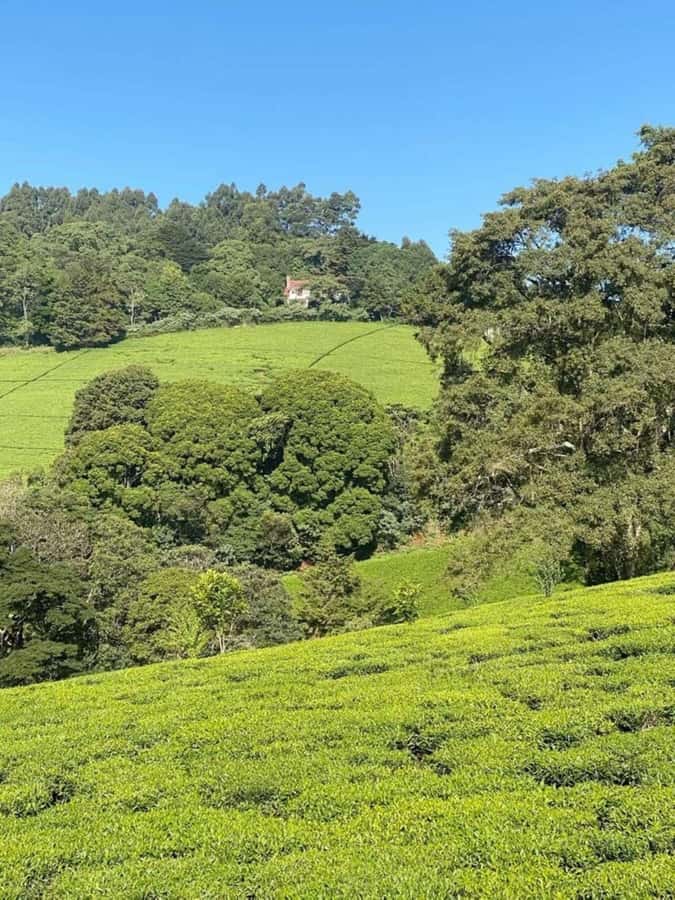
- Scenic views on the drive to Fairview Coffee Estate, about 20 minutes from Nairobi’s center
- Garden refreshment stop, with coffee, cookies, and optional milk
- Option to buy coffee to take home, if you fall for a roast style
- Private tour for just your group, so you can move at your own rhythm
Why a Fairview Coffee Farm Day Trip Near Nairobi Makes Sense
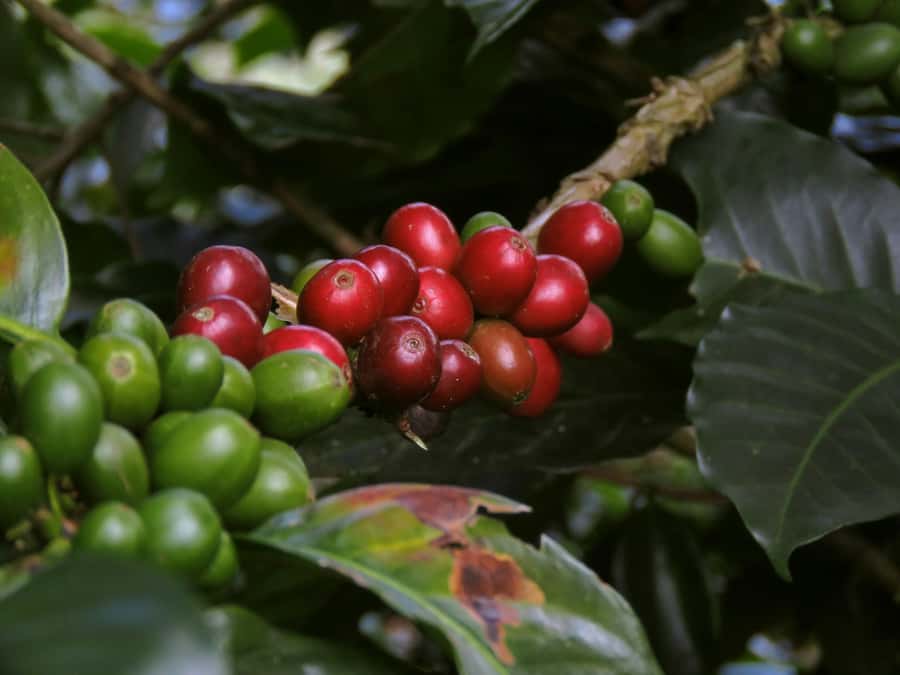
If you only have half a day and you want something that feels unmistakably Kenyan, a coffee farm visit does the job. Nairobi is close enough that you can leave the city, breathe cleaner air, and come back without turning the day into a travel slog. Fairview Coffee Estate is about a 20-minute drive from Nairobi’s city center, and the ride itself includes scenic viewing time.
What makes this sort of tour work well is the structure. You start with farm context, then you move into how coffee is processed, then you go to the roasting stage, and you finish with tasting and a small break in the garden. That order matters. It helps your brain connect what you see with what you later taste.
I also like that the focus is practical. You are not stuck in a lecture with no payoff. You learn the steps coffee goes through, and then you get to try it. The experience is designed to connect the dots from growth to flavor, not just show you a pretty place.
More coffee farms near Nairobi:
- Nairobi Coffee Farm and Factory Tour
★ 5.0 · 87 reviews - Coffee Farm Village & Factory Half Day Tour with Pick-Up
★ 5.0 · 33 reviews - Nairobi: Guided Coffee Farm Tour with Tastings
★ 5.0 · 24 reviews
The Pickup, Van Ride, and the First Views That Set the Mood
Your day starts in Nairobi with pickup at your location. The van transfer takes about 30 minutes each way, and the drive to Kiambu is part of the experience. You get sightseeing views on the way, plus the feeling of moving from city noise into country calm.
This matters more than it sounds. Coffee farms are often slightly removed, so you need transport you can trust. Here, you get transport in a well-maintained car, bottled water, and a driver handling the route. That keeps your time on the farm and tasting, not standing around figuring out directions.
If your schedule is tight, still plan for the day to run smoothly end-to-end. One past visitor noted an hour delay with pickup. Delays are not guaranteed, but they are possible, so I suggest you keep a light buffer for after the tour, just in case.
Fairview Coffee Estate, Kiambu: History and a Proper Start to the Story
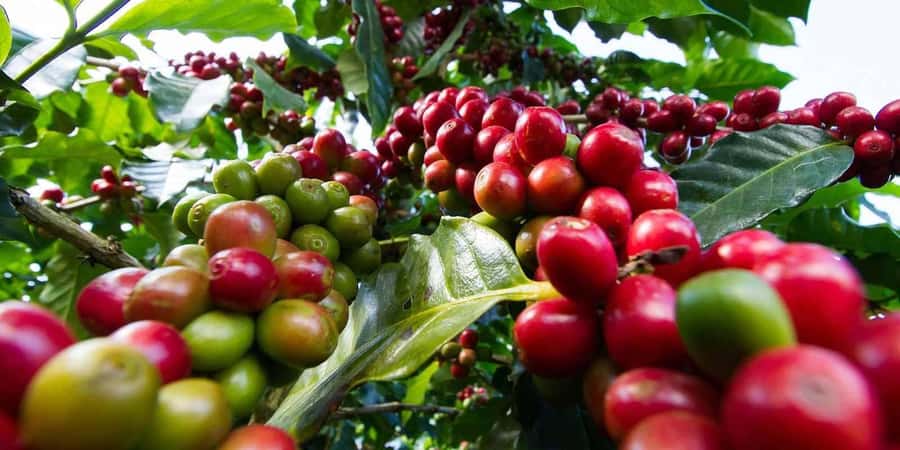
When you arrive at Fairview Coffee Estate, you begin with a history of the farm. This is led by professional staff, and it gives you context before you start seeing equipment and processing steps. This is the kind of opening that makes the rest of the tour easier to follow.
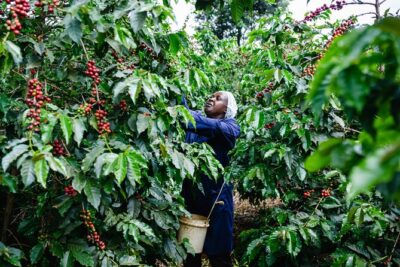
From there, the tour moves into the farm’s coffee journey. You are guided through the process from the budding stage all the way toward the final cup. Even if you have had coffee a thousand times, this part helps you understand why coffee quality and processing details matter.
A nice bonus here is that you are not just dealing with one room or one display. The tour flows through multiple areas, and you get guided explanations along the way. That reduces the confusion people often feel on agriculture tours, where they can see plants or machines but miss the “why.”
The Coffee Factory Visit: Understanding Processing Without Getting Lost
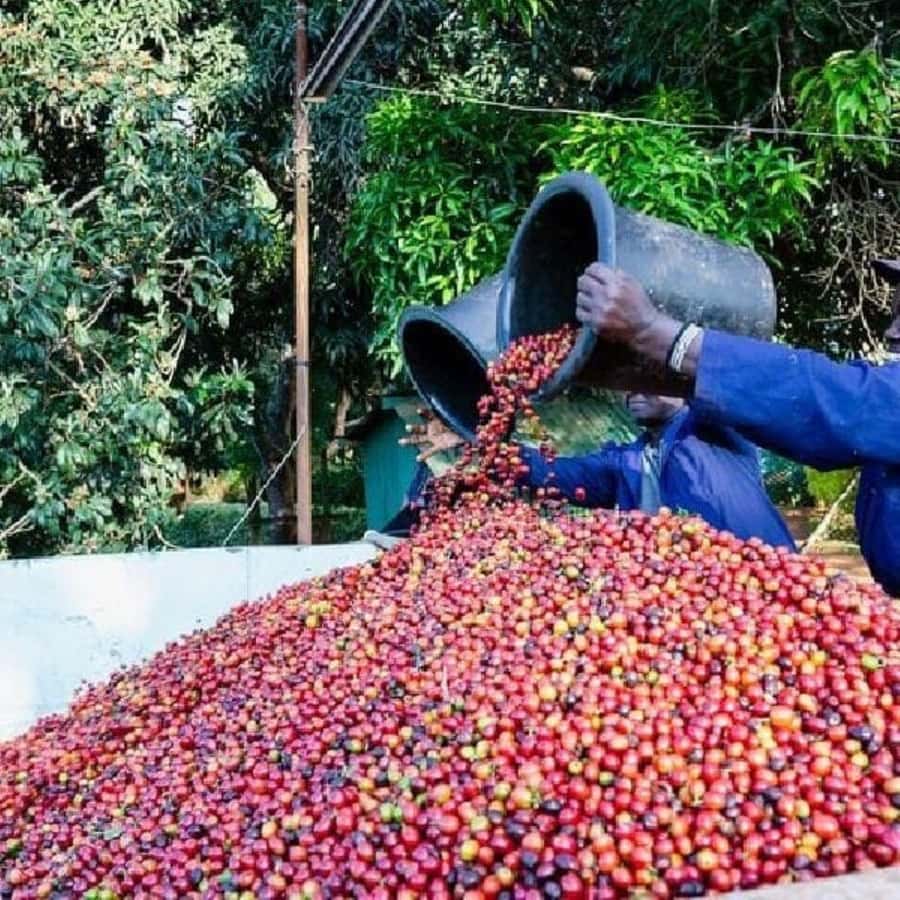
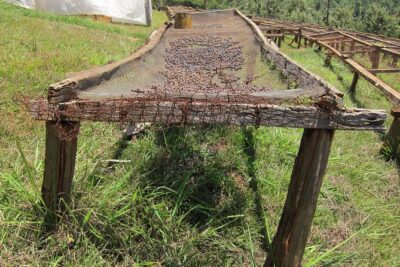
Next comes the coffee factory visit. This is where you learn about coffee processing and all the stages involved. You will be shown how coffee moves through the workflow, and you get a guided explanation of what each stage is doing.
This stop is valuable because it tackles the part most people never think about. They picture coffee as beans that appear and then get ground. The factory segment shows you the real sequence and why timing, handling, and processing choices influence flavor.
A practical tip for this section: listen closely to the order. The tour is designed to teach steps in sequence, so if you lose track once, it is harder to understand what roasting later is building on. If the guide uses terms you do not recognize, ask one follow-up question right then. You are on a guided schedule, but you can still clear confusion while it is fresh.
There are no complicated instructions required from you here. Your job is to absorb the stages and connect them to what you will later taste.
More days out of Nairobi:
- Nairobi National Park Half-Day Tour; Free Wi-Fi connection
★ 5.0 · 878 reviews - Nairobi: National Park & Optional Elephants & Giraffe Center
★ 4.8 · 874 reviews - NAI NAMI: Nairobi Storytelling Tour with Street Children
★ 5.0 · 792 reviews - Nairobi National Park Half-Day Game Drive
★ 4.5 · 738 reviews
The Coffee Lab and Roasting Stage: Where Flavor Gets Made
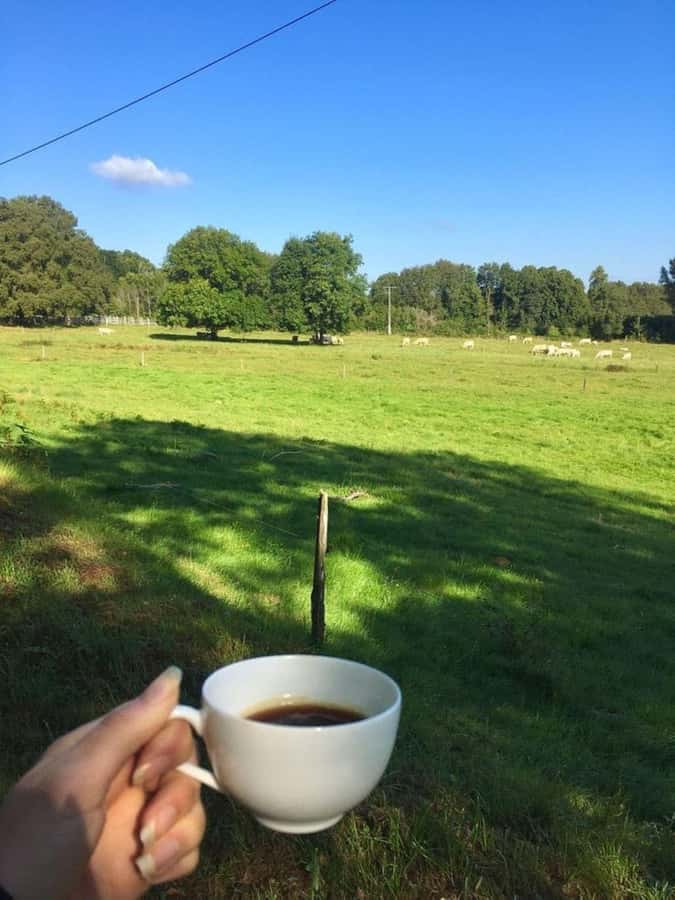
After the factory, you go to the coffee lab, where roasting happens. This is one of the most satisfying parts of the experience because it is where the transformation becomes obvious. You are not just learning about the process. You are learning how the final flavor profile is shaped.
In the lab, you also get a chance to test coffee. The tasting is not random. It is tied to the roasting stage, which makes it easier to understand why different coffees can taste different even when they come from the same general crop.
This is also the part where you might pick up your new favorite habit. Once you understand what roasting does, you start recognizing why some coffees taste brighter or deeper, and why you might prefer one roast style over another.
If you are the type who likes to take notes, this is a good time. Write down what you notice: aroma, acidity or bitterness feel, and how the coffee finishes. Even a few quick notes help you remember what you liked when you are making a decision later, especially if you plan to buy coffee to take home.
Garden Break: Coffee, Cookies, and the Fun Part of Optional Milk
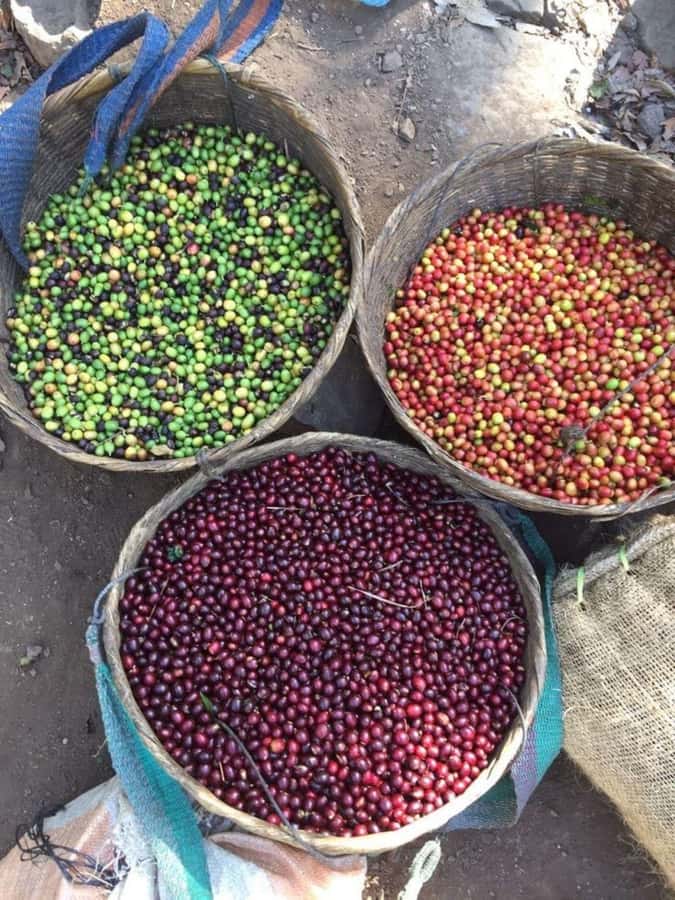
After the technical stops, you shift to the garden. This is where you slow down and enjoy the experience with fewer logistics and more conversation.
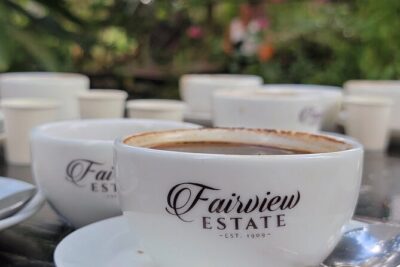
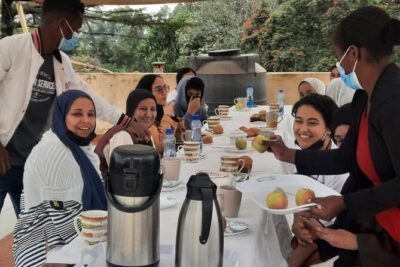
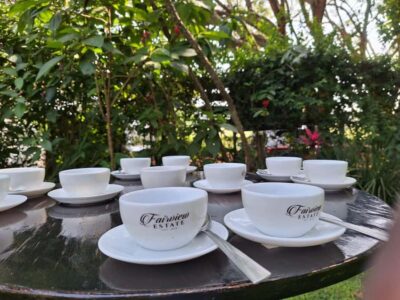
You are served coffee and cookies. There is also milk you can add, so you can experiment in a simple, low-pressure way. This is a small detail, but it adds value. It lets you taste the coffee as served, then taste how it changes with milk. You learn how sweetness and creaminess can soften or round out the coffee’s edges.
It also works as a mental reset. After factory and lab explanations, your brain gets busy. The garden time turns learning into a relaxed experience.
If you are someone who thinks you will not like the “tour part,” this garden break is often the moment people relax and realize they are actually having fun.
What You Can Buy: Bringing Fairview Coffee Home
During the tour, you have a chance to buy some coffee to take back with you. This is the kind of souvenir that is not just decorative. If you enjoyed the tasting, you can bring home what matches your preference.
What to do if you plan to buy: taste with intention before you decide. Use the tasting to figure out whether you prefer a roast that feels lighter or one that feels stronger. Then when you get the chance to purchase, you are not guessing. You are acting on what you already liked.
Because buying details are not spelled out beyond the chance to purchase, I suggest you check the options on-site. Ask how they recommend storing the coffee and whether they have different roast styles. The best souvenir is the one you will actually brew again.
Price and Value: The Real Cost Breakdown
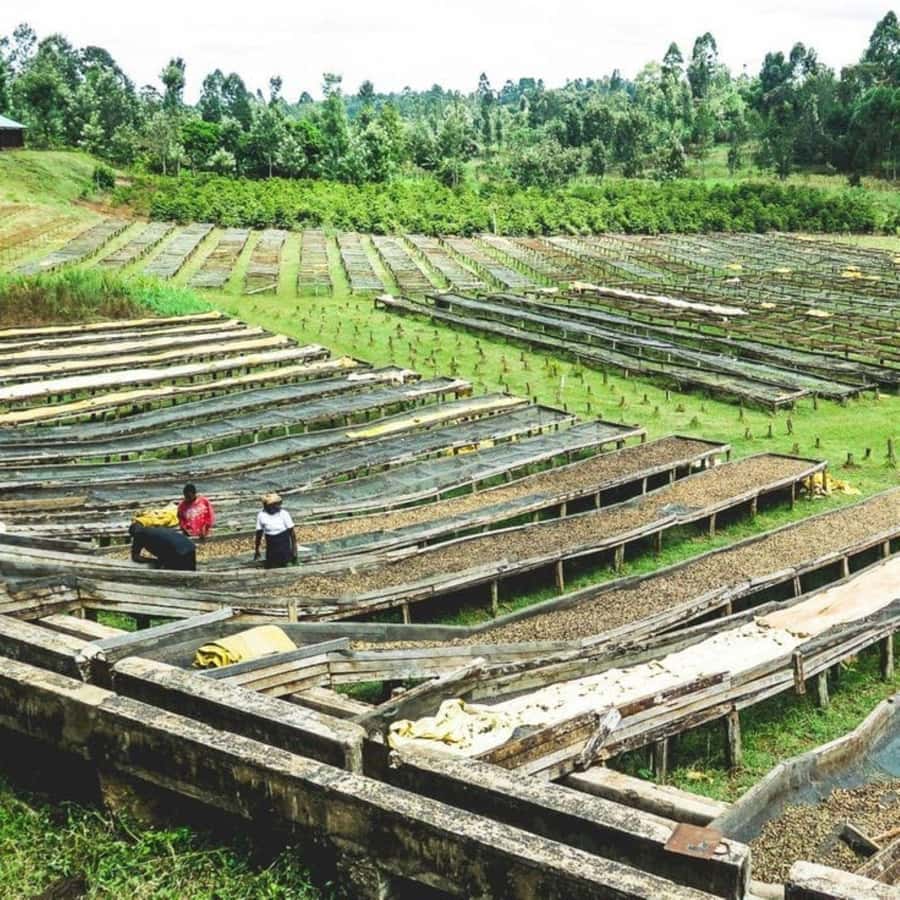
The tour price is $50 per person for a 4-hour day trip with pickup and drop-off in Nairobi, transport in a well-maintained car, bottled water, and a professional English speaking guide.
But the big “watch out” for budgeting is that the entrance fee to the coffee farm is $30 per person, and lunch is not included. That means your likely total for the experience becomes $80 per person before any meal you decide to add.
Is it worth it? In my view, yes, if you value guided learning and tasting over just walking around a farm. You are not paying only for views. You are paying for an ordered, guided explanation across the farm, factory, and roasting lab, plus tasting and a garden refreshment.
Also, you are getting convenience. The drive is handled. You do not have to coordinate rides to and from Kiambu. For many people, that convenience alone makes the price feel fair.
If you are traveling on a tight daily budget, you may want to plan your lunch either before or after the tour. That keeps you from losing time or overspending on a meal on-site.
Private Tour Comfort: Just Your Group in the Van and on the Grounds
This is a private tour/activity, and it says that only your group will participate. That matters in a couple of ways.
First, you can ask questions without worrying about time or crowd flow. Second, your guide can pace the day to your group’s interests. If you want more focus on the roasting and tasting, you can lean into that. If your group prefers the processing stages, you can stay focused there.
Most travelers can participate, and it is wheelchair accessible, so it is a practical option for mixed mobility groups. The structure is designed as a guided loop, which tends to be easier to manage than a self-guided farm day where you might scramble to coordinate routes.
How to Get the Most From the Coffee Tasting
Coffee tasting sounds simple, but you can make it more useful with one small habit. Taste, then pause. Before you move on, take a moment to notice aroma and flavor. Then compare it to the next cup.
Do not worry about getting it “right.” The goal is to figure out what you actually like. Since you can later buy coffee to take home, your best strategy is to treat the tasting as a short decision tool.
Also, pay attention to how milk changes your cup during the garden break. That quick test helps you understand your own preferences. If you love it with milk, you may still enjoy stronger roasts, but you might prefer them domesticated by dairy or similar additions.
Who Should Book This Tour (and Who Might Skip It)
This is a great fit if you want a straightforward, guided agricultural experience near Nairobi. It works well for couples, families, and solo travelers who want structure, transport, and an English-speaking guide.
It is especially good if you care about understanding the “how” behind what you drink, not just seeing a plantation photo spot. The factory and lab stops make it feel educational in a hands-on way.
You might skip it if you want a longer, more outdoorsy farm walk or a full day in the countryside. This is designed to be a compact, half-day style visit with a tight timeline, so you will feel the schedule. If you want slow wandering time, you might prefer a longer on-site experience.
Should You Book Fairview Coffee Farm? My Decision Guide
Book it if you want a high-value coffee education in a short window, with real steps from processing to roasting and tasting. The order of the experience helps, and the included guide plus tasting plus garden break make the day feel complete.
Hold off or adjust expectations if you are strict about costs. Plan for the $30 per person entrance fee and remember lunch is not included. Also, if you have something important scheduled right after, leave buffer time. Pickup can run late sometimes, so your day should stay flexible.
If you like coffee and you like learning by doing, this is one of the easiest ways to experience Kenya’s coffee side without turning your day into logistics.
FAQ
How long is the Fairview Coffee Farm day tour?
The tour duration is 4 hours.
Is this a private tour?
Yes. It is a private tour/activity, and only your group participates.
Where does pickup and drop-off happen?
Pickup and drop-off are to your hotel in Nairobi.
What is included in the price?
Included are transport in a well maintained car, pickup and drop-off to your hotel, bottled drinking water, and a professional English speaking guide.
Is lunch included?
No, lunch is not included.
How much is the coffee farm entrance fee?
The entrance fee to the coffee farm is $30 per person.
Is there coffee tasting during the tour?
Yes. Coffee tasting is included, and you also get coffee served in the garden with cookies.
Is the tour wheelchair accessible?
Yes, it is listed as wheelchair accessible.
Recently reviewed from Nairobi
- Amboseli Day Trip from Nairobi★ 4.5 · 3 reviews
- Ngare Ndare Day Trip★ 5.0 · 3 reviews
- Nairobi city tour★ 4.5 · 3 reviews
- Day Trip To Crescent Island And Hells Gate National Park★ 5.0 · 3 reviews
- Crescent Island Day Tour From Nairobi★ 5.0 · 3 reviews
- 1-Day Amboseli Safari★ 5.0 · 3 reviews
- 13-Day Uganda Mgahinga Gorilla Trek, Maasai Amboseli Park★ 5.0 · 3 reviews
- 4 days group joining budget safari to Maasai Mara only★ 5.0 · 3 reviews
Coffee Farm Tours, compared.
Coffee Farm Village & Factory Half Day Tour with Pick-Up
Read our review →
Coffee farm tour, coffee roasting and tasting experience
Read our review →
Private Half-Day Tour in Fairview Coffee Farm from Nairobi
Read our review →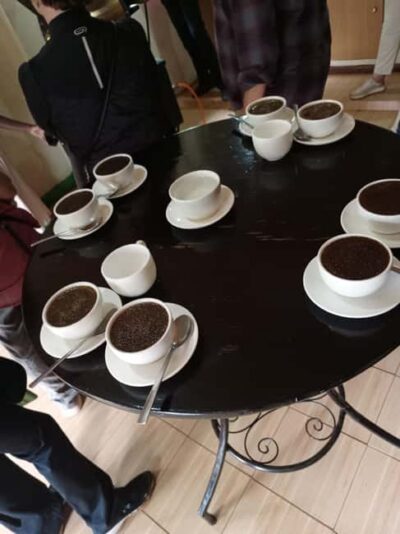
Browse the lists this tour appears in