
Reviewed · COFFEE FARM TOURS
Coffee Farm Tour (Fairview)
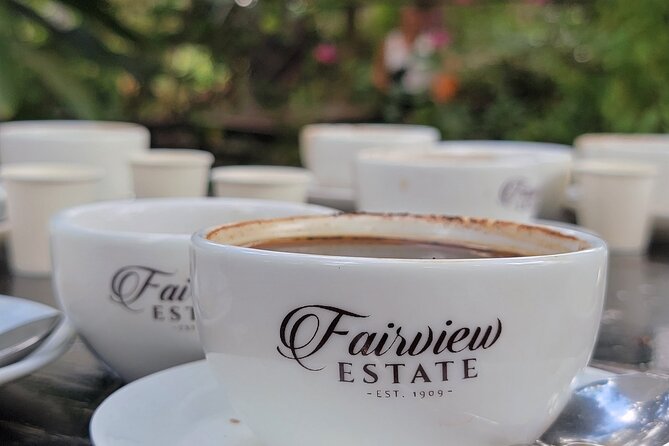
There’s something instantly fun about a coffee farm tour in Kenya’s Central Highlands, because you can see the whole product story on the ground, not just in a cup. I love the hands-on farm walk and the way you learn the full chain from growing to processing. I also really like the four-coffee tasting, where the differences between roasts and grades become obvious fast. One possible drawback to plan for is the farm entrance fee is extra, so your final spend is higher than the headline $39.
This tour also has a smooth, low-stress feel because the private transportation handles Nairobi to Kiambu and back. In the car, guides like Alex often add helpful context about Nairobi while you’re traveling, and on the farm guides such as Elvis or James focus on coffee with patience and lots of room for questions. The only consideration I’d flag is that the farm shop may not always be open if equipment has issues, so don’t count on shopping every time you visit.
Key takeaways
- Central Highlands setting at 1,750 meters, ideal for coffee-growing education
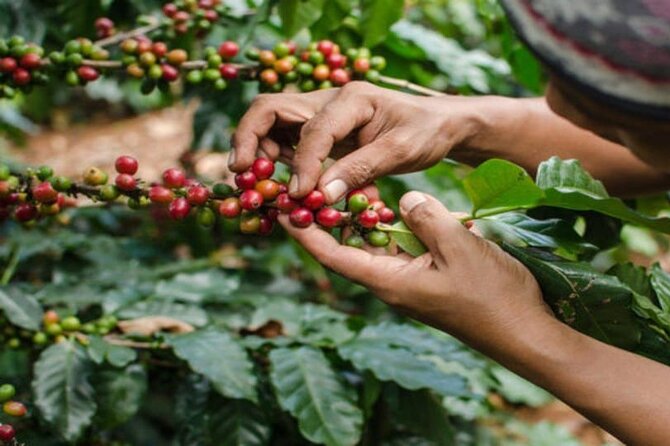
- A guided farm circuit that covers cultivation and processing end to end
- Sample 4 different coffee types/grades through a structured tasting experience
- Pickup and drop-off in Nairobi using private transport plus bottled water
- On-farm shop time for coffee you can buy there (when it is open)
Nairobi pickup to Central Highlands drive: what the 3 hours really feel like
The day starts in Nairobi with hotel pickup, then you head into Kenya’s Central Highlands toward the Fairview Coffee Estate in Kiambu. The drive is short enough that this works well even if you want a half-day plan, and it is long enough to feel like you have left city life behind.
You’ll typically see the tour schedule offered in two daily windows: 10:00 a.m. to 12:00 p.m. and 2:00 p.m. to 4:00 p.m. The tour is listed as 3 hours total, and that matches what you’ll feel once you account for time on the road plus roughly 2 hours on the farm.
One detail I think matters: you are not left to figure things out on your own. Your driver arrives (silver Honda Airwave is mentioned), you’re picked up from your hotel in Nairobi, and you’re returned after the farm portion. People who care about comfort and timing tend to appreciate that.
More coffee farms near Kenya:
- FAIRVIEW COFFEE FARM DAY TOUR
★ 4.0 · 5 reviews - Fairview Coffee Farm Day Tour in Nairobi with Pickup
★ 4.6 · 3 reviews - Nairobi Coffee Farm and Factory Tour
★ 5.0 · 87 reviews
Arriving at Fairview Coffee Estate in Kiambu: your first clues about the coffee
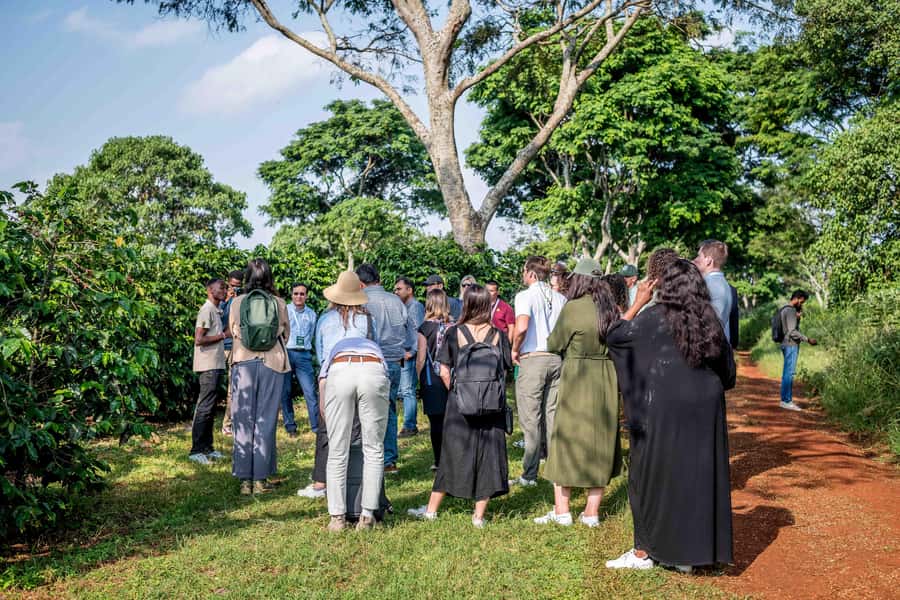
Once you arrive, the farm itself does the heavy lifting. You’re stepping into a place with nearly 100 acres under coffee and at about 1,750 meters elevation. That mix, coffee acreage plus altitude, is exactly why this region is famous for quality coffee.
What I like about starting on-site is that the coffee conversation immediately becomes practical. You can connect what you see with what you’ll taste later, instead of treating the tasting as a random side activity.
Farm walk focus: cultivation, cherries, and what ripeness looks like
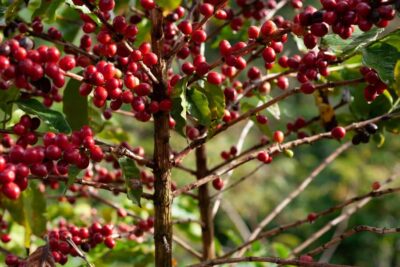
The most educational part is the farm walk through coffee cultivation. You get shown how the coffee plant develops, from flowering to cherry maturation. If you’ve only ever seen coffee cherries as photos, being on the ground changes how you understand the crop cycle.
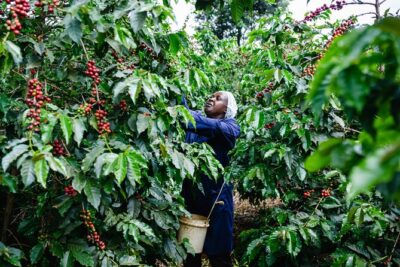
Depending on the guide and how your group moves, you might even get the chance to pick ripe cherries. In past experiences, guides have helped people understand how to recognize what is ready, not just how to hold the fruit.
For kids, this can be a surprisingly good “plant lesson” day. One family mentioned their 5-year-old learned a lot about plants and coffee growing during the farm walk. For adults, it tends to land differently: you start noticing where the plants are, how the work is organized, and why processing choices later matter so much.
Processing lessons that make the tasting make sense
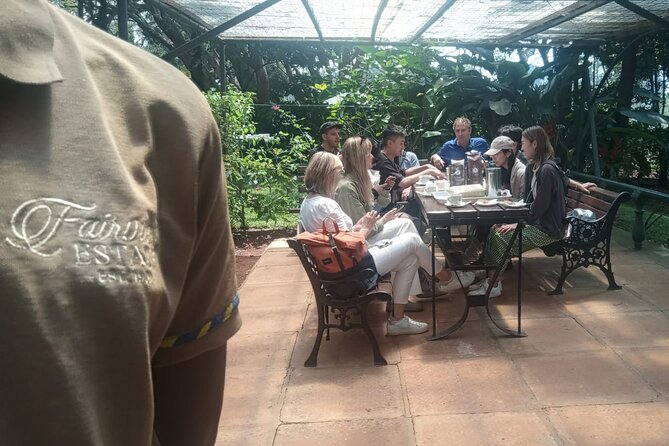
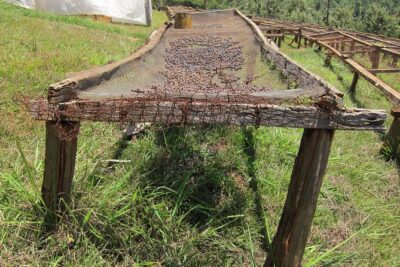
The tour then shifts to coffee processing. This is the part that turns coffee from a vague flavor preference into something you can reason about. Instead of only talking about roast levels, you learn about the methods that transform raw beans into the coffee you brew.
People often think roast is the whole story. This tour nudges you past that. Once you understand processing steps and the idea of how beans are cleaned and handled, roast becomes one variable among several, and your tasting gets more accurate.
Guides on this tour have been praised for staying calm and answering questions in detail. Names that come up in experiences include Elvis and James on the farm, and they are described as patient and deeply invested in coffee history and growing to processing.
A different day out of Kenya:
- Dhow Adventure to Wasini Island & Kisite Marine Park
★ 4.6 · 337 reviews - Nairobi Walking tour:Explore History Culture and Traditions
★ 4.8 · 222 reviews - From Mombasa/Mtwapa/Diani/Tiwi: Tsavo East Full-Day Safari
★ 4.3 · 130 reviews - Nairobi: Day Trip to Maasai Mara Reserve & Maasai village
★ 4.6 · 49 reviews
The four-coffee tasting: how to get more out of it
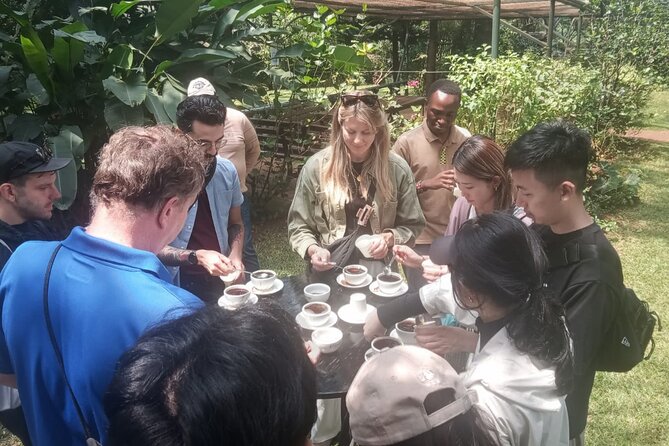
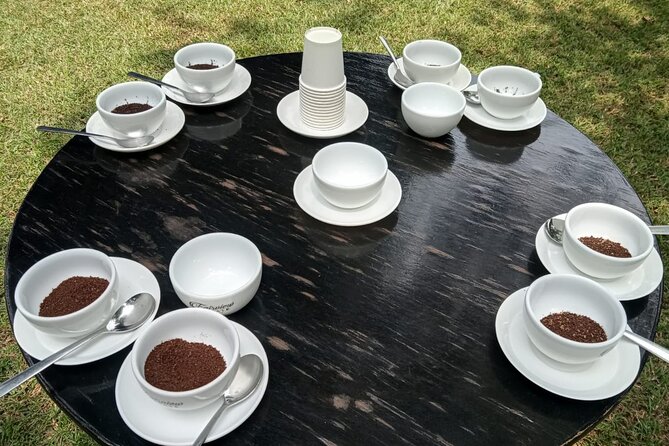
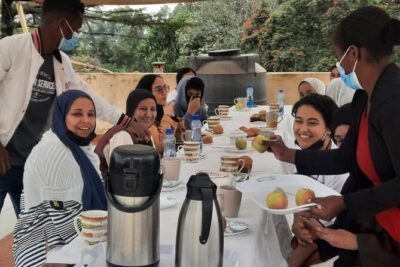
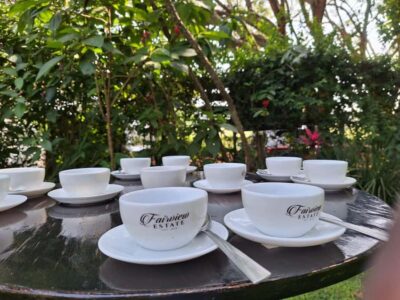
One of the top reasons to do this tour is the tasting, where you sample 4 different types/grades of coffee. This is not just a casual sip. It’s treated like an exercise, and more than one person mentioned a fun blind-test style format.
Here’s how you can get the most from it:
- Taste with a short pause between cups, so your brain isn’t blending everything together.
- Smell first, then taste, then look at what changes with each sample.
- If you’re not sure which you prefer, ask your guide to explain what they think is driving the difference.
What I love about this part is that it makes you pay attention. Coffee can be personal, but the tasting helps you spot patterns, like which styles feel fruitier, heavier, or more balanced, even if you don’t know the technical terms yet.
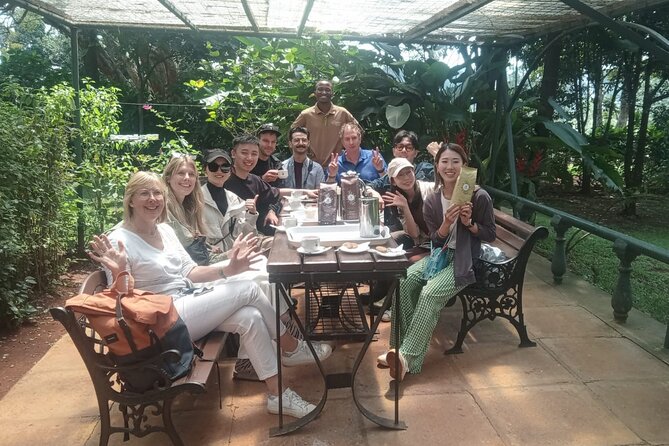
Also, the way guides run it matters. In several experiences, people mentioned the guide made the group feel comfortable, shared coffee culture, and even encouraged discussion so the tasting became a conversation, not a lecture.
Buying coffee at the farm shop: what’s possible, what to expect
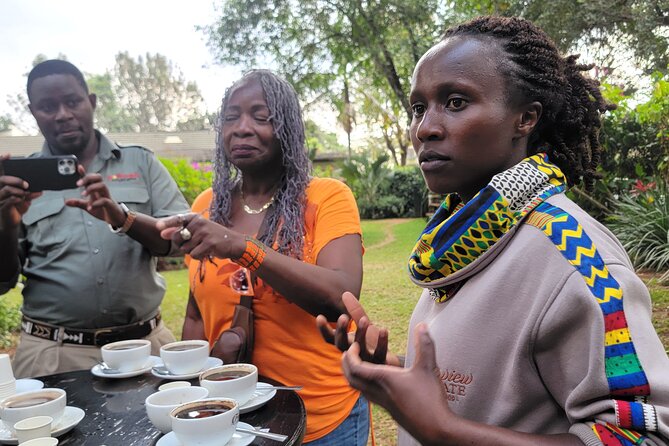
After tasting, there’s an opportunity to buy coffee from the farm shop. One review mentioned coffee that was freshly roasted in front of you, which is the kind of detail that makes purchases feel less like a souvenir and more like a real supply chain.
Pricing examples provided for packaged coffee include:
- Medium roast, 500 grams for Ksh 1200
- Dark roast, 500 grams for Ksh 1200
- Kaldi roast, 500 grams for Ksh 1800
One fair warning: at least one visit reported the shop was not open due to a roasting machine issue. So treat shopping as a bonus, not a guaranteed step.
Time on the drive back: Nairobi context and a relaxed finish
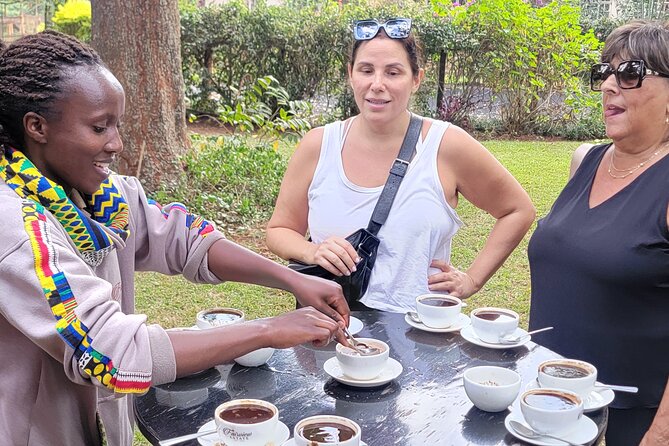
Once the farm portion wraps up, you return to Nairobi. The driving segment is often where your guide adds extra value. People have mentioned commentary about Nairobi and Kenyan history during the ride, with drivers like Alex described as engaging and helpful.
That matters because it turns a transfer into a mini orientation. You get practical tips for what to do and where to go next, which helps if you’re fitting multiple activities into a short stay.
Price and value: what $39 really buys you, plus the extra fee
The tour is priced at $39 per person and lasts about 3 hours. But here’s the real math you should do before you commit.
Included in the tour price:
- Professional tour guide
- Pickup and drop-off from your hotel in Nairobi
- Private transportation
- Bottled mineral water
Not included:
- Coffee farm entrance fee of 30 USD
- Coffee packed for sale (if you buy it)
So your all-in cost is closer to $69 plus any coffee you purchase. If that sounds like a lot, remember what you are paying for: private hotel transfer, a guide service, the farm tour itself, and tastings. For some people, that is worth it for convenience and the quality of guided instruction.
One review did make a pointed comparison, suggesting you could use Uber to reach the farm and pay the $30 entrance fee there, then skip the transport portion if you are comfortable doing that. That route can save money, but it shifts planning work onto you. If you’re traveling with limited time, the organized pickup and drop-off is part of the value.
If you want to optimize cost, I’d treat it like this:
- If you care more about ease and guided explanations, the package makes sense.
- If you are cost-focused and confident with independent transport, you might be able to lower the bill by going on your own, assuming the entrance and tasting setup is still available.
Who this tour suits best, and who should think twice
This experience is a great match if you:
- Like food and want to learn where it comes from
- Enjoy tastings and want structured, guided comparisons
- Want a guided farm walk without arranging transport yourself
- Travel with family and want an educational stop (including for younger kids)
It may be less ideal if you:
- Only want a low-cost coffee stop and dislike paying an extra entrance fee
- Expect the shop to be open every single time
- Prefer very short activities, since you’re spending most of the total time on the farm walk plus transfers
Also note the tour is in English, and it is listed as wheelchair accessible, which is a useful baseline if mobility is a concern.
What makes this tour stand out in the details
This isn’t just a scenic coffee stop. The strengths show up in how the guides run the day.
People consistently highlight:
- Passionate guides, including names like Raimund, Elvis, and James
- Clear, patient teaching during cultivation and processing
- A memorable tasting experience that challenges your palate
- A smooth, on-time pickup and transport process, often described as reliable
- Extra kindness, like adjusting plans when the weather changed, including taking visitors to find rain coats before heading to the farm
The small details add up. When guides keep the experience interactive and allow questions, you end up with real understanding, not just “pretty views plus coffee.”
Should you book this Fairview Coffee Farm Tour?
I think it’s an easy yes if you’re a coffee fan or you want a genuinely hands-on learning experience near Nairobi. The tasting with four samples, the cultivation and processing explanations, and the structured farm walk are exactly the kind of mix that makes the time feel well spent.
Book it if you want:
- Nairobi pickup and private transport handled for you
- A guided day that feels organized but still relaxed
- Coffee learning you can use in your next brew back home
Hold off or consider alternatives if:
- You’re trying to keep costs ultra-low, since the 30 USD entrance fee is added on top
- You only want shopping or you’re planning around the farm shop being open, since there can be operational hiccups
If you’re comfortable with the true all-in price and you care about coffee beyond taste alone, this one is worth your afternoon.
Recently reviewed from Kenya
- Watamu: Sunset Mangrove Canoe Tour with Coconut Drink★ 3.6 · 8 reviews
- Watamu: Learn Kenyan Cusine with Jonathan★ 4.1 · 8 reviews
- From Mombasa/Mtwapa/Diani/Tiwi: Tsavo East Full-Day Safari★ 4.3 · 130 reviews
- Swahili Carved Doors Tour by Woman Woodcarver: Lamu Island★ 5.0 · 4 reviews
- Private Tour to Amboseli National Park★ 3.3 · 3 reviews
- Shimba hills tropical rain forest day trip★ 4.6 · 3 reviews
- Overnight safari to Tsavo East from Mombasa / Diani Beach★ 5.0 · 3 reviews
- Private Safari Day-Tour in Amboseli National Park★ 4.1 · 7 reviews
Coffee Farm Tours, compared.
Coffee Farm Village & Factory Half Day Tour with Pick-Up
Read our review →
Coffee farm tour, coffee roasting and tasting experience
Read our review →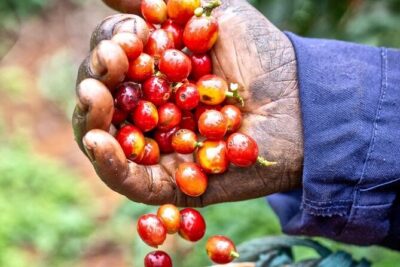
Private Half-Day Tour in Fairview Coffee Farm from Nairobi
Read our review →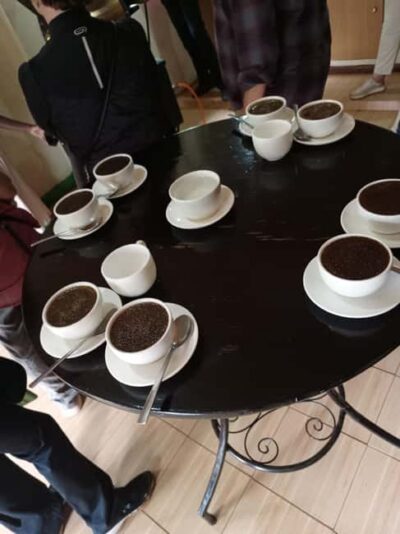
Browse the lists this tour appears in