
Reviewed · MAASAI VILLAGE VISITS
From Nairobi: Maasai Village Experience Day Tour
This day tour is interesting because you are not just watching culture from outside a fence. You jump into daily Maasai routines like cooking ugali, dancing and beadwork, and you do it in a village that is meant to limit the constant tourist traffic.
I especially like how the day is built around hands-on activities instead of staged performances, and how guides such as Dennis, Simon, and Sharon focus on explaining what you are doing as you do it. One consideration: it is a long day with a 2.5-hour drive each way, plus there are no toilets at the village, so you rely on planned bathroom stops.
Key points before you go
- Real daily activities, not a quick photo stop, with you cooking, making, and joining in songs and dance
- Family-style guidance from English and Swahili guides like Dennis, Simon, Jacqii, and Sharon, with plenty of time for questions
- Livestock market option on Monday or Friday, described as Kenya’s second biggest, with animals arriving from far beyond Kenya
- Village stay is limited to booked visitors, designed to reduce constant hourly tourist visits that change how people relate to visitors
- Your presence is recorded and villagers are paid via M-Pesa, including an online register so payments go to individuals
- Bring practical gear, because you should expect dusty paths, sun, and clothes that can get dirty
Why this Maasai village day feels different from the quick “tourist village”
A lot of Maasai village visits have the same rhythm: arrive, pose for photos, watch a short performance, move on. This tour is set up to feel closer to a real visit because it gives you time to learn through doing, not just through looking.
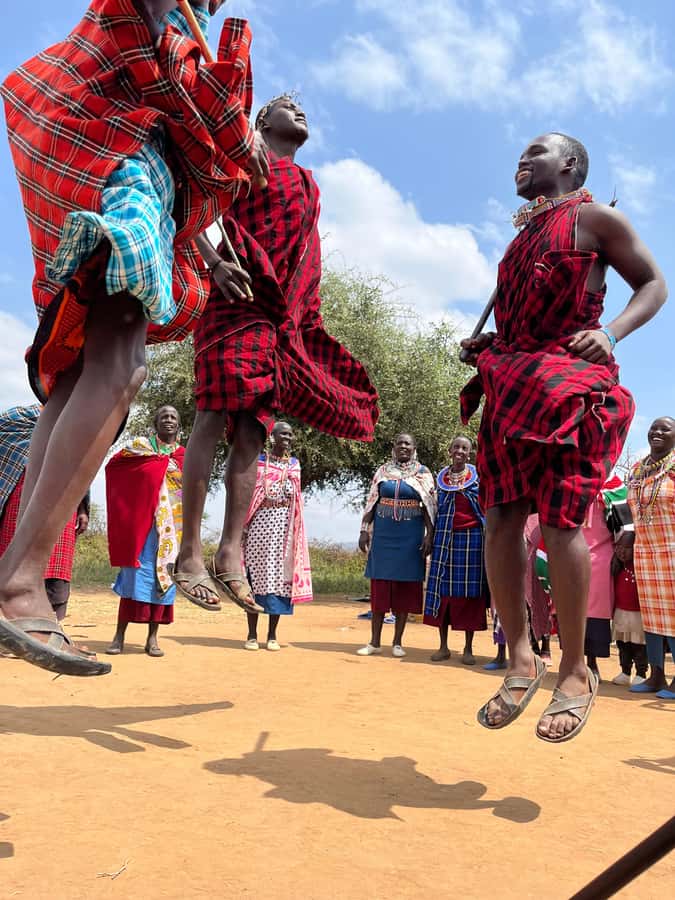
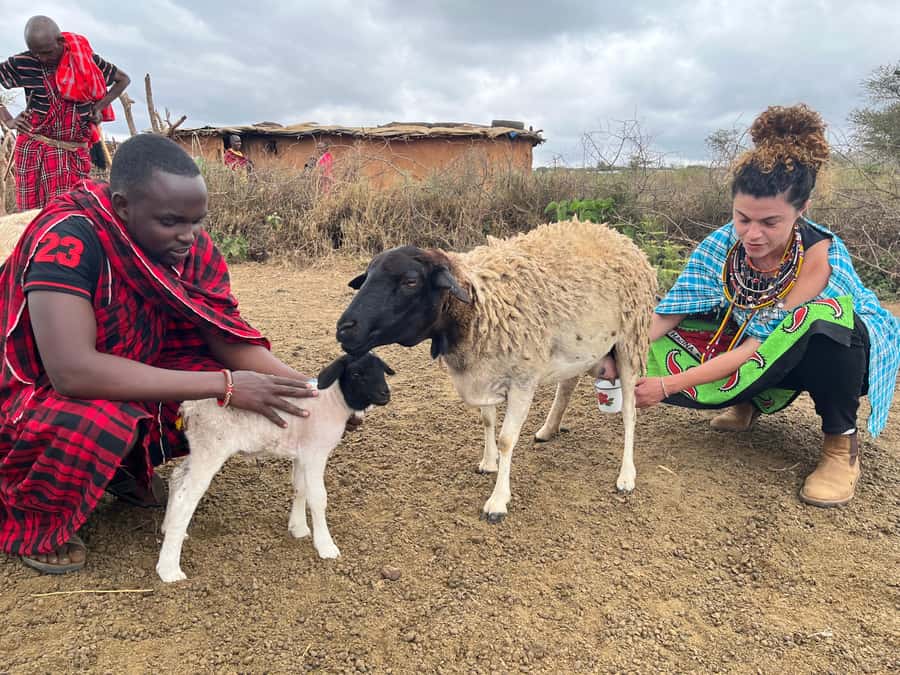
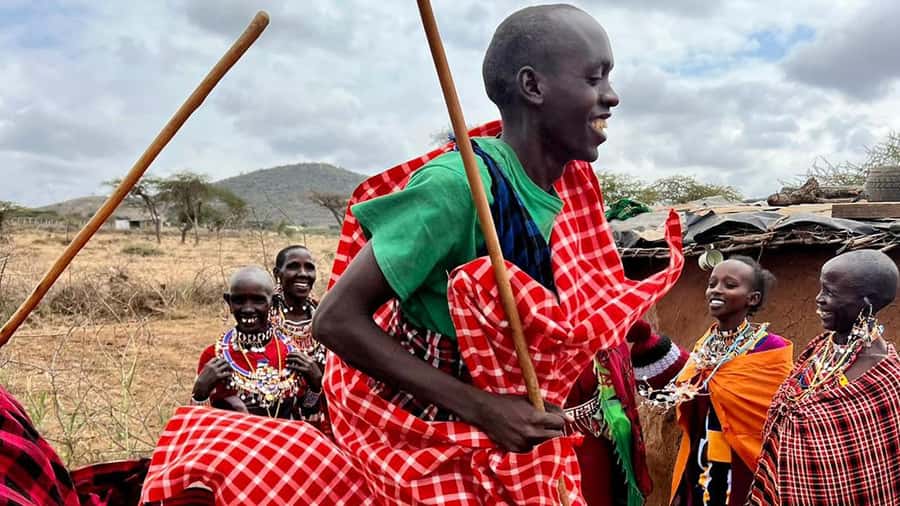
You can expect the day to include the kind of tasks that sit at the center of daily life. You will cook ugali in a manyatta, learn and try beadwork, help with traditions like starting a fire, and join group dancing and jumping. Goat or sheep milking also makes the day feel tangible, not theoretical.
The other part I appreciate is the company’s stated goal around authenticity. They argue that many villages near popular safari circuits get visitors too frequently, which changes how locals respond. In contrast, their model is described as limiting visits to bookings, and paying villagers in a way they say is more direct and fair.
More community-hosted Maasai visits:
- Nairobi: Day Tour to Amboseli National Park & Maasai Village
★ 4.5 · 310 reviews - Masai village Day Tour Experience
★ 5.0 · 284 reviews - Maasai Village Experience Day Tour
★ 5.0 · 72 reviews
Value check: what $117 really buys you in a full 8-hour Kenya day
At $117 per person for an 8-hour experience, you are paying for three big ingredients: transport, an entry fee to the village, and a structured program with a guide. You also get bottled water and Wi-Fi, plus hotel pickup and drop-off within a 3-mile radius of Nairobi City.
What makes the price feel reasonable is the time you spend on the road and the time you spend in the village. This is not a 2-hour drive-and-photos situation. With around 2.5 hours each way, you are buying a full day, and the village visit itself lasts about 2 hours.
One more value note: you are not just paying to see Maasai culture, you are also paying for an explanation and translation layer. Guides switch between English and Swahili, and multiple people noted that their guide kept the experience organized while still letting questions come up naturally.
The Nairobi-to-village drive: long, yes, but it sets the scene
You start with free pickup and a drive out of Nairobi. The day is built around getting far enough from the city that the visit feels more grounded in the local setting.
Expect the drive to take about 2.5 hours to reach the village. On the way, you get two optional stopovers that also act as bathroom breaks, since there are no toilets at the village.
If you are prone to motion sickness, this is worth taking seriously. People who get sick on winding roads should plan carefully, because the schedule is one long outbound drive plus the same on the return. On a bright note, reviews often praise the guide for conversations along the way, so the time does not feel like dead travel.
Practical timing you should plan around
If you book for Sunday, be ready for an early pickup, around 7 a.m. Otherwise, pickup is at a time arranged for your departure, and you should wait in the hotel lobby until your driver and guide arrive.
More days out of Nairobi:
- Nairobi National Park Half-Day Tour; Free Wi-Fi connection
★ 5.0 · 878 reviews - Nairobi: National Park & Optional Elephants & Giraffe Center
★ 4.8 · 874 reviews - NAI NAMI: Nairobi Storytelling Tour with Street Children
★ 5.0 · 792 reviews - Nairobi National Park Half-Day Game Drive
★ 4.5 · 738 reviews
Bissil town stop: a guided break that is more than just sitting in the car
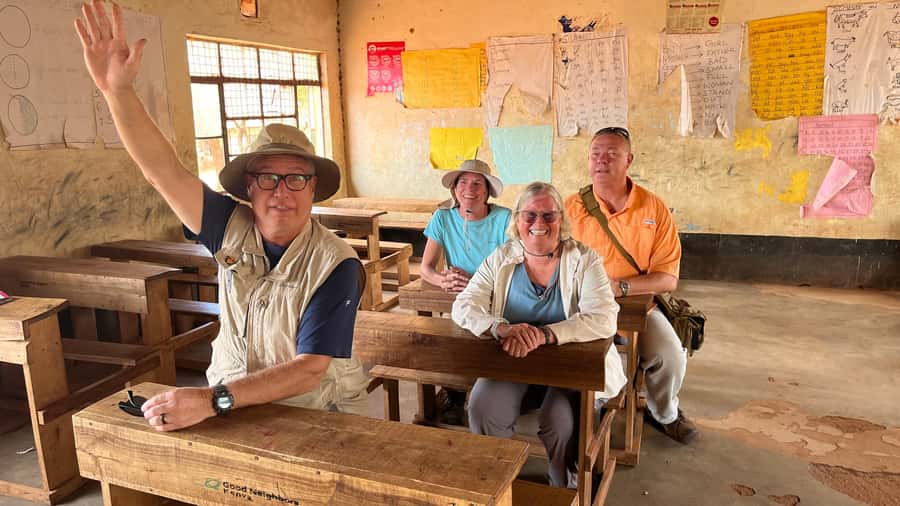
The tour includes a visit to Bissil town as part of the day. It is scheduled as a guided stop that lasts about 2 hours.
This matters because it breaks up the long road trip with something to do. It also gives you a chance to stretch, reset, and get a sense of how economic life shifts beyond Nairobi. Since the village itself has limited facilities, these in-between stops make the whole day feel smoother.
Don’t expect this to replace the village experience. The point of Bissil town is to help you arrive with better context, not to compete with the main event.
Inside the manyatta: what you actually do during the 2-hour village stay
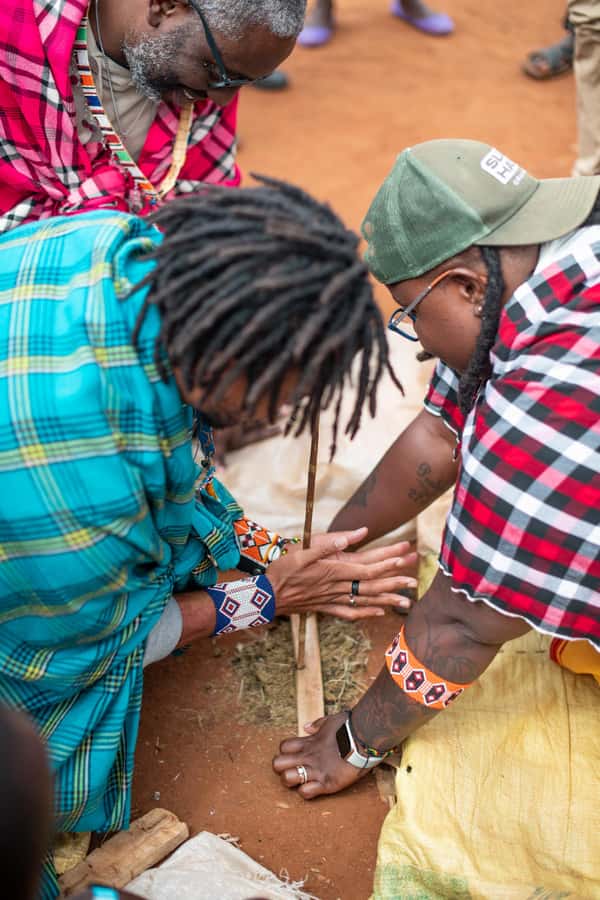
Your time in the village is the heart of the tour, and it is structured so you move through activities instead of sitting and watching. Your guide stays with you during each part, including the language and cultural explanations.
Here is what the day commonly includes.
Ugali cooking and daily-food basics
You will cook ugali in a manyatta. Even if you have never cooked traditional staples before, you are not left standing around. You will get hands-on time, and your guide will explain what you are making and why it matters.
This is one of the best parts of the day for many people because ugali is not a “show dish.” It is food, and seeing how it is made helps you understand the practical side of Maasai life.
Fire making and the skills behind it
Starting a fire traditionally is another key activity. It is one thing to watch a performer ignite a flame, and another to work through the process with guidance.
A small reality check: this is outside, and conditions can change. One traveler shared that bees ended up interrupting their day, forcing a shelter break in a hut until it was safe again. That kind of moment is not planned, but it is a good reminder that you are in real outdoor space, not a set.
Beadwork time, with real meaning
Beadwork is included, and this is where cultural explanations tend to get personal. Maasai beadwork is not just decoration, it often signals identity, roles, or life stages.
You will get the chance to make items yourself. Many people highlighted this as a standout because it feels creative and practical at the same time. You leave with a better appreciation of the work behind what you see.
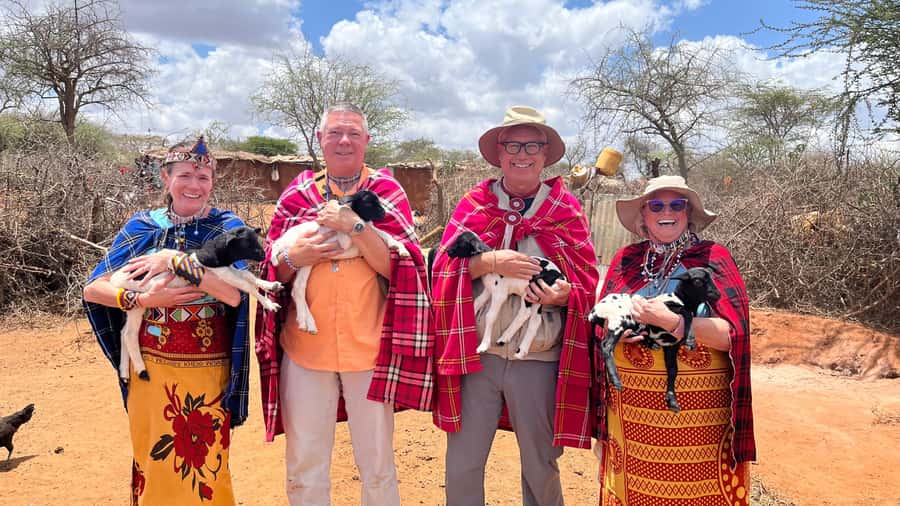
Goat and sheep milking
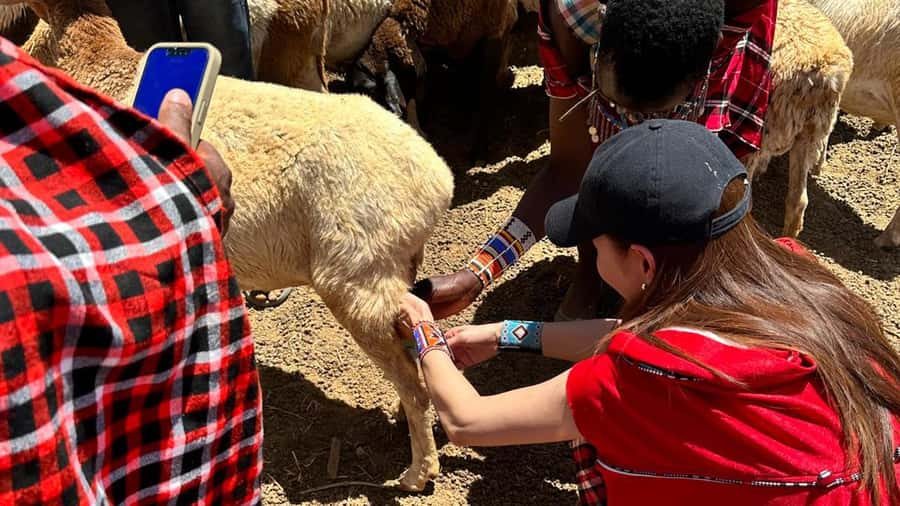
Milking goats or sheep is part of the experience. It adds a physical, responsibility-based element to the day.
Don’t worry if you have two left hands. The tour is set up for you to try with support from your guide and community members. Just keep your footing in mind and be ready for farm-style movement, which can be uneven.
Dancing, singing, and jumping
Ending with songs and dance is common for a reason. It is social, energetic, and it gives you a direct way to feel the community’s rhythm.
Most people describe this part as joyful and welcoming, especially when you treat it as participation rather than a performance to watch. If you are self-conscious, go anyway. The guides and hosts are there to help you join in comfortably.
What about photos and cameras?
A key note: professional cameras are discouraged to avoid turning the village into a commercialization machine. Your best move is to bring a phone for personal photos and keep it respectful.
Some people also mentioned their guide took photos or video voluntarily during the day, so you are not totally on your own with capturing memories. The overall vibe is low-pressure, and it helps if you focus on being present instead of documenting everything.
The livestock market day: what you get on Monday or Friday
If you book on Monday or Friday, you pass by a livestock market. The tour describes it as the second biggest livestock market in Kenya, with animals arriving from as far as Tanzania.
This is a powerful cultural and economic window because you see trade in action. It also helps explain regional livelihoods beyond Nairobi. It can be a bit intense in sights and sounds, but that is part of the point.
There is also time to go into one of the makeshift kiosks operated by women that serve as restaurants for livestock traders. Again, this is about everyday commerce, not a polished tourist stop.
If you are sensitive to crowds or noise, you might want to plan how you handle busy market moments. The tour is still guided, so you are not wandering alone.
The school stop: how it works when it is included
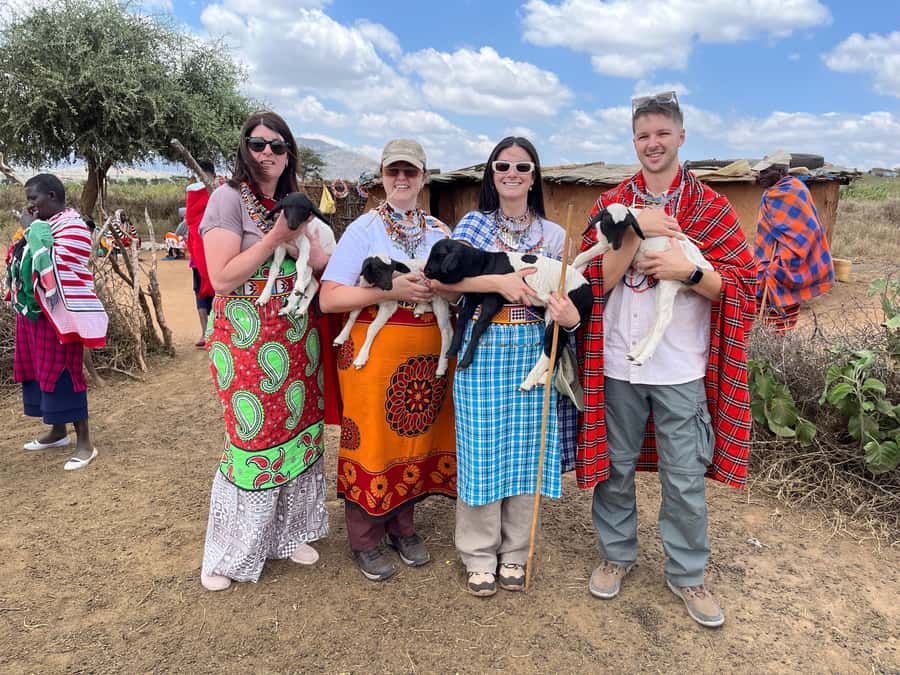
The tour can include a visit to a local primary school on request. The idea is to meet children in an everyday setting, and you may be asked to interact or share as part of the visit.
If a school visit matters to your personal travel style, this is a good add-on. If it makes you uncomfortable, keep an open mind. This is not described as a classroom disruption. It is positioned as a way to show up, say hello, and leave something positive in a normal school day.
Donations and buying crafts: how to do it without turning the day into a transaction
At the end of the village activities, Maasai community members display handmade items. Buying is optional, and you may also have a chance to donate, again described as optional.
My advice: treat this like a thank-you, not a requirement. If you want to buy, do it calmly and thoughtfully. If you want to donate, consider bringing small items or cash you feel comfortable offering, and understand that the day is still first about respectful participation.
Multiple reviews encourage bringing items or cash to donate, and they also mention there is no pressure. That said, the tour’s own model includes payment to villagers, so your choices should be about support, not guilt.
Payment and ethics: what the tour says it does differently
This tour talks openly about exploitation concerns around cultural tourism. They specifically mention that some villages become dependent on frequent tourist visits and that vulnerable people can get pulled into a system that benefits tour operators more than the community.
Their response is described as a payment method designed to keep returns more evenly distributed. During the visit, the guide fills an online register indicating presence or absence of individuals. After the visit, payment is done via M-Pesa to everyone listed.
They also state that their model may pay Maasais who turn up individually, not just a single representative. Whether you fully agree with their exact claims, the key practical takeaway is that they are trying to make money flows more transparent and linked to actual participation.
As a visitor, you can help by setting expectations with yourself: your job is to show up respectfully, ask questions, and avoid acting like you are entitled to a performance.
Practical tips that make the day go smoothly
The tour provides bottled water, and you will have Wi-Fi on the way. But you still need to bring the basics for an outdoor village day.
Bring comfortable shoes. You will walk on uneven ground. Sun hat and sunscreen are smart because you are outside for multiple activities. Pack clothes that can get dirty, because dust happens.
What is not allowed
To keep the experience respectful and reduce commercialization, the tour lists some no-go items: pets, drones, smoking in the vehicle, professional cameras, alcohol and drugs, nudity, and see-through clothing.
If you are wondering about dress codes, aim for covered, modest clothing that you would wear to a rural setting. It is less about rules and more about not distracting from the day’s purpose.
Who should book this Maasai village day tour
This is a strong fit if you want more than a photo stop. You like hands-on cultural experiences and you are comfortable joining in activities like cooking, crafting, and dancing.
People also seem to enjoy the smaller-feeling day. Several reviews describe times when the group was very small or even felt private, and that can make it easier to ask questions and move at a human pace.
It may be less suitable if you have motion sickness, because the drive is long. The tour is also not suitable for wheelchair users, and it is not designed for visually impaired people or babies under 1 year, based on the provided info.
Guides matter: Dennis, Simon, Sharon, Jacqii and the difference a good host makes
A big reason this tour scores so high is guide quality. Reviews call out guides like Dennis, Simon, Sharon, and Jacqii for being friendly, organized, and supportive.
What good guiding looks like in practice: you get briefed ahead of activities, you know what you are about to do, and the guide stays with you so you feel guided rather than herded. People also mention lots of conversation time in the car and thoughtful explanations in English and Swahili.
If you care about a smooth, friendly day with real context, this is one of those experiences where the guide can genuinely shape how much you get out of it.
Should you book? My honest take
If your priority is a respectful, hands-on Maasai cultural day with a village visit that is designed to reduce constant tourist pressure, I think this tour is worth considering. The combination of cooking ugali, fire making, beadwork, and milking, plus optional livestock market and school time, creates a full day with actual participation.
If your priority is a low-activity sit-down cultural stop, or you hate long road days, you might want to skip this one. Also, if outdoor conditions are a challenge for you, plan around sun and mobility.
Bottom line: book it if you are curious, flexible, and ready to participate. Skip it if you want a quick, comfortable drive and minimal physical effort.
FAQ
What is the duration of the Maasai Village Experience Day Tour?
The tour runs for 8 hours.
How much is the tour per person?
The price is $117 per person.
Where does pickup and drop-off happen?
Pickup and drop-off are included, within a 3 miles radius from Nairobi City.
How long is the drive to the village?
The drive is about 2.5 hours one way.
Is food included in the price?
No. Food and drinks are not included.
Are there toilets at the Maasai village?
There are no toilets at the village, so the tour includes optional stopovers that can serve as bathroom breaks.
What languages are the guides available in?
The live tour guide is available in English and Swahili.
Is there a livestock market stop?
On Monday or Friday, you pass by a livestock market.
What should I bring for the day?
Bring comfortable shoes, a sun hat, sunscreen, and clothes that can get dirty.
What items are not allowed during the tour?
The tour does not allow pets, drones, smoking in the vehicle, professional cameras, alcohol and drugs, nudity, and see-through clothing.
Recently reviewed from Nairobi
- Amboseli Day Trip from Nairobi★ 4.5 · 3 reviews
- Ngare Ndare Day Trip★ 5.0 · 3 reviews
- Nairobi city tour★ 4.5 · 3 reviews
- Day Trip To Crescent Island And Hells Gate National Park★ 5.0 · 3 reviews
- Crescent Island Day Tour From Nairobi★ 5.0 · 3 reviews
- 1-Day Amboseli Safari★ 5.0 · 3 reviews
- 13-Day Uganda Mgahinga Gorilla Trek, Maasai Amboseli Park★ 5.0 · 3 reviews
- 4 days group joining budget safari to Maasai Mara only★ 5.0 · 3 reviews
Maasai Village Visits, compared.
Day Tour to Amboseli National Park & Maasai Village
Read our review →


Day Trip: Amboseli National Park & Maasai Village – Nairobi
Read our review →
Day Trip to Maasai Mara Reserve & Maasai village
Read our review →
3days/2nights group joining Masai Mara with Masai Village Visit
Read our review →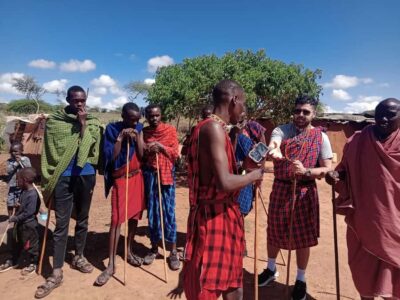
Maasai Village Visit with Traditional Dance Show
Read our review →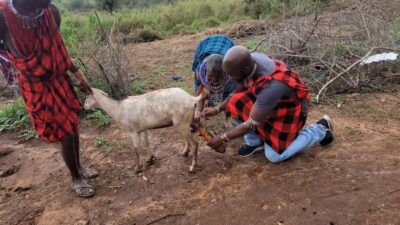
Browse the lists this tour appears in