
Reviewed · MALINDI & WATAMU
Gede Ruins & Malindi Tour
Gede Ruins and Malindi is an interesting mix because you go from old Swahili stonework in the jungle to a living East African coastal town tied to early trade routes. You get to see how Arab traders and Bantu communities interacted, then contrast it with what Malindi feels like today.
What I like most is the focus on the Gede ruins themselves, including the coral palaces, mosques, and town houses, plus an on-site museum feel that helps the place click. I also like the Malindi stop, where you spend real time in town, not just a quick photo stop.
One consideration: this is a 6-hour day, so it moves at a steady pace. If you want a slow, linger-everywhere style, plan for that in advance.
Key things to know before you go

- Gede Ruins time is longer than a quick stop, around 2 hours on the site, with admission included
- Coral architecture from the 13th to 17th centuries, including mosques and town houses
- A guide matters here, and one review specifically highlighted Juma for making the stops varied and clear
- Malindi includes about 3 hours in town, with history plus time for a walk through neighborhoods and a market area
- Private transportation keeps you comfortable, especially in heat and between two different locations
- Free cancellation up to 24 hours before and a weather-dependent plan if conditions are poor
Gede Ruins and Malindi: what you’re really seeing
This trip works because it connects two layers of coastal history. At Gede Ruins, you are looking at Swahili settlements shaped by trade, religion, and everyday life. Then in Malindi, you see the living town that has been drawing visitors since European explorers arrived in the late 1400s, with Vasco da Gama’s fleet landing there in 1498.
I like how the experience isn’t just dates and labels. The ruins are physical, and the story is built from what’s still standing plus what archaeologists uncovered. The site includes 13th- to 17th-century coral palaces, mosques, and town houses. Excavations have revealed structures that were once inhabited by a mix of Arab and Bantu residents, which is exactly the kind of interaction you want to understand on the ground.
The setting adds another layer. Gede sits in a green, jungle-like environment, so you get shade and photo angles that feel more than just dry, dusty ruins. If you’re into culture and history, this kind of contrast, stone city to town streets, is a great use of half a day.
More around Malindi and Watamu:
- ROBINSON ISLAND/MARAFA HELL’s KITCHEN
★ 5.0 · 15 reviews - Tour Malindi & Robinson Island & Marafa Hell’s Kitchen
★ 5.0 · 11 reviews - WATAMU: MALINDI: SARDEGNA ISLAND & MALINDI MARINE PARK
★ 4.5 · 9 reviews
Price and value for a group up to 4 (and why it can be fair)
The price is $159 per group for up to 4 people, with private transportation included. The simple way to think about value is this: if you’re traveling as a small group, your effective cost per person drops compared with the kind of solo-priced tours that stack up quickly.
You’re also buying time and convenience. The tour runs about 6 hours total, and it includes a planned rhythm, roughly 2 hours at Gede and about 3 hours in Malindi, with pickup offered. That structure matters. You’re not left figuring out transport or admissions on your own while you’re managing heat and timing.
Also, the ticket setup is helpful: admission for the Gede stop is included, while the Malindi admission ticket is listed as free. That means fewer add-ons once you’re there.
One more trust signal is the overall rating: 4.8 across 5 reviews. It’s not a huge dataset, but it suggests people are consistently happy with the day’s pacing and guidance.
Getting there from Watamu: practical meeting point details
This starts at 8:00 am. The ticket redemption point is Turtle Bay Villas Watamu, on Turtle Road, near the Temple Point area in Watamu, Kenya.
Why this matters: morning timing helps you get to the ruins when it’s cooler and gives you a fuller day. It also reduces the stress of arriving after crowds or when heat is already rising.
The tour is private, meaning only your group participates. That is great if you want the guide to keep things moving at a comfortable pace and answer your questions without waiting for a big group schedule.
If you’re hoping to arrange your own transport, note that the experience is described as near public transportation and pickup is offered. So you have options, but the safest plan is to use the meeting point and let the logistics run cleanly.
Gede Ruins in the jungle: coral palaces, mosques, and daily-life clues
The Gede Ruins stop is the heart of the trip, and it’s where you get the most to look at. You’ll spend about 2 hours at the site, with admission ticket included.
Here’s what makes Gede special in a practical way: it’s not one lone building. It’s an extensive collection of coral structures, including palaces, mosques, and town houses. Think of it like a whole neighborhood layout, not just a single monument. When you can see multiple building types close together, it’s easier to understand how a Swahili settlement worked.
The site helps explain the coastal trade story. Excavation has uncovered structures that once housed a mix of Arab and Bantu residents. That detail is important because it points to interaction, not separation. You’re seeing the results of a trading network in the physical space: places designed for community life, worship, and status.
You’ll also get museum context on-site. Even when you only have 2 hours, the museum angle helps connect what you see outdoors to what the artifacts and excavations suggest. If you tend to get lost on ruins without explanations, this is where a guide really earns their keep.
Photo-wise, the jungle setting helps. You can shoot through greenery, and the coral color tends to read nicely against shaded areas. If you’re sensitive to heat, having a covered, shaded environment at least part of the time is a plus.
Potential drawback: because it’s about 2 hours, you have less time for a slow wander. If you want to take every single photo at every corner, you’ll need to prioritize what you photograph most.
More around Malindi:
- Safari Kenya with Patrick
★ 4.0 · 45 reviews - Kisite Marine Park Private Boat Snorkeling with breakfast & Lunch
★ 5.0 · 32 reviews - Safari blue
★ 4.5 · 27 reviews - Safari-Tsavo east national park -2 days 1 night
★ 5.0 · 8 reviews
Malindi’s 3 hours: Vasco da Gama era to market and neighborhoods
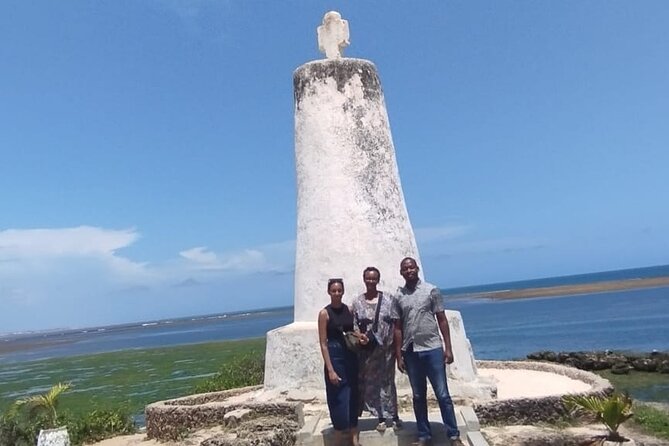
After Gede, you shift to Malindi, with about 3 hours in town. Malindi is described as a busy, history-filled coastal place with long ties to outside visitors. The big historical anchor here is Vasco da Gama’s fleet landing in 1498, which turned Malindi into a known meeting point for trade and travel.
But you’re not stuck in a museum-only version of history. The Malindi portion gives you time to experience the feel of town, including a walk through city neighborhoods and time around a market area. That matters because Swahili coastal history is not only about ruins. It’s also about how people lived, traded, and moved through shared spaces.
You’ll also notice the tour’s design is balanced. The ruins teach you about built culture and settlement layout. Malindi then grounds that knowledge in a place that still functions as a community, with street-level energy and everyday commerce.
Possible drawback: street walking can be tiring, especially if the day is warm or if you’re not used to uneven surfaces. Wear comfortable shoes and expect to slow down when you need to.
How Juma-style guiding makes the day click
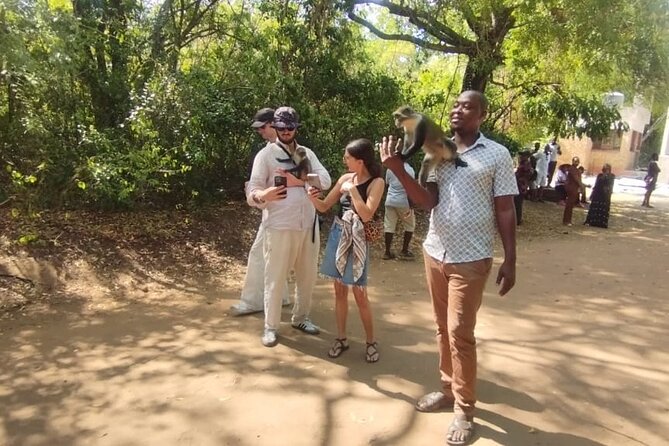
This kind of tour stands or falls on the guide. One review highlighted Juma and praised how the day stayed interesting and varied, from the Gede ruins to historical stops in Malindi, and then on to a walk through city quarters and a market.
What that means for you is simple: ask questions. If you want to understand how Swahili culture shaped architecture, religion, and housing patterns, you get the most value when you prompt the guide to connect the ruins you see to the broader trading world.
A good guide also helps you avoid the common ruins problem: standing around without a clear sense of what matters most. At Gede, you have coral palaces, mosques, and town houses. Without interpretation, you might enjoy the scenery but miss the structure of the story.
If you can, take a moment early in the Gede visit to ask what to focus on during your 2 hours. Then you can scan the site with intention instead of just looking.
What to bring for a smooth 6-hour morning
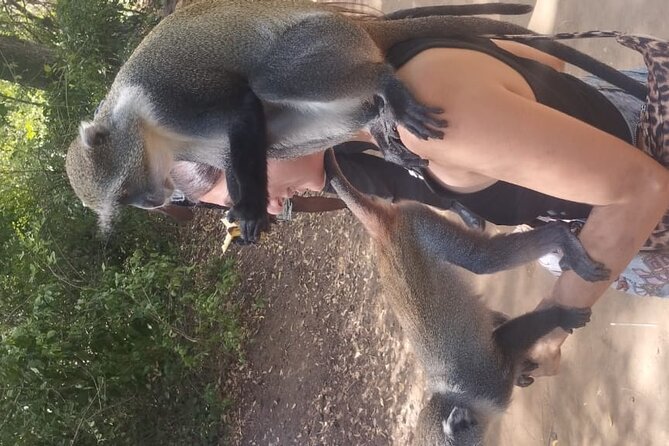
You’re out for about 6 hours total, starting at 8:00 am. Even though the schedule includes a couple of hours at a shaded ruins setting, you should still prepare for coastal conditions.
Bring:
- Comfortable walking shoes for uneven ground
- Sun protection, hat or cap plus sunscreen
- Water, since you’ll have a morning out and a town walk
- A light layer if you’re sensitive to morning breeze
- Your camera, because both stops offer photo opportunities
Also, have your expectations right. This is a private tour with a clear time plan: 2 hours at Gede, around 3 hours in Malindi. You’ll likely have enough time to see the big things, but you won’t get an all-day slow amble.
Finally, service animals are allowed, and most travelers can participate. If you have specific needs, it’s smart to communicate early so the guide can pace accordingly.
Included vs. not included: what matters for your budget

Included in the package:
- Private transportation
Included admissions:
- Admission ticket for the Gede Ruins stop
Not included:
- Tips
- All fees and taxes
This isn’t unusual, but it does affect how you plan your day. Tips are best handled as a normal part of travel budgeting for a guided experience. And since not all fees are included, keep a little buffer in mind so you’re not surprised by small extras at the end.
A note on Malindi: the Malindi admission ticket is listed as free. That’s good because it lowers the chance of last-minute costs once you’re in town.
Should you book this Gede Ruins and Malindi tour?
If you want a half-day that mixes real Swahili coastal architecture with time to walk around a working town, this fits well. It’s especially worth it when you’re traveling in a small group that can split the $159 price for up to 4 people. You get guided context at Gede, plus about 3 hours in Malindi that’s more than just a drive-by.
Skip it only if you hate walking, want a very unhurried experience, or you’re looking for a purely nature-focused day. This is built for history and culture, with good practical pacing.
FAQ
What time does the tour start?
It starts at 8:00 am.
Where do we meet for the tour?
The ticket redemption point is Turtle Bay Villas Watamu, Turtle Road, near the Temple Point area, Watamu, Kenya.
How long is the tour?
The total duration is about 6 hours.
Is the tour private?
Yes. It is a private tour/activity, and only your group will participate.
Are admission tickets included?
Gede Ruins admission is included. The Malindi admission ticket is listed as free.
Is pickup included?
Pickup is offered.
What if the weather is bad?
This experience requires good weather. If it is canceled due to poor weather, you will be offered a different date or a full refund.
Should you book the Gede Ruins and Malindi tour?
Yes, if you want an efficient day that teaches you how Swahili coastal culture shaped built spaces, then lets you spend real time in Malindi with a local-style walk. The combination of Gede Ruins interpretation and a guided Malindi town visit makes it a smart value use of your morning, especially for small groups.
Recently reviewed from Malindi
- 4 Days Tsavo West – Amboseli and Tsavo East Safari★ 5.0 · 5 reviews
- WATAMU: MALINDI: SARDEGNA ISLAND & MALINDI MARINE PARK★ 4.5 · 9 reviews
- ROBINSON ISLAND/MARAFA HELL’s KITCHEN★ 5.0 · 15 reviews
- Safari blue★ 4.5 · 27 reviews
- Tour Malindi & Robinson Island & Marafa Hell’s Kitchen★ 5.0 · 11 reviews
- Safari-Tsavo east national park -2 days 1 night★ 5.0 · 8 reviews
- Tsavo East Amboseli and Tsavo West Safari 4 Days starting Malindi★ 5.0 · 3 reviews
- MIA – Airport Transfer from Mombasa to Watamu or Malindi★ 4.5 · 3 reviews
Malindi & Watamu, compared.
Watamu Marine Park & Sudi Island Mangrove Forest Canoe Ride.With sea food lunch
Read our review →
Tour Malindi & Robinson Island & Marafa Hell’s Kitchen
Read our review →

Blue Safari: Snorkeling at Watamu Marine Park & Seafood
Read our review →Browse the lists this tour appears in