
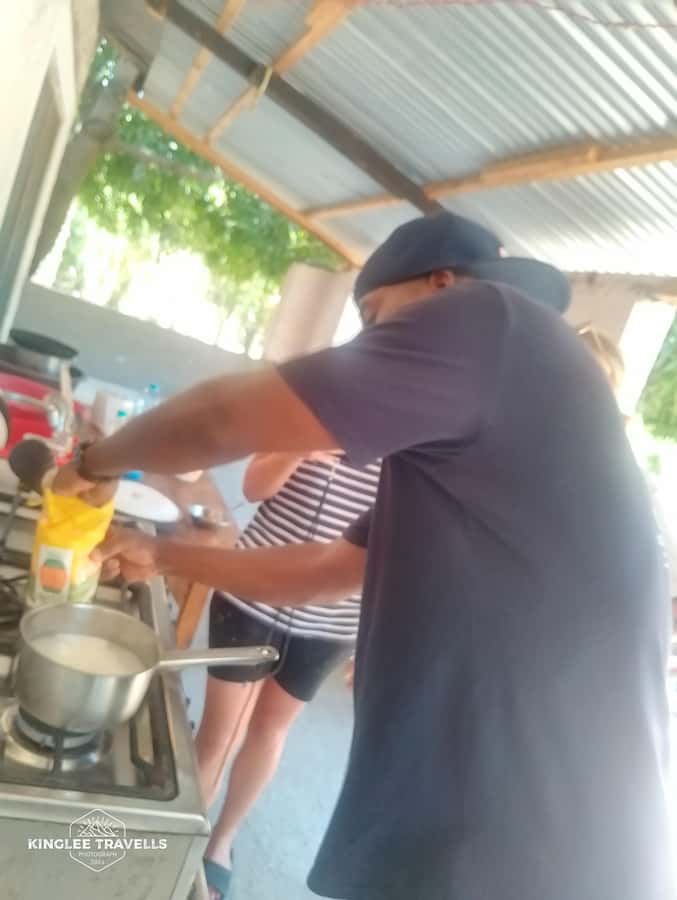
Reviewed · MALINDI & WATAMU
Watamu: Learn Kenyan Cusine with Jonathan
Watamu: Learn Kenyan Cusine with Jonathan is interesting because you trade a typical food stop for a real cooking session with a local professional cook. I love that you learn ugali from scratch, and I love that the experience is private, tailored to your group. One thing to consider up front: it is only a 2-hour class, so you will get hands-on skills and a full meal, but not a long, step-by-step training course.
What makes it especially practical in Watamu is flexibility. Jonathan can pick you up and teach in his village, or you can choose your own location like your home or resort. The class is designed for small groups up to 10, so even if your language is limited, it still feels personal rather than crowded.
Key highlights that make this class worth your time
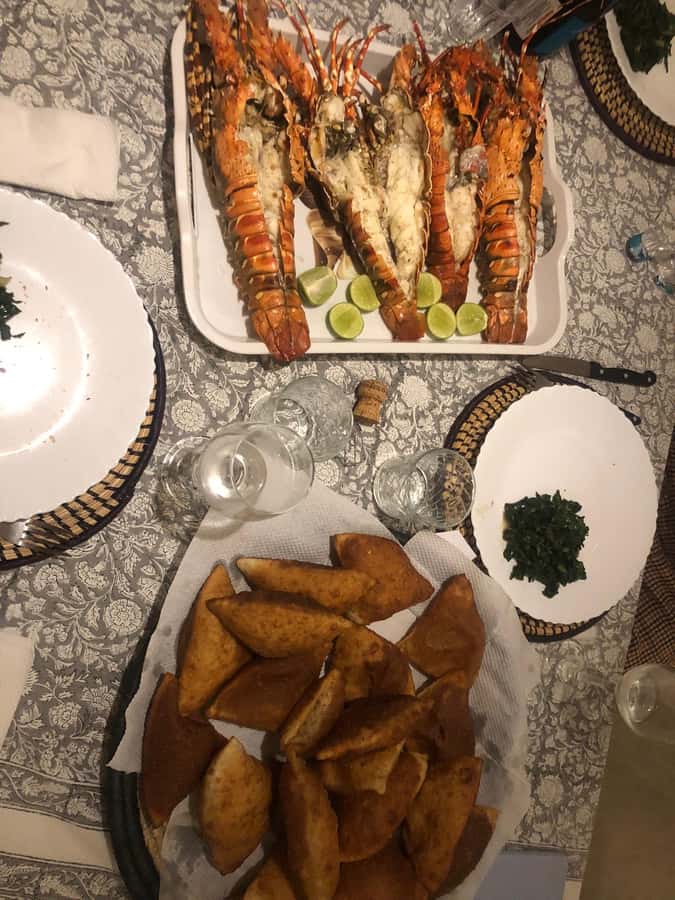
- Ugali from scratch: learn the method and how the texture is supposed to feel before you serve it
- Private cooking for up to 10: small-group pacing, more time to ask questions
- Tailor-made location: choose the village experience or your own house or resort setup
- Chapati and samosas too: this is more than one dish, you leave with a fuller meal knowledge
- Pickup plus cooking materials included: you are not spending extra time or money gathering supplies
Ugali, chapati, samosas, and a real village table
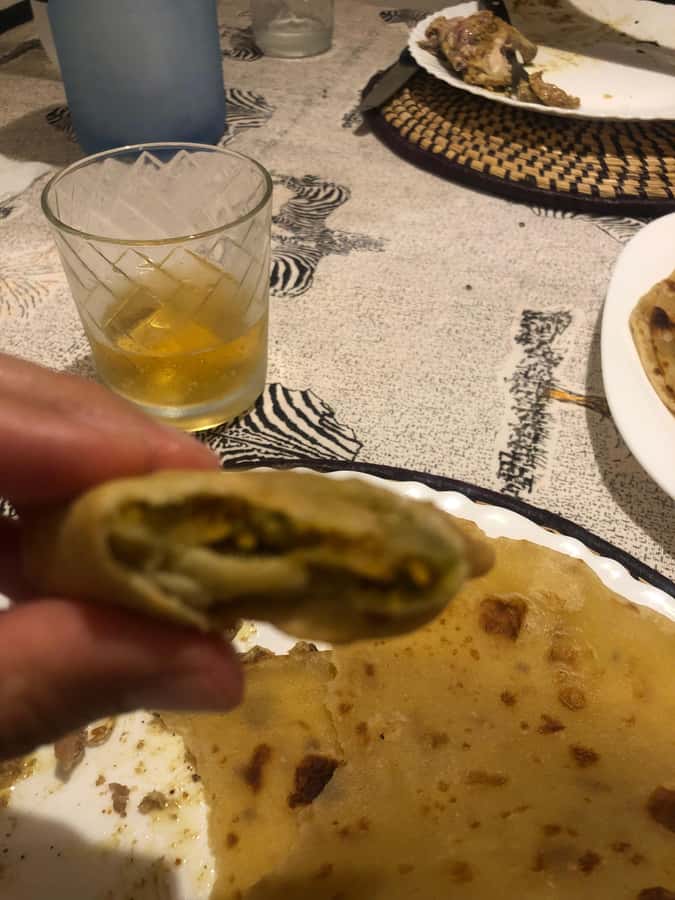
If you want Kenyan food, there are two ways to do it. You can eat it. Or you can learn how it is made, step by step, in a kitchen that feels like someone’s real life. This class does the second option, and that is why it hits so well.
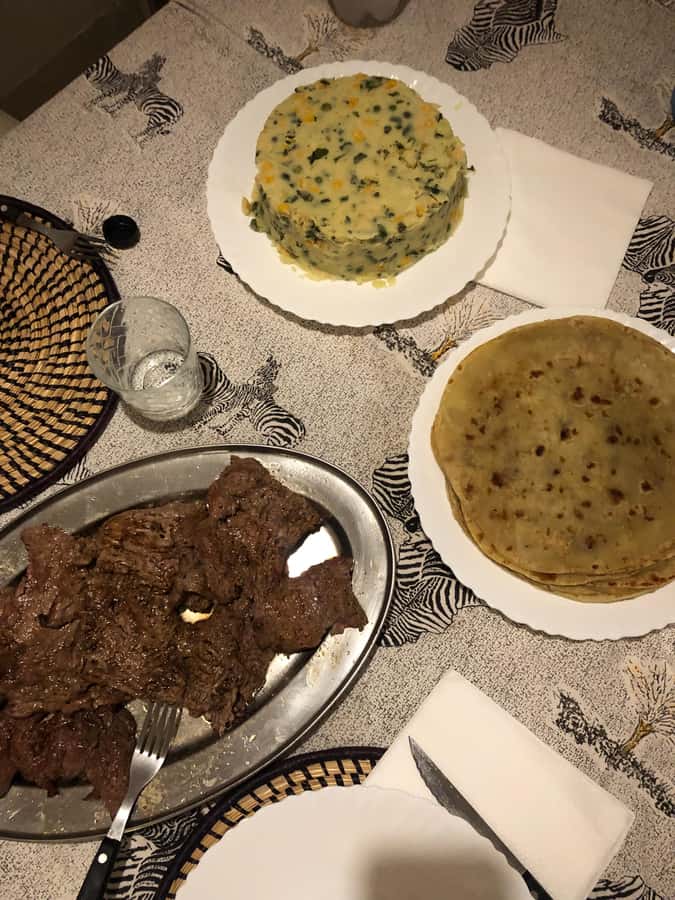
The core dishes are ugali and chapati, plus samosas as part of the cooking and meal plan. Ugali is the kind of food that shows up constantly in everyday meals along Kenya’s coast, so learning it gives you a fast path to understanding local flavors and routine cooking. Chapati brings the comforting, familiar side of Kenyan table food. And samosas add that snack-food energy you can take home with you when you want something satisfying.
The other ingredient is Jonathan himself. The experience is hosted by a professional cook, and the setup is warm and friendly. In the small details, you can feel the focus on teaching, not just performing. People also mention feeling welcomed like part of the family, which matters in a hands-on class where you will be asking questions and getting your hands involved.
More around Malindi and Watamu:
- Watamu: Sunset Mangrove Canoe Tour with Coconut Drink
★ 3.6 · 8 reviews - From Kilifi, Watamu, Malindi: Tsavo East Day Safari
★ 3.4 · 4 reviews - Malindi; Robinson’s Island and seafood lunch; Marafa Hell’s Kitchen
★ 5.0 · 3 reviews
Choosing the location: village cooking or your resort kitchen
This is a tour where the location decision is part of the value. Jonathan offers two ways to run the day:
1) At his village
You get picked up and brought to the village where you cook. This is the classic “learn as locals do” setup, and it typically feels more grounded, like you are seeing the food routine rather than staging it.
2) At your own house or resort
Jonathan can come directly to your preferred place. If you are staying in a resort and want to avoid extra movement, this option can make the class simpler and less disruptive to your schedule.
Either way, you are not left figuring it out alone. You can arrange your preference via WhatsApp, and pickup is included, so you are not hunting down transportation on your own.
A practical tip: when you pick your location, be clear about the pickup address and exact timing. With a 2-hour format, the schedule has to stay tight for you to actually cook, not just travel.
Your 2-hour flow: what happens from pickup to meal
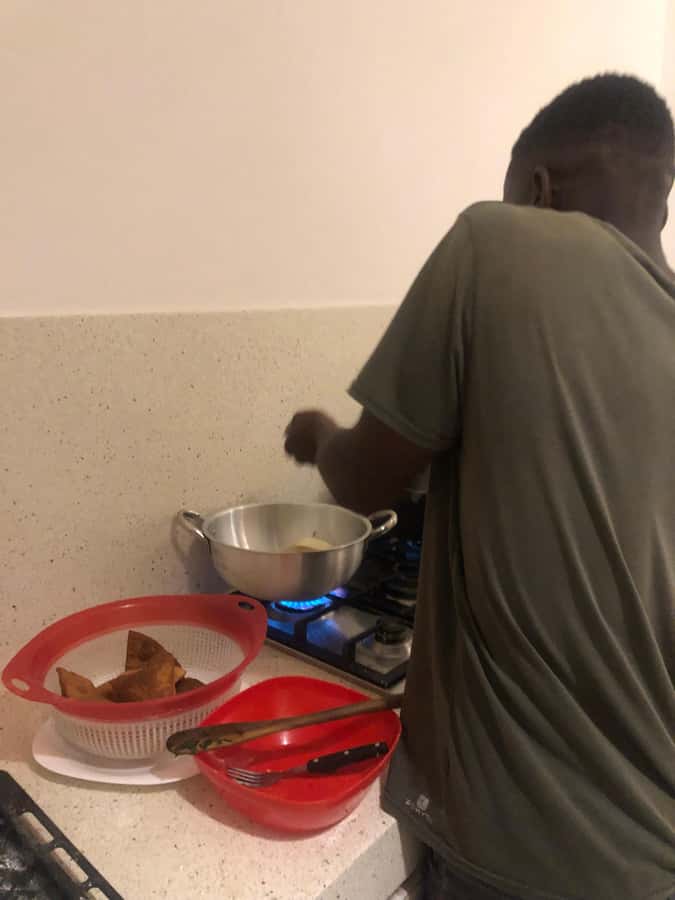
A class this short works best when you understand the pace. Expect a compact sequence, not a slow, multi-course cooking day. The overall structure is:
- Private pickup and transfer
You are collected, then taken to your chosen cooking location.
- Hands-on cooking with Jonathan
You will learn how to make ugali from scratch, then move into making chapati.
- Additional cooking and serving
The class also includes samosas as part of the dish lineup, and you end with a shared eating moment.
- Wrap-up and return
You finish the meal experience together, and the private transfer handles getting you back.
Why this matters: when you have only 2 hours, the difference between “watching” and “doing” is everything. This class is built to keep you active. You are not paying just to be entertained. You are learning techniques you can actually repeat later.
Ugali from scratch: learning the one dish you can build on
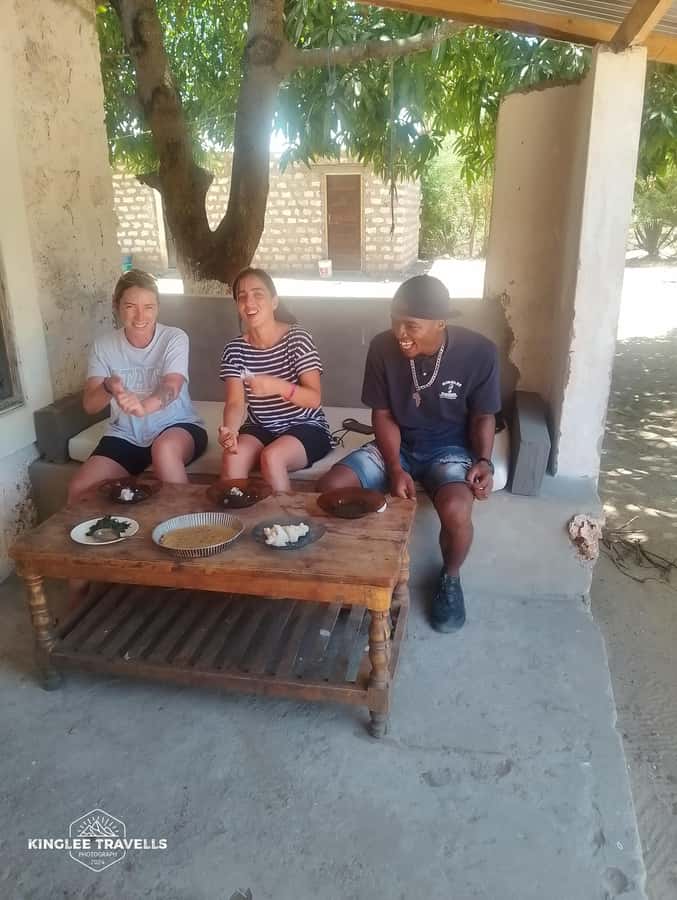
Ugali is simple on paper, but it is not as easy as it looks. What you are really learning is control: the feel of the mixture, how it comes together, and how you know when it is ready to serve.
Jonathan teaches you to make ugali from scratch. That is valuable because most visitors only ever see ugali on a plate. If you want to understand Kenyan food culture, ugali is a great place to start. It is filling, it anchors the meal, and it is often paired with soups, vegetables, and stews. Learning it gives you a mental map for how other dishes fit around it.
Also, the teaching style seems to be a focus point. People mention Jonathan as patient and pedagogical, and they describe the experience as enjoyable even when language is a factor. So if you are worried about understanding instructions, the class format is designed to keep you moving. You learn by doing, not by reading a recipe.
Potential drawback to consider: because ugali is learned in a short session, you might only get one complete working attempt. You will leave with confidence for a basic version, but you may need a second try at home to feel fully fluent.
A different day out of Kenya:
- Dhow Adventure to Wasini Island & Kisite Marine Park
★ 4.6 · 337 reviews - Nairobi Walking tour:Explore History Culture and Traditions
★ 4.8 · 222 reviews - From Mombasa/Mtwapa/Diani/Tiwi: Tsavo East Full-Day Safari
★ 4.3 · 130 reviews - Coffee Farm Tour (Fairview)
★ 4.8 · 71 reviews
Chapati practice: turning dough into something you can serve
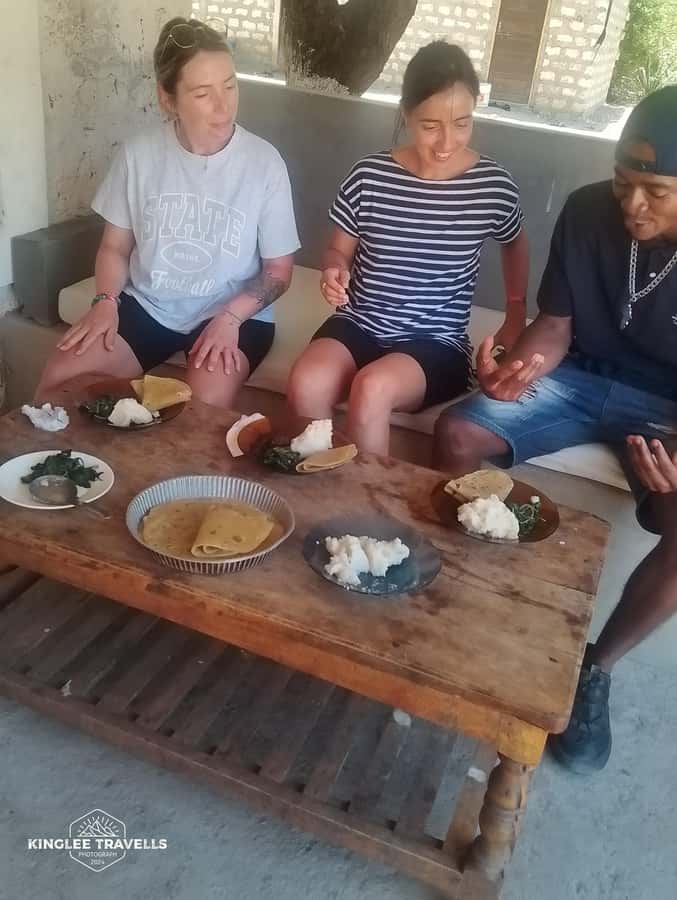
Chapati is the next big skill, and it also changes the feel of the class. After ugali, you shift from one kind of texture and technique to another, where dough handling matters.
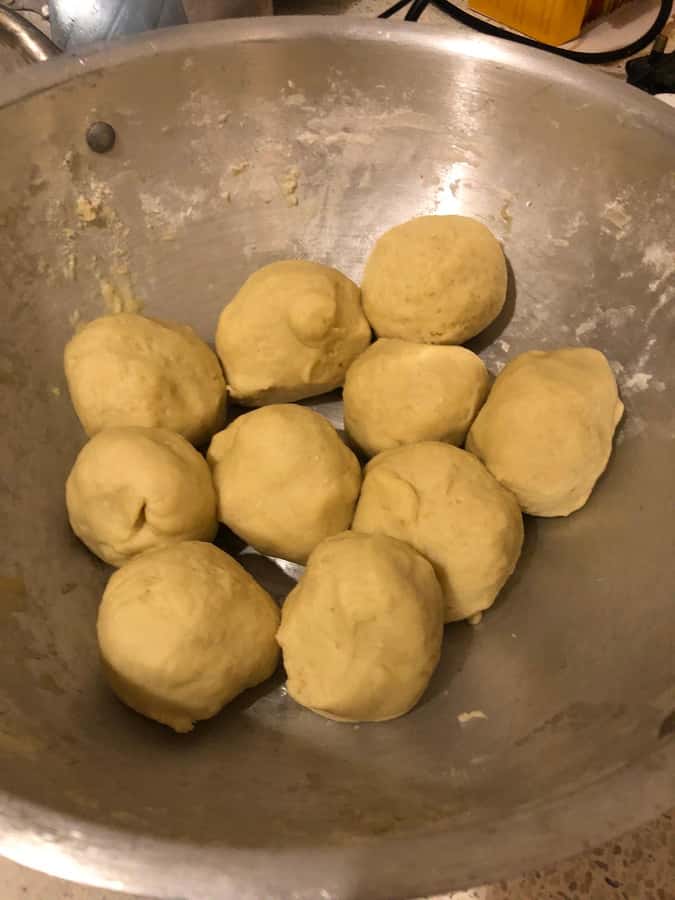
In this class, you do chapati rather than just watching it being made. That is a key difference. A chapati demo teaches the idea. Chapati practice teaches the habit, like how the dough responds and how you handle turning and cooking.
Why I think this is such good value: chapati is a practical dish. It is not just a local specialty that you will probably never cook again. If you have ever liked flatbreads, you will likely keep using the skill. Learning it through real instruction also helps you understand why Kenyan chapati can taste different from what you might know elsewhere, because the method and timing drive the outcome.
One thing to plan for: chapati takes teamwork and attention to timing. In a private group setting, Jonathan can keep the class on track, but you still need to stay present and ready to follow along.
Samosas and the shared meal: eating while the lesson is fresh
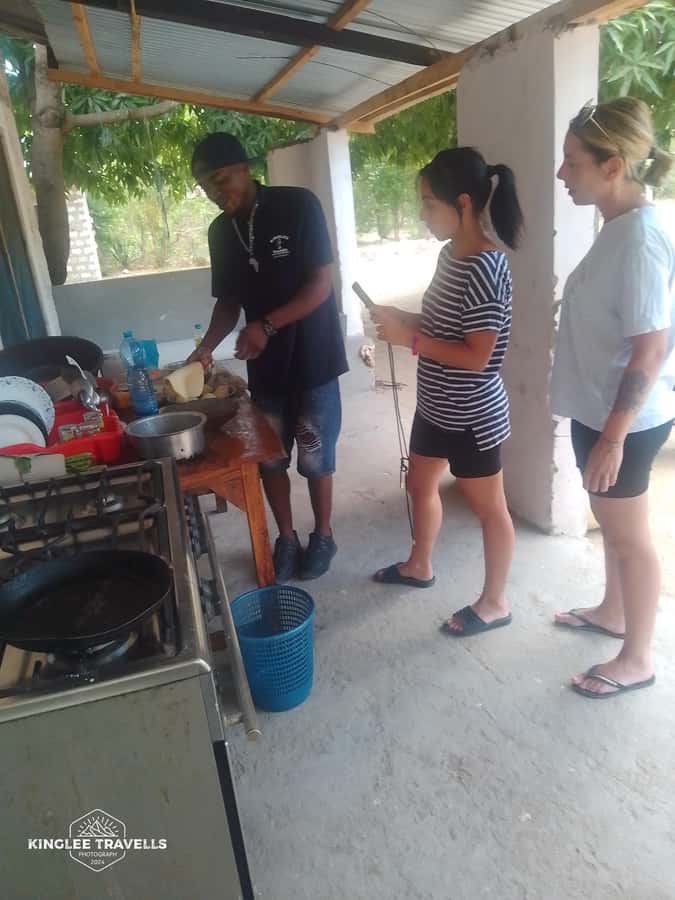
The class includes samosas, and then you eat together. That matters more than it sounds. When you eat right after cooking, the flavors make sense in a way they do not when you just order a plate at a restaurant.
Samosas add variety to the meal, so you get more than one “carb lesson.” You also get a taste of the snack and street-food culture side of Kenyan cuisine, even though this is a home-cooking style class rather than a vending stand.
In multiple accounts, people talk about the meal being delicious and the atmosphere being fun, not stiff. It helps that the experience feels like you are welcomed into a home kitchen. When that vibe is right, you ask questions. When you ask questions, you actually learn.
Also, it is worth knowing that some sessions may include greens alongside the main dishes. One person specifically mentioned chapati, ugali, and spinach as part of the meal they cooked and ate. Since your class is tailored, there could be small variations in what shows up on the table, but the main focus stays the same: ugali, chapati, and samosas.
Price in Watamu: what $23 includes, and why it feels fair
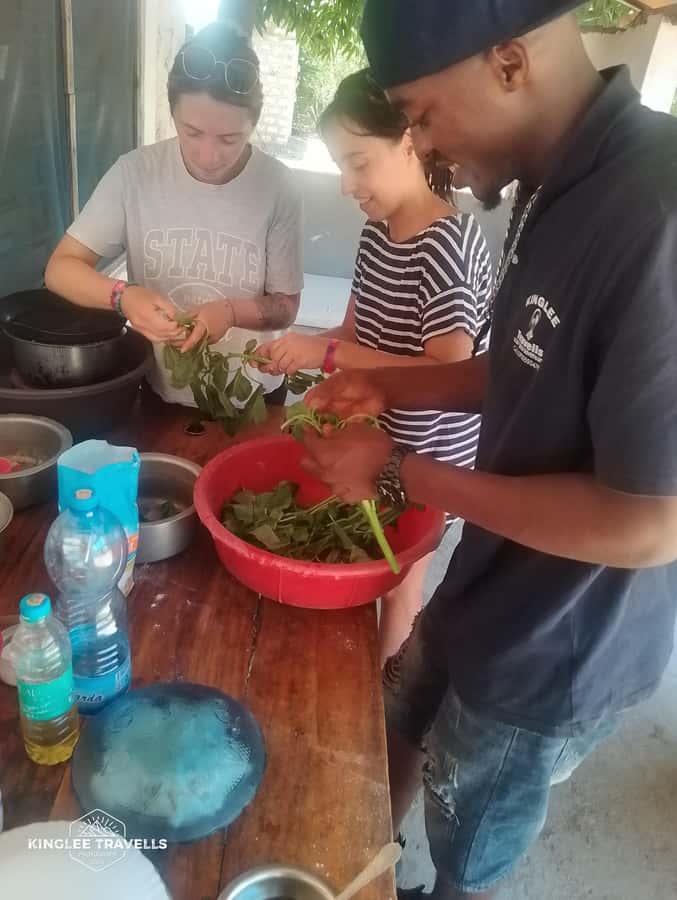
At $23 per person for a 2-hour private cooking class, the price makes sense when you look at what is included.
You get:
- a private cooking class with a professional cook
- private transfer
- cooking materials
That combination is where the value is. Many “food experiences” in tourist areas are either just a tasting (less time with real cooking) or they charge extra for transport and ingredients. Here, the transfer and materials are folded into the experience price, which keeps the cost simple.
Who this is best for, financially: couples, small groups, and anyone who would otherwise pay for separate transport and a cooking-related activity. If you are traveling solo, you might still find it good value because it is private and not shared with a large crowd, but the real benefit is the hands-on teaching.
Who should book this cooking class (and who might skip it)
This class fits you if:
- you want Kenyan cuisine with actual cooking practice, not just a guided food walk
- you like small-group experiences where you can talk with the host
- you prefer an experience that can be done either at the village or at your own lodging
- you want something cultural that still feels practical and repeatable at home
You might skip or consider something else if:
- you want a long cooking workshop with many dishes and multiple rounds of practice
- you hate structured time, because the 2-hour format is efficient and moves quickly
- you are only interested in eating, not cooking, since the whole point here is hands-on learning
The class is also wheelchair accessible, which is a big plus if mobility needs are part of your planning.
A few smart ways to get the most out of the class
You will enjoy this more if you treat it like a workshop, not a show. A couple of tactics help:
- Decide on the location early. Village cooking feels like a cultural window, but teaching at your resort can be smoother for your day.
- Come ready with questions. Even if you only know a little Swahili, Jonathan speaks English and Italian too.
- Plan for an appetite. You cook and then eat together, so your next meal plans can be flexible.
If you care about learning, small group formats matter. Private groups up to 10 mean you are not waiting your turn forever, and you are more likely to get feedback while you cook.
Should you book Watamu: Learn Kenyan Cusine with Jonathan?
I recommend booking this class if you want Kenyan food skills you can actually use again. The mix of ugali, chapati, and samosas gives you more than one anchor dish, and the private format keeps it personal. The flexibility to do it in Jonathan’s village or at your own house or resort is also a rare practical advantage.
Book it especially if you like authentic experiences that are not just about snapping pictures and moving on. This is about learning in a real home-kitchen style setting, with a host who focuses on teaching and welcomes you like you belong there.
If you are short on time, or you want only a light taste, then you might feel the 2-hour duration is too compact. But for most people who want hands-on cultural value in Watamu, this is a strong, fair-priced choice.
FAQ
What dishes will I learn to cook in this class?
You will learn how to cook ugali, chapati, and samosas.
How long does the cooking class last?
The class lasts 2 hours.
Is this a private class or shared with other people?
It is a private group experience, and the class is open to up to 10 people.
Where does the class take place?
You can choose between cooking in Jonathan’s village or having the class at your preferred location, such as your house or resort. Pickup is included either way.
What is included in the price?
The experience includes a private cooking class, private transfer, and cooking materials.
What languages does the host or greeter speak?
The host or greeter speaks English, Italian, and Swahili.
Can I cancel for a full refund?
Yes. You can cancel up to 24 hours in advance for a full refund.
Recently reviewed from Kenya
- Watamu: Sunset Mangrove Canoe Tour with Coconut Drink★ 3.6 · 8 reviews
- From Mombasa/Mtwapa/Diani/Tiwi: Tsavo East Full-Day Safari★ 4.3 · 130 reviews
- Swahili Carved Doors Tour by Woman Woodcarver: Lamu Island★ 5.0 · 4 reviews
- Private Tour to Amboseli National Park★ 3.3 · 3 reviews
- Shimba hills tropical rain forest day trip★ 4.6 · 3 reviews
- Private Safari Day-Tour in Amboseli National Park★ 4.1 · 7 reviews
- Overnight safari to Tsavo East from Mombasa / Diani Beach★ 5.0 · 3 reviews
- Nairobi Walking tour:Explore History Culture and Traditions★ 4.8 · 222 reviews
Malindi & Watamu, compared.

Watamu Marine Park & Sudi Island Mangrove Forest Canoe Ride.With sea food lunch
Read our review →
Tour Malindi & Robinson Island & Marafa Hell’s Kitchen
Read our review →

Blue Safari: Snorkeling at Watamu Marine Park & Seafood
Read our review →
Day tour to Tsavo East National Park from Malindi/ Watamu
Read our review →Browse the lists this tour appears in