
Reviewed · FOOD
Swahili Street Food Tour
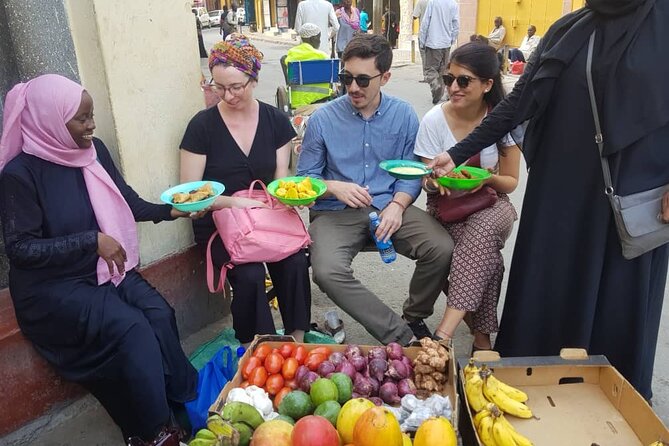
This tour is interesting because it treats food like a map. You start at Fort Jesus, then you move through Old Town Mombasa with a guide who ties what you are eating to Swahili culture, architecture, and way of life. It is a simple idea with a strong payoff, especially if you want more than just snacks.
Two things I really like: first, you sample from 6 local vendors in about 4 hours, so you get variety without spending the whole day planning. Second, the guide (often named Havah in the tour notes) is praised for connecting street food with local history and the stories behind the buildings and neighborhoods.
One possible drawback to consider is pace. This is a food-forward walking tour, and street food has its own rhythm, so if you prefer a slow sit-down meal, plan to pace yourself and ask questions about what is in each dish.
Key highlights you will feel during the tour
- Fort Jesus start, with context from outside the museum area
- 6 vendor tastings in a tight 4-hour window
- Food, drinks, and transportation included, so you control spending on the day
- Small group size (max 10) for an easier back-and-forth with your guide
- Three time slots (breakfast, lunch, evening) so you can fit it into your Mombasa plan
- Mobile ticket and a return to the same meeting point
Fort Jesus to Old Town: why this start makes sense
Your tour begins at Fort Jesus Museum, which gives you instant context. You do not need to treat this as an extra museum stop. Instead, the guide gives you the background and significance of Fort Jesus from the outside, then you get moving toward the food.
That outside orientation matters. It keeps the tour food-focused, but it still anchors you in the coastal story. Fort Jesus is the kind of landmark people reference constantly in Mombasa, so getting the basics first helps you understand what you see later in Old Town, from building styles to the way the area feels.
Practical tip: arrive a few minutes early so you can settle in before the guide starts the orientation. It is easier to enjoy the first food stop when your brain is already in the story mode.
More Mombasa trips to compare
- Watamu Marine Park & Sudi Island Mangrove Forest Canoe Ride.With sea food lunch
★ 4.5 · 31 reviews - Mombasa:Street food Experience
★ 4.7 · 14 reviews - Nairobi Food Tour – Street Food Experience Lunch
★ 4.5 · 9 reviews
The 4-hour structure: 6 vendors, one guide, no wasted time
This is a 4-hour guided culinary experience that stays compact on purpose. The big promise is that you visit 6 different local vendors and try different local delicacies. For $55, that structure is the whole point. You are paying for sampling variety plus the guide’s “what you are seeing and eating” explanations.
The group size is capped at 10 travelers. That is a sweet spot for street food. With a smaller group, you are less likely to feel like you are standing in a line behind a crowd, and you have better odds of getting a clear answer when you ask what something is.
You also get transportation during the tour. That matters in Mombasa because it reduces the time you would otherwise spend figuring out getting from one stall area to another. It keeps the experience focused on tasting, not logistics.
And because this tour uses a mobile ticket, you do not need to print anything. You just show up with your device and go.
Old Town Mombasa: street food plus the stories behind it
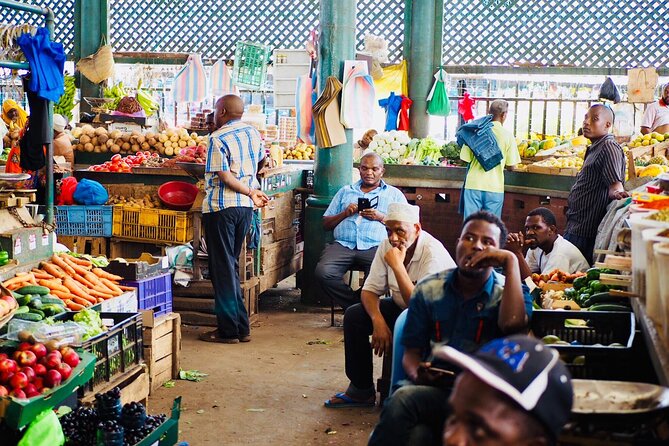
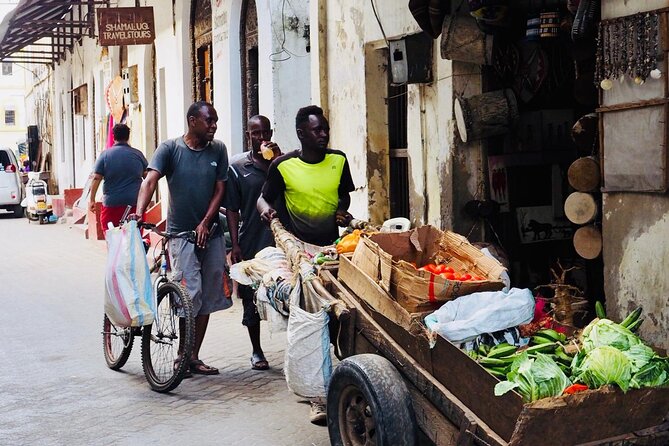
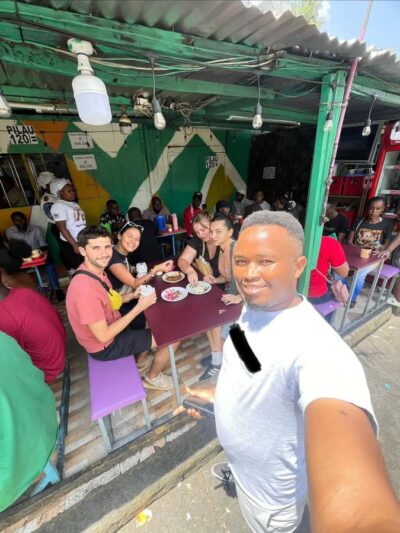
Old Town is where the tour earns its name. Instead of sending you to a single street and hoping you find good bites, the route is built around local communities, markets, and food producers and vendors. You are not just eating, you are watching how food culture operates in real life.
What makes Old Town special for a food tour is that the food is tied to daily routines. You get to see how people shop, cook, and trade, and you learn how the Swahili way of life connects to the flavors. The guide’s job is to translate what you are seeing into food meaning: why certain dishes show up where they do, and how coastal history influences tastes.
A good example from the tour notes is how the guide (Havah is mentioned) blends food with talk about Mombasa’s culture and architecture. Even if you are not a history buff, that kind of framing turns street food into a living lesson. You start noticing details you would normally miss, like the way neighborhoods are arranged and what people seem to be buying most often.
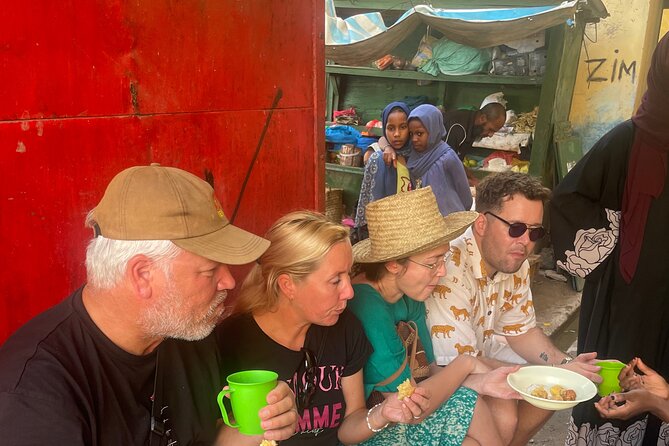
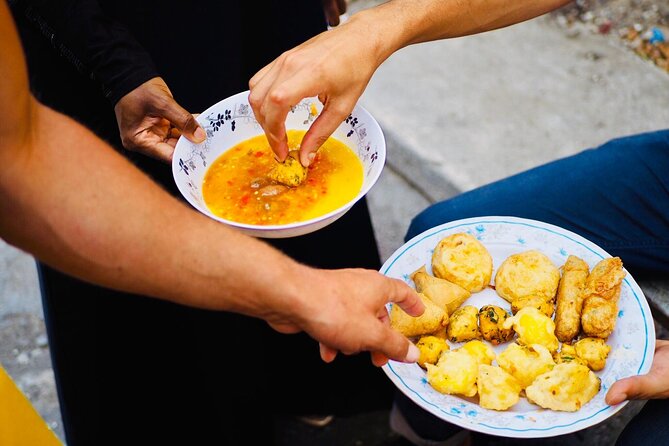
What you should expect at the stops: a sequence of vendor visits where you try multiple local dishes, plus drinks that are part of what is included in the price. Since the tour includes food and drinks, you can focus on tasting rather than doing on-the-spot cost math.
Food and drinks included, and why that is good value
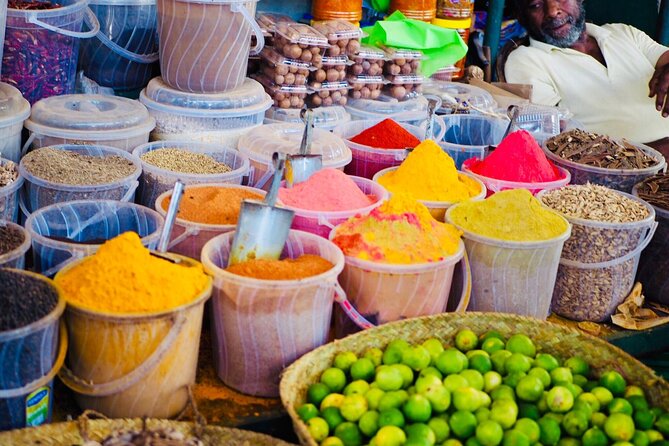
One of the smartest parts of this tour is the all-in approach: the cost of food, drinks, and transportation is included. For you, that means less decision fatigue. You do not have to keep switching between tasting mode and budgeting mode.
From a value perspective, this is important. Street food can be cheap, but variety is what usually costs you time and effort. Paying for a structured tasting run means you get more bites in fewer stops, and the guide helps you choose with confidence.
Another value boost is that you are learning as you eat. Food tours can sometimes turn into a “just trust me” situation. Here, the guide is specifically there to connect tastings to Swahili history and culture, plus local architecture and daily life. That turns your meal into a story you can remember later.
Practical tip: bring a small appetite mindset. When you know you are having multiple tastings across six vendors, you can avoid eating a huge meal right before the tour. If you are doing the breakfast slot, plan for a light start. If you are doing lunch or evening, still keep your meal light enough that the tastings feel like a treat, not a chore.
A different day out of Mombasa:
- Walking Tour Through Old Town Mombasa and Fort Jesus
★ 5.0 · 393 reviews - Mombasa: Kisite Park Private Cruise with Breakfast and Lunch
★ 4.7 · 181 reviews - Mombasa City Tour
★ 5.0 · 170 reviews - Mombasa: Tusks, Fort Jesus, Old Town, Beach and City Tour
★ 4.7 · 137 reviews
Price check: is $55 worth it in Mombasa?
At $55 per person, this is not a free-for-all budget tour, but it is also not overpriced for what it delivers. You are buying four things at once: a guide, six vendor tastings, food and drinks, and transportation during the experience.
Here is why that matters. If you tried to recreate this yourself, you would likely spend time chasing vendors and paying for multiple meals anyway. Street food is a mix of good, great, and hit-or-miss. The guide reduces the hit-or-miss part by putting you on a path that aims for local variety.
Also, the group size cap of 10 helps justify the price. You are not competing with a huge herd for attention, and you are not stuck waiting as the group drags from stop to stop.
Best value for: first-time visitors who want culture plus food without doing research all day, and people who want an organized tasting route rather than wandering randomly.
Choosing between breakfast, lunch, and evening slots
You can pick between three tour slots: breakfast, lunch, and evening. That is a big deal if you are trying to fit Mombasa into a real schedule, especially if you also have beach time, museum time, or day trips.
I like having time flexibility because it lets you choose based on your energy, not the tour calendar. If you prefer starting early and moving fast, pick breakfast. If you want a mid-day food focus, go with lunch. If your afternoons are packed with other plans, evening slot can keep you from squeezing this in at the last minute.
One note: since the tour stays around Old Town and vendors, your comfort will depend on how you handle street conditions during your chosen time. Pick the slot that fits your personal tolerance for crowds, heat, and walking. The experience lasts about 4 hours, so treat it like a half-day plan.
Transportation, meeting point, and how not to lose time
The tour meets at Fort Jesus Museum and ends back at the same meeting point. That simple loop helps you plan. You do not have to wonder where you will be dropped off or how to get yourself across town afterward.
You also get transportation during the tour, which likely reduces the number of long stretches between vendor areas. That can make a big difference on a walking food tour. It keeps the tasting flow moving, which is what you want after multiple stops.
Mobile ticket is another small but real convenience. It saves you from printing and it makes last-minute confirmation easier.
Timing detail that helps your day: on average, this is booked about 30 days in advance. If you have a tight travel schedule, you should lock it in early rather than assuming you can grab a slot at the last minute.
What the guide adds: Havah’s history-food connection
A strong food tour is not just about food. It is about making you understand what the food means. The tour notes highlight a guide named Havah for being especially good at explaining Mombasa history, culture, architecture, and the foods.
That blend matters. When you hear how coastal life shaped local cooking, you stop seeing street food as random fried snacks. You start recognizing patterns, like which flavors show up repeatedly and how people’s daily routines shape what is sold.
If you book this, I recommend you go in with one or two questions ready. Ask what locals eat most often versus what tourists usually notice. Ask how the dishes reflect coastal trade and community life. You will get much more out of the stops when you actively listen for the story behind each plate.
Practical tips for eating well on a street food route
You will be tasting multiple local delicacies across six vendors. That is exciting, but it also changes how you prepare.
1) Come with room in your stomach
Even if you are hungry, keep in mind it is multiple tastings. You do not want to start too full and then feel like you have to force the last stops.
2) Go slow with spice and texture
Street food often has strong flavors and unique textures. If you are sensitive, ask the guide what a dish is like before you take the first bite.
3) Bring cash for personal extras, just in case
Food and drinks are included, but personal purchases are not described in the provided details. If you want water, snacks beyond the tastings, or small souvenirs, having a little cash can save time.
4) Wear comfortable shoes
This is a walking tour through Old Town. Even with transportation, your legs will do their part.
Who should book this tour, and who might skip it
This Swahili Street Food Tour is a great fit if you want an organized way to taste Old Town Mombasa. It works especially well for:
- First-time visitors who want food plus context
- Culture-minded travelers who enjoy architecture and local stories
- People who like small groups and an interactive guide experience
It may be less ideal if:
- You only want one or two specific dishes and do not care about variety
- You struggle with walking in busy street areas
- You prefer long sit-down meals instead of short tastings at multiple vendors
The key decision: should you book it?
I think you should book this tour if you want your Mombasa day to feel like a real local experience, not a checklist. The value is strong because food, drinks, and transportation are included, and you get six vendor tastings with culture and history context from a guide like Havah.
Book it early if your dates are fixed, since it often sells out about a month ahead. And do yourself a favor by choosing the slot that matches your energy, because this is a half-day plan where you will be on the move.
If you show up curious, ask smart questions, and pace your bites, you will leave with more than full calories. You will also understand how the Swahili story shows up in what people cook and sell every day.
FAQ
Where does the tour start and end?
The tour starts at Fort Jesus Museum and ends back at the same meeting point.
How long is the Swahili Street Food Tour?
It runs for about 4 hours.
How many food vendors do you visit?
You visit 6 different local vendors during the tour.
What is included in the price?
The tour includes the cost of food, drinks, and transportation during the experience.
Is the ticket mobile?
Yes, the tour uses a mobile ticket.
What is the group size limit?
The maximum group size is 10 travelers.
Can I choose a time slot?
Yes. You can choose between breakfast, lunch, or evening tours.
How much does it cost?
The price is $55 per person.
What is the cancellation policy?
You can cancel for a full refund up to 24 hours before the start time. If you cancel within 24 hours, the amount paid is not refunded.
Is the tour easy for most people to join?
Most travelers can participate. Service animals are allowed, and the meeting point is near public transportation.
Recently reviewed from Mombasa
- Overnight Safari Tour to Saltlick Lodge from Mombasa★ 5.0 · 3 reviews
- 2-Day Ultimate game viewing at Tsavo East National Park★ 5.0 · 3 reviews
- Private Mombasa City Tour Watamu Diani and Malindi★ 4.0 · 4 reviews
- Tsavo East National Park: 2-Day Tour from Mombasa★ 3.9 · 5 reviews
- Half day Mombasa City Tour★ 3.0 · 11 reviews
- Wasini Island: Dolphin Spotting & Snorkel at Kisite Mpunguti★ 4.0 · 42 reviews
- Walking Tour Through Old Town Mombasa and Fort Jesus★ 5.0 · 393 reviews
- Watamu Marine Park & Sudi Island Mangrove Forest Canoe Ride.With sea food lunch★ 4.5 · 31 reviews
Food, compared.

Watamu Marine Park & Sudi Island Mangrove Forest Canoe Ride.With sea food lunch
Read our review →
Nairobi Food Tour – Street Food Experience Lunch
Read our review →
1 Hour Gastronomic and Street Food tour of Nairobi
Read our review →Browse the lists this tour appears in