
Reviewed · MAASAI VILLAGE VISITS
From Nairobi: Maasai village and cultural experience
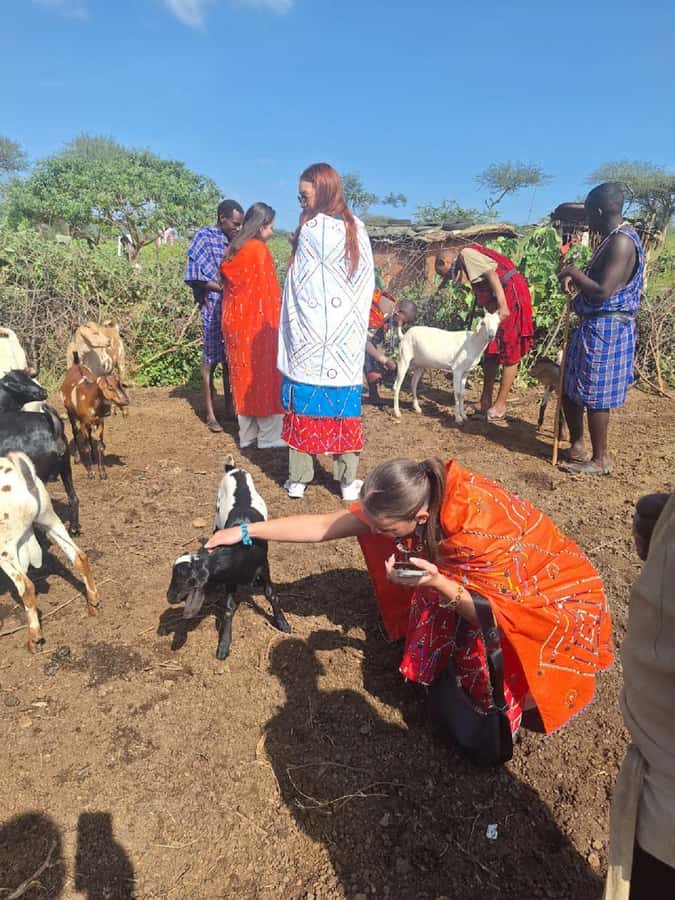
A Maasai village visit from Nairobi is interesting because it is culture you can see with your own eyes, not just read about. You get an actual welcome with traditional songs and dances, plus time with people who explain daily life in plain English when they can.
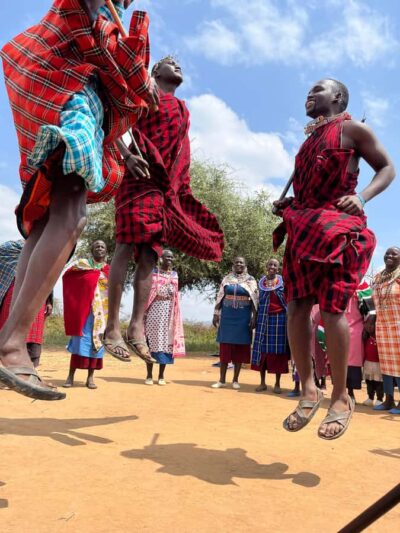
I especially like the adumu jumping dance moment, where energy spreads fast through the group. I also like the chance to interact with Maasai women and learn how beadwork colors carry meaning, then browse the jewelry they make.
One drawback to plan for: the listed price does not cover everything. You’ll still want cash for entry fees and the Maasai guide fee, and food is not included either.
Key things you’ll notice on this Maasai experience
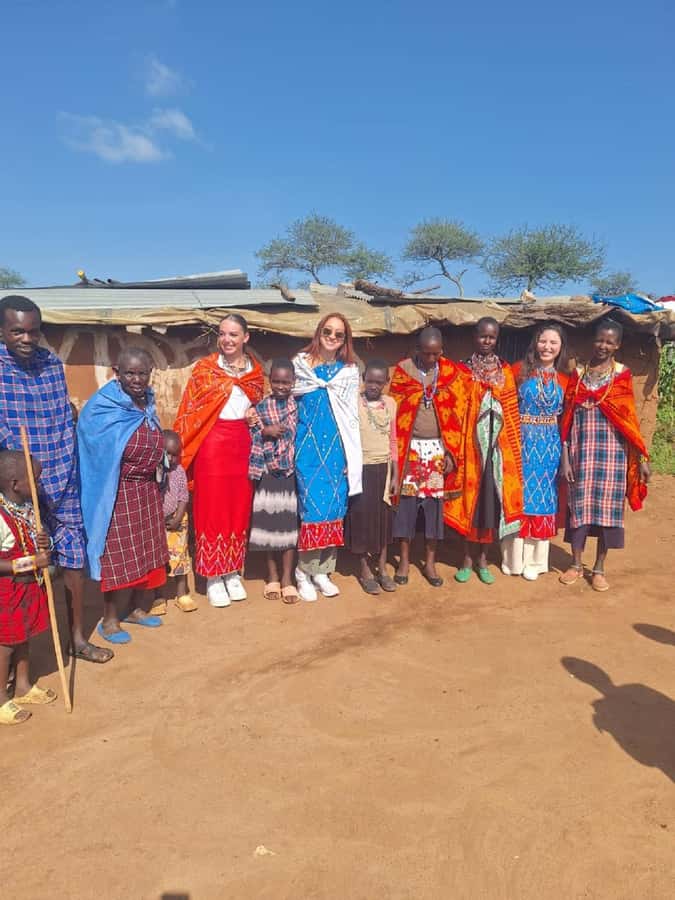
- A warm welcome with songs, dances, and adumu so you start the day fully in the culture
- A guided walk through homesteads in a Manyatta, including how the mud-thatched houses are built
- A traditional fire-making demonstration led by Maasai warriors, tied to cattle, nature, and community
- Beadwork and jewelry time with Maasai women with explanations of how colors connect to identity
- Time outside Nairobi, plus an off-road drive that makes the trip feel like a real change of pace
- Short total duration, about 5 to 6 hours, which fits easily into a Nairobi itinerary
Why this Nairobi Maasai village day feels more personal than a stop-and-snap
This tour works because it is built around participation, not observation. You start in Nairobi with a guide, then you head out to central Kenya toward Kajiado and Bisil. Once you arrive, the day is structured so you meet the community in stages, from welcome, to homesteads, to hands-on interactions.
I like that the experience is set up as a walk through everyday life. It is not just a photo moment. You get to see how Manyatta homes are constructed and you hear stories passed along for generations.
Another smart piece is the focus on connection, not costumes. The fire-making demonstration is not treated like a trick, it is tied to a worldview, including a deep connection to cattle, nature, and community. That framing helps you understand why these traditions matter to the people practicing them.
If you enjoy respectful cultural exchange, this is a strong fit. If you only want wildlife, or you want long, slow days with lots of downtime, you might feel it is too short and too people-focused.
More community-hosted Maasai visits:
- Nairobi: Day Tour to Amboseli National Park & Maasai Village
★ 4.5 · 310 reviews - Masai village Day Tour Experience
★ 5.0 · 284 reviews - Maasai Village Experience Day Tour
★ 5.0 · 72 reviews
The drive to Kajiado and Bisil, and why it matters
The experience starts with pickup from your Nairobi hotel, plus an English-speaking live guide. You’ll ride in an air-conditioned vehicle, and you should expect a scenic drive that includes off-road adventure. That matters more than you’d think, because it turns the trip from a quick detour into a real change of setting.
On the road, you also get that in-between view: city life fading, then countryside coming into focus. The day’s pacing is built so you arrive at the village ready to engage, not exhausted from a long journey.
Time-wise, plan on around 5 to 6 hours total. That is a good length if you’re trying to see cultural life without surrendering your whole day. It also means the logistics need to be smooth, and the tour is set up with a driver/guide and bottled water.
One practical note: since you will be spending time outside and walking around homesteads, wear comfortable shoes. Even when a walk is not long, dusty paths are still dusty.
The Maasai welcome and adumu jumping dance, what you should watch for
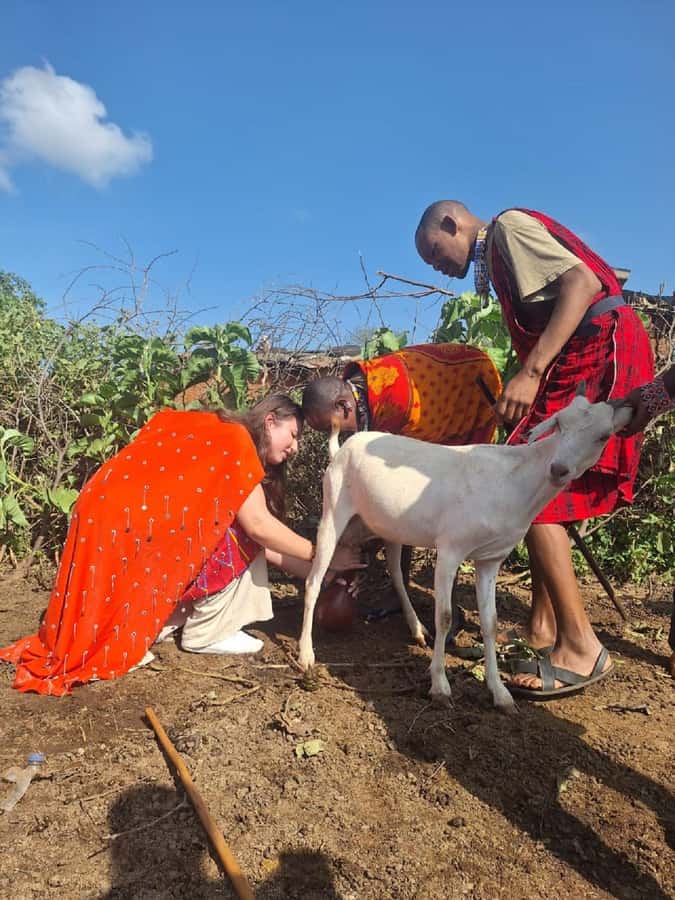
Your arrival in Bisil and the Maasai village is designed around a welcome that includes traditional songs and dances. This is where the day starts to feel like a living event rather than a scripted performance.
The highlight is the adumu, the jumping dance. It is legendary for a reason: it has rhythm, intensity, and a strong sense of group energy. When it starts, pay attention to how the dance is led and how the community responds to the moment. You’ll often notice that it is not only about movement, it is about presence and timing.
What I like here is that the welcome is not stuck at the edge of the visit. You’re guided into the experience, then you move from performance into explanation. That transition is what makes the day memorable.
A small consideration: these moments can be loud, energetic, and crowded depending on your group size. If you want quiet sightseeing, this may feel like a lot at the start.
Manyatta homestead walk: mud-thatched houses and how daily life is organized
After the welcome, you get a guided walk through homesteads. This is where the tour becomes more than entertainment. You learn about the Manyatta setup and you see how the mud-thatched houses are built.
Even without getting technical, this part helps you understand the logic of materials and structure. Mud-thatched homes are built with what is available locally, and the visit gives you a window into how people shape a home around climate and community needs.
You’ll also hear stories shared by the people you meet. The key idea is that traditions are passed down through family and community, not just through formal teaching. Listening closely here helps you connect the physical spaces to the social life happening inside them.
One thing to keep in mind: since this is an active village setting, the ground can be uneven. Take your time and watch your footing. You’ll get a lot more out of the visit if you move slowly and stay attentive.
If you’re the type of traveler who loves context, this is your favorite portion of the day. If you prefer wildlife or scenery, this part may feel like a shift, but it is still one of the most meaningful cultural interactions you can do around Nairobi.
More days out of Nairobi:
- Nairobi National Park Half-Day Tour; Free Wi-Fi connection
★ 5.0 · 878 reviews - Nairobi: National Park & Optional Elephants & Giraffe Center
★ 4.8 · 874 reviews - NAI NAMI: Nairobi Storytelling Tour with Street Children
★ 5.0 · 792 reviews - Nairobi National Park Half-Day Game Drive
★ 4.5 · 738 reviews
Fire-making the traditional way, and what it teaches about community and cattle
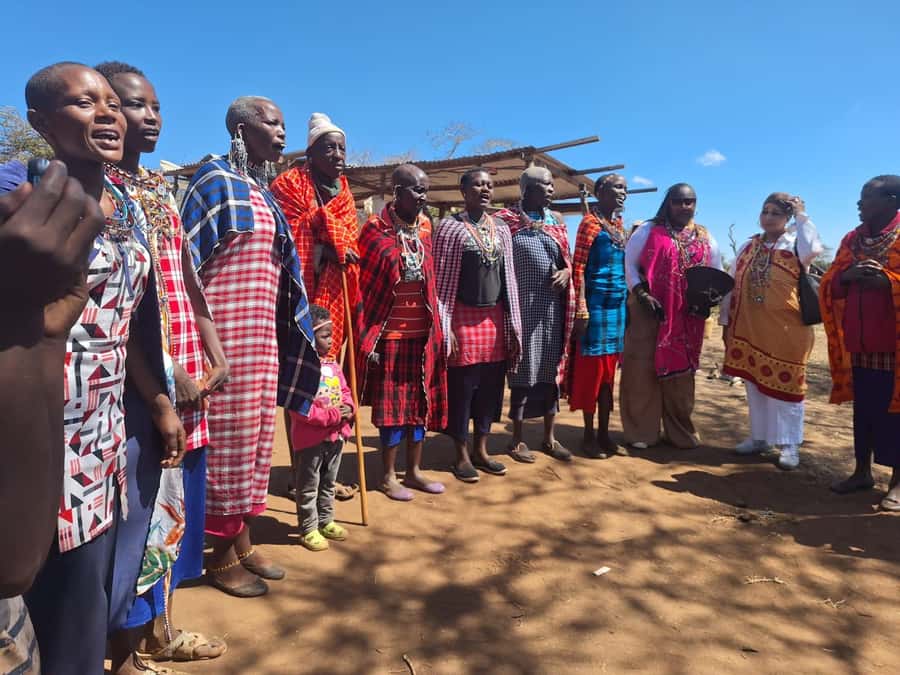
A fire-making demonstration is a core stop. You’ll watch traditional methods demonstrated, led by Maasai warriors. Then you get explanation from the group about what this practice represents.
The tour doesn’t frame it as a random skill demo. It is presented with a deeper link to how Maasai life connects to cattle, nature, and community. That connection is important, because it changes how you interpret the demonstration.
In practical terms, watching fire-making is also a lesson in patience and technique. It takes effort and attention. Even if you’ve seen similar things elsewhere, this kind of demonstration tends to make the basic idea click: these are living skills, not museum tricks.
This section can also be emotionally grounding. Fire is a gathering point in many cultures, and the way this is taught often reflects community values like sharing knowledge and caring for daily needs.
Be ready to stand and watch for a bit. If you get cold easily, bring a light layer even though Nairobi-area days can vary. The tour includes bottled water, but it does not include food, so plan your timing accordingly.
Beadwork with meaning: meeting Maasai women and buying jewelry thoughtfully
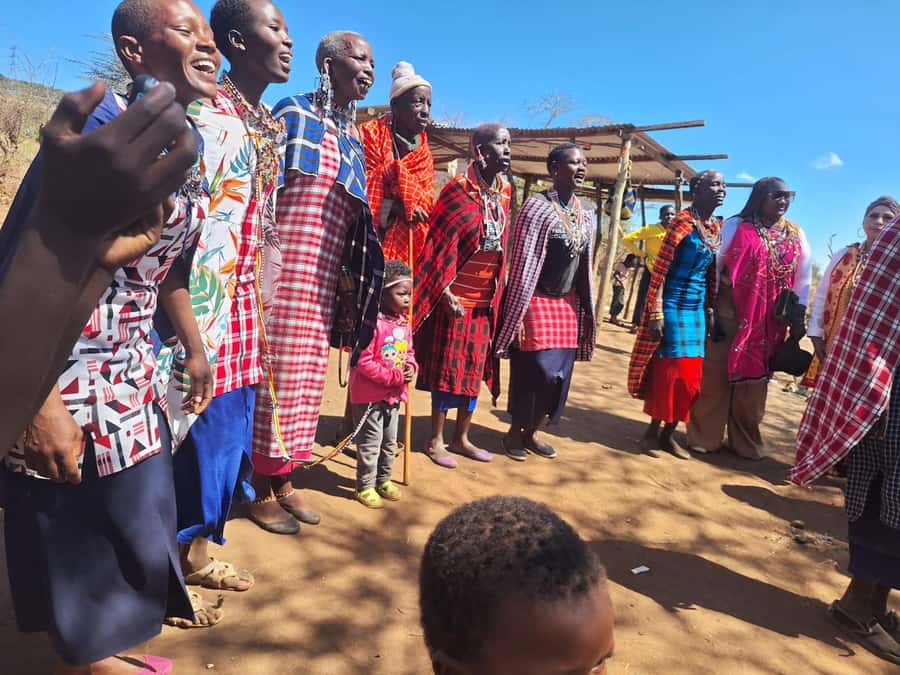
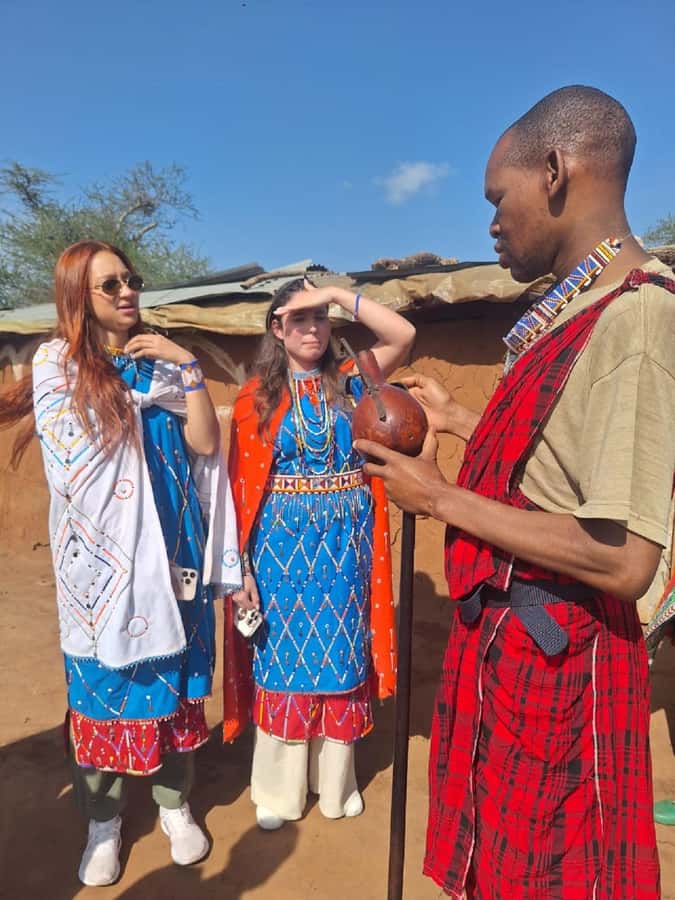
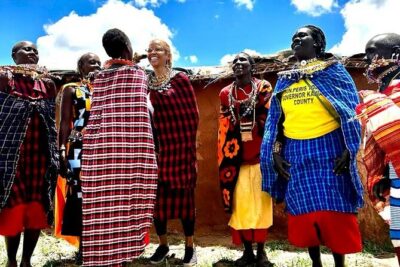
One of the best parts of the day is the interaction with Maasai women. You spend time exploring handcrafted beadwork and jewelry, and you learn that each color symbolizes something meaningful in identity.
This is not presented as random decoration. The explanations you get connect color choices to personal and cultural identity. When you understand that, the jewelry becomes more than a souvenir. It becomes something you can respect and ask better questions about.
You’ll also have time to interact and browse the pieces. If you buy jewelry, take your time. Look closely at colors and patterns, then ask what you can, in plain English if that’s what they use. This is one of those moments where a little patience pays off, because you’re being shown meaning, not just merchandise.
A consideration: this part can feel intense if you are not used to direct selling or close conversation. The antidote is simple. Decide in advance if you want to buy, or just look. Either choice is fine, and it keeps you comfortable.
I also appreciate that the tour offers this interaction as part of the cultural exchange. It doesn’t treat women’s craft as a background activity. It places it at the center of the experience.
Price and what you still need to budget for
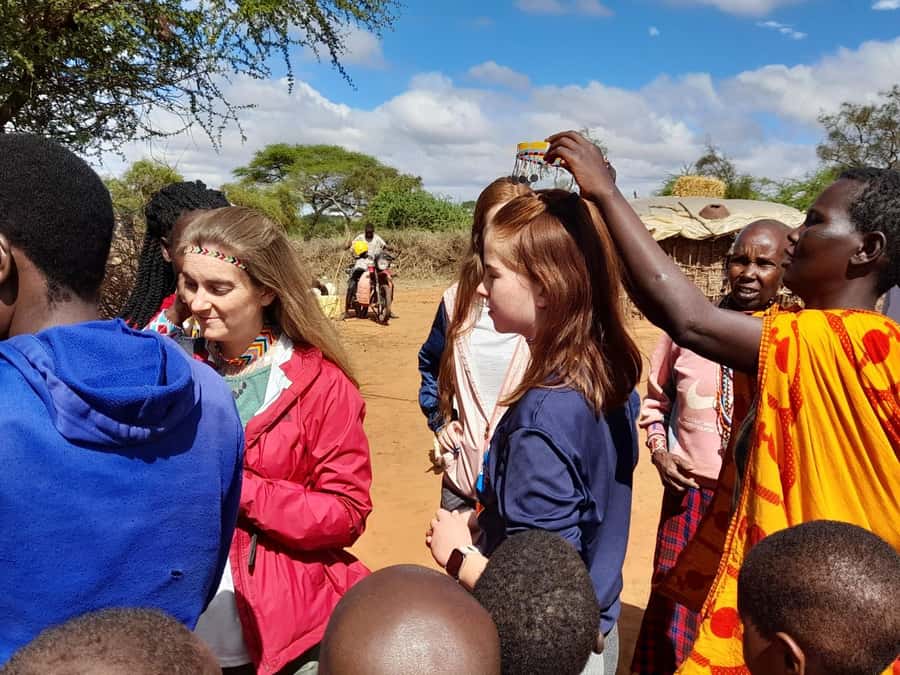
The tour price is $50 per person for 5 to 6 hours, which is a fair starting point for a guided, transport-included cultural visit outside Nairobi. You get a driver/guide, an air-conditioned vehicle, bottled water, and live English guidance.
But read the cost details carefully, because the price is not the whole budget. Entry fees and the Maasai Guide fee are listed as not included, and the Maasai guide charge is $30 per person. Food and drinks are also not included, though alcoholic drinks may be available to purchase.
So here’s the math in real-world terms. You’re paying $50 for the guided transport and experience structure, then you should expect to add the $30 per person guide and any entry fees. That means the all-in cost is closer to a half-day cultural program with an additional onsite fee.
This is still likely good value if you want a guided, respectful cultural day, and you plan to engage with the activities rather than just rush through them. It may not feel like great value if you’re only interested in one photo stop, or if you expected food to be included.
My practical advice: bring cash. The tour specifically notes that cash is needed, and onsite fees are where that cash matters.
What the schedule feels like in real time
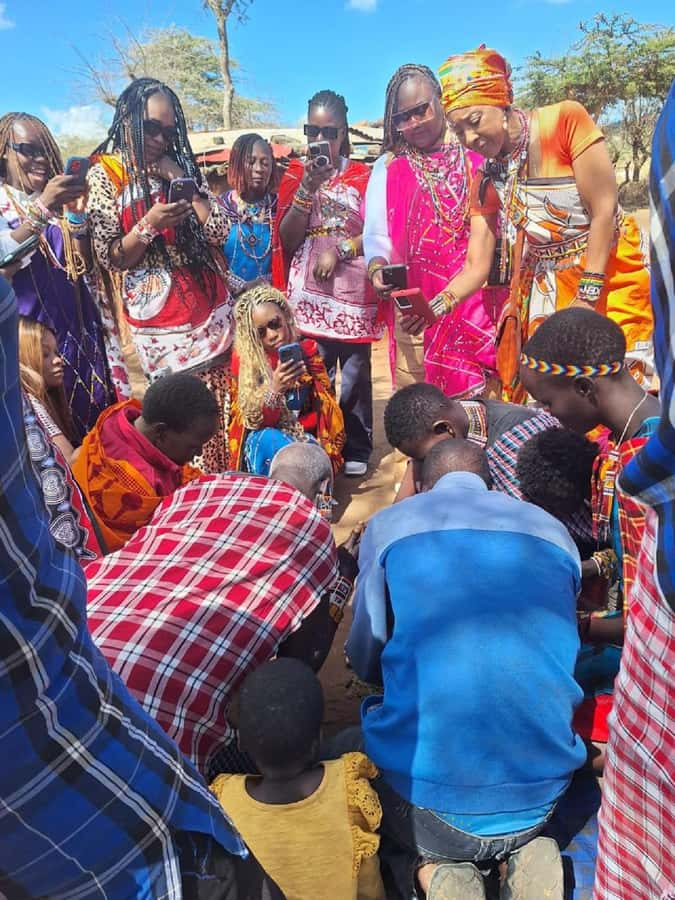
This is a short day, so timing matters. The day begins with pickup from your selected location in Nairobi, then you drive out to Bisil and the Maasai village area. You’ll be guided through the welcome, the homestead walk, the fire-making demonstration, and the beadwork interactions.
In the middle, you’ll likely have time for sightseeing and shopping in Bisil. That’s useful because it helps you handle any browsing or small purchases without squeezing it into the village parts.
The big advantage of this length is flexibility. You can do it on a day you also want to relax, or pair it with another Nairobi activity without losing the whole day. The tradeoff is that you need to commit. Once you’re on the schedule, you’ll be moving through the experience with minimal downtime.
If you’re sensitive to heat or walking, plan your comfort. Wear breathable clothes and comfortable shoes. Bring something light for sun protection, since you will spend time outdoors during the village segments.
Who should book this Maasai village experience, and who might skip it

I think this tour is a good match if you:
- Want a cultural experience focused on Maasai traditions, not wildlife
- Enjoy meeting people and learning through conversation and guided explanation
- Like hands-on meaning, like beadwork color symbolism and homestead structure
You might choose something else if you:
- Only want wildlife or long scenic drives
- Prefer food included in the main price
- Get uncomfortable with lively performances and close interaction
The tour also offers private or small group options, which can make the experience feel less rushed and easier to ask questions. It is also listed as wheelchair accessible, which is a meaningful plus if mobility is a concern.
Should you book this Nairobi Maasai village tour?
If you want a people-first cultural day trip from Nairobi, I’d say book it, with eyes open. The strongest parts are the Maasai welcome with adumu, the guided homestead walk in a Manyatta, and the beadwork time with Maasai women where color meaning is explained. Those pieces add up to more than a quick performance stop.
Just go in prepared for the extras. Bring cash for entry fees and the Maasai guide fee, and plan to handle your own food since it is not included. With that sorted, you’ll be free to focus on what matters: learning how the Maasai organize community life, express identity through craft, and share traditions in a real setting.
If that sounds like your kind of travel day, this is an easy yes.
FAQ
How long is the Maasai village and cultural experience from Nairobi?
The duration is 5 to 6 hours.
Where is pickup in Nairobi, and does it vary?
Pickup location depends on the selected option. The experience includes pickup from your hotel in Nairobi, and airport pickup is also listed as included.
Is there a live guide, and what language do they speak?
Yes. There is a live tour guide, and the language is English.
What is included in the $50 per person price?
The price includes the driver/guide, airport pickup, bottled water, and an air-conditioned vehicle.
What extra costs are not included?
Food and drinks are not included. Alcoholic drinks may be available to purchase. Entry fees and the Maasai Guide fee of $30 per person are also not included.
Do I need to bring cash?
Yes. The tour notes that you should bring cash.
Is the tour wheelchair accessible?
Yes, it is listed as wheelchair accessible.
Is it only for private groups?
No. Private or small groups are available.
Can I pay later and cancel if needed?
You can reserve now and pay later. Free cancellation is available up to 24 hours in advance for a full refund.
Recently reviewed from Nairobi
- Amboseli Day Trip from Nairobi★ 4.5 · 3 reviews
- Nairobi city tour★ 4.5 · 3 reviews
- Ngare Ndare Day Trip★ 5.0 · 3 reviews
- Day Trip To Crescent Island And Hells Gate National Park★ 5.0 · 3 reviews
- Crescent Island Day Tour From Nairobi★ 5.0 · 3 reviews
- 1-Day Amboseli Safari★ 5.0 · 3 reviews
- 13-Day Uganda Mgahinga Gorilla Trek, Maasai Amboseli Park★ 5.0 · 3 reviews
- 4 days group joining budget safari to Maasai Mara only★ 5.0 · 3 reviews
Maasai Village Visits, compared.
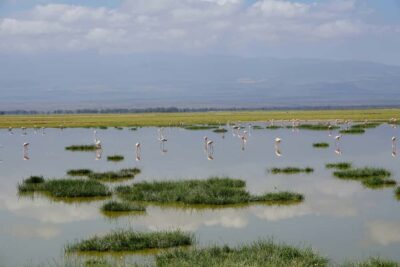
Day Tour to Amboseli National Park & Maasai Village
Read our review →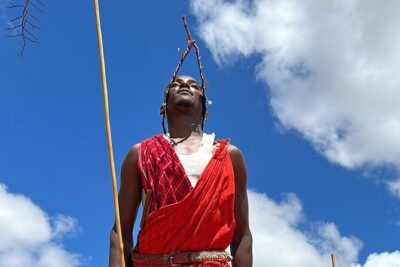

Day Trip: Amboseli National Park & Maasai Village – Nairobi
Read our review →
Day Trip to Maasai Mara Reserve & Maasai village
Read our review →
3days/2nights group joining Masai Mara with Masai Village Visit
Read our review →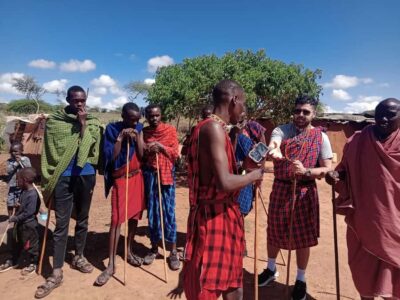
Maasai Village Visit with Traditional Dance Show
Read our review →Browse the lists this tour appears in