
Reviewed · MAASAI VILLAGE VISITS
From Nairobi: Masai Tribe Village Visit
A Maasai village visit from Nairobi is interesting because it is hands-on and social. You are not just looking at culture through a fence, you are meeting people who still live their daily rhythms. I like the up-close, practical village moments and the chance to watch beadwork and cooking up close rather than hearing a quick talk and moving on.
One thing to keep in mind is logistics and money flow. Some travelers get surprised by the entry fee amount on the day, so I suggest confirming the fee before you go and asking how it gets paid, so there are no awkward moments.
Key Points at a Glance
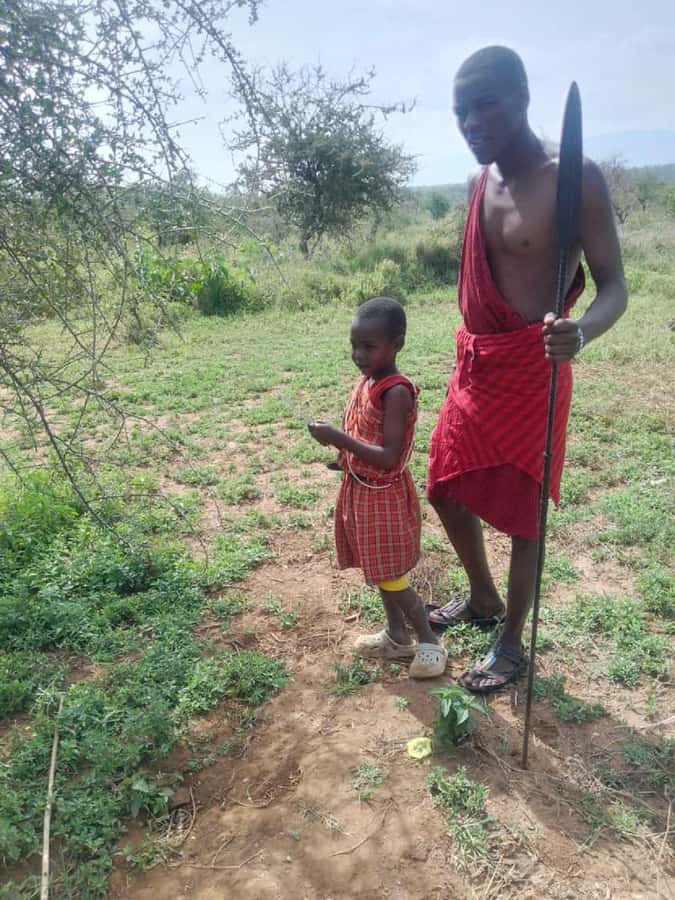
- Real daily-life activities like cooking, weaving bead jewelry and wristbands, and animal milking
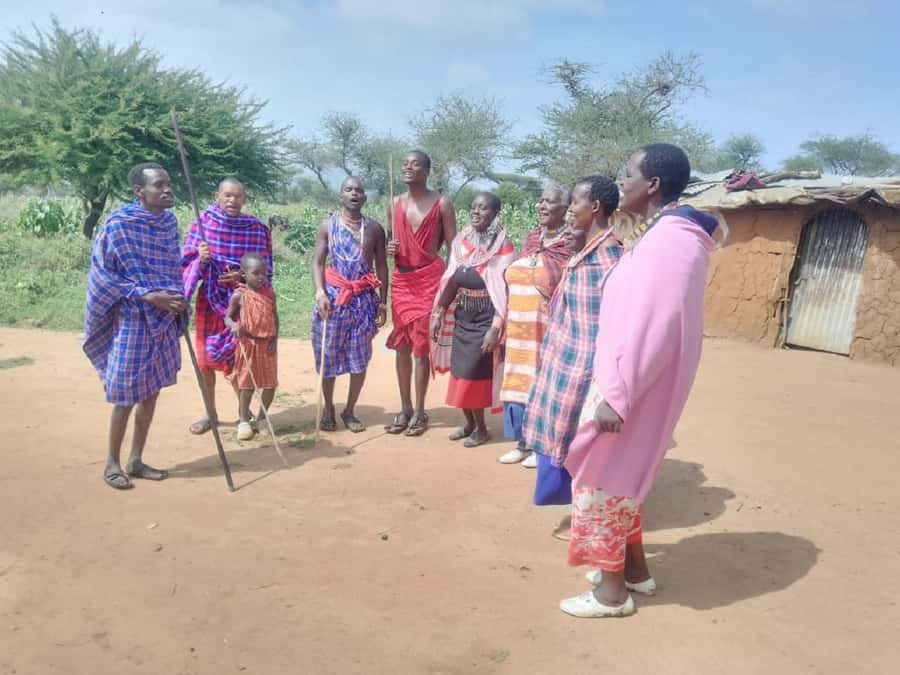
- Music and movement with young men and women jumping and singing
- Helpful guide time in the village, with chances to ask questions in plain, human conversation
- Money matters: the village entry fee is not included in the base price
- Plan for stops: there is a coffee and lunch stop along the way
- Bring payment for crafts in Kenyan shillings, since beadwork is part of the experience
From Nairobi To Maasai Country: The Drive and Arrival Setup
This trip starts in Nairobi with hotel pickup and drop-off and transportation in an air-conditioned vehicle. That matters more than it sounds. It keeps you comfortable for the road time, and it also gives your driver/guide time to set expectations before you reach the village area.
On arrival, the experience is built around visiting local homes and seeing routine tasks. You do not just walk past buildings. You are meant to interact, ask questions, and watch work that is usually done every day. That is the heart of why this tour feels different from a fast photo stop.
One practical note I would follow: ask your driver/guide to clearly tell you the name of the community you are visiting and what activities are planned in the time you have on-site. Some communication styles are more relaxed than others, so a quick reset in the car can make the whole day smoother.
More community-hosted Maasai visits:
- Nairobi: Day Tour to Amboseli National Park & Maasai Village
★ 4.5 · 310 reviews - Masai village Day Tour Experience
★ 5.0 · 284 reviews - Maasai Village Experience Day Tour
★ 5.0 · 72 reviews
Coffee and Lunch Stops: Why Timing Can Make or Break the Day
You will have a stop for coffee and lunch, and lunch is your own expense. That means you should treat the food breaks as part of the schedule, not an optional extra.
Here is what I recommend you do before you leave Nairobi: decide what you want from the village time. If you care most about hands-on activities like weaving and milking, plan for a lighter lunch so you do not feel rushed later. If you care most about interaction and Q&A, you can eat at the coffee or lunch stop without worrying you will miss the best conversations.
Also, expect that the day can feel longer while the village portion may feel short if traffic or timing runs tight. If a tour claims a long day, ask how long you will actually spend in the village and what fills the rest of the hours. That one question often saves disappointment.
First Contact: How the Maasai Village Visit Works
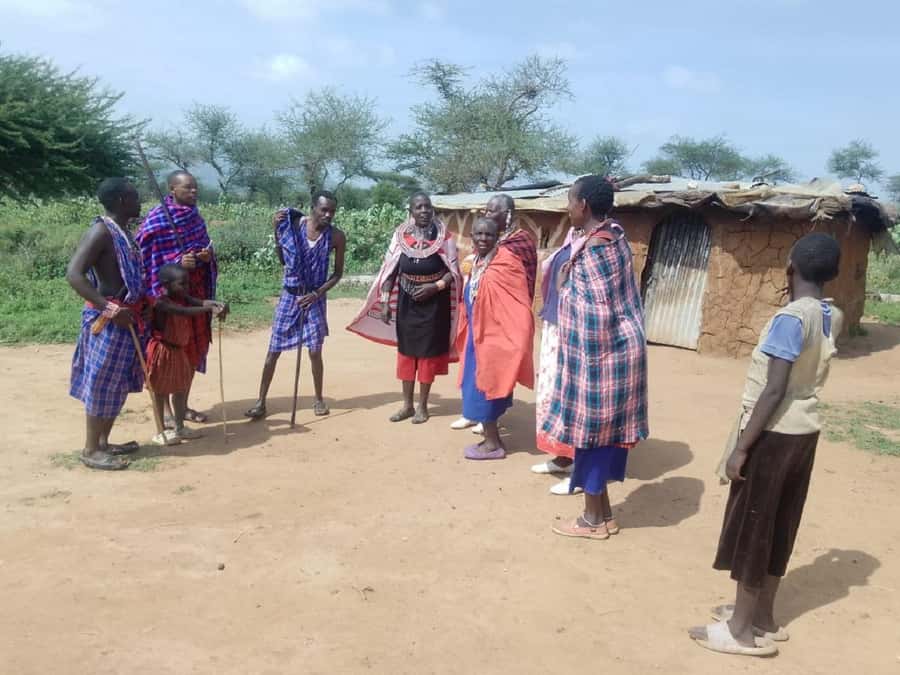
Once you enter the village area, the tour is designed to show what daily life looks like through specific tasks. The description you are given is mostly about real work, not staged theater, and that is what you want to prioritize.
You should expect:
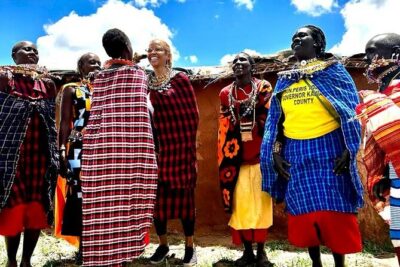
- Time to interact with Maasai community members at local homes
- Explanations about culture and routines that have been preserved across generations
- Demonstrations linked to everyday life rather than just cultural performance
And to understand what you are seeing, it helps to know a little context. The Maasai are an East African pastoralist people today mainly in southern Kenya and northern Tanzania, speaking the Maasai language. Historically, the Maasai migrated southwards in the 16th and 17th centuries and thrived through animal husbandry, especially herding cattle. Earlier stories also describe Maasai as warriors, which connects to why they historically needed broad grazing territories. Understanding that backstory helps you see why so much of village life revolves around animals, land use, and communal roles.
Women Cooking and Weaving: The Practical Part People Remember
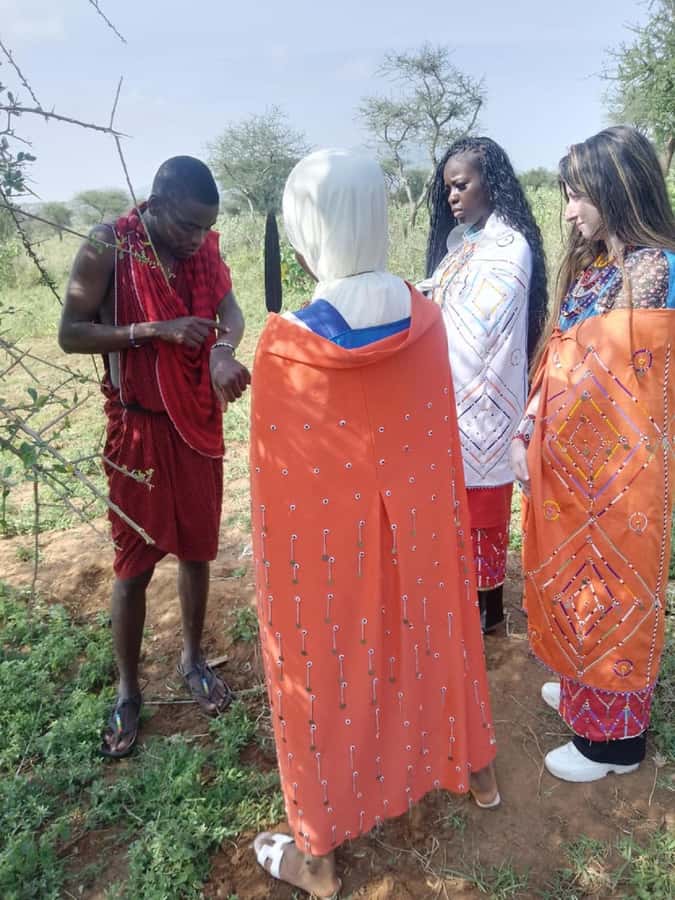
If you want one reason to book, this is it. The most valued moments here are the ones where you watch Maasai women prepare meals and where you see weaving for necklaces and wristbands.
In many places, “culture” gets turned into a slideshow. Here, you are watching work. Food preparation shows how meals fit into the rhythm of the day. Weaving shows patience, skill, and how materials become something people can wear and trade.
Look closely at how the process is explained. The best tours do not just point and say bead goes here. They connect the skill to daily life and identity. If your guide is attentive, you should be able to ask questions about what you see, including how designs and colors get chosen.
If you want to get more out of it, come with two or three questions written in your head:
- What does this skill help with in everyday life?
- How does beadwork fit into community roles?
Even if your Swahili is zero, you can still communicate through curiosity and respect.
More days out of Nairobi:
- Nairobi National Park Half-Day Tour; Free Wi-Fi connection
★ 5.0 · 878 reviews - Nairobi: National Park & Optional Elephants & Giraffe Center
★ 4.8 · 874 reviews - NAI NAMI: Nairobi Storytelling Tour with Street Children
★ 5.0 · 792 reviews - Nairobi National Park Half-Day Game Drive
★ 4.5 · 738 reviews
Milking and Pastoral Life: Goats, Skills, and Why Animals Matter
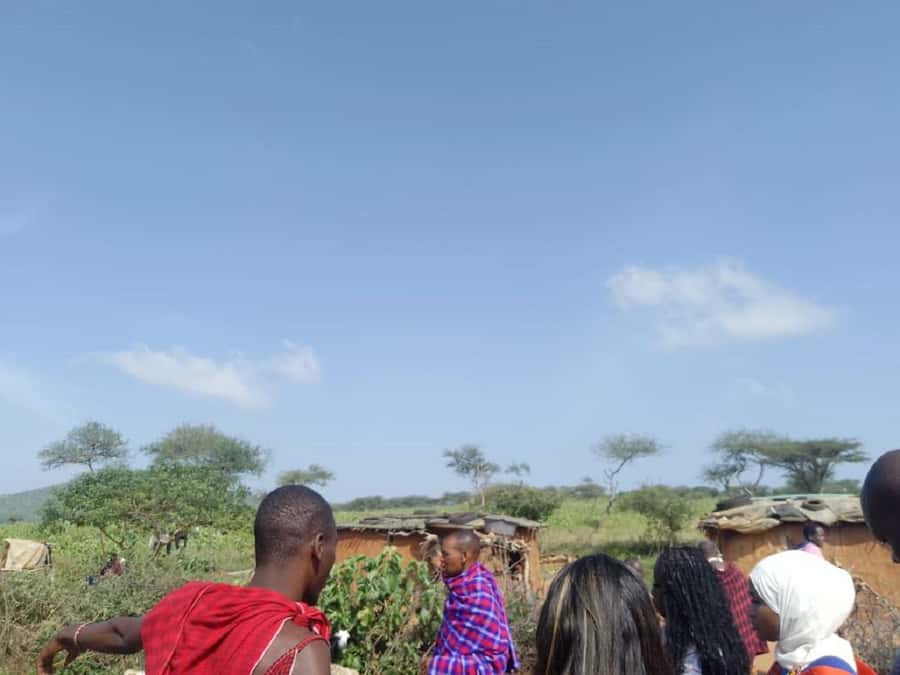
Along with cooking and beadwork, the tour includes learning how to milk goats. That is a key window into pastoral life.
This is more than a “try it” moment. It helps you understand why herding skills are central to Maasai life. The Maasai became successful pastoralists through animal husbandry, and today that focus still shapes daily routines. When you watch milking, you are seeing practical knowledge that is passed down, adjusted to herd needs, and connected to household work.
One thing to keep in mind: animal handling depends on the day. If you are expecting the most polished demonstration imaginable, you might be surprised by the realism. That is not a flaw. It is how village life functions.
This part of the day is also a good moment to slow down and notice who does what. Even when you do not fully understand the language, the workflow tells a story.
Singing and Jumping: The Performance That Feels Personal
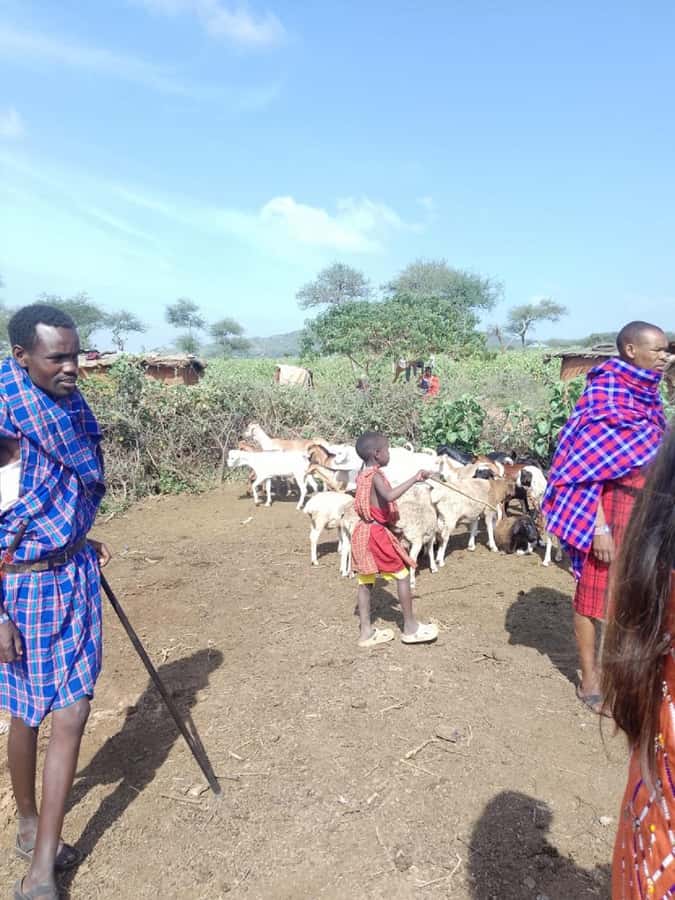
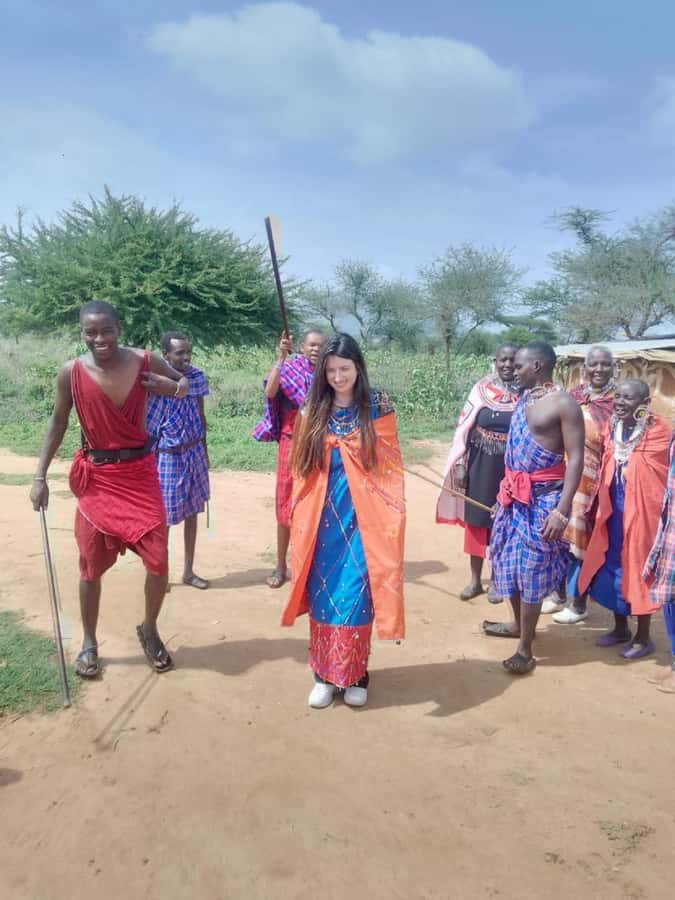
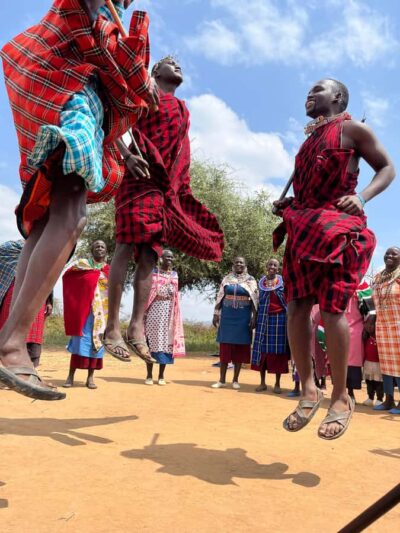
The tour highlight is also the emotional one. You get to experience how Maasai young men and women jump as they sing for you.
This is where your attitude matters. Treat it like a shared moment, not a show you demand. If you approach it with respect and a willingness to participate, you are more likely to get the warm, friendly vibe that people praise.
Some tours have strong guides who help you understand what is happening and why it is meaningful. If your guide is more quiet, you might feel like you are waiting for instructions. That is one reason I keep saying: ask for clarity at pickup, even if you are excited and ready to go.
And if photos are part of your plan, keep expectations realistic. The experience includes souvenir photos as something you can purchase, but the “photo” concept can be misunderstood. Some travelers expected a professional photo session but found the offered items were accessories and beadwork made by the women. So decide what you actually want to buy, and let that guide how you photograph the moment.
Price and Value: $52 Base, $30 Entry, and What You Still Need to Pay
The base price is $52 per person, and it includes:
- Hotel pickup and drop-off
- Driver/guide
- Transportation in an air-conditioned vehicle
- Masai village experience
- Time for lunch (own expense)
Not included:
- Entry fee of USD 30 per person
- Food and drinks
- Souvenir photos (available to purchase)
So your realistic budget is more like $82 for the base tour plus village entry, then add lunch, drinks, and any souvenirs. That can still be good value if you use the village time well and if the guide communication is solid. But if the village portion ends up feeling brief, or if the day includes more waiting than you expected, the value drops fast.
There is also one practical fairness point. Some people run into confusion when the entry fee amount differs from what they expected based on what they saw during planning. I cannot guarantee what you will be charged, but you can protect yourself by confirming the amount you will pay when you arrive and asking who receives it.
What to Bring: ID, Questions, and Kenyan Shillings for Beads
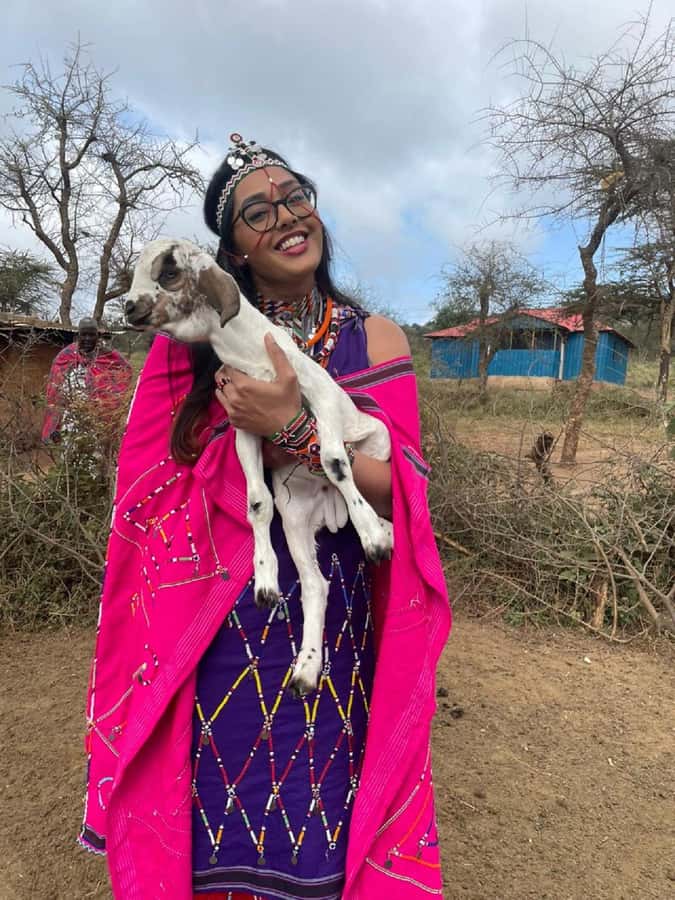
Bring your passport or ID card. That is explicitly required.
Beyond that, I would pack:
- A little patience for road time and village timing
- Some Kenyan shillings if you want to buy beadwork or support crafts
- A few respectful questions you genuinely want answered
One of the most positive notes from people who enjoyed this trip is that the experience is more meaningful when you ask questions and when you are ready to purchase beadwork you like. That is not about shopping. It is about participating in a craft economy tied to the community.
If you go with zero cash or refuse to buy anything even after seeing how much time goes into weaving, you may still enjoy the visit. But you might feel less connected to the people whose work you admired.
Communication and Duration: How to Get the Day You Want

A recurring problem with day trips to villages is that communication can be inconsistent. Some tours include clear introductions and useful guidance. Others can feel like a car ride that ends in a quick visit, with you doing the thinking instead of the guide.
Here is how to avoid that:
- During pickup, ask for a quick overview of the planned activities in order.
- Ask how long you will be in the village before you go to lunch.
- Ask what the best moment is for questions, so you can concentrate at the right time.
Also, if someone tells you the tour runs a certain length, do not assume all hours are equal. In real life, some days end up with more time on the road and less time at the village. Your best defense is asking the “how long” question up front.
Who This Tour Suits, and Who Might Be Happier Elsewhere
This trip is a strong fit if you want:
- Interaction with Maasai community members in a local setting
- Hands-on learning like cooking, weaving, and milking
- A cultural moment that includes singing and jumping
It is less ideal if you want a long, content-heavy itinerary with lots of structured stops. Some people also go in expecting a highly choreographed performance and instead get real-life village tasks plus an interactive cultural moment. If you like spontaneity and respectful conversation, you will likely be happy.
If you get uncomfortable with paying an entry fee on-site or with buying optional souvenirs, you should decide before you go. The tour is not designed to hide costs, but it can still surprise you if you planned around a lower total.
Should You Book This Maasai Village Visit From Nairobi?
Book it if you want a day that is practical, social, and focused on what people actually do. The strongest parts are the women’s weaving and cooking, the chance to learn animal milking, and the energy of singing and jumping. When the guide is clear and attentive, it turns into a meaningful cultural exchange instead of a rushed checkbox.
Skip or choose a different style of experience if you prefer strict timing, very detailed structure, or if you dislike any uncertainty around on-site entry fees. Do yourself a favor and confirm the admission amount in advance, ask how long you will be in the village, and come with a few questions. If you do that, you have a good shot at getting a day that feels worth your money and your time.
FAQ
What is included in the $52 per person price?
The price includes hotel pickup and drop-off, a driver/guide, transportation in an air-conditioned vehicle, and the Masai village experience. It also includes time for lunch, but lunch itself is not included.
How much is the entry fee?
The entry fee is USD 30 per person, and it is not included in the $52 price.
Is lunch included?
Lunch is not included. You get time for lunch, and you pay for it on your own.
Are food and drinks included?
No. Food and drinks are not included.
What should I bring?
Bring your passport or ID card.
Will there be a coffee stop?
Yes. There will be a stop for coffee and a stop for lunch.
What languages does the experience use?
The tour is available in English, Swahili, and French.
Are souvenir photos included?
No. Souvenir photos are available to purchase, but they are not included.
Can I cancel and get a refund?
Yes. You can cancel up to 24 hours in advance for a full refund.
Recently reviewed from Nairobi
- Amboseli Day Trip from Nairobi★ 4.5 · 3 reviews
- Nairobi city tour★ 4.5 · 3 reviews
- Ngare Ndare Day Trip★ 5.0 · 3 reviews
- Day Trip To Crescent Island And Hells Gate National Park★ 5.0 · 3 reviews
- Crescent Island Day Tour From Nairobi★ 5.0 · 3 reviews
- 1-Day Amboseli Safari★ 5.0 · 3 reviews
- 13-Day Uganda Mgahinga Gorilla Trek, Maasai Amboseli Park★ 5.0 · 3 reviews
- 4 days group joining budget safari to Maasai Mara only★ 5.0 · 3 reviews
Maasai Village Visits, compared.
Day Tour to Amboseli National Park & Maasai Village
Read our review →

Day Trip: Amboseli National Park & Maasai Village – Nairobi
Read our review →
Day Trip to Maasai Mara Reserve & Maasai village
Read our review →
3days/2nights group joining Masai Mara with Masai Village Visit
Read our review →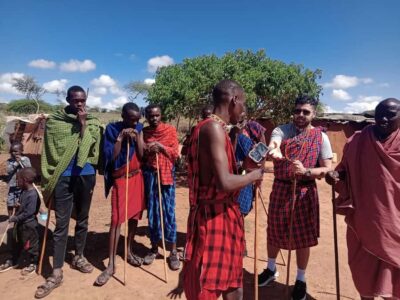
Maasai Village Visit with Traditional Dance Show
Read our review →Browse the lists this tour appears in