
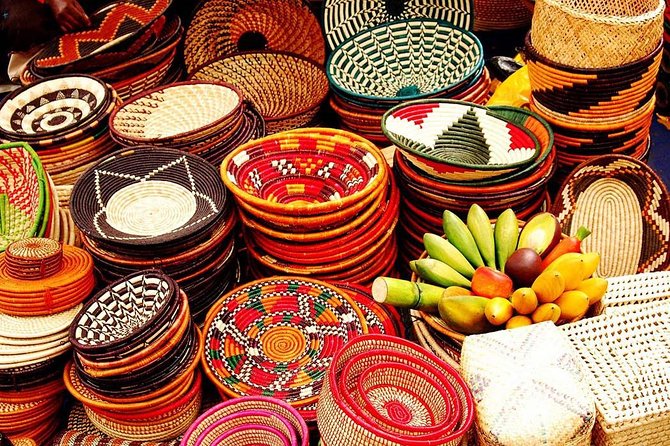
Reviewed · SHOPPING TOURS
Nairobi Guided Cultural Shopping Experience Day Tour
Shopping in Nairobi can be fun, but it can also feel like a maze when you are chasing good quality among fake souvenirs. This guided cultural shopping day is interesting because it aims to take the guesswork out of where to shop and how to shop wisely.
I especially like the small-group format (kept tight at up to 7 people), which means you actually get hands-on help as you browse. I also like that the tour builds in real craft stops, not just one long market walk, with guidance that helps you spot materials and workmanship as you go.
One thing to consider: the Maasai Market part is conditional. It only happens if it is open or it lines up with market day. Also, shopping can bring out personal questions, so if you prefer to keep car conversation strictly business, it is worth setting that expectation early with your guide.
Key things to know before you go
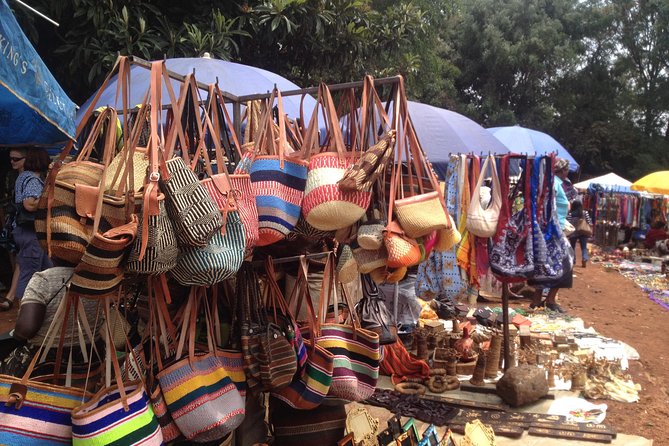
- A tight group helps you move smarter, so you spend more time comparing quality, not waiting your turn.
- Craft factories and studios are a big part of the day, which makes your shopping feel grounded in real making, not just buying.
- Door-to-door pickup and drop-off saves you from Nairobi route-planning stress on a full 8-hour day.
- Bargaining is part of City Market, so your guide’s advice can protect your budget.
- Maasai Market is optional depending on whether it is open, so plan around that flexibility.
- Admission tickets are listed as free for the stops included, which helps value for the $90 price.
Why a guided Nairobi shopping day can be worth the $90
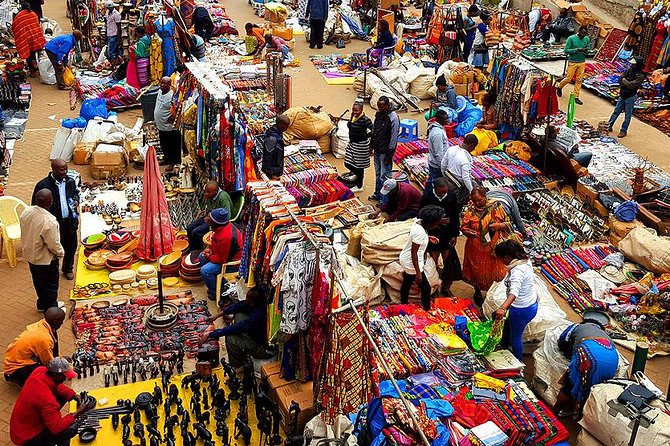
Nairobi shopping has a reputation, and for good reason. You can find beautiful things, but you can also run into overpriced items, misleading labels, or copies of what you actually came for. A guide is useful because they help you slow down and make better choices while you are in the moment, not after you have already handed over your money.
At $90 per person, this tour is not just about transportation. You are paying for a professional guide plus a schedule that hits a mix of places: a heritage gallery, craft centers, a beads factory, a market, and an optional Maasai Market. If you have limited time in town and you want souvenirs that hold up, this kind of structure often beats winging it.
The day is designed around walking and browsing, not a hard sightseeing cram. Think of it as a shopping day with a cultural backbone. You are looking at textiles, sculpture, handmade ceramics and beads, and the kind of wood carvings and beadwork that come from specific makers and studios, not anonymous racks.
More Nairobi trips to compare
- Traditional Kenyan Cooking Class & Local Market Tour
★ 5.0 · 129 reviews - Nairobi souvenir Shopping and Historical Half day Tour
★ 5.0 · 61 reviews - Memorable Daily KIBERA Slums/Toi Market Tour with Locals (2 hours)
★ 5.0 · 29 reviews
Price, timing, and how the full 8 hours plays out
This is an 8-hour tour (approx.), starting at 9:00 am. You get hotel pickup and drop-off, so you do not waste your morning figuring out logistics. The tour is also marketed as having group discounts, and it uses a mobile ticket, which is handy if you like keeping things simple.
The stop rhythm is pretty clear: each major stop is about one hour, which is long enough to browse carefully and ask questions without feeling trapped. That is important because shopping in Nairobi is not a quick in-and-out sport. It is comparison shopping, and in a good guide-led day, you get the time to do that.
Lunch is the one clear gap. It is not included, so you will want to decide ahead of time how you want to handle food. If you tend to shop for hours and forget to eat, bring a simple plan for when you will grab lunch.
Carnivore’s African Heritage House: where textiles and art set your shopping standards
The day starts at African Heritage House Museum at the Carnivore grounds, where you visit the African Heritage Gallery. This first stop matters because it sets your baseline. Before you jump into markets, you see how textiles, sculpture, and handicrafts are presented in a museum setting. That makes it easier to tell what looks thoughtfully made versus what looks like it was produced just to be sold.
It is also a calm start. You are not immediately in a bargaining war, and you get a feel for the kinds of items worth hunting for later. The admission at this stop is listed as free, so you get value right away.
What I like about this approach is that it nudges you toward better questions. After seeing how pieces are described and displayed, you are more likely to ask about materials, size, and construction when you move on.
Utamaduni Craft Centre: one roof, lots of categories, and room to compare
Next is Utamaduni Craft Centre, a big shopping stop that sells a wide spread of items under one roof. You can expect lots of categories, including masks, rugs, jewelry, dolls, safari clothing, Kikoy and sarongs, beads, and more.
This is the stop where your shopping skills start paying off. With so many categories in one place, it is easy to compare similar items side by side. That is where a good guide helps: they can point you toward better quality within the same product type and save you time bouncing between too many stalls.
The admission is listed as free here as well, which helps if you are trying to keep the day’s overall cost controlled. One practical tip: decide early what you want most. If you tell your guide what you are hunting for, you will waste less energy wandering.
More days out of Nairobi:
- Nairobi National Park Half-Day Tour; Free Wi-Fi connection
★ 5.0 · 878 reviews - Nairobi: National Park & Optional Elephants & Giraffe Center
★ 4.8 · 874 reviews - NAI NAMI: Nairobi Storytelling Tour with Street Children
★ 5.0 · 792 reviews - Nairobi National Park Half-Day Game Drive
★ 4.5 · 738 reviews
Kazuri Beads Factory in Karen: handmade ceramic beads and real maker energy
Then you head to Kazuri Beads Factory in Karen (Mbagathi Ridge). Kazuri, which means small and beautiful in Swahili, is known for handmade ceramic beads, along with jewelry and pottery.
This is one of the most meaningful stops on the day because factories and studios give you something markets do not. You see the product tied to a production style, and you are buying with more context. Even if you are not a serious craft collector, that context helps you avoid generic souvenirs that do not match the story of the item.
The admission is listed as free here too, which makes the stop feel like a smart use of time. Also, Karen is part of Nairobi that often feels more relaxed than the central market area, so your day gets a nice pacing break before the bargaining-heavy portion.
Nairobi City Market: where bargaining is a sport and your guide earns their fee
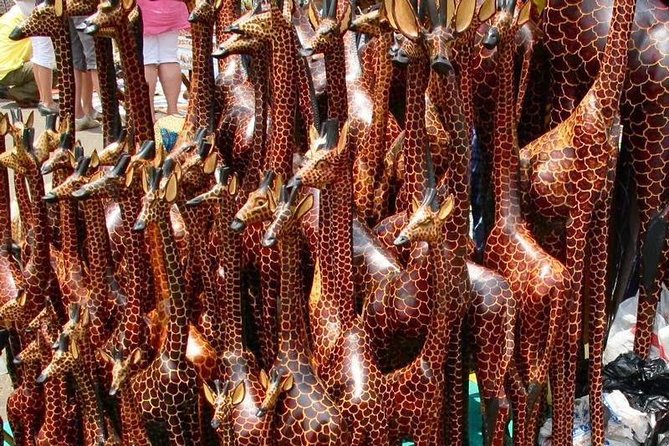
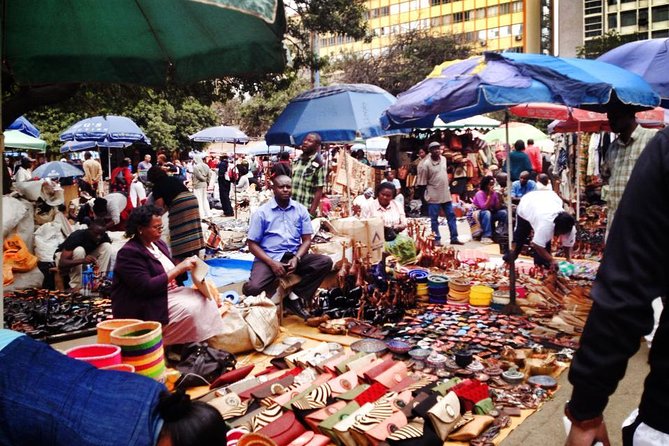
After the craft and factory stops, the tour moves to Nairobi City Market on Muindi Mbingu Street. This is where shopping becomes more social and more fast-paced. The market is described as having stalls scattered throughout the complex, and bargaining is part of the culture.
This is the stop that can be either exhilarating or frustrating, depending on how prepared you are. With guidance, you can turn it into a skill-building exercise instead of a budget stress test. Your guide’s job is not to tell you what to buy, but to help you shop smarter, so you do not overpay for low quality.
The market is also known for curios and other souvenirs, plus food vendors. One drawback to keep in mind: markets tend to pull your attention in every direction. If you want specific items like beadwork, carvings, or jewelry, it is worth staying focused and using your time intentionally.
Maasai Market on market day: a great add-on when it is open
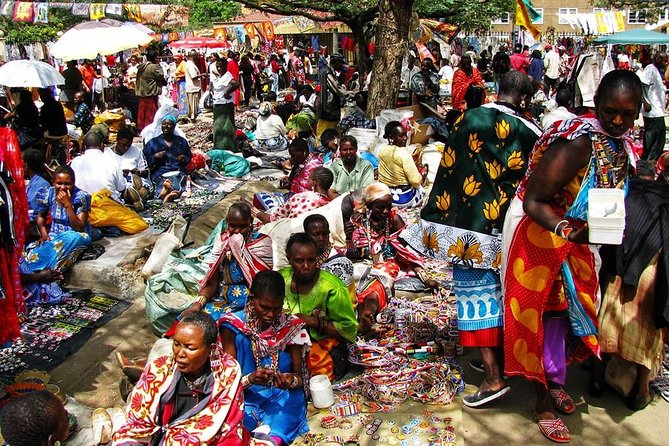
There is an optional Maasai Market stop if it lines up with market day. The tour notes that Masai Markets in Nairobi were started by Masai women who wanted to sell directly to visitors. Over time, the selection has grown, and it is known for arts and crafts, wooden carvings, and beadwork.
This stop can feel like the most “direct” shopping moment of the day because it is built around maker-to-visitor selling. If it is open, I recommend you make it a priority and do not treat it like an afterthought.
If it is not open, the day still works, but you may end up buying more elsewhere. That is the tradeoff. The tour is flexible by design, so if you are only in Nairobi briefly, a conditional stop is worth accepting.
Getting better souvenirs: how to use your guide without getting pushed around
A good shopping guide is a translator between you and the market. You get the best result when you lead with clarity. Before you start paying, I suggest you ask three simple questions:
- What is this made of, and how do I tell it is real?
- How big is it, and what does that size look like in real life?
- What would you recommend if I want the best quality in my budget?
This kind of guidance helps you avoid a common trap. When people bargain, they can end up negotiating the wrong thing, like the appearance instead of the materials. A guide can steer you back to the stuff that matters.
One review detail worth taking seriously is that the car conversation can get personal. In one case, intrusive questions were reported. That is not universal, but it is enough of a pattern to take caution. If you prefer neutral small talk, say so politely at the start. It sets the tone for the whole day.
What to buy on this route, and what to skip
This tour is built for souvenirs that go beyond fridge magnets. Based on the kinds of places you visit, you are set up to shop for:
- Ceramic beads, jewelry, and pottery from Kazuri
- Textiles and handicrafts from the African Heritage Gallery setting
- Masks, rugs, and beadwork from craft centers and studio-style shops
- Wood carvings and curated crafts from market areas
- Clothing and fabric items like safari clothes and Kikoy or sarongs
What to skip? If you see items that look mass-produced with no obvious maker connection, and the price is high, slow down. In places like City Market, you can find good items, but the range is wide. Stick to categories your guide helped you identify earlier in the day.
Also, keep your “ship it later” plan in mind. You are shopping for souvenirs that will last, and that often means you buy fewer items but better ones.
Who this Nairobi cultural shopping tour suits best
This day tour is a strong fit if you want:
- A guided shopping plan instead of wandering with no direction
- A mix of craft centers, a beads factory, and market shopping
- A manageable group size, so you can ask questions while you browse
- Hotel pickup and drop-off to reduce Nairobi driving and navigation stress
It may be less ideal if you hate bargaining environments. City Market does involve bargaining, and while your guide can help, the vibe is still market-style selling. It can also be a mismatch if you want a deeply structured cultural talk at every stop, because the day is built around shopping and browsing time.
The practical value check: is it good use of a Nairobi day?
Here is how I would judge value. If you like shopping but you want to do it with fewer mistakes, this tour gives you two things at once: access to specific craft places and guidance that helps you compare quality while you are there.
The free admissions listed across multiple stops also add up. Plus, the day runs about 8 hours, so you are not paying just for a short ride. You are buying time in key shopping environments, with a guide to keep it productive.
If your priority is just picking up a couple of small souvenirs quickly, you can probably do that on your own. But if you want items like jewelry, beads, carvings, and higher-quality craft pieces that you can feel good about later, the guided structure is a real advantage.
Should you book this cultural shopping day in Nairobi?
Book it if you want a small-group, guide-led shopping day with smart stop choices and door-to-door convenience. It is especially worth it if you are after handmade items like Kazuri-style beads or you want to shop markets with less guesswork.
I would hesitate if you are only interested in shopping at one type of place, like only markets, or if you want a strict schedule with no conditional stops, since the Maasai Market depends on market day.
If you do book, go in with a plan, tell your guide what you care about, and treat the day like focused shopping. You will leave with more than random souvenirs. You will have pieces that match what Nairobi is known for in craft and creative making.
FAQ
What is the duration of the Nairobi Guided Cultural Shopping Experience?
It runs for about 8 hours.
What time does the tour start?
The start time is 9:00 am.
Is hotel pickup and drop-off included?
Yes. Hotel pickup and drop-off are included.
What is the price per person?
The price is $90.00 per person.
Does the tour include lunch?
No. Lunch is not included.
Which places are included in the shopping stops?
The day includes African Heritage House Museum, Utamaduni Craft Centre, Kazuri Beads Factory, and Nairobi City Market. The Maasai Market is included if it is open or if it is market day.
Is the Maasai Market guaranteed?
No. The tour notes that it happens only if it is open and on market day.
How large is the group?
The tour is limited to a maximum of 7 travelers.
Is admission included for the stops?
Admission tickets are listed as free for the included stops.
What is the cancellation timeframe?
You can cancel for a full refund up to 24 hours before the experience starts. Less than 24 hours before start time is not refundable.
Is this tour suitable for children?
Children must be accompanied by an adult.
Recently reviewed from Nairobi
- Amboseli Day Trip from Nairobi★ 4.5 · 3 reviews
- Ngare Ndare Day Trip★ 5.0 · 3 reviews
- Nairobi city tour★ 4.5 · 3 reviews
- Day Trip To Crescent Island And Hells Gate National Park★ 5.0 · 3 reviews
- Crescent Island Day Tour From Nairobi★ 5.0 · 3 reviews
- 1-Day Amboseli Safari★ 5.0 · 3 reviews
- 13-Day Uganda Mgahinga Gorilla Trek, Maasai Amboseli Park★ 5.0 · 3 reviews
- 4 days group joining budget safari to Maasai Mara only★ 5.0 · 3 reviews
Shopping Tours, compared.

Traditional Kenyan Cooking Class & Local Market Tour
Read our review →
Nairobi souvenir Shopping and Historical Half day Tour
Read our review →

Mombasa City Tour,Fortjesus,Oldtown,Tusks and Spice Market.
Read our review →
Half-Day Nairobi National Park and Maasai Market with Pick up
Read our review →
Authentic Kenyan Cooking Class & Market Tour in Nairobi
Read our review →
Nairobi cultural souvenir shopping tour with a local
Read our review →
Hop on Hop off and Maasai market Collections Visit
Read our review →Browse the lists this tour appears in