
Reviewed · KIBERA
Memorable Daily KIBERA Slums/Toi Market Tour with Locals (2 hours)
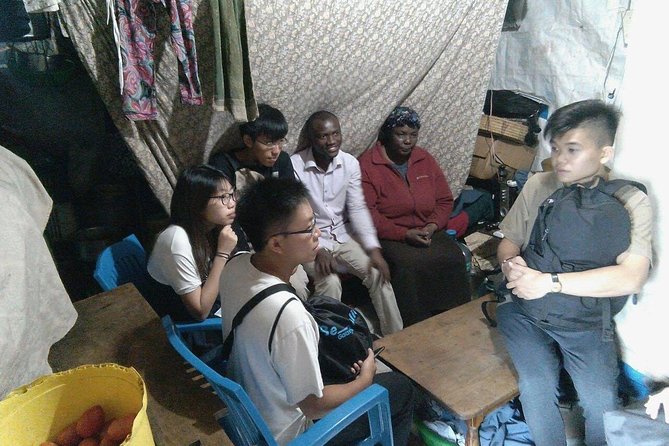
Kibera is one of those places you think you know from photos, then reality hits when you walk through it with local guidance. What makes this tour interesting is the up-close Kibera Slum feel, guided by local youth who can explain everyday life, not just point and gesture.
I really like that the experience is guided by people with real ties to Kibera. Meeting guides like Bramwel (who grew up in Kibera and still lives nearby, plus plays for the Kibera football team) makes the stories feel human and specific, and it is why I think you will learn more than you expected.
One thing to consider first: this is a neighborhood, not a theme park. You will want a respectful mindset, and you should plan for mud and the fact you may not want your camera out the whole time, since it is people’s home.
Key highlights worth your attention
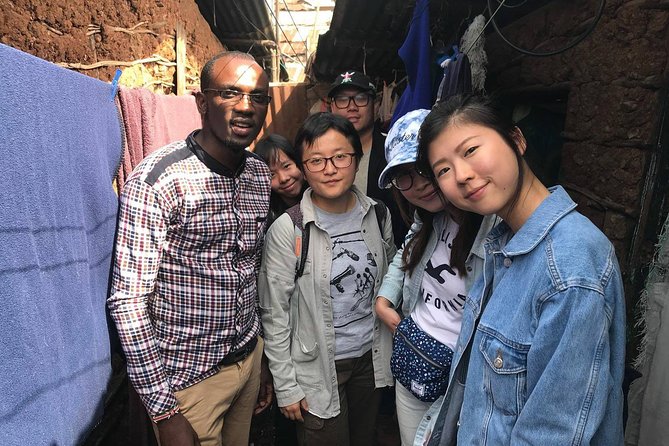
- Local guides with personal connections, including stories grounded in everyday life in Kibera
- Olympic Primary School visit, tied to education and the community’s long-term hopes
- NGO projects in housing, education, and health, explained with real-world context
- A safer, guided walking format, with guides focused on making you comfortable
- DALA’s local youth employment focus, with proceeds supporting rural girl child education through Maklweta
Kibera by Foot, Nairobi Style: What This Tour Really Means
If you are going to Nairobi and you only do the usual big hits, you will miss part of the city’s pulse. Kibera is Nairobi’s most talked-about informal settlement, but it is also East Africa’s largest, and it is home to an estimated one million residents packed into a small area. Doing it by walking tour with a youth guide changes your perspective fast, because you see routines, not just conditions.
This is not sightseeing in the normal sense. You are there to understand how people build a daily life under pressure, and how community groups and NGOs try to improve housing, education, and health. You should go with curiosity, not with a checklist.
More of Kibera:
- Nairobi: Explore Kibera Slum with Local Guides
★ 4.9 · 365 reviews - Kevins Kibera Slum Tours
★ 5.0 · 213 reviews - Nairobi: Kibera Slum storytelling tour with a Local
★ 5.0 · 185 reviews
Starting at Olympic Primary School, Then Moving Into Kibera
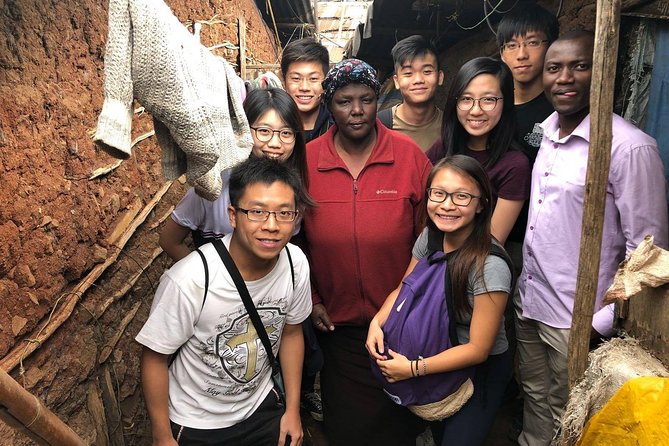
The tour starts and ends at Olympic Primary School (meeting point is MQQH+3FJ). That matters more than it sounds. Starting at a major public primary school gives you a baseline for why so many local efforts focus on education, since it is one of the most visible routes families use to push toward a better future.
Olympic Primary School is described as Kenya’s largest public primary school, and it also has a reputation for lifting families out of poverty over time. When you visit before heading into Kibera, it helps you connect two dots: the present reality in the settlement and the longer-term goal of education and stability.
The practical benefit for you is also simple. You have a clear, fixed place to meet, and you return to the same spot at the end of the walk.
Kibera With a Youth Guide: Stories, Connections, and Real Street Detail
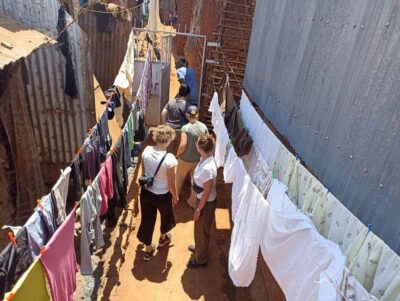
The Kibera segment is where the tour earns its reputation. You get a walking view of the settlement led by local youth guides, and you learn how the informal economy works day to day. That phrase can sound vague, but the value is that you do not only get statistics. You get explanations linked to people’s routines, the small businesses and services around you, and how neighbors navigate limited resources.
This tour also leans into personal connection. Erick, the founder behind the experience, is mentioned as someone who lived in Kibera while he worked to establish his career, and who still has relatives there. You can feel that in the tone, because it is not presented like a one-way documentary shoot. It is presented like a community relationship.
Many guides here are known for making the tour feel both informative and safe. In real life terms, that means you are not just wandering at the mercy of the street. Guides help you keep your bearings, answer questions, and keep the experience respectful. One featured account praised Bramwel specifically for being friendly, answering questions, and even showing his place.
Another strong thread from the guides is connection building. You may even meet someone along the way who invites conversation and stories, which is often where the most memorable moments happen. One visitor described being brought into a friend’s home so they could see firsthand how a family lives in Kibera.
Camera Down, Shoes On: How to Show Respect and Stay Comfortable
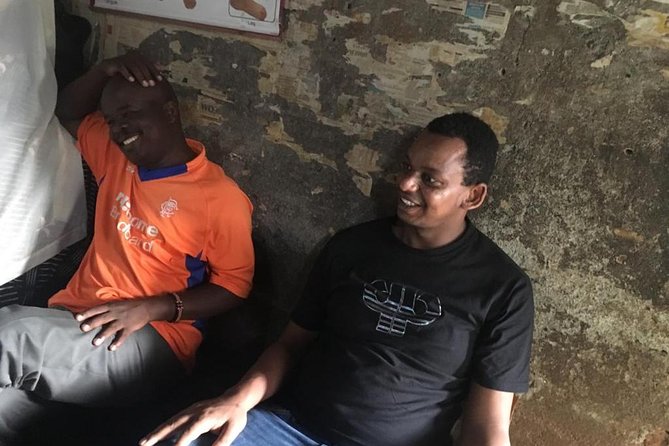
Here is the vibe check that actually helps. This is a people’s home. Several accounts highlight that you should put your camera away at times, and treat the visit like you are entering someone’s neighborhood, not like you are passing through a set. If you want photos, ask and watch how people respond. If you are unsure, keep your phone away longer than you think you need.
Wear sturdy shoes. Mud and wet patches are part of the reality of walking here, and one review explicitly advised shoes that can get wet or muddy. You do not want to spend the tour thinking about slipping. You want to spend it thinking about what you are seeing.
Also, plan your expectations. This is an emotional place to walk. It can feel humbling, especially when your guide explains the everyday challenges behind housing and basic services. The tour is often described as eye-opening for exactly that reason: it teaches you to hold both gratitude and responsibility at the same time.
More Nairobi trips to compare
- Traditional Kenyan Cooking Class & Local Market Tour
★ 5.0 · 129 reviews - Half-Day Nairobi National Park and Maasai Market with Pick up
★ 5.0 · 16 reviews - Authentic Kenyan Cooking Class & Market Tour in Nairobi
★ 5.0 · 12 reviews - Nairobi: Hop on Hop off and Maasai market Collections Visit
★ 3.5 · 10 reviews
The Role of NGO Projects: Housing, Education, and Health Explained Simply
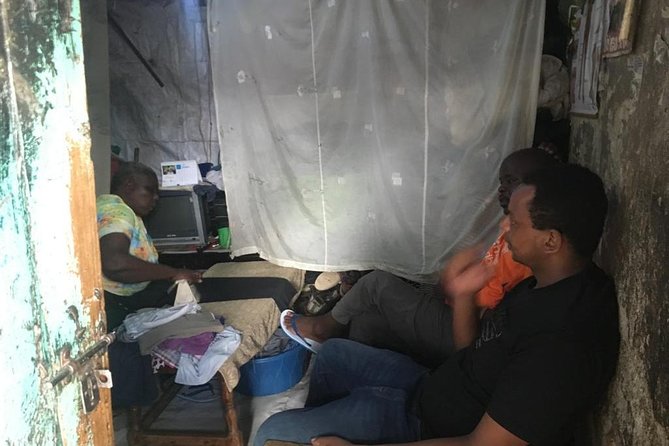
A big part of why this tour is worth your time is that it talks about NGO work without turning it into a distant lecture. You will see how efforts related to housing, education, and health are discussed, and you will learn what projects are trying to improve and how residents interpret these interventions.
This matters because it gives you a more honest view of progress. Some accounts mention that outcomes can be mixed, including plans that do not always work as intended due to challenges like corruption. That is a useful reality check for your own understanding. Development is not magic. It is people, budgets, timelines, and often politics.
When you come away from this portion, you should feel better at asking questions in your own mind. Instead of only thinking, Why is it like this? you will start thinking, What is being tried, what is working, and what is still missing.
Why DALA: Youth Jobs, Pay-As-You-Go Trust, and Maklweta

The second part of the tour focuses on why the experience is run the way it is. The message is clear: your booking helps employ local youth, and it supports a local approach rather than an outsourced model. The material explicitly notes that Kenya has youth unemployment rates over 50 percent, so hiring and training youth is not a small side goal. It is a central mission.
This firm is described as 100 percent indigenous, and it emphasizes an authentic local touch. The style is also framed as friendship over bureaucracy, and one of the most practical details is that there is no pressure to send money in advance. The approach is described as pay-as-you-go, built on trust between you and the team.
There is also a charity connection. Part of proceeds from bookings helps run MAKLWETA, a charity founded to support rural girl child education (you can check maklweta.org if you want to read more). If you care about education as an impact pathway, this is one of the stronger value threads in the tour.
Price and Value for Nairobi: Is $25 Actually a Fair Deal?
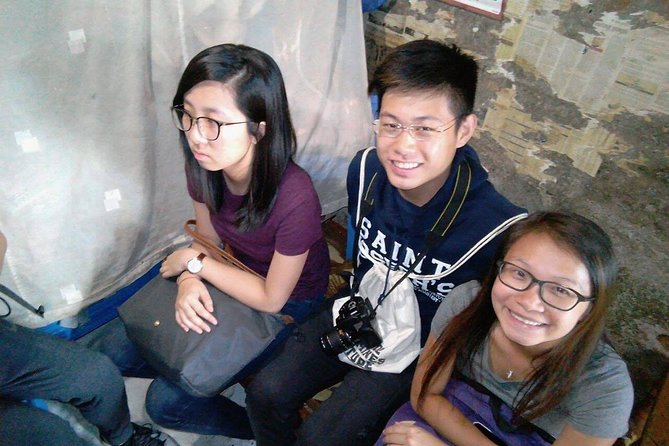
The price is $25 per person, and the tour runs about 2 to 3 hours. For Nairobi, a guided walking experience can vary widely in quality and intent, especially in sensitive areas. Here, value comes from two things: guided context and the local employment mission.
You are not paying for a long bus ride or an abstract talk. You are paying for time with local youth guides, plus the structure that keeps the experience safe and respectful. A maximum group size of up to 50 travelers is also part of the practical picture. With larger groups, you often get less attention, so your best bet is to ask how your specific group is handled and to rely on the guide for pacing.
One more value note: admission tickets are listed as included, and all fees and taxes are included. Lunch is not included, but local restaurant visits are available at your request. That gives you flexibility. You can eat lightly if you want to keep energy up, or you can skip it if you just want to get back to your hotel and process the day.
Logistics That Matter: Meeting Point, Mobile Ticket, and Transfers
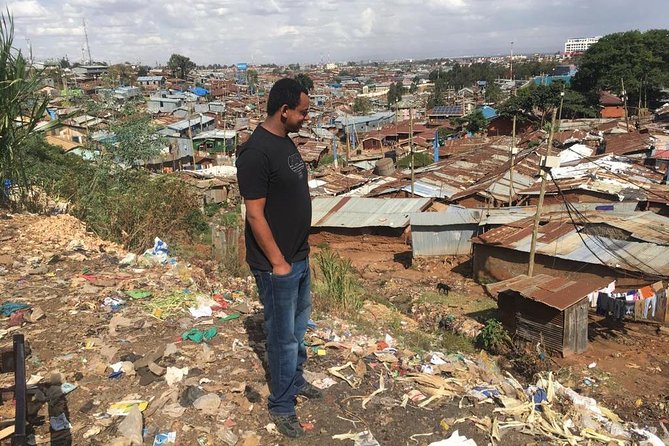
You meet at Olympic Primary School, and the tour ends there. That reduces confusion and helps first-timers. The meeting point is also identified with a Google Maps pin (MQQH+3FJ), which is useful when traffic and signage get chaotic.
You’ll have a mobile ticket, and the tour mentions that round-trip transfers from the designated meeting point are provided. Transfers matter here because you are heading between an established public area and a community neighborhood, and it keeps the whole flow smoother.
The tour also states it is near public transportation, and service animals are allowed. Most people can participate, which suggests the walking is not described as extreme. Still, you should be prepared for uneven terrain and wet spots, based on the footwear advice.
Who This Tour Fits Best, and Who Should Rethink It
This tour is a strong fit if you want an authentic Nairobi experience with local voices guiding the conversation. If your travel style includes meeting people, asking questions, and learning how daily life works, you will probably feel satisfied by the time spent in Kibera and the focus on what local efforts are doing.
It is also a good match if you care about education impact, since Olympic Primary School is part of the route and Maklweta supports rural girl child education.
You might want to rethink it if you dislike walking, get uncomfortable in emotionally heavy settings, or expect a casual photo tour. This is not built for that. One review even highlights that you should put your camera down because it is a home, not a show.
Practical Tips Before You Go
Here are the things I would do before booking and before showing up, based on what is emphasized by the team and what visitors call out:
- Bring sturdy shoes that can handle mud or wet ground.
- Keep your phone camera controlled. Ask if photos are welcome and watch body language.
- Go in with questions. Your guide can answer a lot when you ask.
- Dress for walking comfort, not just for looking good in Nairobi.
- Plan for an emotional impact. The tour aims to be humbling and eye-opening, not just informative.
If you do those basics, you will get more out of the stories and more out of the time.
Should You Book This Kibera Slum Tour and Olympic Primary School Visit?
If you are choosing between a quick look and a guided understanding, I think this is the kind of tour that rewards the effort. The best reason to book is the combination of local youth guidance plus real context on NGO work, tied to education at Olympic Primary School and the Maklweta charity connection.
I would book if you want more than a drive-by. This is about learning the informal economy, understanding daily resilience, and seeing how education and community projects fit into the bigger picture.
I would hesitate only if you want a relaxed, purely recreational outing. This walk can be intense. It can also be deeply meaningful when you treat it as a human encounter.
FAQ
How long is the Kibera Slum and Olympic Primary School tour?
The experience lasts about 2 to 3 hours.
How much does it cost, and what is included?
It costs $25 per person. All fees and taxes are included, and admission ticket(s) are included. Lunch is not included, though you can visit local restaurants at your request.
Where do I meet, and does the tour end nearby?
You start and end at Olympic Primary School, with the meeting point listed as MQQH+3FJ, Nairobi, Kenya.
Are tips included in the price?
No. Tips are listed as not included.
Can I cancel for a full refund?
Yes. Free cancellation is available if you cancel up to 24 hours in advance for a full refund.
Are service animals allowed?
Yes. Service animals are allowed.
Recently reviewed from Nairobi
- Amboseli Day Trip from Nairobi★ 4.5 · 3 reviews
- Nairobi city tour★ 4.5 · 3 reviews
- Ngare Ndare Day Trip★ 5.0 · 3 reviews
- 1-Day Amboseli Safari★ 5.0 · 3 reviews
- Day Trip To Crescent Island And Hells Gate National Park★ 5.0 · 3 reviews
- Crescent Island Day Tour From Nairobi★ 5.0 · 3 reviews
- 13-Day Uganda Mgahinga Gorilla Trek, Maasai Amboseli Park★ 5.0 · 3 reviews
- 4 days group joining budget safari to Maasai Mara only★ 5.0 · 3 reviews
Kibera, compared.



Kibera Slum Tour with Local Social Entrepreneurs
Read our review →

Browse the lists this tour appears in