
Reviewed · MARKETS
Authentic Kenyan Cooking Class & Market Tour in Nairobi
What makes this Nairobi experience stand out is the two-part format: you start in a real local market, then shift to a private home kitchen where you cook and eat as part of daily life. It is not just a class, it is also a people-and-food afternoon.
I love how hands-on it is, you are doing real prep, not watching from the side. I also like that you spend real time chatting at the home table, so the food lessons come with stories and context, not just recipes.
One consideration: it is not suitable for people with food allergies, and the home kitchen space is limited, so come ready for close, active participation and some walking.
Key highlights at a glance
- Market-first ingredient shopping with a chance to interact with locals
- Cooking with a host in a private home and getting a chance to taste as you go
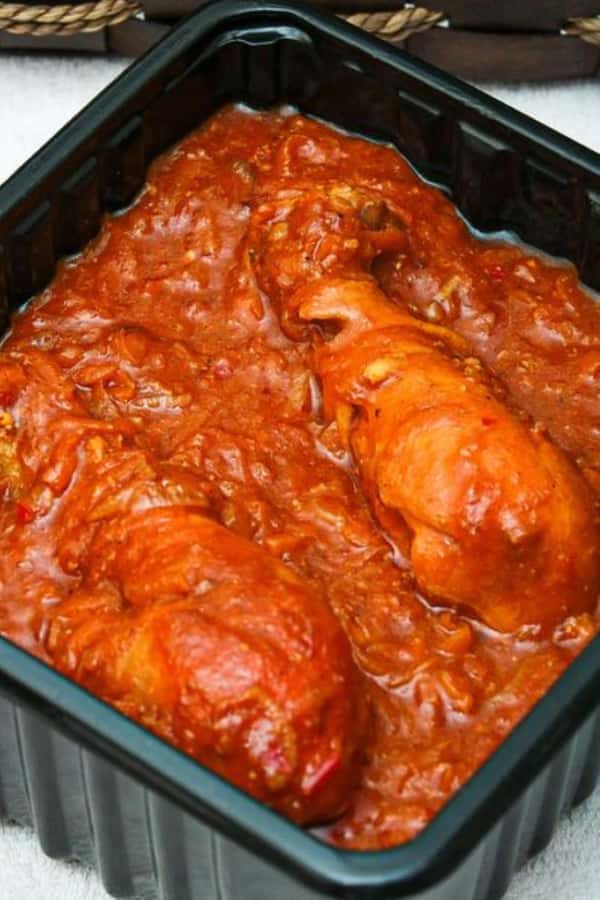
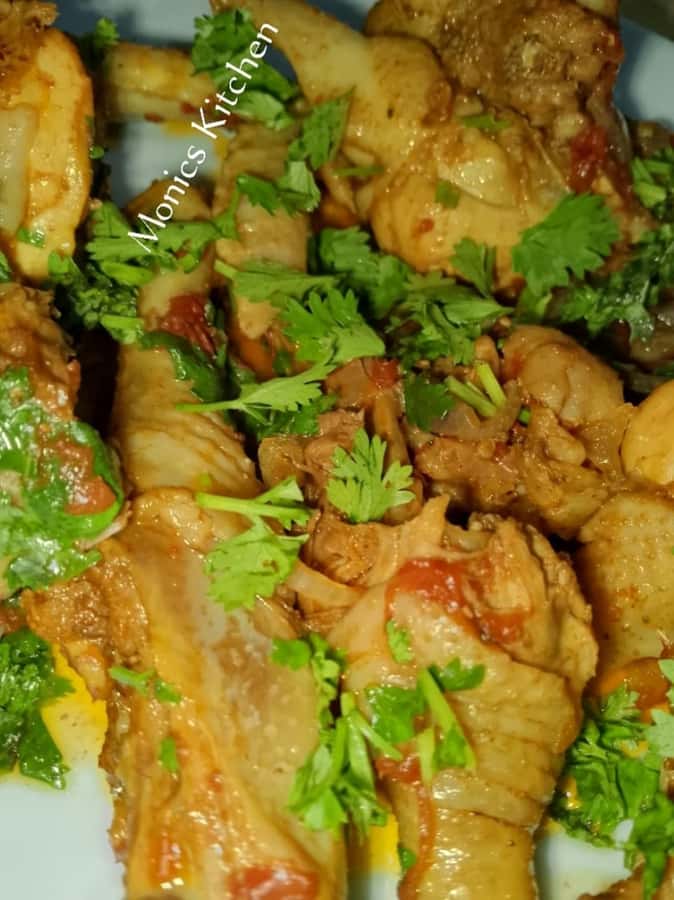
- Real Kenyan dishes like ugali, pilau, mukimo, githeri, and kuku kienyeji
- Fresh sides and salads such as kachumbari and greens like sukuma wiki
- Lunch and beverages included, soda, water, and tea to keep you fueled
- Secure neighborhood experience designed for a comfortable cultural visit
Why the market-to-home format feels more real in Nairobi
A lot of Nairobi food experiences stop at the lesson. This one keeps going. You begin by buying ingredients at a local market, so the day makes sense from the start. Instead of memorizing dishes, you connect them to what you actually see, smell, and choose while you are there.
Then you move to the outskirts home, where the pace changes. In the market, you are reading the environment. In the kitchen, you are learning how daily meals get made, how flavors get built, and how people manage the timing. That shift is why this experience lands well for many first-time visitors. You get culture and technique in the same afternoon.
Another plus is the tone. The focus is on hospitality and storytelling, with the host guiding in English and Swahili so you are not left guessing what is happening or why a step matters.
More Cooking Classes in Nairobi:
- Traditional Kenyan Cooking Class & Local Market Tour
★ 5.0 · 129 reviews - Private Traditional Kenyan Cooking Class with Lunch in Nairobi
★ 5.0 · 10 reviews - Market Tour and Traditional Kenyan Cooking Class in Nairobi
★ 4.8 · 6 reviews
Meeting point and getting there without stress
You meet at K-MALL Komarocks parking lot. From there, transportation to the market is included. If you are already staying around Nairobi, this is a simpler setup than coordinating multiple rides or getting lost on the way to the start.
Two practical things to keep in mind:
- Wear comfortable shoes. The market part means walking and standing.
- Bring cash. The activity requests cash, so having it on hand helps you avoid last-minute friction.
Also note what is not included: you will not have Uber fees included, and alcoholic drinks are not part of the lunch package. Soda, water, and tea are included, so you can plan around that.
Market tour: choosing food like a local (and learning fast)
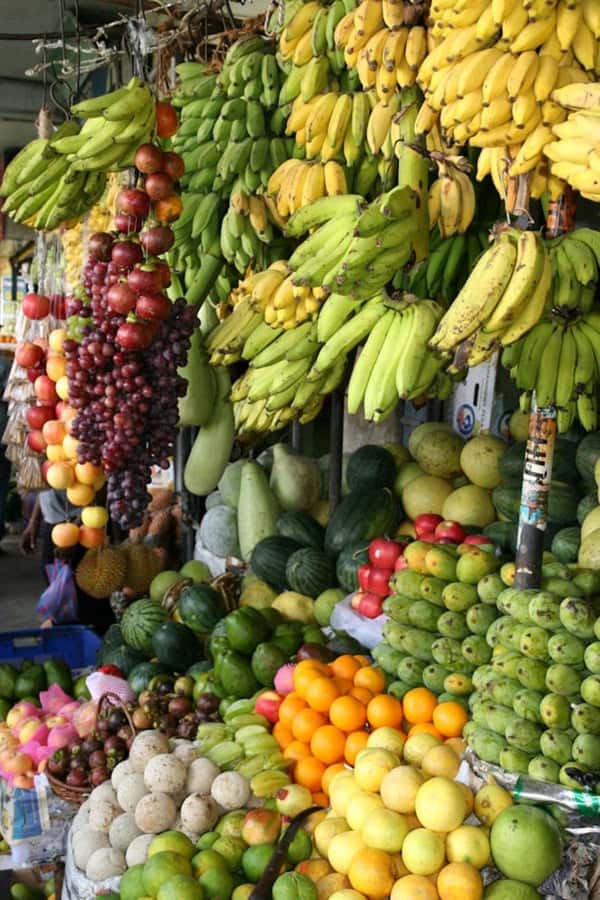
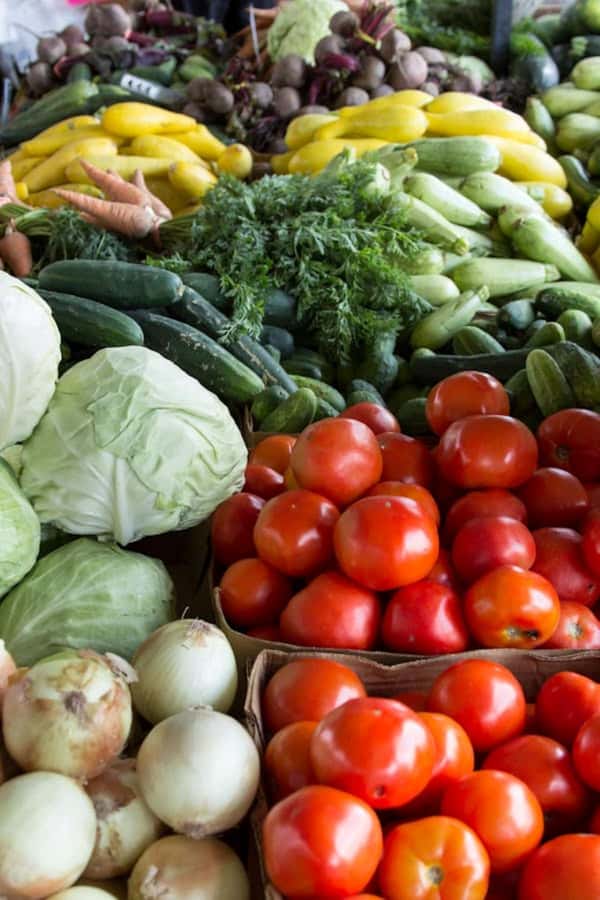
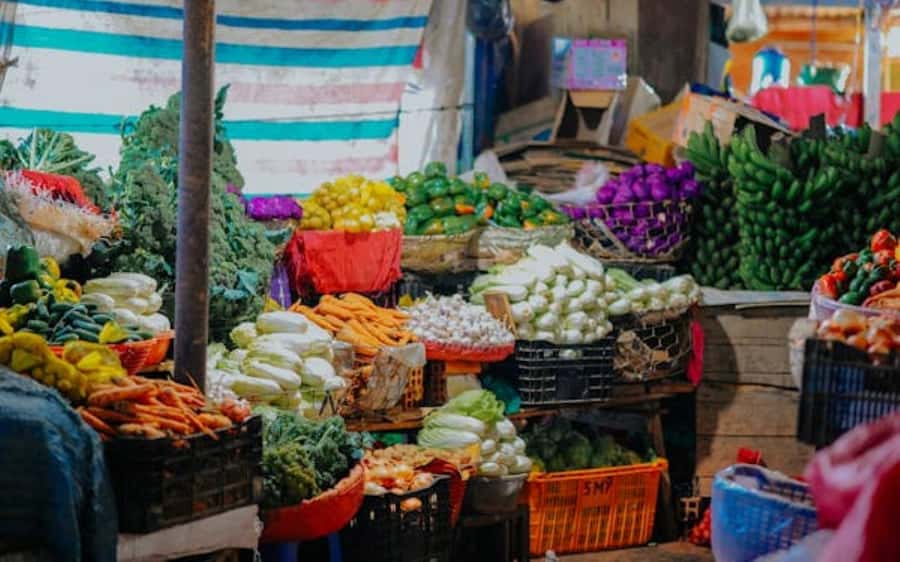
The market segment is where the day turns from learning into understanding. You walk through a busy food environment, interact with locals, and pick ingredients that match the dishes you will cook later.
Here is what you should pay attention to, because it makes the cooking step much easier:
- Greens and vegetables for sides like sukuma wiki and any chopped salads
- Staples and grains tied to dishes like ugali and pilau
- Aromatic ingredients that shape the flavor base, especially for rice dishes
The experience is also a chance to get your bearings in Nairobi. Even if you have visited markets before, this one is still a great reset because you are there with a guide who can help you translate the everyday food choices into cooking logic.
From a comfort standpoint, the day is designed around a secure neighborhood visit afterward. That matters. You get cultural contact without feeling like you are wandering on your own after you finish shopping.
In Tabby’s kitchen: what you actually cook and why it matters
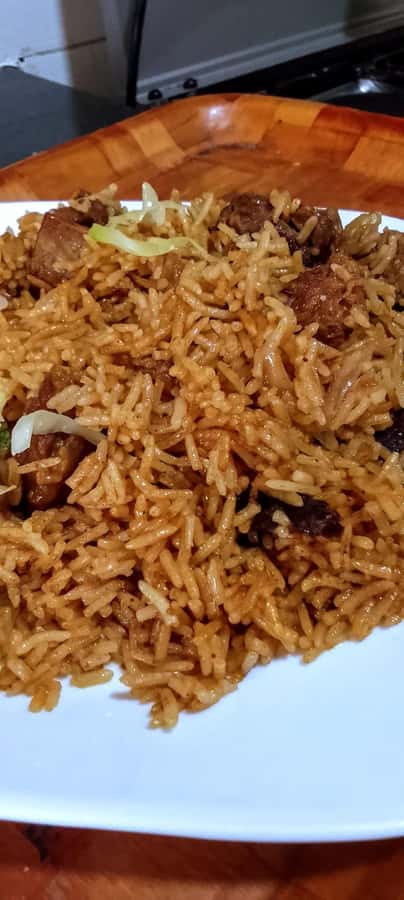
Once you reach the home kitchen, the focus becomes technique and participation. Space is limited, but you still get plenty of chances to help out, taste, and ask questions.
You will learn to prepare a mix of familiar and distinct Kenyan favorites. Based on what is offered, your menu can include:
- Ugali (a key staple, often made from maize meal)
- Pilau (rice with spices, shaped by aromatics and cooking method)
- Mukimo (a traditional mash-style dish made with vegetables and beans, depending on what is in season)
- Githeri (a hearty beans-and-corn style meal)
- Kuku kienyeji (traditional chicken, often with a flavor profile different from the broiler-style you might know)
- Kachumbari (fresh chopped salad, usually built for tang and crunch)
- Sukuma wiki (greens cooked down into a satisfying side)
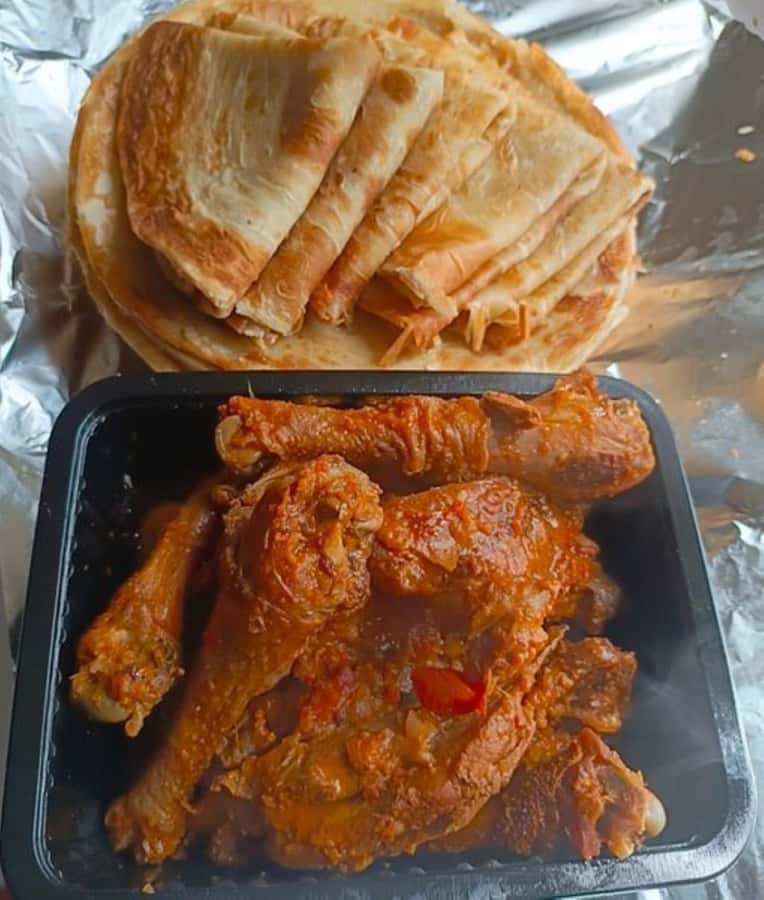
- Chapati (a softer flatbread option you might not expect on a home menu, but it fits well with many Kenyan dishes)
More Nairobi trips to compare
- Memorable Daily KIBERA Slums/Toi Market Tour with Locals (2 hours)
★ 5.0 · 29 reviews - Half-Day Nairobi National Park and Maasai Market with Pick up
★ 5.0 · 16 reviews - Nairobi: Hop on Hop off and Maasai market Collections Visit
★ 3.5 · 10 reviews - Explore local Market matatu ride & Make Kenyan Cuisines with a home cook
★ 5.0 · 8 reviews
The big value of cooking in a home, not a studio
You are not just collecting recipes. You are watching how someone handles timing. For example, if rice is cooking, sides need to be staged so they finish together. If greens are simmering, chopping and mixing has to happen while you keep an eye on what is on the stove.
That is the kind of “how” that makes the food feel doable later, whether you try it at home or just understand it more deeply while eating it in Nairobi.
Limited kitchen space, real participation
Because the kitchen space is limited, do not expect wide open workstations. The upside is that the host keeps things moving so you are actively involved. If you are the type who learns best by doing, this works in your favor.
The only drawback is simple: it is not a passive sit-and-watch experience. If you want a quiet, hands-off meal, this may feel like too much. If you like being hands-on and social, you will probably enjoy it.
The lunch table: food, conversation, and local rhythm
After cooking, you share the meal. This is where the cultural side clicks.
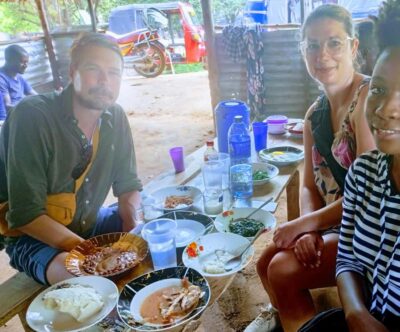
The host welcomes you into the home, and conversation comes naturally. Many people rate this part highly because it is not a performance. You get a sense of everyday life, the kinds of challenges people talk about, and what food means beyond taste.
Lunch includes the dishes you helped prepare, plus beverages like soda, water, and tea. That keeps the experience focused on comfort and hospitality rather than extra purchases.
A smart move here is to go in hungry but also ready to slow down. The best value of a home meal is taking time. You will remember details like spice choices, texture, and the order things get served, more than you will remember a list of ingredients.
Price and value: is $64 per person worth it?
At $64 per person for a 4-hour experience, the real question is what you get for that time. You are not only paying for instruction. You are paying for:
- A guided market tour and ingredient selection
- Transport to and from the market
- Cooking lessons with active participation
- Lunch and beverages (soda, water, tea)
- A host who shares the home setting and conversation
That is a lot bundled into one half-day. The value is strongest if you want more than a cookbook-style class. If you want both food and human context, this format justifies the price more easily.
If you are strictly budget-minded and you only want one dish lesson, you might find cheaper classes. But the market-to-home structure is the differentiator, and that usually comes with the higher price tag.
Who should book this cooking class in Nairobi
This one is a good match if you:
- Want an authentic Nairobi food experience without staying locked in a restaurant
- Enjoy hands-on lessons where you can taste and adjust
- Like talking with locals and hearing real-life stories
- Are comfortable walking around a market and helping in a home kitchen
It is not a good match if you:
- Have food allergies (the activity is not suitable)
- Are over 95 years (not suitable)
One more practical tip. Kids under 10 get free entrance, so if you are traveling with younger kids, this may be a manageable option, as long as the rest of your group is comfortable with active participation in the home setting.
What to bring and wear so nothing slows you down
To keep the day smooth, follow the basic packing list:
- Comfortable shoes for market walking
- Comfortable clothes that you can move in
- A camera if you want photos of ingredients and the home setting
- Cash, since the experience requests it
Also, note what is not allowed: weapons or sharp objects. It is a standard safety rule, but it is worth remembering.
For comfort, I’d also suggest bringing a light layer. Nairobi mornings and afternoons can vary, and cooking kitchens can get warm.
Should you book it, or pick a different Nairobi food stop?
If you want a Nairobi food experience that feels like a real day, not a staged activity, I think this one is a strong choice. The combination of market ingredient shopping, home cooking with participation, and a shared lunch makes the learning feel natural.
Book it if you are curious about Kenyan staples like ugali and pilau, and you want to understand how sides like kachumbari and sukuma wiki fit into the meal. I also like this option for people who want English and Swahili guidance so you can actually follow what you are doing.
Skip it if you have food allergies or you want a more passive experience. And if close kitchen space would make you uncomfortable, consider how you usually handle hands-on settings.
FAQ
What is the duration of the Kenyan cooking class and market tour?
The experience runs for 4 hours.
Where do I meet the host or guide?
You meet at K-MALL Komarocks parking lot so you can proceed to the market.
What dishes are taught or prepared during the class?
You can expect to cook Kenyan dishes such as kachumbari salad, sukuma wiki, ugali, chapati, pilau, and some kuku kienyeji, along with other traditional dishes like mukimo and githeri.
What is included in the price?
Included are local host services, transport to and from the market, cooking lessons, lunch, and beverages such as soda, water, and tea.
What should I bring to participate?
Bring comfortable shoes and comfortable clothes, plus a camera and cash.
Is it suitable for people with food allergies?
No, it is not suitable for people with food allergies.
Recently reviewed from Nairobi
- Amboseli Day Trip from Nairobi★ 4.5 · 3 reviews
- Nairobi city tour★ 4.5 · 3 reviews
- Ngare Ndare Day Trip★ 5.0 · 3 reviews
- 1-Day Amboseli Safari★ 5.0 · 3 reviews
- Day Trip To Crescent Island And Hells Gate National Park★ 5.0 · 3 reviews
- Crescent Island Day Tour From Nairobi★ 5.0 · 3 reviews
- 13-Day Uganda Mgahinga Gorilla Trek, Maasai Amboseli Park★ 5.0 · 3 reviews
- 4 days group joining budget safari to Maasai Mara only★ 5.0 · 3 reviews
Markets, compared.

Traditional Kenyan Cooking Class & Local Market Tour
Read our review →
Mombasa City Tour,Fortjesus,Oldtown,Tusks and Spice Market.
Read our review →
Half-Day Nairobi National Park and Maasai Market with Pick up
Read our review →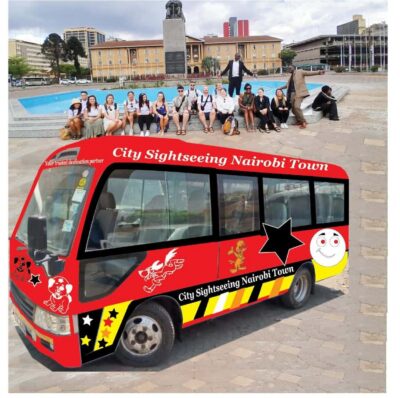
Hop on Hop off and Maasai market Collections Visit
Read our review →
Explore local Market matatu ride & Make Kenyan Cuisines with a home cook
Read our review →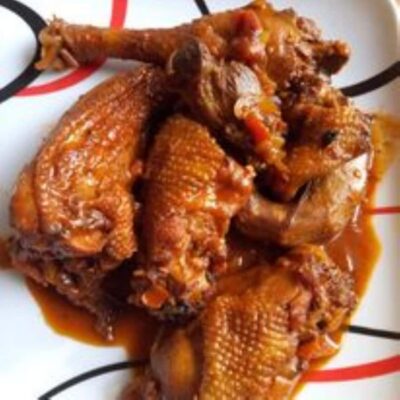
Market Tour and Traditional Kenyan Cooking Class in Nairobi
Read our review →
Browse the lists this tour appears in