
Reviewed · CITY TOURS
Nairobi: Maasai Market and Nairobi City Tour
Nairobi has this mix you cannot fake. You get modern city energy, plus public landmarks tied to Kenya’s story, and then you step into the Maasai Market where culture shows up in dress, color, and craft. I love that this tour builds your street smarts fast, with Swahili words and real explanations as you walk. I also love the way the route strings together old and new Nairobi in a way that feels practical, not rushed.
My favorite part is the focus on specific monuments, including the Dedan Kimathi Monument and the Tom Mboya Monument. I went at a good pace with Paul as the guide, and his calm, clear building and history explanations made the stops click, plus he helped me feel confident moving through the center.
One thing to consider: this is a walking tour, and it is not designed for people with mobility impairments or wheelchair users. If you need frequent step-free breaks, you might want to choose something more flexible.
Key highlights at a glance

- Swahili practice as a quick, fun way to understand what you see around you
- Dedan Kimathi and Tom Mboya monuments stop-by-stop explanations during the city walk
- Uhuru Gardens as a short green pause before you hit markets and memorials
- Nairobi City Market snack time, where you can try something local and keep moving
- Maasai Market visit with a guided look at cultural design and craft
Why This Nairobi Walk Works: Markets, Monuments, and Swahili Lessons

This is a tour for people who want Nairobi in one compact, guided shot. You do not just look at landmarks. You get context, then you move on to the next place while things are still fresh in your head.
The Swahili piece is small but useful. Even a handful of words helps you connect with the city instead of just passing through it. And because the guide is with you the whole time, you can ask questions on the spot, which makes the language part feel more like a real interaction than a classroom exercise.
I also like that the tour mixes serious public sites with everyday city life. You are not stuck in a photo-only loop. You stop, listen, and then see how Nairobi functions when you walk past shops, libraries, and civic buildings.
More City Tours in Nairobi
- Nairobi Historical Walking City Tour
★ 5.0 · 258 reviews - Nairobi City Walking Tour with Traditional Kenyan Lunch
★ 5.0 · 106 reviews - Nairobi: Private 4-Hour City Tour
★ 4.5 · 68 reviews
Meeting Your Guide, Getting Oriented, and Staying Comfortable
The day starts with hotel pickup, then you head to the central area with your English guide. The format is a private group, so you are not squeezed into a large crowd. That matters in Nairobi, where the “best” experience usually comes from moving at a pace that matches your group.
In at least one case, the guide asked if you wanted to take the local bus to get into the centre. That is a smart option if you want an inexpensive, real-life transit taste, and it can also make the route feel less like a rigid checklist. Even if you do not take the bus, the key value is orientation. Your guide helps you understand where you are and why each stop matters.
The vibe from the guides described in feedback is calm and attentive. Paul, for example, was praised for explaining places and buildings clearly while keeping things relaxed. That kind of energy matters on city-center walking days, when it is easy to feel rushed or overwhelmed.
Uhuru Gardens Stop: A Short Breather With Meaning
Uhuru Gardens is your first structured visit, about 30 minutes. It functions like a reset point. You get a moment to step back from the crush of the city center and regroup before moving into markets and memorial sites.
What makes this stop worth doing on this tour is timing. You arrive after pickup and a guided stretch through the city, then you get a break that keeps the day from feeling like non-stop concrete. It also helps that the guide continues to connect what you are seeing with Nairobi’s story, not just with what looks good in a photo.
If you like photography, use this time to capture the wider feel of the area. If you are more practical, use it to stretch your legs and prepare for the rest of the walking segment.
Nairobi City Market and McMillan Memorial Library: Snack, Senses, and Local Rhythm
After Uhuru Gardens, you move toward the Nairobi City Market area, with time built in to explore and grab a snack. This is not just about eating. It is about understanding how people actually spend time in the city center.
The tour’s emphasis here is straightforward: discover local cuisine at Nairobi City Market and try a snack. Since food and drinks are not listed as included, plan to pay for what you choose, but do not overthink it. The point is trying something local while the guide is still around to help you pick wisely.
Nearby you also visit the McMillan Memorial Library. Even without getting lost in architectural details, the value is the contrast. You see civic culture in one direction and everyday market life in the other. That contrast helps you understand Nairobi as a working city, not just a set of monuments.
Practical tip: keep your snack simple and portable. You will be walking after eating, so pick something you can carry or finish quickly without slowing the group.
More Nairobi trips to compare
- Traditional Kenyan Cooking Class & Local Market Tour
★ 5.0 · 129 reviews - Memorable Daily KIBERA Slums/Toi Market Tour with Locals (2 hours)
★ 5.0 · 29 reviews - Half-Day Nairobi National Park and Maasai Market with Pick up
★ 5.0 · 16 reviews - Authentic Kenyan Cooking Class & Market Tour in Nairobi
★ 5.0 · 12 reviews
Dedan Kimathi and Tom Mboya Monuments: How Public Memory Shows Up

One of the tour’s strongest moments is the attention given to monuments. You will stop at the Dedan Kimathi Monument and the Tom Mboya Monument, with the guide explaining facts about Nairobi’s history and the modern-day relevance of what you are looking at.
This kind of stop is only “good” if someone helps you read it. That is why your guide’s role matters so much here. In feedback, Paul was singled out for explaining well about places and buildings. When the guide connects the monument to Nairobi’s broader story, your photos turn into real understanding.
Also, these stops are where you learn the most if you ask questions. If you want depth, ask why that site is placed where it is, or what the guide wants you to notice. Since the tour is private, you are more likely to get clear answers instead of being rushed.
Wear comfortable shoes here. Even if each monument visit feels short, you will still be covering ground between them.
Kipande House, Kenya Archives, Parliament Buildings, and All Saints Cathedral
The city-walk section continues with several civic and institutional stops, including Kipande House, the Kenya Archives, the Parliament Buildings, and the All Saints Cathedral. The pattern is consistent: you visit, you listen, and you walk again.
Here is why this part is valuable. These sites help you understand the “governing and recording” side of a city. Markets and marketside snacks are Nairobi’s daily pulse, but archives, parliament grounds, and formal religious spaces are part of how the city organizes memory, rules, and identity.
At the Parliament Buildings and All Saints Cathedral area, you also get a sense of the city’s scale and layout. The tour includes time for you to stroll through the modern part of Nairobi and take in the skyline, so the day ends up feeling like a full spectrum view.
A practical note: these are public, fixed-location sites. That means you might spend some time standing, looking, and listening rather than just moving. If you are the type who gets restless quickly, keep your energy up with small water breaks and quick snack bites earlier in the day.
Maasai Market Visit: Craft, Color, and Cultural Symbolism
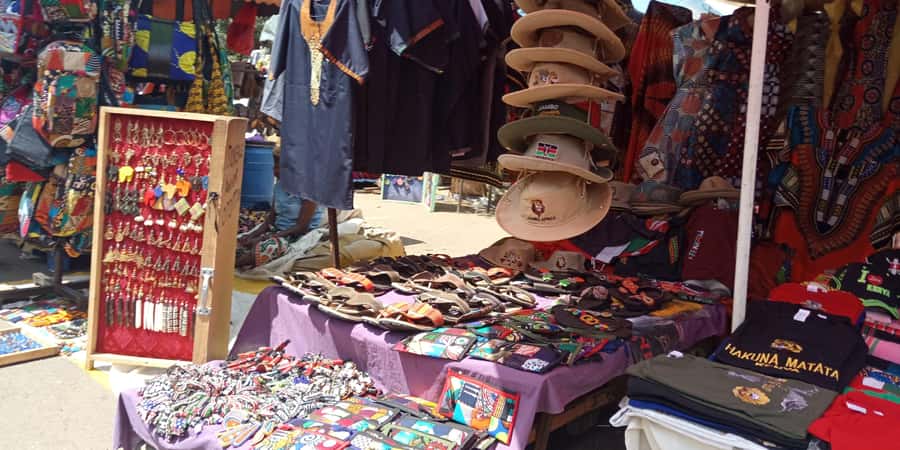
Then comes the Maasai Market stop, with about 30 minutes to visit and explore with guidance. This is the cultural counterweight to the monuments and civic buildings.
The tour framing highlights decorative arts and visible cultural symbolism. Even if you do not do heavy shopping, this stop works because you can see how design shows up in craft and everyday display. You can learn what to look for, and you can ask questions without feeling like you are interrupting anyone.
If you want to buy something, set expectations. The goal here is informed browsing, not a pressure sale. Your time is limited, so decide in advance what you are shopping for, like small items or specific types of craft. That way, you do not waste minutes trying to figure out your budget after the fact.
Also, keep your phone charged. This is the kind of place where a little photo planning helps you remember what you liked when you are back at your hotel.
How Long, How Much, and Whether It Feels Worth It
This tour runs about 4 to 5 hours. The guided portion is around 3 hours, with shorter structured visits such as Uhuru Gardens (about 30 minutes) and the Maasai Market (about 30 minutes). In other words, you are not on the move every single minute, but you are still walking a lot.
Price is $35 per person. For Nairobi city center, that is generally fair for a guided half-day that includes hotel pickup and drop-off, an English guide, and mineral water (500 ml). Food and drinks are not included, so you should budget a little extra for your chosen snack.
Where the value really shows is in the “guided clarity” portion. A DIY stroll through central Nairobi can be fine if you already know what each site is. If you do not, this kind of guided route saves time and turns landmarks into information you can actually use.
If you enjoy cities where you learn by walking, this is a good use of a single day. If you hate group schedules, you may feel boxed in by the stop timings. Still, the private group format helps smooth that out.
Who This Tour Suits (and Who Should Skip It)
This tour is a good match if you want:
- A structured introduction to Nairobi without needing a whole day
- A guide who helps you connect monuments and civic sites to the city’s present
- Market time, including a snack stop at Nairobi City Market
- A guided Maasai Market visit where you can look and ask questions
It is likely less ideal if:
- You need wheelchair access or have mobility limits. The tour is not suitable for wheelchair users or people with mobility impairments.
- You want a purely “relax and wander” day. This is an information-rich walking route with guided stops.
Should You Book This Nairobi City and Maasai Market Tour?
I would book it if you are in Nairobi for a short stay and you want a smart, guided way to see the city center. The best reason is the pairing: public monuments and civic landmarks, followed by market culture and craft.
It also feels like a safe bet because the guides described in feedback are calm and helpful, with clear explanations and a steady pace. Add hotel pickup and drop-off, plus mineral water included, and you have a comfortable plan for half a day.
If your priority is long, unstructured time in one neighborhood or you need step-free access, then look for a different style of tour. But if you want a compact Nairobi orientation that ends with market culture, this one is a strong choice.
FAQ
How long is the Nairobi Maasai Market and City Tour?
It runs about 4 to 5 hours total.
What is included in the price?
Hotel pickup and drop-off, an English tour guide, and 500 ml mineral water are included.
Is food included?
No. Food and drinks are not included, though the tour includes time to enjoy a snack of your choice at a traditional Nairobi restaurant.
Where does the tour drop you off?
Drop-off is listed at two locations, Nairobi and International House.
Is this tour private?
Yes, it is a private group.
Is the tour suitable for wheelchair users or people with mobility impairments?
No. It is not suitable for people with mobility impairments or wheelchair users.
Recently reviewed from Nairobi
- Amboseli Day Trip from Nairobi★ 4.5 · 3 reviews
- Nairobi city tour★ 4.5 · 3 reviews
- Ngare Ndare Day Trip★ 5.0 · 3 reviews
- 1-Day Amboseli Safari★ 5.0 · 3 reviews
- Day Trip To Crescent Island And Hells Gate National Park★ 5.0 · 3 reviews
- Crescent Island Day Tour From Nairobi★ 5.0 · 3 reviews
- 13-Day Uganda Mgahinga Gorilla Trek, Maasai Amboseli Park★ 5.0 · 3 reviews
- 4 days group joining budget safari to Maasai Mara only★ 5.0 · 3 reviews
City Tours, compared.

Tusks, Fort Jesus, Old Town, Beach and City Tour
Read our review →
Nairobi City Walking Tour with Traditional Kenyan Lunch
Read our review →
Nairobi Cultural and Historical City Tour with a Local
Read our review →


Browse the lists this tour appears in