
Reviewed · WALKING TOURS
Nairobi Walking tour:Explore History Culture and Traditions
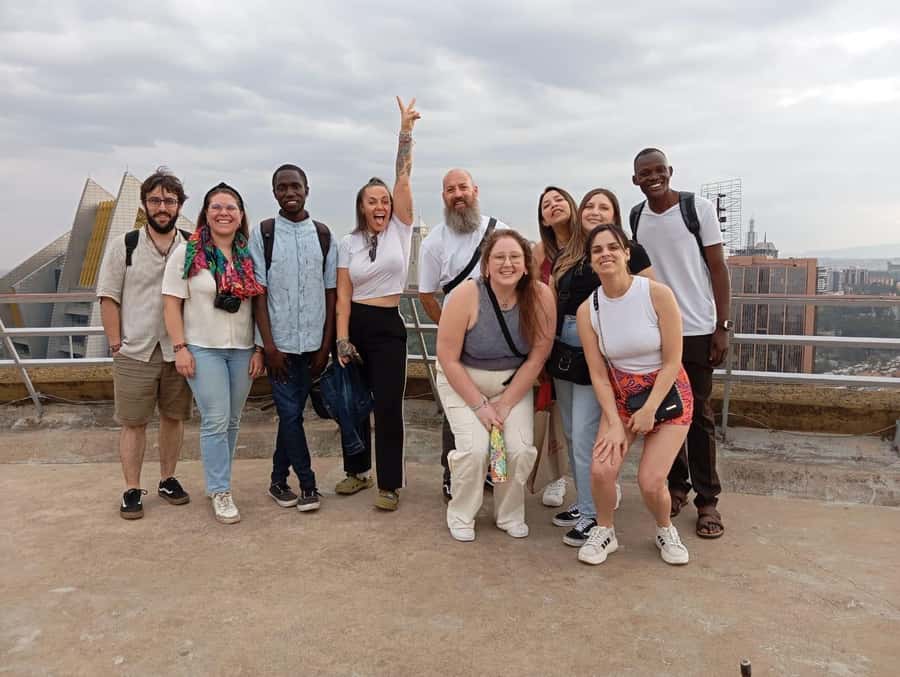
Nairobi’s city center is a lot more than office blocks and traffic. On this 3-hour walking tour, you stitch together war memory, religion, markets, and politics into one easy route you can handle on foot. It starts right by major landmarks, so you get your bearings fast.
I really like how the tour uses great storytelling to connect places you might otherwise just pass by. Guides such as Edwin and John are repeatedly praised for explaining the why behind what you see, and for keeping the pace comfortable so the walk does not feel long. I also like the mix of stops that includes both a coffee break and real time to sit and breathe in Uhuru Park.
The main consideration is the walking and the sun. You are outside a fair amount, and the schedule includes multiple short visits and photo stops, so bring water and protect yourself from heat and sudden weather shifts.
Key highlights you should care about
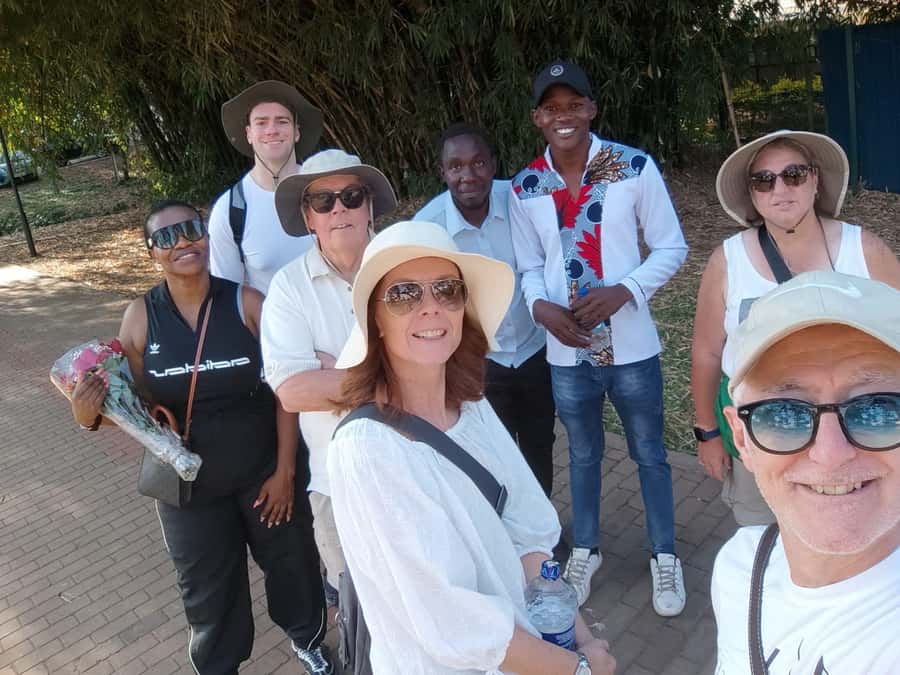
- Carrefour start near the Supreme Court, a simple meeting point that sets the route up well
- Story-driven guiding with names like Edwin and John mentioned for making history feel personal
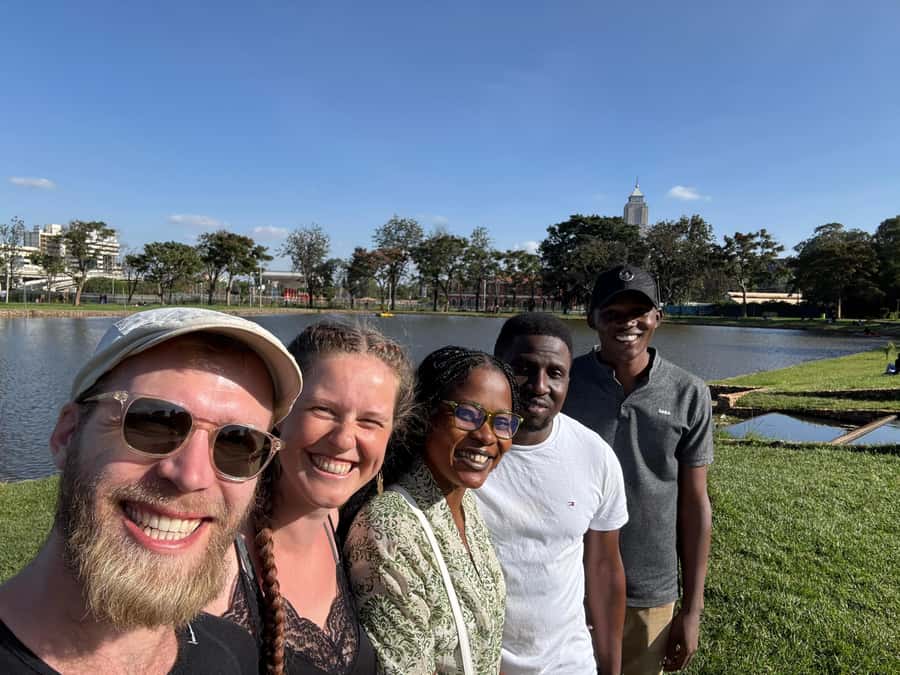
- Uhuru Park time to slow down, cool off, and take in green space in the CBD
- Coffee stop timed with a rest break, so you can refuel without rushing ahead
- Big-photo moments around the KICC and nearby government buildings
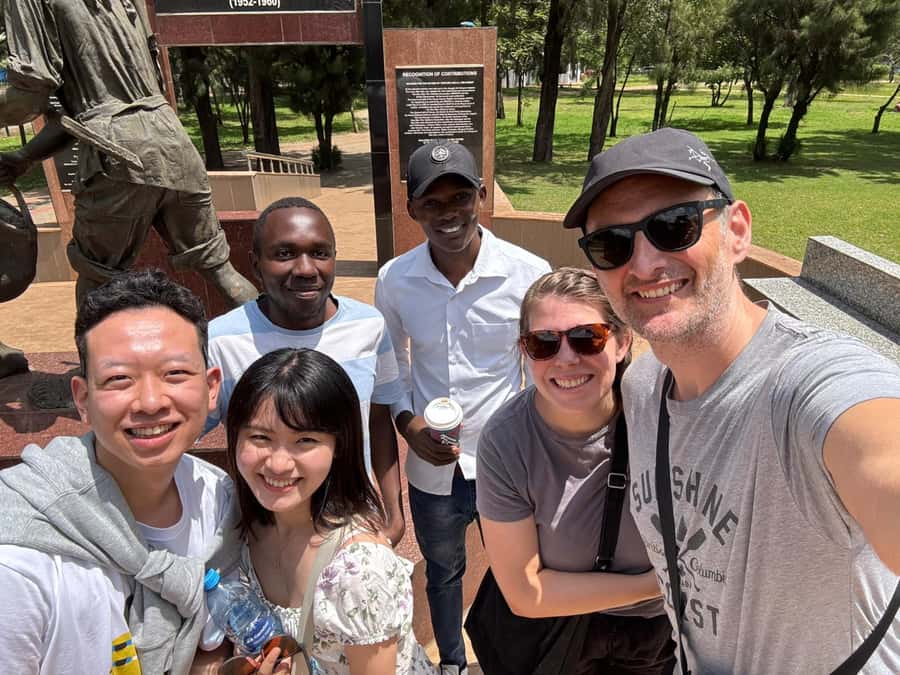
- Respectful stop at Bomb Blast Memorial Park, handled as a solemn moment rather than a quick photo
Why This Nairobi Walk Hits the City’s Real Nerves
This is a downtown walk built for first-timers. You are not just ticking off sights. You are moving through the parts of Nairobi where daily life, faith, and public history overlap, and the guide helps you read the city like it has layers.
The route is especially good at showing how Nairobi adapts. You see formal monuments and civic buildings, then you switch to places where people shop, pray, eat, and trade stories. That contrast is what makes the tour click. You get to watch Nairobi as a living city, not a museum.
And the length is realistic. At 3 hours, you can take it even if your first day is busy or you land with jet lag. The guide also builds in short breaks. That matters when you are walking in the central areas where the sun can feel relentless.
More Historical Tours in Kenya:
- Nairobi: Historic and Modern Highlights Walking Tour
★ 4.8 · 703 reviews - Nairobi Historical Walking City Tour
★ 5.0 · 258 reviews - Full Day Nairobi Cultural and Historical Tour
★ 5.0 · 153 reviews
Price and logistics: what $22 buys you in practice
At $22 per person, the value here is the combination of guiding plus multiple included sites, not just a generic stroll. You get a live guide in Spanish, English, or French, pickup from many areas in Nairobi, and built-in visits to key landmarks such as War Monuments and McMillan Memorial Library.
You also get time-saving benefits. The tour includes entrance to McMillan Memorial Library and Uhuru Park, and it includes help with getting into the right places. That saves you energy on a day when you want to be outside seeing, not standing in lines.
One more practical detail: meals and drinks are not included, and coffee is listed as optional. The good news is the tour plans a coffee moment during a break, so you can try local coffee if you want, without hunting it down yourself. Just assume you might pay for it on site.
Pickup at the Carrefour near the Supreme Court, then a quick safety reset
The tour begins at the Carrefour entrance next to the Supreme Court. That is a smart choice for a walking tour because it is a recognizable hub. You do not need to solve Nairobi navigation before you even start.
Pickup is included at the entrance of your hotel or apartment or hostel, up to 10 km within Nairobi Municipality. If your place is not listed among the pickup options, you are instructed to send your location on WhatsApp, so the operator can still match you with the route.
Before walking out fully, there is a safety briefing. This matters more than it sounds. Central Nairobi can move fast, and good guidance keeps the group together and helps you feel steady as you cross streets and move between landmarks.
War Monuments and McMillan Memorial Library: public history in front of you
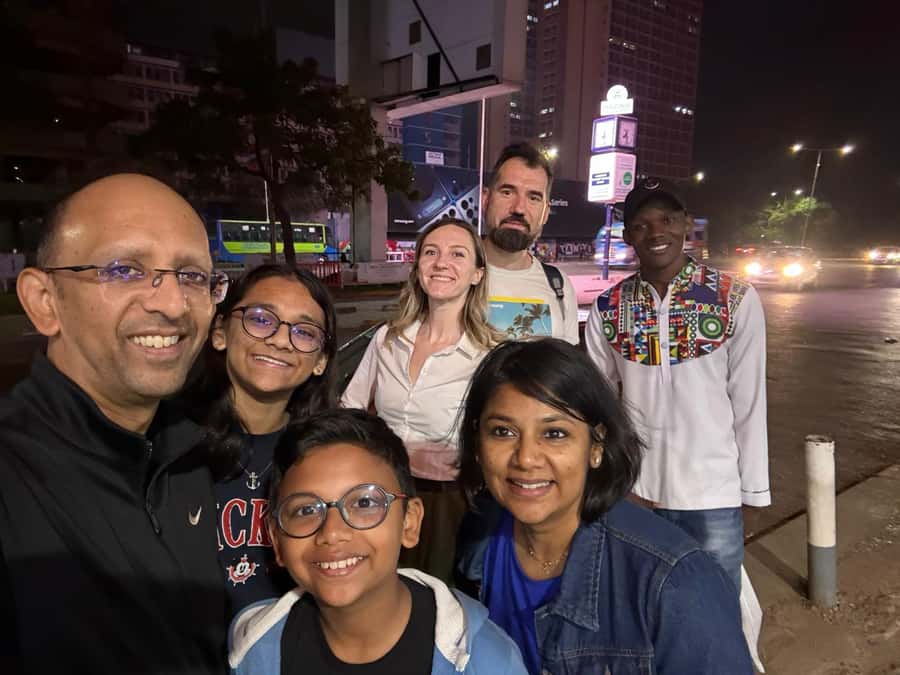
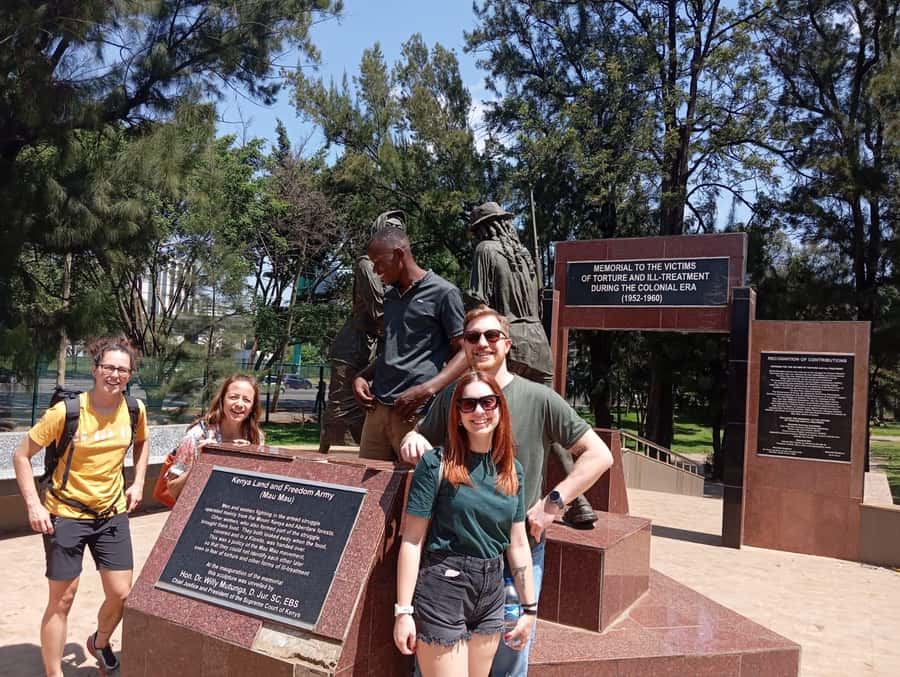
Early in the route, you visit the War Monuments and the McMillan Memorial Library. These stops change the mood right away. Instead of shopping streets or mosque architecture, you are in the zone of national memory and civic identity.
The War Monuments are the kind of place where context matters. A guide can help you understand what you are seeing and why it remains important in Nairobi’s public space. If you care about how countries remember conflict, you will get more out of this stop than just a quick look.
The McMillan Memorial Library visit is also a good anchor point. Libraries often signal education and long-term thinking, and the entrance being included means you can actually go in rather than just stand outside and move on. It is a perfect “pause and look” moment before the tour starts picking up energy again.
More Walking Tours in Kenya:
- Walking Tour Through Old Town Mombasa and Fort Jesus
★ 5.0 · 393 reviews - Nairobi Downtown Walking Tour
★ 4.7 · 208 reviews - Nairobi City Walking Tour with Traditional Kenyan Lunch
★ 5.0 · 106 reviews - Mombasa: Guided Nature Walk Amongst Giraffes
★ 4.8 · 48 reviews
Jamia Mosque, City Market, and Jevanjee Garden: faith and trade side by side

Next comes a mix that makes Nairobi feel real. You visit Jamia Mosque, then you move into City Market and the Jevanjee Garden area.
Jamia Mosque gives you an immediate look at religious life and local architecture. For many visitors, it is one of the most memorable stops because it is not a tourist set-piece. It is a functioning place of worship within the city.
City Market shifts you from quiet reflection to everyday commerce. You will pass market energy, and you can browse without being rushed. Even if you only buy a small souvenir, it is a chance to understand what people are paying attention to, what is sold locally, and how trade works in the CBD.
Jevanjee Garden acts like a breathing point between major stops. It keeps the walk from turning into a straight sprint of buildings, and it gives you a chance to reset before the park time later on.
Coffee break plus the University of Nairobi area and the Norfolk Hotel view
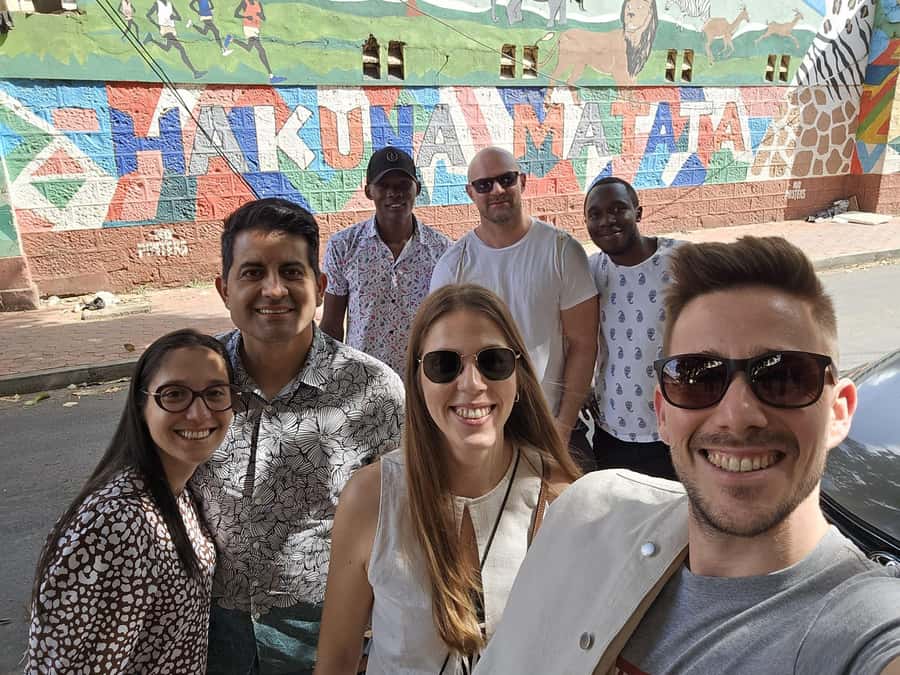
Mid-tour, there is a local café break. It is timed as a rest and washroom stop, and it includes a chance to taste Kenya coffee. Coffee here is not just a caffeine moment. It is a cultural signal, and it is also practical. You get fuel before the sun ramps up again.
After that, you stroll toward the University of Nairobi area and get a glimpse of the Norfolk Hotel. Even if you do not go inside the Norfolk, the photo moment is useful. It helps you understand how these landmarks sit alongside each other in the same city blocks, where education, business, and government all share space.
If you like learning how a city is organized, this section helps. You can see the mix of institutions in action, rather than imagining it from a map.
Uhuru Park: where the walk slows down and the shade matters
Then you hit one of the best parts of the tour: Uhuru Park. This is described as the most beautiful park in the city, and the timing makes sense. After several civic and urban stops, the park gives you a different Nairobi rhythm.
The tour includes entrance to Uhuru Park, and that is important because it means you can actually enjoy the grounds instead of doing a quick pass. Expect greenery, space to sit, and a chance to cool down before the next big-photo section.
A park stop also improves the whole experience. Even a short sitting break helps you absorb what you just saw. It also gives you time to talk with your guide. In many cases, guides like Edwin and John are praised not only for facts, but for conversation that feels natural, not rehearsed.
Holy Family Basilica and KICC: architecture, skyline photos, and power in the city
From Uhuru Park, you move toward the Cathedral Basilica of the Holy Family. The visit here is short but memorable, especially if you enjoy architecture. Places like this often change how you see a city, because they show what communities build for worship and identity.
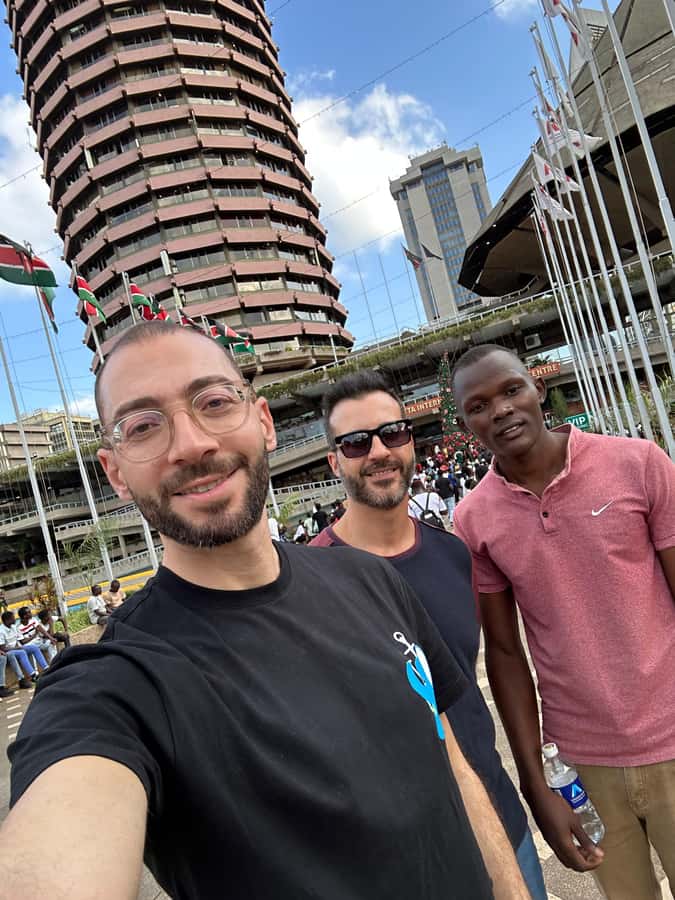
Then you reach the Kenya International Convention Centre (KICC), with a photo stop and scenic views of the city and surrounding government buildings. This is the part of the tour that feels like a “big Nairobi” moment. The KICC area gives you the skyline perspective, and it helps you connect earlier civic monuments to the current political center.
One practical note: the KICC helipad fee is not included. If you are hoping for a specific view from higher up, ask your guide what is included during your visit time. If there is an extra fee for a helipad view, you can decide on the spot.
Masai Market shopping and Nairobi Railway Museum: crafts and continuity
After the big view stops, the tour heads into a more hands-on part of Nairobi: Masai Market. This is a craft and souvenir zone, and shopping here is part of the cultural experience. You can pick up small gifts, and you can also practice your bargaining instincts if that is your style.
A lot of the positive feedback you will see around this tour comes from how guides help you shop without feeling lost. If you want good prices, it helps to have someone explain what to look for and how to talk to sellers.
Then comes the Nairobi Railway Museum. This is a different kind of history, the kind you feel through objects and how the transport story shaped the city. It is a strong final “learning” stop before the solemn closing.
Bomb Blast Memorial Park: a serious moment before you head back
The tour ends with a respectful visit to Bomb Blast Memorial Park. This kind of stop needs the right tone, and it is included as a moment of remembrance, not a quick check-box photo.
Why it works at the end: by this point, you have already walked through Nairobi’s public buildings, markets, faith spaces, and park areas. That makes the memorial hit harder. You understand you are not only looking at landmarks. You are in a city that carries real events and real resilience.
It is also a good way to finish a walking tour because it slows everything down. After multiple movement-heavy stops, you are given a chance to be quiet, reflect, and then transition back to your day.
Who should book this tour, and who might want a different plan
This tour is ideal if you want an easy introduction to Nairobi’s CBD that goes beyond “I saw a building.” It fits well for:
- First-timers who want a guided route with context
- People who prefer walking but still need structure and safety
- Travelers who like history, religion, and city design in one afternoon
- Anyone who enjoys short photo stops with a guide explaining what you are looking at
You might want to choose a different plan if you dislike walking in heat or you have limited mobility beyond what you can handle on foot. The tour is marked as wheelchair accessible, but the day still involves moving between multiple stops and spending time outdoors, so heat and distance from stop to stop could matter.
Should you book Nairobi’s history, culture and traditions walking tour?
I think you should book if you want a compact day that mixes major civic sites with everyday Nairobi stops. The biggest win is how the guide role turns a pile of landmarks into a coherent story, especially with guides like Edwin and John who are praised for pacing and engaging explanations.
At $22 for 3 hours, you are paying for more than sightseeing. You are paying for a route with pickup, included site access such as McMillan Memorial Library and Uhuru Park, and a plan that includes both rest and real city texture like City Market, Jevanjee Garden, and Masai Market.
Just come ready for sun and walking, and you will likely leave with a sharper sense of Nairobi, not just photos.
FAQ
How long is the Nairobi walking tour?
It lasts about 3 hours.
Where does the tour start?
You start at the Carrefour entrance next to the Supreme Court.
Is pickup included?
Yes. Pickup is included from the entrance of your hotel or apartment or hostel, for locations up to 10 km within Nairobi Municipality. If your place is not listed, you are asked to send your location on WhatsApp.
What language will the guide speak?
The live tour guide speaks Spanish, English, or French.
Are meals and drinks included?
No. Meals and drinks are not included. Coffee is listed as optional, though the tour includes a planned break where you can taste local coffee.
Which key places are included on the route?
You will visit places such as the War Monuments, McMillan Memorial Library, Jamia Mosque, City Market, Uhuru Park, the Cathedral Basilica of the Holy Family, KICC, Masai Market, the Nairobi Railway Museum, and the Bomb Blast Memorial Park.
Is the tour wheelchair accessible?
Yes, the tour is marked as wheelchair accessible.
Recently reviewed from Kenya
- Watamu: Sunset Mangrove Canoe Tour with Coconut Drink★ 3.6 · 8 reviews
- Watamu: Learn Kenyan Cusine with Jonathan★ 4.1 · 8 reviews
- From Mombasa/Mtwapa/Diani/Tiwi: Tsavo East Full-Day Safari★ 4.3 · 130 reviews
- Swahili Carved Doors Tour by Woman Woodcarver: Lamu Island★ 5.0 · 4 reviews
- Private Tour to Amboseli National Park★ 3.3 · 3 reviews
- Shimba hills tropical rain forest day trip★ 4.6 · 3 reviews
- Overnight safari to Tsavo East from Mombasa / Diani Beach★ 5.0 · 3 reviews
- Private Safari Day-Tour in Amboseli National Park★ 4.1 · 7 reviews
Walking Tours, compared.

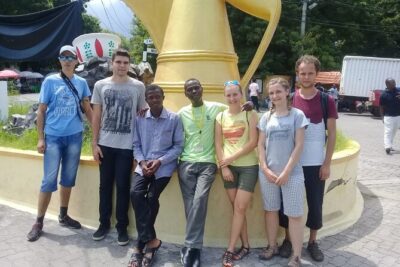
Walking Tour Through Old Town Mombasa and Fort Jesus
Read our review →
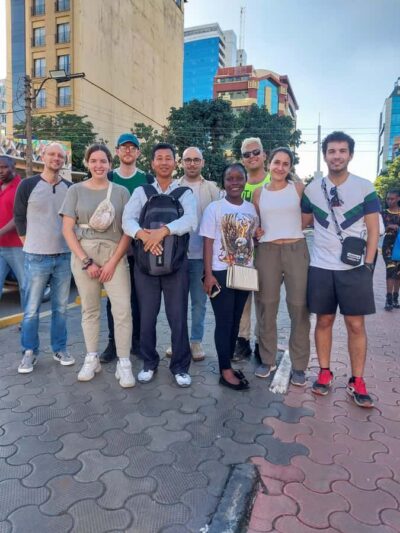

Nairobi City Walking Tour with Traditional Kenyan Lunch
Read our review →

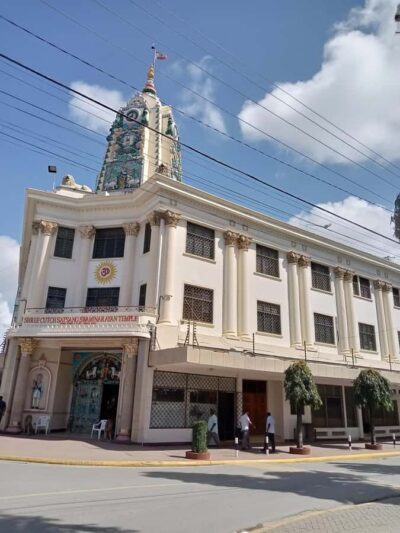
Browse the lists this tour appears in