
Reviewed · TOURS
Swahili Carved Doors Tour by Woman Woodcarver: Lamu Island
This tour is interesting because Swahili carved doors turn plain old alley walks into a guided lesson in style and craft, led by Almasi, the only woman woodcarver in Lamu. You get to explore Lamu Old Town, a UNESCO World Heritage site, at an easy pace while someone explains what you are actually seeing.
I love the way Almasi connects door designs to meaning, pointing out carving styles and origins as you move street to street. I also like the human side, with a warm, friendly vibe that can make the walk feel lighter, including thoughtful moments like sugarcane juice during hot stretches.
One thing to consider is that the tour depends on weather, so your exact timing may shift during rainy months, and you will still want comfortable shoes for a real walking tour.
Key highlights you should not skip

- Meet Almasi, the only woman woodcarver in Lamu, and learn directly from her craft
- Door-style spotting as you walk, with guidance on designs and carving origins
- UNESCO World Heritage setting, Lamu Old Town, through narrow alleyways and side streets
- A leisurely 3-hour pace, ideal for slowing down and looking up
- Optional Shela extension, an extra walk about 3 km from Lamu Old Town to see more doors
Why Lamu’s carved doors are more than decoration
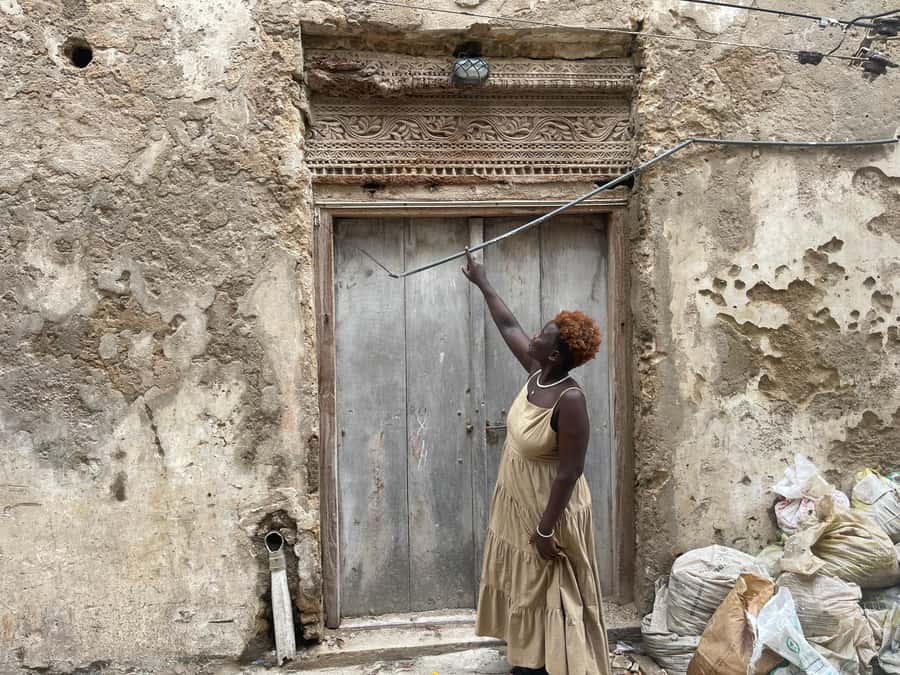
In Lamu Old Town, doors are not just entrances. They are major visual statements, carved with patterns and details you can read if you have the right person next to you. That is the core value of this tour: you do not just pass by; you learn how to look.
The walking route is designed to take you off the busiest paths and into the quieter network of streets where you will actually spot the carved work. As you go, you will get explanations of different Swahili door designs and how the carving styles relate to origins and history across generations.
I also like that the tour does something practical with all that beauty. You spend your time with a working craft mindset, so you start noticing craftsmanship details you might otherwise miss, like the quality of workmanship and the way motifs show up across different doors.
Other Kenya trips people add on:
- Dhow Adventure to Wasini Island & Kisite Marine Park
★ 4.6 · 337 reviews - Nairobi Walking tour:Explore History Culture and Traditions
★ 4.8 · 222 reviews - From Mombasa/Mtwapa/Diani/Tiwi: Tsavo East Full-Day Safari
★ 4.3 · 130 reviews
Meet Almasi, the woman woodcarver behind the door lessons
This tour lives or dies on the guide, and Almasi is the point. She is presented as the only woman woodcarver on Lamu Island, which alone makes the experience worth your time if you care about who keeps traditions going.
In the way she guides the walk, she comes across as genuinely invested in the work. People describe her as passionate and deeply connected to the craft, and you can feel that in how she shares what she knows at each stop. The result is that door-carving stops becoming random decoration and turns into a story you can follow with your feet moving at a relaxed pace.
One detail I like, even if you are not a “food” person, is the thoughtful care. In hot conditions, she has been known to offer a refreshing glass of sugarcane juice unprompted. That small gesture signals the larger theme of the tour: you are not just being shown doors, you are being looked after.
Walking the Old Town alleyways: how to see door styles clearly
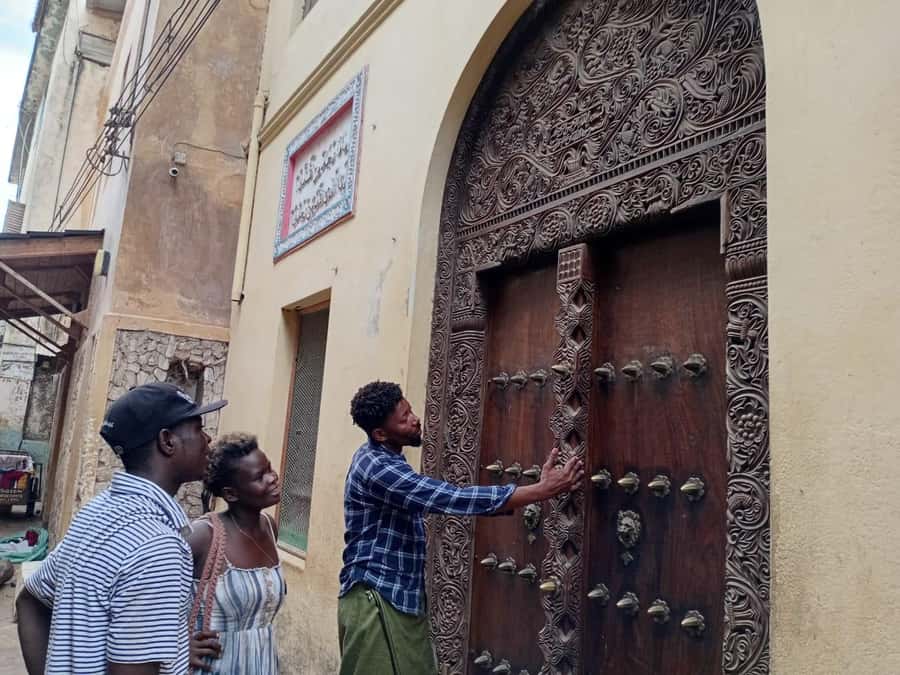
The tour is a walking experience through Lamu Old Town, starting from the town square or from wherever you prefer to be picked up. That flexibility matters here, because Lamu’s streets can be part maze, part slow stroll, and it helps to start where you will feel comfortable.
You will spend a good chunk of the time focused on door details, moving along main streets and back streets. As you walk, Almasi guides you through the different carving styles and helps you differentiate designs. The goal is not memorizing names, it is learning what to notice so the doors start making sense as you pass them.
Here is what makes this approach valuable for you: most people walk through old towns looking left and right for scenery. This tour redirects that instinct upward, toward wood, shape, and pattern. Once you learn a few quick cues, you will be able to keep spotting styles on your own after the 3 hours are over.
Also, it is a private group, so the pace can stay comfortable and questions stay in the conversation instead of competing with a large crowd.
What a 3 p.m. Old Town start feels like in real life
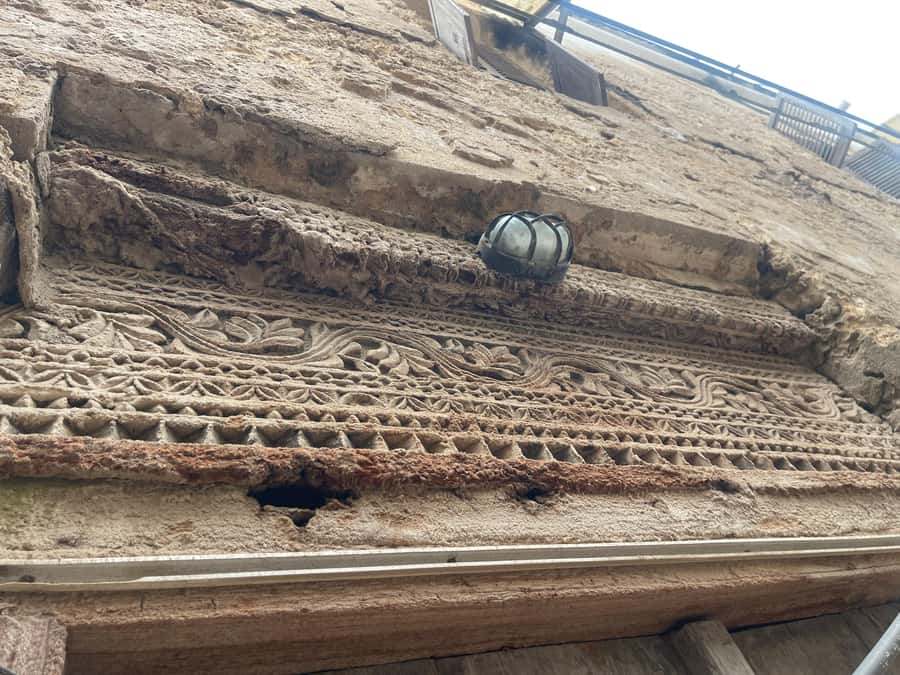
The standard start time is afternoon, at 3 p.m. That timing can be a sweet spot in coastal Kenya, because you still get daylight for photos without the middle of the day feeling like a full-time job.
Plan for a leisurely stroll, not a sprint. You are on a 3-hour walk total, with the Old Town segment described as a 2-hour pleasurable walking tour off the beaten path. In practice, that means you should expect time for stopping, looking, and listening at multiple door sites.
If you want this experience to work well with your overall day, treat it like a slow sightseeing anchor. For example, you can plan other light activities before 3 p.m., then let the tour do the heavy lifting on learning and interpretation.
This is also a good tour if you like old things and old ways of doing, or if you want to slow down and admire craftsmanship in a place that rewards patient walking.
A different day out of Kenya:
- Coffee Farm Tour (Fairview)
★ 4.8 · 71 reviews - Nairobi: Day Trip to Maasai Mara Reserve & Maasai village
★ 4.6 · 49 reviews - Amboseli National Park: Full Day Tour From Nairobi
★ 4.9 · 32 reviews - 2 days 1 night saltlick safari from Diani/Mombasa
★ 4.8 · 28 reviews
Weather reality in May, June, and July, and how you stay flexible
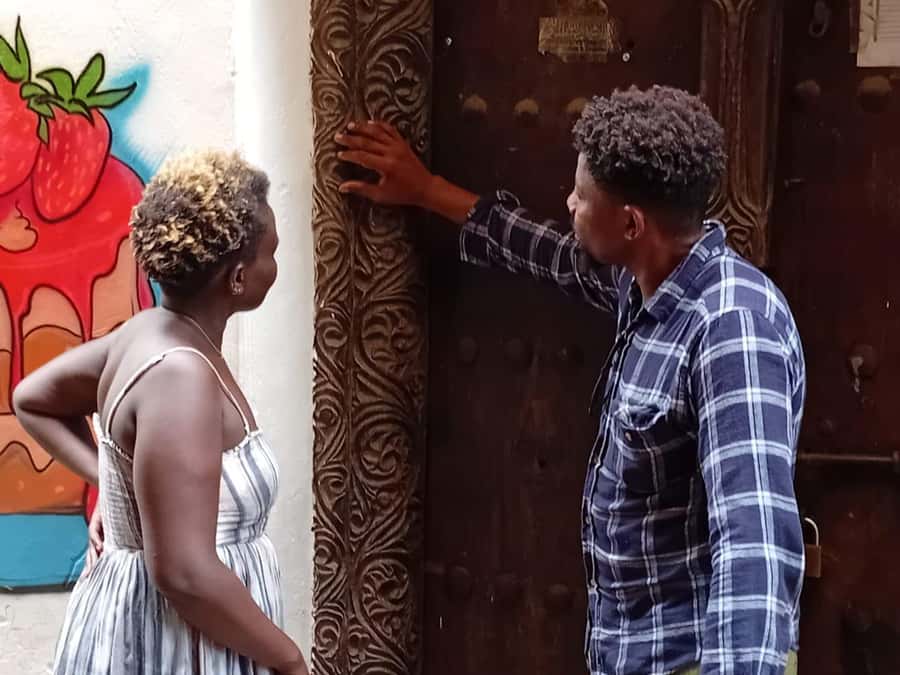
Weather can affect this tour, and that is not hidden. Lamu experiences favorable conditions most of the year, but during the rainy season months of May, June, and July, the plan can shift. If it is raining, the tour is conducted at times when there is no rain.
So your best move is to stay flexible and prepare for a schedule that might adjust. Comfortable shoes and a hat are not optional niceties here, they are your day-to-day tools. If clouds roll in or the ground gets slick, you want traction and sun protection for the stretches you will still walk.
Also, remember that rain in the area does not necessarily cancel everything at once. The tour is described as dependent on weather conditions, which usually means you get a practical solution rather than a total stop.
Adding Shela: door spotting beyond Lamu Old Town
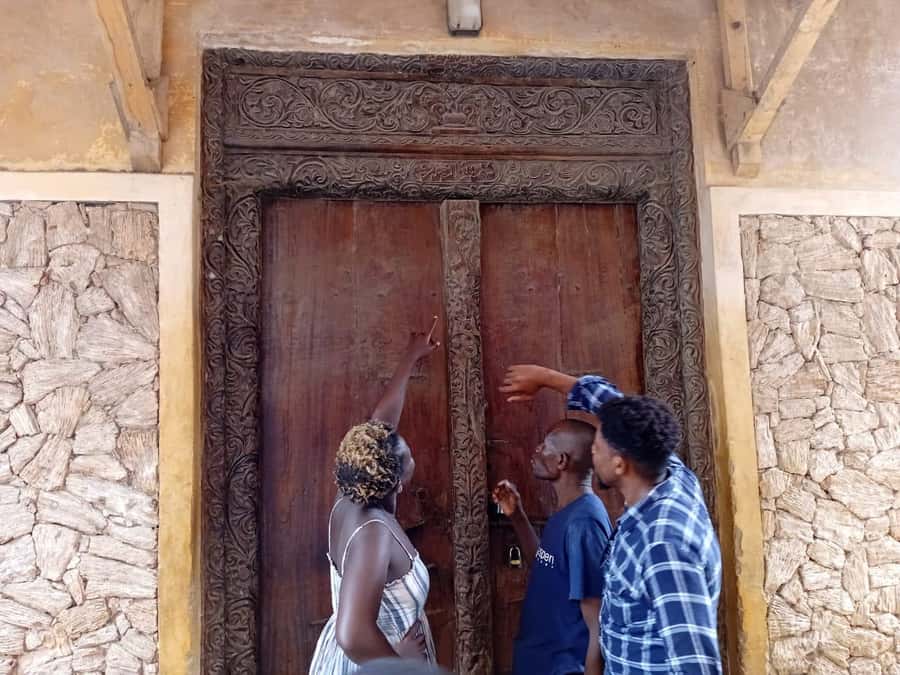
There is an option to add a walking extension in Shela, about 3 km from Lamu Old Town. This is described as a NEW additional walking tour in Shela, so it is a real add-on, not just a casual suggestion.
Why you might want it: Shela is close enough to pair with the main Old Town experience, and it gives you more chances to see carved doors in a different part of the island. If you like architecture and you already feel “door curious” after the Old Town walk, the extension can keep that momentum going.
The only caution is pacing. You are already on foot for a 3-hour tour, so adding Shela works best if you are comfortable with a longer day and you have your energy planned.
If you prefer a lighter day, you can keep it simple and just do the Old Town portion. Either way, you will leave with a better eye for door design.
Price and value: is $40 per person fair here?
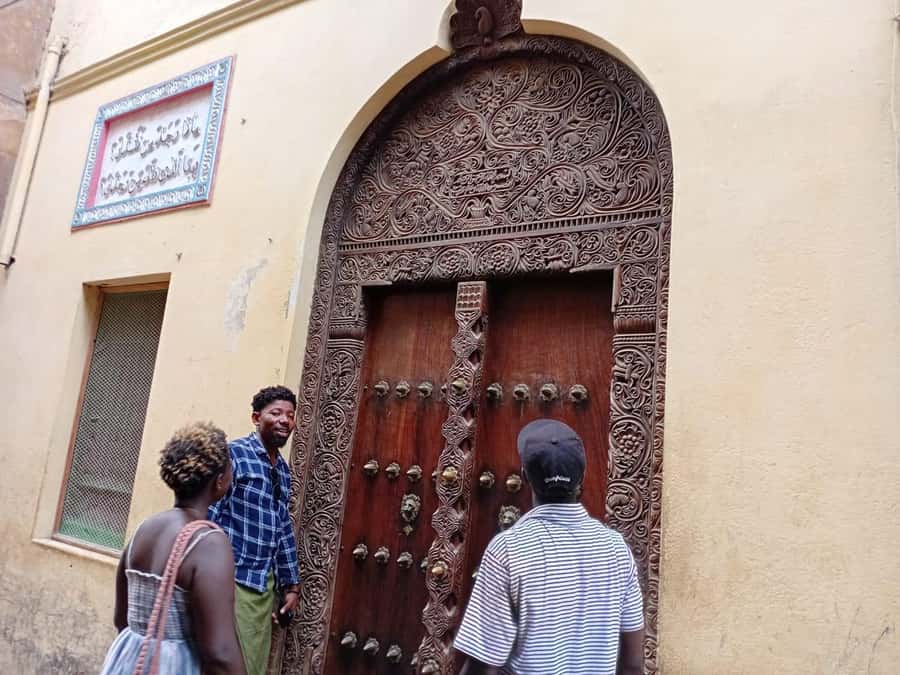
At $40 per person for about 3 hours, this tour sits in the affordable category for guided cultural experiences, especially because the guide is Almasi, the only woman woodcarver in Lamu Island. You are paying for access to specialized, hands-on craft interpretation from someone who lives this tradition.
The value is not just that you see doors. It is that you learn how to read them: carving styles, design differences, and how those choices connect across generations. That interpretation is what turns an architectural walk into something you can actually carry home in your head.
You also get a private group format, which can be a big deal for quality of attention. With fewer people in the group, it is easier to ask questions and focus on details without feeling rushed.
On the logistics side, you will handle your own food and drinks since they are not included. The plus is that there are shops around where you can buy minor items anytime, so you are not stuck without options during the walk.
What to bring, what’s included, and what you should plan around
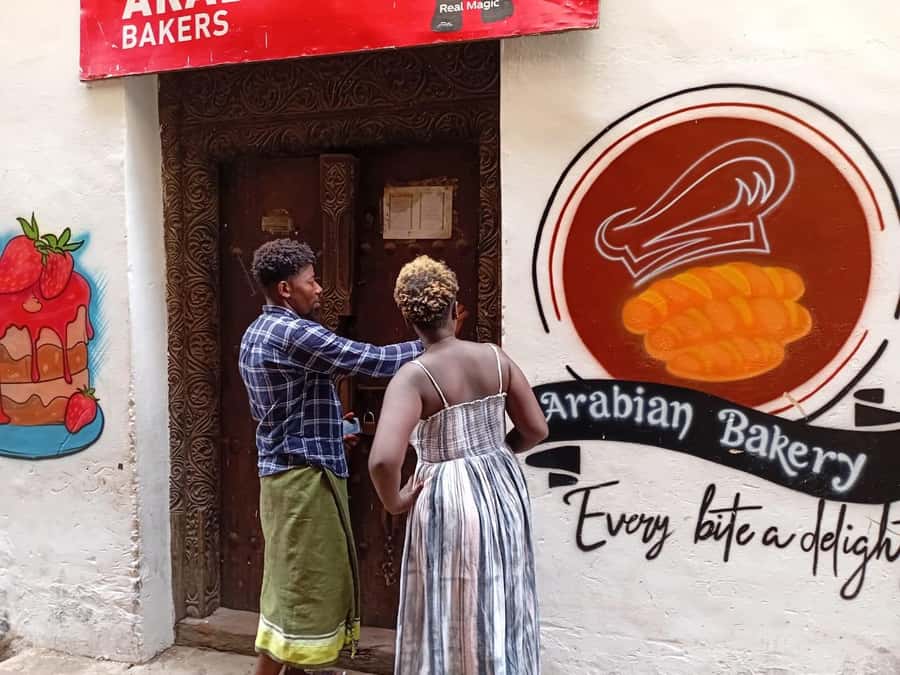
For comfort and photos, bring comfortable walking shoes, a hat, a camera, and water. You will be walking for hours, and Lamu’s sunlight can be strong, even when the schedule is relaxed.
Included in the experience is the guided Old Town walking time, with insight into Swahili culture and the interweaving stories through the generations. You also get viewing and learning about the histories of Swahili door designs you find in Lamu.
What is not included: hotel pickup and drop-off, and food and drinks. Pickup is flexible in the sense that you can choose where you would prefer to meet, but your hotel transportation itself is your job.
One practical tip: plan on shopping for small items if you want snacks. Since shops are available, you can keep your pack light and still stay comfortable during the walk.
Should you book the Swahili Carved Doors Tour with Almasi?
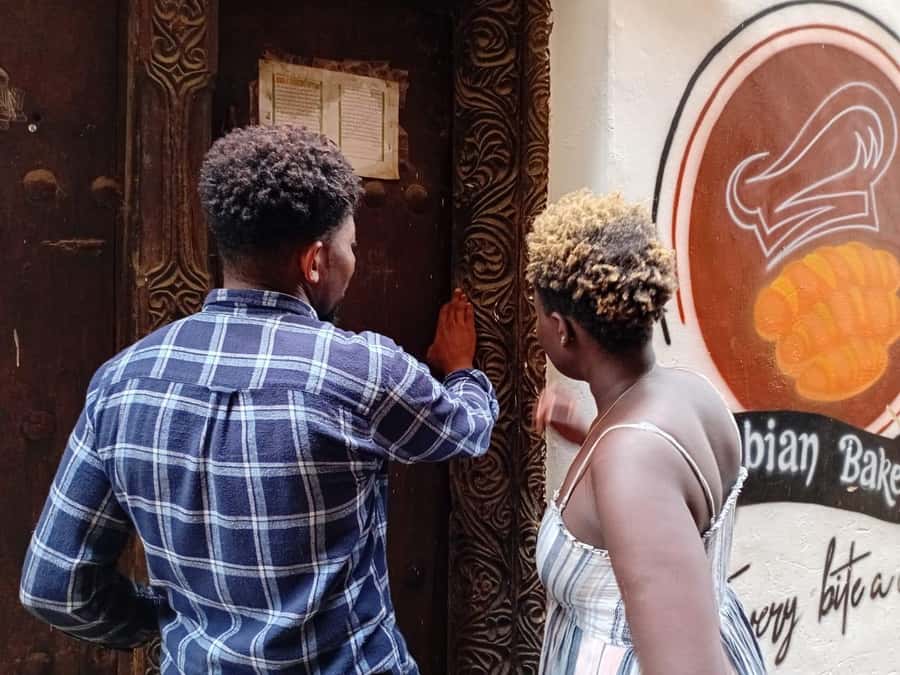
Book this if you want a door-focused walking tour in Lamu that teaches you how to see. You will like it most if you care about craftsmanship, enjoy slow walking, and feel curious about how styles and designs connect to culture over time.
Skip it if you want a high-speed highlights tour with minimal stops for explanation. This one is built around time spent looking closely and listening as you move, so it rewards patience.
If you are torn, here is the decision shortcut I would use: if you are the kind of person who will still be watching doors after the tour is over, this is a smart use of your afternoon in Lamu. And if you want to support the only woman woodcarver on the island while learning from her directly, you will feel good about booking it.
FAQ
Who is the guide for the Swahili Carved Doors tour in Lamu?
The tour is guided by Almasi, described as the only woman woodcarver in Lamu Island.
How long is the walking tour?
The tour lasts 3 hours. The included portion notes a 2 hour pleasurable walking tour in Old Town.
What time does the tour run?
The tour is conducted in the afternoon time from 3 p.m. Starting times depend on availability, and you can request a different time slot in advance.
Where does the tour start?
You will set off on a walking tour from the town square or wherever you would prefer to be picked up.
Is this tour a private group?
Yes, the tour is a private group.
Is the tour wheelchair accessible?
Yes. All routes are wheelchair accessible.
What languages are used during the tour?
The live tour guide speaks English and Swahili.
What happens if it rains?
The tour depends on weather conditions. During the rainy season (May, June, July), it is conducted at times when there is no rain.
What should I bring?
Bring comfortable walking shoes, a hat, a camera, and water.
Is food and drinks included, and can I add Shela?
Food and drinks are not included. You can also opt for an additional walking tour in Shela, about 3 km from Lamu Old Town.
Recently reviewed from Kenya
- Watamu: Sunset Mangrove Canoe Tour with Coconut Drink★ 3.6 · 8 reviews
- Watamu: Learn Kenyan Cusine with Jonathan★ 4.1 · 8 reviews
- From Mombasa/Mtwapa/Diani/Tiwi: Tsavo East Full-Day Safari★ 4.3 · 130 reviews
- Private Tour to Amboseli National Park★ 3.3 · 3 reviews
- Shimba hills tropical rain forest day trip★ 4.6 · 3 reviews
- Overnight safari to Tsavo East from Mombasa / Diani Beach★ 5.0 · 3 reviews
- Private Safari Day-Tour in Amboseli National Park★ 4.1 · 7 reviews
- Nairobi Walking tour:Explore History Culture and Traditions★ 4.8 · 222 reviews
Tours, compared.

Nairobi National Park Half-Day Tour; Free Wi-Fi connection
Read our review →


Elephant Orphanage and Giraffe Center Tour with Options
Read our review →
Walking Tour Through Old Town Mombasa and Fort Jesus
Read our review →
Day Tour to Amboseli National Park & Maasai Village
Read our review →
Tour: Giraffe Center and Nairobi National Park
Read our review →