
Reviewed · MARKETS
Explore local Market matatu ride & Make Kenyan Cuisines with a home cook
This experience is interesting because you learn Kenyan cooking the way it actually gets done, through a market run, a matatu ride, and hands-on lessons in a real home. You also get the cultural bonus of chatting with vendors and seeing everyday life in Nairobi’s Westlands area.
I love the private, one-to-one attention Josephine Rukaria gives you while you cook. I also like that the class includes a five-course Kenyan and Indian meal, plus the matatu transportation so you are not stuck guessing how to get around.
One possible drawback is that it does not include hotel pickup. If you are not comfortable starting at the meeting point, you may need to plan your own way to the P.O. Box 66283 area or nearby transit.
Key things to know before you go
- You get a matatu ride twice, to the market and back toward the home kitchen experience.
- Josephine Rukaria teaches step by step, with close attention for your group.
- Ingredients and equipment are provided, so you will not show up carrying shopping lists or kitchen gear.
- The menu blends Kenyan and Indian flavors, including curries and ugali (cornmeal).
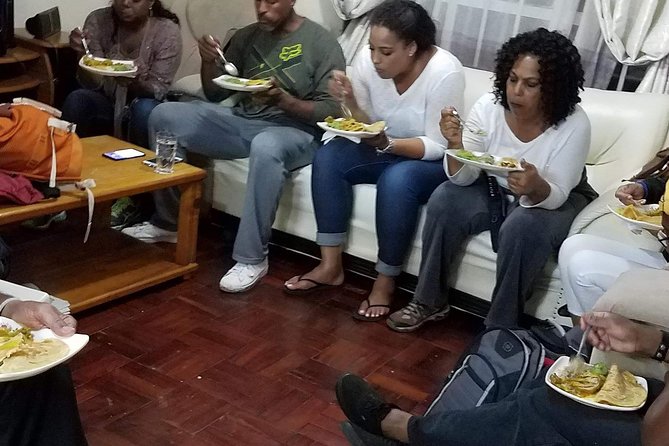
- You eat your work after cooking, with lunch included in the experience.
- You can tell Josephine about food intolerances before you start, so you can cook and eat more comfortably.
Market-to-matatu start in Westlands: the fast route to real Nairobi
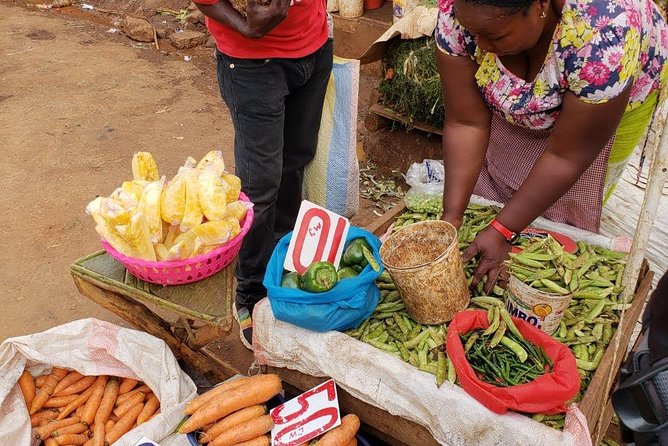
The day begins around Mall Westlands, then you head out toward a local market to pick up ingredients for your meal. This is a smart way to start, because you immediately connect food to places and people, not just recipes on a screen.
What I like about this flow is how it changes your mindset. You are not just touring, you are shopping with purpose. And since you are going with a guide, you get local context as you walk through the market.
The timing is also built for a half-day. At about 4 hours total, you get enough time to shop, cook, eat, and still feel like you did something substantial without turning it into an all-day project.
More Nairobi trips to compare
- Traditional Kenyan Cooking Class & Local Market Tour
★ 5.0 · 129 reviews - Memorable Daily KIBERA Slums/Toi Market Tour with Locals (2 hours)
★ 5.0 · 29 reviews - Half-Day Nairobi National Park and Maasai Market with Pick up
★ 5.0 · 16 reviews
Riding a matatu to and from the market without overthinking it
A matatu ride is a big part of the experience, and it is not treated like a photo stop. You use the matatu as transport to real destinations, which makes the whole thing feel practical and normal.
Here is the mindset that helps most people. Treat it like local travel, not a museum piece. You ride, you watch, you learn how it works, and you keep your belongings secure like you would on any busy public vehicle.
You also get the cultural layer. The experience is set up so you can interact with vendors during the market stop, then return to cook in a calm home setting. That contrast is a good deal for your brain. Noise and motion first, then a slower kitchen pace.
Shopping for your Kenyan and Indian meal: what you gain in the market
Once you are at the market, you start selecting the ingredients for your cooking lesson. You are not just there to look around. You get to pick produce and other items that will shape your final menu.
This is where the cooking class becomes more than a class. When you choose ingredients yourself, your cooking instructions make sense faster. For example, if you learn about spices, you also learn what they are paired with in real life. If you handle produce, you understand timing and texture in a way that reading never quite matches.
If you have any food intolerance, let Josephine know when you book. That matters because the whole point is to cook and eat together, not to sit out the meal halfway through.
The home-cooking lesson with Josephine Rukaria: hands-on, step by step
After the market, you head to Josephine’s home by matatu again. Then you settle into a calm, private kitchen environment where you cook as part of a small group.
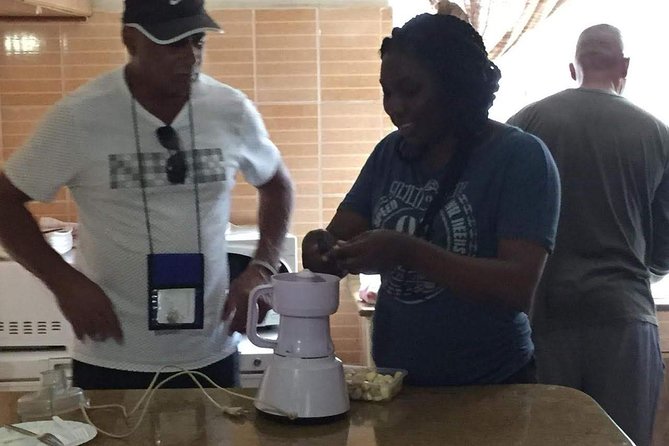
This part is the heart of the experience. The setup is designed as a private session for just your party, so you are not competing with a crowd for attention. Josephine teaches step by step, and the lesson is hands-on, with you getting your hands dirty as you cook.
I also like the teaching style based on how people describe Josephine. She comes across as patient and good at explaining not just what to do, but why certain steps matter in the final flavor. That matters when you are cooking unfamiliar techniques, like working with cornmeal for ugali or building curry flavor with spices.
And yes, the vibe is social. People can cook, chat, and eat together in a home setting with family-friendly energy, which helps if you are traveling with kids or you just like a less formal atmosphere.
A different day out of Nairobi:
- Nairobi National Park Half-Day Tour; Free Wi-Fi connection
★ 5.0 · 878 reviews - Nairobi: National Park & Optional Elephants & Giraffe Center
★ 4.8 · 874 reviews - NAI NAMI: Nairobi Storytelling Tour with Street Children
★ 5.0 · 792 reviews - Nairobi National Park Half-Day Game Drive
★ 4.5 · 738 reviews
Your five-course meal plan: curries, ugali, and Kenyan-Asian comfort food
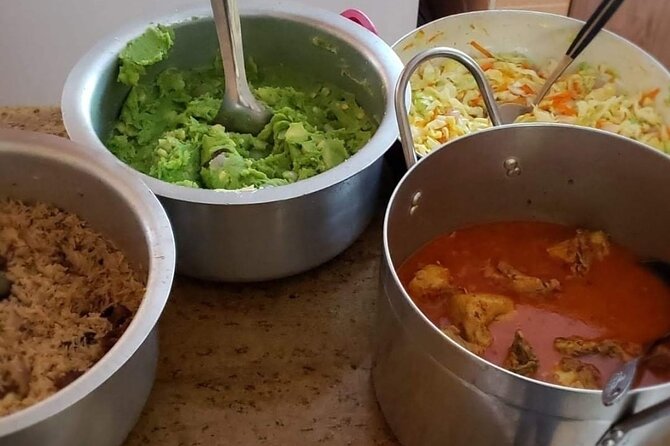
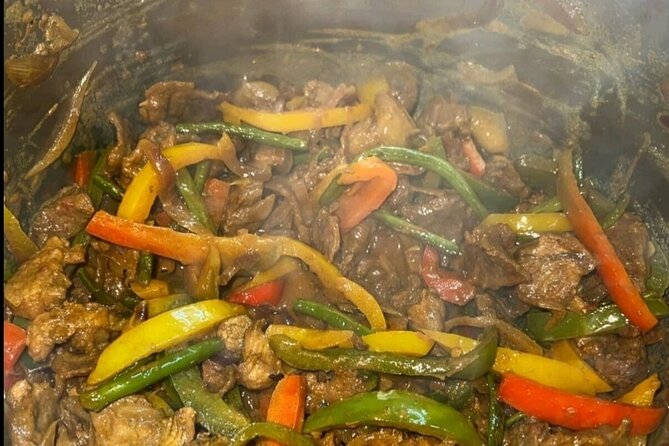
The meal you cook is a five-course Kenyan and Indian experience, mixing flavors you would actually recognize across the region. The standout anchors are curries and ugali (cornmeal).
Here is why that pairing is such a smart choice. Ugali is simple in ingredients but rich in technique. Curries add the aromatics and spice structure. Together, they teach you how Kenyan staples and spice-forward sauces work in the same meal rhythm.
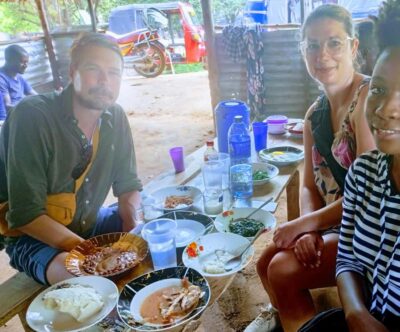
You will also be eating the result. The experience includes lunch and fruits, plus coffee and/or tea. So you do not have to imagine what you made, you taste it while it is still fresh and hot, and you can ask questions mid-meal if something surprises you.
One practical thing: since the lesson includes five courses, you are getting variety in one sitting. That means you learn multiple methods, not just one dish repeated five times.
Where privacy changes the whole experience
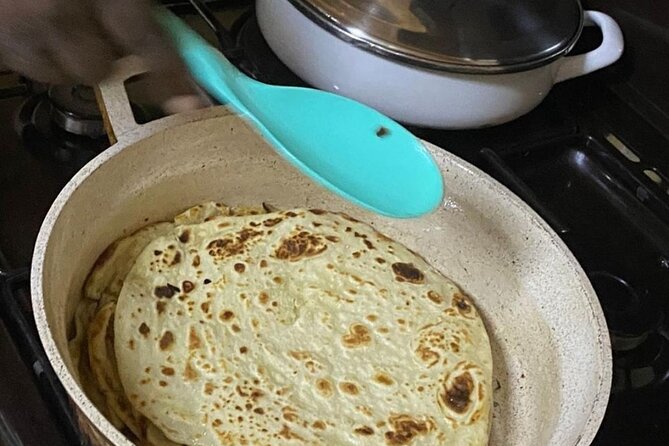
This is not a big group demo. It is a private activity with undivided attention from your teacher. That changes everything about how you learn.
When you are in a small group, you can ask the annoying questions. Like why one spice measure changes the aroma. Or what happens if your ugali texture is too soft or too firm. In a larger class, you might get one quick answer and move on. Here, you can slow down and get it right.
Privacy also affects comfort. Cooking at someone’s home can feel intimidating if you do not know the rhythm. A private setup makes it easier to relax, communicate, and treat the kitchen like a shared experience instead of a performance.
And because you eat together in the home setting, the experience feels complete. You shop, cook, sit down, and digest. That is a full sensory loop.
What the tour includes, and why that matters for value
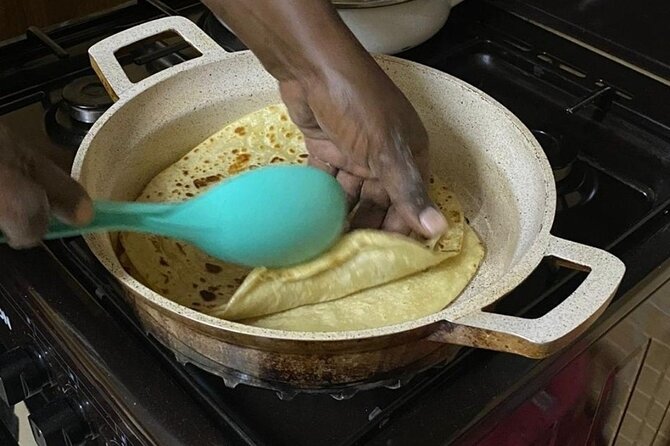
At $60 per person for about 4 hours, the value depends on what you would otherwise pay for. Here, the big wins are that transportation to and from the market is included, plus you get cooking equipment, water, fruits, lunch, and coffee and/or tea.
That is important because market shopping and a cooking lesson can get expensive when you separate everything. If you were to plan this yourself, you would likely pay for a guide, then pay for transport, then pay for ingredients, then pay for a teaching setup or kitchen time.
Also, the promise that you do not need to bring anything for the cooking side is real value. Your hands might get messy, but your responsibility for supplies is handled.
What is not included is hotel pickup and drop-off. That is the one part you need to plan yourself. If you are staying in Nairobi and you already know how to get to the start point near P.O. Box 66283 and the Westlands area, it is not a dealbreaker. If you want a door-to-door experience, you may feel this is missing.
Practical tips for a smoother matatu market and cooking day
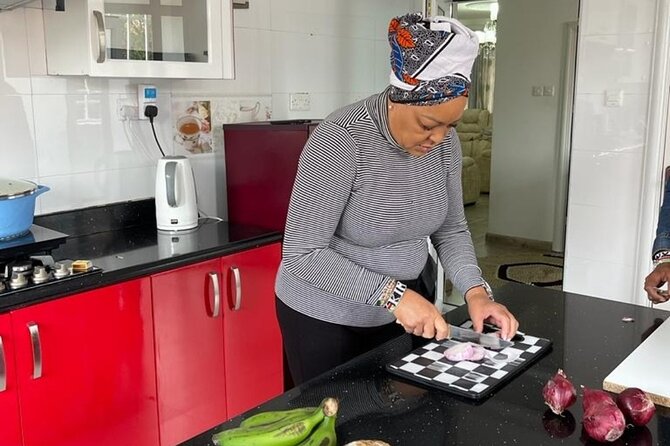
This is the kind of activity where small choices make the day smoother.
First, wear clothes you do not mind getting dirty. The experience explicitly prepares you for hands-on cooking, and you should plan to be a little messy.
Second, be ready to interact. You will be able to talk with local vendors during the market part. A few basics of manners go a long way, and even simple conversation helps you learn faster from what Josephine points out.
Third, use the food guidance responsibly. If you have a food intolerance, tell the organizer in advance. Since you are cooking and eating the meal, not just tasting small bites, this is not the moment to hope it will work out.
Finally, build your transit plan around the meeting and end points. You start around P.O. Box 66283 and end on David Osieli Road. If you are coordinating with a driver or taxi, having those anchors helps you avoid time lost on the back end.
Who this Nairobi cooking experience is best for
This works best if you like food learning that has movement, people, and real context.
You will probably love it if:
- you want a hands-on Nairobi cooking class instead of a lecture
- you are curious about Kenyan staples like ugali and how they pair with curries
- you enjoy local transport culture and want the practical side of riding a matatu
- you want a calmer, home-based setting with private instruction from Josephine Rukaria
It may be less ideal if:
- you strongly prefer hotel pickup and drop-off and do not want to handle transit to the meeting point
- you expect a long tasting-only food tour. This is cooking-first, eating-after.
Should you book this market and cooking lesson in Nairobi?
If your goal is to connect Nairobi food to real daily life, I think this is an easy yes. The combination of market shopping, a matatu ride, and a private, step-by-step cooking lesson is a rare mix that feels both authentic and practical.
The price makes sense for what you get, especially because transport, ingredients, equipment, lunch, water, and coffee or tea are included. The only reason I would hesitate is the lack of hotel pickup. If you can manage getting yourself to the start near Westlands and back from David Osieli Road, you are set.
FAQ
How long is the Nairobi market matatu ride and cooking class?
It lasts about 4 hours.
Is this a private tour?
Yes. It is a private activity, with only your group participating.
What does the price include?
It includes cooking equipment, transportation to and from the market, water, fruits, the 5-course Kenya/Indian meal, lunch, and coffee and/or tea.
Do I need to bring ingredients or cooking supplies?
No. Ingredients are provided, and you do not need to bring anything for the cooking lesson.
Where do we meet and where does it end?
The start is at P.O. Box 66283, Nairobi, Kenya. The experience ends on David Osieli Road, Nairobi, Kenya.
Is hotel pickup and drop-off included?
No. Hotel pickup and drop-off is not included.
What if I have food intolerance?
Let the organizer know if you have any food intolerance when you book, so the experience can be adjusted as needed.
FAQ
What is the cancellation policy?
You can cancel for a full refund if you cancel up to 24 hours in advance of the experience start time. If you cancel less than 24 hours before, the amount paid is not refunded.
Recently reviewed from Nairobi
- Amboseli Day Trip from Nairobi★ 4.5 · 3 reviews
- Nairobi city tour★ 4.5 · 3 reviews
- Ngare Ndare Day Trip★ 5.0 · 3 reviews
- 1-Day Amboseli Safari★ 5.0 · 3 reviews
- Day Trip To Crescent Island And Hells Gate National Park★ 5.0 · 3 reviews
- Crescent Island Day Tour From Nairobi★ 5.0 · 3 reviews
- 13-Day Uganda Mgahinga Gorilla Trek, Maasai Amboseli Park★ 5.0 · 3 reviews
- 4 days group joining budget safari to Maasai Mara only★ 5.0 · 3 reviews
Markets, compared.

Traditional Kenyan Cooking Class & Local Market Tour
Read our review →
Mombasa City Tour,Fortjesus,Oldtown,Tusks and Spice Market.
Read our review →
Half-Day Nairobi National Park and Maasai Market with Pick up
Read our review →
Authentic Kenyan Cooking Class & Market Tour in Nairobi
Read our review →
Hop on Hop off and Maasai market Collections Visit
Read our review →
Market Tour and Traditional Kenyan Cooking Class in Nairobi
Read our review →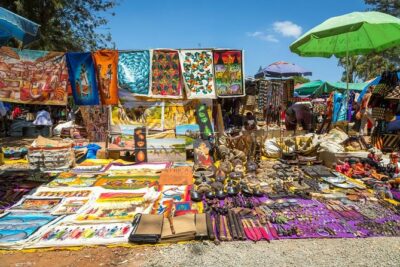
Browse the lists this tour appears in