
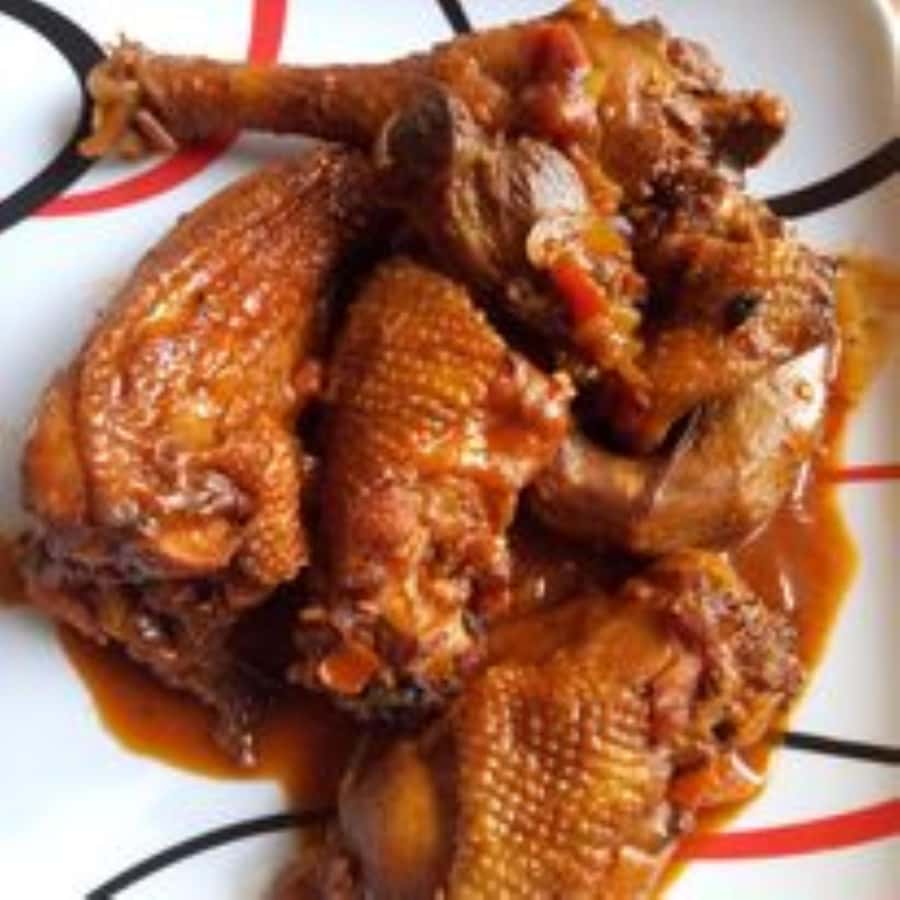
Reviewed · MARKETS
Market Tour and Traditional Kenyan Cooking Class in Nairobi
What makes this Nairobi food experience stand out is the simple plan: you shop for ingredients in a local market, then cook a full Kenyan meal in a real home setting. I like the market tour for its hands-on ingredient shopping, and I like the private session feel that gives you one-to-one help as you learn.
One possible drawback to plan around: because the kitchen is small, the host does most of the cooking. You will still help and learn, but you might not be doing every step yourself.
Key Highlights You Will Actually Care About
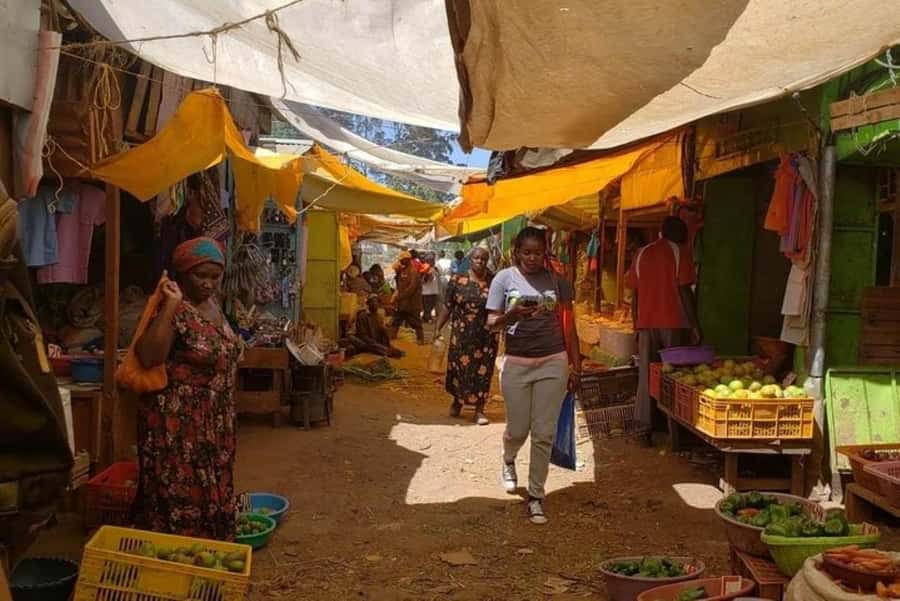
- Meet at K Mall Komarock parking lot, then head straight to the market.
- Shop fresh local supplies in the market for your meal.
- Cook classic dishes like ugali, chapati, pilau, plus curries with Kenyan and Indian influences.
- Private group with one-to-one guidance, not a big crowd lesson.
- Host-led cooking in a small home kitchen, so your role is more guided than fully independent.
- Food and drinks are included, plus transport to and from the market.
A Nairobi Market Tour That Feeds Real Home Cooking
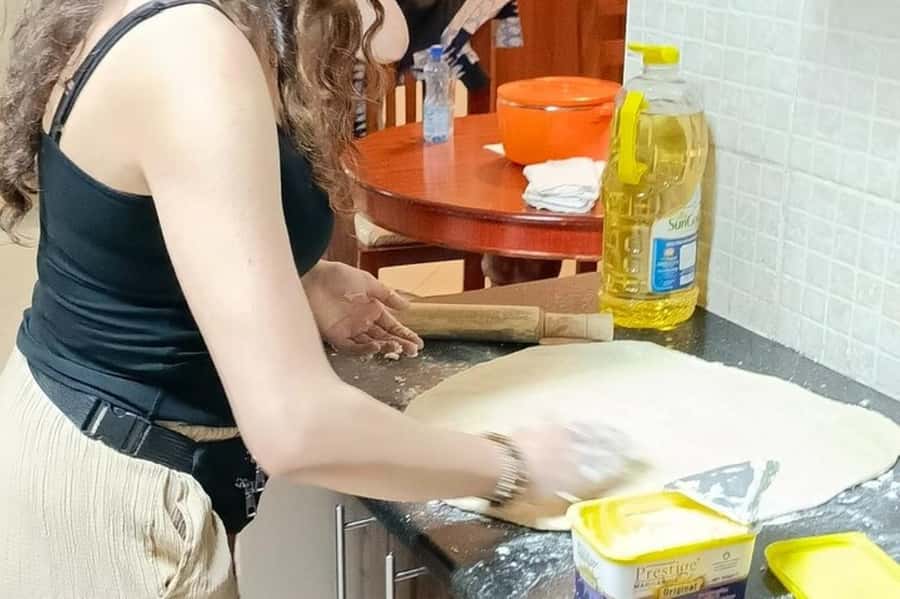
This is a four-hour food outing designed around one idea: ingredients come first. Instead of starting with a pre-prepped cooking demo, you begin where the food life happens, in the market. You go with a purpose, so every ingredient you see has a job later in the kitchen.
I also like that the market part is not treated like a sightseeing detour. It is part of the meal plan. You source fresh local supplies, then you get to connect those choices to taste, texture, and how long things take to cook.
The best part is that you are not just watching a class. You are learning how Kenyan home cooking comes together, step by step, in the context of a real meal you will eat right after.
More Cooking Classes in Nairobi:
- Traditional Kenyan Cooking Class & Local Market Tour
★ 5.0 · 129 reviews - Authentic Kenyan Cooking Class & Market Tour in Nairobi
★ 5.0 · 12 reviews - Private Traditional Kenyan Cooking Class with Lunch in Nairobi
★ 5.0 · 10 reviews
From K Mall Komarock to Fresh Ingredients in the Market
The day starts at the K Mall Komarock parking lot, a clear meeting point that makes the start simple. From there, you head to the market with transport provided to and from the market.
In the market, you are not hunting for exotic foods. You are looking for the kind of everyday ingredients that make Kenyan cooking work: items that hold up in curries, staples for ugali, and the pieces that go into chapati. The goal is to buy what your meal will actually require, so nothing feels like a prop.
A practical note: the market portion is where you will likely ask your questions. If you want to learn what to look for, bring curiosity. Ask what is fresh, what matters for flavor, and what is used more in home kitchens than in restaurants.
The Home Kitchen Part: What You Help With, and What the Host Handles
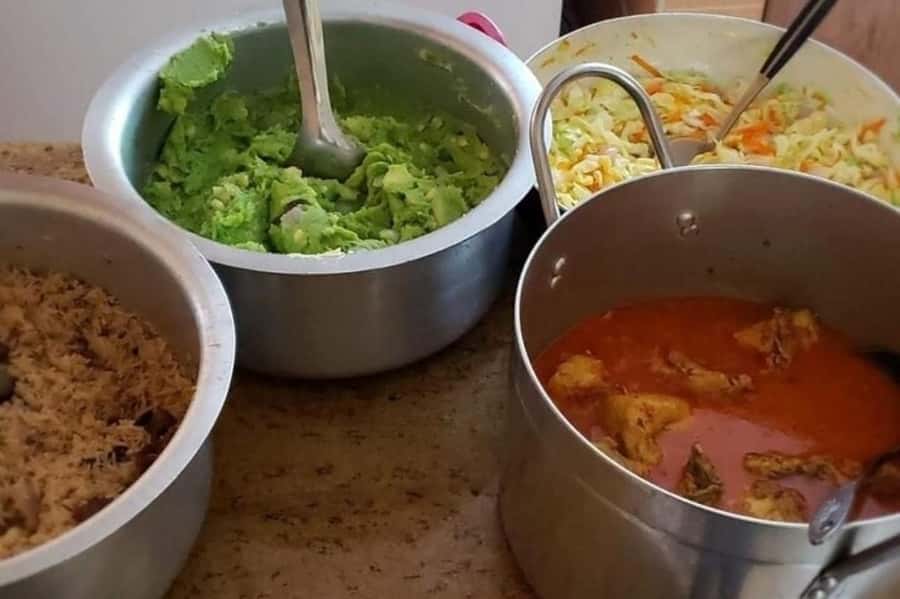
After the market, you go to the host’s home and start cooking. This is the part that makes the whole experience feel personal. Your kitchen time is not staged to look good for photos, it is organized for making dinner.
Because of space constraints, the host does most of the cooking. That matters. If you pictured yourself fully driving the process like a cooking show, adjust your expectations. Think of it as guided coaching: you learn by helping with key steps, watching techniques, and getting explanations as things happen.
One detail I really respect in this setup is that it is honest about the kitchen reality. A small kitchen is common in home life, so you get lessons that transfer to normal, practical cooking conditions, not only to big professional stations.
You can expect to cook from scratch, and you will learn the basics behind the meal components. The menu focuses on Kenyan classics and familiar comfort foods, including:
- Ugali (cornmeal)
- Chapati
- Pilau
- Curries with Kenyan and Indian influences
You might not flip every switch yourself, but you will come away understanding the structure of the meal, and why each dish fits next to the others.
Ugali, Chapati, and Pilau: Learning the Core of a Kenyan Plate
Kenyan home meals have a logic, and this class helps you see it. Each dish has a role, and together they create a full plate that makes sense in the home setting.
More Nairobi trips to compare
- Memorable Daily KIBERA Slums/Toi Market Tour with Locals (2 hours)
★ 5.0 · 29 reviews - Half-Day Nairobi National Park and Maasai Market with Pick up
★ 5.0 · 16 reviews - Nairobi: Hop on Hop off and Maasai market Collections Visit
★ 3.5 · 10 reviews - Explore local Market matatu ride & Make Kenyan Cuisines with a home cook
★ 5.0 · 8 reviews
Ugali (Cornmeal) and the Comfort Factor
Ugali is the anchoring staple. You learn what cornmeal cooking looks and feels like as it thickens, and you get a sense of how texture matters. It is not just a side dish. In a Kenyan home meal, it is the foundation you build the rest of your eating around.
Chapati and the Bread Lesson You Can Use Again
Chapati is the bread portion, and it is also one of the most learnable skills in the class. You get help making it, and you leave with the kind of understanding that can help you repeat it later.
A theme from the strongest experiences here is instruction that actually lands. In multiple accounts, the host is described as kind, patient, and able to teach chapati in a way that feels doable. That matters for confidence, especially if your cooking skills are still a little rusty.
Pilau and the Spiced Rice Idea
Pilau rounds out the plate. You get to see how rice becomes more than plain starch, and you learn how spice and cooking time change what ends up in your bowl.
If you like meals where spices show up clearly but not chaotically, pilau is a great anchor dish. It also pairs naturally with curries and ugali, so you get a complete flavor circuit.
Curries With Kenyan and Indian Influences, Explained Through Cooking
The class does curries, and it also calls out that the meal has Kenyan and Indian influences. That is helpful because it frames what you might taste in the pot.
Rather than treating curry as one vague thing, you learn how curry works in practice with the ingredients you buy in the market. You watch how the base comes together and how the dish turns into something spoonable and sauce-like.
This is also where the home cooking coaching really helps. You will likely get guidance on timing and adjustments. Home kitchens work by feel as much as by rules, and this lesson is a window into that style.
What You Eat: Included Food and the Enjoy-Then-Ask Questions Flow
This experience is set up so you cook and then eat right away. Food is included, along with soda, fruits, and water. That inclusion is not just a bonus. It lets the class stay focused on the meal itself.
I like this format because you can taste your work while your questions are still fresh. You can ask why something tastes the way it does, or how to make it better next time, while the memory of cooking is still close.
Also, because it happens in a home setting, you get space for conversation. People describe chatting on the sofa and talking about themselves as part of the experience. That is not an extra activity tacked on at the end. It is how the cooking lesson turns into a real human exchange.
Price and Value: How $55 Works for a 4-Hour Meal Lesson
At $55 per person for about four hours, this is fairly priced when you look at what is included. You are paying for:
- A market visit guided by an English, Swahili speaking host or guide
- Ingredient sourcing
- Cooking instruction and meal prep from scratch
- The meal itself
- Soda, fruits, and water
- Transport to and from the market
The hidden cost here is time. If you tried to recreate this on your own, you would spend money on ingredients, plus time figuring out techniques without a coach. You would also likely skip the structured dish plan that keeps ugali, chapati, pilau, and curries all working together.
So the value is not just that food is included. It is that you get a guided, full-plate outcome in a short window.
Your Host and Guide: English, Swahili, and the Kindness Factor
The experience provider is Evaline Mbugua. Reviews use names like Mary Evelyn and Eve for the same host, and they consistently highlight her teaching style and warmth.
I think that matters more than people realize. Cooking lessons can be stressful if the teacher is rushed. Here, the tone described in feedback is supportive and patient, with guests learning through direct guidance rather than feeling like they are behind.
Also, you get a live guide who handles English and Swahili. If you want more context for what you are eating and why the techniques matter, that language support helps a lot.
Timing and Group Style: Private, One-to-One Help in a Short Window
This is a private group experience, meaning it is just your party. That changes the whole feel of the class. In a larger group, questions can wait. Here, you can ask more, get more direct help, and keep your learning pace.
The session is about four hours, so it is long enough to shop, cook, and sit down. It is also short enough that it does not turn into a half-day grind. This is especially good if you want a cultural experience that feels practical rather than purely observational.
One more planning note: because the kitchen is smaller and the host does most cooking, the class runs efficiently. That is good for time, and it keeps the meal moving toward the eating part, not just the chopping part.
Who Should Book This Nairobi Cooking Class?
Book this if you want:
- A hands-on Kenyan meal lesson with an ingredient shopping start
- A real home-cooked dinner outcome, not only a demonstration
- A private setting where you can ask questions
- Comfort with classic dishes like ugali, chapati, and pilau
You might think twice if:
- You want to control every cooking step yourself. The host does most of the cooking due to space constraints.
- You only want a hands-on workshop and not a more guided, host-led style.
If you are traveling as a pair or small group and you care about learning techniques you can actually repeat at home, this is a strong fit.
Practical Tips to Get More From Your Market and Cooking Time
Here are the small things that help you enjoy it more, with no drama:
- Go hungry, then pace yourself when you taste. You will cook and then eat, and the food is included.
- Bring questions about ingredients you are less familiar with. The market is the right time to ask.
- Wear comfortable clothes. Markets involve standing and walking, and cooking involves time near heat.
- Expect the host to run the show at points due to kitchen space. Your best strategy is to focus on learning the key steps you do help with.
- Plan for local transport costs beyond the included market transfer. Uber fees are not included.
Also, if you care about language, the class is guided in English and Swahili. If you have any language needs, check with the provider before you go.
Should You Book This Nairobi Market Tour and Cooking Class?
If you want a focused, cultural food experience that ends with a real meal in a home setting, I would book it. The price feels fair because the lesson includes the market sourcing, cooking guidance, and the meal itself, plus transport to and from the market.
The strongest reasons to choose it are the practical cooking instruction, the warm teaching style described in experiences with Mary Evelyn, and the way the menu brings together ugali, chapati, pilau, and curries. Just go in knowing the kitchen is small, so the host does most of the cooking, and you will help where it matters most.
If that sounds like your kind of learning, you are set. Enjoy the market, learn how a Kenyan meal is built, and eat what you worked on.
FAQ
Where is the meeting point?
The meeting point is K Mall Komarock parking lot.
How long is the experience?
It lasts 4 hours.
How much does it cost?
It costs $55 per person.
Is it a private group?
Yes, it is a private group session for just your party.
What language is the guide?
The live tour guide speaks English and Swahili.
What dishes will we cook?
You will cook dishes such as ugali (cornmeal), chapati, pilau, and curries with Kenyan and Indian influences.
What is included in the price?
Food, soda, fruits, water, and transport to and from the market are included.
Is transport included besides the market transfer?
Transport to and from the market is included, but Uber fees are not included.
What is the cancellation policy?
You can cancel up to 24 hours in advance for a full refund.
Recently reviewed from Nairobi
- Amboseli Day Trip from Nairobi★ 4.5 · 3 reviews
- Ngare Ndare Day Trip★ 5.0 · 3 reviews
- Nairobi city tour★ 4.5 · 3 reviews
- Day Trip To Crescent Island And Hells Gate National Park★ 5.0 · 3 reviews
- Crescent Island Day Tour From Nairobi★ 5.0 · 3 reviews
- 1-Day Amboseli Safari★ 5.0 · 3 reviews
- 13-Day Uganda Mgahinga Gorilla Trek, Maasai Amboseli Park★ 5.0 · 3 reviews
- 4 days group joining budget safari to Maasai Mara only★ 5.0 · 3 reviews
Markets, compared.

Traditional Kenyan Cooking Class & Local Market Tour
Read our review →
Mombasa City Tour,Fortjesus,Oldtown,Tusks and Spice Market.
Read our review →
Half-Day Nairobi National Park and Maasai Market with Pick up
Read our review →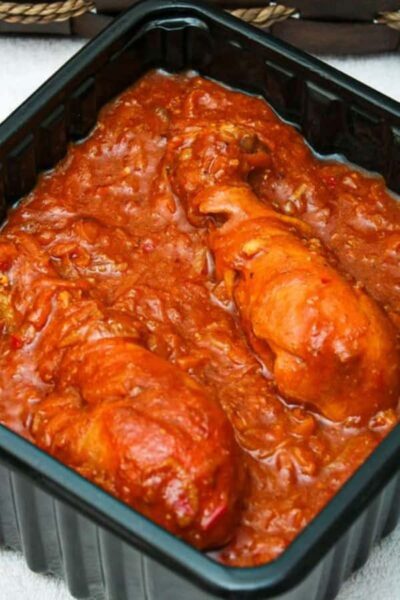
Authentic Kenyan Cooking Class & Market Tour in Nairobi
Read our review →
Hop on Hop off and Maasai market Collections Visit
Read our review →
Explore local Market matatu ride & Make Kenyan Cuisines with a home cook
Read our review →
Browse the lists this tour appears in