
Reviewed · MARKETS
Local Market Tour and Traditional Meal Cooking Class
A Nairobi market stop paired with a hands-on cooking class in a local home is a practical way to understand Kenyan food culture, not just watch it from the sidelines. You’ll get the smells, the shopping rhythm, and the real kitchen process, from Westlands Square onward.
What I especially like is the combination of fresh market browsing and actually cooking the food you picked up. The small group setup, limited to 6 people, also makes it easier to ask questions in English or Swahili, and to get personal attention from hosts like Gladys or Ninoh, who keep the experience steady and welcoming.
One thing to think about before you book: the cooking happens in an apartment on the 4th floor with stairs only and no lift. If stairs are a challenge for you, plan ahead and ask questions before you go.
Key highlights to look for
- Local African fresh market shopping where you pick ingredients like a Nairobi regular
- Matatu ride option for a real public-transport taste of daily life
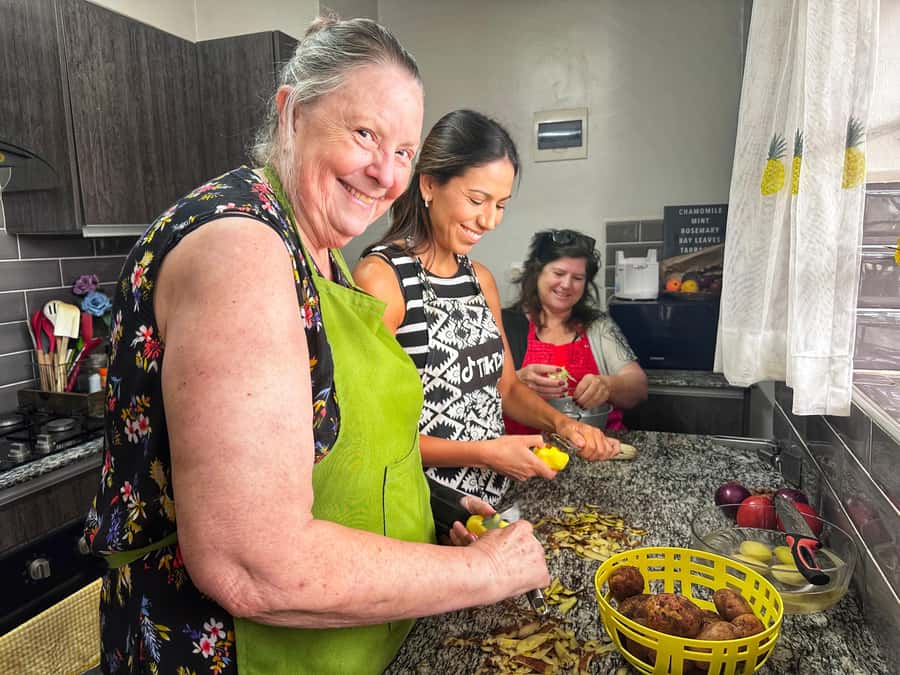
- Hands-on cooking class focused on Kenyan traditional meal skills
- Meal sampling and eating together right after you cook
- Diet-friendly options including vegetarian, vegan, and pescatarian
- Small group limit so you spend more time with the guide, less time waiting
Starting at Westlands Square, then moving like a Nairobi local
Your day begins at Westlands Square, at the mall entrance near the Java cafe. It’s an easy meeting point if you’re staying in Nairobi’s Westlands area, and it also helps you avoid the stress of guessing multiple pickup locations. The tour runs either at 11:30am or 5pm, so you can match it to your other plans.
From there, you’ll head out with your guide and see a different side of Nairobi than the usual checklist spots. The experience leans on simple things done well: walking through the market, getting your ingredients, and then doing the cooking in a home kitchen. That flow matters. It turns “learning about food” into something you can actually use later, like how to shop for staples and how Kenyan meals come together step by step.
The time frame is also realistic. This is a 3-hour experience, so it’s not one of those half-day tours where you spend half your morning traveling and waiting. Expect a schedule with movement, stops, and cooking, but not drawn-out downtime.
More Cooking Classes in Nairobi:
- Traditional Kenyan Cooking Class & Local Market Tour
★ 5.0 · 129 reviews - Authentic Kenyan Cooking Class & Market Tour in Nairobi
★ 5.0 · 12 reviews - Private Traditional Kenyan Cooking Class with Lunch in Nairobi
★ 5.0 · 10 reviews
The local farmers market tour, what you’re really practicing
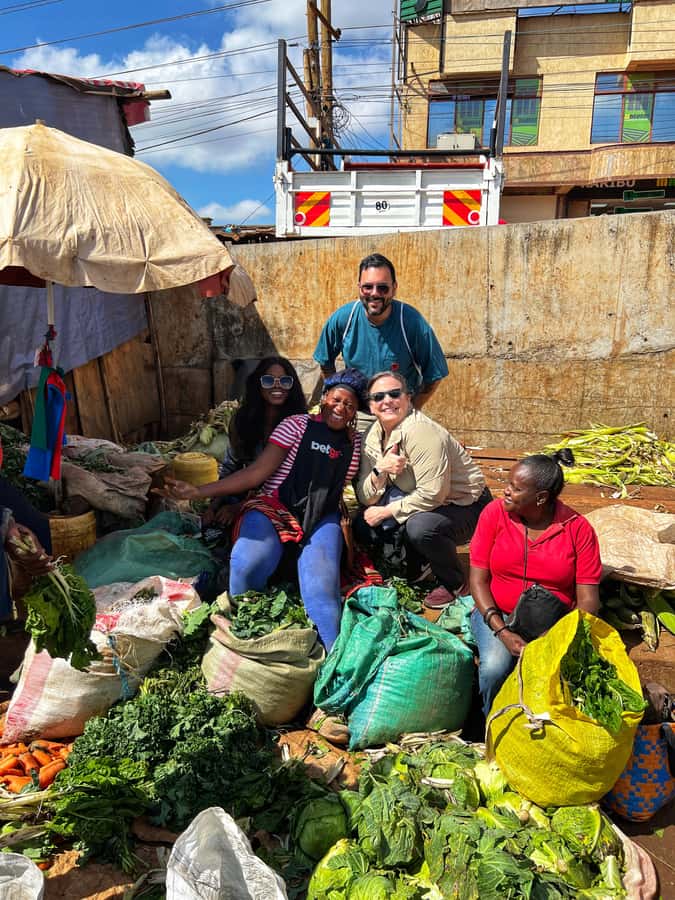
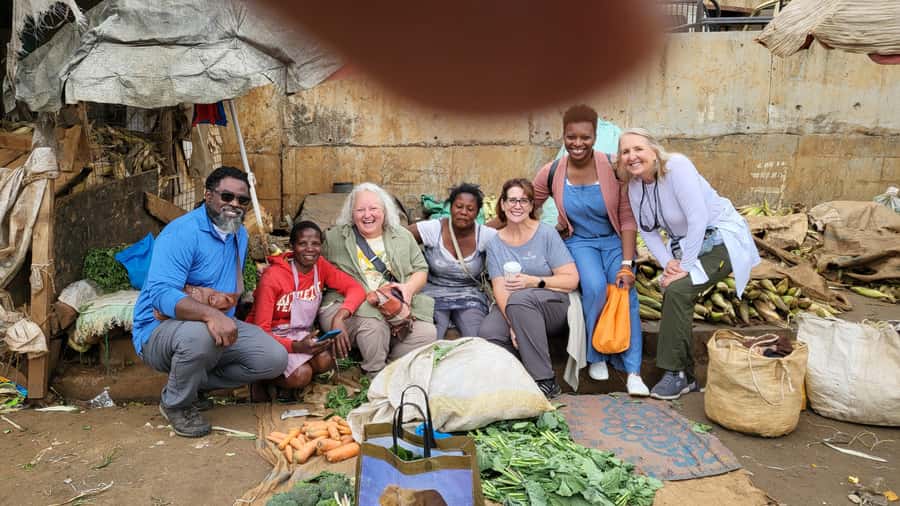
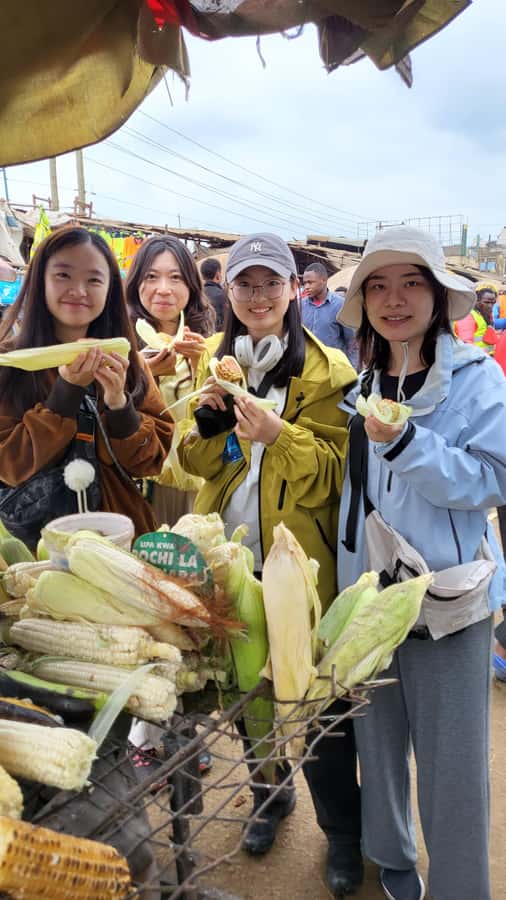
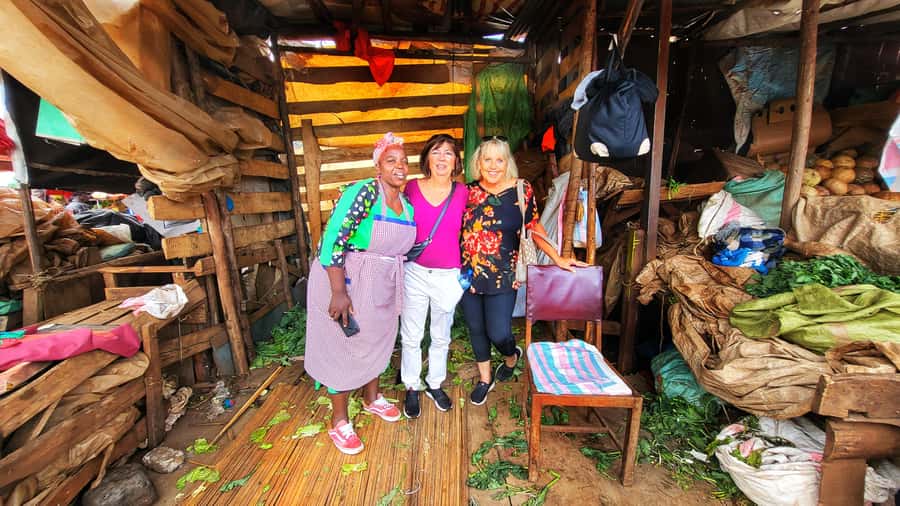
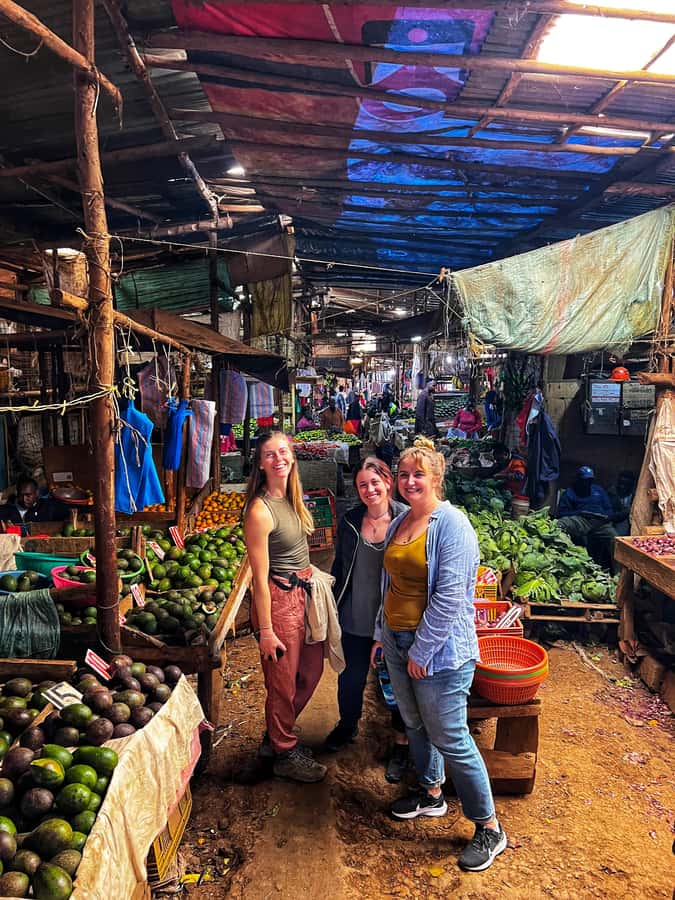
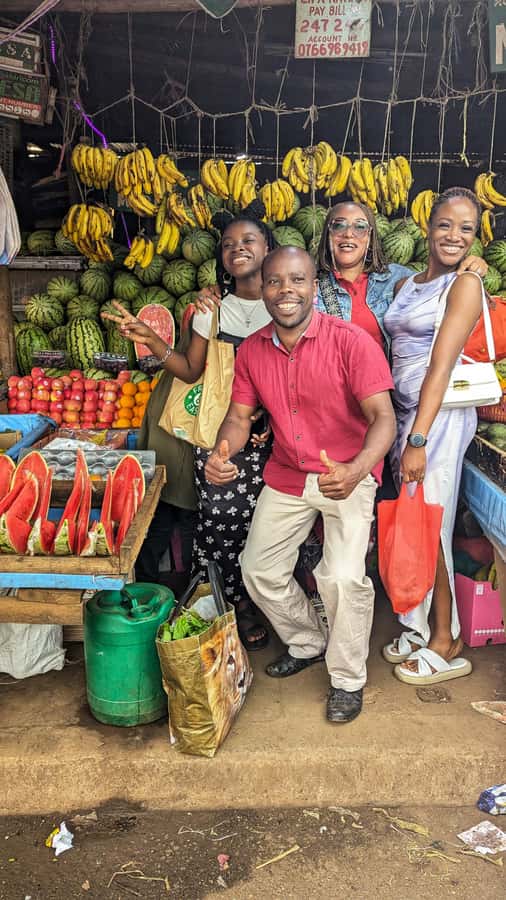
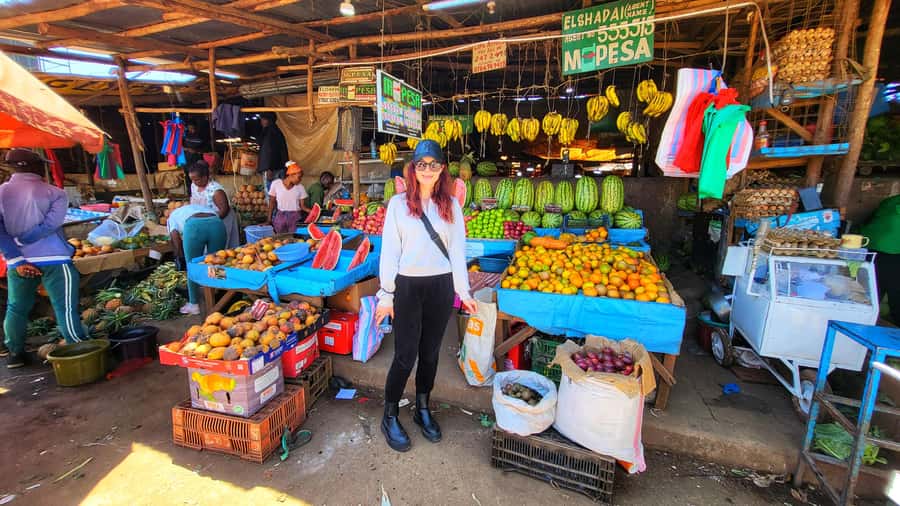
The heart of the experience starts with a local farmers market tour where you do grocery shopping for the cooking class. This is not a performance market. You’re strolling through a working food space where produce and ingredients are the center of attention.
I like that you’re given a guided route rather than being dropped in the middle of a busy place with no context. Your guide helps you understand what people buy day to day, and that changes how you look at the items. Instead of only asking what something is, you start asking why it’s chosen, how it’s handled, and what role it plays in a meal.
You’ll also get practice reading the market from a cooking perspective. Since the goal is to end up with a Kenyan traditional meal you cook together, the shopping stop becomes your ingredient roadmap. You’re not just collecting photos. You’re learning what goes into the dish and how fresh ingredients affect flavor and texture.
One practical note: markets can be visually and physically busy. Wear closed, flat shoes or sport shoes so you’re comfortable standing and walking. If it’s raining, bring an umbrella or rain coat, since the tour expects you to move.
Matatu ride option, the simple way to feel Nairobi’s rhythm
After the market, the experience includes riding a matatu, Nairobi’s shared public transport. In the listing it’s described as optional, but either way, the value is the same: you get a real feel for local movement rather than only using private car rides.
Even if you skip the ride, you’ll still be “moving like a local” through the day’s pacing and walking. If you do take the matatu, it’s a quick chance to understand how Nairobi people commute and how crowded city travel can be.
Why this matters for you: it helps anchor the cooking class in daily life. Food culture is not separate from how people get around, what time they shop, and what routines shape meals. A short transit moment can connect those dots fast.
Head to the home kitchen, with a view and real staircases
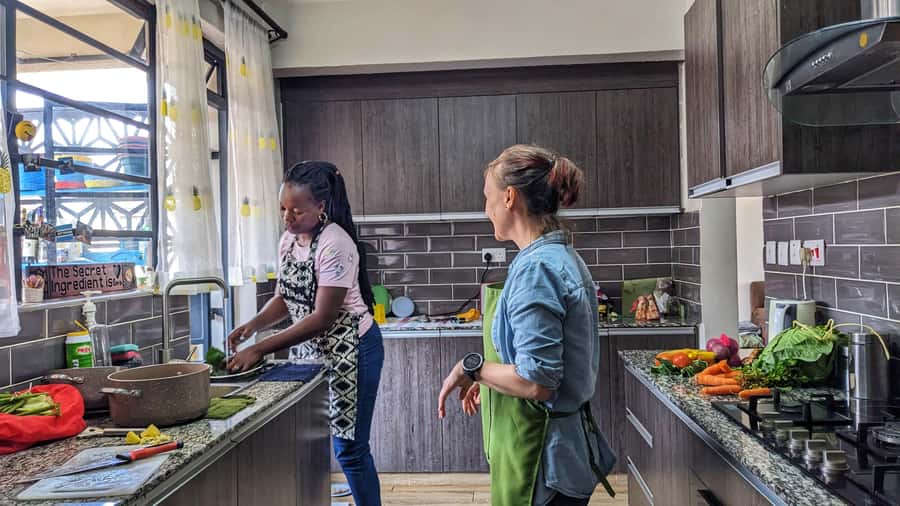
Next comes the transition from the market to the guide’s home, about 10 minutes away, with timing that can shift depending on traffic. When you arrive, you’ll start the cooking experience right there in the apartment kitchen.
Here’s a detail that’s worth taking seriously: the apartment is on the 4th floor with no lift, only stairs. The listing also notes a nice view from the apartment, but you’ll need to earn it by climbing. If you’re traveling with mobility limits or you just don’t love stairs, this is the one drawback that can turn a great plan into an uncomfortable one.
The home setup includes WiFi and a clean washroom, which helps after market time. It’s a good sign that the experience isn’t only about food, it also considers basic comfort once you’re done walking around.
More Nairobi trips to compare
- Memorable Daily KIBERA Slums/Toi Market Tour with Locals (2 hours)
★ 5.0 · 29 reviews - Half-Day Nairobi National Park and Maasai Market with Pick up
★ 5.0 · 16 reviews - Nairobi: Hop on Hop off and Maasai market Collections Visit
★ 3.5 · 10 reviews - Explore local Market matatu ride & Make Kenyan Cuisines with a home cook
★ 5.0 · 8 reviews
The cooking class, hands-on skills with fresh Kenyan ingredients
At this point, you shift from shopping mode to cooking mode. You’ll cook together, in a guided, hands-on format where you learn how to prepare a Kenyan traditional and national meal.
The key phrase here is hands-on. You’re not just watching someone cook and copying a recipe card. You’re participating, getting your hands busy, and learning the workflow that makes a Kenyan meal taste like a Kenyan meal. Your guide leads the process, and they also keep the experience organized so the group can actually finish and eat on time.
Ingredient quality is part of the plan too. The meals are made from fresh and organic local ingredients. That’s important for you as a traveler because it changes what “authentic” means. Authentic here is not about a fancy presentation. It’s about using ingredients that match what locals buy and cook with.
Also, you should know they aim to make the meals work across diets. The cooking class indicates the meals fit pescatarian, vegan, vegetarian, and meat-eaters. If you have a food preference, this is a great type of tour to communicate it ahead of time. The experience explicitly invites you to reach out for specific meal requests or clarification.
Kenyan meal sampling, eating what you cooked together
Once the cooking is done, the experience shifts into sampling and eating the Kenyan traditional meals you prepared. This part matters as much as the cooking lesson, because it turns technique into understanding.
Meal sampling is not described as a lecture about flavors. It’s simply time to sit down and enjoy what you made. You’ll get to taste the final result in a way that makes the earlier steps feel meaningful. When you cook a dish yourself, you remember details like texture, spice balance, and the order things happen. Then tasting it becomes feedback, not just “dinner.”
You can also expect some cultural conversation along the way. The experience is guided by someone local, and the overall goal is to share useful insights about local food culture, not only recipes. Even if you don’t go deep into food theory, you’ll come away with better instincts about what ingredients matter and how Kenyans think about meals as part of daily life.
Finally, there’s a built-in wind-down. After concluding the experience, you’re free to relax a bit. When you’re ready, you can get a taxi from the home and your guide can help request an Uber at your own cost back to your hotel.
Price and value: what $64 buys in a 3-hour, small-group format
At $64 per person for a 3-hour experience, the best way to judge value is by what you actually get included. You’re paying for more than a cooking class.
Your price includes:
- The local farmers market tour with grocery shopping
- A guided local experience with food culture context
- A cooking class where you cook together
- Sampling and eating the Kenyan traditional meals
- Optional matatu ride as part of the local transport feel
That mix is why this feels like a solid deal. You’re not paying for one activity only. You’re paying for a connected loop: ingredients from a market to a kitchen to a shared meal, plus a guide who ties it together.
Small-group limit also affects value. With up to 6 participants, you’re less likely to get shuffled to the side while the host focuses on one or two people. You’re more likely to ask questions and participate at the right time.
Timing and practical planning: what to wear and how to handle rain
Because you’re starting in Westlands Square and then moving through market and transit, packing smart is half the success.
Bring:
- Flat closed shoes or sport shoes that you can walk in comfortably
- A light jacket
- An umbrella or rain coat during the rain season
- Decent dress that means trousers or a long skirt. Avoid crop tops or shorts
These aren’t picky rules for the sake of rules. They keep you comfortable in a market environment and respectful of the setting you’re visiting.
Also plan around the schedule. The tour starts at 11:30am or 5pm, and the experience concludes with an easy path to head back by taxi or Uber. There’s no hotel pickup or drop-off included, so you’ll want to sort your own way to the meeting point in Westlands Square.
If you’re the type who hates last-minute logistics, this is still manageable, but you should treat it like an activity with a clear start location. Show up on time at the Java cafe entrance, then let the guide handle the flow.
Who should book, and who should skip this Nairobi food day
This experience is a strong fit if you want:
- A hands-on Kenyan cooking class, not a passive demonstration
- The ingredient story that starts at a local fresh market
- A small group format where questions feel easy
- Diet flexibility, since the meals are designed for vegan, vegetarian, pescatarian, and meat eaters
It may not be the best fit if:
- You have animal allergies, since it’s listed as not suitable
- You struggle with stairs, because the cooking apartment is on the 4th floor with no lift
- You prefer not to dress more conservatively, since the experience requests no crop tops or shorts
If you’re traveling in Nairobi on a short schedule, this format is also a nice way to get a meaningful slice of local life without committing to a longer full-day plan.
Should you book this Kenyan market and cooking class?
I’d book it if you want Nairobi food culture in a format that actually involves you. The market component makes the cooking class feel grounded in real everyday shopping, and the small group setup supports real participation. The diet-friendly approach is another plus if you’re traveling with mixed preferences.
Just be honest about the one real drawback: the stairs at the apartment. If that’s manageable for you, this is a well-priced, highly practical way to spend a few hours in Nairobi with a local guide, shop for ingredients, cook a traditional meal, and eat it together.
FAQ
Where is the meeting point?
You meet at Westlands Square, at the mall entrance near the Java cafe. The guide waits there to start the experience.
What time does the tour start?
The tour starts either at 11:30am or 5pm, depending on availability.
How long is the experience?
It lasts about 3 hours.
Is hotel pickup and drop-off included?
No. You provide your own transport to the meeting point, and the guide helps you request an Uber or arrange a taxi back at the end.
Is the matatu ride included or optional?
The matatu ride is listed as optional, and it is included as part of experiencing local public transport.
Are the meals suitable for different diets?
The class notes that the meals fit all diets, including pescatarian, vegan, vegetarian, and meat eaters.
What should I bring and wear?
Wear comfortable clothes and closed flat or sport shoes. If it’s raining, bring an umbrella or rain coat. The experience also asks for modest dress, preferably a trouser or long skirt, and says no crop tops or shorts.
Is it wheelchair accessible if the apartment has stairs?
The activity is listed as wheelchair accessible, but the home stop is on the 4th floor with only staircases and no lift. If wheelchair access matters for you, you should plan based on the stair requirement.
Is this experience suitable for people with animal allergies?
No. It is noted as not suitable for people with animal allergies.
Can I cancel and pay later?
Yes. Free cancellation is available up to 24 hours in advance for a full refund, and there is a reserve now and pay later option.
Recently reviewed from Nairobi
- Amboseli Day Trip from Nairobi★ 4.5 · 3 reviews
- Ngare Ndare Day Trip★ 5.0 · 3 reviews
- Nairobi city tour★ 4.5 · 3 reviews
- Day Trip To Crescent Island And Hells Gate National Park★ 5.0 · 3 reviews
- Crescent Island Day Tour From Nairobi★ 5.0 · 3 reviews
- 1-Day Amboseli Safari★ 5.0 · 3 reviews
- 13-Day Uganda Mgahinga Gorilla Trek, Maasai Amboseli Park★ 5.0 · 3 reviews
- 4 days group joining budget safari to Maasai Mara only★ 5.0 · 3 reviews
Markets, compared.

Traditional Kenyan Cooking Class & Local Market Tour
Read our review →
Mombasa City Tour,Fortjesus,Oldtown,Tusks and Spice Market.
Read our review →
Half-Day Nairobi National Park and Maasai Market with Pick up
Read our review →
Authentic Kenyan Cooking Class & Market Tour in Nairobi
Read our review →
Hop on Hop off and Maasai market Collections Visit
Read our review →
Explore local Market matatu ride & Make Kenyan Cuisines with a home cook
Read our review →
Market Tour and Traditional Kenyan Cooking Class in Nairobi
Read our review →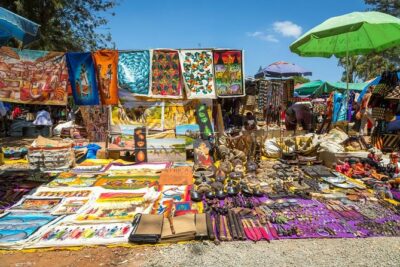
Browse the lists this tour appears in