

Reviewed · WALKING TOURS
Nairobi: Hidden Gems and Local Secret Guided Walking Tour
What makes this Nairobi tour interesting is how fast it turns the city center into a story you can walk through. You get a tight route and a local guide who connects famous buildings to everyday life.
I really like two things: the mix of big-name landmarks like Parliament and KICC alongside practical, real-world stops like Gikomba Market and City Market shopping streets. I also enjoy the way guides earn their tips, with people praising guides such as Williams for strong historical storytelling, and Ezequiel for clear Spanish explanations.
One consideration: you will pass through areas where street begging can happen, and that can feel distracting. The good news is that some guides handle it directly, so the focus stays on the walk and what you came to learn.
Key highlights worth planning around

- Parliament and KICC photo stops that help you read the Nairobi CBD at walking speed
- Gikomba Market where second-hand clothing is the whole system, not a side show
- Uhuru Park and major landmarks that give context for Kenya’s public life
- Nyayo House for a deeper historical anchor during the walk
- Nyamakima Matatu Stage where you get a feel for matatu culture, not just a bus fact
A 150-minute Nairobi walk that helps you read the city fast
This is a short, focused walking tour that works well when you have limited time but still want more than postcard stops. At 150 minutes, you are moving through key parts of central Nairobi with enough stops that you can connect places to themes: pre-colonial roots, colonial-era shifts, and post-independence life.
The tour is built around a simple idea I love: Nairobi makes more sense when you see how institutions, markets, and neighborhoods sit next to each other. You are not just collecting names. You are learning what those places mean in daily Kenyan life.
It also runs like a proper guided walk, with an early safety briefing and a guide who stays with you throughout. That matters in a busy city center, especially if you are trying to keep your bearings.
More Walking Tours in Nairobi
- Nairobi: Historic and Modern Highlights Walking Tour
★ 4.8 · 703 reviews - Nairobi Historical Walking City Tour
★ 5.0 · 258 reviews - Nairobi Downtown Walking Tour
★ 4.7 · 208 reviews
Price and value: $27 for a guided city-center route
At $27 per person for about 2.5 hours, this is fairly priced for a guided walking experience that hits multiple landmark clusters plus markets. The value comes from the breadth: civic buildings, memorial-type stops, places of worship, and commercial streets all in one outing.
You are not paying for a fancy vehicle or a long multi-day program. You are paying for something you can’t easily DIY on a first visit, which is interpretation. The guides are the main ingredient, and multiple reviews point to clear storytelling and good language support, including Spanish and English.
Just be honest with yourself about one tradeoff: walking means you need decent shoes and you need to handle the sun and crowds around markets. If you prefer a fully seated, ride-only tour, this one may feel a bit too physical.
Getting started at Hilton and your quick setup

Pickup is offered from several areas, including Nairobi, Embakasi, Parklands, Westlands, and Kilimani, which helps if you do not want to cross town just to begin. You meet at a hotel entrance or another chosen meeting area, and the driver shares the car plate and color plus the guide introduction.
At the start, there is a short safety briefing, which is a smart way to set expectations for the kind of city walking you are doing. I also like that the tour uses a separate entrance for certain stops, so you can skip the line rather than spend your limited time waiting.
Practical tip: bring water and sun protection, and wear comfortable shoes. This is not the kind of route where you can easily switch shoes mid-day.
The CBD “anchor stops” from Nation Centre to Parliament of Kenya
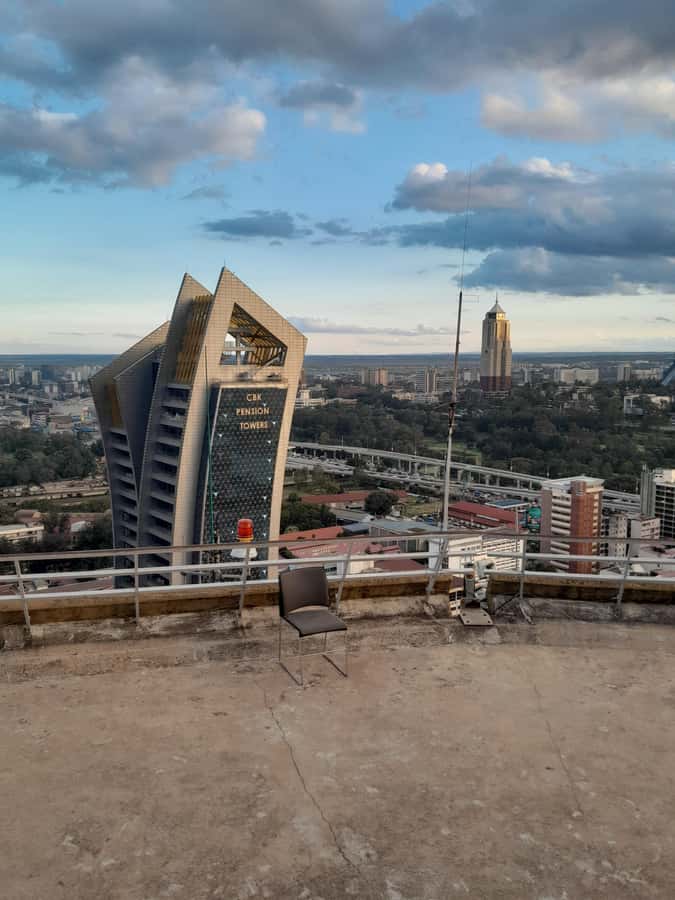
One strong reason to do this tour early in your Nairobi trip is the way it organizes the CBD. You start in the central area and you move toward big civic landmarks that help you understand government and public life.
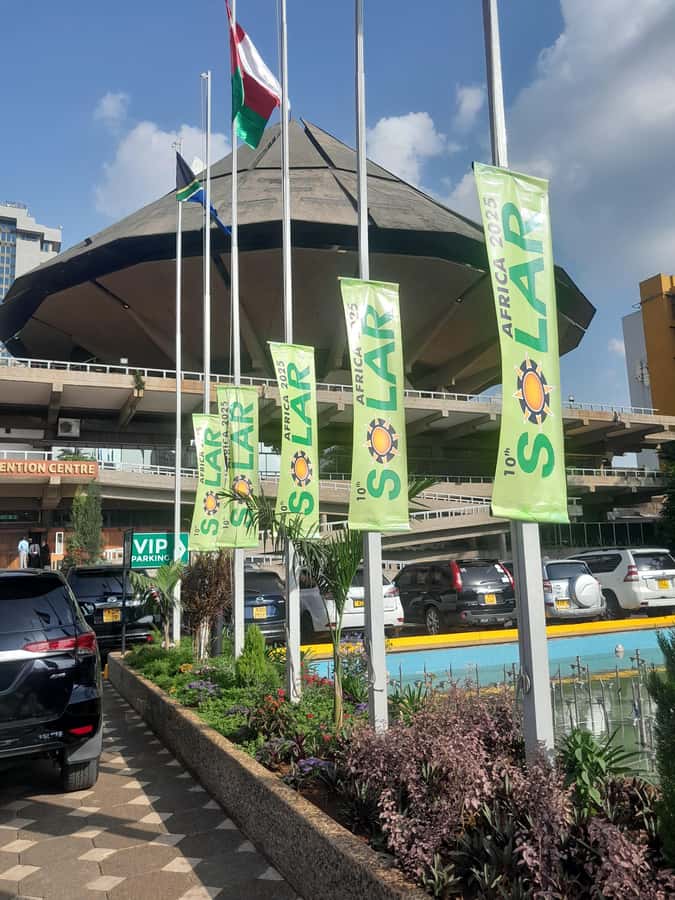
You get stops and photo moments around places like the Nation Centre and major hotel landmarks, including Sarova Stanley Nairobi, which sit in the same working zone as Kenya’s institutions. Then the route presses toward the more iconic symbols of national decision-making with the Kenyatta International Convention Centre (KICC) and the Parliament of Kenya.
At KICC and Parliament, the point is not only the architecture. The guide’s stories connect the buildings to how Nairobi grew and how public life changed after independence. Reviews also highlight that guides answer questions and provide context and even current affairs, which is a big deal when you want more than basic facts.
If you are a first-timer, these stops help you understand why Nairobi feels like it does. You start to see how the city organizes power, business, and movement in one central grid.
A different day out of Nairobi:
- Nairobi National Park Half-Day Tour; Free Wi-Fi connection
★ 5.0 · 878 reviews - Nairobi: National Park & Optional Elephants & Giraffe Center
★ 4.8 · 874 reviews - NAI NAMI: Nairobi Storytelling Tour with Street Children
★ 5.0 · 792 reviews - Nairobi National Park Half-Day Game Drive
★ 4.5 · 738 reviews
Uhuru Park and the “public life” feeling of central Nairobi

Uhuru Park shows up in the tour highlights, and it’s a useful stop because it is a contrast point. Around this area, you get a sense of Nairobi’s public space culture: places people associate with civic moments, national identity, and casual everyday gathering.
Even if you only spend a short time here, it works as a reset between heavier institutional sights and the more intense market scenes. It’s also a good moment for photos because you are not only surrounded by glass-and-stone; you get open-air views that help the rest of the walk feel less packed.
Nyayo House and what a historical stop does for your whole route

Nyayo House is one of the tour’s key historical anchors. When the route includes a stop like this, it changes how you experience everything that comes after. The guide can connect the city’s governance and public systems to the larger story of Kenya’s past and how it shaped everyday life.
This is exactly the kind of stop I like on short tours because it keeps the narrative from feeling random. Without it, a CBD walk can turn into a checklist. With it, you start to understand why buildings matter.
McMillan Memorial Library: views plus a moment to slow down

The McMillan Memorial Library stop is a practical one, and the scenic element is an added bonus. Libraries can sound boring on a travel schedule, but on a city-walk tour, they often function like a living landmark, a place where you feel the idea of learning and public access.
You also get scenic views while moving there, which helps break the walk into smaller chapters. In a short, intense itinerary, those small “breathers” are not optional. They keep you from feeling like you are just being rushed from one point to another.
Kipande House and the feeling of how systems touched daily life
Kipande House is another spot that adds context to the history thread of the tour. The guide’s job here is to connect the building to Nairobi’s changing political and social systems over time.
Even if you are not a history nerd, this stop is useful because it helps you interpret what you see later in governance buildings and public spaces. You start thinking about how rules and identity shaped access, work, and movement in different eras.
Faith and architecture: Holy Family Basilica and Jamia Mosque
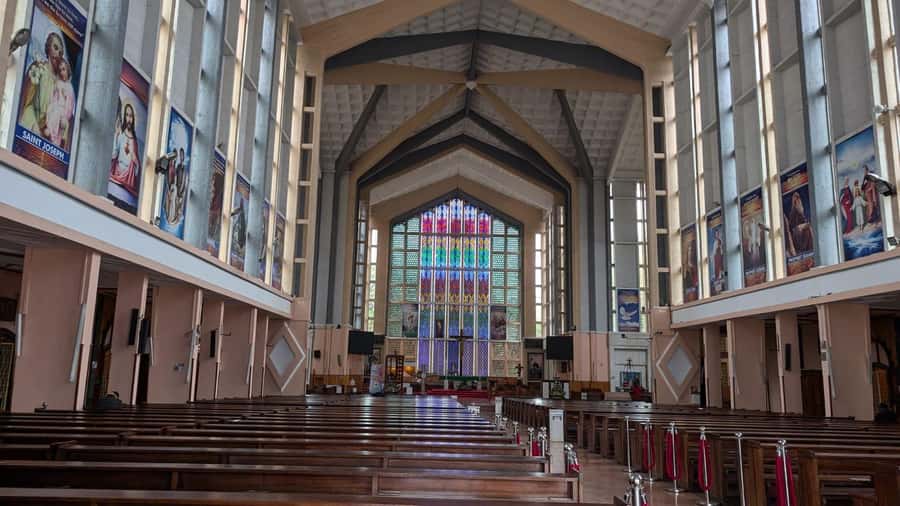
The route includes major places of worship, with time for photo stops and guided context. You will see Holy Family Basilica and Jamia Mosque, and this is a great reminder that Nairobi’s identity is not one single story.
These stops help you notice how different faith communities show up in public space. They also give the guide room to explain traditions and how different cultures and communities coexist and interact across the city.
If you want a city walk that feels human, not just official buildings and markets, these religious stops do that job well.
Nairobi Railway Museum, Electricity House, and Jivanjee Garden
The tour also points you toward more specialized sights like the Nairobi Railway Museum and Electricity House, plus Jivanjee Garden. Even when your time at each place is brief, these stops add variety.
They help you learn how Nairobi developed as a city, not just how it looks today. Transport and infrastructure are the hidden skeleton of any capital. When your guide includes these anchors, you get a fuller picture of why Nairobi’s layout and daily routines make sense.
This is also one of the reasons the tour works in a limited timeframe. Instead of spending hours at one museum, you collect several small infrastructure stories and keep moving.
Markets that tell the truth: Gikomba, Muthurwa, and City Market
Now comes the part many people remember, because markets are where Nairobi becomes real fast.
Gikomba Market is described as the largest second-hand market, and that alone makes it worth your attention. You will not only see stalls. You’ll see the logic of second-hand trade: what gets sold, how people move through the area, and how this kind of shopping is part of the city’s rhythm.
Then there is Muthurwa Market, highlighted as a busy grocery hub. This is the kind of place where the tour helps you see beyond the goods and understand daily needs. If you like practical travel, you’ll enjoy this stop because it feels like you are watching normal Nairobi life, not a staged attraction.
You also stop at Nairobi City Market, with time for walking and shopping. This is useful if you want a souvenir that feels tied to local routines, not mass-tourism packaging.
And the tour includes the Maasai Market, which adds another shopping flavor. Just keep expectations grounded: market shopping can be fun, but it also means more bargaining energy and more foot traffic.
My advice: if shopping is your priority, bring small bills and go slow. If you’re more interested in photos and culture, keep your focus on the guide’s explanations so the shopping chaos does not swallow the story.
Nyamakima Matatu Stage: how Nairobi moves and why locals care
The itinerary highlights Matatu culture at Nyamakima Matatu Stage. This is one of those Nairobi topics you can’t really fake. Even just standing near where matatus queue and people board tells you a lot about movement, livelihoods, and city identity.
On a guided walk, the matatu stop is more than a photo moment. The guide ties it into how Nairobi works day to day, and the answers to questions can be surprisingly insightful. If you are curious about local transport culture, this is a good time to ask.
Also, if you are planning your next day’s sightseeing, understanding matatus a little makes it easier to navigate the city afterward.
Quick stops like Smoking Zone, Post Office GPO, and Maasai Market
A few short stops matter because they fill in gaps and show you the city’s layers. You pass by a spot called Smoking Zone and you visit the Post office GPO Branch. These are smaller moments compared to Parliament or Gikomba, but they help the route feel lived-in.
The tour also includes Maasai Market as a distinct stop, so you are not only dealing with second-hand clothes and daily groceries. It gives your afternoon a different texture.
The guides make it: Williams, Ezequiel, Daniel, and Ibrahim
Here’s where the tour really earns its reputation. Multiple guides get singled out for clarity, engagement, and language skills.
- Williams is praised for telling strong stories about Nairobi history. That kind of guide turns a short walk into something you can actually remember.
- Ezequiel gets called out for Spanish that is described as perfect, plus all the explanations you need without gaps.
- Daniel is described as passionate, with clear explanations that fill in details other tours often skip.
- Ibrahim is praised for being kind and for offering strong insights into culture and tradition.
The tour also supports guide communication in English, Spanish, and Swahili. If you want to feel confident asking questions, this multilingual setup helps a lot.
One extra detail I appreciate from the reviews: some guides go past the walking route to help you arrange a ride back, including helping book an Uber after the tour. That is not something you should treat as guaranteed, but it’s a good sign that the guides take care of the whole experience, not only the itinerary.
Group fit: who this Nairobi walk suits best
This tour fits best if you are:
- In Nairobi for a short time and want a city-center overview fast
- Curious about how governance, faith, and markets fit together
- The type who likes asking questions and getting real-world context from a local guide
It is also a good pick if you have a flight soon. One review described doing the tour as a way to use free time before a return flight, and the 150-minute length is exactly what makes that possible.
If you hate walking, need long rest breaks, or want a quiet, low-crowd experience, you might find the market segments and city movement more tiring than you want.
Logistics and comfort: what to plan for during a Central Nairobi walk
A few practical realities are part of the deal:
- Wear comfortable shoes, because you will be walking between landmark clusters and market streets.
- Bring water and sun protection. Central Nairobi sun can be strong.
- Expect some street-level energy near markets. Even when the guide keeps you on track, it is still a public city.
If you are sensitive to the emotional weight of street begging, know that this can show up around central areas and markets. The best move is to follow the guide’s lead and keep the focus on the explanation.
Should you book this Nairobi local-secret walking tour?
Book it if you want a high-value, guided CBD walk that blends landmarks like Parliament and KICC with the city’s everyday pulse at Gikomba, City Market, and Nyamakima Matatu Stage. At $27 for 150 minutes, you are paying for interpretation, not just movement.
Skip or consider a different format if you have very limited walking tolerance or you want a quieter, fewer-stops experience. Markets are central to this tour’s purpose, and that means you trade calm for character.
If you do book: choose comfortable footwear, come hydrated, and be ready to ask questions. The guides, like Williams, Ezequiel, Daniel, and Ibrahim, are the difference between seeing Nairobi and understanding it.
FAQ
How long is the Nairobi walking tour?
The tour lasts about 150 minutes.
What does the tour cost?
It is listed at $27 per person.
Where can I get picked up?
Pickup options include Nairobi, Embakasi, Parklands, Westlands, and Kilimani.
What are some of the main places the tour visits?
The tour includes stops such as McMillan Memorial Library, Nyayo House, Kenya Parliament, Uhuru Park, Gikomba Market, Muthurwa Market, Nairobi Railway Museum, Electricity House, Jivanjee Garden, Nyamakima Matatu Stage, Maasai Market, Jamia Mosque, and Nairobi City Market.
Is transportation to and from the starting point included?
No. Transportation to and from the starting point is not included.
Are meals included?
No meals and drinks are included.
What languages are the guides available in?
The live guide is available in English, Spanish, and Swahili.
Is the tour wheelchair accessible?
Yes, the tour is wheelchair accessible.
What should I bring or wear?
Wear comfortable shoes for walking, and bring water and sun protection.
Is cancellation free if I change my plans?
You can cancel up to 24 hours in advance for a full refund.
Recently reviewed from Nairobi
- Amboseli Day Trip from Nairobi★ 4.5 · 3 reviews
- Nairobi city tour★ 4.5 · 3 reviews
- Ngare Ndare Day Trip★ 5.0 · 3 reviews
- Day Trip To Crescent Island And Hells Gate National Park★ 5.0 · 3 reviews
- Crescent Island Day Tour From Nairobi★ 5.0 · 3 reviews
- 1-Day Amboseli Safari★ 5.0 · 3 reviews
- 13-Day Uganda Mgahinga Gorilla Trek, Maasai Amboseli Park★ 5.0 · 3 reviews
- 4 days group joining budget safari to Maasai Mara only★ 5.0 · 3 reviews
Walking Tours, compared.

Walking Tour Through Old Town Mombasa and Fort Jesus
Read our review →
Nairobi Walking tour:Explore History Culture and Traditions
Read our review →

Nairobi City Walking Tour with Traditional Kenyan Lunch
Read our review →

Browse the lists this tour appears in