
Reviewed · WORKSHOPS
Agro-Tourism Tea Workshop in Nandi Hills
This Nandi Hills agro-tourism tea workshop is interesting because it is one of the only ways in the Kenyan Highlands to follow tea production end-to-end in a single day. I love the hands-on story that moves from harvesting and weighing to transforming and tasting, and I love meeting the tea pluckers who make the whole process possible. One consideration is the early start, and the fact the experience depends on good weather.
You’ll spend about 10 hours in the Rift Valley region around Iten and Nandi Hills, with private transport and a full lunch included. The value is that it’s not just sightseeing, it’s a working-food process you can actually track, plus the day ends with a proper tea tasting.
Key points before you go
- End-to-end tea production in one day, harvesting, weighing, transporting, transforming, and tasting
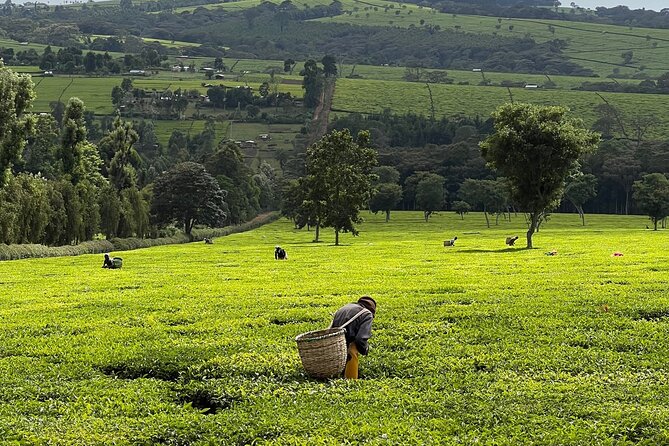
- Meeting the people doing the repetitive work, including a stop specifically focused on tea pluckers
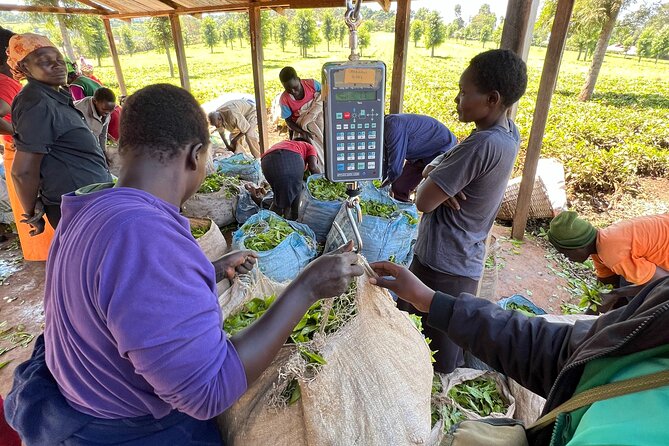
- Modernized weighing step, so you see both tradition and what’s been updated
- Tea factory visit in Nandi County, in a region with 19 tea factories
- Lunch included at a cottage, with the day’s rhythm built around the process stages
- Private tour just for your group, starting and ending at the same place in Iten
Why this Nandi Hills tea workshop feels different from a typical factory stop
If your idea of a tea tour is mostly walking through a building and sampling a cup, this is a bigger deal. The workshop is built around how tea actually gets made, from field work to the factory floor to the final cup. You get the whole chain, and that makes the tastings make sense instead of feeling random.
I also like that it’s framed as agro-tourism rather than a museum experience. The morning is about how harvest is conducted and why the timing matters. Then you move into weighing and processing steps that show how the raw leaf becomes something consistent. Even the factory visit is set up as a continuation of the morning, not a separate activity.
And yes, you’re in Nandi Hills, so the day also has that calm, outdoor feel. One of the strongest impressions people talk about is time in the shade of tea trees, which fits the whole theme of slow, plant-focused work.
The bottom line: this is a practical day for anyone who actually drinks tea and wants to understand what they are tasting.
More Rift Valley trips to compare
- Traditional Kenyan Cooking Class & Local Market Tour
★ 5.0 · 129 reviews - Authentic Kenyan Cooking Class & Market Tour in Nairobi
★ 5.0 · 12 reviews - Private Traditional Kenyan Cooking Class with Lunch in Nairobi
★ 5.0 · 10 reviews
Getting to Swiss Side ItenFriends Bar and planning your morning timing
This tour starts at the Swiss Side ItenFriends Bar in Iten, Kenya, and it ends back at the same meeting point. It runs for about 10 hours, so even if you like early starts, you should plan your day around it.
The listed opening hours run from 5:00 AM to 9:00 AM, Monday through Sunday. That means you’ll be picked up in the early morning window, and your energy for the morning steps is the key. The workshop content is front-loaded, with harvesting and weighing happening before lunch.
This setup matters for value. If you join a tour that starts later, you often miss the rhythm of the field work. Here, the schedule is built to let you see the process in motion while the day is still fresh.
Also, the tour is private and uses private transportation included in the price. That’s helpful if you want the day to feel like a single organized flow instead of a patchwork of taxis, walking, and waiting.
Harvest explanations, modernized weighing, and meeting the tea pluckers
The morning begins with an explanation of how harvesting is done. This is where the day becomes more than scenery. You’re not just seeing tea plants. You’re getting the groundwork for what harvest means for quality and for the pace of production.
Then you move into weighing. What makes this step worth your attention is that the weighing process has been modernized. So you can compare how production used to be handled versus what’s been updated now. For readers, this is one of the best parts of the workshop, because it gives you a clue about how the tea industry balances tradition with efficiency.
Next comes a meeting with the tea pluckers. This isn’t a random meet-and-greet. The workshop is designed to show proficiency and resilience in a task that is repetitive, but essential. When you see how skilled plucking takes real steadiness, the rest of the day clicks. You can connect the work in the field to what ends up in the factory.
A practical tip here is mindset. If you go in expecting entertainment, it may feel like a day focused on labor and process. If you go in curious about how things work, it becomes memorable for the right reasons, especially for anyone who likes learning while walking through real working farms.
Lunch at the cottage, then a smooth handoff to the factory phase
After the morning field steps, you head back to a cottage for lunch. Lunch being included is a simple value win, because it prevents that awkward “what now?” gap that can happen on half-day tours.
The placement also makes sense. You’ve already seen harvesting, weighing, and the pluckers’ work. Then you eat, refuel, and move into the next chapter: how tea leaves become finished product.
You should think of lunch time as a reset point. The day is longer than a typical tour, and the schedule changes from outdoor farm process to indoor factory steps. Taking a pause before the factory keeps you comfortable and lets you focus on what you’re seeing next.
A different day out of Rift Valley:
- Kilimanjaro Wanderlust Day Hike
★ 5.0 · 8 reviews
Tea factory visit in Nandi County, from leaf to finished product
The afternoon includes a visit to a tea factory in Nandi County. The region has 19 tea factories, so this is not one random plant. It’s part of a larger production network that supports the Highlands tea economy.
In the factory, the key goal is to understand transformation. You’ll learn the process of taking tea leaves and turning them into the finished product you can taste later. This is where a lot of tea tours fall short, because they show the building but not the steps. Here, the workshop framing keeps the tour connected to what you saw earlier in the day.
What I like about this approach is that it turns tasting into comprehension. When you’ve seen weighing and production flow already, the factory visit stops being abstract. It becomes a sequence.
One thing to watch for is pacing. Factory areas can be busy and practical. If you want to get the most out of it, slow down mentally and ask yourself what each stage is doing to the leaf. You don’t need specialized knowledge to do that. Your questions can be simple: What is changing? What is being controlled? What is being prepared for the next step?
At the end of the factory visit, you’ll be ready for the part that makes it all worthwhile: tea tasting.
Tea tasting, and how to turn it into something you remember
The day ends with a tea tasting. This is more than a souvenir moment. It’s the payoff for the earlier steps you watched.
To get more out of tastings like this, I recommend you focus on two things. First, notice that the cup is the result of the leaf journey you just followed. Second, pay attention to how different cups feel in your mouth and how the flavors sit. Even without fancy terminology, you’ll start connecting process to taste.
You can also use the tasting as a practical souvenir strategy. Instead of buying random tea based on branding, you can buy tea based on what you liked in the cup you tried today. That is the kind of value that lasts longer than a photo.
And if you’re traveling with friends or family, tastings are a natural group moment. Everyone can share preferences, and the discussion turns into a mini lesson about why tea production stages matter.
Value and price: does $137.46 make sense for a 10-hour workshop?
At $137.46 per person for roughly 10 hours, the value depends on what you want from your day. If you’re looking for a quick scenic stop, this is too focused. If you want a structured, process-based day with multiple stops, it’s a fair match.
Here’s what’s included that supports the price:
- Private transportation (so you’re not piecing together transport)
- All fees and taxes
- Visit of the farm
- Lunch
- Visit of a tea factory
What’s not included is also clearly stated: personal expenses. That’s normal, but it helps you budget without surprises.
The private format is part of the value too. Since it’s only your group, you can move at a pace that supports learning, asking questions, and actually noticing details. For people who hate feeling rushed, private tours can turn a long day into a relaxed one.
One more quiet value point: a workshop like this is designed for “one-day clarity.” Instead of scattering field, factory, and tasting across different days, you get the whole story in one block. That time efficiency matters if you’re on a tight itinerary around Iten or the Rift Valley.
Who this tea workshop suits best in Kenya
This is a strong fit if you fall into one of these groups:
- You enjoy Kenyan food and drink culture and want to understand what you’re consuming
- You like hands-on, process-based tours, not just viewpoints
- You’re planning time around Iten and Nandi Hills and want one structured cultural day
- You’d appreciate meeting local workers in the context of their craft, especially the tea pluckers
It’s also a good choice for people who like a break from long drives and prefer a single area focused day. Because the tour starts and ends at the same place, and because transport is private, the logistics are simpler than many “see everything” plans.
The only real mismatch is for travelers who want nonstop action. This day is calm and instructional, with outdoor farm time and a factory sequence. If you want adrenaline, this might feel slower. If you want a memorable, tangible Kenya experience, it’s one of the best types of days to add.
Weather, duration, and how to keep the day running smoothly
This experience requires good weather. If weather cancels the workshop, you’ll be offered a different date or a full refund. That’s exactly what you want on a farm-and-factory day.
Because it’s about tea production and field steps, the schedule has to work in real conditions. Plan your expectations around that. If you’re flexible with dates, you’re in a good position.
In terms of duration, it’s listed at 10 hours (approx.), so treat it as a full day, not an add-on. The early start window also means you should avoid stacking another activity immediately before or after. Let this be the main event.
Also note the tour uses a mobile ticket and you can receive confirmation unless you book within 4 hours of travel, in which case confirmation is subject to availability.
Should you book the Agro-Tourism Tea Workshop in Nandi Hills?
Book it if you want one day that actually explains tea, from the field into the factory and finally into a cup you can taste with context. I think this is especially worth it because it’s positioned as a Highlands workshop, not just a generic factory visit, and because the day includes farm time, lunch, a tea factory visit, and tasting.
Skip it if you’re chasing a fast, scenic outing with minimal focus on work and process. This is not that. It’s a working-production day, with early hours and weather-based planning.
If you’re deciding between “tea tour” options, choose the ones that show you the full chain. This workshop is built exactly for that.
FAQ
Where does the Agro-Tourism Tea Workshop start?
It starts at the Swiss Side ItenFriends Bar in Iten, Kenya, and ends back at the same meeting point.
How long is the tea workshop in Nandi Hills?
The duration is about 10 hours (approx.).
What is the price of the experience?
The price is $137.46 per person.
What’s included in the tour?
The tour includes private transportation, all fees and taxes, a farm visit, lunch, and a visit to a tea factory.
Is this a group tour or a private tour?
This is a private tour or activity, meaning only your group participates.
What time does the tour run?
The opening hours are listed as 5:00 AM to 9:00 AM, Monday through Sunday.
What happens if the weather is poor?
The experience requires good weather. If it is canceled due to poor weather, you will be offered a different date or a full refund.
What is the cancellation policy?
You can cancel for free up to 24 hours in advance for a full refund. Changes made less than 24 hours before the start time are not accepted.
Recently reviewed from Rift Valley
- Lake Nakuru NP Half-Day Safari★ 4.0 · 4 reviews
- Lake Nakuru Day Trip Safari – & Optional Lake Naivasha Boat★ 5.0 · 5 reviews
- Bike Rental at Home of Champions – Iten Kenya★ 5.0 · 7 reviews
- Kilimanjaro Wanderlust Day Hike★ 5.0 · 8 reviews
Workshops, compared.

Traditional Kenyan Cooking Class & Local Market Tour
Read our review →
Authentic Kenyan Cooking Class & Market Tour in Nairobi
Read our review →
Private Traditional Kenyan Cooking Class with Lunch in Nairobi
Read our review →
Market Tour and Traditional Kenyan Cooking Class in Nairobi
Read our review →
Local Market Tour and Traditional Meal Cooking Class
Read our review →
Beginner Swahili Woodcarving Classes with Woman Woodcarver
Read our review →
Private Kenyan Cooking Class in Nairobi with a Local
Read our review →Browse the lists this tour appears in