
Reviewed · MALINDI & WATAMU
Malindi : Kenyan Cooking Class with Campfire Meal
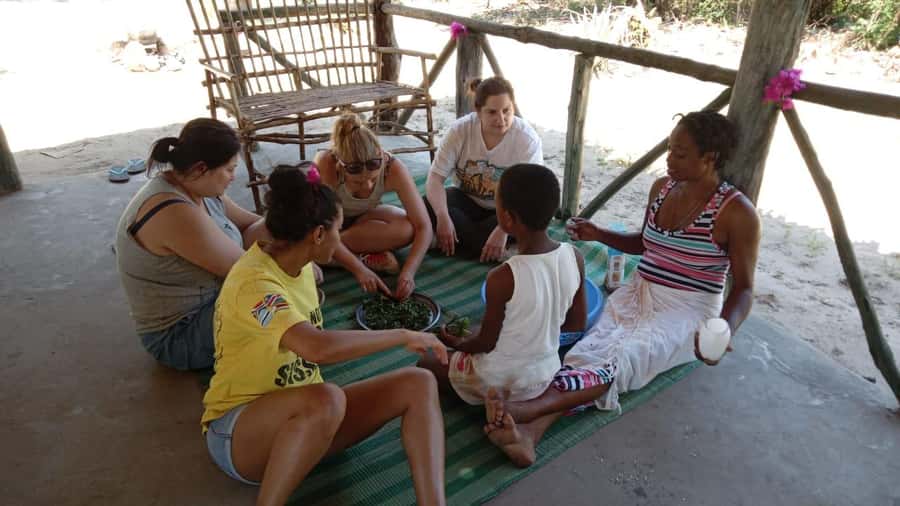
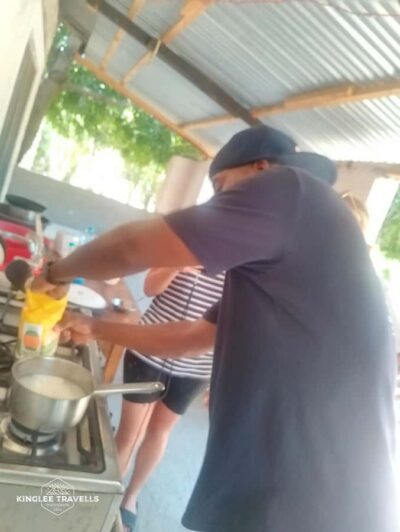
What makes this Malindi cooking class stand out is the campfire cooking in a nature setting at Mida Creek Nature Camp, with a small group instead of a big show. I also like that you’re not just watching, you’re hands-on with real Coastal Kenyan staples taught by Harrison and his family. The only real consideration is that it is not suitable for people with food allergies, so plan carefully if you have serious dietary limits.
You’ll meet about a couple hours before lunch or dinner, cook together using simple local ingredients, and then eat the meal you make with the group or take it to go. The class is in English, capped at 10 people, and it rotates dishes from Kenyan tradition based on the day’s lesson and any requests the group has.
Key things to know before you go
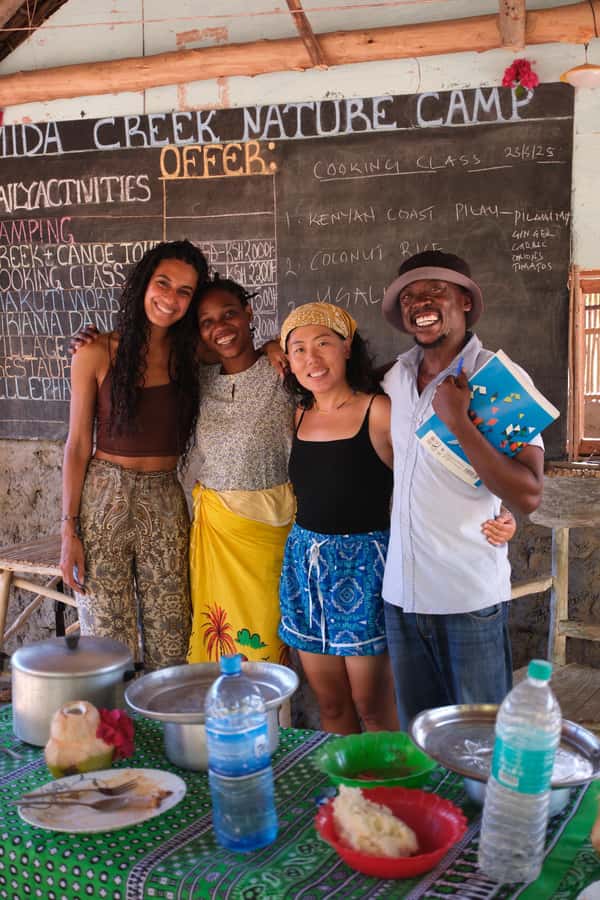
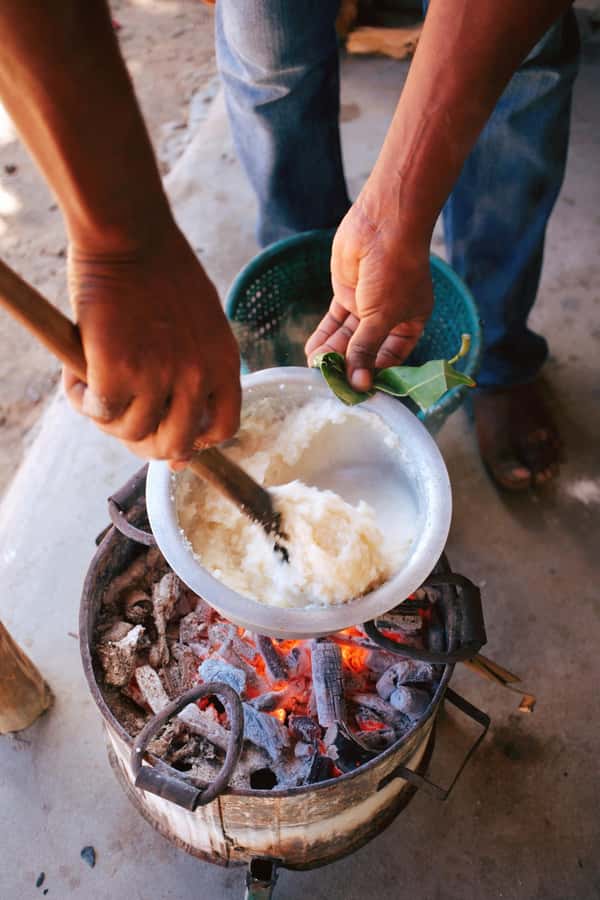
- Hands-on campfire cooking with traditional tools and techniques
- Small group size (up to 10) so you get real guidance
- Coastal Kenyan menu options like ugali, githeri, pilau, sukuma wiki, mandazi
- You eat what you cook, either together or by taking it home
- Homegrown ingredient approach, plus a small shop at the camp if something is missing
Campfire cooking at Mida Creek Nature Camp, where the meal feels local
This isn’t a sterile kitchen class. The setting is a big part of why it works. Mida Creek Nature Camp sits just off the main road, in a leafy, sandy-feeling area that makes you feel like you’ve stepped away from traffic while still being practical to reach. That matters because it changes your mood, and you’ll be paying attention to smells, smoke, timing, and the way food changes over an open flame.
I like that the class is built around Coastal Kenya cooking, not generic “African food.” You’ll be working with familiar dishes people actually eat at home, using ingredients and methods that make sense for the coast. And because the group is limited to 10, you aren’t fighting for space, or getting one quick look and then being left to guess.
One thing to keep in mind: it’s outdoors and you’ll be wearing comfortable clothes for cooking. If you’re the type who hates getting a little dirty or cooking close to heat sources, prepare yourself. It’s a campfire class, not a spotless cooking demo.
More around Malindi and Watamu:
- ROBINSON ISLAND/MARAFA HELL’s KITCHEN
★ 5.0 · 15 reviews - Tour Malindi & Robinson Island & Marafa Hell’s Kitchen
★ 5.0 · 11 reviews - WATAMU: MALINDI: SARDEGNA ISLAND & MALINDI MARINE PARK
★ 4.5 · 9 reviews
The 2-hour format, what happens when you arrive
The class runs for about 2 hours, and the pace is built to fit between lunch and dinner. You meet at Mida Creek Nature Camp a couple hours before your chosen meal time, then you start cooking together right away.
Here’s the rhythm you can expect:
- Meet at the camp and get oriented
- Cook together as the instructor guides you through dishes
- Finish with the meal once everything is ready
- Eat with the group or take food home, depending on preference
In practice, you may cook several dishes in that time. One review mentioned a group cooking seven dishes in less than two hours, which tells you the class is hands-on and efficient. That’s great for value, but it also means you should come hungry, not thinking you’ll stroll through slowly and then snack. You’ll be busy, and the payoff is that you’ll eat something you personally helped create.
Also, plan your day around the fact that the campfire meal is the point. If you rush off to the next activity the moment you’re done cooking, you’ll miss the best part, the shared meal where you can taste, compare notes, and ask questions in a relaxed way.
What dishes you’ll cook: the Coastal Kenya greatest hits
The menu changes depending on the day and group, but the class pulls from Kenyan tradition with options including many of the dishes people associate with the coast and broader Kenya.
Based on the class menu options, you could cook things like:
- Ugali (a staple base)
- Githeri (beans and maize style comfort food)
- Kenyan pilau
- Wali wa nazi (coconut rice)
- Sukuma wiki (collard greens)
- Mchicha (spinach, often cooked with seasonings)
- Kenyan stew
- Nyama choma (grilled meat style)
- Matoke (cooked banana, often as a savory side)
- Mandazi (sweet fried dough)
- Grilled maize
A helpful detail for you: the class is open to requests. That means if there’s a dish you really want to learn, you can ask before you arrive, and the provider can adjust within what they’re planning to teach.
If you’re food curious, this is a good way to learn technique, not just recipes. You’ll see how Kenyan staples fit together. For example, a base like ugali pairs naturally with greens like sukuma wiki or mchicha, and rice dishes like pilau or wali wa nazi can anchor a meat or stew. Mandazi adds a sweet finish, so you get a full meal arc rather than one lonely dish.
Ingredients, tools, and the “homegrown where possible” approach
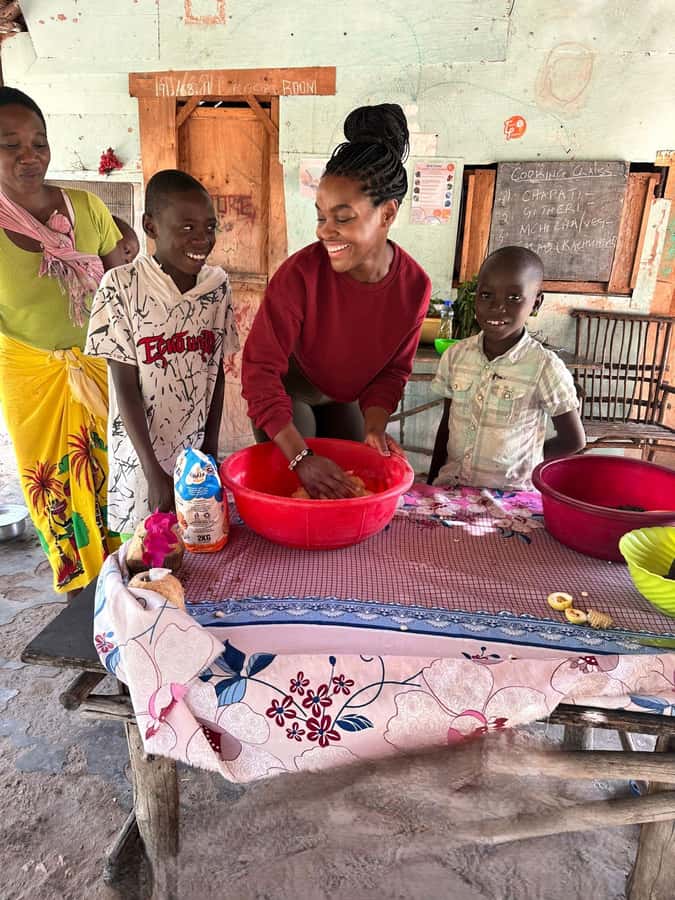
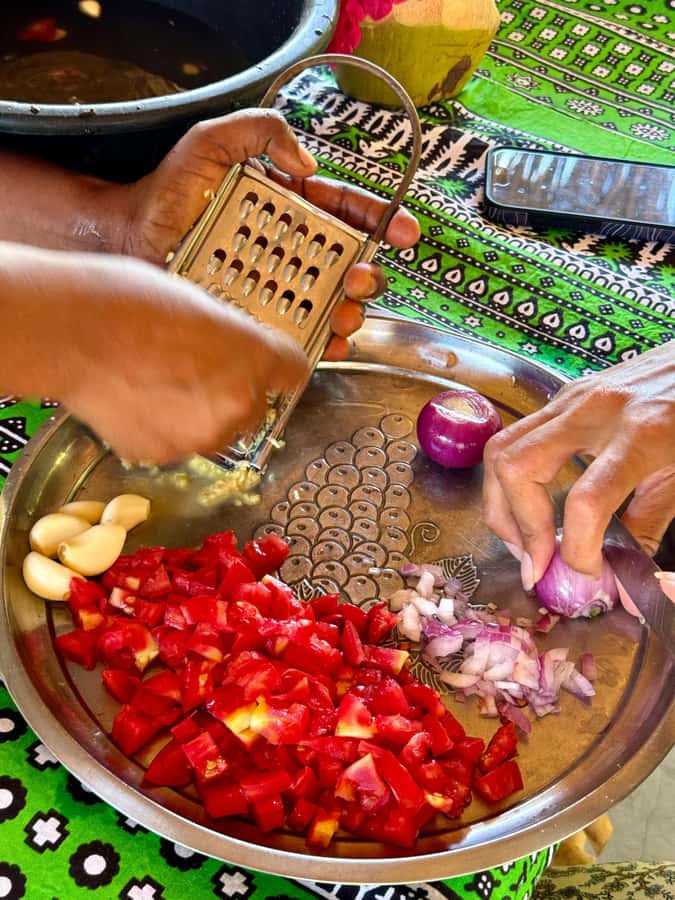
A smart part of this experience is how they treat ingredients. You’re encouraged to use homegrown ingredients when possible, and if something is missing, there’s a small shop at the camp to supply it.
That matters because it keeps the cooking realistic. When you learn with ingredients that feel local and accessible, you’re more likely to recreate the dish later, even if you’re cooking somewhere far away from Kenya. It also gives you a better sense of why certain flavors and textures are common in the region.
The class also uses traditional techniques and tools, and you’ll feel that in the pace. Cooking over fire changes everything. Heat is less predictable than a stovetop burner, so you learn to watch, not just follow a timer. That’s where the instructor’s guidance makes the biggest difference.
And yes, you’ll be in a camp setting, not a polished culinary lab. You should expect hands-on cooking tasks, shared prep, and learning by doing. If you’re the kind of traveler who loves seeing how real daily food is made, this format delivers.
More Cooking Classes in Malindi:
- Traditional Kenyan Cooking Class & Local Market Tour
★ 5.0 · 129 reviews - Authentic Kenyan Cooking Class & Market Tour in Nairobi
★ 5.0 · 12 reviews - Private Traditional Kenyan Cooking Class with Lunch in Nairobi
★ 5.0 · 10 reviews - Market Tour and Traditional Kenyan Cooking Class in Nairobi
★ 4.8 · 6 reviews
Harrison, the teaching style, and how to get the most out of your hands-on time
The cooking class is led by an English-speaking instructor, and the names that come up are Harrison and his family. From the feedback, the teaching style is patient, clear, and paced enough that you can actually learn the steps instead of rushing through them.
One review highlighted that Harrison is precise in his explanations, speaks with passion, and takes his time. That’s exactly what you want in a campfire cooking class, because fire cooking is hard to fake. If you don’t understand what to look for, you end up guessing, and guessing makes food inconsistent.
So how do you get the most from the class?
- Ask questions while you’re cooking, not after everything is plated
- Tell the instructor what you like to eat, so the dish selection can better match your tastes
- Plan to linger at the meal, so you can taste the finished food and compare textures and flavors you worked on
One review also advised taking a bit more time to actually eat the food you cook. I agree. The cooking teaches you technique, but the meal is where the full lesson lands.
Meal time: eat together or take it home
When your food is ready, you have two good options. You can eat together with the group, or you can bring your creations home. Either way, the meal is included in the price, so you don’t need to plan a separate lunch or dinner.
I like this flexibility because it fits different travel styles. If you’re in a social mood, eat with the group. If you’ve got the rest of your day planned and don’t want to lose time, taking food home is a practical option.
Also, because you cook multiple dishes, the meal is varied. You’ll be able to taste how the different items complement each other, not just one dish that you made from scratch. That makes it easier to remember what you liked and what you’d want to recreate later.
Value for about $25, and why the price makes sense here
At about $25 per person for a 2-hour hands-on cooking class with ingredients and a meal included, you’re getting a lot of the things that usually cost extra elsewhere: guided instruction, the food itself, and a structured experience that doesn’t rely on you being a trained cook.
The best part is that the value comes from participation. You’re not paying mostly for “watching.” You’re paying for being taught while you cook over a campfire, then you eat what you made. In many food experiences, the cooking portion is the smallest part. Here, it’s the main event.
And the small group size helps protect the value. With a maximum of 10 participants, you’re less likely to get ignored, and you’ll probably get more direct help when you’re working with heat, timing, or ingredients that are new to you.
If you’re thinking about budgeting for a day in Malindi or the coast, this is one of those experiences that can replace a meal out while also giving you a skill and a story. That’s a strong deal for the price.
Who should book this campfire cooking class in Malindi
This experience is a strong fit if:
- You like hands-on food learning and want real technique, not just photos
- You’re interested in Coastal Kenyan staples and how they fit into a full meal
- You enjoy small-group travel where you can talk with your instructor and learn at your pace
- You want an authentic activity that feels connected to local cooking
It may be a poor fit if:
- You have food allergies. The class is specifically not suitable for people with food allergies.
- You need a completely hands-off experience. This is cooking, so you’ll be doing tasks.
- You hate outdoor heat and smoke. Cooking over a campfire is part of the deal.
One more tip from practical experience as a planner: if you have the time, consider pairing this class with extra activities at the camp. Reviews mention the camp offers other options like village outings, mangrove related experiences, and even canoe rides, plus places to stay like treehouses and tents. Those are not part of the cooking class itself, but they can help you turn this into a fuller day.
Should you book this campfire cooking class at Mida Creek Nature Camp?
I think you should book it if you want a real cooking experience with local food, you’re comfortable outdoors, and you’re open to learning more than one dish in a short window. The small group size, the campfire setting, and the chance to eat what you cook (plus the option to take food home) make it feel like more than a paid activity. It feels like you traded your schedule for a cooking lesson you can actually use.
Hold off or ask extra questions before booking if you have serious dietary restrictions. The information you have here is clear that it’s not suitable for people with food allergies, and you should contact the provider in advance for allergies and intolerances.
If you want a simple decision rule: if learning Kenyan cooking on a campfire sounds fun and you can eat freely within the menu, this is a solid booking for value and authenticity.
FAQ
How long is the cooking class?
The class lasts 2 hours.
What’s included in the price?
You get the cooking class, the ingredients, and a meal.
Can I choose lunch or dinner?
Yes. You can choose between a lunch or dinner experience.
Will I eat the food I cook?
Yes. When the food is ready, you can eat it with the group or bring your creations home.
How many people are in the group?
The group is small, limited to 10 participants.
What language does the instructor speak?
The instructor speaks English.
What should I do if I have allergies or intolerances?
Contact the provider before the experience to communicate any allergies and intolerances. The experience is not suitable for people with food allergies.
Where do I meet for the activity?
Use Google Maps to find the directions to the meeting point at Mida Creek Nature Camp.
What should I bring, and are pets allowed?
Bring comfortable clothes. Pets are not allowed.
Recently reviewed from Malindi
- 4 Days Tsavo West – Amboseli and Tsavo East Safari★ 5.0 · 5 reviews
- WATAMU: MALINDI: SARDEGNA ISLAND & MALINDI MARINE PARK★ 4.5 · 9 reviews
- Safari blue★ 4.5 · 27 reviews
- ROBINSON ISLAND/MARAFA HELL’s KITCHEN★ 5.0 · 15 reviews
- Tour Malindi & Robinson Island & Marafa Hell’s Kitchen★ 5.0 · 11 reviews
- Gede Ruins & Malindi Tour★ 5.0 · 5 reviews
- Safari-Tsavo east national park -2 days 1 night★ 5.0 · 8 reviews
- Private 3 Day Tsavo East Safari from Mombasa★ 5.0 · 3 reviews
Malindi & Watamu, compared.
Watamu Marine Park & Sudi Island Mangrove Forest Canoe Ride.With sea food lunch
Read our review →
Tour Malindi & Robinson Island & Marafa Hell’s Kitchen
Read our review →
Blue Safari: Snorkeling at Watamu Marine Park & Seafood
Read our review →Browse the lists this tour appears in