

Reviewed · KIBERA
Kevins Kibera Slum Tours
Kibera is one of the most talked-about places in Africa, but this tour makes it specific, human, and grounded. You’re not just looking at hardship from the roadside, you’re walking through day-to-day life with someone who grew up there, including a visit to Kevin’s family home with Ismael as a possible guide.
Two things I like a lot: the stop at the bone workshop and orphanage school lets you see how skills and education are pursued inside the community, and the front-door hotel pickup and drop-off makes it easy to fit into a Nairobi schedule. That convenience also means less time worrying and more time paying attention.
One heads-up before you book: the walk can be uneven and a bit treacherous, especially if it has rained recently. If you have balance issues, limited mobility, or prefer flat ground, this may not be the right fit.
Key points before you go

- Guides with real ties to Kibera, including Kevin and Ismael, so you get context you cannot Google.
- Family-home visit, where you see how people study, shop, and live in real conditions.
- Craft and school stops, including a bone workshop and an orphanage school setting.
- Walkable route with tough terrain, with landfill and train-track views that show the structure of everyday survival.
- Market time on the main street, where commerce is more than shopping, it is community rhythm.
- Private half-day format, only your group, with pickup from any hotel in the city.
Why Kibera Looks Different When Your Guide Lives It

This is the kind of tour where you quickly stop thinking in stereotypes. With a guide like Kevin or Ismael, you hear how things work, not just what is wrong. That matters because Kibera is not a museum exhibit, it is a neighborhood with routines, priorities, family ties, and local problem-solving.
I also like that the experience is designed around places people actually use. You move through spots like a main street market, a crafts workshop, and school spaces, then you end up at a family home. The result is a sharper picture of what daily life can include, even when resources are limited.
More of Kibera:
- Nairobi: Explore Kibera Slum with Local Guides
★ 4.9 · 365 reviews - Nairobi: Kibera Slum storytelling tour with a Local
★ 5.0 · 185 reviews - Kibera Slum Tour with Lucas
★ 5.0 · 119 reviews
Getting There, Then Getting Your Feet Ready
The tour starts at 8:00 am, runs about 4 hours, and includes round-trip transfers from your hotel accommodation in Nairobi. That timing is practical. You get an early start while the day is still workable, and you spend less of your afternoon scrambling for logistics.
You’ll be walking in tight areas and along uneven ground. Close-toed shoes are a must, and you should expect them to get dirty. If you are used to smooth sidewalks and controlled museum paths, treat this as a real walking experience, not a casual stroll. One traveler put it plainly: this is treacherous at moments, so if you have balance or walking issues, don’t force it.
Also plan around weather. The experience requires good weather, and if conditions are poor it can be canceled with a different date or a full refund offered. In short: check the forecast, but also be prepared that rain can change everything.
The Flow of the Morning: What 4 Hours Feels Like
You’ll spend about 3 hours in the Kibera portion itself, moving from stop to stop. In between, your guide keeps the story moving. You’re not left to interpret signs and rumors. You’re guided through what you’re seeing and why it matters.
Because it is private, your pacing can be more realistic for your group. If you have questions, your guide can answer them in context. If your group wants photos, you can usually make that happen, but the important part is to treat pictures as secondary to people and conversations.
The tour does not include food or drinks. That’s normal for many urban walking tours, but it’s worth planning. If you’re doing this on the same day as other Nairobi stops, grab breakfast before pickup or bring water with you if allowed by your guide.
Stop 1: The Bone Workshop, Orphanage School, and the Work Behind the Scenes

The first chunk of your morning often centers on the hands-on side of community life: craft work and education. You start with an African bone workshop stop. This is where you can see how skilled labor shows up in unexpected forms, including crafts made from bone that connect to local and outside markets.
Next, you visit an orphanage school. This is not just a quick photo stop. It is a chance to see the role of schooling in a place where resources can be limited and needs are urgent. The strongest part here is how your guide explains the purpose behind the school and how children’s lives are shaped by what opportunities exist.
A drawback to keep in mind: school-related stops can be emotionally intense. If you prefer a light, “just show me the sights” tour, Kibera can feel heavy. But if you want to understand why people keep pushing for education and skills, these stops give you a clearer lens.
More days out of Nairobi:
- Nairobi National Park Half-Day Tour; Free Wi-Fi connection
★ 5.0 · 878 reviews - Nairobi: National Park & Optional Elephants & Giraffe Center
★ 4.8 · 874 reviews - NAI NAMI: Nairobi Storytelling Tour with Street Children
★ 5.0 · 792 reviews - Nairobi National Park Half-Day Game Drive
★ 4.5 · 738 reviews
Kevin and Ismael’s Family Home Visit: Respect, Real Life, Real Questions

One of the most meaningful parts is the family visit, sometimes described as Kevin’s house and family. In some cases, Ismael is the guide taking you through what daily life looks like from the inside. This is not a staged performance. You’re being welcomed, and that comes with expectations: be respectful, listen more than you talk, and ask questions that show genuine interest.
When a home visit happens, you’ll understand why a community tour is different from a viewpoint tour. You might see where people study and where daily necessities get handled. You also get the chance to realize that family life, humor, and conflict are still part of normal life, even in difficult conditions.
The value of this stop is perspective. It helps you understand Kibera not as a single problem, but as thousands of individual households making the best decisions they can.
Landfill and Train Tracks: What You Learn When You See the Whole System
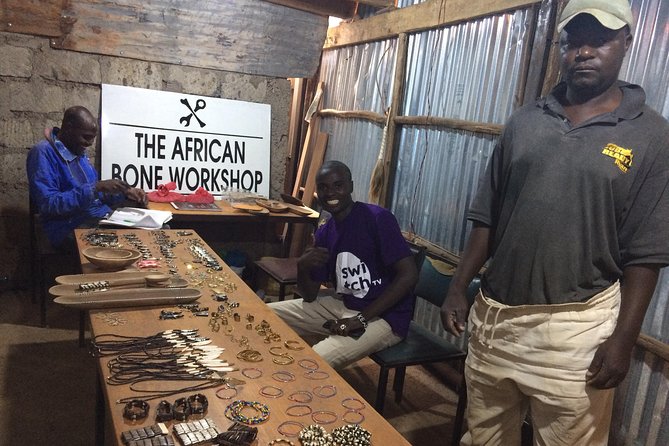
Later in the route you’ll reach places like a landfill area and train track surroundings. These stops are not there for shock value. They show how the geography of a neighborhood connects to jobs, waste, movement, and survival.
This part of the tour can be harder for some people. The terrain is uneven, the walking can feel more precarious, and the sightlines can be uncomfortable. But if you stay with your guide and pay attention to the explanation, you start to see the logic of the place. You stop thinking in “before and after” and start thinking in systems.
If it’s rained recently, expect more slippage and more challenging footing. Bring the shoes that can handle it and accept that the tour is partly a reality check.
Main Street Market Time: Commerce as Community Rhythm

The tour ends with main street market time. This is one of my favorite stops because it adds movement and variety to the morning. Markets are where you see the community as active, not just enduring.
You can learn how people find what they need, how bargaining works, and what kinds of goods appear when they are available. The market stop also gives you a chance to talk in a more casual way, compared with school or workshop visits.
Practical tip: if you want souvenirs, do it thoughtfully. Ask what something is, who makes it, and what it costs. You’ll usually get better answers and better interactions when you treat shopping as conversation, not a transaction checklist.
Safety and Comfort: What to Expect From a Guide Who Belongs

Safety in Kibera is not something you should treat as a vague promise. The way this tour handles safety is through local familiarity. Because the guide is part of the community, people know the person leading you, and that creates a real sense of security.
That said, safety here also means physical safety. Terrain matters. That’s why the “bring close-toed shoes you do not mind getting dirty” advice is so common. You might also want to keep your pace steady and avoid rushing on uneven ground.
If you are a solo traveler, a calm, respectful guide can make a huge difference. People often feel comfortable when they are walking as part of a recognized group, not drifting around independently.
Price and Value: Is $65 Worth It in Nairobi Terms?
At $65 per person, you’re paying for a private, half-day experience that includes a Kibera guide plus pickup and drop-off from your hotel. That combination is where the value shows up. Nairobi has plenty of tours, but few include front-door transport and a local guide with direct community access.
The tour also gives you access to multiple types of places in one morning. You get craft work, education settings, family life, and market street time. You are not paying just for a bus ride or a single viewpoint.
Two things can affect your personal value calculation. First, food and drinks are not included, so you may want to plan around that cost. Second, the walking and emotional intensity are part of the package, so you should only book if you genuinely want an up-close look at real life.
What to Bring, What to Ask, and How to Be a Good Visitor
This tour rewards preparation. If you show up with a curious, respectful mindset, your guide can share more than facts. You can also ask better questions.
Pack items that help you stay comfortable during a long walk: close-toed shoes, a hat or sunscreen if it is bright, and something to drink if your guide says it’s okay. Keep your phone camera ready, but do not let it run the experience.
When it comes to questions, focus on what you can learn. Ask how daily life is organized, how school support works, and what the community is trying to improve. Your guide’s job is to connect the dots, and you’ll get more out of it by listening first.
Who Should Book (and Who Should Skip)
I think this is a strong fit if you want more than a typical Nairobi checklist. It is a tour for people who can handle uncomfortable sights and still come away with understanding, not just sadness.
It is also a good fit if you like meeting the person behind the story. The family-home stop and guide-led context are the heart of the experience.
Skip or reconsider if any of these apply:
- You have balance issues, limited mobility, or you cannot comfortably walk on uneven surfaces.
- Rain is forecast or you know you will not be able to manage slippery ground.
- You prefer a low-emotion, purely scenic outing.
The reason I’m firm here is simple: the route is part of the truth. If you cannot manage it, you will miss the core of what makes this tour work.
Should You Book Kevins Kibera Slum Tours?
If your goal is to understand Kibera through real community access, this tour is worth serious consideration. You get a private format, hotel pickup and drop-off, and a route that includes crafts, schooling, family life, and market street time. At 4 hours and $65, it is priced as an experience built around a local guide and meaningful stops, not a quick photo pass.
Just make sure you’re prepared for the practical and physical side. Wear shoes you can sacrifice, plan for walking that feels uneven, and bring the mindset of a respectful visitor.
If you want, tell me your travel dates and your group details (ages, mobility needs, and whether you prefer a lighter or more serious tour). I can help you decide if this is the right match for your Nairobi day.
FAQ
Where is Kevins Kibera Slum Tours located?
The tour is in Nairobi, Kenya, specifically around Nairobi’s Kibera slum.
How long is the tour?
The tour is listed as about 4 hours.
What time does the tour start?
The start time is 8:00 am.
Is this tour private?
Yes. It is a private tour, so only your group participates.
Does the tour include hotel pickup and drop-off?
Yes. Round-trip transfers are provided from any hotel accommodation in Nairobi.
What does the tour include?
The tour includes a Kibera guide.
Is food and drinks included?
No. Food and drinks are not included.
What stops are visited during the half-day?
You visit the Kibera area, including an African bone workshop, an orphanage school, Kevin’s house and family, a landfill, train tracks, and the main street market.
What should I know about walking and weather?
Most travelers can participate, but the walk can be treacherous on uneven ground, especially if it’s rained recently. The experience also requires good weather, and if it is canceled due to poor weather you are offered a different date or a full refund.
How much does the tour cost and what about cancellation?
The price is $65.00 per person. You can cancel for free up to 24 hours in advance for a full refund, and cancellations closer than that are not refunded.
Recently reviewed from Nairobi
- Amboseli Day Trip from Nairobi★ 4.5 · 3 reviews
- Nairobi city tour★ 4.5 · 3 reviews
- Ngare Ndare Day Trip★ 5.0 · 3 reviews
- Day Trip To Crescent Island And Hells Gate National Park★ 5.0 · 3 reviews
- Crescent Island Day Tour From Nairobi★ 5.0 · 3 reviews
- 1-Day Amboseli Safari★ 5.0 · 3 reviews
- 13-Day Uganda Mgahinga Gorilla Trek, Maasai Amboseli Park★ 5.0 · 3 reviews
- 4 days group joining budget safari to Maasai Mara only★ 5.0 · 3 reviews
Kibera, compared.

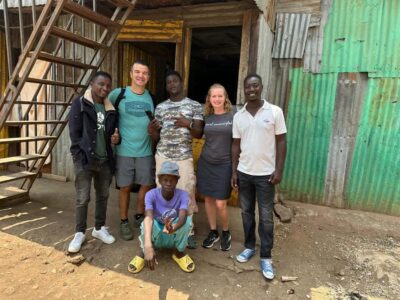

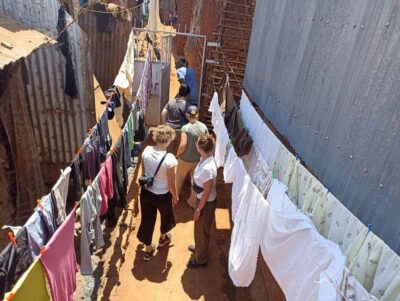
Kibera Slum Tour with Local Social Entrepreneurs
Read our review →



Browse the lists this tour appears in