Reviewed · KIBERA
Nairobi: Kibera Slum Tour with Local Social Entrepreneurs
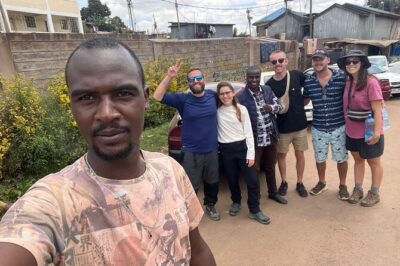
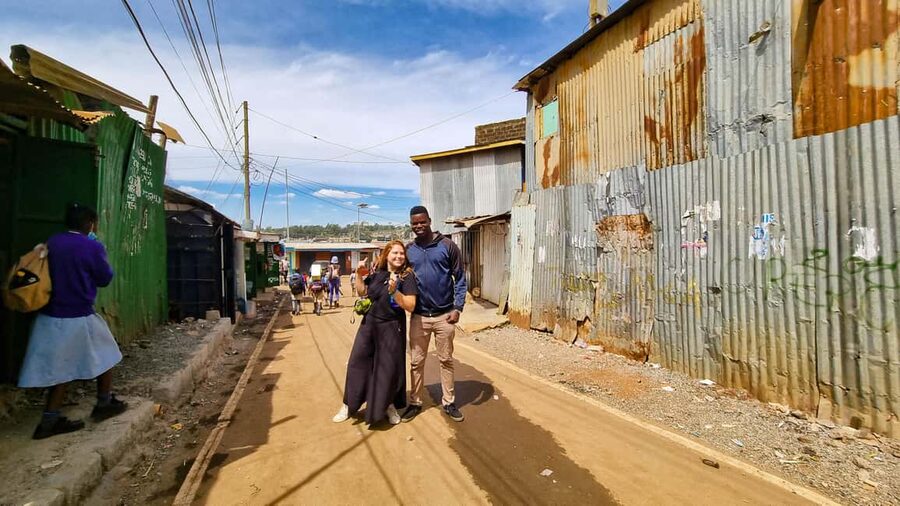
Kibera is Africa’s largest slum, and this tour makes it more than a headline. What I like is getting to experience it through the eyes of a local guide, Luke, who grew up in Kibera and holds a degree, plus knowing 30% of the tour revenue supports a children’s home and local school.
You should also know what kind of visit you’re signing up for. Expect emotional, human-to-human moments with vulnerable children, and the whole experience is interactive, not a sit-and-watch show. If you’re looking for a distant, purely observational tour, this may feel like too much.
Key highlights you can plan around
- Luke, born in Kibera, guides the route and helps you understand daily life beyond stereotypes
- 30% of the revenue supports children’s home and school needs, including stationeries and school items
- Toi Market first, where second-hand clothing connects you to the local economy
- Visits to a children’s home and Fairview Academy, focused on care and learning despite limited resources
- Uweza Art Gallery and the bone recycling workshop, showing work that turns hardship into jobs and creativity
- Aerial views near Kibera Town Centre, for context you cannot get from street level
Kibera, explained by someone who grew up there
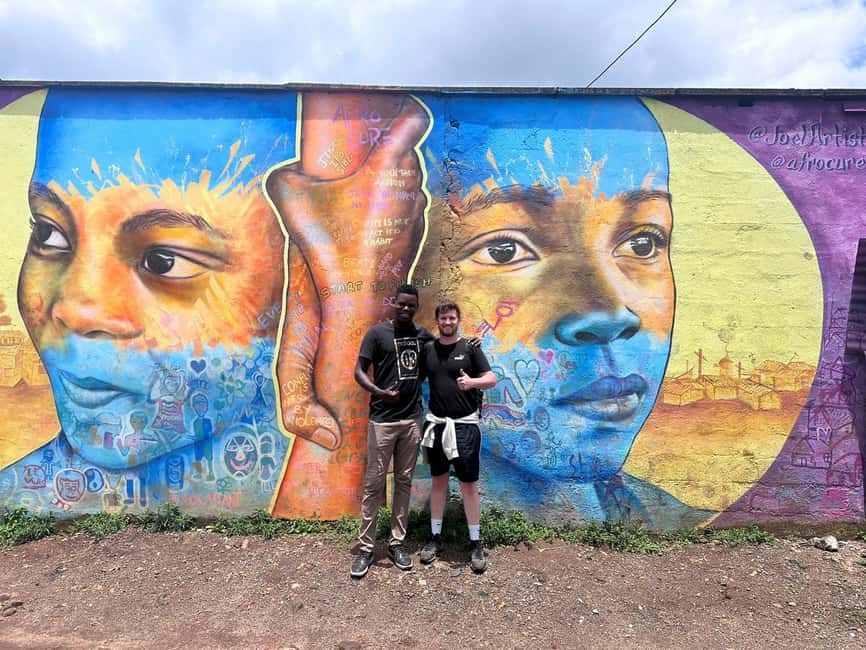
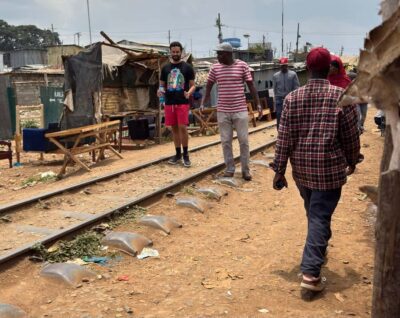
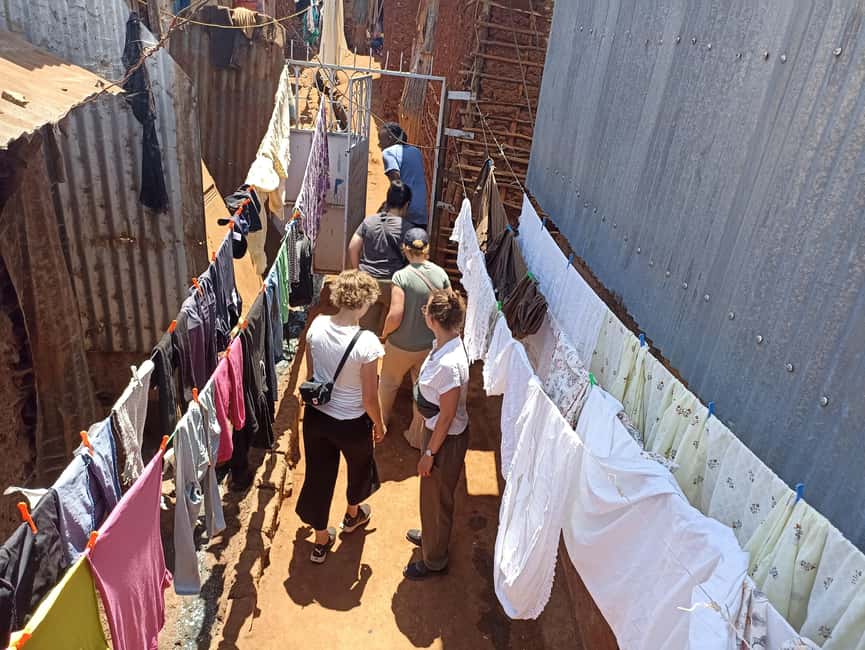
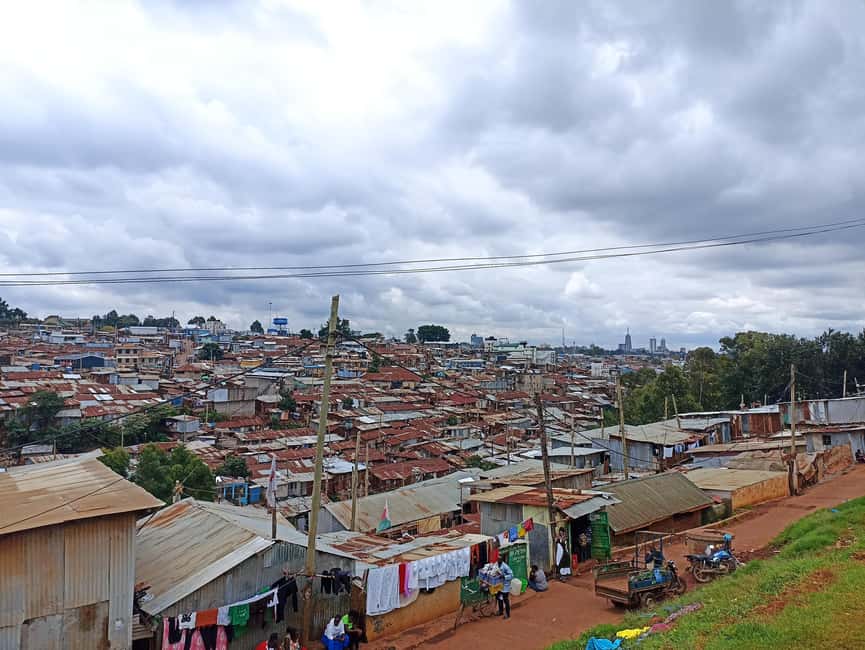
Kibera is close to Nairobi, but it feels like a different country. Roads tighten, homes crowd together, and day-to-day problem solving becomes part of everyday culture. That is why this tour works so well, you are not wandering with a generic route. You are walking with Luke, a Kibera-born guide, who can explain what you are seeing and why it looks the way it does.
In practice, this matters for two big reasons. First, you get clear context fast. Luke can connect the dots between housing, water, waste, health, electricity, unemployment, and education, without turning it into a lecture. Second, you can ask real questions and get real answers, including the hard ones. Many guides can point at places. Luke can also connect those places to people he knows.
The other big value is where the money goes. The tour is $40 per person, and 30% of the revenue goes back to support a children’s home and local school with school items. That changes how the day feels. It is not just checking a box. You are part of supporting the next step for kids already living there.
More of Kibera:
- Nairobi: Explore Kibera Slum with Local Guides
★ 4.9 · 365 reviews - Kevins Kibera Slum Tours
★ 5.0 · 213 reviews - Nairobi: Kibera Slum storytelling tour with a Local
★ 5.0 · 185 reviews
Starting at Greenhouse Mall, then getting your bearings
Your day begins at the entrance of Greenhouse Mall off Ngong Road, at Adams Arcade. Meet your guide near the security checkpoint when you finally enter the mall, and you will connect by WhatsApp with your guide using the number shared at booking.
From there, the tour stays focused on what you can realistically cover in a maximum of 3 hours. It is short enough to keep your energy, but it is packed enough that you will feel like you learned something meaningful. Language is English and Swahili, so if you want to try a few words, you might get a chance to use them while walking and speaking with locals.
Because it is interactive, you will be moving, listening, and talking. It is also designed for safety and respectful behavior. Guides from the area know how to keep interactions calm when crowds or sellers are around, and many visitors say they felt safe the whole time.
Toi Market: second-hand clothing and the local economy

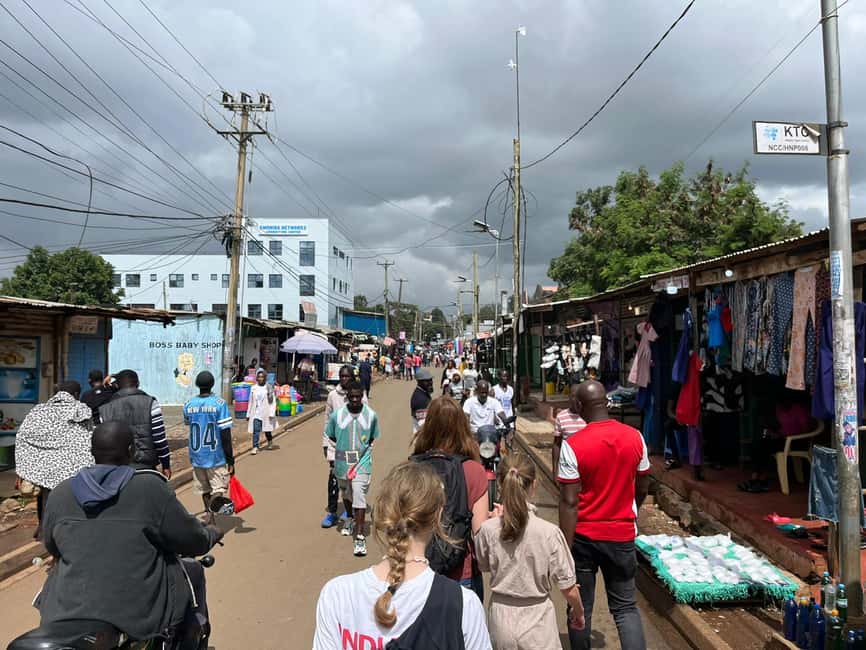
One of the first stops is Toi Market, described as Nairobi’s second-largest open-air market for second-hand clothes. This is not a tourist bazaar with souvenir signs. It is where locals shop, and it shows how people stretch resources.
You will see clothing that originates from places like Europe, the UK, the USA, China, and more. The point is not to chase fashion. The point is to understand how recycling and reuse can become an economic backbone. Clothes become livelihood, because the demand is local and constant.
A practical note: markets are busy and you may feel stared at, even when people are friendly. Your guide helps with the flow so you can focus on learning rather than getting stuck in awkward moments.
A children’s home visit that focuses on care and education
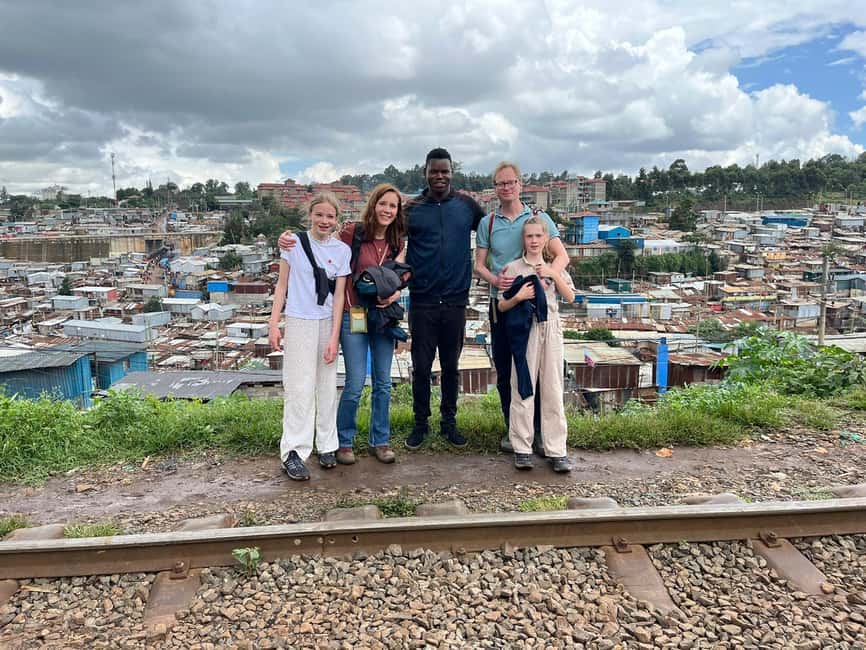
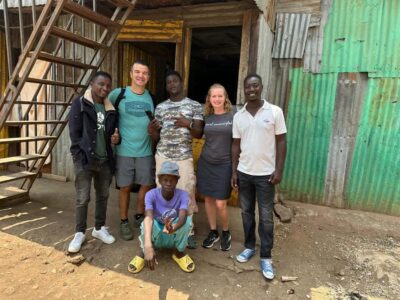
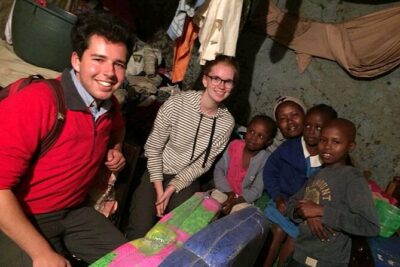
Next comes a visit to a children’s home in the neighborhood. This is one of the moments that most visitors remember. The home supports vulnerable children with food, shelter, and education. Some kids are total orphans, and others were rescued from the streets.
How it feels depends on your mindset. If you arrive expecting to feel only sadness, you might miss what else is happening. Many visitors say the children and caregivers keep a sense of joy and togetherness, even in difficult conditions. You will likely interact with kids and understand how support looks on the ground, not just in annual reports.
If you have moral concerns about visiting vulnerable children, you are not alone. Some visitors say the guide handled these concerns with transparency and respect. Still, go into it with humility. Think of this as a relationship, not a performance. And keep expectations realistic, you are there to learn and support, not to fix everything in one visit.
More days out of Nairobi:
- Nairobi National Park Half-Day Tour; Free Wi-Fi connection
★ 5.0 · 878 reviews - Nairobi: National Park & Optional Elephants & Giraffe Center
★ 4.8 · 874 reviews - NAI NAMI: Nairobi Storytelling Tour with Street Children
★ 5.0 · 792 reviews - Nairobi National Park Half-Day Game Drive
★ 4.5 · 738 reviews
Uweza Art Gallery: creativity as a way forward
After the children’s home, the route turns toward Uweza Art Gallery (Uweza Foundation Art Centre). This is where the day shows you another side of resilience. Instead of only discussing survival, you see talent with a stage.
The art center supports kids and artists from the slum with a platform to explore art. Many of the pieces displayed are described as genuinely impressive, not just good for a community project. When you look at the work, it is easy to understand why people say this stop is moving. Art here is not decoration. It is identity, and it is a way to build income and dignity.
If you like photography, you might want to ask before taking pictures. The best tours keep attention on people and work, not on documenting everything.
Kibera from above near the old railway line
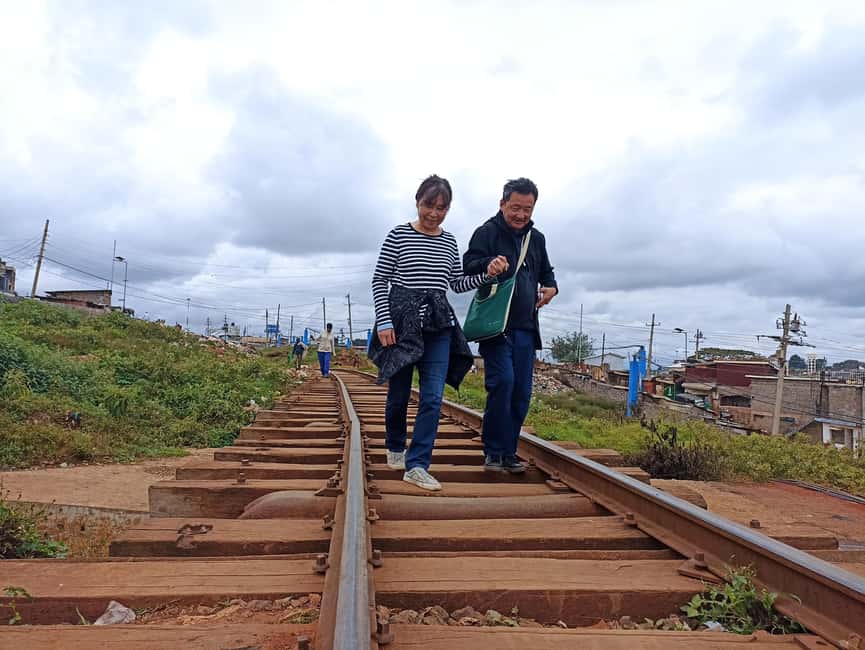
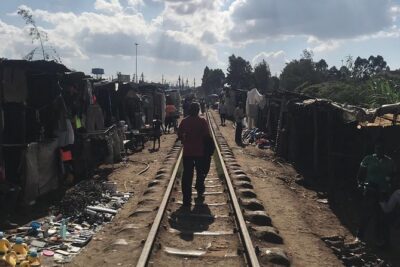
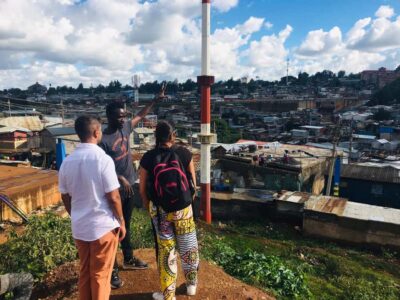
Next you get an aerial view near Kibera Town Centre, close to the old Kenya-Uganda Railway line. This stop changes your brain’s map of the area. From street level, Kibera is a maze of small decisions, tight spaces, and daily movement. From above, you start seeing how dense the community is and how close everything is packed.
This matters because it helps you understand why basic services are such a challenge. When 300,000 people live within about 3 square kilometers, and the area is only around 7 kilometers from Nairobi city center, planning and infrastructure become urgent topics, not abstract ones.
It is also a good moment to pause. Even in 3 hours, your senses get overloaded. The view gives you a “reset,” and you can ask Luke questions while you look.
A 4m by 4m home visit, and what that size teaches you
One of the most striking stops is a visit to a local house/home. You will learn about the arrangement of a small home, described as about 4 meters by 4 meters, and meet the family so you can understand daily life inside limited space.
This is where the tour becomes less about facts and more about empathy. You start thinking about how meals happen, how children study, where people store essentials, and how privacy works when everyone shares a tight neighborhood.
A home visit also has etiquette. Dress modestly and keep your tone respectful. Your guide will help set boundaries and guide you on what is appropriate. Visitors often mention that meeting the guide’s family at the end of the day is especially warm, but the real idea is the same: you are invited to observe with care.
Fairview Academy: learning despite limited resources
Then you head to Fairview Academy, a local school in the slum. Here the focus is resilience. You will see kids learning despite hardships and limited resources.
This stop is valuable because it connects education to daily survival. You are not only hearing that kids face obstacles. You are watching learning happen anyway.
Even if you are short on time in Nairobi, this is one of the stops that gives you a human reason to care about long-term support. Food and shelter are critical, but education is where families start shaping outcomes.
Victorious Bone Craft Workshop: recycling that turns waste into work
The last major community stop is Victorious Bone Craft, a recycling workshop. Here artisans create ornaments from materials such as cow bones, cow horn, used brass padlocks, and camel bone.
This workshop does two things at once. It creates jobs, and it reduces local pollution by keeping waste out of the environment. When you watch materials being transformed into saleable work, it reframes the word recycling. It becomes economic resilience, not a sustainability buzzword.
If you are someone who loves crafts, you will probably want extra time here. If you are someone who does not care about shopping, you can still enjoy it as a window into how people build livelihoods with what they have.
End point and getting your next ride
The tour’s last stop is Olympic Estate, where you can order a taxi like Uber or Bolt for your next destination. Even though the tour starts at Greenhouse Mall and is designed to finish where you began, this final cue is helpful. It gives you a clear way to move on without guessing in a new area.
Price and value: $40, but with a built-in community return
At $40 per person, you might wonder if a slum tour is worth it. In my view, the value hinges on what is included and what your money does after the tour.
You get:
- bottled water
- a guide fee
- visits to Toi Market, a children’s home, a local house, Uweza Art Gallery, Fairview Academy, Victorious Bone Craft
- an aerial-view stop near Kibera Town Centre
- time and stories delivered by a local guide who grew up there
And then the most important part: 30% of revenue goes back to support the children’s home and a local school with stationeries and other school items.
That is why this tour feels different from options that simply transfer money into a photo moment. It is still a visit to places dealing with hardship, but it is structured around understanding and support.
Also, the experience is not about shopping. Products you might want to purchase are not included, and many visitors note they did not feel pushed. If you do buy something, do it because you genuinely connect with the craft, not because you feel trapped.
Safety and respect: what I’d do before you go
This tour is often recommended to female solo travelers, and safety comes up constantly. The common thread in the feedback is simple. You are not left to fend for yourself. Your guide is from the community, he knows the routes, and he manages the tone.
That said, safety is also about your choices. Do these things and you will feel better:
- Keep a low profile. You are a visitor, and that means being calm and respectful.
- Ask before photographing, especially around children and inside homes.
- Be prepared for emotions. Kids are part of the day for a reason, and the experience can hit hard.
- Bring humility, not a savior mindset. You are learning how people live and survive with dignity.
Luke is praised for being friendly, professional, and transparent, and for giving visitors time to rest if they get tired. If you need a slower pace, say so early.
Who this tour fits best in Nairobi
This is a good choice if you want more than a quick look at Nairobi’s edges. You’ll probably enjoy it if you like:
- human stories and real conversations
- seeing local art and understanding how it supports community members
- learning about the everyday economy, not just monuments
- short, focused experiences that fit into a busy itinerary
It may not fit if:
- you want a purely scenic or wildlife-style outing
- you cannot handle emotionally charged moments around vulnerable children
- you travel with very young kids, since it is not suitable for children under 7 years and not suitable for babies under 1
Should you book this Kibera tour?
If you want a respectful, local-guided look at Kibera that includes schools, art, and recycling jobs, I think this is a strong pick. The best reason to book is the combination of access and accountability: a guide who grew up there, a route that teaches you how daily life works, and a built-in return that supports children’s care and schooling.
Book it if you can show up with curiosity and care. Skip it if you want a casual, hands-off attraction day. Kibera is not a theme park. But with Luke and a respectful approach, it becomes a place you understand much better than you expected.
FAQ
Where does the Kibera slum tour start?
You meet at the entrance of Greenhouse Mall, off Ngong Road at Adams Arcade. You connect with your guide by WhatsApp.
How long is the tour?
The tour is scheduled for a maximum of 3 hours.
What stops are included in the tour?
The tour includes Toi Market, a local children’s home visit, a local house visit, Uweza Art Gallery, an aerial view of Kibera near Kibera Town Centre, Fairview Academy, and a recycling workshop at Victorious Bone Craft.
What is included in the price?
Included items are the guide fee, bottled water, the market visit to Toi Market, the children’s home visit, the local house visit, the Uweza Foundation Art Centre visit, the Victorious Bone Craft workshop visit, Fairview Academy visit, and the Kibera view point.
Does the price include any shopping?
Products you might want to purchase are not included, so you would only buy if you choose to.
How much of the tour revenue supports local children and school?
30% of the tour revenue goes back to support a children’s home and local school, including stationeries and other school items.
What languages are used during the tour?
The tour is available in English and Swahili.
Is the tour suitable for children and babies?
It is not suitable for children under 7 years old and not suitable for babies under 1 year.
Where can I get an Uber or Bolt after the tour?
A last stop is at Olympic Estate, where you can order a taxi like Uber or Bolt for your next destination.
Recently reviewed from Nairobi
- Amboseli Day Trip from Nairobi★ 4.5 · 3 reviews
- Nairobi city tour★ 4.5 · 3 reviews
- Ngare Ndare Day Trip★ 5.0 · 3 reviews
- Day Trip To Crescent Island And Hells Gate National Park★ 5.0 · 3 reviews
- Crescent Island Day Tour From Nairobi★ 5.0 · 3 reviews
- 1-Day Amboseli Safari★ 5.0 · 3 reviews
- 13-Day Uganda Mgahinga Gorilla Trek, Maasai Amboseli Park★ 5.0 · 3 reviews
- 4 days group joining budget safari to Maasai Mara only★ 5.0 · 3 reviews