

Reviewed · KIBERA
Nairobi: Explore Kibera Slum with Local Guides
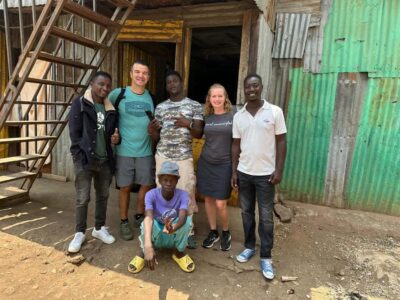
What makes this Kibera tour stand out is the access, you walk through the neighborhood with people who were born and raised there. In my notes, I love the home visit and the way guides like Benta and the team (Erick, Samuel, Jack) explain daily details, not just slogans. I also love that your fee feeds directly into a community-run non-profit, the KCOOP Organization, which runs programs for education, hunger relief, and more.
One possible drawback to think about first: this is a real community, so expect basic conditions and lots of walking. It is not suitable for wheelchair users, and you will want to bring the basics like water, sunscreen, and hand sanitizer.
Key things to know before you go

- Local guides with real daily context, not a script, you’ll ask questions and get straight answers
- A guided home visit, covering practical topics like water, electricity, and bathroom setups
- Crafts made from recycled materials, showing how locals turn scrap into jewelry and handmade items
- KCOOP Community Centre stop, where you see the non-profit work serving people in need
- Fixed-price souvenirs with price tags, no bargaining, so you can shop without awkward haggling
Why Kibera with local guides hits differently than a standard city tour

Most Nairobi sightseeing is about views, roads, and famous landmarks. This one is different in a good way. You are moving through Kibera with guides who still live the life you are seeing, so the explanations sound like a neighbor talking, not a lecture.
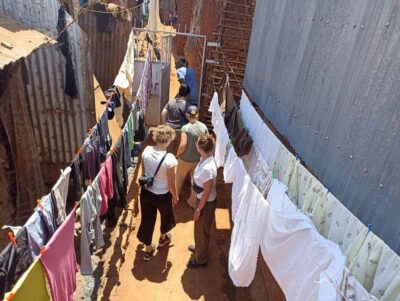
I also like that the tour focuses on “how things work” in daily life. The route is built around a home visit and community stops, so you get more than photos. You hear the practical story, how water gets handled, how spaces are sized, and what daily routines look like. That is the part that tends to stick with you long after the walk ends.
The emotional side is real too. You may find the living conditions tough to process. That is exactly why this tour can be powerful, but it is not “fun” in the theme-park sense. Go with an open head and a respectful attitude.
More of Kibera:
- Kevins Kibera Slum Tours
★ 5.0 · 213 reviews - Nairobi: Kibera Slum storytelling tour with a Local
★ 5.0 · 185 reviews - Kibera Slum Tour with Lucas
★ 5.0 · 119 reviews
Getting there: Prestige Plaza meeting point and a smooth start
Your meeting point is inside Prestige Plaza Shopping Mall on Ngong Road, meet in front of JAVA HOUSE. After the quick orientation, you travel into the neighborhood by car for the first stop.
The full tour runs 3 hours, with about 2.5 hours inside Kibera for walking and guided viewing. That timing matters because it keeps the experience focused. You are not rushed through ten things, and you also are not stuck out too long in the sun.
Two practical notes:
- Dress for walking. Comfortable shoes are a must.
- Bring water and sunscreen, because Nairobi sun does not care about good intentions.
Stop 1: The office briefing, clean washrooms, and Wi-Fi

The first stop is the team’s office inside the community. This is not just a formality. You get a short briefing so you know what to expect and how to behave in the space you are entering.
This is also where you can reset. The office has free Wi-Fi and super clean washrooms. That sounds like a small detail, but it makes the rest of the tour feel easier, especially if you are on your first day in Nairobi.
Then you continue along the route with the guides you were assigned. Depending on the day, you may meet different guide names within the local team, including people highlighted like Erick, Samuel, Benta, Jack, Emmanuel, and Zack from past groups.
Stop 2: Panoramic view point for context you can actually use

Next up is a panoramic view point. This stop gives you perspective quickly, the kind you cannot get from the city side.
Why it helps: when you understand the layout even a little, the later stops make more sense. You will start connecting what you hear about daily life to the physical setting around you. It turns random impressions into a clearer mental map.
It is also a breather moment. You can look around, ask quick questions, and get your bearings before the main experience, which is where you step closer into homes and community spaces.
More days out of Nairobi:
- Nairobi National Park Half-Day Tour; Free Wi-Fi connection
★ 5.0 · 878 reviews - Nairobi: National Park & Optional Elephants & Giraffe Center
★ 4.8 · 874 reviews - NAI NAMI: Nairobi Storytelling Tour with Street Children
★ 5.0 · 792 reviews - Nairobi National Park Half-Day Game Drive
★ 4.5 · 738 reviews
Stop 3: Home visit, where you learn the nuts and bolts

This is the main stop, the home visit, where you enter a residential house and learn what daily life looks like. Expect discussion of things like typical house size and basic systems, including how water is accessed, how electricity works, and how bathroom setups are handled.
This part can be both fascinating and confronting. You will likely notice contrasts right away, especially if you are used to space and privacy. The guide is there to translate the reality in a way that does not feel like pity, more like understanding.
Important mindset tip: treat this like a visit, not a spectacle. Ask questions, but keep them human and respectful. If you are unsure about photos, follow your guide’s cues and be careful about consent around children.
Stop 4: Kibera Handicrafts Centre, recycling turned into craft

After the home visit comes creativity. At the Kibera Handicrafts Centre, you see locals recycle and upcycle materials into jewelry and other handmade items.
What I like about this stop is that it shows problem-solving, not just hardship. You are seeing how people create value from what is available. If you love markets, you will enjoy this one because it is not just browsing, it is watching skills in action.
You will also get an easy shopping window later, but this crafts stop is the education piece. It helps you understand why the souvenirs at the end are meaningful.
Stop 5: The KCOOP Community Centre and programs for real needs
Then you reach the KCOOP Community Centre, run by the same non-profit supported by your tour fee.
KCOOP is a Community Based Organization founded and registered in 2022. The programs listed include:
- Education Program
- Combating Child Hunger
- Arts and Sports Program
- Economic Empowerment
- Environmental Conservation
This stop is where the “support” part becomes tangible. You are not just giving money, you are seeing the kind of structure that helps people keep moving forward.
If you have ever wondered whether donations actually translate into ongoing help, this centre is the kind of place that makes the answer feel more concrete.
Ending with Kibera curio and souvenir shopping, fixed prices only

Your final stop is a curio/souvenir shop with handmade African crafts and souvenirs. Here’s the detail that makes it less stressful than most tourist shopping: prices are fair, regular, transparent, and fixed. Every item is clearly marked with a price tag, and the tour guidance notes say there is no bargaining.
So you can shop without the usual “back-and-forth” awkwardness. If you want to buy locally made items, it is straightforward. If you do not want souvenirs, you can still browse and support through other ways you may be offered, like the option to bring gifts.
Tip: bring some cash if you want to purchase souvenirs locally. It is optional, but it is smart to be ready.
Making it meaningful: gifts, questions, and respectful photo habits

The tour specifically mentions that you can bring gifts, but it stays clear that it is optional. If you want to add something meaningful, the examples include candies, snacks, biscuits, school supplies, used clothes, sport supplies, art supplies, indoor games, hygiene products, and food basics like rice or sugar.
A very practical approach if you plan to bring sweets or small goodies: plan for a lot of kids. One detailed piece of practical advice from within the experience is that there can be about 50 children plus another 10 or so outside at the children’s centre at the same time. If you bring gifts, bring enough for the group or consider supplies the centre can use across many kids, like pencils, crayons, coloring books, and games.
About photos: one recurring theme in people’s reactions to Kibera is that children are friendly and people want to smile back. That is wonderful, but it is also why you should slow down. Ask before photographing anyone, and if your guide does not encourage it, skip it.
And if you are a parent or you have kids at home, bring your “adult translator brain.” You can feel a surge of emotion, and that is normal, just do not turn it into taking over someone else’s space.
Safety and comfort: why most people feel secure with the right guides
Safety in Kibera is a serious topic, and I want you to think about it honestly. This tour works because the guides are local and they know the routes and people. That is repeatedly emphasized in the experience feedback, including for solo visitors and groups.
Still, you control part of the situation:
- Stay close to your guide.
- Keep your phone and valuables secure.
- Do not wander off for photos or shortcuts.
- Wear comfortable shoes and bring water so you are not distracted by discomfort.
You do not need to be tense. Most people come away feeling comfortable and safe because the guides lead the interaction and manage the flow. But “safe” still means you follow directions.
Price and value: what $15 really buys you
At $15 per person for a 3-hour guided experience, you are paying for three things:
1) A local guide’s time and storytelling, delivered in English
2) Entry into spaces you cannot access on your own, like a home visit and the community centre
3) Support for the non-profit, since the proceeds go back into the community to help run KCOOP programs
That third point is the one that changes the value equation. You are not just buying a walking tour. You are contributing to a system designed for education, hunger, arts and sports, economic empowerment, and environmental conservation.
One more value angle: the tour includes an office stop with clean washrooms and Wi-Fi. It is small, but it makes the total experience smoother, especially if you are pairing it with other Nairobi plans.
Who this tour suits best (and who might reconsider)
This tour fits best if you want:
- A real-life, practical look at how people live in Kibera
- A chance to meet local guides who can answer questions directly
- A meaningful way to support KCOOP by doing something more involved than a quick donation drop
It may be less ideal if:
- You do not want a confrontational reality check
- You need wheelchair access, since it is not suitable for wheelchair users
- You are expecting a casual, easy walk with zero emotional weight
If you bring the right mindset, you will likely find the experience both eye opening and respectful.
Should you book this Nairobi Kibera tour?
If your goal is to understand Nairobi beyond the usual city checklist, I think this is worth booking. The best reason is simple: you are not just watching Kibera from the outside. You are learning through local guides, visiting a home, seeing community programs at KCOOP, and shopping with fixed-price items that connect to the work.
Book it if you can handle some discomfort, bring water and comfortable shoes, and treat the visit with respect. Skip it if you want a pure leisure activity or if you are not ready for the emotional reality.
If you want, tell me when you are visiting Nairobi and what you are most interested in (education, crafts, daily life, or youth programs). I can help you plan how to fit this into your day without rushing.
FAQ
How long is the Kibera tour, and can it be adjusted?
The tour duration is 3 hours. The team says they can make it longer or shorter depending on your interests, and you can also customize the tour to match what you want to see.
Where do I meet the guide?
You meet inside Prestige Plaza Shopping Mall on Ngong Road, in front of the JAVA HOUSE coffee shop.
Is the tour wheelchair accessible?
No. The experience is not suitable for wheelchair users.
What is included in the price?
An expert live guide is included.
Are meals and drinks provided?
No. Meals and drinks are not included.
Do I need cash, and is bargaining allowed in the souvenir shop?
Cash is optional, but if you want to buy locally made souvenirs, you will want some cash. Bargaining is not allowed, prices are fixed with clear price tags.
Recently reviewed from Nairobi
- Amboseli Day Trip from Nairobi★ 4.5 · 3 reviews
- Ngare Ndare Day Trip★ 5.0 · 3 reviews
- Nairobi city tour★ 4.5 · 3 reviews
- Day Trip To Crescent Island And Hells Gate National Park★ 5.0 · 3 reviews
- Crescent Island Day Tour From Nairobi★ 5.0 · 3 reviews
- 1-Day Amboseli Safari★ 5.0 · 3 reviews
- 13-Day Uganda Mgahinga Gorilla Trek, Maasai Amboseli Park★ 5.0 · 3 reviews
- 4 days group joining budget safari to Maasai Mara only★ 5.0 · 3 reviews
Kibera, compared.


Kibera Slum Tour with Local Social Entrepreneurs
Read our review →



Browse the lists this tour appears in