
Reviewed · KIBERA
Nairobi: Kibera Slum storytelling tour with a Local
Kibera can feel like it belongs to another planet, yet it sits in the middle of Nairobi’s everyday reality. This tour stands out because you walk with a local guide who knows the streets, the people, and the meaning behind Kibera’s nickname, City of Hope.
I especially like the stops with purpose, not just photo spots. You’ll go to Toi Market and the Hope and Shine Kibera Centre, then you’ll see a school and step into a local home so the day connects the dots.
One key consideration: this is a 3-hour walk through unmarked streets and narrow alleys. It is not suitable for people with back problems or heart problems.
Key highlights you should know

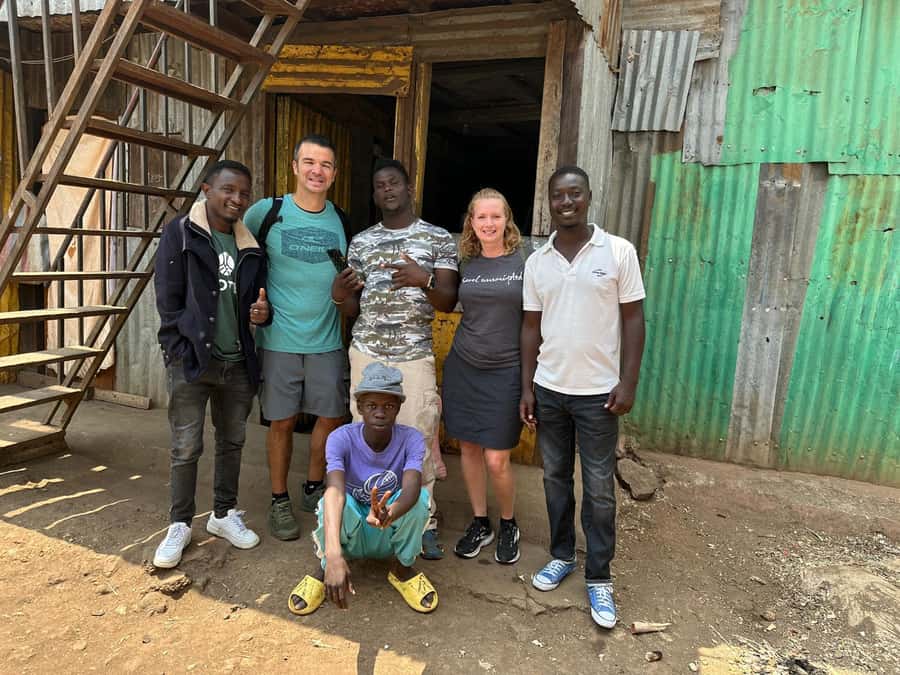
- City of Hope stories from people who grew up there: guides like Elijah, Lucas, Peter, and Effie share what life looks like up close.
- Toi Market in Kibera: see East Africa’s biggest informal settlement through its largest market.
- Hope and Shine Kibera Centre visit: a community hub focused on education and support.
- A real home visit plus school time: you get the full picture, not just a drive-by.
- Shopping opportunities with purpose: beads, jewelry, and small crafts can be part of supporting local projects.
- Safety is built into the plan: the tour is organized to keep you moving with a guide.
Nairobi Kibera storytelling, and why the City of Hope matters

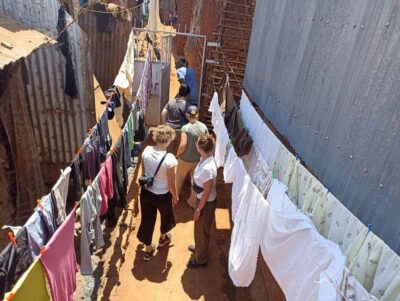
A Kibera slum tour can go wrong fast if it turns into gawking. This one avoids that trap by centering stories and relationships. Instead of treating Kibera like a problem to solve, the tour looks at people who have built coping systems, community networks, and hope with the resources they have.
City of Hope is not just a catchy phrase. On this walk, you’ll hear how residents support one another, how community spaces help with education, and how daily life keeps moving even when the conditions are tough. The effect is different from a typical city tour, because you’re not only looking at buildings. You’re listening for how people make meaning, make plans, and make it work.
I also like that it is structured. You start in a clear meeting point at Greenhouse Mall, then you move into the maze-like streets of Kibera with your guide. The day has clear stops, a school visit, and a local home experience, so you leave with context, not just impressions.
More of Kibera:
- Nairobi: Explore Kibera Slum with Local Guides
★ 4.9 · 365 reviews - Kevins Kibera Slum Tours
★ 5.0 · 213 reviews - Kibera Slum Tour with Lucas
★ 5.0 · 119 reviews
Greenhouse Mall meeting point, timing, and your first reality check
The tour meets at the entrance of Greenhouse Mall in Kilimani. If you arrive early, there’s a bench near the fountain on the ground floor where you can wait.
From the start, the vibe is practical. You’ll be with a live English guide, and you’ll get an audio guide option in French, Spanish, German, and Chinese if you want extra support. The tour runs about 3 hours, so it’s long enough to feel like a full neighborhood experience, but short enough to keep it manageable.
Because this is a walk through narrow alleys and unmarked streets, your first check is simple. Can you comfortably walk for a few hours on uneven ground? Can you keep your focus on your guide’s instructions? Once that clicks, the rest of the day goes smoothly.
The alley maze with guides like Elijah and Peter

What makes this experience work is the way the route is guided. You’re not wandering randomly through Kibera. You’re moving with someone who can explain what you’re seeing, why it exists where it does, and how residents navigate daily challenges.
Expect a steady rhythm: walk, stop, listen, ask questions, and then move again. Your guide will talk about resilience and ingenuity, but the details land because they connect to real places you can point at. Some guides, like Elijah, have shared stories from their own lives in Kibera, and that personal angle tends to make the history feel grounded rather than distant.
Safety is also part of how you experience the tour. The activity includes safety throughout the walk, and the guides keep the group together while moving through tighter corridors. Even when it gets late in the day and sections may be darker, the tour is organized around staying with your guide and following the planned route.
One more tip for your comfort: this is not the kind of walk where you can relax and check your phone every minute. The streets can be busy and tight, so treat it like a guided neighborhood orientation.
Toi Market and the Hope and Shine Kibera Centre

Two of the most important stops are Toi Market and the Hope and Shine Kibera Centre. They’re not just interesting. They help you understand the role of community systems in Kibera.
Toi Market is described as the largest market in Kibera, and it shows you how commerce and daily exchange work at neighborhood scale. You’ll likely notice that the market is not separate from life. It is life. People buy, sell, bargain, and pass time between errands, and your guide will explain what you’re seeing along the way.
Then you’ll visit Hope and Shine Kibera Centre, a community centre that provides education and support. This is where the day shifts from everyday logistics to long-term impact. Instead of only seeing scarcity, you see a response to scarcity: education programs, guidance, and support for residents who need it most.
Photography is part of the experience, with chances to take pictures of the colourful life around you. Just use your common sense. If someone seems uncomfortable, skip the shot. If you want to take a close photo, ask first through your guide.
More days out of Nairobi:
- Nairobi National Park Half-Day Tour; Free Wi-Fi connection
★ 5.0 · 878 reviews - Nairobi: National Park & Optional Elephants & Giraffe Center
★ 4.8 · 874 reviews - NAI NAMI: Nairobi Storytelling Tour with Street Children
★ 5.0 · 792 reviews - Nairobi National Park Half-Day Game Drive
★ 4.5 · 738 reviews
School time, and why education is the clearest mission
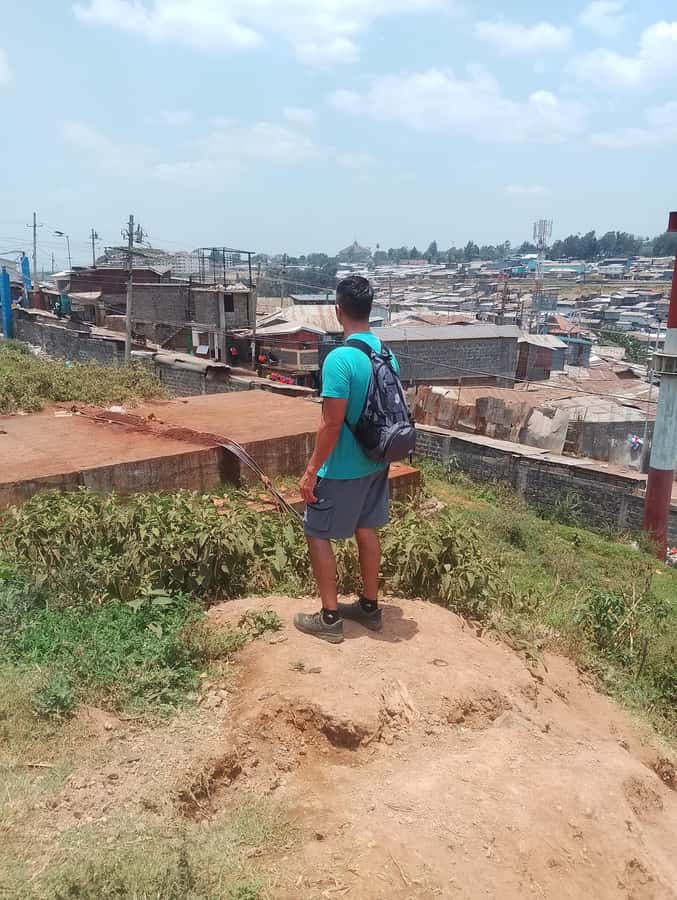
A visit to a Kibera school is included, and it is one of the most emotional parts of the tour. You’ll see children who are there because someone is making education possible when opportunities are limited.
On this stop, I pay attention to two things. First, the tone. Schools carry an atmosphere, and it tells you whether this is paperwork or actual support. Second, the way your guide explains how the initiative connects to the broader mission of the community.
If your guide shares it, you may also hear how ticket proceeds help fund the school. People on the tour often describe support that goes directly to education, with some guides explaining a portion of proceeds supports a school in Kibera. Even if you do not focus on percentages, the practical effect is easy to recognize: the stop isn’t a stunt, it is a working part of the community.
This is also why the tour is worth doing with a local guide. You’re not just watching. You’re understanding the logic behind why people keep pushing for better futures through schooling.
Visiting a local home, and how to do it respectfully
One of the promised experiences is time inside a slum home. This stop changes the whole tone of the day because it turns your mental picture into something physical.
You might meet the family who lives there and hear stories that explain how daily routines are shaped by limited space and limited services. It can be difficult to process. That’s normal. Still, the tour is designed to keep the interaction respectful and guided, not intrusive.
Here’s how to make your visit go well:
- Keep your questions focused on daily life and practical choices.
- Avoid overly personal questions right away. Let your guide set the pace.
- Be mindful with photos. Take wide shots when possible and ask before close-ups.
Also, wear something you’d be comfortable in if you were visiting a real home, not a show. Many people find they enjoy this stop more when they dress down and move respectfully, rather than trying to look like they’re on a formal excursion.
Shopping, art, and what your money can support in Kibera
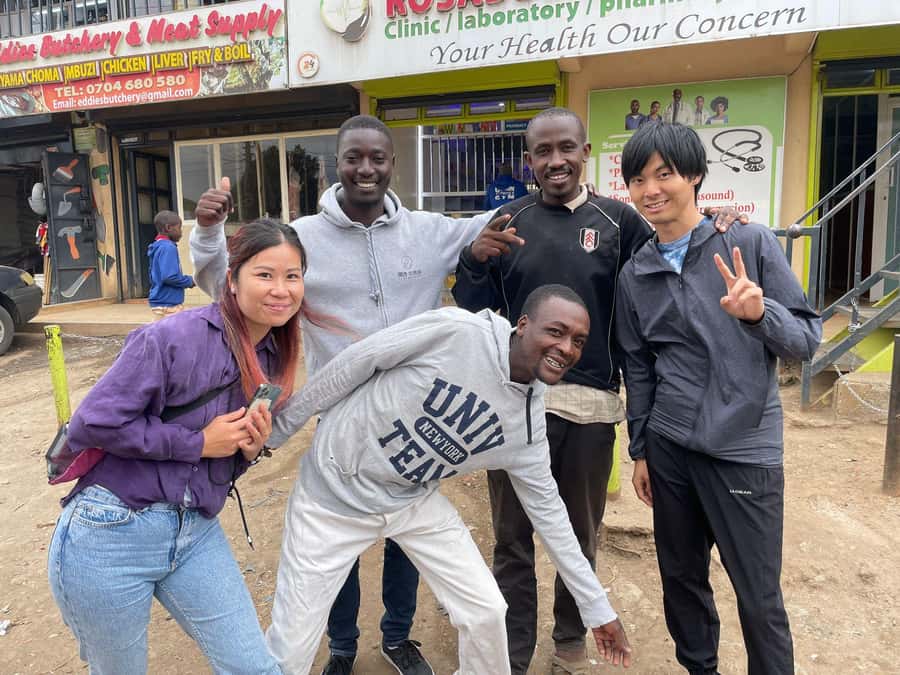
The tour includes shopping time, and you may have opportunities to buy small crafts. People often look for beads and jewelry, and there can be chances to see handmade items tied to local initiatives.
This is not about turning the tour into souvenir shopping. It’s about recognizing that local art is not an add-on. It can be a livelihood. When you buy something directly through community stops, you help support the people behind the work.
Some guides also point out other local initiatives while you’re walking, such as groups making crafts from recycled materials or community artwork. You might even pass practical facilities as part of the route, depending on the day and the flow of the walk.
If you want to shop, bring a bit of cash. That makes it easier to participate in small purchases if something catches your eye. And if you’re hoping to buy items for gifts, ask your guide what purchases are supported through the tour route.
Safety, what to wear, and how to plan your day
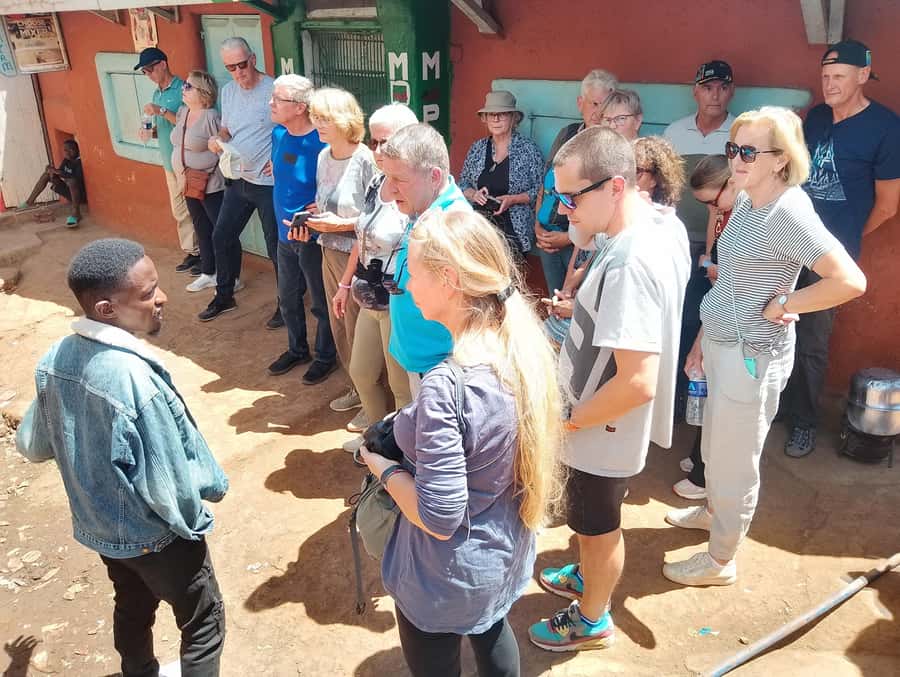
This tour is designed for safety throughout the walk, and guides work to keep you together and oriented. Still, you are walking in a real neighborhood with real conditions.
For comfort, plan like this:
- Wear closed-toe, grippy shoes. Avoid anything fancy. The ground can be uneven and narrow.
- Dress in clothes you do not worry about. You’ll be close to the community, and you may get dusty.
- Bring a small bag you can keep secure and close.
Health-wise, remember it is not suitable for people with back problems or heart problems due to the walking.
Weather matters too. The experience requires good weather, and if it is canceled due to poor weather you’ll be offered a different date or a full refund. So if Nairobi weather looks messy, you’ll appreciate how the operator handles rescheduling and refunds.
Price and value for a private 3-hour walk

The price is listed as $20 per group up to 1, and it includes all fees and taxes, safety throughout the tour, and a visit to a Kibera school. Even though the price sounds small, the value comes from what you get for it: a private local guide, multiple meaningful community stops, and access that is hard to arrange on your own.
In most cities, $20 might buy a short ride or a snack. Here, it buys structure. It buys interpretation. It buys a route through unmarked alleys with someone who can explain what you’re seeing, plus time inside a local home and a school visit.
Is it perfect for everyone? No. If you hate walking or you feel uncomfortable in close social settings, this may not be your thing. But if you want a Nairobi experience that connects to real life, it is strong value for money.
And one more practical angle: buying a tour like this is also a way to support local initiatives connected to education and community centers. If your guide explains how proceeds support a school, it adds real meaning to the day.
Who should book this Kibera Expeditions storytelling tour
This is a great fit if you want:
- A guided walk that explains what you see instead of leaving you guessing.
- A hands-on experience with a school visit and a local home.
- A Nairobi perspective that goes beyond the main attractions.
It might feel less suitable if:
- You need a low-movement day, since the route involves walking through narrow alleys.
- You have back or heart issues, because this tour is not suitable for those needs.
- You want a strictly sightseeing style itinerary with no social interaction.
The experience is led by a live English guide, and the tour is private. So you can ask questions and set the pace with your group size.
Also, if you’re someone who likes thoughtful conversations and people-to-people travel, this one tends to land well. The best moments are when you stop treating the tour like a show and start listening like a neighbor.
Should you book this Nairobi Kibera tour or skip it
If you’re on the fence, here’s my plain answer: book it if your goal is to understand Nairobi at street level, not just at viewpoint level. The combination of Toi Market, the Hope and Shine Kibera Centre, a school visit, and a home visit gives the day a clear arc. You’ll come away with more than photos. You’ll leave with context about how people create hope in hard conditions.
Skip it if you cannot handle walking on uneven ground, or if you need a very controlled, low-impact experience.
If you do book, do it with the right mindset. Be respectful, go slow with your phone, and let your guide set the tone. When the group moves as one, the experience feels safe, purposeful, and deeply human.
FAQ
Where do I meet the guide?
You meet at the entrance of Greenhouse Mall. If you arrive early, there is a bench near the fountain on the ground floor where you can wait.
How long is the tour?
The tour lasts about 3 hours.
Is this a private tour?
Yes. It is a private group experience, so only your group participates.
What language is the tour guide, and is there an audio guide?
The live tour guide is in English. An audio guide is included in French, Spanish, German, and Chinese.
What stops are included in the tour?
You visit Toi Market, the Hope and Shine Kibera Centre, and a Kibera school. You also visit a local home, and your route includes guided walking through the settlement.
Is smoking allowed during the tour?
No. Smoking is not allowed.
What happens if the weather is bad?
This experience requires good weather. If it is canceled due to poor weather, you will be offered a different date or a full refund.
Recently reviewed from Nairobi
- Amboseli Day Trip from Nairobi★ 4.5 · 3 reviews
- Nairobi city tour★ 4.5 · 3 reviews
- Ngare Ndare Day Trip★ 5.0 · 3 reviews
- Day Trip To Crescent Island And Hells Gate National Park★ 5.0 · 3 reviews
- Crescent Island Day Tour From Nairobi★ 5.0 · 3 reviews
- 1-Day Amboseli Safari★ 5.0 · 3 reviews
- 13-Day Uganda Mgahinga Gorilla Trek, Maasai Amboseli Park★ 5.0 · 3 reviews
- 4 days group joining budget safari to Maasai Mara only★ 5.0 · 3 reviews
Kibera, compared.



Kibera Slum Tour with Local Social Entrepreneurs
Read our review →



Browse the lists this tour appears in